
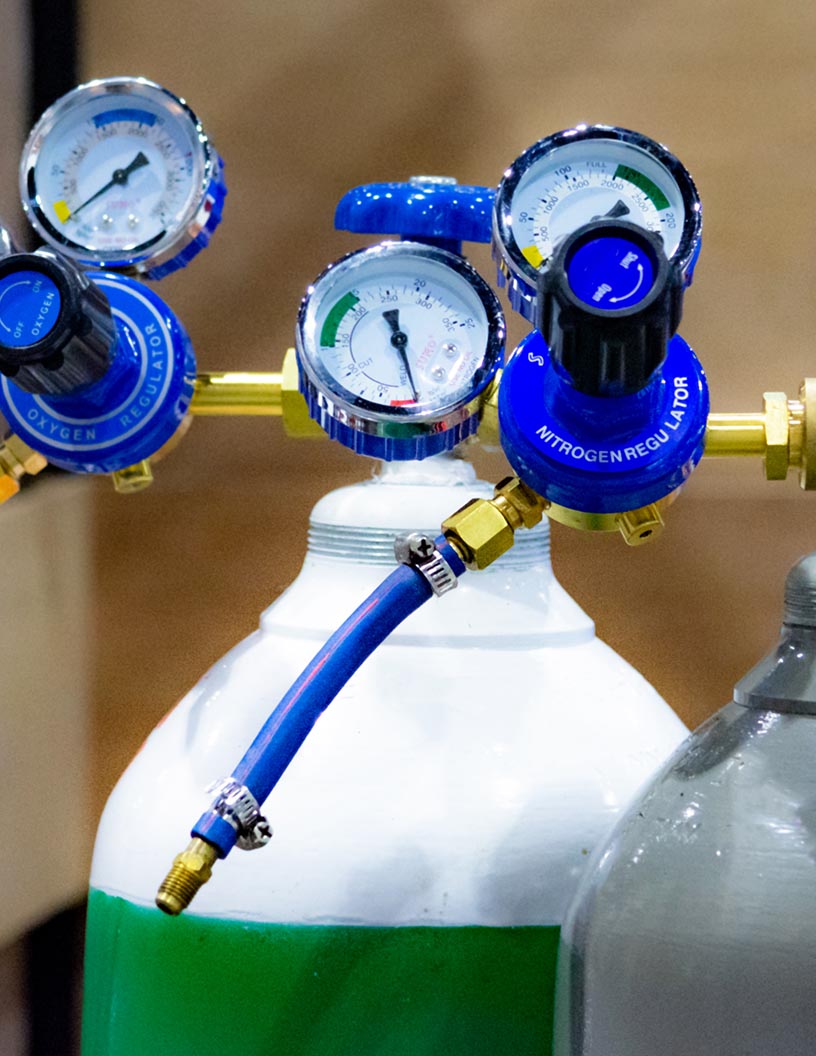


Industrial Gas Regulator Market Size 2024-2028
The industrial gas regulator market size is forecast to increase by USD 2.25 billion at a CAGR of 3.27% between 2023 and 2028.
- The market is experiencing significant growth due to the increasing adoption of natural gas in major markets such as North America, Europe, China, and Japan. This shift towards natural gas is driven by its environmental benefits and cost-effectiveness compared to traditional fuel sources. However, regulatory hurdles impact adoption in certain regions, necessitating compliance with stringent safety and emission norms. Additionally, supply chain inconsistencies temper growth potential due to the dependence on raw materials and logistics networks. Despite these challenges, the market presents substantial opportunities for companies offering advanced industrial gas regulators. These include valves with inbuilt pressure regulators, which provide enhanced safety features and improved efficiency.
- The low penetration of natural gas in developing countries represents a significant untapped market, offering potential for expansion and innovation. Companies seeking to capitalize on these opportunities must navigate regulatory complexities and ensure a robust supply chain to remain competitive in the evolving industrial gas regulator landscape.
What will be the Size of the Industrial Gas Regulator Market during the forecast period?

- The market encompasses various types of regulators, each designed to ensure precise control and consistent delivery of industrial gases. Gas regulator research continues to uncover innovations in design and technology, enhancing performance and safety. Gas regulator trends reflect the growing importance of reliability and ease of maintenance, driving development in this sector. Gas regulator manufacturers prioritize safety standards, integrating advanced features to prevent leaks and pressure surges. Gas regulator suppliers and distributors cater to diverse applications, offering customized solutions for different industries. Gas regulator calibration and troubleshooting are crucial aspects of maintenance, ensuring optimal performance and longevity. As the future of industrial gas control unfolds, gas regulator advancements are expected to address emerging challenges and deliver improved efficiency and flexibility.
How is this Industrial Gas Regulator Industry segmented?
The industrial gas regulator industry research report provides comprehensive data (region-wise segment analysis), with forecasts and estimates in "USD million" for the period 2024-2028, as well as historical data from 2018-2022 for the following segments.
- Technology
- Single-stage
- Dual-stage
- Geography
- North America
- US
- Europe
- Germany
- UK
- APAC
- China
- Japan
- Rest of World (ROW)
- North America
By Technology Insights
The single-stage segment is estimated to witness significant growth during the forecast period.
Industrial gas regulators play a crucial role in maintaining consistent pressure and flow rate for various industrial applications, including gas transportation, storage, and distribution. Single-stage regulators are suitable for applications where the gas usage is intermittent and the pressure can be manually adjusted. These regulators, however, require frequent adjustments as discharge pressure decreases. In contrast, industrial facilities using large quantities of gases typically employ dual-stage regulators for the main pipeline. Downstream distribution pipelines may use single-stage regulators for flow rate control and pressure reduction. Digital control systems and remote monitoring enable operational efficiency and predictive maintenance, ensuring regulatory compliance and safety features.
Gas blending, calibration services, and gas filtration are essential for maintaining gas purity and compatibility with different industrial processes. Sustainability initiatives, such as energy efficiency and corrosion resistance, are driving innovation in gas regulator technology. Manufacturing industries, including food and beverage, pharmaceutical, and chemical processing, rely on gas regulators for temperature control, heat treating, and gas metering. Pressure relief valves, hydraulic valves, and pneumatic valves are integral components of gas regulation systems. Actuation systems, repair services, and installation services ensure optimal performance and longevity. Compliance with safety certifications and regulatory standards is essential for safe and efficient gas supply chains.
Research and development in sensor technology, pressure gauges, and gas chromatography contribute to advancements in gas analysis and process automation. Gas supply chains, pipeline applications, and welding and cutting processes also benefit from the use of industrial gas regulators.

The Single-stage segment was valued at USD 6.54 billion in 2018 and showed a gradual increase during the forecast period.
Regional Analysis
APAC is estimated to contribute 41% to the growth of the global market during the forecast period.Technavio's analysts have elaborately explained the regional trends and drivers that shape the market during the forecast period.

The market in Asia Pacific (APAC) is experiencing significant growth due to the region's rapid urbanization and increasing industrialization. With over 55% of the global population residing in APAC, countries such as China, India, Indonesia, Pakistan, Bangladesh, and Vietnam are witnessing substantial investments in their industrial sectors. Industrial gases are utilized extensively across various industries, making the demand for gas regulators steady and consistent. In India, for instance, over USD800 billion is projected for urban infrastructure developments between 2011-2031. Moreover, advancements in rail and road networks and the growth of modern trade have enhanced the supply chain infrastructure for processed food in the region, further increasing the demand for industrial gases and regulators.
Regulatory approvals, pressure ratings, and safety features are crucial factors in the selection of industrial gas regulators. Digital control systems, wireless communication, data acquisition, and predictive maintenance are some of the emerging trends in the market. Gas transportation, gas blending, and gas metering are essential processes that require precise pressure control, which is achieved through the use of industrial gas regulators. Food and beverage, pharmaceutical manufacturing, and chemical processing are some of the industries that heavily rely on industrial gases and regulators. Temperature ratings, material compatibility, and gas purity are essential considerations in the selection of regulators for these industries.
The market for industrial gas regulators is also driven by the need for operational efficiency, maintenance services, and compliance with safety standards. Pressure regulation, actuation systems, and repair services are some of the key offerings in the market. Research and development, safety certifications, and sustainability initiatives are also significant factors influencing the market dynamics. Gas filtration, gas distribution, and manufacturing industries are other sectors that utilize industrial gas regulators. Valve technology, sensor technology, and pressure gauges are essential components of industrial gas regulators, ensuring accurate and efficient gas flow control. Gas chromatography, mass spectrometry, and gas analysis are critical applications of industrial gases, requiring precise pressure regulation and control.
In conclusion, the market in APAC is witnessing steady growth due to the region's industrialization and urbanization. The demand for industrial gases and regulators is driven by various industries, including food and beverage, pharmaceutical manufacturing, and chemical processing. Regulatory approvals, safety features, and operational efficiency are crucial factors influencing the market dynamics. Digital control systems, wireless communication, and data acquisition are emerging trends in the market. The market offers various services, including pressure regulation, actuation systems, and repair services, ensuring the efficient and safe use of industrial gases.
Market Dynamics
Our researchers analyzed the data with 2023 as the base year, along with the key drivers, trends, and challenges. A holistic analysis of drivers will help companies refine their marketing strategies to gain a competitive advantage.
What are the Industrial Gas Regulator market drivers leading to the rise in the adoption of Industry?
- The primary factor fueling market growth in North America, Europe, China, and Japan is the escalating utilization of natural gas.
- Industrial gas regulators play a crucial role in ensuring the safe and efficient flow of gases in natural gas pipelines, storage tanks, and transportable cylinders. The global increase in natural gas production and usage, driven by the demand for clean energy, is leading to an expansion of pipeline infrastructure and the construction of new storage facilities. This growth trend is boosting the demand for industrial gas regulators, which are essential for maintaining optimal gas flow and pressure levels. Advancements in sensor technology, actuation systems, and remote control capabilities are enhancing the functionality and efficiency of industrial gas regulators. These innovations enable supply chain optimization, improved gas flow control, and real-time gas analysis through technologies such as gas chromatography and pressure gauges.
- Industrial gas regulators are indispensable in various industries, including pharmaceutical manufacturing, energy efficiency, medical gases, and pipeline applications. Compliance with stringent safety standards is a priority, and industrial gas regulators are equipped with safety features to ensure reliable and secure gas delivery. In the context of pipeline applications, industrial gas regulators play a significant role in maintaining pressure levels and preventing gas leaks, ensuring the safe and efficient transportation of natural gas. The market for industrial gas regulators is expected to grow steadily, driven by the increasing demand for clean energy and the need for efficient and reliable gas delivery systems.
- Energy efficiency and safety are key considerations in the design and implementation of industrial gas regulators. These devices are essential for ensuring the optimal use of natural gas in various applications, from power generation and industrial processes to medical and pharmaceutical manufacturing. With the growing emphasis on sustainability and safety, the market for industrial gas regulators is poised for continued growth.
What are the Industrial Gas Regulator market trends shaping the Industry?
- The market trend increasingly favors companies providing valves equipped with integrated pressure regulators. This innovative solution streamlines the purchasing process and enhances system efficiency for consumers.
- Industrial gas supply chains encompass both in-house air-separation plants and industrial gas suppliers or manufacturers. Large-scale industrial facilities, such as those in manufacturing industries, chemical processing, and laboratory equipment, often construct air separation plants due to their significant demand for diverse industrial gases in large quantities. However, smaller operations, including welding and cutting shops and foundries, typically procure industrial gases from suppliers or manufacturers in portable cylinders. These cylinders come equipped with handwheel valves, necessitating the end-user to connect them to a gas equipment setup. This setup includes essential components like pressure regulators with gauges, manometers, shut-off valves, and flowmeters.
- Safety certifications are crucial in this industry, ensuring the compatibility of gases with various applications and materials, as well as maintaining gas purity and pressure regulation. Additionally, gas filtration and gas distribution systems are integral to the industrial gas supply chain. Research and development in valve technology and mass spectrometry continue to advance the industry, enhancing efficiency and safety.
How does Industrial Gas Regulator market faces challenges face during its growth?
- The limited adoption of natural gas in developing countries poses a significant barrier to the expansion and growth of the natural gas industry.
- In the market, the demand is driven by various applications, including gas cylinder usage, emissions reduction, flow rate control, and gas metering in industries. Digital control systems, pressure ratings, and gas transportation are essential aspects of this market, with an increasing focus on regulatory approvals and safety standards. Moreover, the adoption of advanced technologies like wireless communication, data acquisition, and predictive maintenance for remote monitoring and process automation is gaining traction. Gas blending and gas transportation are significant sectors, particularly in regions with extensive natural gas pipeline networks. Developing countries, such as India, Bangladesh, and Nigeria, are heavily reliant on gas cylinders for domestic applications due to the lack of proper infrastructure for natural gas distribution.
- However, these countries are investing in city gas distribution facilities to expand their natural gas reach to industrial and residential sectors. Overall, the market is witnessing significant growth due to the increasing demand for efficient and safe gas regulation systems in various industries.
Exclusive Customer Landscape
The industrial gas regulator market forecasting report includes the adoption lifecycle of the market, covering from the innovator's stage to the laggard's stage. It focuses on adoption rates in different regions based on penetration. Furthermore, the industrial gas regulator market report also includes key purchase criteria and drivers of price sensitivity to help companies evaluate and develop their market growth analysis strategies.

Customer Landscape
Key Companies & Market Insights
Companies are implementing various strategies, such as strategic alliances, industrial gas regulator market forecast, partnerships, mergers and acquisitions, geographical expansion, and product/service launches, to enhance their presence in the industry.
Air Liquide SA - The company specializes in industrial gas regulation, providing solutions for high flow and ultra high pressure applications.
The industry research and growth report includes detailed analyses of the competitive landscape of the market and information about key companies, including:
- Air Liquide SA
- Air Products and Chemicals Inc.
- Bellofram Group of Companies
- Bronkhorst High Tech B.V.
- Cavagna Group Spa
- Deluxe Industrial Gases
- Dipak Enterprise
- Emerson Electric Co.
- Enovis Corp.
- Genstar Technologies Co. Inc.
- Greggersen Gasetechnik GmbH
- Honeywell International Inc.
- Itron Inc.
- Linde Plc
- Maxitrol GmbH and Co. KG
- Pietro Fiorentini Spa
- Rotarex
- Tesuco
- The Lincoln Electric Co.
- Xylem Inc.
Qualitative and quantitative analysis of companies has been conducted to help clients understand the wider business environment as well as the strengths and weaknesses of key industry players. Data is qualitatively analyzed to categorize companies as pure play, category-focused, industry-focused, and diversified; it is quantitatively analyzed to categorize companies as dominant, leading, strong, tentative, and weak.
Recent Development and News in Industrial Gas Regulator Market
- In January 2024, Honeywell announced the launch of its new Model RQS3000 series industrial gas regulators, featuring advanced safety and performance technologies. This new product line is designed to meet the increasing demand for reliable and efficient gas regulation in various industries (Honeywell, 2024).
- In March 2025, Linde and Praxair, two leading industrial gas providers, completed their merger, creating a new entity named Linde plc. This strategic combination aimed to strengthen their market position and enhance their product offerings (Linde plc, 2025).
- In August 2024, Air Liquide received approval from the European Commission for its acquisition of Airgas, significantly expanding its presence in the North American market. This acquisition enabled Air Liquide to broaden its product portfolio and geographic reach (Air Liquide, 2024).
- In October 2025, Air Products and Chemicals unveiled their new Membrane Separation Unit (MSU), which utilizes state-of-the-art membrane technology to produce industrial gases more efficiently. This technological advancement is expected to reduce production costs and improve overall operational efficiency for customers (Air Products and Chemicals, 2025).
Research Analyst Overview
The market continues to evolve, driven by the dynamic interplay of various factors. Gas supply chains are optimized through advanced research and development, ensuring the delivery of high-quality gases for diverse applications. Emissions reduction is a key focus, with digital control systems and regulatory approvals enabling precise flow rate control and pressure ratings for gas transportation and blending. Remote monitoring and process automation facilitate operational efficiency, while wireless communication and data acquisition enable real-time insights for predictive maintenance. Hydraulic, electromagnetic, and pneumatic valves are integral components, ensuring safety features and pressure relief in pipeline applications. Industries such as food and beverage, pharmaceutical manufacturing, and heat treating rely on the market's offerings for temperature ratings and corrosion resistance.
Sustainability initiatives and compliance standards further drive innovation, with energy efficiency and gas metering playing crucial roles. Gas filtration, calibration services, and sensor technology enhance gas purity and accuracy in laboratory equipment and chemical processing. Valve technology, gas distribution, and manufacturing industries continue to integrate these advancements, fostering a continuous cycle of innovation and improvement.
Dive into Technavio's robust research methodology, blending expert interviews, extensive data synthesis, and validated models for unparalleled Industrial Gas Regulator Market insights. See full methodology.
|
Market Scope |
|
|
Report Coverage |
Details |
|
Page number |
148 |
|
Base year |
2023 |
|
Historic period |
2018-2022 |
|
Forecast period |
2024-2028 |
|
Growth momentum & CAGR |
Accelerate at a CAGR of 3.27% |
|
Market growth 2024-2028 |
USD 2245.1 million |
|
Market structure |
Fragmented |
|
YoY growth 2023-2024(%) |
3.13 |
|
Key countries |
US, China, Germany, Japan, and UK |
|
Competitive landscape |
Leading Companies, Market Positioning of Companies, Competitive Strategies, and Industry Risks |
What are the Key Data Covered in this Industrial Gas Regulator Market Research and Growth Report?
- CAGR of the Industrial Gas Regulator industry during the forecast period
- Detailed information on factors that will drive the growth and forecasting between 2024 and 2028
- Precise estimation of the size of the market and its contribution of the industry in focus to the parent market
- Accurate predictions about upcoming growth and trends and changes in consumer behaviour
- Growth of the market across APAC, Europe, North America, Middle East and Africa, and South America
- Thorough analysis of the market's competitive landscape and detailed information about companies
- Comprehensive analysis of factors that will challenge the industrial gas regulator market growth of industry companies
We can help! Our analysts can customize this industrial gas regulator market research report to meet your requirements.