
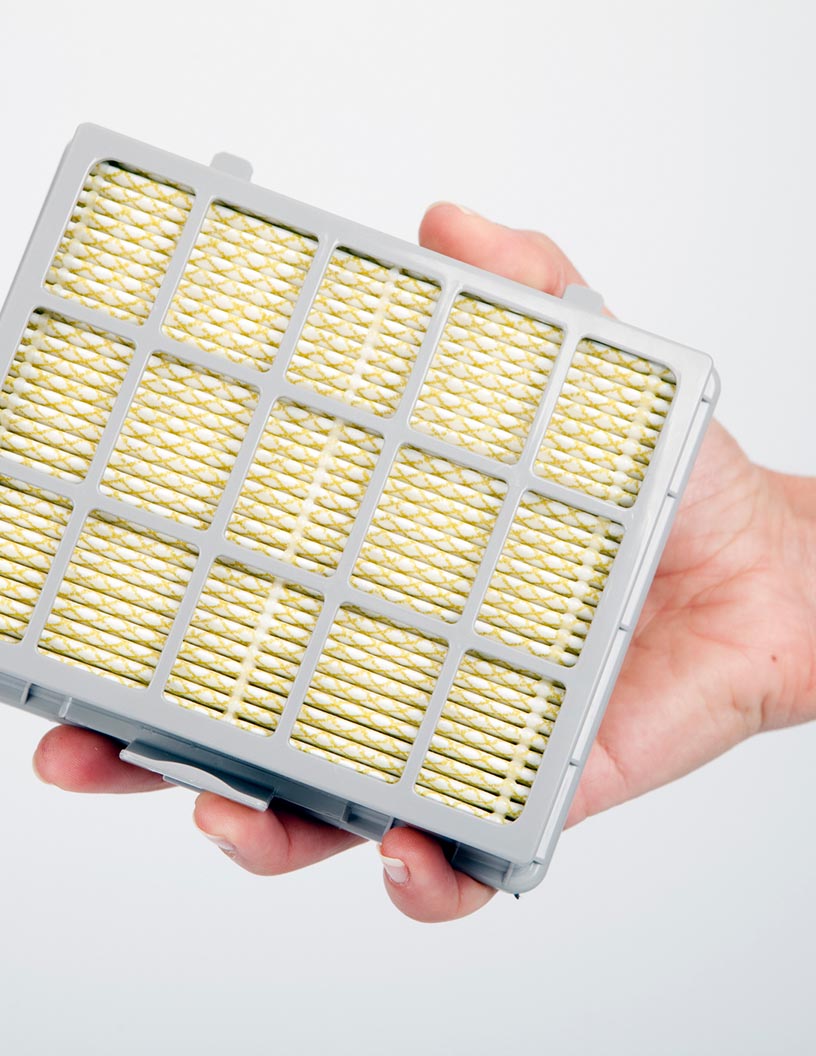


Industrial High-Efficiency Particulate Air (Hepa) Filters Market Size 2024-2028
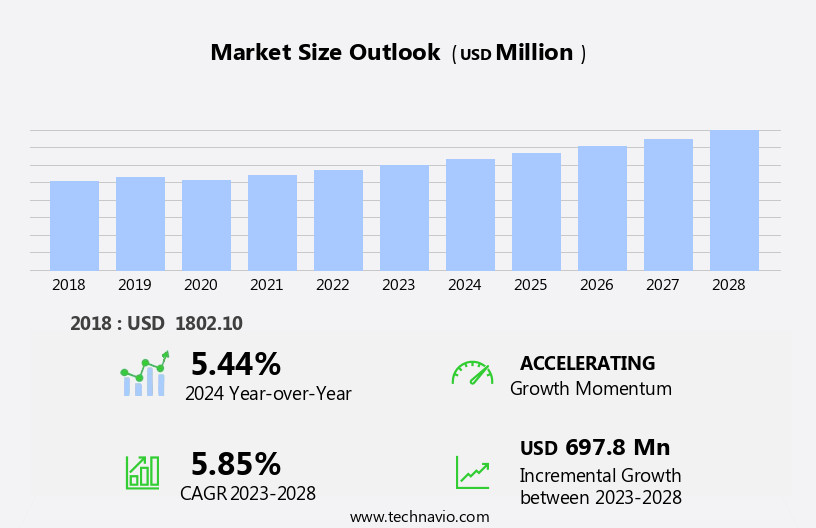
The industrial high-efficiency particulate air (hepa) filters market size is forecast to increase by USD 697.8 million at a CAGR of 5.85% between 2023 and 2028.
- The high-efficiency particulate air (HEPA) filters market is witnessing significant growth due to several key trends. The expansion of the distributed power generation sector is one such trend, as the increasing number of power plants requires effective filtration systems to ensure the emission of clean air. Another trend driving the market is the rise in oil and gas pipeline activities, which necessitate the use of HEPA filters to remove impurities and ensure the safety of the transportation process. Additionally, the slow growth in nuclear power generation is leading to a shift towards cleaner energy sources, further boosting the demand for HEPA filters. Despite these growth opportunities, the market faces challenges such as the high cost of HEPA filters and the availability of alternative filtration technologies. However, the benefits of HEPA filters, including their high filtration efficiency and ability to capture particles as small as 0.3 microns, make them a preferred choice for various industries, including healthcare, pharmaceuticals, and food and beverage.
What will be the Size of the Industrial High-Efficiency Particulate Air (Hepa) Filters Market During the Forecast Period?
- The market caters to the growing demand for cleaner air in various commercial and industrial applications. These filters are designed to capture airborne particles, including micro-organisms such as bacteria, viruses, mold, pollen, and dusts, as small as 0.3 micrometers. The market's growth is driven by increasing concerns for indoor air quality, environmental sustainability, and respiratory health. HEPA filters, which are more efficient than MERV 13 filters, effectively remove 99.97% of these particles, making them an essential component in industries dealing with air polluting materials. The market's trends include the development of advanced HEPA filters with enhanced filtration capabilities and the integration of HEPA filters into various systems, such as HVAC and industrial processes.
How is this Industrial High-Efficiency Particulate Air (Hepa) Filters Industry segmented and which is the largest segment?
The industrial high-efficiency particulate air (hepa) filters industry research report provides comprehensive data (region-wise segment analysis), with forecasts and estimates in "USD million" for the period 2024-2028, as well as historical data from 2018-2022 for the following segments.
- Application
- Air filtration
- Cleanroom
- Gas turbines
- End-user
- Commercial
- Industrial
- Residential
- Geography
- APAC
- China
- Japan
- Europe
- Germany
- UK
- North America
- US
- South America
- Middle East and Africa
- APAC
By Application Insights
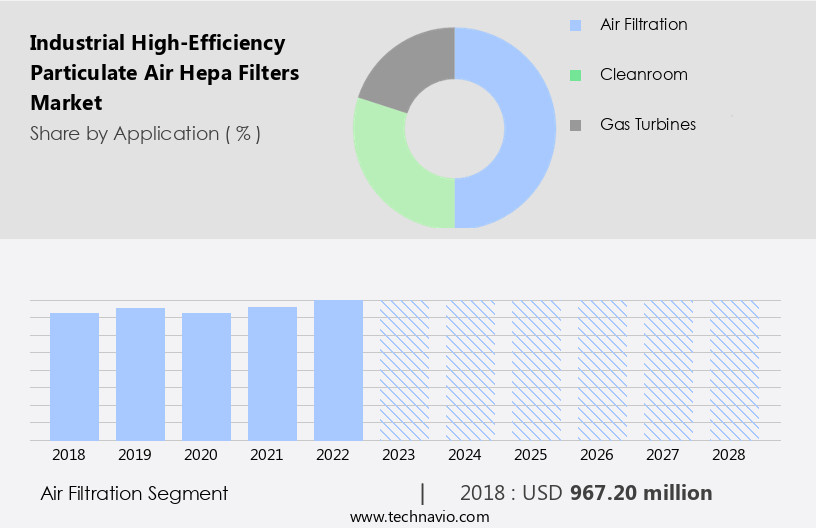
- The air filtration segment is estimated to witness significant growth during the forecast period.
HEPA filters play a crucial role In the second stage of air filtration systems, particularly in industrial HVAC applications. These filters effectively remove microorganisms, such as bacteria, viruses, mold, and pollen, as well as airborne particles and fibers, down to 0.3 micrometers in size. This two-stage filtration process significantly reduces the concentration of these contaminants in manufacturing facilities, enhancing indoor air quality and ensuring a safer work environment for employees. Industries like oil and gas, power, pulp and paper, chemical and petrochemical, mining and metal, and food and beverage rely on industrial HVAC systems equipped with HEPA filters to mitigate potential health risks and safeguard equipment efficiency.
Air filtration methods are essential for various sectors, including biotechnology, healthcare, and commercial and residential applications, where contamination control is vital for environmental sustainability and respiratory health concerns. Portable HEPA filters are also widely used in personal protective equipment, such as gloves and protective eyeglasses, for infectious disease control in hospitals and clinics. HEPA filters' energy efficiency and eco-friendly solutions contribute to the market's growth, with customized applications in air monitors, life-support machines, oxygen generators, atomizers, and air sanitization practices.
Get a glance at the Industrial High-Efficiency Particulate Air (Hepa) Filters Industry report of share of various segments Request Free Sample
The Air filtration segment was valued at USD 967.20 million in 2018 and showed a gradual increase during the forecast period.
Regional Analysis
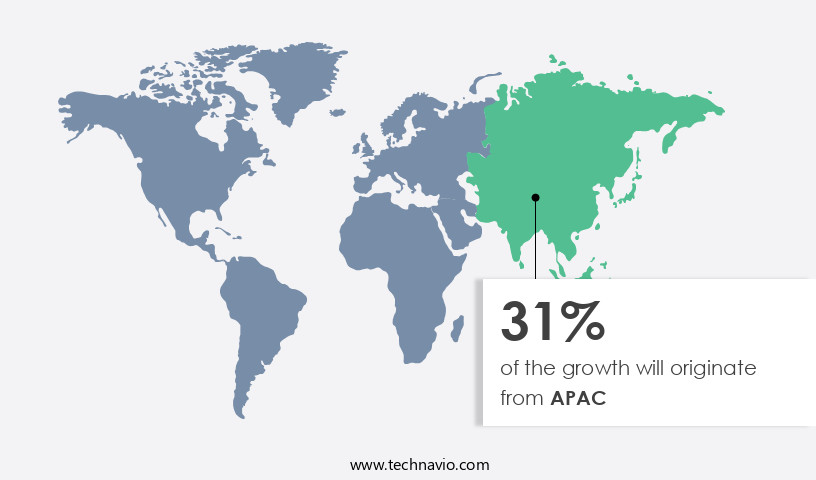
- APAC is estimated to contribute 31% to the growth of the global market during the forecast period.
Technavio's analysts have elaborately explained the regional trends and drivers that shape the market during the forecast period.
For more insights on the market share of various regions, Request Free Sample
The market in Asia Pacific (APAC) is experiencing substantial growth due to increasing demand from various industries, including oil and gas, power, and electronics. Countries such as China, Japan, India, Vietnam, South Korea, Malaysia, and Australia are major contributors to this growth. The energy sector's expansion, particularly in power generation, is driving the demand for HEPA filters in APAC. For instance, Myanmar's plans to invest in coal-fired power plants to provide nationwide electricity by 2030 will boost the market. HEPA filters are essential in industrial applications for removing airborne particles, including micro-organisms, air polluting materials, dusts, pollen, mold, bacteria, viruses, and fibers as small as 0.3
micrometers. The market encompasses various applications, such as Mechanical air filters, life-support machines, oxygen generators, monitors, personal protective equipment (PPE), and HVAC systems. In the healthcare sector, HEPA filters are integral to sanitization practices in hospitals and clinics, protecting against respiratory infections and other contaminants. The market is also influenced by environmental sustainability and respiratory health concerns, leading to the development of energy-efficient, eco-friendly solutions and customized, specialized applications.
Market Dynamics
Our researchers analyzed the data with 2023 as the base year, along with the key drivers, trends, and challenges. A holistic analysis of drivers will help companies refine their marketing strategies to gain a competitive advantage.
What are the key market drivers leading to the rise In the adoption of Industrial High-Efficiency Particulate Air (Hepa) Filters Industry?
Growth of distributed power generation base is the key driver of the market.
- Industrial High-Efficiency Particulate Air (HEPA) filters have gained significant importance in various industries due to the increasing concern for indoor air quality and respiratory health. These filters are effective in removing airborne particles, including micro-organisms such as bacteria, viruses, pollen, mold, and dusts, from the air. The biotechnological industry, healthcare professionals, and commercial establishments, including hospitals and clinics, heavily rely on HEPA filters for sanitization practices and maintaining optimal indoor air quality. HEPA filters are not only used in commercial and industrial settings but also in residential applications, such as portable HEPA filters and HVAC systems. In the healthcare sector, HEPA filters are crucial for life-support machines, oxygen generators, monitors, and personal protective equipment, including gloves and protective eyeglasses.
- Gas turbines, which are commonly used in power generation, are susceptible to air pollutants, such as dusts, pollen, and micro-organisms, which can impact their efficiency. To mitigate this issue, industrial operators install air inlet filtration systems that comply with MERV 15/F9 standards. However, HEPA filters offer higher efficiency levels than MERV 15/F9, making them a preferred choice for ensuring energy efficiency and maintaining optimal performance of gas turbines. HEPA filters are also essential in various specialized applications, such as air filtration methods for infectious disease control, air filtration in bus shelters and ambulances, and In the production of eco-friendly solutions for environmental sustainability.
- With customization options available for specialized applications, HEPA filters offer smart integration and sustainability, making them an indispensable component for various industries. In conclusion, the demand for HEPA filters is driven by the need for energy efficiency, indoor air quality, and respiratory health concerns. With their ability to effectively remove airborne particles, HEPA filters have become an essential component in various industries, including the biotechnological industry, healthcare sector, and power generation. The importance of HEPA filters is further emphasized In the context of environmental sustainability and eco-friendly solutions.
What are the market trends shaping the Industrial High-Efficiency Particulate Air (Hepa) Filters Industry?
Increasing oil and gas pipeline activity is the upcoming market trend.
- The market encompasses mechanical air filters designed to capture airborne particles, including micro-organisms such as bacteria, viruses, mold, pollen, and dusts. These filters are essential in various industries, including the biotechnological sector, where they are used to maintain indoor air quality and prevent contamination in laboratories. In healthcare settings, HEPA filters are employed in life-support machines, oxygen generators, monitors, and personal protective equipment, safeguarding healthcare professionals and patients from infectious diseases and respiratory infections. Portable HEPA filters are increasingly popular due to their adaptability and energy efficiency, making them suitable for use in bus shelters, ambulances, and residential applications.
- The market's growth is driven by the need for eco-friendly solutions and sustainability, as well as specialized applications in HVAC systems and customization for specific industries. HEPA filters play a crucial role In the oil and gas industry, where they ensure the air quality of gas turbines used in compressor stations. The expansion of oil terminals globally has led to an increased demand for efficient air handling systems, as these facilities serve as centers for oil and gas transportation and support the industry's supply chain. In summary, the Industrial HEPA filters market caters to various industries, including biotechnology, healthcare, and oil and gas, with applications ranging from air filtration methods in laboratories to maintaining indoor air quality in hospitals and commercial buildings.
- The market's growth is driven by factors such as energy efficiency, environmental sustainability, and the need for customized solutions for specialized applications.
What challenges does the Industrial High-Efficiency Particulate Air (Hepa) Filters Industry face during its growth?
Slow growth in nuclear power generation is a key challenge affecting the industry growth.
- Industrial High-Efficiency Particulate Air (HEPA) filters have gained significant importance in various industries due to their ability to effectively remove airborne particles, including micro-organisms such as bacteria, viruses, mold, pollen, and dusts. These filters are essential In the biotechnological industry for maintaining indoor air quality in laboratories and cleanrooms. In the healthcare sector, HEPA filters are used in life-support machines, oxygen generators, monitors, personal protective equipment, and sanitization practices to prevent the spread of infectious diseases, particularly viruses. HEPA filters are also used in HVAC applications to improve energy efficiency and maintain indoor air quality in commercial, industrial, and residential settings.
- The market for HEPA filters is driven by increasing health and environmental sustainability concerns, as well as specialized applications in industries such as air filtration methods for contamination control. Portable HEPA filters are increasingly popular for use in bus shelters, ambulances, and other mobile applications. HEPA filters are also used in air filtration methods for airborne particles in industries such as semiconductor manufacturing and pharmaceuticals. The global HEPA filters market is expected to grow significantly due to increasing demand for eco-friendly solutions and customization for specialized applications. The PESTEL analysis of the HEPA filters market includes political, economic, social, technological, environmental, and legal factors that impact the market dynamics.
Exclusive Customer Landscape
The industrial high-efficiency particulate air (hepa) filters market forecasting report includes the adoption lifecycle of the market, covering from the innovator's stage to the laggard's stage. It focuses on adoption rates in different regions based on penetration. Furthermore, the industrial high-efficiency particulate air (hepa) filters market report also includes key purchase criteria and drivers of price sensitivity to help companies evaluate and develop their market growth analysis strategies.
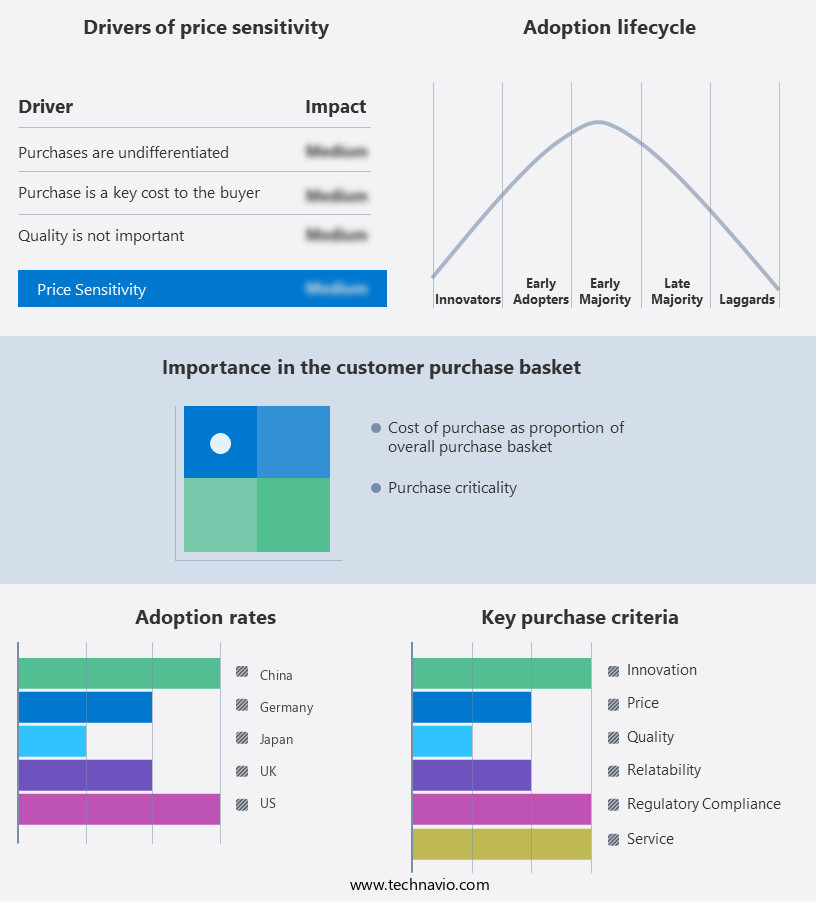
Customer Landscape
Key Companies & Market Insights
Companies are implementing various strategies, such as strategic alliances, industrial high-efficiency particulate air (hepa) filters market forecast, partnerships, mergers and acquisitions, geographical expansion, and product/service launches, to enhance their presence In the industry.
Air Clean Deviser Taiwan Corp. - Industrial High-Efficiency Particulate Air (HEPA) filters are essential components in various industries for improving indoor air quality. These filters, including V-Pleating Pre-filters with paper frames and HEPA filters, effectively remove airborne particles as small as 0.3 microns. By trapping these particles, HEPA filters contribute significantly to maintaining a clean and healthy working environment. The filters' high-performance design ensures the capture of a minimum efficiency reporting value (MERV) of 17 or higher, making them an indispensable solution for industries with stringent air quality requirements.
The industry research and growth report includes detailed analyses of the competitive landscape of the market and information about key companies, including:
- Air Clean Deviser Taiwan Corp.
- Camfil AB
- Daikin Industries Ltd.
- Donaldson Co. Inc.
- Filtration Group Corp.
- Freudenberg and Co. KG
- GVS S.p.A.
- HEPA Corp.
- Johnson Controls International Plc.
- Komline Sanderson Corp.
- MANN HUMMEL International GmbH and Co. KG
- MayAir Group
- Nederman Holding AB
- Parker Hannifin Corp.
- Porvair Filtration Group
- Synder Filtration Inc.
- Troy Filters Ltd.
- W. L. Gore and Associates Inc.
- Webasto SE
- Wujiang Deshengxin Purification Equipment Co. Ltd.
Qualitative and quantitative analysis of companies has been conducted to help clients understand the wider business environment as well as the strengths and weaknesses of key industry players. Data is qualitatively analyzed to categorize companies as pure play, category-focused, industry-focused, and diversified; it is quantitatively analyzed to categorize companies as dominant, leading, strong, tentative, and weak.
Research Analyst Overview
The high-efficiency particulate air (HEPA) filter market encompasses a wide range of mechanical air filtration systems designed to capture and remove airborne particles from various industries and applications. These filters play a crucial role in maintaining indoor air quality (IAQ) and ensuring respiratory health for individuals in various sectors, including commercial, industrial, and residential settings. HEPA filters are engineered to capture micro-organisms, air polluting materials, and other airborne particles, including dusts, pollen, mold, bacteria, and viruses. These filters utilize a mechanical process to trap particles as small as 0.3 micrometers in size, making them highly effective in removing even the smallest contaminants from the air.
The biotechnological industry relies heavily on HEPA filters for applications such as cleanrooms, where the production of pharmaceuticals and other sensitive materials requires stringent air quality control. Portable HEPA filters are also popular in healthcare settings, including hospitals and clinics, where they help prevent the spread of infectious diseases and respiratory infections. HEPA filters find extensive applications in various industries, including HVAC systems, life-support machines, oxygen generators, monitors, and personal protective equipment. These filters are essential in maintaining optimal indoor air quality and ensuring the health and safety of workers and occupants in industrial and commercial settings. Environmental sustainability and eco-friendly solutions are increasingly becoming essential considerations in various industries, and HEPA filters offer an energy-efficient alternative to traditional air filtration methods.
These filters are also customizable to meet specialized applications and can be integrated into smart systems for enhanced functionality and sustainability. The market dynamics of the HEPA filter market are influenced by various factors, including the growing awareness of indoor air quality and respiratory health concerns, increasing demand for eco-friendly solutions, and the development of advanced filtration technologies. The HVAC application segment is expected to dominate the market due to the widespread use of HEPA filters in HVAC systems for air conditioning and ventilation. The PESTEL analysis of the HEPA filter market reveals various macro-environmental factors influencing the market, including political regulations, economic conditions, social trends, technological advancements, environmental concerns, and legal issues.
Political regulations, such as air quality standards and safety regulations, drive the demand for HEPA filters in various industries. Economic conditions, such as disposable income levels and industrial growth, also impact the market's size and growth. Social trends, such as increasing awareness of health and wellness, also contribute to the market's growth. Technological advancements, such as the development of smart and eco-friendly filtration systems, offer new opportunities for market growth. Environmental concerns, such as the need for energy-efficient and sustainable solutions, are also driving the market's growth. Legal issues, such as patent infringement and intellectual property disputes, can impact market competition and growth.
In conclusion, the high-efficiency particulate air (HEPA) filter market is a dynamic and growing industry that plays a crucial role in maintaining indoor air quality and ensuring respiratory health in various industries and applications. The market's growth is driven by various factors, including increasing awareness of indoor air quality and respiratory health concerns, the development of advanced filtration technologies, and the need for eco-friendly and energy-efficient solutions. The market's future outlook is promising, with significant growth opportunities in various industries and applications.
|
Market Scope |
|
|
Report Coverage |
Details |
|
Page number |
173 |
|
Base year |
2023 |
|
Historic period |
2018-2022 |
|
Forecast period |
2024-2028 |
|
Growth momentum & CAGR |
Accelerate at a CAGR of 5.85% |
|
Market growth 2024-2028 |
USD 697.8 million |
|
Market structure |
Fragmented |
|
YoY growth 2023-2024(%) |
5.44 |
|
Key countries |
China, US, Germany, Japan, and UK |
|
Competitive landscape |
Leading Companies, Market Positioning of Companies, Competitive Strategies, and Industry Risks |
What are the Key Data Covered in this Industrial High-Efficiency Particulate Air (Hepa) Filters Market Research and Growth Report?
- CAGR of the Industrial High-Efficiency Particulate Air (Hepa) Filters industry during the forecast period
- Detailed information on factors that will drive the growth and forecasting between 2024 and 2028
- Precise estimation of the size of the market and its contribution of the industry in focus to the parent market
- Accurate predictions about upcoming growth and trends and changes in consumer behaviour
- Growth of the market across APAC, Europe, North America, South America, and Middle East and Africa
- Thorough analysis of the market's competitive landscape and detailed information about companies
- Comprehensive analysis of factors that will challenge the industrial high-efficiency particulate air (hepa) filters market growth of industry companies
We can help! Our analysts can customize this industrial high-efficiency particulate air (hepa) filters market research report to meet your requirements.