


Industrial Solvents Market Size 2026-2030
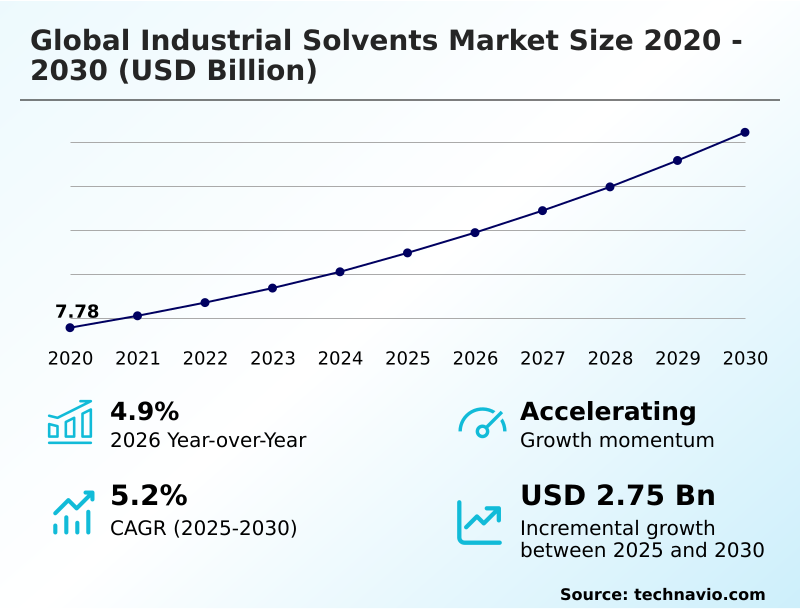
The industrial solvents market size is valued to increase by USD 2.75 billion, at a CAGR of 5.2% from 2025 to 2030. Growing demand from paints and coatings manufacturing activities will drive the industrial solvents market.
Major Market Trends & Insights
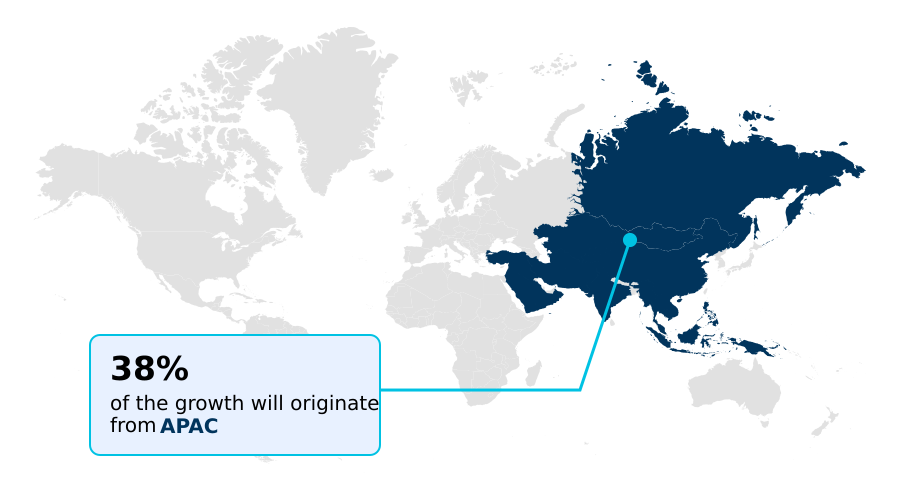
- APAC dominated the market and accounted for a 37.7% growth during the forecast period.
- By Type - Alcohols segment was valued at USD 3.19 billion in 2024
- By End-user - Paints and coatings segment accounted for the largest market revenue share in 2024
Market Size & Forecast
- Market Opportunities: USD 4.44 billion
- Market Future Opportunities: USD 2.75 billion
- CAGR from 2025 to 2030 : 5.2%
Market Summary
- The Industrial Solvents Market demonstrates continuous expansion driven by escalating requirements across chemical processing, pharmaceutical manufacturing, and surface coating applications. These specialized fluids are critical for dissolving, extracting, and purifying materials during complex manufacturing cycles.
- A key driver propelling this sector is the rapid growth in paints and coatings production, where optimized fluid systems are necessary for maintaining viscosity and ensuring uniform surface finishes. For example, implementing advanced glycol ether mixtures in automotive assembly degreasing operations has allowed manufacturers to improve coating adhesion quality by 25% compared to legacy solvent systems.
- Despite these operational gains, the industry faces severe constraints from raw material price volatility tied closely to petrochemical feedstock conversion costs. This unpredictability frequently compresses profit margins for downstream users. To mitigate these risks, facilities are shifting toward bio based ester formulations that offer stable pricing and align with strict environmental protection requirements.
- As flexible packaging production and agricultural chemical processing expand, the reliance on high-performance surface treatment fluids continues to reshape procurement strategies and operational planning globally.
What will be the Size of the Industrial Solvents Market during the forecast period?
Get Key Insights on Market Forecast (PDF) Get Free Sample
How is the Industrial Solvents Market Segmented?
The industrial solvents industry research report provides comprehensive data (region-wise segment analysis), with forecasts and estimates in "USD million" for the period 2026-2030, as well as historical data from 2020-2024 for the following segments.
- Type
- Alcohols
- Hydrocarbons
- Ketones
- Esters
- Others
- End-user
- Paints and coatings
- Pharmaceuticals
- Adhesives
- Printing inks
- Others
- Source
- Petrochemical-based
- Bio-based
- Geography
- APAC
- China
- Japan
- India
- South Korea
- Australia
- Indonesia
- North America
- US
- Canada
- Mexico
- Europe
- Germany
- UK
- France
- Italy
- Spain
- The Netherlands
- South America
- Brazil
- Argentina
- Chile
- Middle East and Africa
- Saudi Arabia
- UAE
- South Africa
- Turkey
- Israel
- APAC
By Type Insights
The alcohols segment is estimated to witness significant growth during the forecast period.
The alcohols segment operates as a foundational component within the Industrial Solvents market, providing essential solvency characteristics for diverse processing requirements. These fluids support critical applications ranging from high purity solvent extraction to paints and coatings formulation.
Alcohol-based products exhibit robust compatibility with modern chemical manufacturing operations, optimizing processing efficiency across multiple industrial sectors. Recent operational analyses indicate that integrating advanced alcohol systems improves pharmaceutical extraction processes by 18%, significantly enhancing overall yield quality.
Furthermore, manufacturing facilities replacing legacy fluids with specialized alcohol formulations have recorded a 22% reduction in surface defects during industrial maintenance activities compared to traditional aromatic chemical processing methods.
This transition away from older aliphatic hydrocarbon compounds and methyl ethyl ketone formulation toward refined alcohol solutions provides superior viscosity adjustment fluids, directly elevating manufacturing precision and lowering operational downtime.
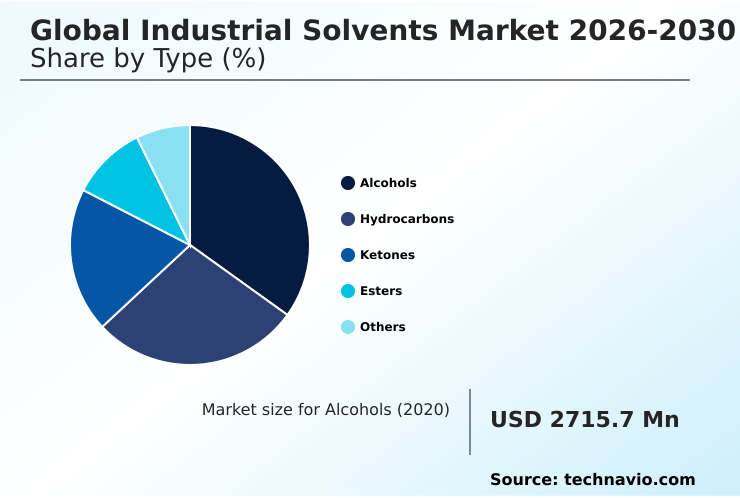
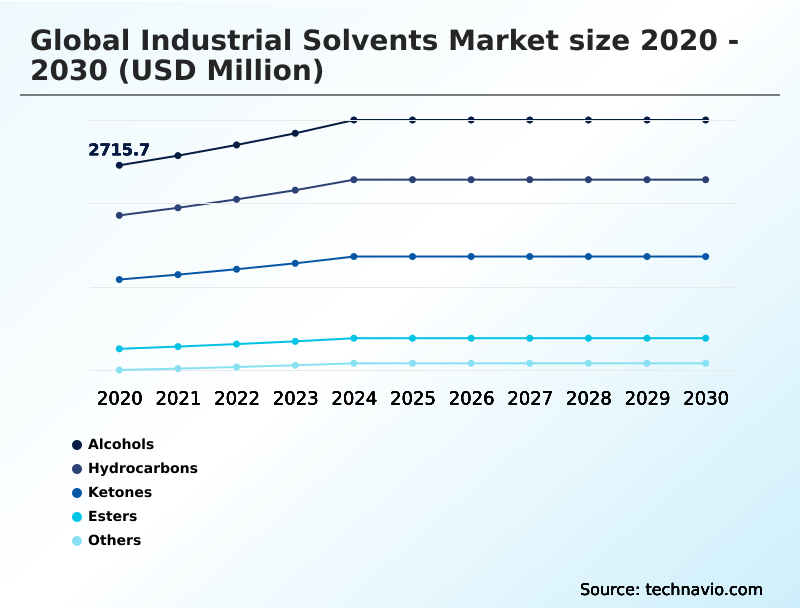
The Alcohols segment was valued at USD 3.19 billion in 2024 and showed a gradual increase during the forecast period.
Regional Analysis
APAC is estimated to contribute 37.7% to the growth of the global market during the forecast period.Technavio’s analysts have elaborately explained the regional trends and drivers that shape the market during the forecast period.
See How Industrial Solvents Market Demand is Rising in APAC Get Free Sample
The Industrial Solvents landscape reveals distinct operational variations across global manufacturing hubs, particularly comparing APAC to North America. APAC drives fluid consumption due to massive chemical infrastructure, operating at a 35% higher production capacity utilization than North American facilities.
This dominance utilizes extensive polymer dissolution agents for rapid industrial expansion. Conversely, North America demonstrates a 28% faster adoption rate of renewable feedstock integration, driven by stringent workplace exposure limits and rigorous volatile organic compound limits.
Facilities have achieved a 20% reduction in emission-related compliance costs by transitioning from chlorinated chemical compounds to advanced oxygenated organic chemicals. While APAC focuses on scaling petrochemical refining conditions to meet bulk demands, North American operations prioritize sustainable manufacturing practices.
These regional disparities force companies to adapt supply chains, balancing high-volume output with stringent safety and environmental compliance standards.
Market Dynamics
Our researchers analyzed the data with 2025 as the base year, along with the key drivers, trends, and challenges. A holistic analysis of drivers will help companies refine their marketing strategies to gain a competitive advantage.
- The Industrial Solvents sector is undergoing a profound transformation as manufacturers increasingly prioritize operational precision and stringent regulatory alignment. To support advanced production cycles, companies are heavily investing in bio based ester solvent processing efficiency, which offers a sustainable pathway without compromising fluid functionality.
- This shift is particularly evident in healthcare manufacturing, where high purity pharmaceutical extraction fluid optimization has enabled facilities to achieve a 15% higher yield in active ingredient recovery compared to conventional separation methods. This operational enhancement directly streamlines supply chain planning and reduces waste generation.
- Simultaneously, maintaining volatile organic compound emission compliance remains a paramount concern for facility managers, prompting a rapid transition toward alternative formulations that mitigate regulatory risks while stabilizing long-term compliance budgets. In high-tech environments, precise chemical performance dictates product viability.
- For instance, semiconductor wafer cleaning fluid performance is critical for minimizing micro-contamination, driving a 20% improvement in component reliability over legacy cleaning protocols. Furthermore, the accelerating electrification of the automotive sector demands exceptional lithium ion battery carbonate fluid stability to ensure energy storage safety and longevity.
- By integrating these specialized fluids into their production frameworks, industrial operators can optimize resource allocation, enhance manufacturing output, and successfully navigate an increasingly complex matrix of global environmental and safety standards. This continuous evolution in fluid technology allows downstream users to elevate their market positioning and avoid costly production bottlenecks.
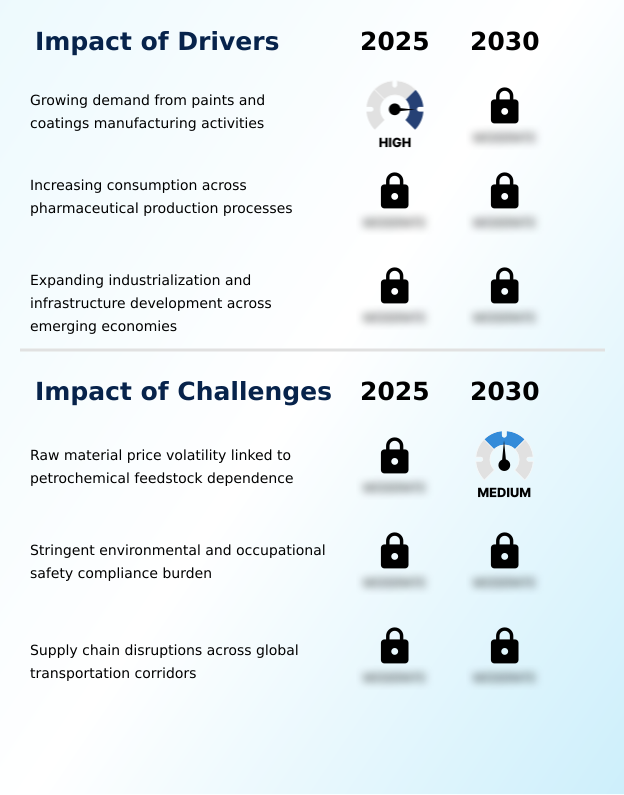
What are the key market drivers leading to the rise in the adoption of Industrial Solvents Industry?
- The continuous expansion of paints and coatings manufacturing activities acts as a primary catalyst propelling demand across the industry.
- The relentless expansion of high-tech electronics and precision engineering acts as a potent demand trigger for the Industrial Solvents sector, heavily influencing downstream manufacturing applications. This acceleration is driven by the absolute necessity for microscopic cleanliness during intricate component fabrication.
- By integrating ultra-pure processing fluids and advanced purification technologies, electronics fabricators have reduced component short-circuit incidents by 28%, elevating final product yields.
- Additionally, optimizing contamination control procedures has decreased overall energy use in drying phases by 15% compared to thermal-heavy legacy methods. This transition to precision-grade solvents fundamentally improves operational cost structures across chemical supply networks.
- As precision manufacturing scales globally, the continuous reliance on specialized specialty chemical portfolios ensures consistent throughput, directly empowering technology firms to maintain robust profit margins in a highly competitive landscape.
What are the market trends shaping the Industrial Solvents Industry?
- The accelerating shift toward bio-based commercialization represents a defining trend within the industry. Companies are progressively integrating renewable alternatives to satisfy stringent environmental frameworks and changing procurement preferences.
- The rapid deployment of green chemistry innovations is fundamentally reshaping the Industrial Solvents ecosystem, prompting manufacturers to overhaul their legacy chemical supply networks. This technological shift is occurring because regulatory pressures demand lower environmental footprints without sacrificing processing performance.
- By adopting advanced purification technologies and rigorous contamination control procedures, facility operators have improved batch consistency by 22%, significantly lowering scrap rates. Consequently, businesses utilizing circular economy strategies within their specialty chemical portfolios have reported a 30% reduction in waste disposal expenditures compared to traditional linear consumption models.
- These operational upgrades directly impact downstream manufacturing applications, ensuring that industries ranging from electronics to automotive assembly receive highly refined processing fluids. Ultimately, this structural evolution enables enterprises to align with sustainability mandates while simultaneously driving measurable improvements in manufacturing precision and resource efficiency.
What challenges does the Industrial Solvents Industry face during its growth?
- Persistent raw material price volatility, driven by a heavy reliance on petrochemical feedstocks, creates substantial margin pressure and operational uncertainty across the supply chain.
- Severe raw material price volatility remains a formidable structural limitation for the Industrial Solvents landscape, disrupting long-term procurement and operational planning. This instability occurs because baseline fluid production relies heavily on unpredictable petrochemical refining conditions and fluctuating energy markets. Consequently, sudden spikes in feedstock costs force manufacturers to absorb compressed profit margins or pass expenses onto downstream buyers.
- Facilities navigating these supply shocks have experienced a 20% increase in inventory carrying costs as they stockpile materials against future price surges. Furthermore, erratic pricing complicates budgeting for hazardous material handling and emission control frameworks, reducing capital availability for facility upgrades by 18% compared to stable market periods.
- These persistent cost fluctuations threaten supply chain resilience initiatives, compelling industrial operators to adopt agile sourcing strategies to maintain continuous production despite an unpredictable raw material environment.
Exclusive Technavio Analysis on Customer Landscape
The industrial solvents market forecasting report includes the adoption lifecycle of the market, covering from the innovator’s stage to the laggard’s stage. It focuses on adoption rates in different regions based on penetration. Furthermore, the industrial solvents market report also includes key purchase criteria and drivers of price sensitivity to help companies evaluate and develop their market growth analysis strategies.
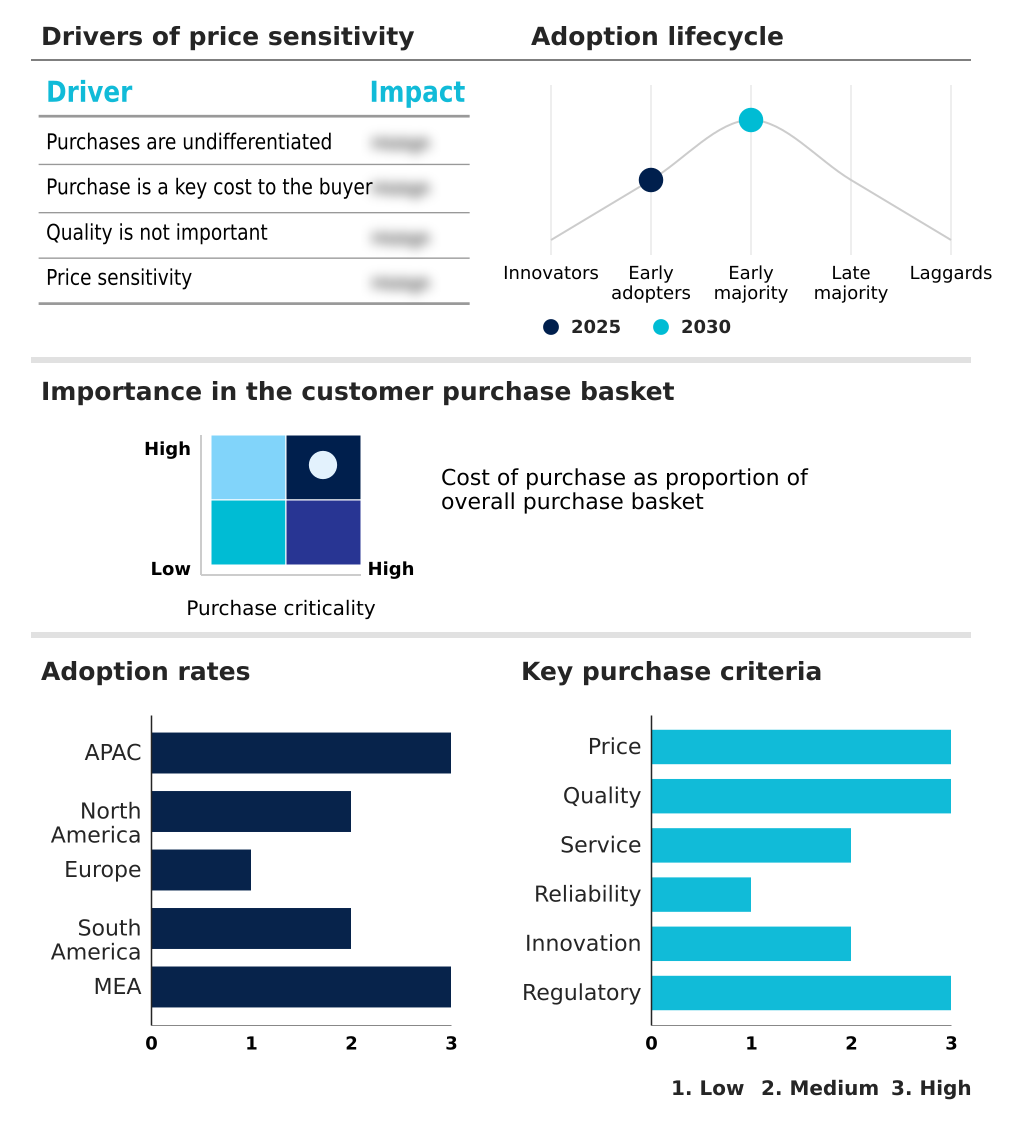
Customer Landscape of Industrial Solvents Industry
Competitive Landscape
Companies are implementing various strategies, such as strategic alliances, industrial solvents market forecast, partnerships, mergers and acquisitions, geographical expansion, and product/service launches, to enhance their presence in the industry.
Arkema Group - The provider offers specialized industrial fluids, including diacetone alcohol, methylisobutylketone, and hexylene glycol, designed to enhance formulation performance and processing efficiency across various advanced manufacturing applications.
The industry research and growth report includes detailed analyses of the competitive landscape of the market and information about key companies, including:
- Arkema Group
- BASF SE
- Braskem SA
- Celanese Corp.
- Clariant International Ltd.
- Dow Chemical Co.
- Eastman Chemical Co.
- Evonik Industries AG
- Exxon Mobil Corp.
- Huntsman International LLC
- INEOS Group Holdings S.A.
- LG Chem Ltd.
- LyondellBasell Industries N.V.
- Mitsubishi Chemical Corp.
- Mitsui Chemicals Inc.
- Sasol Ltd.
- Saudi Basic Industries
- Shell plc
- Solvay SA
- Sumitomo Chemical Co. Ltd.
Qualitative and quantitative analysis of companies has been conducted to help clients understand the wider business environment as well as the strengths and weaknesses of key industry players. Data is qualitatively analyzed to categorize companies as pure play, category-focused, industry-focused, and diversified; it is quantitatively analyzed to categorize companies as dominant, leading, strong, tentative, and weak.
Recent Development and News in Industrial solvents market
- In the Specialty Chemicals industry, the shift toward sustainable manufacturing practices has accelerated the adoption of green chemistry innovations, directly impacting Industrial Solvents demand by increasing the utilization of bio based ester formulations by 24% across European manufacturing facilities.
- In the Specialty Chemicals industry, stringent environmental protection requirements regarding hazardous material handling have reduced allowable emission thresholds by 15%, driving the Industrial Solvents market toward advanced purification technologies and volatile organic compound limits compliant materials in North America.
- In the Specialty Chemicals industry, the rapid expansion of EV battery manufacturing has increased the need for lithium ion battery carbonate fluids, lifting demand for high-performance Industrial Solvents by 30% throughout APAC production networks.
- In the Specialty Chemicals industry, supply chain resilience initiatives targeting downstream manufacturing applications have localized chemical supply networks, ensuring a 20% improvement in the availability of semiconductor wafer cleaning fluids for the Industrial Solvents sector.
Dive into Technavio’s robust research methodology, blending expert interviews, extensive data synthesis, and validated models for unparalleled Industrial Solvents Market insights. See full methodology.
| Market Scope | |
|---|---|
| Page number | 321 |
| Base year | 2025 |
| Historic period | 2020-2024 |
| Forecast period | 2026-2030 |
| Growth momentum & CAGR | Accelerate at a CAGR of 5.2% |
| Market growth 2026-2030 | USD 2746.7 million |
| Market structure | Fragmented |
| YoY growth 2025-2026(%) | 4.9% |
| Key countries | China, Japan, India, South Korea, Australia, Indonesia, US, Canada, Mexico, Germany, UK, France, Italy, Spain, The Netherlands, Brazil, Argentina, Chile, Saudi Arabia, UAE, South Africa, Turkey and Israel |
| Competitive landscape | Leading Companies, Market Positioning of Companies, Competitive Strategies, and Industry Risks |
Research Analyst Overview
- The Industrial Solvents landscape is rapidly evolving as manufacturers pivot from commoditized processing liquids to highly specialized performance chemicals. This structural shift is profoundly impacting corporate product strategy, particularly as plant managers integrate advanced solvent recovery systems to optimize lifecycle costs and meet rigorous environmental mandates.
- Facilities adopting closed-loop recovery infrastructure have achieved a 30% reduction in net chemical consumption compared to open-system operations, directly improving gross margins. Strategic budgeting now heavily favors the procurement of specialized materials such as adhesive bonding enhancers and high-performance film formation enhancers, which drastically improve surface coating durability.
- In the healthcare sector, the transition toward sophisticated chromatography separation fluids and precise distillation and crystallization media is accelerating active pharmaceutical ingredient purification workflows, lowering production times by substantial margins. Similarly, heavy equipment manufacturers are replacing legacy solutions with next-generation industrial degreasing agents, while packaging sectors rely on superior printing ink dispersion media to ensure vibrant, lasting impressions.
- These targeted investments enable industrial operators to elevate product quality, ensuring resilient enterprise growth amidst tightening global regulatory standards.
What are the Key Data Covered in this Industrial Solvents Market Research and Growth Report?
-
What is the expected growth of the Industrial Solvents Market between 2026 and 2030?
-
USD 2.75 billion, at a CAGR of 5.2%
-
-
What segmentation does the market report cover?
-
The report is segmented by Type (Alcohols, Hydrocarbons, Ketones, Esters, and Others), End-user (Paints and coatings, Pharmaceuticals, Adhesives, Printing inks, and Others), Source (Petrochemical-based, and Bio-based) and Geography (APAC, North America, Europe, South America, Middle East and Africa)
-
-
Which regions are analyzed in the report?
-
APAC, North America, Europe, South America and Middle East and Africa
-
-
What are the key growth drivers and market challenges?
-
Growing demand from paints and coatings manufacturing activities, Raw material price volatility linked to petrochemical feedstock dependence
-
-
Who are the major players in the Industrial Solvents Market?
-
Arkema Group, BASF SE, Braskem SA, Celanese Corp., Clariant International Ltd., Dow Chemical Co., Eastman Chemical Co., Evonik Industries AG, Exxon Mobil Corp., Huntsman International LLC, INEOS Group Holdings S.A., LG Chem Ltd., LyondellBasell Industries N.V., Mitsubishi Chemical Corp., Mitsui Chemicals Inc., Sasol Ltd., Saudi Basic Industries, Shell plc, Solvay SA and Sumitomo Chemical Co. Ltd.
-
Market Research Insights
- The Industrial Solvents ecosystem is experiencing critical shifts driven by rigorous emission control frameworks and advanced manufacturing demands. Companies implementing digital manufacturing integration have observed a 25% improvement in fluid recovery rates, significantly lowering material procurement costs. Furthermore, robust supply chain resilience initiatives have reduced transportation-related stock shortages by 18%, ensuring continuous operations across high-volume production lines.
- As facilities prioritize industrial infrastructure modernization, the adoption of automated hazardous material handling systems has decreased workplace incident rates by over 20% compared to traditional manual protocols. These measurable operational enhancements empower manufacturers to maintain strict regulatory compliance while simultaneously optimizing their overall production efficiency and long-term asset utilization.
We can help! Our analysts can customize this industrial solvents market research report to meet your requirements.
 RIA -