


Interior Design Services Market Size 2026-2030
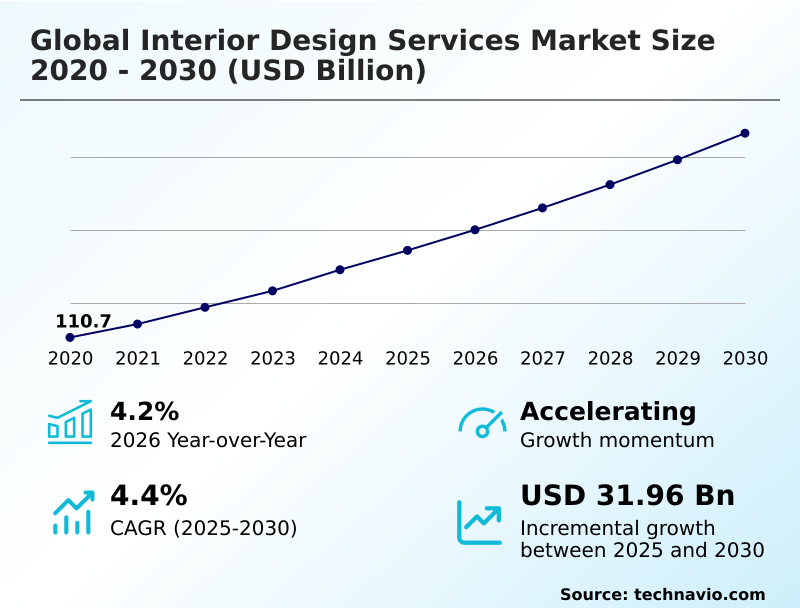
The interior design services market size is valued to increase by USD 31.96 billion, at a CAGR of 4.4% from 2025 to 2030. Increasing integration of immersive VR and generative AI tools will drive the interior design services market.
Major Market Trends & Insights
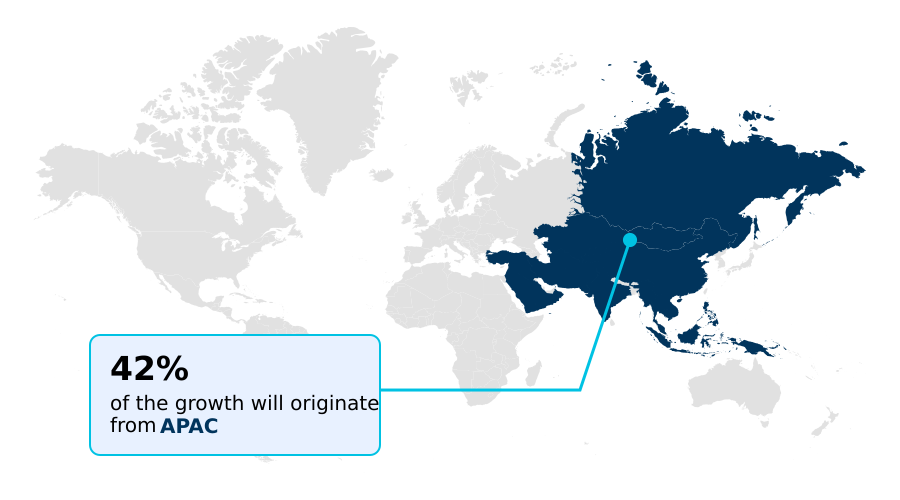
- APAC dominated the market and accounted for a 42.3% growth during the forecast period.
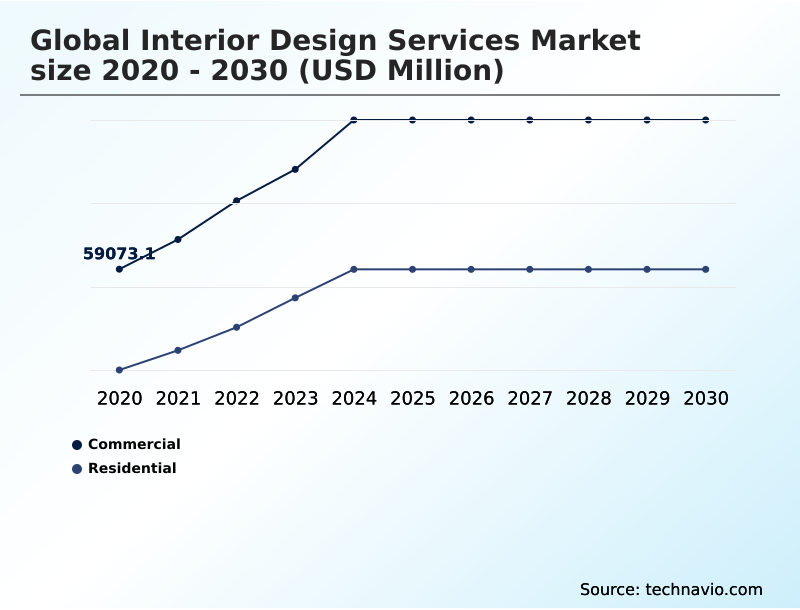
- By End-user - Commercial segment was valued at USD 70.09 billion in 2024
- By Application - Newly decorated segment accounted for the largest market revenue share in 2024
Market Size & Forecast
- Market Opportunities: USD 55.70 billion
- Market Future Opportunities: USD 31.96 billion
- CAGR from 2025 to 2030 : 4.4%
Market Summary
- The interior design services market is undergoing a significant transformation, moving beyond aesthetics to become integral to strategic business outcomes. This evolution is driven by the imperative to create environments that enhance productivity, well-being, and brand identity.
- A key trend is the integration of digital technologies such as building information modeling (bim) and generative design algorithms, which enable firms to optimize spatial layouts and material selections with unprecedented efficiency.
- For instance, a corporation redesigning its headquarters can use digital twin integration to simulate employee movement and collaboration patterns, leading to an evidence-based layout that improves workflow and reduces underutilized space. Concurrently, there is a strong push toward sustainability, with a focus on whole-life carbon assessment and the use of bio-fabricated materials.
- This requires navigating complex challenges like sustainable material procurement and ensuring data transparency across the supply chain. The industry is also shaped by the demand for wellness-centric design interventions, incorporating elements like circadian lighting solutions and advanced air purification systems to improve occupant health.
- This convergence of technology, sustainability, and human-centered design defines the modern competitive landscape, where value is measured not just in visual appeal but in tangible performance metrics.
What will be the Size of the Interior Design Services Market during the forecast period?
Get Key Insights on Market Forecast (PDF) Get Free Sample
How is the Interior Design Services Market Segmented?
The interior design services industry research report provides comprehensive data (region-wise segment analysis), with forecasts and estimates in "USD million" for the period 2026-2030, as well as historical data from 2020-2024 for the following segments.
- End-user
- Commercial
- Residential
- Application
- Newly decorated
- Repeated decorated
- Price range
- Mid range
- Premium
- Economy
- Geography
- APAC
- China
- Japan
- South Korea
- North America
- US
- Canada
- Mexico
- Europe
- Germany
- UK
- France
- South America
- Brazil
- Argentina
- Middle East and Africa
- Saudi Arabia
- Turkey
- UAE
- Rest of World (ROW)
- APAC
By End-user Insights
The commercial segment is estimated to witness significant growth during the forecast period.
The commercial segment is being reshaped by the demand for flexible workspace solutions that reflect a strong brand identity. This includes the design of multi-purpose area design and modular spatial configurations to accommodate dynamic operational needs.
Firms are increasingly adopting prefabricated interior components, which can accelerate project timelines by 30%. In hospitality, heritage property restoration and experiential retail design are key focus areas.
Residential design is adapting to multi-generational household design and extensive internet of things (iot) integration. Across both sectors, universal design services are becoming essential for ensuring accessibility, while high-concept luxury interiors continue to drive the premium end of the market.
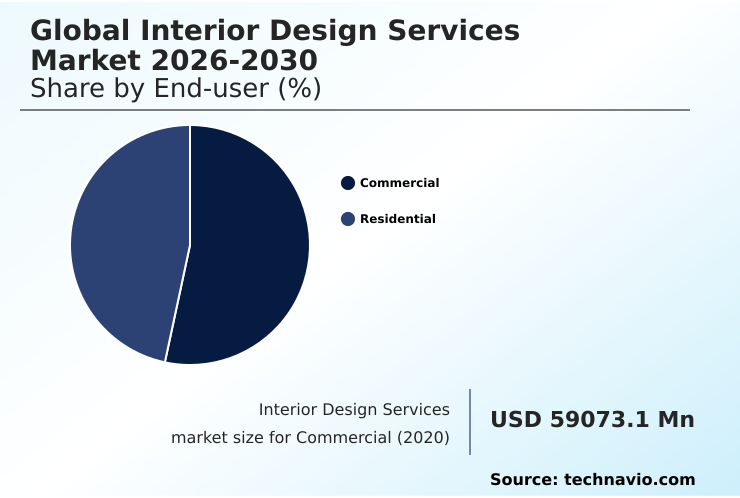
The Commercial segment was valued at USD 70.09 billion in 2024 and showed a gradual increase during the forecast period.
Regional Analysis
APAC is estimated to contribute 42.3% to the growth of the global market during the forecast period.Technavio’s analysts have elaborately explained the regional trends and drivers that shape the market during the forecast period.
See How Interior Design Services Market Demand is Rising in APAC Get Free Sample
The market's geographic landscape is defined by regional adoption of advanced design principles. In developed areas, the focus is on creating agile workspace design and activity-based working environments that support hybrid collaboration spaces.
These projects often pursue green building certifications, integrating high-efficiency air filtration to reduce volatile organic compounds (vocs) by over 50%. Spatial planning optimization is critical, utilizing ergonomic office furniture and multi-functional furniture to maximize utility.
In hospitality, firms create curated guest experiences using smart lighting control and automated climate control, which can lower energy consumption by up to 18%.
A resurgence of artisan craftsmanship and the use of biometric sensor integration to monitor occupant comfort are also shaping regional service offerings.
Market Dynamics
Our researchers analyzed the data with 2025 as the base year, along with the key drivers, trends, and challenges. A holistic analysis of drivers will help companies refine their marketing strategies to gain a competitive advantage.
- Strategic planning in the contemporary built environment requires a deep understanding of interconnected performance factors. For instance, a comprehensive analysis of the impact of biophilic design on productivity often reveals gains that far outweigh initial investment costs, particularly when combined with technology integration in luxury residential design.
- A key consideration is integrating circadian lighting in office spaces, a strategy proven to enhance employee well-being. Firms are exploring the cost-benefit of green building certifications, finding that they improve asset value and operational efficiency. The challenges in sustainable material procurement are being addressed through innovative circular economy models for office furniture and a pivot towards furniture as a service.
- Understanding how to design activity-based workspaces is crucial for corporations seeking agility. Similarly, architects are exploring best practices for adaptive reuse projects and strategies for reducing embodied carbon. This involves leveraging ai applications for spatial layout optimization and vr for client visualization in construction.
- The focus extends to acoustic design for open-plan offices and an emphasis on the health benefits of non-toxic materials. For smaller areas, optimizing small spaces with multifunctional furniture has become standard practice. On a broader scale, universal design principles for public spaces are mandated for inclusivity, while firms must navigate supply chain risks for specialized materials.
- The goal is to balance heritage preservation with modernization, creating timeless, functional, and sustainable interiors.
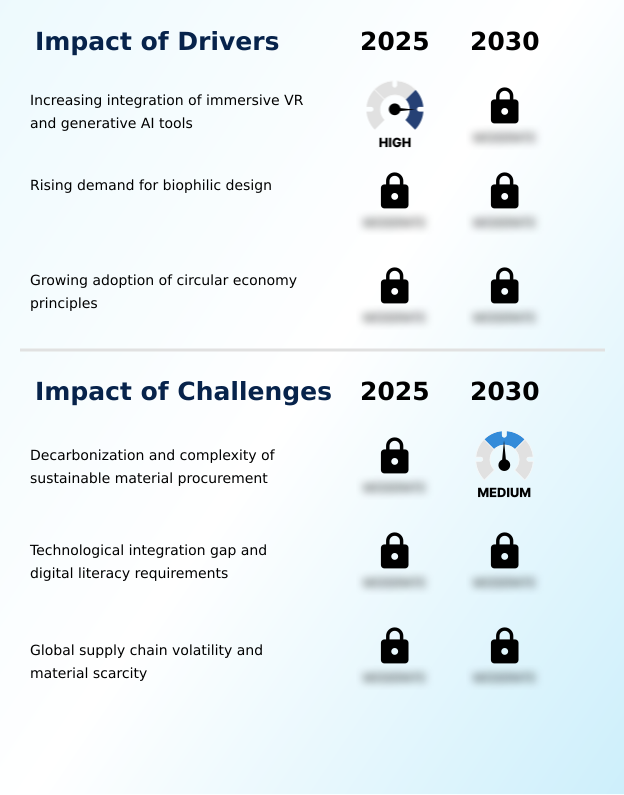
What are the key market drivers leading to the rise in the adoption of Interior Design Services Industry?
- The increasing integration of immersive virtual reality and generative artificial intelligence tools is a key driver for market transformation and efficiency.
- Key drivers include wellness-centric design interventions that create experiential interior spaces. The market is propelled by circular economy principles, supported by new circular design strategies like furniture as a service (faas), which can reduce lifecycle costs by 15%.
- A focus on the decarbonization of built environment is accelerating the use of bio-fabricated materials and advanced systems integration in design. This includes the widespread adoption of circadian lighting solutions and advanced air purification systems.
- Effective product lifecycle management, enhanced by data transparency in materials, is crucial. Moreover, biophilic design elements and acoustic optimization techniques are now integral to project specifications, improving occupant comfort and productivity measurably by over 20% in some applications.
What are the market trends shaping the Interior Design Services Industry?
- The imperative for sustainable and wellness-oriented design is emerging as a significant market trend. This shift reflects evolving consumer values and a growing focus on occupant health within built environments.
- A fundamental trend is the adoption of sustainable architectural practices that prioritize occupant health and well-being. This human-centered design approach, informed by environmental psychology, leverages technologies like generative design algorithms and digital twin integration for hyper-realistic visualization. Firms using immersive vr walkthroughs and augmented reality overlays report a 25% decrease in late-stage design changes.
- The use of ai-powered material recommendation engines and cloud-based collaboration platforms is becoming standard, ensuring projects align with both health-focused building standards and environmental social governance (esg) goals. This focus extends to bespoke craftsmanship, where technology enhances, rather than replaces, unique design elements.
- The result is a process that delivers superior outcomes, with firms achieving up to a 40% improvement in material selection efficiency.
What challenges does the Interior Design Services Industry face during its growth?
- The dual challenge of decarbonization and the complexity associated with sustainable material procurement significantly affects industry growth and project execution.
- Navigating sustainable material procurement is a primary challenge, compelling firms to adopt a more data-driven design approach and resilient supply chain networks. The complexity of conducting a whole-life carbon assessment for adaptive reuse projects requires advanced building information modeling (bim) and smart building systems.
- Firms leveraging digital consultation platforms for client-centric design solutions find it easier to implement value engineering in design, optimizing budgets against sustainability goals. Challenges include achieving embodied carbon reduction with materials like low-emission adhesives and non-toxic finishes.
- Implementing localized material sourcing strategies has helped firms reduce material transit times by 30%, though ensuring consistent quality remains a persistent issue for large-scale projects.
Exclusive Technavio Analysis on Customer Landscape
The interior design services market forecasting report includes the adoption lifecycle of the market, covering from the innovator’s stage to the laggard’s stage. It focuses on adoption rates in different regions based on penetration. Furthermore, the interior design services market report also includes key purchase criteria and drivers of price sensitivity to help companies evaluate and develop their market growth analysis strategies.
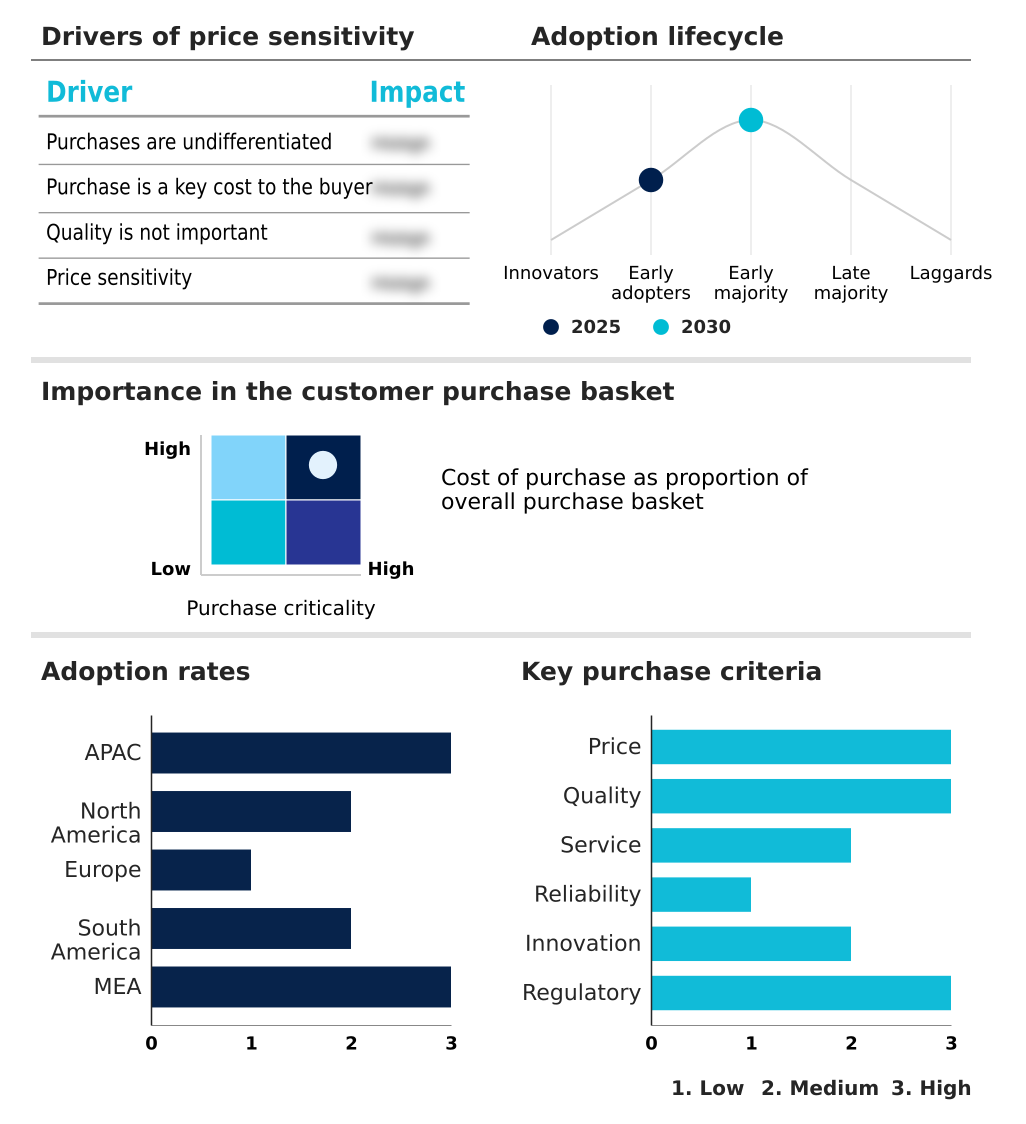
Customer Landscape of Interior Design Services Industry
Competitive Landscape
Companies are implementing various strategies, such as strategic alliances, interior design services market forecast, partnerships, mergers and acquisitions, geographical expansion, and product/service launches, to enhance their presence in the industry.
Aero Studios - Services integrate architecture, interiors, and product design, creating refined environments centered on human experience and comfort.
The industry research and growth report includes detailed analyses of the competitive landscape of the market and information about key companies, including:
- Aero Studios
- ARRCC
- AvroKO
- BDP
- Champalimaud Design
- Clive Wilkinson Architects
- Gensler. M. Arthur Gensler Jr.
- HOK Group Inc.
- Interior Architects Inc.
- Jacobs Solutions Inc.
- Kelly Wearstler
- Krista Home
- NELSON Worldwide LLC
- Nicole Davis Interiors
- Oktra Ltd
- Perkins and Will International
- Rockwell Group
- Space Matrix
- Wilson Associates
- Yabu Pushelberg
Qualitative and quantitative analysis of companies has been conducted to help clients understand the wider business environment as well as the strengths and weaknesses of key industry players. Data is qualitatively analyzed to categorize companies as pure play, category-focused, industry-focused, and diversified; it is quantitatively analyzed to categorize companies as dominant, leading, strong, tentative, and weak.
Recent Development and News in Interior design services market
- In November 2024, Google unveiled its first mass timber office building, showcasing a commitment to sustainable and low-impact design.
- In November 2024, NEOM announced the appointment of a consortium of global firms to lead the detailed urban design and planning for the first phase of THE LINE.
- In March 2025, Pinnacle Interiors announced its expansion into the high-end residential sector in Dubai after delivering over 300,000 square feet of commercial and hospitality space.
- In April 2025, the Carbon Leadership Forum published its Embodied Carbon Reductions Built Project Case Study Collection, providing benchmarks for low-carbon specifications.
Dive into Technavio’s robust research methodology, blending expert interviews, extensive data synthesis, and validated models for unparalleled Interior Design Services Market insights. See full methodology.
| Market Scope | |
|---|---|
| Page number | 285 |
| Base year | 2025 |
| Historic period | 2020-2024 |
| Forecast period | 2026-2030 |
| Growth momentum & CAGR | Accelerate at a CAGR of 4.4% |
| Market growth 2026-2030 | USD 31959.5 million |
| Market structure | Fragmented |
| YoY growth 2025-2026(%) | 4.2% |
| Key countries | China, Japan, South Korea, India, Australia, Singapore, US, Canada, Mexico, Germany, UK, France, Spain, Italy, Russia, Brazil, Argentina, Chile, Saudi Arabia, Turkey, UAE, Egypt and Qatar |
| Competitive landscape | Leading Companies, Market Positioning of Companies, Competitive Strategies, and Industry Risks |
Research Analyst Overview
- The industry is pivoting from service provision to strategic partnership, driven by complex client demands for sustainable, technologically advanced environments. The integration of generative design algorithms and digital twin integration into workflows is no longer a novelty but a core operational requirement for achieving efficiency in spatial planning optimization.
- Firms that excel are those mastering sustainable material procurement and whole-life carbon assessment, turning these challenges into competitive advantages. Boardroom decisions are now heavily influenced by the outcomes of wellness-centric design interventions, as data shows a direct link between biophilic design elements and employee retention.
- For example, the adoption of circadian lighting solutions in office redesigns has been shown to improve alertness by over 15%. This focus on measurable outcomes necessitates expertise in smart building systems, activity-based working environments, and building information modeling (bim).
- Success hinges on delivering environments that are not only aesthetically superior but also operationally efficient and aligned with corporate wellness and sustainability mandates, utilizing tools from immersive vr walkthroughs to advanced air purification systems.
What are the Key Data Covered in this Interior Design Services Market Research and Growth Report?
-
What is the expected growth of the Interior Design Services Market between 2026 and 2030?
-
USD 31.96 billion, at a CAGR of 4.4%
-
-
What segmentation does the market report cover?
-
The report is segmented by End-user (Commercial, and Residential), Application (Newly decorated, and Repeated decorated), Price Range (Mid-range, Premium, and Economy) and Geography (APAC, North America, Europe, South America, Middle East and Africa)
-
-
Which regions are analyzed in the report?
-
APAC, North America, Europe, South America and Middle East and Africa
-
-
What are the key growth drivers and market challenges?
-
Increasing integration of immersive VR and generative AI tools, Decarbonization and complexity of sustainable material procurement
-
-
Who are the major players in the Interior Design Services Market?
-
Aero Studios, ARRCC, AvroKO, BDP, Champalimaud Design, Clive Wilkinson Architects, Gensler. M. Arthur Gensler Jr., HOK Group Inc., Interior Architects Inc., Jacobs Solutions Inc., Kelly Wearstler, Krista Home, NELSON Worldwide LLC, Nicole Davis Interiors, Oktra Ltd, Perkins and Will International, Rockwell Group, Space Matrix, Wilson Associates and Yabu Pushelberg
-
Market Research Insights
- Market dynamics are increasingly shaped by a client-centric design solutions approach that leverages technology to deliver measurable value. The adoption of health-focused building standards has become a critical differentiator, with spaces incorporating advanced systems seeing a 20% improvement in reported occupant comfort.
- Firms are implementing circular design strategies, which can reduce material waste by up to 35% over a project's lifecycle. This commitment to environmental social governance (esg) is supported by data transparency in materials, allowing for precise tracking of sustainability metrics. The focus on human-centered design and environmental psychology is reshaping agile workspace design, leading to more productive hybrid collaboration spaces.
- The drive for the decarbonization of built environment has also spurred innovation in localized material sourcing and product lifecycle management, enhancing the resilience of supply chains.
We can help! Our analysts can customize this interior design services market research report to meet your requirements.
 RIA -
RIA - 
