

Interstitial Cystitis (IC) Drugs Market Analysis North America, Europe, Asia, Rest of World (ROW) - US, UK, Germany, Japan, China - Size and Forecast 2024-2028

Interstitial Cystitis (IC) Drugs Market Analysis North America, Europe, Asia, Rest of World (ROW) - US, UK, Germany, Japan, China - Size and Forecast 2024-2028

Published: May 2024 170 Pages SKU: IRTNTR45643

Market Overview at a Glance

$385.4 Mn
Market Opportunity
5.85%
CAGR
5.43
YoY growth 2023-2024(%)

Interstitial Cystitis Drugs Market Size 2024-2028

The interstitial cystitis drugs market size is forecast to increase by USD 385.4 mn at a CAGR of 5.85% between 2023 and 2028.

  • Interstitial cystitis (IC) is a chronic bladder condition characterized by pain, pressure, and frequent urination. The market is experiencing significant growth due to the high prevalence of this condition. According to the National Institute of Diabetes and Digestive and Kidney Diseases, an estimated 600,000 to 1 million adults In the United States have IC. The market is also driven by the advent of gene therapy, which holds promise In the development of effective treatments for IC. However, the lack of approved drugs remains a major challenge In the market. Despite ongoing research and clinical trials, there is currently no FDA-approved cure for IC, making it a significant unmet medical need.
  • This market trends and analysis report provides a comprehensive overview of the current market landscape, including key drivers, trends, and challenges, to help stakeholders make informed decisions In the market.
  • What will be the Size of the Interstitial Cystitis Drugs Market during the Forecast Period?

    Interstitial Cystitis Drugs Market Size

     Request Free Sample

  • The Interstitial Cystitis (IC) drugs market encompasses a range of pharmaceutical treatments for IC, a chronic condition characterized by pain, inflammation, and urinary symptoms. The market includes various drug classes such as tricyclic antidepressants, pentosan polysulfate sodium, dimethyl sulfoxide (DMSO), and antihistamines. These medications are administered via oral and intravesical routes in hospital, retail, and online pharmacies. Tricyclic antidepressants and pentosan polysulfate sodium are commonly used for non-ulcerative IC, while DMSO and antihistamines are utilized for ulcerative IC. Other emerging treatments include low-dose naltrexone and neuromodulation. Diagnosis typically involves a combination of methods, including patient history, physical examination, x rays, urine tests, and cystoscopy.
  • Market growth is driven by the increasing prevalence of IC, which affects an estimated 3-8 million people In the US alone. Despite ongoing research, there remains a significant unmet need for effective IC treatments, presenting opportunities for innovation and expansion withIn the market.
  • How is this Interstitial Cystitis Drugs Industry segmented and which is the largest segment?

    The interstitial cystitis drugs industry research report provides comprehensive data (region-wise segment analysis), with forecasts and estimates in "USD million" for the period 2024-2028, as well as historical data from 2018-2022 for the following segments.

    • Type
      • Oral therapy
      • Intravesical therapy
    • Distribution Channel
      • Hospital pharmacies
      • Retail pharmacies
      • Online pharmacies
    • Geography
      • North America
        • US
      • Europe
        • Germany
        • UK
      • Asia
        • China
        • Japan
      • Rest of World (ROW)

      By Type Insights

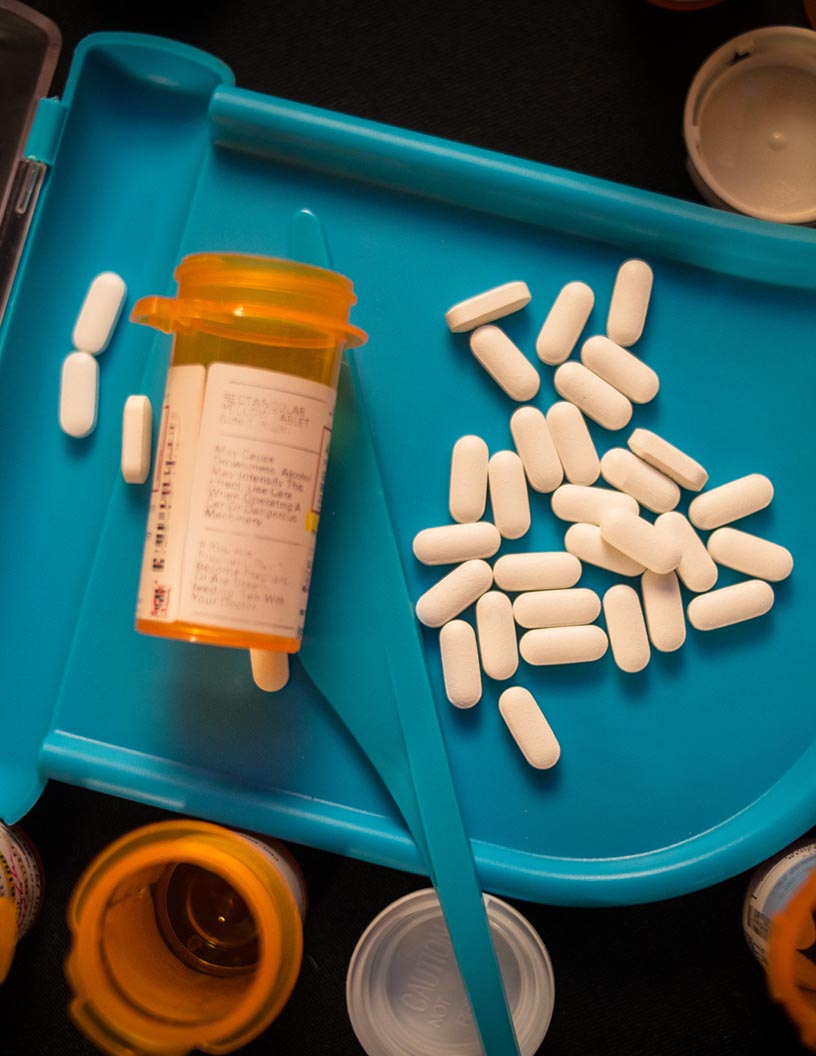
      The oral therapy segment is estimated to witness significant growth during the forecast period. Interstitial cystitis (IC) is a chronic condition characterized by bladder pain, discomfort, and urinary symptoms. Pentosan polysulfate sodium (ELMIRON) is the only approved oral medication for IC, which repairs and restores the protective glycosaminoglycan (GAG) layer In the bladder tissue. ELMIRON acts as a synthetic GAG layer, enhancing the bladder's protective coating against irritants. Although its patents expired in 2010, ELMIRON remains a significant seller due to its therapeutic value. Tricyclic antidepressants, dimethyl sulfoxide (DMSO), anti-histamines, and low dose naltrexone are other drugs used for IC treatment, administered orally or intravesically. Hospital pharmacies, retail pharmacies, and online pharmacies distribute these drugs.

      IC symptoms include lower back pain, pelvic pain, lower abdomen pain, bladder pressure, discomfort, pain severity, urinary urgency, and frequency. Women, patients with endometriosis, fibromyalgia, allergies, and elderly populations are often diagnosed with IC. IC diagnosis involves tests such as X rays, urine tests, cystoscopy, and biomarker identification. Intravesical therapy and neuromodulation are alternative treatment methods. IC can also cause painful bladder syndrome and pigmentary maculopathy.

      Interstitial Cystitis Drugs Market Size

      Get a glance at the market report of various segments Request Free Sample

      The Oral therapy segment was valued at USD 611.40 mn in 2018 and showed a gradual increase during the forecast period.

      Regional Analysis

      North America is estimated to contribute 35% to the growth of the global market during the forecast period. Technavio’s analysts have elaborately explained the regional trends and drivers that shape the market during the forecast period.

      Interstitial Cystitis Drugs Market Share by Geography

      For more insights on the market size of various regions, Request Free Sample

      The Interstitial Cystitis (IC) drugs market in North America is currently the largest, driven by the rising incidence of IC and increased research funding. The US Food and Drug Administration (FDA) has approved two major IC treatments, ELMIRON (pentosan polysulfate sodium) and RIMSO-50 (dimethyl sulfoxide), which dominate the market due to their safety profiles and lack of generic alternatives. IC, also known as painful bladder syndrome, affects women more commonly than men and can cause symptoms such as pelvic pain, lower back pain, and urinary urgency and frequency. IC can also co-occur with conditions like endometriosis, fibromyalgia, and allergies. Diagnosis involves various methods including urine tests, cystoscopy, and hydrodistention.

      Treatment options include tricyclic antidepressants, anti-histamines, and intravesical therapy. IC can also manifest as non-ulcerative or ulcerative forms, and can lead to complications like pigmentary maculopathy. The market for IC drugs is expected to grow due to the increasing need for effective treatments and the aging population.

      Market Dynamics

      Our researchers analyzed the data with 2023 as the base year, along with the key drivers, trends, and challenges. A holistic analysis of drivers will help companies refine their marketing strategies to gain a competitive advantage.

      What are the key market drivers leading to the rise In the adoption of market?

      High prevalence of interstitial cystitis is the key driver of the market.Interstitial cystitis is a chronic condition characterized by bladder pain and lower urinary tract symptoms, affecting an estimated 3-12 million Americans, primarily women. Comorbidities such as allergies, fibromyalgia, and endometriosis are common among those diagnosed. The disease is associated with inflammation and damage to the bladder wall, leading to symptoms like painful bladder syndrome, lower back pain, pelvic pain, lower abdomen pain, bladder pressure, bladder discomfort, pain severity, urinary urgency, and urinary frequency. Various drug classes are used to manage interstitial cystitis symptoms. Tricyclic antidepressants, such as amitriptyline and imipramine, are used to treat pain and sleep disturbances. Pentosan polysulfate sodium, an intravesical therapy, is believed to help repair the bladder lining.

      Dimethyl dulfoxide (DMSO) is another intravesical therapy used to reduce inflammation and pain. Anti-histamines and low dose naltrexone are also used to manage symptoms. The route of administration varies depending on the drug class. Tricyclic antidepressants are taken orally, while intravesical therapies like pentosan polysulfate sodium and DMSO are administered directly into the bladder. Hospital pharmacies, retail pharmacies, and online pharmacies provide access to these medications. Diagnosis of interstititial cystitis involves tests like X rays, urine tests, and cystoscopy to rule out other conditions. Treatment options include hydrodistention, biomarker identification, and intravesical treatment. The elderly population and men are also affected by interstitial cystitis, although it is more prevalent in women.

      Patients may experience side effects, such as pigmentary maculopathy, from certain medications. Intravesical therapy may increase the risk of bladder cancer in some cases. Neuromodulation is a newer treatment option that involves the use of electrical signals to manage pain and improve bladder function. This approach is gaining popularity due to its potential to provide long-term relief and reduce the need for medication. In conclusion, interstitial cystitis is a complex condition that requires individualized treatment approaches. Various drug classes, including tricyclic antidepressants, pentosan polysulfate sodium, DMSO, anti-histamines, and low dose naltrexone, are used to manage symptoms. The route of administration, diagnosis, and treatment options vary depending on the specific case.

      Patients should work closely with their healthcare providers to determine the best course of action for managing their symptoms and minimizing potential side effects.

      What are the market trends shaping the Interstitial Cystitis Drugs market?

      Advent of gene therapy is the upcoming market trend.Interstitial cystitis is a chronic condition marked by symptoms such as urinary urgency, frequency, pelvic pain, and nocturia. The disease, whose causes remain largely unknown, is characterized by a thin and denuded urothelium In the bladder. Currently, there are limited approved treatments for interstitial cystitis, and no curative options have been identified. Most existing treatments involve small molecule drugs, including tricyclic antidepressants, pentosan polysulfate sodium, dimethyl dulfoxide (DMSO), and anti-histamines. These drugs offer relief from symptoms but cannot cure the disease and come with side effects and high costs. The market presents an opportunity for innovation, with potential for regenerative and gene therapies that could offer fewer side effects.

      Other treatments under investigation include hydrodistention, biomarker identification, and intravesical therapy. The disease primarily affects women, and conditions like endometriosis, fibromyalgia, allergies, and pelvic pain syndromes may coexist. The elderly population and men are also diagnosed with interstitial cystitis. The disease's complex nature and lack of a definitive cure necessitate ongoing research and development of new treatment options.

      What challenges does the market face during its growth?

      Lack of approved drugs is a key challenge affecting the industry growth.Interstitial cystitis is a chronic bladder condition characterized by symptoms such as pelvic pain, lower back pain, and urinary urgency and frequency. The treatment for this condition includes both oral and intravesical therapies. Tricyclic antidepressants, pentosan polysulfate sodium, and anti-histamines are commonly used oral medications. Intravesical therapies include dimethyl sulfoxide (DMSO), low dose naltrexone, and hydrodistention. While ELMIRON and RIMSO-50 (DMSO) are the only approved interstitial cystitis drugs, many patients resort to off-label treatments due to high costs. Symptoms of interstitial cystitis can overlap with other conditions such as endometriosis, fibromyalgia, and allergies. Diagnostic tests like urine tests, cystoscopy, and X-rays are used to rule out other conditions.

      Intravesical therapy and neuromodulation are emerging treatment options. Patients, including the elderly population and women, often experience bladder pressure, discomfort, and pain severity. Interstitial cystitis can also co-occur with conditions like painful bladder syndrome and pigmentary maculopathy. The market for interstitial cystitis drugs is driven by the increasing prevalence of the disease and the unmet medical need for effective treatments.

      Exclusive Customer Landscape

      The interstitial cystitis drugs market forecasting report includes the adoption lifecycle of the market, covering from the innovator’s stage to the laggard’s stage. It focuses on adoption rates in different regions based on penetration. Furthermore, the interstitial cystitis drugs market report also includes key purchase criteria and drivers of price sensitivity to help companies evaluate and develop their market growth analysis strategies.

      Interstitial Cystitis Drugs Market Share by Geography

       Customer Landscape

      Key Companies & Market Insights

      Companies are implementing various strategies, such as strategic alliances, interstitial cystitis drugs market forecast, partnerships, mergers and acquisitions, geographical expansion, and product/service launches, to enhance their presence In the industry.

      Allergan - The Interstitial Cystitis (IC) Drugs market encompasses a range of pharmaceutical treatments aimed at managing the symptoms of this chronic condition. These drugs include anticholinergics, antispasmodics, and analgesics, among others. Anticholinergics, such as oxybutynin and tolterodine, help reduce bladder spasms and frequency of urination. Antispasmodics, like phenylephrine and flavoxate, work by relaxing the bladder muscles and reducing pain. Analgesics, including pentosan polysulfate sodium and hydroxyzine, alleviate pain and inflammation. The market is driven by the prevalence of IC, which affects an estimated 3.7 million Americans, and the unmet medical need for effective treatments. Despite advancements, challenges persist in developing drugs that can provide long-term relief and address the underlying causes of IC. The market is expected to grow, fueled by ongoing research and development efforts and increasing awareness of the condition.

      The industry research and growth report includes detailed analyses of the competitive landscape of the market and information about key companies, including:

      • Allergan
      • Amneal Pharmaceuticals Inc.
      • Astellas Pharma Inc.
      • Aurobindo Pharma Ltd.
      • Bayer AG
      • Eli Lilly and Co.
      • Hikma Pharmaceuticals Plc
      • Intas Pharmaceuticals Ltd.
      • Johnson and Johnson Services Inc.
      • Kyorin Pharmaceutical Co. Ltd.
      • Mission Pharmacal Co.
      • PerrigPlco Co.
      • Pfizer Inc.
      • Purdue Pharma LP
      • SEIKAGAKU CORP.
      • Sun Pharmaceutical Industries Ltd.
      • Taro Pharmaceutical Industries Ltd.
      • Teva Pharmaceutical Industries Ltd.
      • Viatris Inc.
      • Zydus Lifesciences Ltd.

      Qualitative and quantitative analysis of companies has been conducted to help clients understand the wider business environment as well as the strengths and weaknesses of key industry players. Data is qualitatively analyzed to categorize companies as pure play, category-focused, industry-focused, and diversified; it is quantitatively analyzed to categorize companies as dominant, leading, strong, tentative, and weak.

      Research Analyst Overview

      Interstitial cystitis (IC) is a chronic condition characterized by pain, discomfort, and inflammation In the bladder. The exact cause of IC remains unknown, but it is believed to involve a combination of factors, including immune system dysfunction and nerve sensitivity. IC can significantly impact a patient's quality of life, leading to symptoms such as painful bladder syndrome, urinary urgency, and frequency. Several drug classes have been explored for the treatment of IC, including tricyclic antidepressants, pentosan polysulfate sodium, dimethyl dulfoxide (DMSO), and anti-histamines. Tricyclic antidepressants, such as amitriptyline and imipramine, are believed to help reduce bladder pain and discomfort by blocking the reabsorption of neurotransmitters In the bladder.

      Pentosan polysulfate sodium, a mucoprotective agent, is thought to help restore the protective glycosaminoglycan layer In the bladder, reducing inflammation. DMSO, a sulfur-containing compound, is believed to have anti-inflammatory and analgesic properties. The route of administration for IC drugs varies, with some administered orally and others administered intravesically. Hospital pharmacies, retail pharmacies, and online pharmacies all offer these medications to patients. Low dose naltrexone, a medication typically used to treat addiction, has also shown promise In the treatment of IC, although the mechanism of action is not fully understood. IC is not limited to any specific demographic and can affect women, men, and the elderly population.

      Patients with conditions such as endometriosis, fibromyalgia, allergies, and pelvic pain may be more susceptible to developing IC. Diagnosis typically involves a combination of methods, including urine tests, cystoscopy, and hydrodistention. Biomarker identification is an active area of research In the IC field, with the potential to improve diagnosis and treatment. Neuromodulation and intravesical therapy are also used In the treatment of IC. Neuromodulation involves the use of electrical stimulation to modify pain signals In the nervous system. Intravesical therapy involves the direct administration of medication into the bladder. Bladder pressure and pain severity are common symptoms of IC, and drugs used to treat these symptoms may include those targeting lower back pain, pelvic pain, and lower abdomen pain.

      IC drugs have potential side effects and risks, including pigmentary maculopathy, which can cause vision changes, and the risk of cancer, particularly with long-term use of some medications. Men may experience different symptoms than women, and the elderly population may have unique considerations In the treatment of IC. In conclusion, the market for IC drugs is diverse and complex, with various drug classes, routes of administration, and patient populations. The treatment of IC involves a multidisciplinary approach, with a focus on managing symptoms and improving quality of life for patients. Ongoing research In the field holds the potential for new treatments and improved diagnosis.

      Market Scope

      Report Coverage

      Details

      Page number

      170

      Base year

      2023

      Historic period

      2018-2022

      Forecast period

      2024-2028

      Growth momentum & CAGR

      Accelerate at a CAGR of 5.85%

      Market growth 2024-2028

      USD 385.4 million

      Market structure

      Fragmented

      YoY growth 2023-2024(%)

      5.43

      Key countries

      US, UK, Germany, Japan, and China

      Competitive landscape

      Leading Companies, Market Positioning of Companies, Competitive Strategies, and Industry Risks

      Request Free Sample

      What are the Key Data Covered in this Interstitial Cystitis Drugs Market Research and Growth Report?

      • CAGR of the Interstitial Cystitis Drugs industry during the forecast period
      • Detailed information on factors that will drive the growth and forecasting between 2024 and 2028
      • Precise estimation of the size of the market and its contribution of the industry in focus to the parent market
      • Accurate predictions about upcoming growth and trends and changes in consumer behaviour
      • Growth of the market across North America, Europe, Asia, and Rest of World (ROW)
      • Thorough analysis of the market’s competitive landscape and detailed information about companies
      • Comprehensive analysis of factors that will challenge the interstitial cystitis drugs market growth of industry companies

      We can help! Our analysts can customize this interstitial cystitis drugs market research report to meet your requirements.

      Get in touch


      1 Executive Summary

      • 1.1 Market overview
        • Executive Summary - Chart on Market Overview
        • Executive Summary - Data Table on Market Overview
        • Executive Summary - Chart on Global Market Characteristics
        • Executive Summary - Chart on Market by Geography
        • Executive Summary - Chart on Market Segmentation by Type
        • Executive Summary - Chart on Market Segmentation by Distribution Channel
        • Executive Summary - Chart on Incremental Growth
        • Executive Summary - Data Table on Incremental Growth
        • Executive Summary - Chart on Company Market Positioning

      2 Market Landscape

      • 2.1 Market ecosystem
        • Parent Market
        • Data Table on - Parent Market
      • 2.2 Market characteristics
        • Market characteristics analysis
      • 2.3 Value chain analysis
        • Value Chain Analysis

      3 Market Sizing

      • 3.1 Market definition
        • Offerings of companies included in the market definition
      • 3.2 Market segment analysis
        • Market segments
      • 3.3 Market size 2023
        • 3.4 Market outlook: Forecast for 2023-2028
          • Chart on Global - Market size and forecast 2023-2028 ($ million)
          • Data Table on Global - Market size and forecast 2023-2028 ($ million)
          • Chart on Global Market: Year-over-year growth 2023-2028 (%)
          • Data Table on Global Market: Year-over-year growth 2023-2028 (%)

        4 Historic Market Size

        • 4.1 Global Interstitial Cystitis Drugs Market 2018 - 2022
          • Historic Market Size - Data Table on Global Interstitial Cystitis Drugs Market 2018 - 2022 ($ million)
        • 4.2 Type segment analysis 2018 - 2022
          • Historic Market Size - Type Segment 2018 - 2022 ($ million)
        • 4.3 Distribution Channel segment analysis 2018 - 2022
          • Historic Market Size - Distribution Channel Segment 2018 - 2022 ($ million)
        • 4.4 Geography segment analysis 2018 - 2022
          • Historic Market Size - Geography Segment 2018 - 2022 ($ million)
        • 4.5 Country segment analysis 2018 - 2022
          • Historic Market Size - Country Segment 2018 - 2022 ($ million)

        5 Five Forces Analysis

        • 5.1 Five forces summary
          • Five forces analysis - Comparison between 2023 and 2028
        • 5.2 Bargaining power of buyers
          • Bargaining power of buyers - Impact of key factors 2023 and 2028
        • 5.3 Bargaining power of suppliers
          • Bargaining power of suppliers - Impact of key factors in 2023 and 2028
        • 5.4 Threat of new entrants
          • Threat of new entrants - Impact of key factors in 2023 and 2028
        • 5.5 Threat of substitutes
          • Threat of substitutes - Impact of key factors in 2023 and 2028
        • 5.6 Threat of rivalry
          • Threat of rivalry - Impact of key factors in 2023 and 2028
        • 5.7 Market condition
          • Chart on Market condition - Five forces 2023 and 2028

        6 Market Segmentation by Type

        • 6.1 Market segments
          • Chart on Type - Market share 2023-2028 (%)
          • Data Table on Type - Market share 2023-2028 (%)
        • 6.2 Comparison by Type
          • Chart on Comparison by Type
          • Data Table on Comparison by Type
        • 6.3 Oral therapy - Market size and forecast 2023-2028
          • Chart on Oral therapy - Market size and forecast 2023-2028 ($ million)
          • Data Table on Oral therapy - Market size and forecast 2023-2028 ($ million)
          • Chart on Oral therapy - Year-over-year growth 2023-2028 (%)
          • Data Table on Oral therapy - Year-over-year growth 2023-2028 (%)
        • 6.4 Intravesical therapy - Market size and forecast 2023-2028
          • Chart on Intravesical therapy - Market size and forecast 2023-2028 ($ million)
          • Data Table on Intravesical therapy - Market size and forecast 2023-2028 ($ million)
          • Chart on Intravesical therapy - Year-over-year growth 2023-2028 (%)
          • Data Table on Intravesical therapy - Year-over-year growth 2023-2028 (%)
        • 6.5 Market opportunity by Type
          • Market opportunity by Type ($ million)
          • Data Table on Market opportunity by Type ($ million)

        7 Market Segmentation by Distribution Channel

        • 7.1 Market segments
          • Chart on Distribution Channel - Market share 2023-2028 (%)
          • Data Table on Distribution Channel - Market share 2023-2028 (%)
        • 7.2 Comparison by Distribution Channel
          • Chart on Comparison by Distribution Channel
          • Data Table on Comparison by Distribution Channel
        • 7.3 Hospital pharmacies - Market size and forecast 2023-2028
          • Chart on Hospital pharmacies - Market size and forecast 2023-2028 ($ million)
          • Data Table on Hospital pharmacies - Market size and forecast 2023-2028 ($ million)
          • Chart on Hospital pharmacies - Year-over-year growth 2023-2028 (%)
          • Data Table on Hospital pharmacies - Year-over-year growth 2023-2028 (%)
        • 7.4 Retail pharmacies - Market size and forecast 2023-2028
          • Chart on Retail pharmacies - Market size and forecast 2023-2028 ($ million)
          • Data Table on Retail pharmacies - Market size and forecast 2023-2028 ($ million)
          • Chart on Retail pharmacies - Year-over-year growth 2023-2028 (%)
          • Data Table on Retail pharmacies - Year-over-year growth 2023-2028 (%)
        • 7.5 Online pharmacies - Market size and forecast 2023-2028
          • Chart on Online pharmacies - Market size and forecast 2023-2028 ($ million)
          • Data Table on Online pharmacies - Market size and forecast 2023-2028 ($ million)
          • Chart on Online pharmacies - Year-over-year growth 2023-2028 (%)
          • Data Table on Online pharmacies - Year-over-year growth 2023-2028 (%)
        • 7.6 Market opportunity by Distribution Channel
          • Market opportunity by Distribution Channel ($ million)
          • Data Table on Market opportunity by Distribution Channel ($ million)

        8 Customer Landscape

        • 8.1 Customer landscape overview
          • Analysis of price sensitivity, lifecycle, customer purchase basket, adoption rates, and purchase criteria

        9 Geographic Landscape

        • 9.1 Geographic segmentation
          • Chart on Market share by geography 2023-2028 (%)
          • Data Table on Market share by geography 2023-2028 (%)
        • 9.2 Geographic comparison
          • Chart on Geographic comparison
          • Data Table on Geographic comparison
        • 9.3 North America - Market size and forecast 2023-2028
          • Chart on North America - Market size and forecast 2023-2028 ($ million)
          • Data Table on North America - Market size and forecast 2023-2028 ($ million)
          • Chart on North America - Year-over-year growth 2023-2028 (%)
          • Data Table on North America - Year-over-year growth 2023-2028 (%)
        • 9.4 Europe - Market size and forecast 2023-2028
          • Chart on Europe - Market size and forecast 2023-2028 ($ million)
          • Data Table on Europe - Market size and forecast 2023-2028 ($ million)
          • Chart on Europe - Year-over-year growth 2023-2028 (%)
          • Data Table on Europe - Year-over-year growth 2023-2028 (%)
        • 9.5 Asia - Market size and forecast 2023-2028
          • Chart on Asia - Market size and forecast 2023-2028 ($ million)
          • Data Table on Asia - Market size and forecast 2023-2028 ($ million)
          • Chart on Asia - Year-over-year growth 2023-2028 (%)
          • Data Table on Asia - Year-over-year growth 2023-2028 (%)
        • 9.6 Rest of World (ROW) - Market size and forecast 2023-2028
          • Chart on Rest of World (ROW) - Market size and forecast 2023-2028 ($ million)
          • Data Table on Rest of World (ROW) - Market size and forecast 2023-2028 ($ million)
          • Chart on Rest of World (ROW) - Year-over-year growth 2023-2028 (%)
          • Data Table on Rest of World (ROW) - Year-over-year growth 2023-2028 (%)
        • 9.7 US - Market size and forecast 2023-2028
          • Chart on US - Market size and forecast 2023-2028 ($ million)
          • Data Table on US - Market size and forecast 2023-2028 ($ million)
          • Chart on US - Year-over-year growth 2023-2028 (%)
          • Data Table on US - Year-over-year growth 2023-2028 (%)
        • 9.8 UK - Market size and forecast 2023-2028
          • Chart on UK - Market size and forecast 2023-2028 ($ million)
          • Data Table on UK - Market size and forecast 2023-2028 ($ million)
          • Chart on UK - Year-over-year growth 2023-2028 (%)
          • Data Table on UK - Year-over-year growth 2023-2028 (%)
        • 9.9 Germany - Market size and forecast 2023-2028
          • Chart on Germany - Market size and forecast 2023-2028 ($ million)
          • Data Table on Germany - Market size and forecast 2023-2028 ($ million)
          • Chart on Germany - Year-over-year growth 2023-2028 (%)
          • Data Table on Germany - Year-over-year growth 2023-2028 (%)
        • 9.10 Japan - Market size and forecast 2023-2028
          • Chart on Japan - Market size and forecast 2023-2028 ($ million)
          • Data Table on Japan - Market size and forecast 2023-2028 ($ million)
          • Chart on Japan - Year-over-year growth 2023-2028 (%)
          • Data Table on Japan - Year-over-year growth 2023-2028 (%)
        • 9.11 China - Market size and forecast 2023-2028
          • Chart on China - Market size and forecast 2023-2028 ($ million)
          • Data Table on China - Market size and forecast 2023-2028 ($ million)
          • Chart on China - Year-over-year growth 2023-2028 (%)
          • Data Table on China - Year-over-year growth 2023-2028 (%)
        • 9.12 Market opportunity by geography
          • Market opportunity by geography ($ million)
          • Data Tables on Market opportunity by geography ($ million)

        10 Drivers, Challenges, and Opportunity/Restraints

        • 10.1 Market drivers
          • 10.2 Market challenges
            • 10.3 Impact of drivers and challenges
              • Impact of drivers and challenges in 2023 and 2028
            • 10.4 Market opportunities/restraints

              11 Competitive Landscape

              • 11.1 Overview
                • 11.2 Competitive Landscape
                  • Overview on criticality of inputs and factors of differentiation
                • 11.3 Landscape disruption
                  • Overview on factors of disruption
                • 11.4 Industry risks
                  • Impact of key risks on business

                12 Competitive Analysis

                • 12.1 Companies profiled
                  • Companies covered
                • 12.2 Market positioning of companies
                  • Matrix on companies position and classification
                • 12.3 Allergan
                  • Allergan - Overview
                  • Allergan - Product / Service
                  • Allergan - Key offerings
                • 12.4 Amneal Pharmaceuticals Inc.
                  • Amneal Pharmaceuticals Inc. - Overview
                  • Amneal Pharmaceuticals Inc. - Business segments
                  • Amneal Pharmaceuticals Inc. - Key news
                  • Amneal Pharmaceuticals Inc. - Key offerings
                  • Amneal Pharmaceuticals Inc. - Segment focus
                • 12.5 Astellas Pharma Inc.
                  • Astellas Pharma Inc. - Overview
                  • Astellas Pharma Inc. - Product / Service
                  • Astellas Pharma Inc. - Key news
                  • Astellas Pharma Inc. - Key offerings
                • 12.6 Bayer AG
                  • Bayer AG - Overview
                  • Bayer AG - Business segments
                  • Bayer AG - Key news
                  • Bayer AG - Key offerings
                  • Bayer AG - Segment focus
                • 12.7 Eli Lilly and Co.
                  • Eli Lilly and Co. - Overview
                  • Eli Lilly and Co. - Product / Service
                  • Eli Lilly and Co. - Key news
                  • Eli Lilly and Co. - Key offerings
                • 12.8 Johnson and Johnson Services Inc.
                  • Johnson and Johnson Services Inc. - Overview
                  • Johnson and Johnson Services Inc. - Business segments
                  • Johnson and Johnson Services Inc. - Key news
                  • Johnson and Johnson Services Inc. - Key offerings
                  • Johnson and Johnson Services Inc. - Segment focus
                • 12.9 Kyorin Pharmaceutical Co. Ltd.
                  • Kyorin Pharmaceutical Co. Ltd. - Overview
                  • Kyorin Pharmaceutical Co. Ltd. - Product / Service
                  • Kyorin Pharmaceutical Co. Ltd. - Key news
                  • Kyorin Pharmaceutical Co. Ltd. - Key offerings
                • 12.10 PerrigPlco Co.
                  • PerrigPlco Co. - Overview
                  • PerrigPlco Co. - Business segments
                  • PerrigPlco Co. - Key offerings
                  • PerrigPlco Co. - Segment focus
                • 12.11 Pfizer Inc.
                  • Pfizer Inc. - Overview
                  • Pfizer Inc. - Product / Service
                  • Pfizer Inc. - Key news
                  • Pfizer Inc. - Key offerings
                • 12.12 SEIKAGAKU CORP.
                  • SEIKAGAKU CORP. - Overview
                  • SEIKAGAKU CORP. - Business segments
                  • SEIKAGAKU CORP. - Key offerings
                  • SEIKAGAKU CORP. - Segment focus
                • 12.13 Sun Pharmaceutical Industries Ltd.
                  • Sun Pharmaceutical Industries Ltd. - Overview
                  • Sun Pharmaceutical Industries Ltd. - Product / Service
                  • Sun Pharmaceutical Industries Ltd. - Key news
                  • Sun Pharmaceutical Industries Ltd. - Key offerings
                • 12.14 Taro Pharmaceutical Industries Ltd.
                  • Taro Pharmaceutical Industries Ltd. - Overview
                  • Taro Pharmaceutical Industries Ltd. - Product / Service
                  • Taro Pharmaceutical Industries Ltd. - Key offerings
                • 12.15 Teva Pharmaceutical Industries Ltd.
                  • Teva Pharmaceutical Industries Ltd. - Overview
                  • Teva Pharmaceutical Industries Ltd. - Business segments
                  • Teva Pharmaceutical Industries Ltd. - Key news
                  • Teva Pharmaceutical Industries Ltd. - Key offerings
                  • Teva Pharmaceutical Industries Ltd. - Segment focus
                • 12.16 Viatris Inc.
                  • Viatris Inc. - Overview
                  • Viatris Inc. - Business segments
                  • Viatris Inc. - Key news
                  • Viatris Inc. - Key offerings
                  • Viatris Inc. - Segment focus
                • 12.17 Zydus Lifesciences Ltd.
                  • Zydus Lifesciences Ltd. - Overview
                  • Zydus Lifesciences Ltd. - Business segments
                  • Zydus Lifesciences Ltd. - Key news
                  • Zydus Lifesciences Ltd. - Key offerings
                  • Zydus Lifesciences Ltd. - Segment focus

                13 Appendix

                • 13.1 Scope of the report
                  • 13.2 Inclusions and exclusions checklist
                    • Inclusions checklist
                    • Exclusions checklist
                  • 13.3 Currency conversion rates for US$
                    • Currency conversion rates for US$
                  • 13.4 Research methodology
                    • Research methodology
                  • 13.5 Data procurement
                    • Information sources
                  • 13.6 Data validation
                    • Data validation
                  • 13.7 Validation techniques employed for market sizing
                    • Validation techniques employed for market sizing
                  • 13.8 Data synthesis
                    • Data synthesis
                  • 13.9 market analysis
                    •  market analysis
                  • 13.10 List of abbreviations
                    • List of abbreviations

                  Research Methodology

                  Technavio presents a detailed picture of the market by way of study, synthesis, and summation of data from multiple sources. The analysts have presented the various facets of the market with a particular focus on identifying the key industry influencers. The data thus presented is comprehensive, reliable, and the result of extensive research, both primary and secondary.

                  INFORMATION SOURCES

                  Primary sources

                  • Manufacturers and suppliers
                  • Channel partners
                  • Industry experts
                  • Strategic decision makers

                  Secondary sources

                  • Industry journals and periodicals
                  • Government data
                  • Financial reports of key industry players
                  • Historical data
                  • Press releases

                  DATA ANALYSIS

                  Data Synthesis

                  • Collation of data
                  • Estimation of key figures
                  • Analysis of derived insights

                  Data Validation

                  • Triangulation with data models
                  • Reference against proprietary databases
                  • Corroboration with industry experts

                  REPORT WRITING

                  Qualitative

                  • Market drivers
                  • Market challenges
                  • Market trends
                  • Five forces analysis

                  Quantitative

                  • Market size and forecast
                  • Market segmentation
                  • Geographical insights
                  • Competitive landscape

                  Interested in this report?

                  Get your sample now to see our research methodology and insights!

                  Download Now

                  Frequently Asked Questions

                  Interstitial Cystitis Drugs market growth will increase by $ 385.4 mn during 2024-2028.

                  The Interstitial Cystitis Drugs market is expected to grow at a CAGR of 5.85% during 2024-2028.

                  Interstitial Cystitis Drugs market is segmented by Type( Oral therapy, Intravesical therapy) Distribution Channel( Hospital pharmacies, Retail pharmacies, Online pharmacies, ROW)

                  Allergan, Amneal Pharmaceuticals Inc., Astellas Pharma Inc., Aurobindo Pharma Ltd., Bayer AG, Eli Lilly and Co., Hikma Pharmaceuticals Plc, Intas Pharmaceuticals Ltd., Johnson and Johnson Services Inc., Kyorin Pharmaceutical Co. Ltd., Mission Pharmacal Co., PerrigPlco Co., Pfizer Inc., Purdue Pharma LP, SEIKAGAKU CORP., Sun Pharmaceutical Industries Ltd., Taro Pharmaceutical Industries Ltd., Teva Pharmaceutical Industries Ltd., Viatris Inc., Zydus Lifesciences Ltd. are a few of the key vendors in the Interstitial Cystitis Drugs market.

                  North America will register the highest growth rate of 35% among the other regions. Therefore, the Interstitial Cystitis Drugs market in North America is expected to garner significant business opportunities for the vendors during the forecast period.

                  US, UK, Germany, Japan, China

                  • High prevalence of interstitial cystitisInterstitial cystitis is characterized by bladder pain and lower urinary tract symptoms. The exact cause of the disease is unknown is the driving factor this market.
                  • but the disease affects many people is the driving factor this market.
                  • especially women. For instance is the driving factor this market.
                  • according to an article (by Muhammad Shahid et al.) published by the National Center for Biotechnology Information (NCBI) in 2018 is the driving factor this market.
                  • more than 3-8 million women and 1-4 million men are diagnosed with interstitial cystitis annually in the US. Interstitial cystitis is more prevalent in females and is associated with various comorbidities such as allergies is the driving factor this market.
                  • fibromyalgia is the driving factor this market.
                  • and endometriosis. Interstitial cystitis affects 400 is the driving factor this market.
                  • 000 people in the UK is the driving factor this market.
                  • 90% of whom are women. According to the Centers for Disease Control and Prevention (CDC) is the driving factor this market.
                  • the prevalence rate of interstitial cystitis ranges between 1.0 and 5.1 people out of every 100 is the driving factor this market.
                  • 000. Thus is the driving factor this market.
                  • the high prevalence of interstitial cystitis is expected to drive the growth of the market during the forecast period. is the driving factor this market.

                  The Interstitial Cystitis Drugs market vendors should focus on grabbing business opportunities from the Oral therapy segment as it accounted for the largest market share in the base year.
