


Lacrimal Duct Stent Tube Market Size 2024-2028
The lacrimal duct stent tube market size is forecast to increase by USD 5.8 million at a CAGR of 2.82% between 2023 and 2028.
- The market is witnessing significant growth due to increasing research activities focused on NLDO (Nasolacrimal Duct Obstruction) development and the adoption of new surgical techniques. These advancements aim to improve the success rate of lacrimal duct stenting procedures, thereby driving market expansion. Reimbursement policies and insurance coverage for healthcare services continue to evolve, making it an increasingly attractive option for patients and their families. However, the lack of skilled expertise In the healthcare sector poses a challenge to the market's growth. This issue may lead to complications during the procedure, increasing the risk for patients and potentially hindering market penetration. Despite these challenges, the market is expected to continue its growth trajectory, driven by the increasing prevalence of NLDO and the ongoing development of innovative solutions to address the associated complications.
What will be the Size of the Lacrimal Duct Stent Tube Market During the Forecast Period?
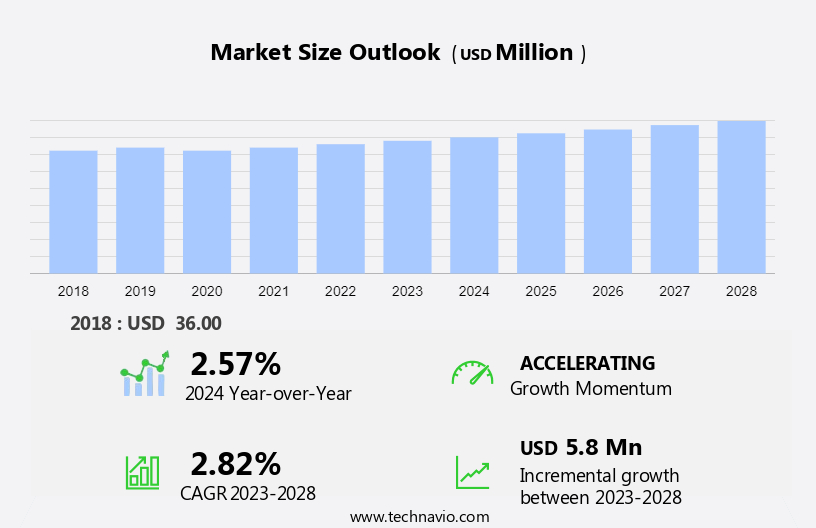
- The market encompasses medical devices utilized in addressing nasolacrimal duct obstruction, a common condition affecting the lacrimal system. This market caters to various healthcare facilities, including hospitals and ophthalmic clinics, where surgical procedures and outpatient consultations are performed. The market's growth is driven by the increasing prevalence of lacrimal system problems, such as viral transmission and the aging population, leading to heightened awareness among healthcare professionals. Material technology advances have resulted In the development of stent tubes made from silicone, polyethylene, and biodegradable materials. These innovations enable less invasive operations and improved patient outcomes. Columnar lining, a key feature of the lacrimal sac and nasolacrimal duct, is a focus area for material science research.
- The market's size is significant, with continuous growth attributed to the rising incidence of Horner's muscle and orbicularis oculi disorders. Additionally, the market is influenced by trends in respiratory support devices, personal protective equipment, and retinal diseases. Overall, the market is poised for expansion, driven by technological advancements and the increasing demand for effective solutions to lacrimal system issues.
How is this Lacrimal Duct Stent Tube Industry segmented and which is the largest segment?
The industry research report provides comprehensive data (region-wise segment analysis), with forecasts and estimates in "USD million" for the period 2024-2028, as well as historical data from 2018-2022 for the following segments.
- Type
- Bicanalicular
- Monocanalicular
- Geography
- North America
- US
- Europe
- Germany
- UK
- France
- Asia
- China
- Rest of World (ROW)
- North America
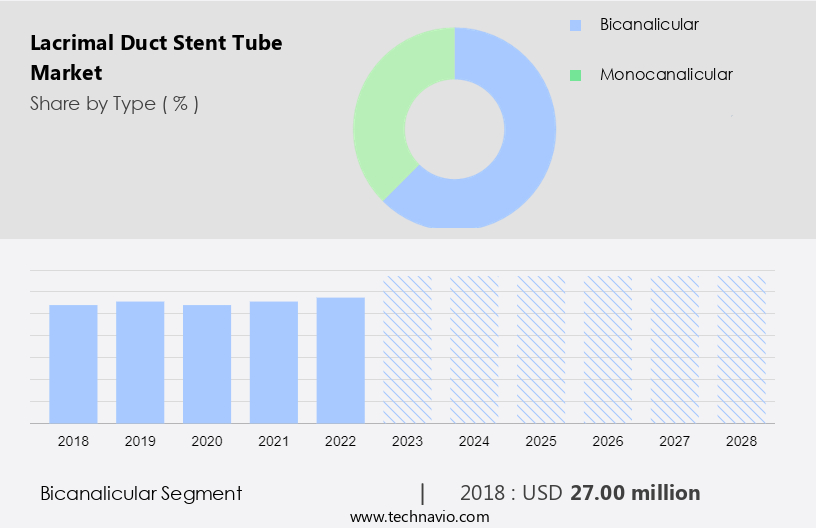
By Type Insights
- The bicanalicular segment is estimated to witness significant growth during the forecast period. The market encompasses the production and supply of silicone, polyethylene, and biodegradable materials used In the manufacture of lacrimal drainage apparatus. These devices are essential in addressing lacrimal system problems, such as nasolacrimal duct obstruction, which can lead to chronic dacryocystitis and other eye disorders. Bicanalicular nasal intubation, a common surgical procedure, utilizes silicone tubing for treating lacrinal canalicular lacerations, particularly in hospitals, ophthalmic clinics, and ambulatory surgery centers. Newborns and patients with conditions like Branchiooculofacial syndrome, CHARGE syndrome, and Goldenhar syndrome may also require lacrimal intubation. The aging global population and increasing healthcare professional awareness contribute to the market's growth.
- Material technology advancements enable less invasive operations, such as endoscopic dacryocystorhinostomy, and the development of biocompatible stents with high patency rates.
Get a glance at the market report of share of various segments Request Free Sample
The Bicanalicular segment was valued at USD 27.00 million in 2018 and showed a gradual increase during the forecast period.
Regional Analysis
- North America is estimated to contribute 36% to the growth of the global market during the forecast period. Technavio's analysts have elaborately explained the regional trends and drivers that shape the market during the forecast period.
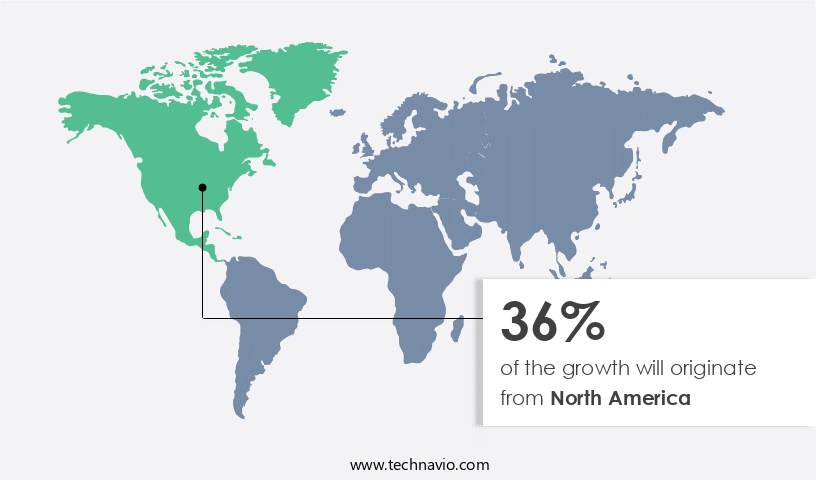
For more insights on the market size of various regions, Request Free Sample
The North American market is experiencing growth due to the region's advanced healthcare system, which prioritizes vision care services primarily through hospitals and ophthalmic clinics. The US, with its substantial investments in healthcare and significant market share, leads the North American market. Canada also contributes notably to the market's revenue. Key factors driving market expansion include the increasing number of surgical procedures, such as endoscopic dacryocystorhinostomy, for nasolacrimal duct obstruction in newborns and individuals with eye disorders like Branchiooculofacial, CHARGE, and Goldenhar syndromes. The market's growth is further fueled by the aging global population, increasing healthcare professional awareness, and advancements in material technology enabling less invasive operations.
Biocompatible stents made of silicone, polyethylene, and biodegradable materials are increasingly used in lacrimal drainage apparatus. The market's expansion is also influenced by the rising prevalence of chronic dacrycystitis, environmental allergens, and the need for patency rates maintenance. Ambulatory surgery centers and advanced ophthalmology technology, including conjunctivo dacryocystorhinostomy and Jones tube placement, further contribute to market growth.
Market Dynamics
Our researchers analyzed the data with 2023 as the base year, along with the key drivers, trends, and challenges. A holistic analysis of drivers will help companies refine their marketing strategies to gain a competitive advantage.
What are the key market drivers leading to the rise In the adoption of Lacrimal Duct Stent Tube Industry?
- Increasing research activities for NLDO is the key driver of the market. Tear duct obstruction, a common eye disorder, prevents the normal drainage of tears from the eye through the nasolacrimal duct to the nose. This condition is prevalent among newborns due to the presence of a membrane at the end of the tear duct, known as the valve of Hasner, which is present in approximately 50% of newborns but usually disappears soon after birth. Other causes include absent puncta, a narrow tear duct system, infections, and incomplete development of the tear duct. Hospitals and ophthalmic clinics perform surgical procedures and outpatient consultations to address nasolacrimal duct obstruction. Various medical devices, such as silicone tubing and lacrimal drainage apparatus, are used to facilitate tear drainage.
- Materials like silicone, polyethylene, and biodegradable materials are used In the manufacturing of these devices due to their biocompatibility and material technology. Less invasive operations, such as endoscopic dacryocystorhinostomy and conjunctivo-dacryocystorhinostomy, are increasingly popular due to their reduced recovery time and fewer complications. The aging global population and heightened healthcare professional awareness of eye disorders contribute to the growing demand for these medical devices. Chronic dacryocystitis, caused by environmental allergens, and conditions like Branchiooculofacial syndrome, CHARGE syndrome, and Goldenhar syndrome, which affect the development of the lacrimal system, also require the use of lacrimal intubation and other lacrimal system support devices.
What are the market trends shaping the Lacrimal Duct Stent Tube Industry?
- The development of new surgical techniques is the upcoming market trend. The market caters to the demand for medical devices used in addressing nasolacrimal duct obstruction, a condition that causes epiphora or watery eyes when the upper and lower canaliculi are blocked. The primary causes of this condition include aging, trauma, tumors, and oral anti-cancer medications. Traditional treatments involve minor surgeries to enlarge the canaliculus using silicone tubing or more invasive procedures with external incisions, resulting in a scar of approximately 2 cm on the side of the nose. To address the limitations of conventional surgical methods, a team of otolaryngologists and ophthalmologists at Toho University Sakura Medical Center in Japan introduced a novel procedure called conjunctivoductivo-dacryocystorhinostomy.
- This less invasive operation involves endoscopic dacryocystorhinostomy and lacrimal intubation, using biocompatible stents made of silicone, polyethylene, or biodegradable materials. The healthcare industry's growing awareness of the aging global population and the increasing number of eye disorders, such as viral transmission, environmental allergens, chronic dacryocystitis, and eye disorders associated with genetic conditions like Branchiooculofacial syndrome, CHARGE syndrome, and Goldenhar syndrome, are driving the demand for lacrimal drainage apparatus. Furthermore, the development of materials science and the availability of advanced ophthalmology technology, including respiratory support devices and personal protective equipment, are contributing to the market's growth.
What challenges does the Lacrimal Duct Stent Tube Industry face during its growth?
- Lack of skilled expertise in healthcare sector is a key challenge affecting the industry growth. The market is witnessing significant growth due to the increasing prevalence of nasolacrimal duct obstruction in hospitals and ophthalmic clinics. This condition, which can affect newborns and individuals with eye disorders such as Branchiooculofacial syndrome, CHARGE syndrome, and Goldenhar syndrome, can lead to chronic dacryocystitis and environmental allergens. To address these lacrimal system problems, medical devices such as silicone tubing and lacrimal drainage apparatus are being utilized. The medical device sector is increasingly focusing on less invasive operations and biocompatible stents to enhance patient safety and comfort. Material technology advancements, including the use of silicone, polyethylene, and biodegradable materials, are contributing to improved patency rates.
- Endoscopic dacryocystorhinostomy operations and ambulatory surgery centers are also gaining popularity. As the aging global population continues to increase, healthcare professionals awareness of eye disorders and their treatment methods is also rising. This, in turn, is driving the demand for lacrimal intubation and other ophthalmology technology advancements. Additionally, the use of silicone tubing in respiratory support devices and personal protective equipment is creating new opportunities for the market.
Exclusive Customer Landscape
The market forecasting report includes the adoption lifecycle of the market, covering from the innovator's stage to the laggard's stage. It focuses on adoption rates in different regions based on penetration. Furthermore, the market report also includes key purchase criteria and drivers of price sensitivity to help companies evaluate and develop their market growth analysis strategies.

Customer Landscape
Key Companies & Market Insights
Companies are implementing various strategies, such as strategic alliances, market forecast, partnerships, mergers and acquisitions, geographical expansion, and product/service launches, to enhance their presence In the industry.
The industry research and growth report includes detailed analyses of the competitive landscape of the market and information about key companies, including:
- Aurolab
- Becton Dickinson and Co.
- Bess Medizintechnik GmbH
- BVI Holdings Ltd.
- FCI Ophthalmics
- Gunther Weiss Scientific Glassblowing Co. Inc.
- Kaneka Medical America LLC
- Medline Industries LP
- Surtex Instruments Ltd.
- Walsh Medical Devices Inc.
Qualitative and quantitative analysis of companies has been conducted to help clients understand the wider business environment as well as the strengths and weaknesses of key industry players. Data is qualitatively analyzed to categorize companies as pure play, category-focused, industry-focused, and diversified; it is quantitatively analyzed to categorize companies as dominant, leading, strong, tentative, and weak.
Research Analyst Overview
The market encompasses a range of medical devices utilized in addressing issues withIn the lacrimal system. These devices aim to improve the flow of tears from the lacrimal sac to the nasolacrimal duct and, ultimately, to the nasal cavity. The market experiences significant growth due to several factors. One key factor driving demand is the increasing prevalence of eye disorders, including nasolacrimal duct obstruction, which can result in tear drainage problems. This condition can affect individuals of all ages, from newborns with congenital disorders such as branchiooculofacial syndrome, Charge syndrome, and Goldenhar syndrome, to older adults experiencing age-related lacrimal system problems.
Moreover, the medical device sector continues to innovate in response to these needs, with advancements in material technology leading to the development of biocompatible stents made from silicone, polyethylene, and biodegradable materials. These materials offer advantages such as less invasive operations and improved patency rates, making them preferred choices for both healthcare professionals and patients. Endoscopic dacryocystorhinostomy (DCR) operations have emerged as a popular treatment option for nasolacrimal duct obstruction. These procedures allow for direct visualization and manipulation of the lacrimal system, enabling more precise placement of stents and improved outcomes. Ambulatory surgery centers and ophthalmic clinics have increasingly adopted this less invasive approach, contributing to the growth of the market.
Furthermore, the aging global population is another significant factor fueling market expansion. As people age, they become more susceptible to various eye disorders, including chronic dacryocystitis and environmental allergens, which can lead to lacrimal system problems. Moreover, healthcare professionals awareness of the importance of addressing these issues promptly has grown, leading to increased demand for effective lacrimal duct stent tubes. Materials science continues to play a crucial role In the development of advanced lacrimal duct stent tubes. For instance, the use of columnar lining in stents has shown promising results in enhancing patency rates and reducing complications. Additionally, the integration of biocompatible materials into stent design has led to improved patient comfort and reduced risk of infection.
|
Market Scope |
|
|
Report Coverage |
Details |
|
Page number |
124 |
|
Base year |
2023 |
|
Historic period |
2018-2022 |
|
Forecast period |
2024-2028 |
|
Growth momentum & CAGR |
Accelerate at a CAGR of 2.82% |
|
Market Growth 2024-2028 |
USD 5.8 million |
|
Market structure |
Concentrated |
|
YoY growth 2023-2024(%) |
2.57 |
|
Key countries |
US, UK, China, Germany, and France |
|
Competitive landscape |
Leading Companies, Market Positioning of Companies, Competitive Strategies, and Industry Risks |
What are the Key Data Covered in this Lacrimal Duct Stent Tube Market Research and Growth Report?
- CAGR of the Lacrimal Duct Stent Tube industry during the forecast period
- Detailed information on factors that will drive the market growth and forecasting between 2024 and 2028
- Precise estimation of the size of the market and its contribution of the industry in focus to the parent market
- Accurate predictions about upcoming growth and trends and changes in consumer behaviour
- Growth of the market across North America, Europe, Asia, and Rest of World (ROW)
- Thorough analysis of the market's competitive landscape and detailed information about companies
- Comprehensive analysis of factors that will challenge the lacrimal duct stent tube market growth of industry companies
We can help! Our analysts can customize this lacrimal duct stent tube market research report to meet your requirements.
 RIA -
RIA - 
