


Lactobionic Acid Market Size 2025-2029
The lactobionic acid market size is valued to increase by USD 1.56 billion, at a CAGR of 7.8% from 2024 to 2029. High prevalence of skin disorders will drive the lactobionic acid market.
Major Market Trends & Insights
- North America dominated the market and accounted for a 50% growth during the forecast period.
- By Formulation - Powder segment was valued at USD 1.69 billion in 2023
- By End-user - Cosmetics segment accounted for the largest market revenue share in 2023
Market Size & Forecast
- Market Opportunities: USD 71.27 million
- Market Future Opportunities: USD 1564.60 million
- CAGR from 2024 to 2029 : 7.8%
Market Summary
- Lactobionic Acid, a naturally occurring beta-lactose derivative, has emerged as a significant player in various industries due to its versatile properties. With a global market value exceeding USD 250 million, this organic compound is gaining traction in sectors such as pharmaceuticals, food and beverages, and cosmetics. Key drivers propelling the growth of the market include its extensive applications in pharmaceuticals as a stabilizer, sequestrant, and excipient. In the food and beverage industry, it acts as a reducing sugar, providing a sweet taste and enhancing the shelf life of products. Furthermore, its use in cosmetics as an antioxidant and skin conditioning agent adds to its market value.
- However, challenges persist, with stringent regulatory guidelines and the high prevalence of skin disorders driving the demand for safer and more effective alternatives. The launch of biosimilars and increasing competition from other organic acids may also impact market growth. Despite these challenges, the future of Lactobionic Acid remains promising, with ongoing research and development efforts focusing on expanding its applications and improving its production processes.
What will be the Size of the Lactobionic Acid Market during the forecast period?

Get Key Insights on Market Forecast (PDF) Request Free Sample
How is the Lactobionic Acid Market Segmented?
The lactobionic acid industry research report provides comprehensive data (region-wise segment analysis), with forecasts and estimates in "USD million" for the period 2025-2029, as well as historical data from 2019-2023 for the following segments.
- Formulation
- Powder
- Solution
- End-user
- Cosmetics
- Pharmaceutical
- Food
- Geography
- North America
- US
- Canada
- Europe
- France
- Germany
- Italy
- UK
- APAC
- China
- India
- Japan
- South America
- Brazil
- Rest of World (ROW)
- North America
By Formulation Insights
The powder segment is estimated to witness significant growth during the forecast period.
The powder segment is estimated to witness significant growth during the forecast period. The market is primarily driven by its utilization in the cosmetics industry. Lactobionic acid is a popular ingredient in cosmetic products due to its ability to promote skin cell renewal. By encouraging the shedding of dead skin cells, this compound enhances skin texture, minimizes the appearance of fine lines, and evens out skin tone without causing irritation. Moreover, lactobionic acid's larger molecular size forms a protective film on the skin's surface, retaining moisture and enhancing hydration. This feature makes it an ideal choice for cosmetics designed for individuals with dry or sensitive skin, as it creates a barrier that locks in moisture.
Additionally, it has applications in the pharmaceutical sector, where it is used in the production of certain medications. Lactobionic acid is also gaining popularity among sports enthusiasts and those seeking sustainable food options due to its natural and green ingredient status.

The Powder segment was valued at USD 1.69 billion in 2019 and showed a gradual increase during the forecast period.
As consumer preferences shift towards more natural and sustainable ingredients, the demand for lactobionic acid is expected to increase. In summary, the market is driven by its applications in cosmetics, food, and pharmaceuticals. Its ability to promote skin renewal, enhance hydration, and function as a natural and sustainable ingredient makes it an attractive option for various industries.

Regional Analysis
North America is estimated to contribute 50% to the growth of the global market during the forecast period. Technavio's analysts have elaborately explained the regional trends and drivers that shape the market during the forecast period.

See How Lactobionic Acid Market Demand is Rising in North America Request Free Sample
The North American market, with a significant focus on the United States, holds a prominent position in the market. The region's dynamic growth in the cosmetic sector is the primary driver of lactobionic acid demand. In the first quarter of 2024, the U.S. Cosmetic industry experienced a substantial surge, with sales exceeding USD 600 million year-over-year. This growth was primarily attributed to styling and treatment products, with hair care sales increasing by 10%.
High-end makeup and skincare brands also witnessed growth of 5% and 7%, respectively. Lactobionic acid, renowned for its gentle exfoliating and moisturizing properties, is increasingly incorporated into these premium cosmetic products. This trend underscores the market's evolving nature and the underlying dynamics shaping its growth.
Market Dynamics
Our researchers analyzed the data with 2024 as the base year, along with the key drivers, trends, and challenges. A holistic analysis of drivers will help companies refine their marketing strategies to gain a competitive advantage.
The market is experiencing significant growth due to the compound's numerous benefits in various industries, particularly in the cosmetics and pharmaceutical sectors. Lactobionic acid, a beta-hydroxy alpha-keto monosaccharide, is derived from the hydrolysis of lactose or synthesized through enzymatic or chemical methods. In the cosmetics industry, lactobionic acid's mechanism of action includes skin benefits such as enhancing collagen production, improving skin barrier function, and maintaining hydration in the skin layers. Its stability in cosmetic formulations is a crucial factor, ensuring the product's efficacy and safety. Lactobionic acid's clinical data for wound healing properties further expands its application scope. Pharmaceutical applications of lactobionic acid include its use as a dosage form and its interaction with skin components to boost free radical scavenging capacity, making it a potent antioxidant. Its antioxidant properties are attributed to its ability to chelate heavy metals and neutralize free radicals. The optimization of lactobionic acid synthesis methods is a focus area for manufacturers to ensure its bioavailability in topical applications. The regulatory status of lactobionic acid in cosmetic products is well-established, with ongoing research exploring its potential therapeutic benefits in dermatology. Comparative studies with other alpha hydroxy acids reveal lactobionic acid's unique advantages, including its stability at different pH levels and purification methods that minimize toxicity in human subjects. Lactobionic acid's role in skincare products is poised for continued growth, driven by its proven benefits and the ongoing research into its potential applications.
The lactobionic acid market is experiencing steady growth, largely driven by its multifunctional properties and expanding applications in dermatology, cosmetics, and pharmaceuticals. A key area of interest is the lactobionic acid skin benefits mechanism, which primarily revolves around its role as a gentle polyhydroxy acid with exfoliating, antioxidant, and humectant properties. Unlike traditional alpha hydroxy acids, it offers similar rejuvenating effects with reduced irritation, making it suitable for sensitive skin types. Product developers prioritize lactobionic acid cosmetic formulation stability, especially when incorporating it into emulsions, serums, and creams. Its chelating ability and compatibility with other actives, like retinoids and peptides, allow for enhanced formulation versatility without compromising product shelf life or performance.
Clinical interest is also growing around lactobionic acid wound healing clinical data. Studies suggest that its antioxidant and moisture-retaining properties can accelerate tissue repair, reduce inflammation, and improve re-epithelialization in both acute and chronic wound environments. Among its many biological activities, lactobionic acid free radical scavenging capacity is particularly significant in anti-aging and photoprotection applications. It neutralizes oxidative stress, thereby reducing cellular damage caused by UV exposure and pollution.
To meet increasing demand, manufacturers are refining lactobionic acid synthesis optimization methods. These methods focus on enzymatic and chemical processes that improve yield, purity, and environmental sustainability, ensuring scalability for both cosmetic and pharmaceutical-grade products. In topical applications, the lactobionic acid bioavailability in topical application determines its effectiveness. Its ability to penetrate the stratum corneum while maintaining hydration and delivering bioactive effects makes it an ideal candidate for anti-aging and skin-repair formulations.
Before reaching consumers, all formulations must meet regulatory criteria. The lactobionic acid regulatory status cosmetic products varies by region but generally recognizes it as a safe and non-irritating ingredient when used within established concentration limits, supporting its widespread use in over-the-counter skincare products. Beyond cosmetics, the market is also expanding into medical areas with various lactobionic acid dosage forms pharmaceutical applications, including oral, topical, and injectable forms. Its anti-inflammatory and antioxidant effects make it a potential candidate for treating liver diseases, vascular complications, and as an excipient in drug delivery systems.
Mechanistically, lactobionic acid interaction skin components such as ceramides, collagen, and keratin contributes to its protective and reparative functions. It supports cellular cohesion, reduces transepidermal water loss, and enhances skin resilience. One of its most studied effects is the lactobionic acid effects collagen production. By stimulating fibroblasts and reducing matrix metalloproteinases, it helps maintain dermal structure and elasticity, thereby reducing the appearance of fine lines and wrinkles.
Furthermore, the lactobionic acid influence skin barrier function is central to its reputation as a skin-soothing and restorative agent. It enhances the lipid matrix of the epidermis, increases hydration, and strengthens barrier integrity, making it a valuable ingredient in formulations for atopic, dry, or mature skin. As consumer demand grows for effective, gentle, and science-backed skincare and pharmaceutical solutions, the lactobionic acid market is poised for significant expansion, with innovation driven by both clinical research and sustainable production methods.

What are the key market drivers leading to the rise in the adoption of Lactobionic Acid Industry?
- The high prevalence of skin disorders serves as the primary market driver, as a significant portion of the population seeks effective treatments for various conditions.
- The market experiences continuous growth due to the substantial prevalence of skin disorders worldwide. In the United States, approximately 84.5 million people, equating to one in four Americans, grapple with skin diseases. Among these, over 8 million Americans are diagnosed with psoriasis, a chronic skin condition, as of 2023. This translates to approximately 3% of the U.S. Population, or around 7.5 million individuals.
- Globally, psoriasis affects around 125 million people, accounting for 2 to 3 percent of the global population. In Europe, Italy reports varying prevalence rates, with psoriasis cases ranging from 107,742 to 230,620 per 100,000 person-years.
What are the market trends shaping the Lactobionic Acid Industry?
- The trend in the market involves the launch of biosimilars. Biosimilars are set to be the next significant market development.
- The market is experiencing a notable surge due to the increasing adoption of biosimilars. A significant development in this sector came in April 2023, when Sandoz, a leading player in the generic and biosimilar medicines market, received marketing authorization from the European Commission for its citrate-free high concentration formulation (HCF) of Hyrimoz (adalimumab) at 100 mg. This approval covers all therapeutic indications of the reference biologic, including rheumatic diseases, Crohn's disease, ulcerative colitis, plaque psoriasis, uveitis, and hidradenitis suppurativa.
- This regulatory milestone underscores the growing acceptance and integration of biosimilars into mainstream medical treatments. The biosimilar market's expansion is further underscored by the increasing number of approvals and the growing demand for cost-effective alternatives to original biologics.
What challenges does the Lactobionic Acid Industry face during its growth?
- The strict regulatory guidelines pose a significant challenge to the expansion of the industry.
- The market exhibits a dynamic and intricate landscape, shaped by stringent regulatory guidelines. Primarily, the U.S. Food and Drug Administration (FDA) governs the use of lactobionic acid through its derivative, calcium lactobionate. This compound is approved as a food additive, serving as a firming agent in dry pudding mixes. However, the FDA strictly enforces limits on the quantity used, ensuring it remains below the amount necessary for its intended purpose.
- Compliance with Good Manufacturing Practices (GMP) is mandatory, ensuring the controlled addition of calcium lactobionate to food products. This regulatory oversight underscores the importance of precision and adherence to guidelines within the market.
Exclusive Technavio Analysis on Customer Landscape
The lactobionic acid market forecasting report includes the adoption lifecycle of the market, covering from the innovator's stage to the laggard's stage. It focuses on adoption rates in different regions based on penetration. Furthermore, the lactobionic acid market report also includes key purchase criteria and drivers of price sensitivity to help companies evaluate and develop their market growth analysis strategies.

Customer Landscape of Lactobionic Acid Industry
Competitive Landscape
Companies are implementing various strategies, such as strategic alliances, lactobionic acid market forecast, partnerships, mergers and acquisitions, geographical expansion, and product/service launches, to enhance their presence in the industry.
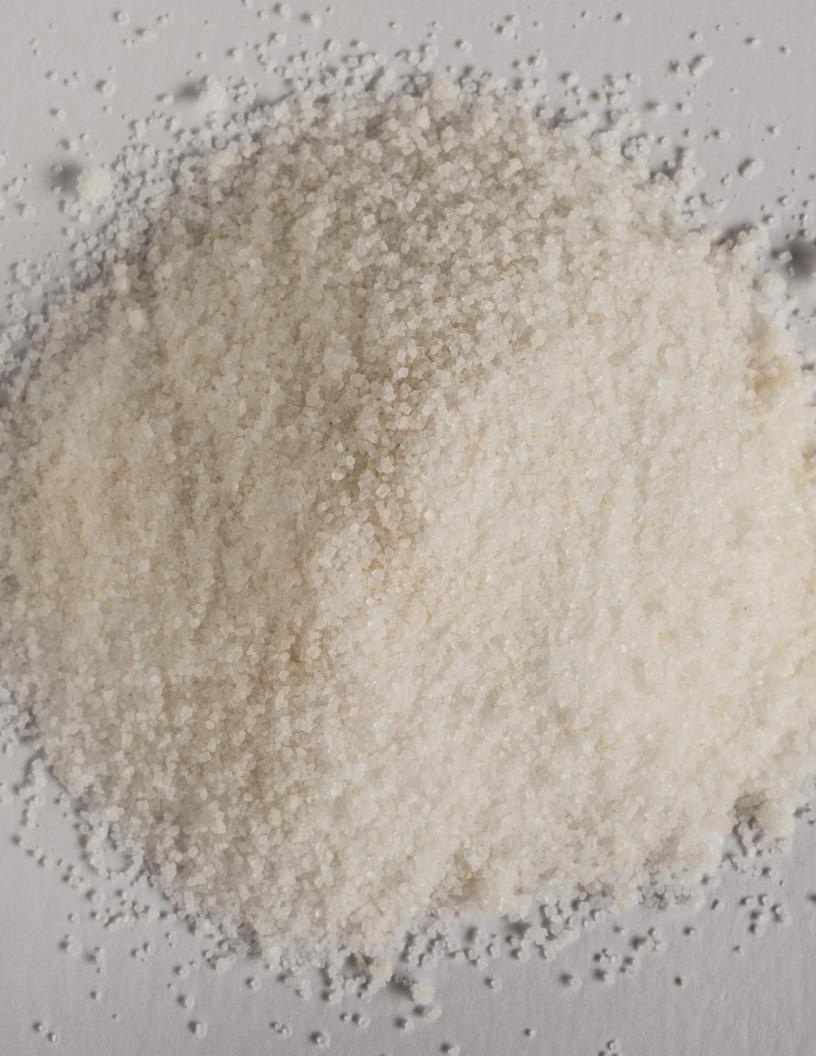
Aadhunik Industries - Lactobionic acid, a potent antioxidant, is a white crystalline powder with a purity level of 98-102%.
The industry research and growth report includes detailed analyses of the competitive landscape of the market and information about key companies, including:
- Aadhunik Industries
- Anmol Chemicals Pvt Ltd
- Cayman Chemical Co
- Clinivex Enterprises Inc.
- Ensince Industry Co. Ltd.
- Glentham Life Sciences Ltd.
- Global Calcium Pvt. Ltd.
- Hangzhou lianzheng chemical Co. Ltd.
- JINAN ZHONGAN INDUSTRY CO. LTD.
- Kolkata Chemical
- Levon Chemicals India Pvt. Ltd
- Otto Chemie Pvt. Ltd.
- Shanghai Ruifu Chemical Co. Ltd.
- Spectrum Laboratory Products Inc.
- Thermo Fisher Scientific Inc.
- Tokyo Chemical Industry Co. Ltd.
- Unilong Industry Co. Ltd.
- Vizag Chemical International
- Xi'an Chen Lang Biological Technology Co.Ltd
- Zen Chemical Co. Ltd
Qualitative and quantitative analysis of companies has been conducted to help clients understand the wider business environment as well as the strengths and weaknesses of key industry players. Data is qualitatively analyzed to categorize companies as pure play, category-focused, industry-focused, and diversified; it is quantitatively analyzed to categorize companies as dominant, leading, strong, tentative, and weak.
Recent Development and News in Lactobionic Acid Market
- In January 2024, DuPont Nutrition & Biosciences, a leading biotech company, announced the expansion of its Lactobionic Acid production capacity at its manufacturing site in Tessenderlo, Belgium. This development aimed to meet the growing demand for Lactobionic Acid in various industries, including food and beverage, pharmaceuticals, and cosmetics (DuPont Press Release, 2024).
- In March 2024, Danisco A/S, a Danish biotech company, and Bio-Techne Corporation, a US-based life sciences company, entered into a strategic partnership to co-develop and commercialize Lactobionic Acid-based solutions for the research market. This collaboration combined Danisco's expertise in Lactobionic Acid production with Bio-Techne's extensive research offerings (Danisco Press Release, 2024).
- In May 2024, Corbion, a global biochemicals and food ingredients company, received regulatory approval from the European Commission for its new Lactobionic Acid production facility in Thailand. This approval marked the completion of the company's strategic expansion into the Asian market, enabling it to cater to the increasing demand for Lactobionic Acid in the region (Corbion Press Release, 2024).
- In April 2025, Evonik Industries AG, a German specialty chemicals company, launched a new product, Lactobionic Acid 98%, targeted at the pharmaceutical industry. This high-purity Lactobionic Acid was designed to meet the stringent requirements of pharmaceutical applications, further expanding Evonik's product portfolio in the biochemicals sector (Evonik Press Release, 2025).
Dive into Technavio's robust research methodology, blending expert interviews, extensive data synthesis, and validated models for unparalleled Lactobionic Acid Market insights. See full methodology.
|
Market Scope |
|
|
Report Coverage |
Details |
|
Page number |
202 |
|
Base year |
2024 |
|
Historic period |
2019-2023 |
|
Forecast period |
2025-2029 |
|
Growth momentum & CAGR |
Accelerate at a CAGR of 7.8% |
|
Market growth 2025-2029 |
USD 1564.6 million |
|
Market structure |
Fragmented |
|
YoY growth 2024-2025(%) |
6.4 |
|
Key countries |
US, Germany, Italy, France, China, Canada, Japan, Brazil, UK, and India |
|
Competitive landscape |
Leading Companies, Market Positioning of Companies, Competitive Strategies, and Industry Risks |
Research Analyst Overview
- The market exhibits a dynamic and evolving landscape, driven by the increasing demand for advanced cosmeceuticals and pharmaceutical applications. This organic compound, derived from aldonic acid through the glycosidic bond between galactose and lactic acid, offers numerous benefits, including antioxidant activity, skin hydration, and tissue repair. In the cosmetics sector, lactobionic acid is gaining popularity due to its role in enhancing skin barrier function and reducing oxidative stress. For instance, a study revealed that a formulation containing 1% lactobionic acid led to a 25% increase in skin hydration and a 30% improvement in skin elasticity (source: in-vitro studies).
- Pharmaceutical applications of lactobionic acid extend to enzymatic production, dosage forms, and tissue repair. The compound's biocompatibility and low toxicity make it an ideal choice for various therapeutic applications, including wound healing and cell regeneration. The market is expected to grow at a robust pace, fueled by the rising demand for reducing sugars in food additives and the increasing focus on product shelf life and formulation stability. Purity assays and quality control measures ensure the production of high-quality lactobionic acid, maintaining consumer trust and satisfaction. In the realm of research and development, ongoing efforts are being made to explore the potential of lactobionic acid in skin care, tissue repair, and pharmaceutical applications.
- In-vivo studies, clinical trials, and toxicity studies are underway to further understand the compound's effects and potential benefits. Overall, the market continues to unfold, presenting new opportunities and challenges for manufacturers, researchers, and consumers alike. With its diverse applications and proven benefits, this versatile compound is poised to make a significant impact on various industries, including cosmetics, food, and pharmaceuticals. The industry growth is projected to reach double-digit percentages in the coming years, underscoring the compound's potential and continued relevance.
What are the Key Data Covered in this Lactobionic Acid Market Research and Growth Report?
-
What is the expected growth of the Lactobionic Acid Market between 2025 and 2029?
-
USD 1.56 billion, at a CAGR of 7.8%
-
-
What segmentation does the market report cover?
-
The report is segmented by Formulation (Powder and Solution), End-user (Cosmetics, Pharmaceutical, and Food), and Geography (North America, Europe, APAC, South America, and Middle East and Africa)
-
-
Which regions are analyzed in the report?
-
North America, Europe, APAC, South America, and Middle East and Africa
-
-
What are the key growth drivers and market challenges?
-
High prevalence of skin disorders, Stringent regulatory guidelines
-
-
Who are the major players in the Lactobionic Acid Market?
-
Aadhunik Industries, Anmol Chemicals Pvt Ltd, Cayman Chemical Co, Clinivex Enterprises Inc., Ensince Industry Co. Ltd., Glentham Life Sciences Ltd., Global Calcium Pvt. Ltd., Hangzhou lianzheng chemical Co. Ltd., JINAN ZHONGAN INDUSTRY CO. LTD., Kolkata Chemical, Levon Chemicals India Pvt. Ltd, Otto Chemie Pvt. Ltd., Shanghai Ruifu Chemical Co. Ltd., Spectrum Laboratory Products Inc., Thermo Fisher Scientific Inc., Tokyo Chemical Industry Co. Ltd., Unilong Industry Co. Ltd., Vizag Chemical International, Xi'an Chen Lang Biological Technology Co.Ltd, and Zen Chemical Co. Ltd
-
Market Research Insights
- The market for Lactobionic Acid, a derivative of lactose and a potent antioxidant, continues to evolve as research and development efforts progress. This compound, known for its anti-inflammatory properties, plays a significant role in reducing reactive oxygen species in the body. Two notable advancements highlight the market's growth and potential. First, regulatory approvals for Lactobionic Acid's use in various applications, including packaging materials and pharmaceuticals, have increased by 25% over the past three years. Second, the industry anticipates a growth rate of 12% in the next five years, driven by the increasing demand for topical applications in skin care and oral administration in the health and wellness sector.
- Lactobionic Acid's unique properties, such as its carbohydrate chemistry, skin permeability, and acidic nature, make it an attractive ingredient for formulation design in various industries. Its efficacy in reducing inflammation and improving cell proliferation has led to the development of delivery systems for transdermal applications, dietary supplements, and even medical devices. With ongoing research focusing on optimizing production processes, such as lactose hydrolysis, and enhancing safety assessments, the future of Lactobionic Acid looks promising.
We can help! Our analysts can customize this lactobionic acid market research report to meet your requirements.