



Lanolin Market Size 2025-2029
The lanolin market size is forecast to increase by USD 90.1 million at a CAGR of 5% between 2024 and 2029.
- The market is experiencing significant growth driven by the rising demand for natural and sustainable ingredients in various industries, including cosmetics and pharmaceuticals. This trend is fueled by increasing consumer awareness and preference for eco-friendly skin care products. Additionally, customization and innovation in lanolin derivatives are creating new opportunities for market expansion. However, challenges persist in the form of availability and sourcing issues. Lanolin, derived from sheep's wool, is a natural substance that offers excellent emollient properties. Its ability to form a protective barrier on the skin makes it an ideal ingredient for various applications.
- The market's strategic landscape is characterized by intense competition and constant innovation. Companies seeking to capitalize on market opportunities must focus on sustainable sourcing, product differentiation, and meeting evolving consumer demands. Navigating these challenges effectively requires a deep knowledge of market dynamics and a strategic approach to business and operational planning.
What will be the Size of the Lanolin Market during the forecast period?

- The market encompasses the production, processing, and distribution of lanolin and its derivatives, primarily used in various industries such as textiles, pharmaceuticals, cosmetics, and food. Lanolin, a natural wax derived from sheep's wool, offers unique properties including water retention, emollient effects, and skin protection. Market growth is driven by increasing demand for natural and sustainable alternatives to synthetic ingredients, as well as the expanding use of lanolin in diverse applications, including ointments, lotions, lip balms, and creams. Bio-based alternatives and certifications are gaining traction, while regulations and labeling requirements continue to shape market dynamics. Innovations in processing, manufacturing, and packaging technologies contribute to the market's growth, as does the development of lanolin-based pharmaceuticals and cosmetics.
- The supply chain is characterized by a focus on sustainability and ethical sourcing, with a growing emphasis on refining and standardization to ensure product quality and consistency. Lanolin's versatile properties and expanding applications continue to fuel market growth, making it a dynamic and evolving industry worth monitoring for businesses and investors alike.
How is this Lanolin Industry segmented?
The lanolin industry research report provides comprehensive data (region-wise segment analysis), with forecasts and estimates in "USD million" for the period 2025-2029, as well as historical data from 2019-2023 for the following segments.
- Type
- Anhydrous lanolin
- Hydrous lanolin
- Application
- Personal care and cosmetics
- Baby care products
- Pharmaceuticals
- Industrial
- Geography
- APAC
- China
- India
- Japan
- South Korea
- North America
- US
- Canada
- Europe
- France
- Germany
- Italy
- UK
- South America
- Middle East and Africa
- APAC
By Type Insights
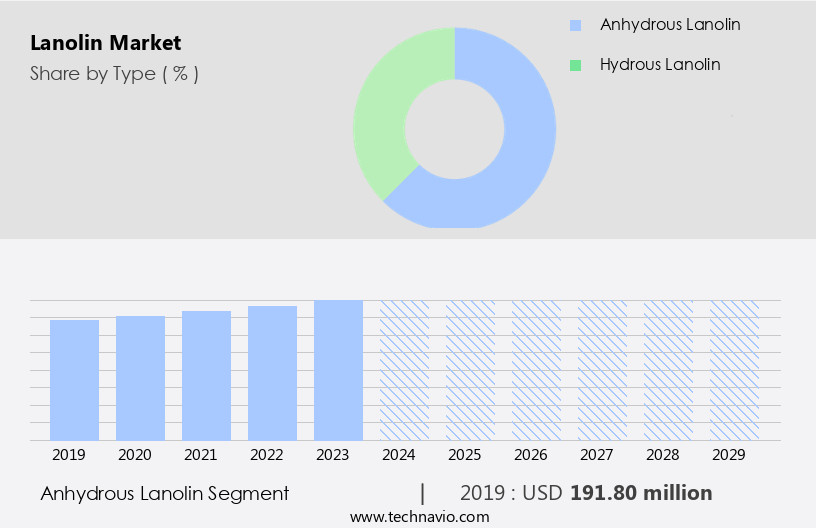
The anhydrous lanolin segment is estimated to witness significant growth during the forecast period. Anhydrous lanolin, the pure form of lanolin with water content removed, is a thick, sticky, and highly concentrated substance. Ideal for applications demanding intense moisture retention, it is extensively used in the production of skin creams, lip balms, ointment bases, and haircare products. The high emollient content of anhydrous lanolin forms a protective barrier, locking in moisture and promoting hydration. In the medical sector, its ability to create a moisture-rich environment is beneficial for tissue repair, making it a crucial component in wound healing ointments. Synthetic lanolin, derived from plant sources, is a viable alternative for those with sheep farming concerns or ethical sensitivities.
Industrial lanolin, sourced ethically and sustainably, is used in various industries, including pharmaceuticals and cosmetics, for its versatile properties. Lanolin derivatives, such as lanolin wax, alcohol, and oil, are essential components in product formulation, offering advantages like improved texture, enhanced stability, and increased bioavailability. Hypoallergenic lanolin and vegan alternatives cater to consumer demand for safer, animal-friendly options. Safety standards and quality control are crucial in the production of lanolin and its derivatives. The environmental impact of lanolin sourcing and manufacturing is an ongoing concern, with a focus on reducing waste and minimizing the carbon footprint. Ingredient innovation continues to drive market growth, with the development of new lanolin-based products and delivery systems catering to diverse consumer needs and preferences. Consumer demand for natural ingredients, ethical sourcing, and sustainable practices shapes the future of the market.
Get a glance at the market report of share of various segments Request Free Sample
The Anhydrous lanolin segment was valued at USD 191.80 million in 2019 and showed a gradual increase during the forecast period.
Regional Analysis
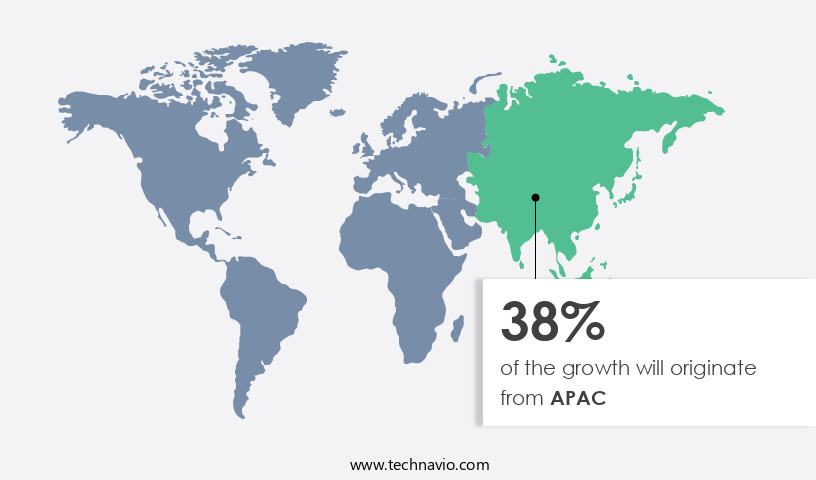
APAC is estimated to contribute 38% to the growth of the global market during the forecast period.Technavio's analysts have elaborately explained the regional trends and drivers that shape the market during the forecast period.
For more insights on the market size of various regions, Request Free Sample
The market in the Asia-Pacific (APAC) region is experiencing notable growth due to several economic and demographic factors. The expanding middle class in countries like China, projected to reach 1.2 billion by 2030, is a significant driver of this growth. Increased disposable income among consumers in this region has fueled a demand for high-quality personal care products, many of which incorporate lanolin. In addition, the pharmaceutical industry in the APAC region, expanding at an annual average rate of 9.3% since the start of the 14th Five-Year Plan, boosts the demand for lanolin, which is used in various medical and skincare applications.
Lanolin, derived from wool grease, is a versatile ingredient used in various industries, including wool processing, cosmetics, and pharmaceuticals. It is known for its ability to improve product formulation, enhance delivery systems, and provide hypoallergenic and sustainable sourcing benefits. Lanolin derivatives, such as lanolin alcohol and lanolin wax, are widely used in lip care, hair care, skin care, and wound healing products. Consumer demand for natural ingredients, ethical sourcing, and animal welfare has led to the development of bio-based lanolin and vegan alternatives. Safety standards and quality control are essential considerations in the production and use of lanolin, as it is used in a wide range of applications, from personal care products to industrial processes.
The market is characterized by product differentiation, with various brands offering unique value propositions, such as organic lanolin, hypoallergenic lanolin, and lanolin derived from sustainable sources. Lanolin's environmental impact and ingredient innovation are also key areas of focus for market participants. Overall, the APAC region's economic growth and changing consumer preferences are expected to continue driving the demand for lanolin in various industries.
Market Dynamics
Our researchers analyzed the data with 2024 as the base year, along with the key drivers, trends, and challenges. A holistic analysis of drivers will help companies refine their marketing strategies to gain a competitive advantage.
What are the key market drivers leading to the rise in the adoption of Lanolin Industry?
- Rising demand for natural and sustainable ingredients is the key driver of the market. The personal care, pharmaceutical, and industrial sectors are experiencing growth due to the increasing demand for natural and sustainable ingredients. Consumers are becoming more conscious of the benefits of using eco-friendly, biodegradable, and chemical-free products. This trend is driven by concerns over synthetic additives, allergens, and the long-term health and environmental effects of chemical-based formulations. Aloe vera, sea salt, charcoal, coconut oil, shea butter, mango seed butter, cocoa seed butter, lanolin, jojoba seed oil, apricot kernel oil, beeswax, almond oil, and avocado oil are some of the natural components used in organic skincare.
- As a result, ingredients like lanolin, shea butter, and plant-based oils are gaining popularity for their natural origin and proven efficacy. In the cosmetics and personal care industry, brands are prioritizing formulations with sustainably sourced ingredients to meet consumer preferences. This market dynamic is expected to continue as consumers increasingly prioritize natural and sustainable options.
What are the market trends shaping the Lanolin Industry?
- Customization and innovation in lanolin derivatives are the upcoming market trend. The market is witnessing significant advancements due to the customization and innovation in lanolin derivatives. Companies are focusing on meeting the unique requirements of various sectors, including personal care, pharmaceutical, and industrial, by creating refined and chemically modified lanolin derivatives. Lanolin esters, produced by reacting lanolin with fatty acids or alcohols, are a notable innovation. These esters offer enhanced benefits, such as improved texture, reduced greasiness, and better spreadability, making them valuable additions to skincare and cosmetic products.
- The creation of these customized derivatives is essential for expanding the use of lanolin in diverse applications, particularly in high-end formulations. This trend underscores the importance of continuous research and development in the market. The Smart Home Appliances Market integrates lanolin creams, lanolin ointments, lanolin lotions, and lanolin lip balms to enhance user comfort. Lanolinbased cosmetics and lanolin in textiles contribute to sustainable home practices. Processes like lanolin extraction, lanolin refining, lanolin processing, lanolin standardization, lanolin certification, lanolin testing, and lanolin analysis ensure product quality and performance.StartFragment EndFragment
What challenges does the Lanolin Industry face during its growth?
- Availability and sourcing issues is a key challenge affecting the industry growth. The market faces notable challenges related to availability and sourcing due to its connection to the wool industry. Lanolin, a byproduct of the wool cleaning process, is extracted when sheep wool is washed to remove impurities. Consequently, any variations in wool production can influence the availability of lanolin. Factors contributing to these fluctuations include sheep populations, weather conditions, and demand for wool. Lanolin applications highlight versatility, while lanolin benefits and lanolin properties utility. Exploration of lanolin alternatives, synthetic lanolin alternatives, and biobased lanolin alternatives fosters innovation. Efficient lanolin supply chain, lanolin manufacturing, lanolin packaging, lanolin labeling, and lanolin distribution drive market accessibility.
- Focus on lanolin marketing, lanolin sales, lanolin regulations, lanolin safety, and lanolin sustainability reflects responsibility. Lanolin innovations lead advancements in smart home technologies for enhanced living experiences. For example, a decline in wool production resulting from reduced farming or adverse weather conditions, such as droughts impacting grazing lands, can decrease the amount of lanolin available for extraction, potentially leading to supply shortages.
Exclusive Customer Landscape
The lanolin market forecasting report includes the adoption lifecycle of the market, covering from the innovator's stage to the laggard's stage. It focuses on adoption rates in different regions based on penetration. Furthermore, the lanolin market report also includes key purchase criteria and drivers of price sensitivity to help companies evaluate and develop their market growth analysis strategies.

Customer Landscape
Key Companies & Market Insights
Companies are implementing various strategies, such as strategic alliances, lanolin market forecast, partnerships, mergers and acquisitions, geographical expansion, and product/service launches, to enhance their presence in the industry.
Barentz International BV - The company offers lanolin such as lanolin alcohol, which is used in personal care products like lotions, creams, hair pomades, shaving gels, and others.
The industry research and growth report includes detailed analyses of the competitive landscape of the market and information about key companies, including:
- Barentz International BV
- BOCSCI Inc.
- CD Formulation
- Esperis S.p.A.
- Gustav Heess Oleochemische Erzeugnisse GmbH
- Imperial-Oel-Import Handelsgesellschaft mbH
- Koster Keunen
- Lanotec
- Merck KGaA
- Nippon Fine Chemical Co Ltd.
- NK CHEMICALS China Ltd.
- Rolex Lanolin Products Ltd.
- Shanghai PRET Composites Materials Co. Ltd.
- Spectrum Laboratory Products Inc.
- Suru Chemicals and Pharmaceuticals Pvt. Ltd.
- The Lubrizol Corp.
- Wellman Advanced Materials LLC
- Xinyi Lanolin Co. ltd
- Zhejiang Garden Biochemical Hightech Co. Ltd.
Qualitative and quantitative analysis of companies has been conducted to help clients understand the wider business environment as well as the strengths and weaknesses of key industry players. Data is qualitatively analyzed to categorize companies as pure play, category-focused, industry-focused, and diversified; it is quantitatively analyzed to categorize companies as dominant, leading, strong, tentative, and weak.
Research Analyst Overview
The market encompasses a range of products derived from the wool processing industry. Wool grease, a natural byproduct of this process, is the primary source of lanolin. Traditional lanolin is obtained from the wool of sheep, providing a rich source of bio-based materials for various industries. Synthetic lanolin, an alternative to traditional lanolin, has gained traction in recent years. This man-made substitute offers similar properties to natural lanolin, making it a viable option for industries seeking to reduce their reliance on animal-derived ingredients. Industrial lanolin finds applications in diverse sectors, including wound healing, where its emollient properties aid in the promotion of tissue regeneration.
In the cosmetic industry, lanolin is a popular ingredient in personal care products due to its ability to improve skin and hair condition. Brand loyalty and value proposition are crucial factors influencing consumer preferences in the market. Companies have responded by focusing on product formulation, safety standards, and ethical sourcing to differentiate themselves from competitors. The natural ingredients trend has led to an increase in demand for organic and sustainably sourced lanolin. Animal welfare and environmental impact are also becoming significant concerns, driving the adoption of sustainable sourcing practices. Lanolin derivatives, such as lanolin wax, alcohol, and oil, cater to various applications.
These derivatives offer unique properties, making them essential components in product formulation. Price sensitivity remains a key consideration in the market. Balancing cost and quality is a challenge for manufacturers, as they strive to meet consumer demands for affordable yet effective products. Innovation in ingredient development continues to drive growth in the market. Delivery systems and vegan alternatives are among the latest trends, catering to the evolving needs of consumers. Pharmaceutical applications of lanolin include its use as an excipient in drug formulations. Its ability to improve the efficacy and stability of active ingredients has made it an indispensable component in this sector.
As the demand for natural and sustainable ingredients continues to grow, the market is expected to experience steady expansion. Companies must focus on product differentiation, quality control, and consumer education to capitalize on this trend.
|
Market Scope |
|
|
Report Coverage |
Details |
|
Page number |
205 |
|
Base year |
2024 |
|
Historic period |
2019-2023 |
|
Forecast period |
2025-2029 |
|
Growth momentum & CAGR |
Accelerate at a CAGR of 5% |
|
Market growth 2025-2029 |
USD 90.1 million |
|
Market structure |
Fragmented |
|
YoY growth 2024-2025(%) |
4.7 |
|
Key countries |
US, China, India, UK, Germany, South Korea, Canada, France, Japan, and Italy |
|
Competitive landscape |
Leading Companies, Market Positioning of Companies, Competitive Strategies, and Industry Risks |
What are the Key Data Covered in this Lanolin Market Research and Growth Report?
- CAGR of the Lanolin industry during the forecast period
- Detailed information on factors that will drive the growth and forecasting between 2025 and 2029
- Precise estimation of the size of the market and its contribution of the industry in focus to the parent market
- Accurate predictions about upcoming growth and trends and changes in consumer behaviour
- Growth of the market across APAC, North America, Europe, South America, and Middle East and Africa
- Thorough analysis of the market's competitive landscape and detailed information about companies
- Comprehensive analysis of factors that will challenge the lanolin market growth of industry companies
We can help! Our analysts can customize this lanolin market research report to meet your requirements.