


Laparoscopic Ablation Market Size 2024-2028
The laparoscopic ablation market size is forecast to increase by USD 1.21 billion at a CAGR of 10.03% between 2023 and 2028.
What will be the Size of the Laparoscopic Ablation Market During the Forecast Period?

How is this Laparoscopic Ablation Industry segmented and which is the largest segment?
The laparoscopic ablation industry research report provides comprehensive data (region-wise segment analysis), with forecasts and estimates in "USD million" for the period 2024-2028, as well as historical data from 2018-2022 for the following segments.
- Application
- Cancer
- Cardiovascular procedures
- Urological procedures
- Gynecological procedures
- Others
- Technique
- Radiofrequency ablation
- Microwave ablation
- Cryoablation
- Others
- Geography
- North America
- Canada
- Mexico
- US
- Europe
- Germany
- Asia
- China
- Japan
- Rest of World (ROW)
- North America
By Application Insights
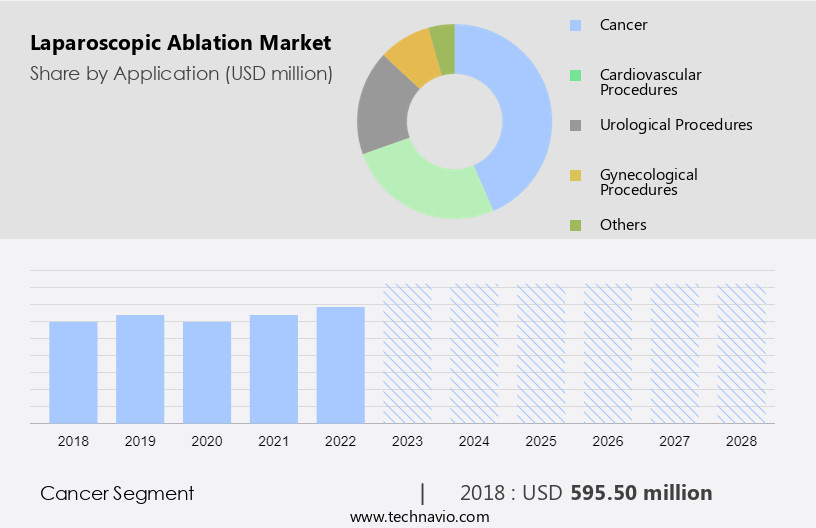
The cancer segment is estimated to witness significant growth during the forecast period. Cancer is a chronic disease characterized by the uncontrolled growth and division of abnormal cells, which can spread to other tissues and organs In the body. Factors contributing to cancer include unhealthy diet conditions, smoking, drinking, and hypertension. Treatment for cancer varies depending on its stage and may include invasive surgeries, chemotherapy, and radiation therapy. Laparoscopic ablation, a minimally invasive procedure, is an alternative to open surgical procedures for destroying tumor cells or tissues. This technique uses tools such as laser ablation, electrocoagulation, and the Helica thermal coagulator. The procedure involves making smaller incisions In the abdomen, inserting a laparoscope with a camera and screen, and using small tubes to deliver gas, laser, or electric current to the targeted area.
Organs such as the liver, pancreas, spleen, and pelvic organs can be treated using laparoscopic ablation. The market for this technology is growing due to its advantages over invasive surgeries, including less post-operative pain, faster recovery time, and lower risk of complications such as infection and abdominal pain. Hospitals, ambulatory surgery centers, and specialty clinics are major contributors to the market's growth. Key players In the market include AngioDynamics, BioFlo PICC, and NanoKnife 3. Laparoscopic ablation is used to treat various conditions such as abdominal wall trauma, endometriosis lesions, kidney stones, liver diseases, and prostate cancer. The market is expected to grow due to the increasing prevalence of cancer and the need for less invasive and cost-effective treatment options.
Get a glance at the market report of various segments Request Free Sample
The Cancer segment was valued at USD 595.50 billion in 2018 and showed a gradual increase during the forecast period.
Regional Analysis
North America is estimated to contribute 44% to the growth of the global market during the forecast period. Technavio’s analysts have elaborately explained the regional trends and drivers that shape the market during the forecast period.

For more insights on the market size of various regions, Request Free Sample
The North American the market is predominantly driven by the US, due to extensive healthcare insurance coverage, rising research and development expenditure, and high adoption of advanced technologies. The US market growth is further fueled by a well-established medical infrastructure and increasing incidence of chronic diseases such as diabetes, cancer, and heart disease. According to the Centers for Disease Control and Prevention (CDC), approximately 60% of adults In the US are diagnosed with a chronic condition annually. Various laparoscopic ablation procedures, including laser ablation, electrocoagulation, and Helica thermal coagulator, are used for treating organs In the abdominal cavity, such as the liver, pancreas, spleen, and pelvic organs.
These minimally invasive procedures offer advantages over invasive surgeries, including smaller incisions, less post-operative pain, and faster recovery. Advanced tools, such as three-dimensional imaging, narrow-band imaging (NBI), articulated instruments, mini-laparoscopy, and percutaneous instruments, are used In these procedures. Laparoscopic ablation is increasingly being used for treating various conditions, including abdominal wall trauma, endometriosis lesions, kidney stones, live donor nephrectomy, pelvic organ prolapse, and prostate cancer. The market is also driven by the need for low-cost treatments and the availability of next-generation laparoscopic ablation devices, such as the Helica thermal coagulator, NanoKnife 3, and AngioDynamics' BioFlo PICC. The market in North America is expected to grow significantly due to the increasing number of cancer patients and the availability of advanced healthcare facilities, including hospitals, ambulatory surgery centers, and specialty clinics.
The reimbursement scenario for laparoscopic ablation procedures is favorable, making them an attractive option for patients and healthcare providers. However, the market growth is challenged by the high cost of these procedures compared to conventional medical treatments, such as chemotherapy and radiation therapy, and their potential side effects, including abdominal pain and infection. Radiofrequency ablation, thermal ablation, cryoablation, and fulguration are alternative ablation techniques used for treating various conditions, including nerve tissues and hepatocellular carcinoma (HCC). The market is expected to witness significant growth In the coming years due to the increasing adoption of these advanced ablation techniques and the development of smaller incision instruments.
Market Dynamics
Our researchers analyzed the data with 2023 as the base year, along with the key drivers, trends, and challenges. A holistic analysis of drivers will help companies refine their marketing strategies to gain a competitive advantage.
What are the key market drivers leading to the rise In the adoption of Laparoscopic Ablation Industry?
- Increasing prevalence of chronic diseases is the key driver of the market.The market has experienced significant growth due to the increasing prevalence of chronic diseases, such as cancer, diabetes, and cardiovascular diseases. These conditions are often caused by factors like unhealthy diet, smoking, and drinking, which have led to a global increase In their incidence. For instance, cancer is a chronic disease characterized by the abnormal growth of cells, with major contributing factors being genetic mutations, environmental factors, and dietary patterns. In 2020, there were approximately 19.3 million new cancer cases and 10.1 million cancer-related deaths worldwide. Laparoscopic ablation devices are used in surgical diagnostic procedures to remove or destroy abnormal tissues in various organs, including the stomach, liver, pancreas, spleen, pelvic organs, and kidneys.
These procedures utilize small incisions, air, and tools like cameras, screens, patches, lasers, and electric current to ablate the targeted tissues. Technological advancements in laparoscopic ablation include sub-5 mm instruments, three-dimensional imaging, narrow-band imaging, articulated instruments, mini-laparoscopy, percutaneous instruments, and biological sensors. Laparoscopic ablation techniques are increasingly preferred over invasive surgeries due to their smaller incisions, lower risk of abdominal wall trauma, and reduced side effects such as abdominal pain and infection. Some common ablation procedures include laser ablation, electrocoagulation, Helica thermal coagulator, radiofrequency ablation, thermal ablation, cryoablation, and fulguration. These procedures are used to treat various conditions, such as endometriosis lesions, liver diseases like hepatocellular carcinoma (HCC), kidney stones, pelvic organ prolapse, prostate cancer, and more.
The market caters to various healthcare facilities, including hospitals, ambulatory surgery centers, and specialty clinics, and serves cancer patients undergoing invasive surgeries. Healthcare investment in next-generation laparoscopic ablation technologies, such as NanoKnife 3, BioFlo PICC, and AngioDynamics, is expected to further drive market growth. The reimbursement scenario for ablation procedures varies depending on the specific procedure and the healthcare facility. While laparoscopic ablation offers several advantages over conventional medical treatments like chemotherapy and radiation therapy, it is essential to consider their side effects and costs.
What are the market trends shaping the Laparoscopic Ablation market?
- Emergence of next-generation laparoscopic ablation is the upcoming market trend.The market is experiencing significant growth due to the adoption of next-generation ablation procedures, such as robot-assisted laparoscopic ablation. These advanced procedures utilize specialized robotically controlled steerable needles for high-accuracy needle insertion to targeted organs or tissues In the abdomen, including the liver, pancreas, spleen, pelvic organs, and others. The technique offers several advantages over conventional surgical methods, including smaller incisions, better surgical site visibility, and improved control over surgical instruments. Robot-assisted ablation is particularly beneficial for treating chronic diseases caused by unhealthy diet conditions, smoking, and drinking, as well as conditions like endometriosis, abdominal wall trauma, and various cancers, such as Hepatocellular carcinoma (HCC).
This technique minimizes side effects associated with invasive surgeries, such as abdominal pain and infection, and provides alternatives to costly conventional medical treatments like chemotherapy and radiation therapy. Next-generation laparoscopic ablation also incorporates advanced imaging technologies, such as three-dimensional imaging and narrow-band imaging (NBI), to improve diagnostic accuracy and surgical outcomes. Additionally, the market is witnessing the development of smaller instruments, articulated instruments, mini-laparoscopy, and percutaneous instruments, which further enhance the versatility and applicability of laparoscopic ablation procedures. In the healthcare investment landscape, hospitals, ambulatory surgery centers, and specialty clinics are increasingly adopting laparoscopic ablation procedures to cater to the growing demand for minimally invasive surgical interventions.
The market is expected to continue growing as medical science advances and new applications for laparoscopic ablation are discovered. Some of the common ablation procedures include laser ablation, electrocoagulation, Helica thermal coagulator, radiofrequency ablation, thermal ablation, cryoablation, and fulguration, which can be used to treat various conditions affecting different organs and tissues. For instance, laser ablation and electrocoagulation are commonly used for treating kidney stones and liver tumors, while radiofrequency ablation is used for treating prostate cancer and pelvic organ prolapse. The market encompasses various sub-specialties, including cardiovascular procedures, urological procedures, and gynecological procedures. The market is expected to grow further due to the increasing prevalence of chronic diseases and the need for less invasive, cost-effective treatment options.
In conclusion, the market is witnessing significant growth due to the adoption of next-generation ablation procedures, which offer several advantages over conventional surgical methods. These advanced techniques provide better visualization, improved control over surgical instruments, and reduced side effects, making them an attractive alternative to invasive surgeries and costly conventional medical treatments. Additionally, the market is being driven by the increasing prevalence of chronic diseases and the need for less invasive, cost-effective treatment options. The market is expected to continue growing as medical science advances and new applications for laparoscopic ablation are discovered.
What challenges does the Laparoscopic Ablation Industry face during its growth?
- Reuse and reprocessing of devices is a key challenge affecting the industry growth.The market encompasses the use of advanced medical devices for performing minimally invasive surgical procedures. These procedures involve the application of energy sources, such as laser or electric current, to ablate (remove or destroy) tissues In the abdomen, including those In the stomach, liver, pancreas, spleen, pelvic organs, and other organs. Ablation devices include small tubes, tools, and cameras that allow doctors to visualize the surgical site on a screen while performing the procedure through small incisions. Laparoscopic ablation is increasingly preferred over invasive surgeries due to its numerous advantages, including smaller incisions, less post-operative pain, faster recovery, and lower risk of complications.
However, reusable devices used In these procedures, such as laparoscopic ablation catheters, pose infection risks due to potential contamination with microorganisms. To mitigate these risks, these devices undergo rigorous reprocessing, which includes cleaning, disassembling, disinfecting, reassembling, inspection, function testing, re-packing, sterilization, and relabeling. This process ensures the safe reuse of these devices while reducing healthcare costs. Laparoscopic ablation procedures are used to treat various chronic diseases and conditions, including cancer, kidney stones, liver diseases, and pelvic organ prolapse. Technological advancements in medical science have led to the development of next-generation laparoscopic ablation devices, such as sub-5 mm instruments, three-dimensional imaging, narrow-band imaging (NBI), articulated instruments, mini-laparoscopy, and percutaneous instruments.
These advancements have expanded the application of laparoscopic ablation procedures to treat conditions such as abdominal wall trauma, endometriosis lesions, and nerve tissues. Despite the numerous benefits of laparoscopic ablation procedures, they face competition from conventional medical treatments, such as chemotherapy, radiation therapy, and invasive surgeries. However, the market for laparoscopic ablation is expected to grow due to the increasing prevalence of chronic diseases, unhealthy diet conditions, smoking, and drinking, as well as the rising demand for low-cost treatments. Hospitals, ambulatory surgery centers, and specialty clinics are major contributors to the market, with cancer patients being a significant target demographic.
In conclusion, the market is driven by the increasing demand for minimally invasive surgical procedures and the development of advanced technologies to improve patient outcomes and reduce healthcare costs. However, the reprocessing of reusable devices and the potential risks of infection remain significant challenges that must be addressed to ensure patient safety and compliance.
Exclusive Customer Landscape
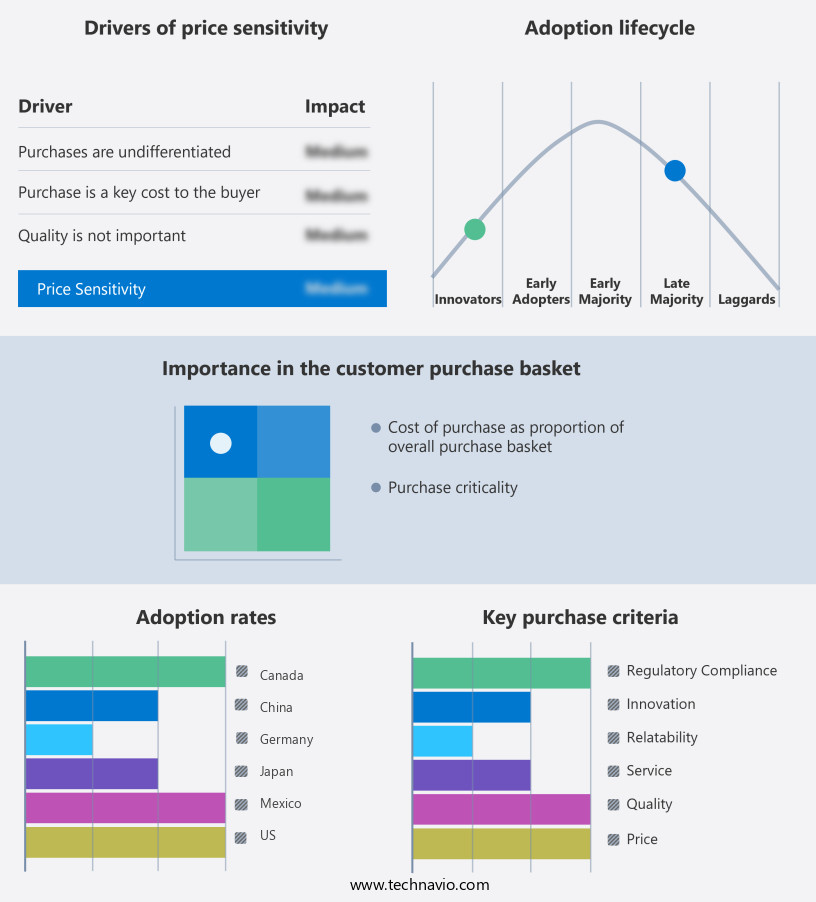
The laparoscopic ablation market forecasting report includes the adoption lifecycle of the market, covering from the innovator’s stage to the laggard’s stage. It focuses on adoption rates in different regions based on penetration. Furthermore, the laparoscopic ablation market report also includes key purchase criteria and drivers of price sensitivity to help companies evaluate and develop their market growth analysis strategies.
Customer Landscape
Key Companies & Market Insights
Companies are implementing various strategies, such as strategic alliances, laparoscopic ablation market forecast, partnerships, mergers and acquisitions, geographical expansion, and product/service launches, to enhance their presence In the industry.
AngioDynamics Inc. - The Habib 4X bipolar resection device, a notable offering from the company, is designed to minimize blood loss, decrease operating room (OR) and intensive care unit (ICU) stays, and enable non-clamping surgeries in laparoscopic ablation procedures. This advanced instrumentation aims to enhance efficiency and improve patient outcomes.
The industry research and growth report includes detailed analyses of the competitive landscape of the market and information about key companies, including:
- AngioDynamics Inc.
- Balmer Medical SA
- Bioventus LLC
- Boston Scientific Corp.
- Conmed Corp.
- EDAP TMS
- HealthTronics Inc.
- Integra Lifesciences Corp.
- Johnson and Johnson Services Inc.
- Medtronic Plc
Qualitative and quantitative analysis of companies has been conducted to help clients understand the wider business environment as well as the strengths and weaknesses of key industry players. Data is qualitatively analyzed to categorize companies as pure play, category-focused, industry-focused, and diversified; it is quantitatively analyzed to categorize companies as dominant, leading, strong, tentative, and weak.
Research Analyst Overview
The market encompasses a range of minimally invasive surgical procedures used to treat various organs and tissues located withIn the abdomen. These procedures utilize small incisions, laparoscopic tools, and a camera to access and ablate targeted tissues. The use of laparoscopic ablation devices has gained significant traction in medical science due to their ability to provide precise and effective treatment with smaller incisions, leading to faster recovery times and reduced post-operative complications. Several types of laparoscopic ablation techniques are employed in medical practices, including laser ablation and electrocoagulation. Laser ablation involves the use of a laser to vaporize or destroy targeted tissues, while electrocoagulation employs an electric current to coagulate and destroy the tissues.
Helica thermal coagulators are another type of laparoscopic ablation tool that utilizes heat to destroy tissues. Laparoscopic ablation procedures are used to treat various chronic diseases and unhealthy diet conditions, such as liver diseases, pancreatic disorders, and splenic conditions. They are also used to address pelvic conditions, including endometriosis lesions and pelvic organ prolapse. In addition, laparoscopic ablation is used in urological procedures, such as the removal of kidney stones and in live donor nephrectomies. The use of laparoscopic ablation devices is gaining popularity due to their numerous advantages over invasive surgical procedures. These advantages include smaller incisions, reduced post-operative pain, quicker recovery times, and lower risk of infection.
Furthermore, laparoscopic ablation procedures are less invasive than traditional open surgeries, resulting in lower healthcare costs. The market is witnessing significant growth due to advancements in technology, such as the development of sub-5 mm instruments, three-dimensional imaging, and narrow-band imaging (NBI). These advancements enable doctors to perform more precise and effective laparoscopic ablation procedures, leading to better patient outcomes. Moreover, the use of articulated instruments and mini-laparoscopy has expanded the scope of laparoscopic ablation procedures. Percutaneous instruments have also gained popularity due to their ability to access deep-seated lesions without the need for large incisions. Despite the numerous advantages of laparoscopic ablation procedures, there are challenges that hinder their widespread adoption.
These challenges include the high cost of laparoscopic ablation devices and the lack of reimbursement scenarios in some healthcare systems. However, the growing number of ambulatory surgery centers and specialty clinics is expected to drive the growth of the market. In conclusion, the market is witnessing significant growth due to the increasing demand for minimally invasive surgical procedures. The market is driven by advancements in technology, the growing number of ambulatory surgery centers and specialty clinics, and the numerous advantages of laparoscopic ablation procedures over invasive surgical procedures. However, challenges such as the high cost of laparoscopic ablation devices and the lack of reimbursement scenarios in some healthcare systems remain.
Nevertheless, the future of laparoscopic ablation looks promising, with continued advancements in technology and the growing acceptance of minimally invasive surgical procedures.
|
Market Scope |
|
|
Report Coverage |
Details |
|
Page number |
179 |
|
Base year |
2023 |
|
Historic period |
2018-2022 |
|
Forecast period |
2024-2028 |
|
Growth momentum & CAGR |
Accelerate at a CAGR of 10.03% |
|
Market growth 2024-2028 |
USD 1210.1 million |
|
Market structure |
Concentrated |
|
YoY growth 2023-2024(%) |
8.88 |
|
Key countries |
US, Germany, Japan, Canada, China, and Mexico |
|
Competitive landscape |
Leading Companies, Market Positioning of Companies, Competitive Strategies, and Industry Risks |
What are the Key Data Covered in this Laparoscopic Ablation Market Research and Growth Report?
- CAGR of the Laparoscopic Ablation industry during the forecast period
- Detailed information on factors that will drive the growth and forecasting between 2024 and 2028
- Precise estimation of the size of the market and its contribution of the industry in focus to the parent market
- Accurate predictions about upcoming growth and trends and changes in consumer behaviour
- Growth of the market across North America, Europe, Asia, and Rest of World (ROW)
- Thorough analysis of the market’s competitive landscape and detailed information about companies
- Comprehensive analysis of factors that will challenge the laparoscopic ablation market growth of industry companies
We can help! Our analysts can customize this laparoscopic ablation market research report to meet your requirements.