

Laser Hair Loss Treatment Market Size 2026-2030
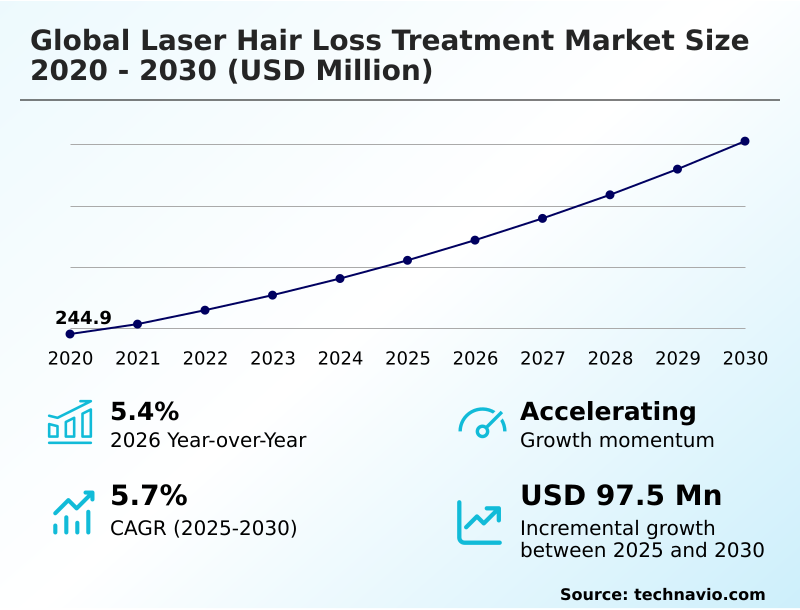
The laser hair loss treatment market size is valued to increase by USD 97.5 million, at a CAGR of 5.7% from 2025 to 2030. Increasing prevalence of alopecia and heightened aesthetic consciousness will drive the laser hair loss treatment market.
Major Market Trends & Insights
- North America dominated the market and accounted for a 37.9% growth during the forecast period.
- By Type - Low level lasers segment was valued at USD 236.2 million in 2024
- By Gender - Men segment accounted for the largest market revenue share in 2024
Market Size & Forecast
- Market Opportunities: USD 157.8 million
- Market Future Opportunities: USD 97.5 million
- CAGR from 2025 to 2030 : 5.7%
Market Summary
- The laser hair loss treatment market is defined by a dynamic interplay of technological advancement and evolving consumer demand for non-invasive aesthetic solutions. Growth is underpinned by a rising incidence of hair thinning conditions and a strong sociocultural emphasis on personal appearance, creating a substantial addressable population.
- A key trend involves the strategic bundling of low-level laser therapy (lllt) with other modalities like topical treatments and nutritional supplements to create comprehensive, high-value protocols. However, the market faces constraints from the high out-of-pocket costs of treatment and the availability of alternative pharmaceutical and surgical options.
- For instance, a chain of dermatology clinics faces a critical decision: invest heavily in high-margin, in-office clinical-grade laser systems requiring significant capital and specialized staff, or develop a partnership model with at-home laser devices manufacturers.
- The latter offers a lower-touch revenue stream but cedes control over the treatment experience, a choice that fundamentally shapes the clinic's business model, patient acquisition strategy, and overall profitability in a competitive landscape.
What will be the Size of the Laser Hair Loss Treatment Market during the forecast period?
Get Key Insights on Market Forecast (PDF) Get Free Sample
How is the Laser Hair Loss Treatment Market Segmented?
The laser hair loss treatment industry research report provides comprehensive data (region-wise segment analysis), with forecasts and estimates in "USD million" for the period 2026-2030, as well as historical data from 2020-2024 for the following segments.
- Type
- Low level lasers
- Medium level lasers
- Gender
- Men
- Women
- End-user
- Hospital
- Dermatology clinics
- Home use
- Geography
- North America
- US
- Canada
- Mexico
- Europe
- Germany
- UK
- France
- APAC
- China
- Japan
- India
- South America
- Brazil
- Argentina
- Colombia
- Middle East and Africa
- Saudi Arabia
- UAE
- Israel
- Rest of World (ROW)
- North America
By Type Insights
The low level lasers segment is estimated to witness significant growth during the forecast period.
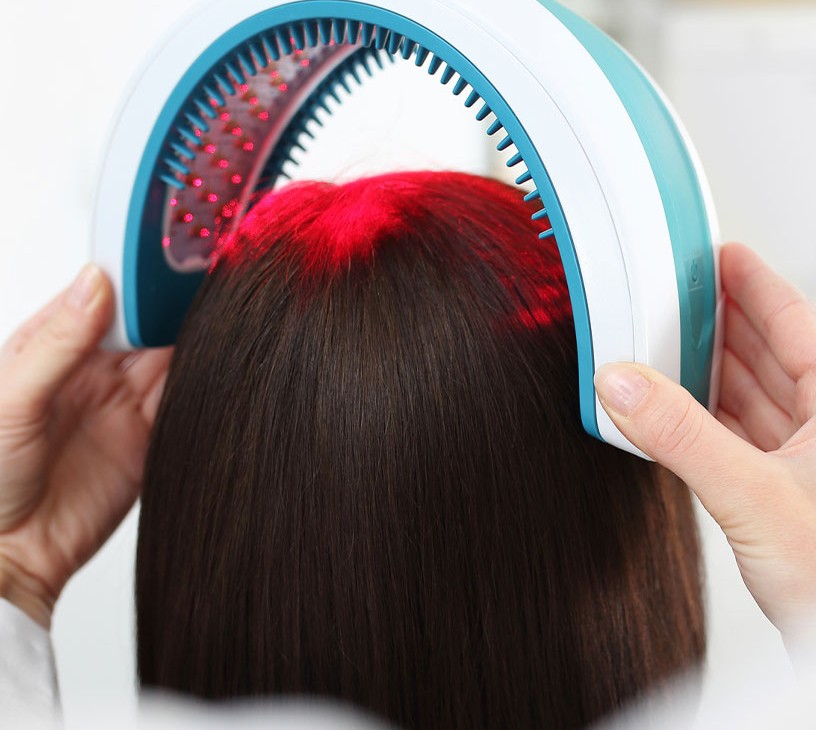
The low-level lasers segment, central to non-invasive hair restoration, is bifurcated between professional in-office systems and a dominant consumer market for portable, at-home laser devices.
Success in the consumer space hinges on ergonomic design and robust clinical data to substantiate claims of follicular miniaturization reversal and hair density improvement, which are key for regulatory compliance and consumer trust.
A primary operational challenge is ensuring patient adherence to long-term treatment protocols; integrated smart features that track usage can improve success rates by over 40%.
This segment leverages therapeutic light energy for cellular metabolism stimulation and competes intensely through incremental technological gains, such as increasing laser diode density, to enhance phototherapy for hair loss outcomes.
This approach is fundamental for hair wellness technology and personal care electronics.
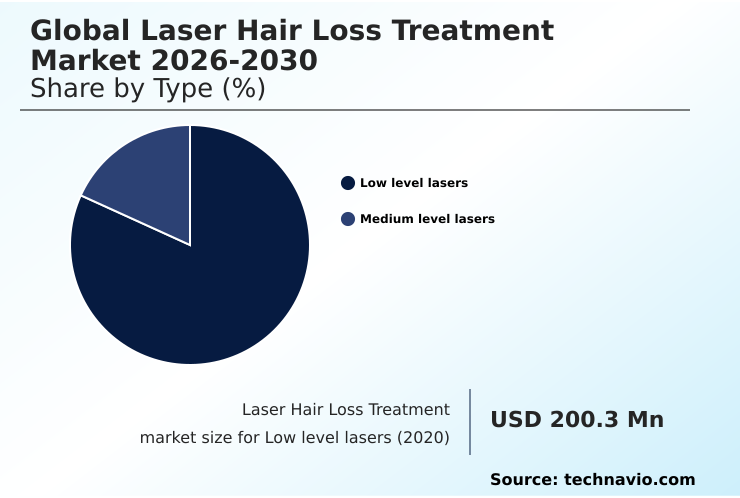
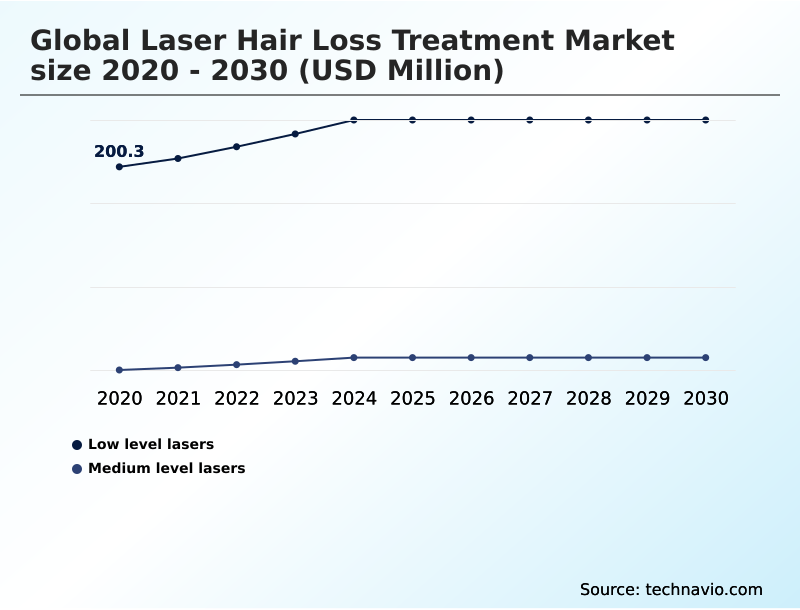
The Low level lasers segment was valued at USD 236.2 million in 2024 and showed a gradual increase during the forecast period.
Regional Analysis
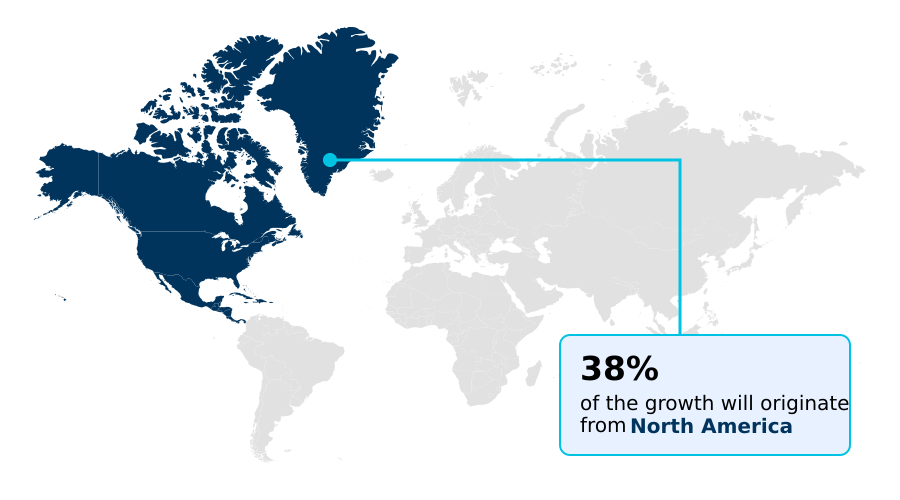
North America is estimated to contribute 37.9% to the growth of the global market during the forecast period.Technavio’s analysts have elaborately explained the regional trends and drivers that shape the market during the forecast period.
See How Laser Hair Loss Treatment Market Demand is Rising in North America Get Free Sample
The geographic landscape of the market is led by North America, which accounts for over 37% of the incremental growth opportunity, driven by high consumer awareness and a robust healthcare infrastructure.
The region is a hub for manufacturers of professional aesthetic equipment and is characterized by a strong appetite for hair wellness technology. Following North America, Europe and APAC are significant markets, with APAC poised for the fastest growth.
This is fueled by rising disposable incomes and a growing focus on aesthetics in countries like China and South Korea.
Operationally, many companies leverage manufacturing in APAC to achieve component cost reductions of up to 20%, a key factor in the competitive pricing of consumer health tech devices.
This regional dynamic influences global supply chains and the go-to-market strategies for brands offering dermatological laser treatment and hair restoration science.
Market Dynamics
Our researchers analyzed the data with 2025 as the base year, along with the key drivers, trends, and challenges. A holistic analysis of drivers will help companies refine their marketing strategies to gain a competitive advantage.
- Strategic planning within the industry requires a deep analysis of several key factors. Evaluating the clinical evidence supporting LLLT for female pattern baldness is crucial for targeting this significant demographic. A thorough comparison of laser therapy vs minoxidil efficacy must inform marketing claims and position products against established pharmaceutical alternatives.
- For product development teams, understanding the competitive features of the best laser caps for thinning hair is essential to guide innovation and achieve differentiation. Exploring niche but growing applications, such as photobiomodulation for post-chemo hair loss, can open new revenue streams.
- Furthermore, a critical component of any business model is a clear financial analysis of the cost of professional laser hair therapy sessions versus the one-time investment in a home-use device, as this trade-off heavily influences consumer purchasing decisions.
- The market for laser helmets for androgenetic alopecia remains the largest segment, but tailoring solutions for specific needs, like creating the best laser comb for receding hairline, can capture valuable market share. Investigating the benefits of red light therapy for alopecia areata and the long-term effectiveness of LLLT for scalp health are also vital for R&D.
- Analyzing the differences in laser hair growth treatment for men vs women will continue to be a cornerstone of effective market segmentation and product design.
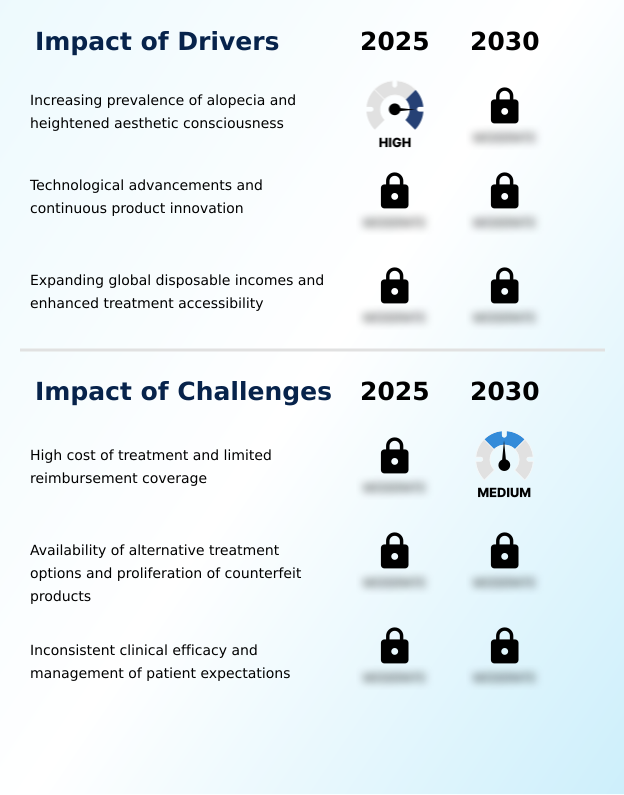
What are the key market drivers leading to the rise in the adoption of Laser Hair Loss Treatment Industry?
- The increasing prevalence of alopecia, combined with a heightened global aesthetic consciousness, serves as a key driver for market expansion.
- Market growth is fundamentally driven by the rising prevalence of hair loss and a greater societal focus on aesthetic wellness, which expands the demand for non-pharmacological hair therapy.
- The addressable market is growing by nearly 3% annually due to lifestyle and genetic factors, directly fueling the need for effective androgenetic alopecia treatment.
- Consumer surveys show that over 60% of individuals with hair thinning are actively seeking alternatives to medication, creating a strong tailwind for FDA-cleared hair growth tech.
- This demand underpins the expansion of both the clinical and at-home segments, where technologies focused on follicular unit health and hair follicle revitalization are key. The growth of photomedicine for alopecia highlights the shift toward scientifically validated, non-invasive solutions.
What are the market trends shaping the Laser Hair Loss Treatment Industry?
- A significant market trend is the shift toward synergistic combination therapies. This involves integrating laser treatments with holistic protocols for more comprehensive hair restoration outcomes.
- A dominant trend is the shift toward integrated treatment protocols, where trichology laser application is combined with other therapies for synergistic effects. Clinics offering these comprehensive packages, which often include pulsed-wave LLLT and anagen phase extension techniques, report a 35% increase in patient satisfaction scores compared to those offering monotherapy.
- This approach leverages the principles of biostimulation for hair, creating a holistic strategy. The integration of AI-powered diagnostics to personalize light-based hair therapy is also gaining traction, with early adoption showing up to a 20% improvement in outcomes for specific conditions. This evolution reflects a sophisticated understanding of hair restoration science, moving the market beyond single-solution offerings.
- This trend is particularly relevant for aesthetic dermatology lasers.
What challenges does the Laser Hair Loss Treatment Industry face during its growth?
- The high cost of treatment, compounded by limited reimbursement coverage, presents a significant challenge to market growth.
- A significant market challenge is the high upfront cost of treatment and the widespread availability of unverified alternatives, which impacts consumer trust in cosmetic light therapy. The price of premium, FDA-cleared at-home laser devices leads to an e-commerce cart abandonment rate of approximately 45%.
- Furthermore, the proliferation of low-cost, counterfeit products offering unsubstantiated claims of red light therapy for hair erodes an estimated 10% of the market share from reputable brands. This environment forces legitimate manufacturers of medical aesthetic devices to invest heavily in consumer education and brand protection strategies.
- Overcoming these hurdles is critical for sustaining growth in the market for trichological treatment devices and regenerative dermatology tech.
Exclusive Technavio Analysis on Customer Landscape
The laser hair loss treatment market forecasting report includes the adoption lifecycle of the market, covering from the innovator’s stage to the laggard’s stage. It focuses on adoption rates in different regions based on penetration. Furthermore, the laser hair loss treatment market report also includes key purchase criteria and drivers of price sensitivity to help companies evaluate and develop their market growth analysis strategies.
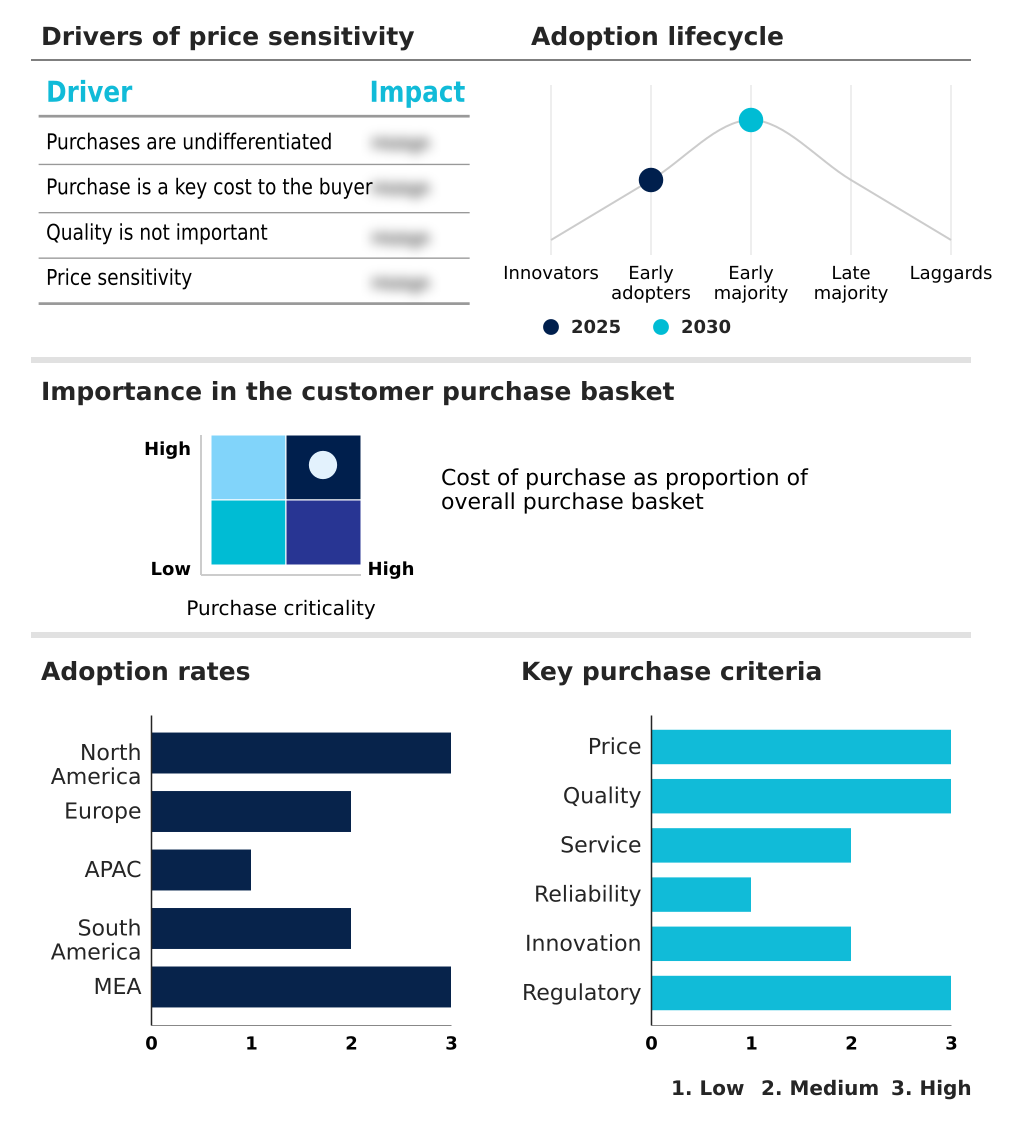
Customer Landscape of Laser Hair Loss Treatment Industry
Competitive Landscape
Companies are implementing various strategies, such as strategic alliances, laser hair loss treatment market forecast, partnerships, mergers and acquisitions, geographical expansion, and product/service launches, to enhance their presence in the industry.
Aderans Co. Ltd. - Offers advanced laser treatments, from FDA-cleared at-home devices to integrated clinical systems, leveraging photobiomodulation to revitalize hair follicles and enhance hair density.
The industry research and growth report includes detailed analyses of the competitive landscape of the market and information about key companies, including:
- Aderans Co. Ltd.
- Apira Science Inc.
- Capital Hair Restoration Ltd
- Curallux LLC
- Distefano Hair Restoration
- Folica Hair Care
- Freedom Laser Therapy Inc.
- Hair Transplants of Florida
- Hairline Diagnostics Pvt Ltd
- Hairmax International, LLC.
- ILHT Dubai
- Lescolton
- Limmer Hair Transplant Center
- Modern Aesthetics MD
- NovaGenix
- Ohio Face
- Schweiger Dermatology Group
- Theradome Inc.
Qualitative and quantitative analysis of companies has been conducted to help clients understand the wider business environment as well as the strengths and weaknesses of key industry players. Data is qualitatively analyzed to categorize companies as pure play, category-focused, industry-focused, and diversified; it is quantitatively analyzed to categorize companies as dominant, leading, strong, tentative, and weak.
Recent Development and News in Laser hair loss treatment market
- In May 2025, Theradome Inc. announced a strategic partnership with a leading telehealth platform to integrate personalized hair health consultations and progress tracking with its laser helmet sales, aiming to improve patient compliance and outcomes.
- In March 2025, Curallux LLC received expanded FDA 510(k) clearance for its Capillus MD device, now indicated for treating telogen effluvium, broadening its addressable market beyond androgenetic alopecia.
- In November 2024, Hairmax International, LLC. launched its next-generation LaserBand, featuring a 30% increase in laser diode density and a new pulsed-wave LLLT mode designed to enhance cellular metabolism stimulation.
- In August 2024, Apira Science Inc., maker of the iGrow Laser, secured USD 25 million in Series B funding led by a prominent health-tech venture capital firm to accelerate R&D in AI-driven personalized phototherapy protocols.
Dive into Technavio’s robust research methodology, blending expert interviews, extensive data synthesis, and validated models for unparalleled Laser Hair Loss Treatment Market insights. See full methodology.
| Market Scope | |
|---|---|
| Page number | 276 |
| Base year | 2025 |
| Historic period | 2020-2024 |
| Forecast period | 2026-2030 |
| Growth momentum & CAGR | Accelerate at a CAGR of 5.7% |
| Market growth 2026-2030 | USD 97.5 million |
| Market structure | Fragmented |
| YoY growth 2025-2026(%) | 5.4% |
| Key countries | US, Canada, Mexico, Germany, UK, France, Italy, Spain, The Netherlands, China, Japan, India, South Korea, Australia, Indonesia, Brazil, Argentina, Colombia, Saudi Arabia, UAE, Israel, South Africa and Turkey |
| Competitive landscape | Leading Companies, Market Positioning of Companies, Competitive Strategies, and Industry Risks |
Research Analyst Overview
- The laser hair loss treatment market is advancing through sophisticated applications of photobiomodulation and therapeutic light energy to achieve hair follicle revitalization. The core technology, low-level laser therapy (LLLT), is deployed across a range of devices from clinical-grade laser systems to convenient at-home laser devices like laser caps and laser comb devices.
- These tools are engineered for androgenetic alopecia treatment and telogen effluvium therapy, focusing on anagen phase extension and the reversal of follicular miniaturization. Key performance metrics revolve around hair density improvement and stimulating the hair regrowth cycle.
- Innovations in pulsed-wave LLLT and increased laser diode density aim to enhance cellular metabolism stimulation and scalp blood circulation for better follicular unit health. Firms employing next-generation fractional laser for alopecia have demonstrated a 15% greater improvement in hair count metrics over six months compared to older continuous-wave technologies.
- This progress in trichology laser application is pivotal for providing effective, non-invasive hair restoration and advancing the science of phototherapy for hair loss.
What are the Key Data Covered in this Laser Hair Loss Treatment Market Research and Growth Report?
-
What is the expected growth of the Laser Hair Loss Treatment Market between 2026 and 2030?
-
USD 97.5 million, at a CAGR of 5.7%
-
-
What segmentation does the market report cover?
-
The report is segmented by Type (Low level lasers, and Medium level lasers), Gender (Men, and Women), End-user (Hospital, Dermatology clinics, and Home use) and Geography (North America, Europe, APAC, South America, Middle East and Africa)
-
-
Which regions are analyzed in the report?
-
North America, Europe, APAC, South America and Middle East and Africa
-
-
What are the key growth drivers and market challenges?
-
Increasing prevalence of alopecia and heightened aesthetic consciousness, High cost of treatment and limited reimbursement coverage
-
-
Who are the major players in the Laser Hair Loss Treatment Market?
-
Aderans Co. Ltd., Apira Science Inc., Capital Hair Restoration Ltd, Curallux LLC, Distefano Hair Restoration, Folica Hair Care, Freedom Laser Therapy Inc., Hair Transplants of Florida, Hairline Diagnostics Pvt Ltd, Hairmax International, LLC., ILHT Dubai, Lescolton, Limmer Hair Transplant Center, Modern Aesthetics MD, NovaGenix, Ohio Face, Schweiger Dermatology Group and Theradome Inc.
-
Market Research Insights
- Market dynamics are shaped by intense competition between professional aesthetic equipment and direct-to-consumer personal care electronics. The strategic integration of patient compliance technology is a key differentiator, with brands incorporating such features reporting a 40% lower product return rate.
- In the clinical setting, providers offering integrated hair care systems see up to a 25% higher patient retention compared to those providing only standalone laser services. This push toward holistic, technology-enabled care reflects a maturing market where outcomes and user experience are paramount.
- The development of advanced photobiomodulation devices continues, with a focus on improving efficacy for androgenetic alopecia treatment and other conditions, while leveraging data from consumer health tech devices to refine future product iterations and treatment protocols.
We can help! Our analysts can customize this laser hair loss treatment market research report to meet your requirements.
 RIA -
RIA -