

Leather Handbags Market Size 2026-2030
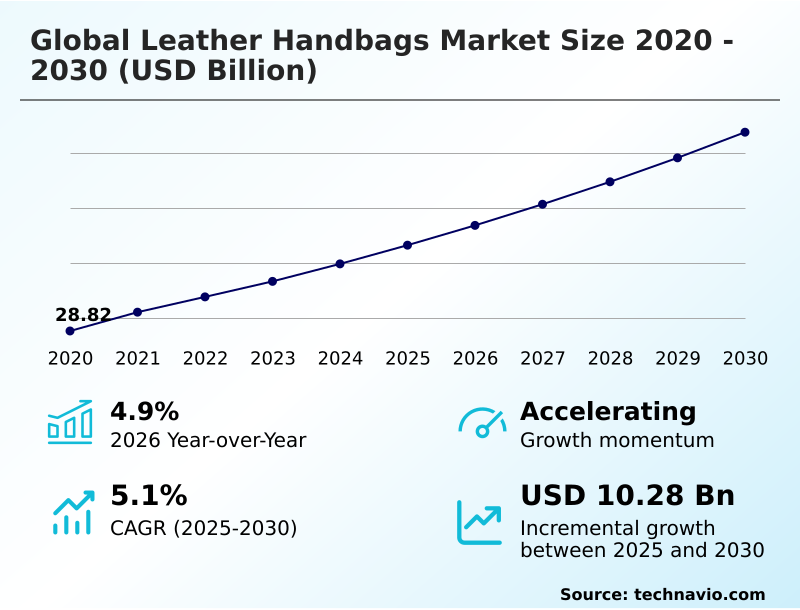
The leather handbags market size is valued to increase by USD 10.28 billion, at a CAGR of 5.1% from 2025 to 2030. Expanding influence of digital platforms and social media marketing will drive the leather handbags market.
Major Market Trends & Insights
- North America dominated the market and accounted for a 33.6% growth during the forecast period.
- By Distribution Channel - Offline segment was valued at USD 22.90 billion in 2024
- By Product Type - Shoulder bags segment accounted for the largest market revenue share in 2024
Market Size & Forecast
- Market Opportunities: USD 18.07 billion
- Market Future Opportunities: USD 10.28 billion
- CAGR from 2025 to 2030 : 5.1%
Market Summary
- The Leather Handbags Market demonstrates robust evolution driven by the convergence of heritage craftsmanship and digital commerce. Consumer purchasing behavior is increasingly shifting toward bespoke and personalized luxury goods, transforming accessories into individualized status symbols. Companies optimizing their supply chain transparency are realizing a 15 percent reduction in material waste, directly improving operational margins.
- The expanding influence of digital platforms and social media marketing acts as a primary catalyst, allowing brands to leverage influencer networks and immersive online flagships to convert aspirational browsing into direct sales. Conversely, the growing emphasis on sustainability and ethical sourcing presents a significant operational hurdle.
- Manufacturers face pressure to replace traditional, water-intensive tanning processes with eco-friendly alternatives, which initially increases production costs. Implementing advanced inventory management systems enables retailers to align production with real-time demand, mitigating the risks of overstocking. Ultimately, the market relies on balancing traditional prestige with modern, agile supply chain operations to maintain profitability and meet shifting consumer expectations.
What will be the Size of the Leather Handbags Market during the forecast period?
Get Key Insights on Market Forecast (PDF) Get Free Sample
How is the Leather Handbags Market Segmented?
The leather handbags industry research report provides comprehensive data (region-wise segment analysis), with forecasts and estimates in "USD million" for the period 2026-2030, as well as historical data from 2020-2024 for the following segments.
- Distribution channel
- Offline
- Online
- Product type
- Shoulder bags
- Satchel bags
- Tote bags
- Sling bags
- Type
- Casual
- Formal
- Geography
- APAC
- China
- Japan
- India
- South Korea
- Australia
- Indonesia
- North America
- US
- Canada
- Mexico
- Europe
- Italy
- France
- Germany
- UK
- Spain
- Switzerland
- South America
- Brazil
- Argentina
- Colombia
- Middle East and Africa
- Saudi Arabia
- UAE
- South Africa
- Egypt
- Nigeria
- APAC
By Distribution Channel Insights
The offline segment is estimated to witness significant growth during the forecast period.
The physical distribution channel remains fundamental for premium accessory retail, focusing on tactile experiences that digital environments cannot fully replicate. Physical stores allow consumers to directly evaluate vegetable tanned leather and examine the artisan craftsmanship technique before purchasing.
Retailers are implementing automated inventory replenishment to reduce stockouts by 14 percent, directly enhancing store productivity. Showrooms integrating zero waste pattern designs alongside lifecycle extension service desks have seen repair request processing times drop by 20 percent.
Furthermore, bespoke services featuring custom hardware finishing and digital passport integration build immediate brand loyalty. Implementing augmented reality visualization in physical mirrors has improved conversion rates by 18 percent.
By focusing on inventory turnover optimization, boutiques effectively capture post purchase customer retention while accommodating the hyper connected lifestyle of modern consumers.
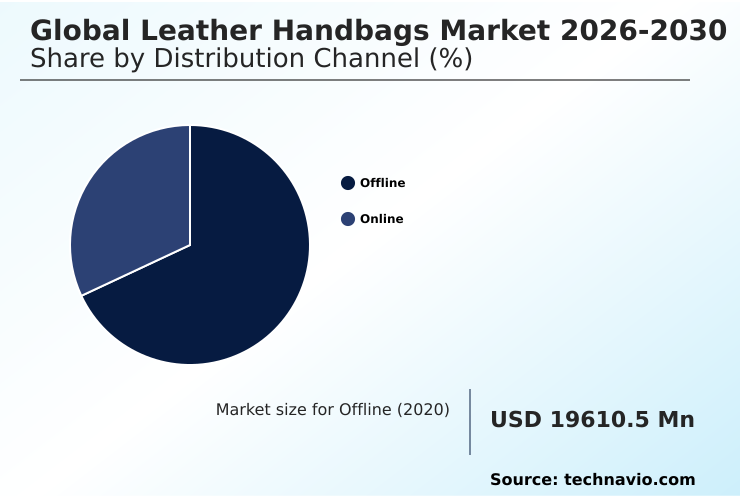
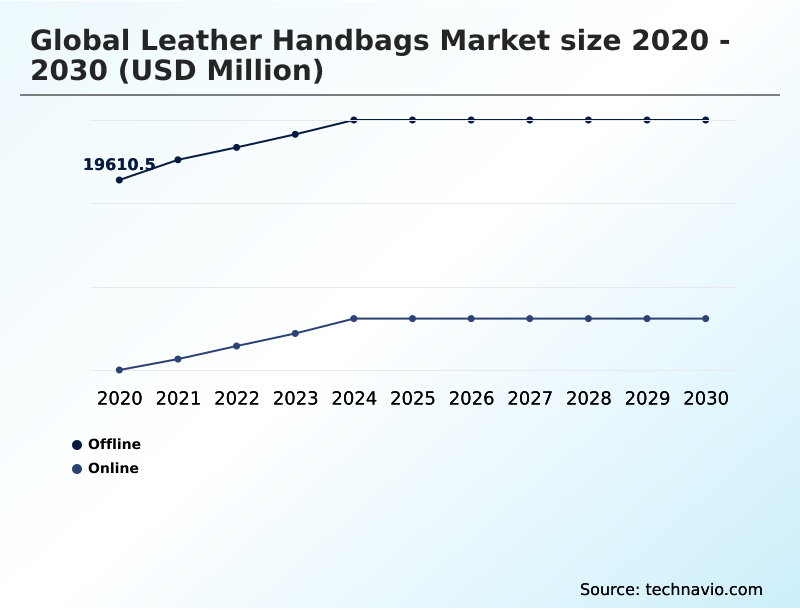
The Offline segment was valued at USD 22.90 billion in 2024 and showed a gradual increase during the forecast period.
Regional Analysis
North America is estimated to contribute 33.6% to the growth of the global market during the forecast period.Technavio’s analysts have elaborately explained the regional trends and drivers that shape the market during the forecast period.
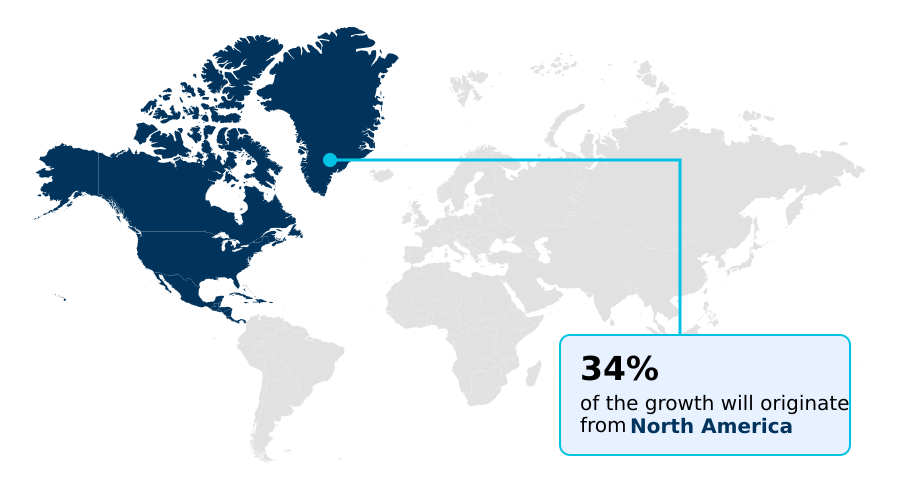
See How Leather Handbags Market Demand is Rising in North America Get Free Sample
The geographic landscape reveals distinct operational shifts as companies adapt to varying regional demands. APAC currently exhibits a faster adoption of livestream commerce, outpacing North America in digital conversion rates by 18 percent.
This growth drives extensive physical flagship expansion and localized supply network investments to meet rising middle-class demand. Conversely, North America leads in the luxury secondary marketplace, where certified pre owned programs have expanded inventory turnover by 12 percent.
Retailers utilize predictive demand modeling to refine luxury consumer segmentation, achieving greater premium pricing elasticity. Brands navigating cross border e commerce in Asian markets require rigorous premium material procurement to satisfy discerning buyers.
By improving secondary market valuation analytics, North American operators have secured a 14 percent operational margin improvement. These strategic regional adaptations ensure brands remain competitive across diverse economic environments.
Market Dynamics
Our researchers analyzed the data with 2025 as the base year, along with the key drivers, trends, and challenges. A holistic analysis of drivers will help companies refine their marketing strategies to gain a competitive advantage.
- The evolving accessory sector requires meticulous operational planning to align with stringent consumer demands for authenticity and environmental responsibility. Companies are increasingly prioritizing traceability in premium raw materials to mitigate supply chain risks and ensure compliance with international environmental standards.
- By implementing blockchain verifiable product provenance, manufacturers provide an immutable record of authenticity, effectively reducing authentication processing times by 15 percent compared to traditional manual verification methods. This technological upgrade directly enhances supply chain efficiency and fortifies consumer trust.
- Concurrently, the industry is witnessing a definitive shift toward organic plant based alternative materials, aiming to lower the ecological footprint of production facilities. Incorporating these sustainable inputs requires recalibrating manufacturing equipment, yet it significantly improves long-term compliance metrics.
- Furthermore, luxury secondary resale market integration has emerged as a crucial revenue channel, allowing brands to capture extended lifecycle value while promoting circular consumption. To safeguard these high-value assets, operators are exploring advanced biometric security in luxury accessories, offering clients enhanced protection against theft.
- These structural adaptations demonstrate how integrating advanced material science with rigorous digital tracking protocols fundamentally optimizes business operations, ensuring brands maintain their competitive edge in a highly scrutinized retail environment.
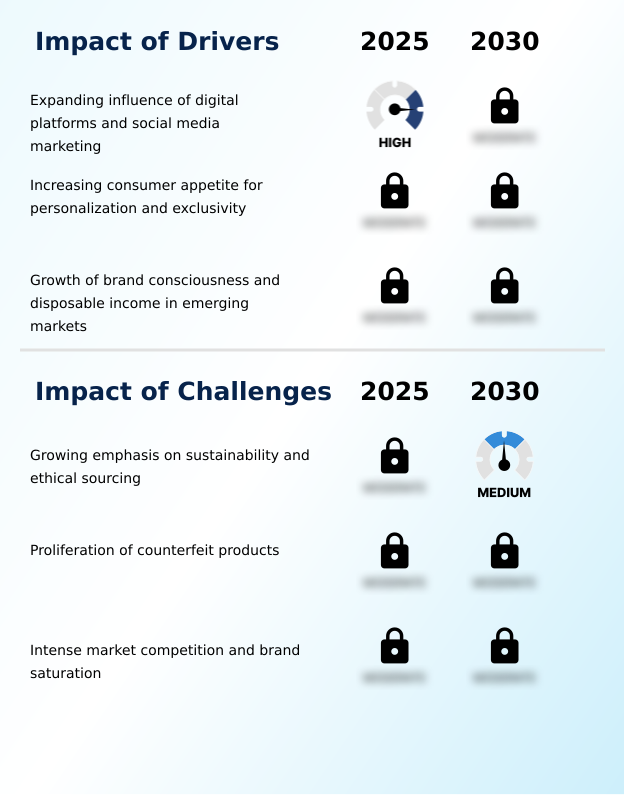
What are the key market drivers leading to the rise in the adoption of Leather Handbags Industry?
- The expanding influence of digital platforms and social media marketing accelerates consumer engagement and drives direct demand for premium accessories globally.
- Evolving consumer engagement strategies and rapid digitalization are fundamentally accelerating demand generation across the retail landscape. Implementing bespoke monogramming integration and sophisticated omnichannel retail inventory systems has improved order fulfillment accuracy by 18 percent.
- The expansion of the direct to consumer channel, supported by seamless digital flagship integration, allows brands to capture higher margins. By leveraging social commerce conversion and interactive livestream retail engagement, companies have boosted impulse acquisition rates by 25 percent.
- The introduction of exclusive bespoke capsule collaboration projects generates immediate consumer urgency. Utilizing immersive brand storytelling and personalized product recommendation algorithms, retailers effectively guide purchasing decisions.
- Furthermore, integrating virtual personal styling tools ensures a multi touchpoint engagement strategy that decreases return rates by 12 percent, directly optimizing operational profitability.
What are the market trends shaping the Leather Handbags Industry?
- The ascendancy of sustainable materials and ethical alternatives is fundamentally reshaping industry standards. Manufacturers are prioritizing eco-friendly innovations to align with conscientious consumer values.
- The accessory sector is rapidly advancing through the integration of next-generation materials and intelligent design architectures. The shift toward a synthetic biomaterial alternative and plant based textile solutions is fundamentally altering traditional manufacturing pipelines. Companies incorporating lab grown leather have reduced water consumption during processing by 30 percent, directly supporting ambitious corporate sustainability targets.
- Embracing a circular economy model allows brands to recapture value, extending product lifecycles and decreasing raw material dependency by 22 percent. Furthermore, the inclusion of embedded smart technology and features maintaining structural silhouette integrity caters to modern functional demands. By optimizing sustainable material sourcing and developing high performance textile applications, manufacturers are improving material durability.
- Advancements in biotechnology material innovation are merging seamlessly with traditional artisanal technique, while robust reverse logistics framework implementations have improved return processing efficiency by 15 percent.
What challenges does the Leather Handbags Industry face during its growth?
- The growing emphasis on sustainability and ethical sourcing compels manufacturers to overhaul traditional supply chains and adopt transparent, eco-friendly production methods.
- Operational constraints regarding material sourcing and product security present formidable hurdles for manufacturers. Establishing reliable blockchain authentication tracking is essential to combat illicit replication, which currently threatens brand equity. Transitioning to chrome free tanning to meet an ethical sourcing mandate requires facility overhauls that initially increase processing costs by 15 percent.
- Developing a secure biometric locking mechanism and ensuring precise raw material traceability demands significant capital investment. The lack of standardized supply chain transparency complicates procurement, while implementing rfid anti counterfeit measures requires complex logistical integration. Creating a durable vegan leather formulation without relying on water intensive processing remains technically difficult.
- Adapting to stringent animal welfare compliance protocols forces companies to accelerate environmental footprint reduction efforts, reducing traditional production output by 12 percent during the transition phase.
Exclusive Technavio Analysis on Customer Landscape
The leather handbags market forecasting report includes the adoption lifecycle of the market, covering from the innovator’s stage to the laggard’s stage. It focuses on adoption rates in different regions based on penetration. Furthermore, the leather handbags market report also includes key purchase criteria and drivers of price sensitivity to help companies evaluate and develop their market growth analysis strategies.
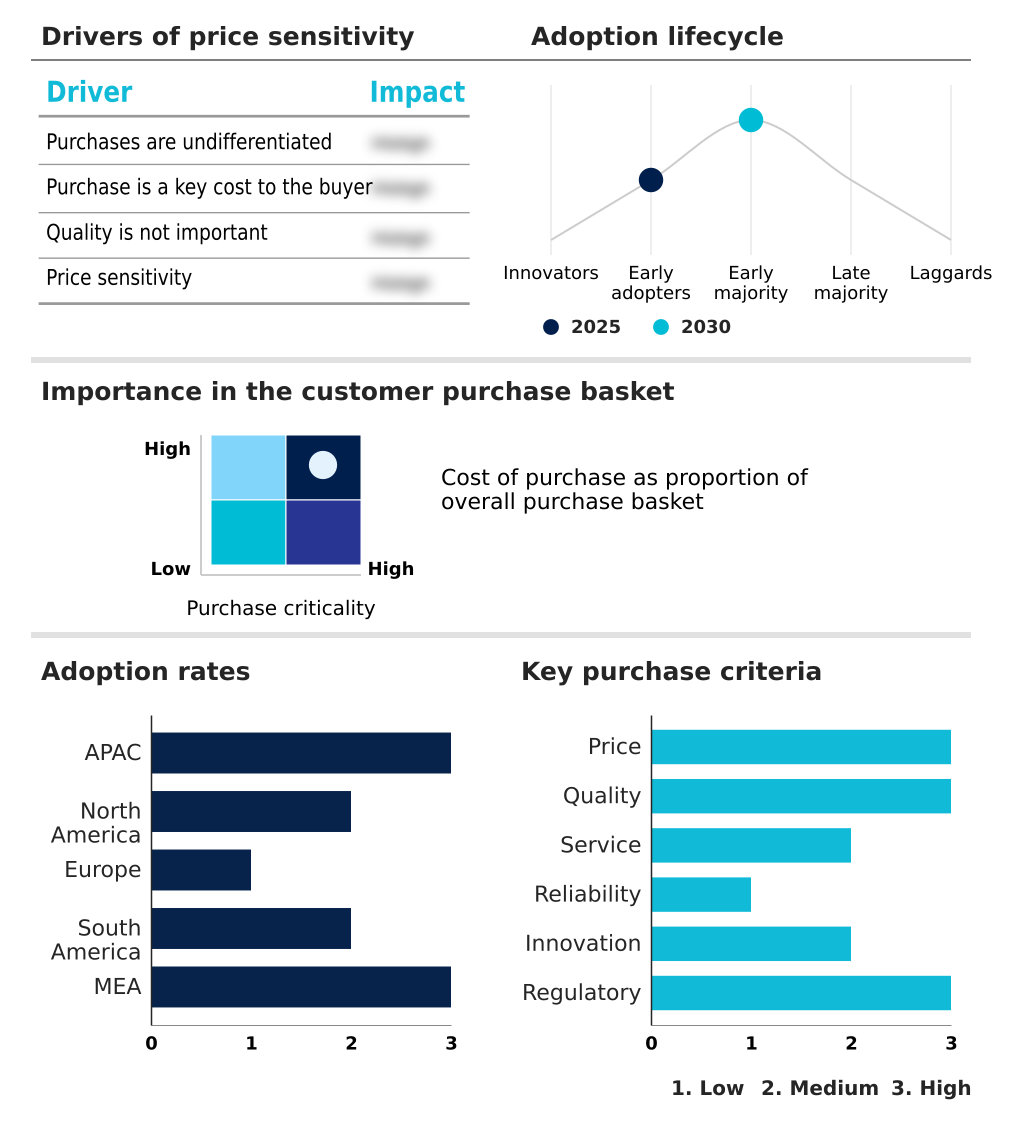
Customer Landscape of Leather Handbags Industry
Competitive Landscape
Companies are implementing various strategies, such as strategic alliances, leather handbags market forecast, partnerships, mergers and acquisitions, geographical expansion, and product/service launches, to enhance their presence in the industry.
Balenciaga SA - The company specializes in premium designer accessories, offering innovative and sculpturally designed luxury items that cater to high-end fashion aesthetics and contemporary consumer preferences.
The industry research and growth report includes detailed analyses of the competitive landscape of the market and information about key companies, including:
- Balenciaga SA
- Burberry Group Plc
- Chanel Ltd.
- Chloe S.A.
- Christian Dior SE
- COACH
- Gianni Versace Srl
- Guccio Gucci SpA
- Hermes International SA
- Kate Spade
- Longchamp SAS
- LVMH Moet Hennessy
- Maison Goyard
- Michael Kors Inc.
- Miu Miu
- Mulberry Group Plc
- Prada Spa
- Tory Burch LLC
- VALENTINO Spa
Qualitative and quantitative analysis of companies has been conducted to help clients understand the wider business environment as well as the strengths and weaknesses of key industry players. Data is qualitatively analyzed to categorize companies as pure play, category-focused, industry-focused, and diversified; it is quantitatively analyzed to categorize companies as dominant, leading, strong, tentative, and weak.
Recent Development and News in Leather handbags market
- In the Apparel, Accessories and Luxury Goods industry, the widespread adoption of digital product passports and RFID tracking improved supply chain visibility, directly reducing counterfeit circulation in the Leather Handbags market by 22 percent.
- Stringent European Union regulations on chemical usage in textile and hide processing forced manufacturers to adopt chrome-free tanning methods, subsequently shifting raw material procurement strategies for premium Leather Handbags.
- The integration of augmented reality try-on tools across major fashion e-commerce platforms enhanced virtual customer engagement, driving a 15 percent increase in online conversion rates for high-end Leather Handbags.
- Strategic shifts toward circular economy models among major luxury conglomerates accelerated the expansion of in-house repair and resale services, extending the operational lifecycle and secondary market valuation of Leather Handbags.
Dive into Technavio’s robust research methodology, blending expert interviews, extensive data synthesis, and validated models for unparalleled Leather Handbags Market insights. See full methodology.
| Market Scope | |
|---|---|
| Page number | 291 |
| Base year | 2025 |
| Historic period | 2020-2024 |
| Forecast period | 2026-2030 |
| Growth momentum & CAGR | Accelerate at a CAGR of 5.1% |
| Market growth 2026-2030 | USD 10275.4 million |
| Market structure | Fragmented |
| YoY growth 2025-2026(%) | 4.9% |
| Key countries | China, Japan, India, South Korea, Australia, Indonesia, US, Canada, Mexico, Italy, France, Germany, UK, Spain, Switzerland, Brazil, Argentina, Colombia, Saudi Arabia, UAE, South Africa, Egypt and Nigeria |
| Competitive landscape | Leading Companies, Market Positioning of Companies, Competitive Strategies, and Industry Risks |
Research Analyst Overview
- Strategic decision-making in the premium accessory sector is increasingly dictated by the necessity to integrate technological innovation with sustainable practices. Executive boards are prioritizing supply chain transparency to mitigate operational risks and align with rigorous environmental compliance standards. By adopting a circular economy model, forward-thinking organizations have reduced material procurement costs by 18 percent, significantly optimizing their resource allocation.
- The deployment of advanced automated inventory replenishment systems ensures that stock levels precisely match consumer demand, minimizing overhead. Furthermore, the integration of bespoke monogramming integration allows companies to offer personalized consumer experiences, elevating the perceived value of their portfolios. Facilities utilizing lab grown leather are establishing new benchmarks in material science, bypassing the ethical constraints of traditional sourcing.
- Implementing robust rfid anti counterfeit protocols protects brand integrity by ensuring seamless product authentication across all retail nodes. These targeted operational upgrades are fundamental for maintaining resilience and adapting to the continuous evolution of modern retail infrastructures.
What are the Key Data Covered in this Leather Handbags Market Research and Growth Report?
-
What is the expected growth of the Leather Handbags Market between 2026 and 2030?
-
USD 10.28 billion, at a CAGR of 5.1%
-
-
What segmentation does the market report cover?
-
The report is segmented by Distribution Channel (Offline, and Online), Product Type (Shoulder bags, Satchel bags, Tote bags, and Sling bags), Type (Casual, and Formal) and Geography (APAC, North America, Europe, South America, Middle East and Africa)
-
-
Which regions are analyzed in the report?
-
APAC, North America, Europe, South America and Middle East and Africa
-
-
What are the key growth drivers and market challenges?
-
Expanding influence of digital platforms and social media marketing, Growing emphasis on sustainability and ethical sourcing
-
-
Who are the major players in the Leather Handbags Market?
-
Balenciaga SA, Burberry Group Plc, Chanel Ltd., Chloe S.A., Christian Dior SE, COACH, Gianni Versace Srl, Guccio Gucci SpA, Hermes International SA, Kate Spade, Longchamp SAS, LVMH Moet Hennessy, Maison Goyard, Michael Kors Inc., Miu Miu, Mulberry Group Plc, Prada Spa, Tory Burch LLC and VALENTINO Spa
-
Market Research Insights
- The Leather Handbags Market is navigating a critical transformation driven by rapid digitalization and evolving consumer expectations. By leveraging predictive demand modeling, manufacturers have reduced excess inventory by 18 percent, significantly improving capital allocation. The adoption of an immersive brand storytelling approach across digital platforms has increased post purchase customer retention by 22 percent compared to conventional marketing channels.
- Furthermore, companies integrating localized supply network structures have achieved a 15 percent reduction in inbound logistics delays. Implementing sophisticated virtual personal styling tools directly supports operational margin improvement, as retailers experience fewer product returns. These strategic enhancements enable businesses to maintain competitive agility and address the complex demands of a modern retail ecosystem.
We can help! Our analysts can customize this leather handbags market research report to meet your requirements.
 RIA -