

France Luxury Goods Market Size 2025-2029
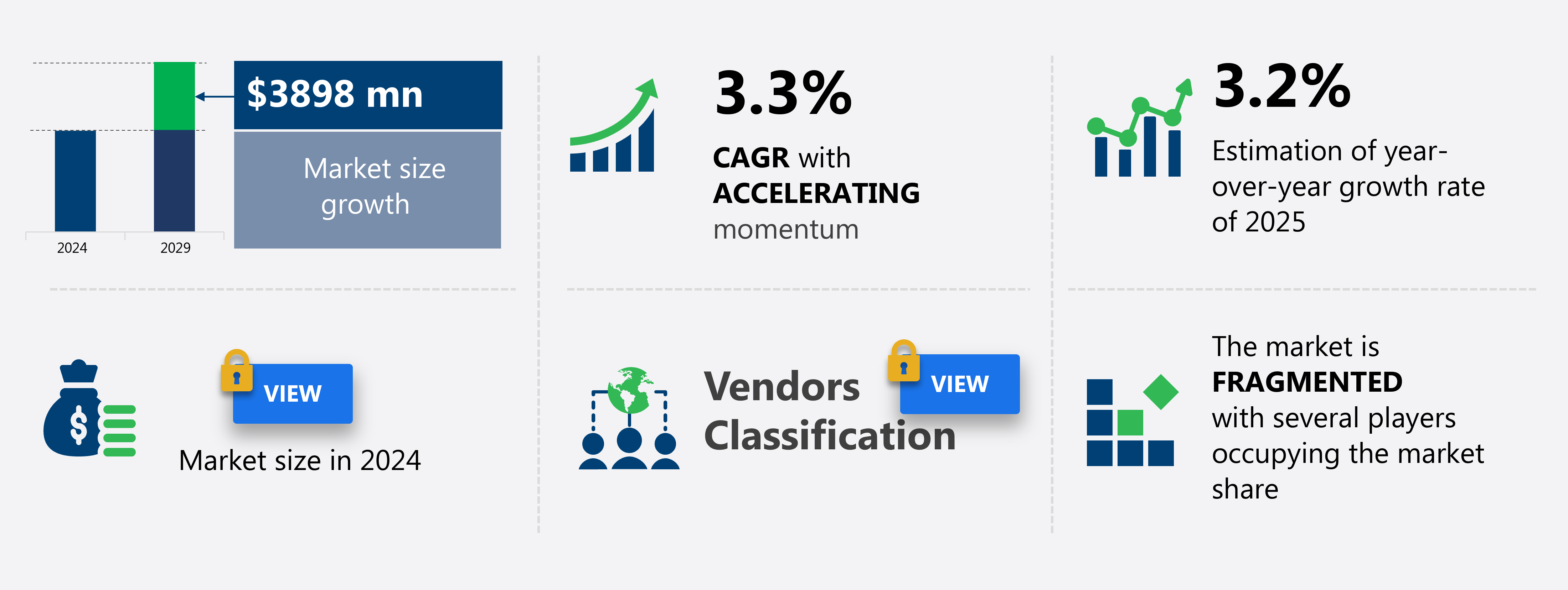
The France luxury goods market size is forecast to increase by USD 3.9 billion, at a CAGR of 3.3% between 2024 and 2029.
-
The market is experiencing significant growth, driven by several key trends. Firstly, the increasing demand for premium beauty products and cosmetics continues to fuel market expansion. Consumers are willing to pay a premium for high-quality, luxurious items that enhance their appearance and self-image. Another trend shaping the market is the rise of sustainable luxury. Market analysis indicates that the luxury sector is expanding, with a focus on enhancing customer experience through personalized services and innovative e-commerce platforms. With growing awareness of environmental issues, consumers are seeking out luxury brands that prioritize sustainability and ethical production methods. However, the market also faces challenges, such as the growing issue of counterfeit luxury goods. These fake items not only harm the reputation of legitimate brands but also pose a risk to consumers. Despite these challenges, the future looks bright for the market, with continued growth expected In the coming years.
What will be the Size of the market During the Forecast Period?
-
The market encompasses a range of high-end consumer items, including fashion & accessories such as designer clothing, shoes, handbags, and jewelry pieces. This market segment exhibits strong growth, driven by consumer demand for exclusivity, superior quality, and unique experiences. Premium fashion brands are increasingly leveraging technology to offer virtual try-on features and seamless e-commerce experiences. Market segmentation reveals that demand for designer handbags and jewelry pieces remains strong, with consumers willing to pay a premium for these items.
-
The market outlook is positive, with continued growth expected due to shifting consumer preferences towards experiential purchases and a desire for status symbols. Despite challenges, such as economic uncertainty and increasing competition, the market offers numerous opportunities for brands to differentiate themselves through unique offerings and exceptional customer service. The market is expected to reach significant value in the forecast period, reflecting the ongoing appeal of these exclusive and desirable items.
How is this market segmented and which is the largest segment?
The market research report provides comprehensive data (region-wise segment analysis), with forecasts and estimates in "USD billion" for the period 2025-2029, as well as historical data from 2019-2023 for the following segments.
- Distribution Channel
- Offline
- Online
- End-user
- Female
- Male
- Product
- Clothing
- Perfumes and cosmetics
- Watches and jewelry
- Others
- Geography
- France
By Distribution Channel Insights
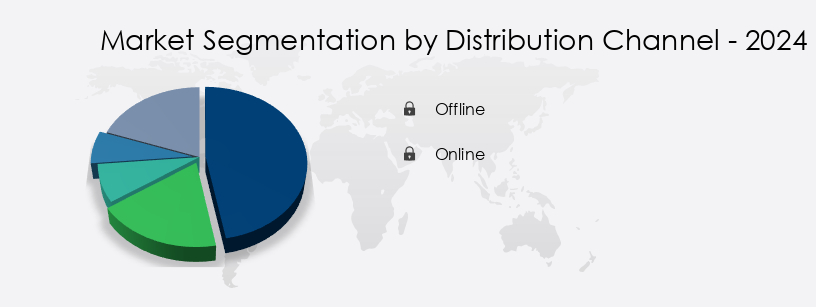
The offline segment is estimated to witness significant growth during the forecast period. The market encompasses the sale of high-end fashion, jewelry items, and personal goods through various distribution channels. Traditional offline sales come from specialty stores, including brand-owned outlets, multi-brand retailers, and department stores. However, the shift towards online shopping has led to a decline in offline sales. In response, retailers are implementing new strategies, such as competitive pricing and expansive product portfolios, to attract consumers. Virtual reality technology and online retailers are gaining traction, offering enriching shopping experiences and convenience. Influencer marketing and social media platforms are also significant in promoting luxury brands. International travel, a significant contributor to luxury sales, has been impacted by the reduction in income levels and stay-at-home orders due to the pandemic.
Get a glance at the market report of share of various segments Request Free Sample
Market Dynamics
Our France Luxury Goods Market researchers analyzed the data with 2024 as the base year, along with the key drivers, trends, and challenges. A holistic analysis of drivers will help companies refine their marketing strategies to gain a competitive advantage.
What are the key market drivers leading to the rise in adoption of France Luxury Goods Market?
- Increased demand for premium beauty products and cosmetics is the key driver of the market. In the market, personalized services and virtual experiences are gaining traction. Online retailers are leveraging technology elements such as virtual reality and near-field communication (NFC chips) to offer enriching shopping experiences. Influencer marketing and social media are driving sales, particularly among Generation Z consumers with disposable income. Sustainability concerns are influencing product portfolios, with brands focusing on eco-friendly production and ethical sourcing. Emerging markets, such as India and China, are presenting significant growth opportunities. Travel retail, including duty-free shops, remains a crucial channel for luxury sales, despite travel restrictions due to stay-at-home orders. Brands are forming strategic partnerships and offering VIP access to build customer loyalty.
- Premium products, including jewelry items, are experiencing a reduction in demand due to income level concerns and the loss of employment. Creative designs and innovative technology elements continue to differentiate high-end fashion from non-essential products. Brands are focusing on digital marketing and virtual fitting rooms to engage consumers and showcase their offerings. Despite these challenges, the market continues to evolve, offering new opportunities for growth.
What are the market trends shaping the France Luxury Goods Market?
- Rise of sustainable luxury is the upcoming trend In the market. In today's market, sustainability is a significant factor influencing the luxury goods sector. Younger consumers are increasingly conscious of their environmental impact and prioritize eco-friendly and ethical practices. Brands responding to this trend differentiate themselves by emphasizing their commitment to sustainability. This approach enhances brand image, fostering trust and loyalty among value-driven consumers. Consumers are willing to pay a premium for sustainable luxury goods, creating an opportunity for brands to tap into a higher-value segment. Digital marketing strategies, such as influencer collaborations and virtual reality experiences, are popular methods for reaching consumers. Online retailers offer personalized services, virtual fitting rooms, and strategic partnerships to cater to evolving consumer preferences.
- Sustainability concerns extend beyond fashion to travel services and emerging markets. Brands are integrating technology elements like NFC chips and near-field communication into their product portfolios. Despite income level fluctuations due to job losses or reduced salaries, the desire for status symbols remains strong. Counterfeit brands continue to pose a challenge, emphasizing the importance of brand protection and authenticity. The market is dynamic, with ongoing trends shaping consumer behavior and brand strategies.
What challenges doesFrance Luxury Goods Market face during the growth?
- Growing issue of counterfeit luxury goods is a key challenge affecting the market growth. In the market, counterfeit brands pose a significant challenge to authentic high-end brands. These imitations dilute the exclusivity and prestige of genuine luxury items, damaging consumer perception and trust. Unknowing consumers who purchase fake goods may experience negative word-of-mouth, damaged relationships, and reluctance to buy authentic luxury items due to fear of deception. This situation results in revenue loss for legitimate brands, as consumers may opt for cheaper alternatives instead. To counteract this, luxury brands are focusing on various strategies. They are leveraging technology elements, such as virtual reality, online retail, and virtual fitting rooms, to enhance the shopping experience and differentiate themselves from counterfeiters.
- Influencer marketing and strategic partnerships are also being used to increase brand awareness and reach new audiences. Sustainability concerns and personalized services are becoming essential components of luxury product portfolios, catering to the preferences of emerging markets, such as Generation Z, and income levels. Travel retail and duty-free shops offer premium products at reduced costs, providing an attractive option for consumers. Digital marketing and social media platforms are essential tools for luxury brands to engage with their audience and showcase their creative designs. Travel services and VIP access to fashion-related events further add to the luxury experience.
Exclusive Customer Landscape
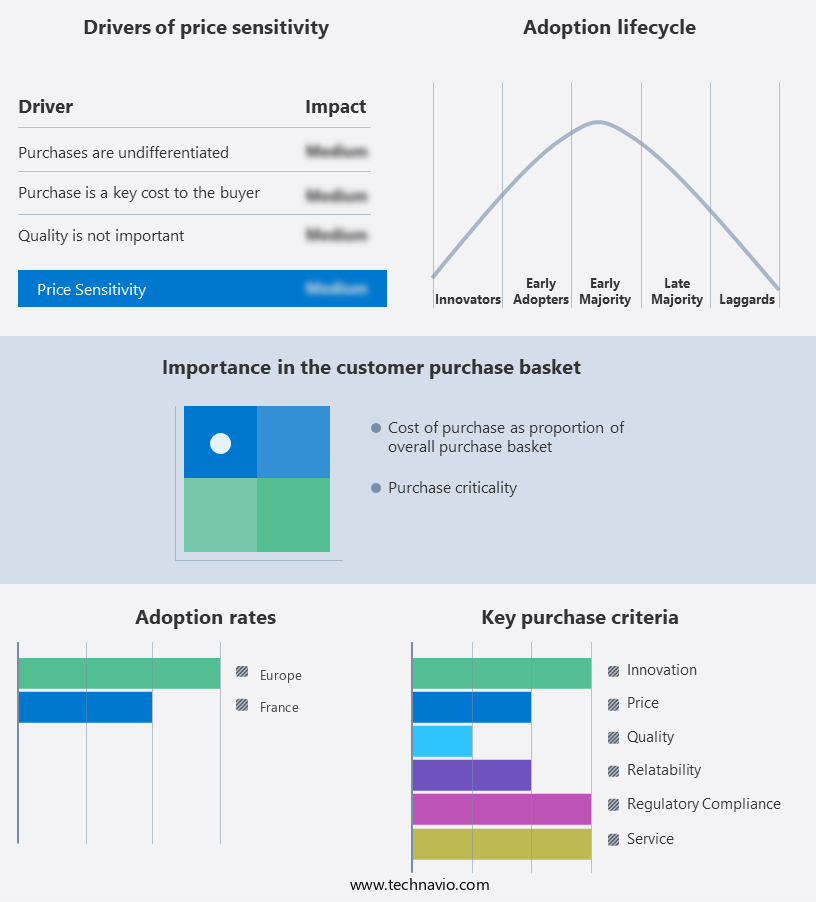
The market forecasting report includes the adoption lifecycle of the market, covering from the innovator's stage to the laggard's stage. It focuses on adoption rates in different regions based on penetration. Furthermore, the market report also includes key purchase criteria and drivers of price sensitivity to help companies evaluate and develop their market growth analysis strategies.
Customer Landscape
Key Companies & Market Insights
Companies are implementing various strategies, such as strategic alliances, market forecast, partnerships, mergers and acquisitions, geographical expansion, and product/service launches, to enhance their presence In the market.
Capri Holdings Ltd. - The company offers luxury goods such as Medusa 95 small tote bag, Medusa 95 tote bag, Barocco Athena small tote bag and Contasto Athena Tote bag through the subsidiary brand Versace.
The market research and growth report includes detailed analyses of the competitive landscape of the market and information about key companies, including:
- Chanel Ltd.
- Chow Tai Fook Jewellery Group Ltd.
- Compagnie Financiere Richemont SA
- Coty Inc.
- Dolce and Gabbana Srl
- Giorgio Armani SpA
- Hermes International SA
- Kering SA
- LOreal SA
- LVMH Moet Hennessy Louis Vuitton SE
- Prada S.p.A
- PVH Corp.
- Ralph Lauren Corp.
- Rolex SA
- Safilo Group S.p.A
- Shiseido Co. Ltd.
- Swarovski AG
- Tapestry Inc.
- The Estee Lauder Co. Inc.
- The Swatch Group Ltd.
Qualitative and quantitative analysis of companies has been conducted to help clients understand the wider business environment as well as the strengths and weaknesses of key market players. Data is qualitatively analyzed to categorize companies as pure play, category-focused, industry-focused, and diversified; it is quantitatively analyzed to categorize companies as dominant, leading, strong, tentative, and weak.
Research Analyst Overview
The market continues to evolve, shaped by various trends and market dynamics. One significant shift has been the increasing importance of online retailing and virtual experiences. With international travel restrictions and stay-at-home orders, consumers have turned to digital platforms for their luxury shopping needs. Online retailers have responded by enhancing their offerings through innovative strategies. Influencer marketing has emerged as a powerful tool to reach and engage consumers. Virtual reality technology has been integrated into the shopping experience, allowing customers to try on clothes and accessories in a more enriching way through virtual fitting rooms. Another trend shaping the luxury market is the growing concern for sustainability.
In addition, consumers are increasingly aware of the environmental impact of production and are seeking out brands that prioritize ethical and sustainable practices. As a result, many luxury brands have expanded their product portfolios to include more eco-friendly options. Emerging markets have also become a significant force In the luxury goods industry. With an expanding middle class and increasing disposable income, these markets offer significant growth opportunities. Strategic partnerships and collaborations have become essential for brands looking to tap into these new markets. Digital marketing has become a crucial aspect of reaching consumers in today's market. Brands are leveraging social media and other digital channels to build brand awareness and engage with their audience.
Furthermore, technology elements, such as near-field communication (NFC) chips and NFC-enabled payment systems, are being integrated into luxury products to offer VIP access and convenience. The luxury market is also seeing a shift towards personalized services. Brands are offering customized experiences and products to cater to the unique needs and preferences of their customers. This trend is particularly prominent among younger generations, such as Generation Z, who value personalization and authenticity. Despite these trends, the luxury market faces challenges. Counterfeit brands continue to pose a threat, with consumers often unable to distinguish between authentic and fake products. The luxury goods market is fueled by affluent consumers seeking innovative goods and exclusive brands that offer premium experiences and high quality. Designer goods and exclusive products command high prices, while artisan craftsmanship and ethical fashion appeal to conscious consumerism.
Premium services, such as concierge services and high-end travel, provide a premium lifestyle to those with high-value customers. Brands leverage brand positioning, brand prestige, and brand ambassadors to enhance brand reputation. Supply chain transparency is a key focus in the face of rising demand for exclusive access and exclusive experiences. Niche marketing and affluence marketing help tap into the global market, while wealth management and brand strategy ensure continued growth. Economic uncertainty, such as loss of employment and reduction in salaries, has also impacted consumer spending on non-essential products. The luxury market is a dynamic and complex industry, shaped by various trends and market forces. Brands that can adapt and innovate to meet the changing needs and preferences of consumers will be well-positioned for success. Whether it's through sustainable practices, personalized services, or virtual experiences, the future of luxury goods is digital and consumer-centric.
Furthermore, as disposable incomes rise, aspirational consumers are seeking personalized experiences and bespoke travel services, enhancing their social image and social standing. The market for extravagant items, including high-end jewels and upscale designs, continues to thrive, with exclusive events and luxury-focused tourism gaining popularity. Companies are adopting eco-friendly materials and greener practices, driven by responsible sourcing and environmentally responsible manufacturing to meet the growing demand for ethical consumption. The expansion of retail expansions, brand connections, and curated experiences is further strengthening brand loyalty and customer engagement. Industry associations and government policies are also contributing to the competitive value and global expansion of this sector. Financial stability and wealth accumulation within professional circles continue to fuel the demand for material items and symbols of prestige, making the luxury goods market a key player in the global economy.
|
Market Scope |
|
|
Report Coverage |
Details |
|
Page number |
166 |
|
Base year |
2024 |
|
Historic period |
2019-2023 |
|
Forecast period |
2025-2029 |
|
Growth momentum & CAGR |
Accelerate at a CAGR of 3.3% |
|
Market Growth 2025-2029 |
USD 3.9 billion |
|
Market structure |
Fragmented |
|
YoY growth 2024-2025(%) |
3.2 |
|
Key countries |
France, |
|
Competitive landscape |
Leading Companies, Market Positioning of Companies, Competitive Strategies, and Industry Risks |
What are the Key Data Covered in this Market Research and Growth Report?
- CAGR of the market during the forecast period
- Detailed information on factors that will drive the market growth and forecasting between 2025 and 2029
- Precise estimation of the size of the market and its contribution of the market in focus to the parent market
- Accurate predictions about upcoming market growth and trends and changes in consumer behaviour
- Growth of the market across France,
- Thorough analysis of the market's competitive landscape and detailed information about companies
- Comprehensive analysis of factors that will challenge the growth of market companies
We can help! Our analysts can customize this market research report to meet your requirements. Get in touch
 RIA -
RIA -