


Medical Tourism Market Size 2026-2030
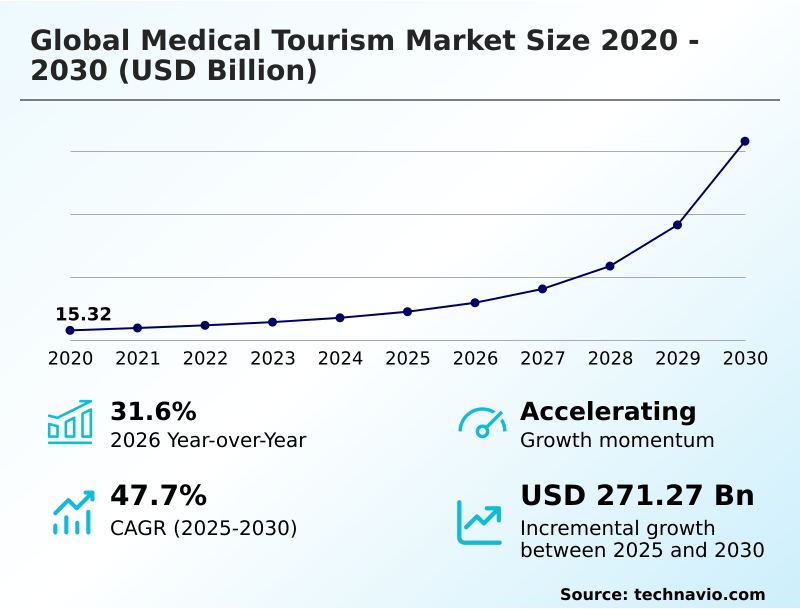
The medical tourism market size is valued to increase by USD 271.27 billion, at a CAGR of 47.7% from 2025 to 2030. Significant cost differentials for quality healthcare will drive the medical tourism market.
Major Market Trends & Insights
- APAC dominated the market and accounted for a 35.7% growth during the forecast period.
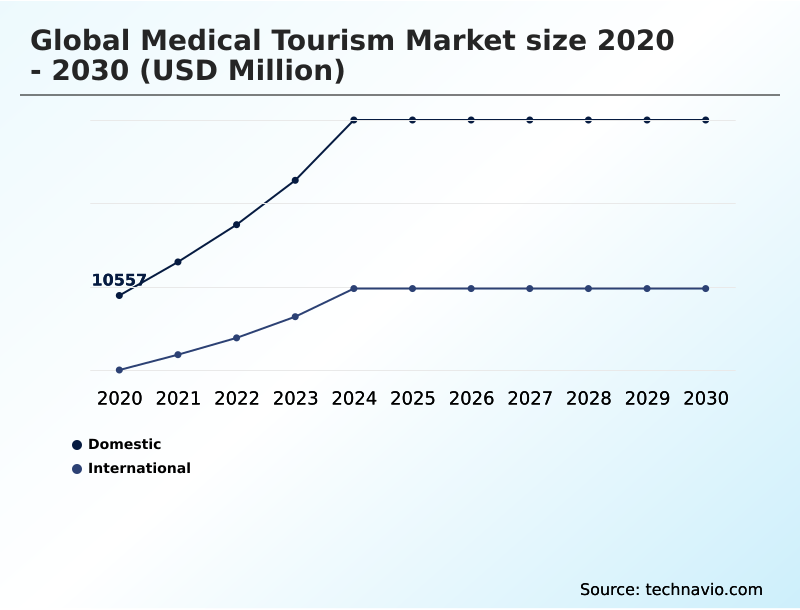
- By Source - Domestic segment was valued at USD 24.21 billion in 2024
- By Service Type - Private segment accounted for the largest market revenue share in 2024
Market Size & Forecast
- Market Opportunities: USD 300.97 billion
- Market Future Opportunities: USD 271.27 billion
- CAGR from 2025 to 2030 : 47.7%
Market Summary
- The medical tourism market is fundamentally driven by the pursuit of accessible, high-quality healthcare solutions across borders. The primary impetus is often the substantial cost savings on elective procedures and complex treatments compared to a patient's home country.
- However, the market has evolved beyond mere economics, with a growing number of individuals seeking advanced medical technologies and specialized expertise not available domestically. This includes cutting-edge oncology treatments, regenerative medicine, and minimally invasive robotic surgery. A key operational focus for providers is optimizing the entire patient journey, from initial contact to post-procedural follow-up.
- For instance, a leading hospital might leverage a digital health platform to manage telemedicine consultations, share diagnostic imaging, and coordinate with home-country physicians, ensuring seamless continuity of care. This approach enhances the patient experience and addresses the critical challenge of aftercare services, reinforcing the provider's reputation for quality control and patient safety in the competitive cross-border healthcare landscape.
What will be the Size of the Medical Tourism Market during the forecast period?
Get Key Insights on Market Forecast (PDF) Get Free Sample
How is the Medical Tourism Market Segmented?
The medical tourism industry research report provides comprehensive data (region-wise segment analysis), with forecasts and estimates in "USD million" for the period 2026-2030, as well as historical data from 2020-2024 for the following segments.
- Source
- Domestic
- International
- Service type
- Private
- Public
- Type
- Cardiovascular treatment
- Cosmetic treatment
- Fertility treatment
- Orthopedics treatment
- Others
- Geography
- North America
- US
- Canada
- Mexico
- APAC
- India
- China
- South Korea
- Europe
- Germany
- UK
- France
- Middle East and Africa
- UAE
- Turkey
- Saudi Arabia
- South America
- Brazil
- Argentina
- Rest of World (ROW)
- North America
By Source Insights
The domestic segment is estimated to witness significant growth during the forecast period.
The domestic medical tourism market involves patients traveling within their own country for specialized care.
Key drivers include seeking higher-quality treatment at renowned centers, bypassing long public health system waiting lists for elective procedures, and addressing disparities in healthcare access between urban and rural areas.
Regional variations in cost and the availability of advanced clinical diagnostics also fuel this internal patient mobility. Government initiatives to develop tier-2 cities as medical hubs, enhancing the national healthcare infrastructure, are further stimulating this segment.
These developments improve patient safety and treatment planning, with data showing such programs can boost patient satisfaction by over 25% by providing accessible, high-quality specialized care like oncology treatments and comprehensive rehabilitation programs.
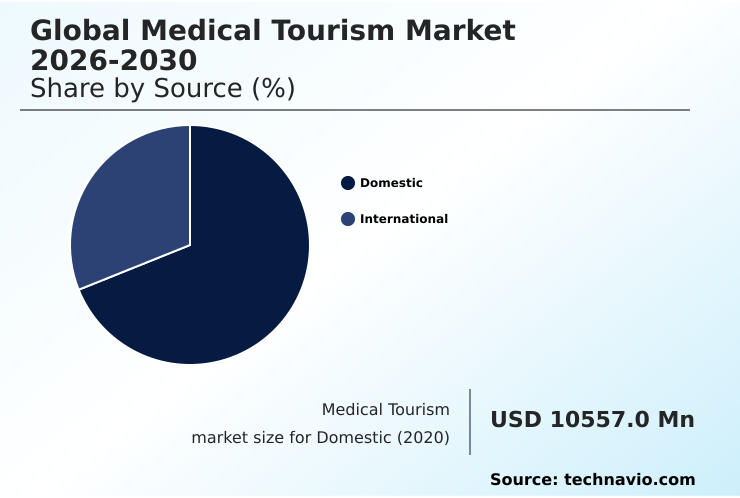
The Domestic segment was valued at USD 24.21 billion in 2024 and showed a gradual increase during the forecast period.
Regional Analysis
APAC is estimated to contribute 35.7% to the growth of the global market during the forecast period.Technavio’s analysts have elaborately explained the regional trends and drivers that shape the market during the forecast period.
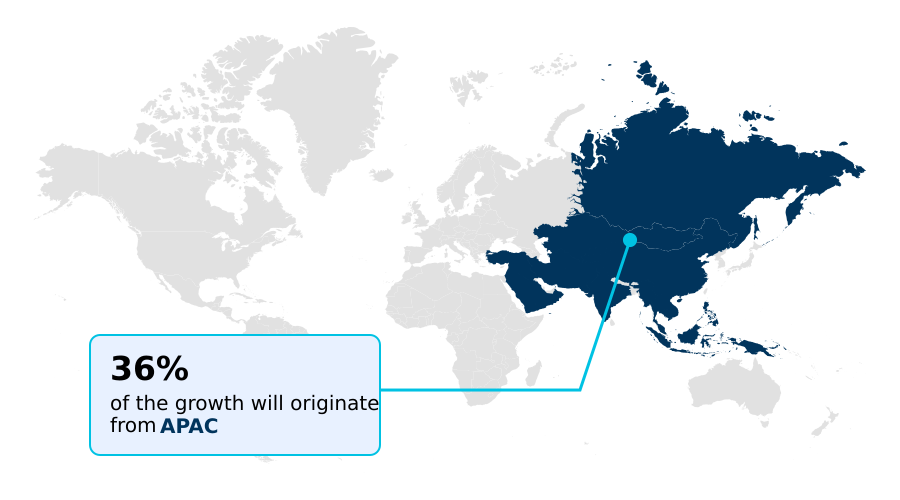
See How Medical Tourism Market Demand is Rising in APAC Get Free Sample
The geographic landscape of medical tourism is diversifying, with new strategic alliances reshaping patient flows. While established hubs refine their specialized expertise in high-acuity procedures, emerging destinations are leveraging public-private partnerships to build advanced healthcare infrastructure and attract international patients.
The seamless transfer of health information is critical, with some networked hospitals demonstrating a 30% reduction in diagnostic errors through shared protocols. This evolution focuses on holistic wellness and enhancing patient rights across the entire care continuum.
The adoption of advanced medical technologies, including robotic-assisted cardiac surgery and other minimally invasive procedures, is becoming a key differentiator, with facilities using such tech reporting up to a 20% improvement in patient recovery metrics, mitigating risks associated with medical malpractice and ensuring robust follow-up care.
Market Dynamics
Our researchers analyzed the data with 2025 as the base year, along with the key drivers, trends, and challenges. A holistic analysis of drivers will help companies refine their marketing strategies to gain a competitive advantage.
- The global medical tourism market 2026-2030 is increasingly sophisticated, driven by the availability of advanced technologies and specialized expertise. Patients are motivated by significant cost differentials for quality healthcare, but also by the opportunity for reduced waiting times and favorable government initiatives that facilitate travel.
- A key transformation is the integration of digital health and telemedicine solutions, which reshapes the entire patient experience. This has led to the rise of niche medical specializations and wellness tourism, where facilities focus on specific high-acuity procedures.
- Concurrently, the industry is seeing a proliferation of strategic alliances and cross-border collaborations, with some forming a dual circulation service system for cross-border healthcare. These partnerships are crucial for navigating complex regulatory and legal frameworks and ensuring quality control and continuity of care, which remains a primary concern.
- Facilities that offer comprehensive pre and post-operative telemedicine programs see patient engagement rates more than 50% higher than those that do not. The impact of geopolitical instability and travel barriers is a constant risk, but the push for specialized services, such as robotic-assisted coronary artery bypass surgery and robotic orthopedic surgery for international patients, continues to drive growth.
- The ability to provide long-term monitoring for international oncology patients and manage the cross-border transfer of patient health information securely are becoming benchmark capabilities for leading institutions.
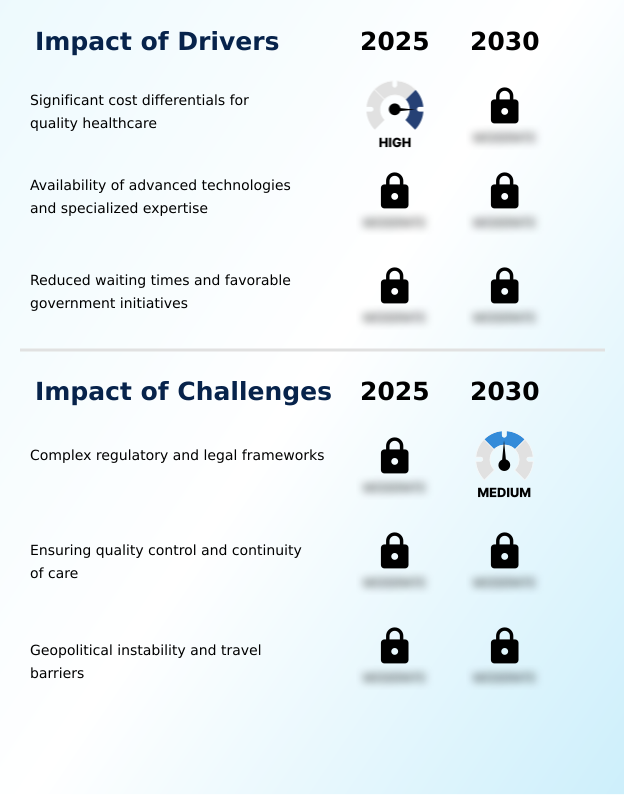
What are the key market drivers leading to the rise in the adoption of Medical Tourism Industry?
- Significant cost differentials for high-quality healthcare serve as a primary driver for the growth of the medical tourism market.
- Market growth is propelled by access to advanced treatments like robotic surgery, regenerative medicine, and CAR-T cell therapy. The integration of digital health is crucial, with telemedicine platforms for post-procedural follow-up reducing hospital readmissions by 15%.
- International patient centers are leveraging these technologies to offer seamless travel coordination and multilingual support, enhancing the patient experience.
- The use of standardized treatment protocols and the ability to share diagnostic imaging with home-country physicians have improved treatment efficacy by over 25% in certain specialties.
- These advancements, including technologies like proton beam therapy, allow providers to offer cutting-edge care that is often the primary motivator for patient travel.
What are the market trends shaping the Medical Tourism Industry?
- The integration of digital health and telemedicine is an emerging trend, fundamentally reshaping the patient journey across pre-travel assessments and post-procedural follow-up care.
- Key trends are reshaping the medical tourism market, with an emphasis on improving clinical outcomes and the overall patient journey. The push for JCI accreditation is becoming a standard measure of quality, compelling providers to enhance their healthcare infrastructure.
- This focus on quality directly impacts the continuity of care, as integrated international patient services are designed to manage everything from pre-travel to comprehensive aftercare services. As a result, the patient experience is improving, with some networked hospitals reporting a 20% increase in patient satisfaction scores.
- Furthermore, governments are streamlining medical visa policy requirements to reduce waiting lists, which can shorten the time to treatment by up to 60% for certain procedures. This creates a more efficient cross-border healthcare ecosystem.
What challenges does the Medical Tourism Industry face during its growth?
- Complex and inconsistent regulatory and legal frameworks across different jurisdictions present a key challenge affecting industry growth.
- Navigating challenges such as geopolitical instability and varied legal frameworks is crucial for market participants. The lack of standardized regulatory standards for patient data privacy can increase compliance costs by up to 30% for providers operating across multiple jurisdictions.
- Ensuring quality in cosmetic treatment, cardiovascular treatment, and fertility treatment requires rigorous adherence to internal protocols, especially when official oversight is inconsistent. Pre-travel assessments and remote second opinions have become vital tools to mitigate risks and manage patient expectations. However, travel barriers can emerge unexpectedly, disrupting treatment for orthopedics treatment and other scheduled procedures.
- This volatility underscores the importance of agile operations and robust contingency planning within centers of excellence and the broader health and wellness tourism sector.
Exclusive Technavio Analysis on Customer Landscape
The medical tourism market forecasting report includes the adoption lifecycle of the market, covering from the innovator’s stage to the laggard’s stage. It focuses on adoption rates in different regions based on penetration. Furthermore, the medical tourism market report also includes key purchase criteria and drivers of price sensitivity to help companies evaluate and develop their market growth analysis strategies.
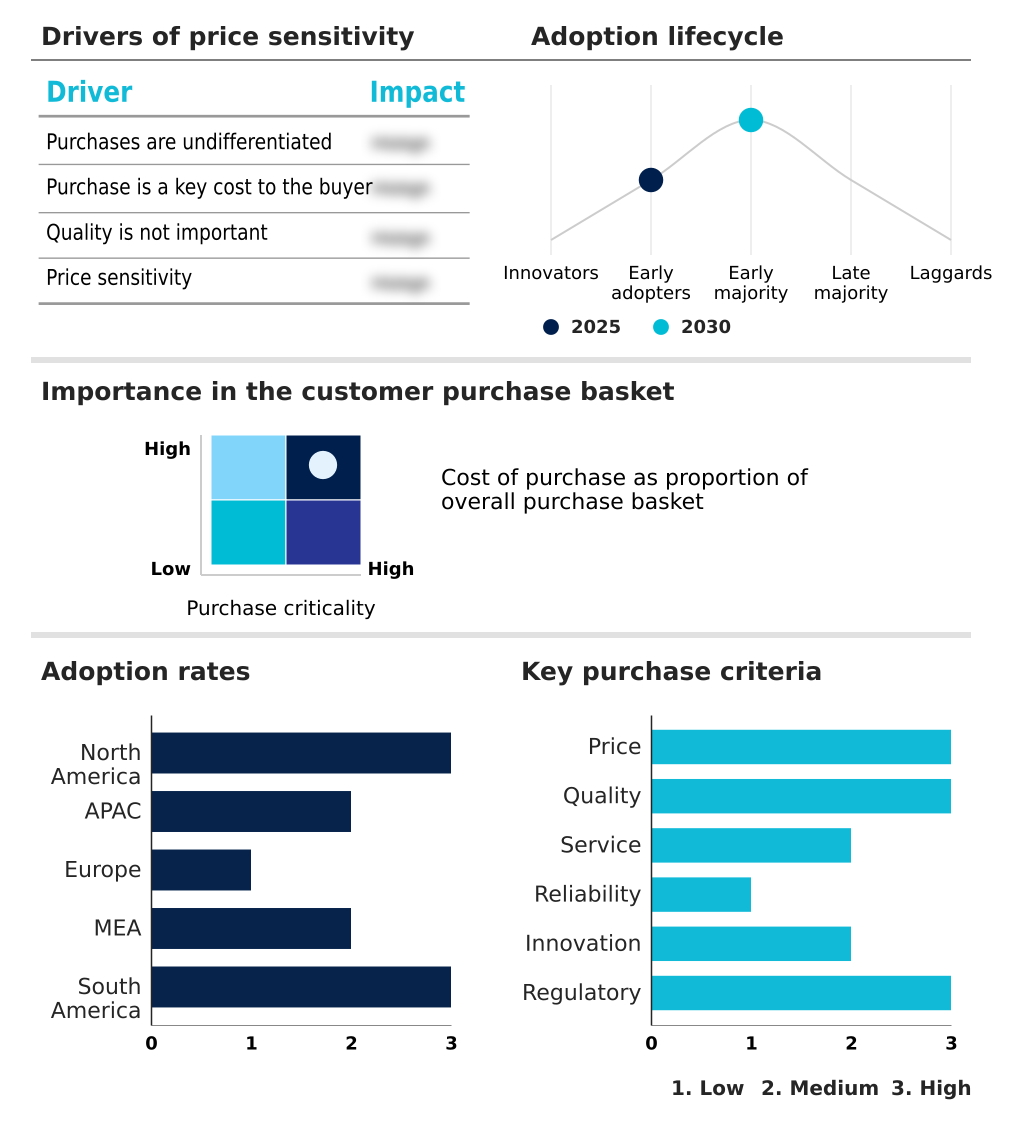
Customer Landscape of Medical Tourism Industry
Competitive Landscape
Companies are implementing various strategies, such as strategic alliances, medical tourism market forecast, partnerships, mergers and acquisitions, geographical expansion, and product/service launches, to enhance their presence in the industry.
Acibadem Saglik Hizmetleri - Delivers end-to-end medical tourism solutions, including treatment planning, travel logistics, multilingual support, and comprehensive aftercare services for international patients.
The industry research and growth report includes detailed analyses of the competitive landscape of the market and information about key companies, including:
- Acibadem Saglik Hizmetleri
- Apollo Hospitals Enterprise Ltd.
- Asklepios Kliniken GmbH and Co
- Bumrungrad Hospital Public Co
- Cedars Sinai Health System
- Clinique La Prairie
- Fortis Healthcare
- Gleneagles Hospital
- Global Health Ltd.
- Helios Kliniken GmbH
- IHH Healthcare Berhad.
- Manipal Health Enterprise Ltd
- Max Healthcare Institute Ltd
- Mayo Clinic
- Memorial Healthcare Group
- Mount Elizabeth Hospital
- NMC Healthcare Ltd
- Raffles Medical Group Ltd
- The Cleveland Clinic Foundation
- The Johns Hopkins Health System
Qualitative and quantitative analysis of companies has been conducted to help clients understand the wider business environment as well as the strengths and weaknesses of key industry players. Data is qualitatively analyzed to categorize companies as pure play, category-focused, industry-focused, and diversified; it is quantitatively analyzed to categorize companies as dominant, leading, strong, tentative, and weak.
Recent Development and News in Medical tourism market
- In January, 2025, The Cleveland Clinic announced a major expansion in Palm Beach County, Florida, including a new 150-bed hospital and ambulatory surgery center to serve a growing domestic and international clientele.
- In February, 2025, Apollo Hospitals in India actively lobbied for a more liberalized medical visa policy as part of the government's 'Heal in India' initiative, aiming to make the country's healthcare more accessible to global patients.
- In March, 2025, Raffles Medical Group signed a strategic agreement with Shanghai Renji Hospital to establish a dual circulation service system, promoting cross-border healthcare and positioning Shanghai as an international medical hub.
- In April, 2025, the Fundacion Santa Fe de Bogota in Colombia announced the opening of a new international patient center, focusing on all-inclusive packages for cosmetic and orthopedic procedures for the North American market.
Dive into Technavio’s robust research methodology, blending expert interviews, extensive data synthesis, and validated models for unparalleled Medical Tourism Market insights. See full methodology.
| Market Scope | |
|---|---|
| Page number | 296 |
| Base year | 2025 |
| Historic period | 2020-2024 |
| Forecast period | 2026-2030 |
| Growth momentum & CAGR | Accelerate at a CAGR of 47.7% |
| Market growth 2026-2030 | USD 271270.9 million |
| Market structure | Fragmented |
| YoY growth 2025-2026(%) | 31.6% |
| Key countries | US, Canada, Mexico, India, China, South Korea, Japan, Australia, Indonesia, Germany, UK, France, Spain, Italy, The Netherlands, UAE, Turkey, Saudi Arabia, South Africa, Israel, Brazil, Argentina and Chile |
| Competitive landscape | Leading Companies, Market Positioning of Companies, Competitive Strategies, and Industry Risks |
Research Analyst Overview
- The medical tourism market is defined by a quest for value, where high-quality clinical outcomes and access to advanced medical technologies are paramount. Boardroom decisions are increasingly focused on capital-intensive assets that create centers of specialized expertise, such as investing in robotic surgery or proton beam therapy systems.
- The adoption of digital health and telemedicine platforms is no longer a differentiator but a fundamental requirement for ensuring continuity of care and managing the end-to-end patient journey. This includes everything from pre-travel assessments to robust post-procedural follow-up. Institutions that achieve JCI accreditation and navigate complex medical visa policies effectively are better positioned to attract international patients.
- The focus on specialized care for cardiovascular treatment, fertility treatment, and oncology treatments is intense. For instance, the use of robotic-assisted cardiac surgery has been shown to reduce patient recovery times by an average of 25%, a critical metric for a traveling patient.
- Success in this market depends on ensuring patient safety, quality control, and managing the complexities of cross-border healthcare and health information transfer while upholding patient rights.
What are the Key Data Covered in this Medical Tourism Market Research and Growth Report?
-
What is the expected growth of the Medical Tourism Market between 2026 and 2030?
-
USD 271.27 billion, at a CAGR of 47.7%
-
-
What segmentation does the market report cover?
-
The report is segmented by Source (Domestic, and International), Service Type (Private, and Public), Type (Cardiovascular treatment, Cosmetic treatment, Fertility treatment, Orthopedics treatment, and Others) and Geography (North America, APAC, Europe, Middle East and Africa, South America)
-
-
Which regions are analyzed in the report?
-
North America, APAC, Europe, Middle East and Africa and South America
-
-
What are the key growth drivers and market challenges?
-
Significant cost differentials for quality healthcare, Complex regulatory and legal frameworks
-
-
Who are the major players in the Medical Tourism Market?
-
Acibadem Saglik Hizmetleri, Apollo Hospitals Enterprise Ltd., Asklepios Kliniken GmbH and Co, Bumrungrad Hospital Public Co, Cedars Sinai Health System, Clinique La Prairie, Fortis Healthcare, Gleneagles Hospital, Global Health Ltd., Helios Kliniken GmbH, IHH Healthcare Berhad., Manipal Health Enterprise Ltd, Max Healthcare Institute Ltd, Mayo Clinic, Memorial Healthcare Group, Mount Elizabeth Hospital, NMC Healthcare Ltd, Raffles Medical Group Ltd, The Cleveland Clinic Foundation and The Johns Hopkins Health System
-
Market Research Insights
- The medical tourism market's dynamics are shaped by strategic investments in healthcare infrastructure and a focus on an enhanced patient experience. Providers are differentiating themselves by offering comprehensive service packages that include multilingual support and seamless travel coordination, which has been shown to reduce patient pre-travel stress by up to 40%.
- The adoption of standardized treatment protocols across international patient centers has improved clinical efficiency, reducing average procedure times by 15% in some high-volume specialties. Furthermore, a strong emphasis on aftercare services and communication with home-country physicians is creating a more integrated care continuum, improving patient satisfaction and trust.
We can help! Our analysts can customize this medical tourism market research report to meet your requirements.
 RIA -
RIA -