

MEMS Oscillators Market Size 2024-2028
The MEMS oscillators market size is forecast to increase by USD 5.55 billion, at a CAGR of 77.92% between 2023 and 2028.
- The market is experiencing significant growth, driven primarily by the increasing demand for Internet of Things (IoT) devices. The miniaturization trend in electronics is a key factor fueling this demand, as MEMS oscillators offer smaller form factors compared to traditional quartz oscillators. Power efficiency and battery life are crucial factors for IoT-connected devices, making MEMS oscillators an attractive alternative. However, the market faces challenges from available substitutes such as crystal oscillators, which offer similar functionality at lower costs.
- These substitutes may limit the growth potential of the market, particularly in price-sensitive applications. Companies in the market must focus on offering superior performance, reliability, and flexibility to differentiate themselves and capture market share. Additionally, investments in research and development to improve the functionality and cost-effectiveness of MEMS oscillators could provide significant opportunities for market participants.
What will be the Size of the MEMS Oscillators Market during the forecast period?
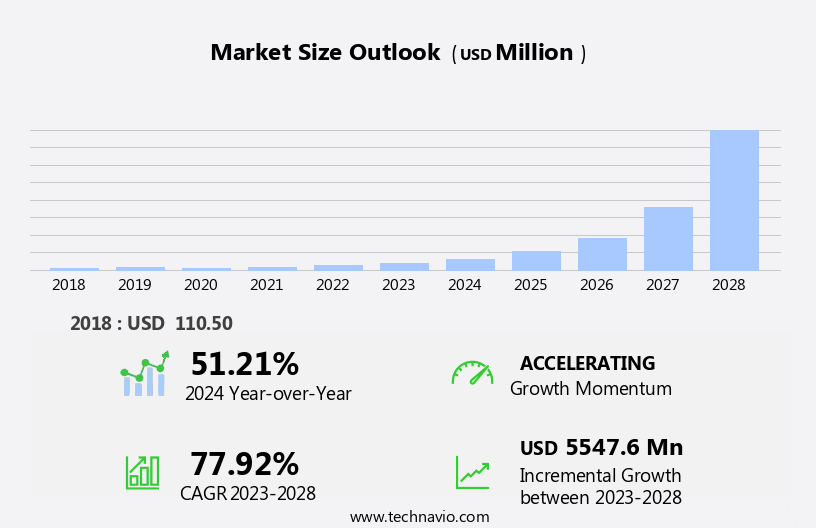
Explore in-depth regional segment analysis with market size data - historical 2018-2022 and forecasts 2024-2028 - in the full report.
Request Free Sample
The MEMS (Micro-Electro-Mechanical Systems) oscillators market showcases a continuous and evolving landscape, driven by the dynamic interplay of various factors. These include, but are not limited to, the demand for frequency stability and precision in diverse sectors. Ceramic resonators and quartz crystal oscillators, two prominent types of MEMS oscillators, are subject to ongoing advancements. ROHS compliance, a critical requirement in modern electronics, is increasingly shaping the market's contours. Frequency stability remains a key consideration, with applications spanning high-performance computing, wireless communications, scientific instrumentation, and consumer electronics. Product differentiation, driven by factors like yield enhancement, supply voltage, and frequency drift, is a crucial element in the market's competitive landscape.
Signal processing, power consumption, and package size are other essential aspects undergoing constant evolution. Emerging applications in areas like medical devices, military specifications, and system-on-a-chip (SoC) design further enrich the market's complexity. Cost optimization, design automation, and radiation hardening are essential for maintaining a competitive edge. Simulation software, PCB layout, and intellectual property (IP) protection are integral to the development process. Thin film deposition, wafer fabrication, and supply chain management are essential components of the market, with ongoing advancements shaping its future trajectory. Temperature compensation, phase noise, signal-to-noise ratio (SNR), output impedance, temperature compensation, and timing applications are other critical aspects that continue to unfold.
Market dynamics are influenced by various factors, including evolving standards bodies, yield enhancement, and emerging applications. The ongoing pursuit of miniaturization, lower power consumption, and higher performance drives innovation in MEMS oscillator technology.
How is this MEMS Oscillators Industry segmented?
The mems oscillators industry research report provides comprehensive data (region-wise segment analysis), with forecasts and estimates in "USD million" for the period 2024-2028, as well as historical data from 2018-2022 for the following segments.
- End-user
- Computing
- Mobile devices
- Consumer electronics
- Industrial
- Others
- Geography
- North America
- US
- Canada
- Europe
- Germany
- APAC
- China
- Japan
- Rest of World (ROW)
- North America
.
By End-user Insights
The computing segment is estimated to witness significant growth during the forecast period.
The market is experiencing significant growth, particularly in the computing segment. This expansion is driven by the increasing adoption of on-premises computing systems by major laboratories, firms, and educational institutions worldwide. These organizations demand complete control over their hardware and software, making on-premises computing systems a preferred choice. Furthermore, quantum computers are being installed at various sites due to their speed and effectiveness. Commercial users are also integrating computing systems into their daily business operations. High-performance computing (HPC) is witnessing a steady shift from science and engineering applications to widespread uses in sectors like banking, financial services, and insurance (BFSI), as well as commercial firms and small and medium enterprises (SMEs).
Frequency control and clock generation are essential aspects of MEMS oscillators, making them indispensable in various industries. In the automotive sector, MEMS oscillators are used to ensure reliable operation of advanced driver assistance systems (ADAS) and infotainment systems, which require high precision and stability. MEMS oscillators also play a crucial role in wireless communications, enabling precise frequency control in applications like GPS, Wi-Fi, and Bluetooth. Design automation, simulation software, and PCB layout are essential tools in the development and manufacturing process of MEMS oscillators. Intellectual property (IP) protection and system-on-a-chip (SoC) integration are critical considerations for companies in the MEMS oscillator market.
Military specifications and emerging applications in areas like medical devices, data acquisition, and scientific instrumentation require MEMS oscillators to meet stringent performance requirements. Radiation hardening, temperature compensation, and supply chain management are essential factors in ensuring the reliability and robustness of MEMS oscillators. MEMS oscillators are also used in precision timekeeping applications, where high accuracy and low phase noise are essential. Output impedance, temperature compensation, and supply voltage are crucial design considerations for MEMS oscillators. Frequency stability, product differentiation, and power consumption are essential factors influencing the MEMS oscillator market. Ceramic resonators and quartz crystal oscillators are common alternatives to MEMS oscillators, each with its unique advantages and disadvantages.
RoHS compliance and frequency stability are critical factors for companies in the MEMS oscillator market. Thin film deposition and wafer fabrication are essential processes in the manufacturing of MEMS oscillators. Power consumption is a significant concern in the design of MEMS oscillators, particularly in applications where low power consumption is essential. MEMS oscillators must also comply with various standards, including those related to phase noise, signal-to-noise ratio (SNR), and spurious emissions. In conclusion, the MEMS oscillator market is experiencing significant growth, driven by the increasing adoption of computing systems, particularly in the HPC sector. MEMS oscillators are essential components in various industries, including automotive, wireless communications, and scientific instrumentation, among others.
Design automation, simulation software, and PCB layout are essential tools in the development and manufacturing process. Intellectual property protection, system-on-a-chip integration, and military specifications are critical considerations for companies in the MEMS oscillator market. Radiation hardening, temperature compensation, and supply chain management are essential factors in ensuring the reliability and robustness of MEMS oscillators. Frequency stability, product differentiation, and power consumption are essential factors influencing the MEMS oscillator market. Thin film deposition and wafer fabrication are essential processes in the manufacturing of MEMS oscillators. MEMS oscillators must comply with various standards related to phase noise, signal-to-noise ratio (SNR), and spurious emissions.
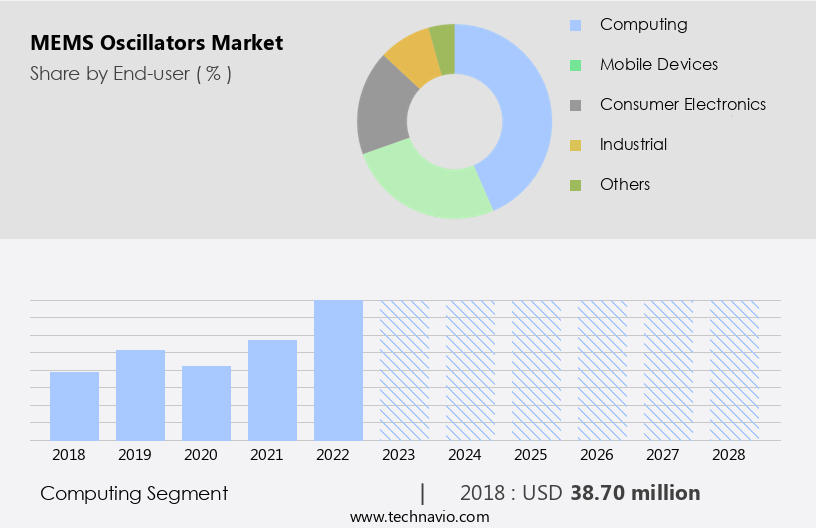
The Computing segment was valued at USD 38.70 billion in 2018 and showed a gradual increase during the forecast period.
Regional Analysis
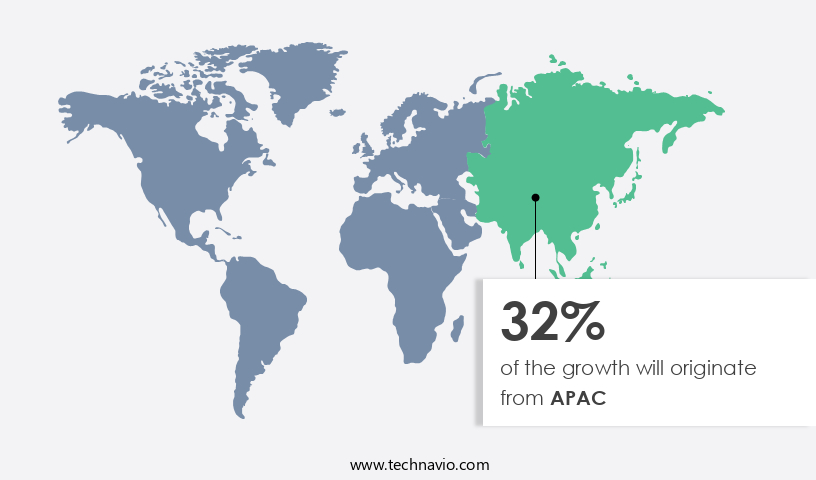
APAC is estimated to contribute 32% to the growth of the global market during the forecast period.Technavio's analysts have elaborately explained the regional trends and drivers that shape the market during the forecast period.
The market in North America is experiencing significant growth due to various factors. The increasing production of automobiles, particularly in the US, Canada, and Mexico, where major automobile manufacturers like Chrysler, General Motors, Porsche, and Ford Motor Company are based, is driving demand for MEMS oscillators. In the consumer electronics sector, leading companies such as Apple Inc., Google LLC, and Microsoft Corp. Are major buyers of MEMS oscillators, fueling market expansion. These tech giants invest heavily in research and development, integrating MEMS oscillators into their high-performance computing systems, wearable devices, and wireless communication technologies. The automotive industry's shift towards autonomous vehicles and electric cars necessitates advanced frequency control and clock generation systems, further boosting the demand for MEMS oscillators.
Additionally, emerging applications in scientific instrumentation, data acquisition, medical devices, and military specifications are expanding the market's scope. Design automation, cost optimization, and yield enhancement are crucial considerations for MEMS oscillator manufacturers. Intellectual property protection, radiation hardening, temperature compensation, and supply chain management are essential factors ensuring product differentiation and reliability. The market's evolution involves continuous advancements in thin film deposition, wafer fabrication, and power consumption reduction technologies. Frequency stability, phase noise, signal-to-noise ratio, precision timekeeping, output impedance, temperature compensation, and supply voltage are critical specifications for MEMS oscillators. Compliance with standards such as ROHS and military specifications is also essential.
MEMS oscillators' small package size makes them suitable for various applications, including consumer electronics, system-on-a-chip, and scientific instrumentation. Spurious emissions and phase noise are key challenges that manufacturers address through rigorous testing and simulation software. The market's future growth is expected to be influenced by factors like frequency drift, signal processing, and high-performance computing requirements.
Market Dynamics
Our researchers analyzed the data with 2023 as the base year, along with the key drivers, trends, and challenges. A holistic analysis of drivers will help companies refine their marketing strategies to gain a competitive advantage.
What are the key market drivers leading to the rise in the adoption of MEMS Oscillators Industry?
- The surge in demand for Internet of Things (IoT) devices serves as the primary catalyst for market growth.
- The market experiences continuous growth due to the increasing integration of these components in Internet of Things (IoT) devices. MEMS oscillators, which are small, low-power, and high-performance oscillators, are essential for IoT devices as they provide precise timekeeping and maintain a high signal-to-noise ratio (SNR). The demand for MEMS oscillators is driven by the proliferation of IoT devices, which include wearables, smart homes, and industrial applications. Wearable devices, such as smartwatches, fitness bands, and heart rate monitors, require high-precision timekeeping for accurate data sensing and communication. MEMS oscillators offer low output impedance and temperature compensation, making them suitable for these applications.
- In addition, MEMS oscillators are used as reference clocks in various medical devices to ensure accurate measurement and monitoring of vital signs. The market also benefits from the need for supply chain management and stringent regulations. MEMS oscillators must meet specific standards, such as those set by standards bodies, for spurious emissions and power consumption. Thin film deposition and wafer fabrication techniques are used to manufacture MEMS oscillators, ensuring consistent quality and reliability. In conclusion, the market will continue to expand due to the growing adoption of IoT devices and the need for precise timekeeping and high-quality oscillators.
- MEMS oscillators offer several advantages, including low power consumption, small size, and high precision, making them an ideal choice for various applications.
What are the market trends shaping the MEMS Oscillators Industry?
- Market trends indicate a growing demand for miniaturization in various industries. This requirement for smaller, more compact technologies is a significant trend that professionals must stay informed about.
- The market is experiencing significant growth due to the increasing demand for compact micro components in advanced electronics, such as wearable devices, tablets, and smartphones. Companies are responding to this trend by investing in the development of Micro-Electromechanical Systems (MEMS) oscillators, which offer high frequency stability, product differentiation, and yield enhancement. These oscillators are essential for high-performance computing applications, including signal processing and high-end intelligent systems. MEMS oscillators provide several advantages over traditional quartz crystal oscillators and ceramic resonators. They offer superior frequency stability, smaller size, and lower power consumption. Furthermore, MEMS oscillators can operate over a wide range of supply voltages, making them suitable for various applications.
- The need for ROHS compliance and the increasing focus on frequency drift reduction are also driving the growth of the market. As technology continues to advance, the demand for high-performance and reliable oscillators is expected to increase, providing significant opportunities for companies in this market. In conclusion, the market is poised for growth due to the increasing demand for compact and high-performance micro components in advanced electronics. Companies are investing in the development of MEMS oscillators to meet these requirements and gain a competitive edge. The market's growth is further driven by the need for frequency stability, yield enhancement, and the ability to operate over a wide range of supply voltages.
What challenges does the MEMS Oscillators Industry face during its growth?
- The integration of alternatives such as crystal oscillators poses a significant challenge to the industry's growth trajectory.
- MEMS (Micro-Electro-Mechanical Systems) oscillators have a broad application scope in various sectors, including military and aerospace, industrial, automotive, research and measurement, and consumer products. The growth of these industries significantly influences the market expansion of MEMS oscillators. Consumer electronics, such as televisions, radios, cellular phones, cordless phones, computers, and pagers, have seen continuous growth for decades, necessitating the use of precise frequency control components like MEMS oscillators. In addition, advancements in healthcare technology have led to the development of innovative devices, such as pacemakers, which require high-reliability MEMS oscillators. However, the availability of substitutes, such as quartz oscillators and crystal oscillators, may hinder the growth of the market.
- To ensure the reliability and performance of MEMS oscillators, rigorous testing and design automation are essential. Operating temperature range, automotive grade, military specifications, and system-on-a-chip (SoC) integration are critical factors that influence the design and development of MEMS oscillators. Simulation software and PCB (Printed Circuit Board) layout tools facilitate the design process, while intellectual property (IP) protection and frequency control are crucial considerations for manufacturers. Clock generation and wireless communications applications further expand the market potential for MEMS oscillators.
Exclusive Customer Landscape
The mems oscillators market forecasting report includes the adoption lifecycle of the market, covering from the innovator's stage to the laggard's stage. It focuses on adoption rates in different regions based on penetration. Furthermore, the mems oscillators market report also includes key purchase criteria and drivers of price sensitivity to help companies evaluate and develop their market growth analysis strategies.
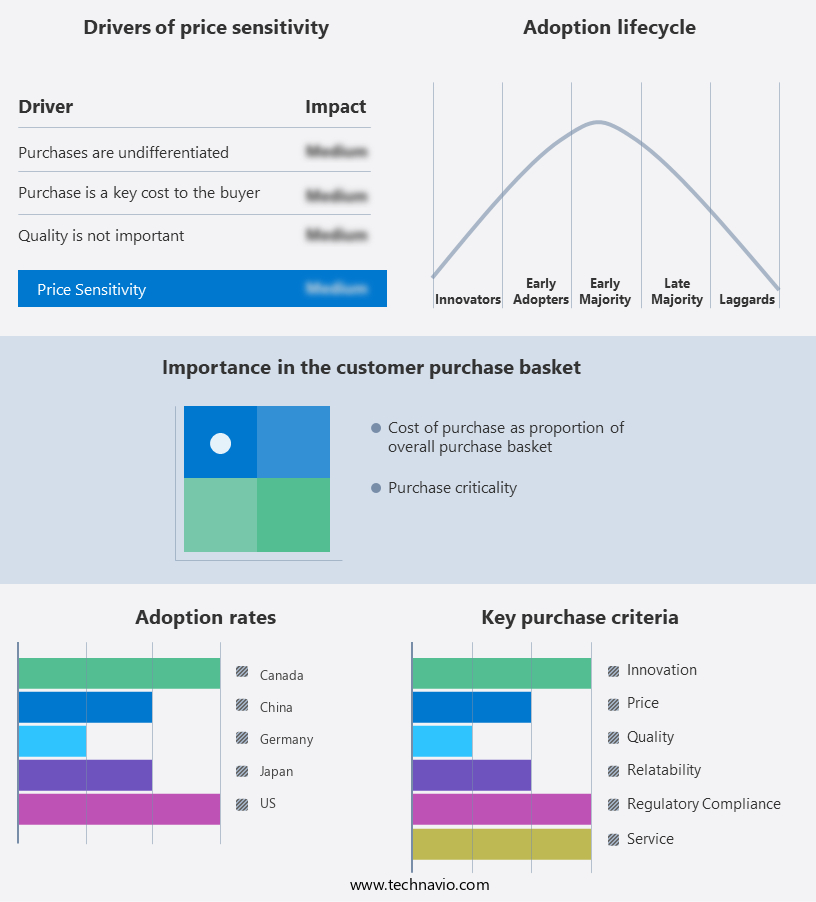
Customer Landscape
Key Companies & Market Insights
Companies are implementing various strategies, such as strategic alliances, mems oscillators market forecast, partnerships, mergers and acquisitions, geographical expansion, and product/service launches, to enhance their presence in the industry.
Abracon LLC - This company specializes in the production of Micro-Electromechanical Systems (MEMS) oscillators, including models AX5DBF1 156.2539C, AX5MCF3 187.5000T, AX5MCF3 210.0000C, and AX5DAF1 200.0000C.
The industry research and growth report includes detailed analyses of the competitive landscape of the market and information about key companies, including:
- Abracon LLC
- Analog Devices Inc.
- Daishinku Corp
- IQD Frequency Products Ltd.
- Jauch Quartz GmbH
- Microchip Technology Inc.
- Murata Manufacturing Co. Ltd.
- Rakon Ltd
- RAMI Technology Group
- Renesas Electronics Corp.
- SiTime Corp.
- TXC Corp.
Qualitative and quantitative analysis of companies has been conducted to help clients understand the wider business environment as well as the strengths and weaknesses of key industry players. Data is qualitatively analyzed to categorize companies as pure play, category-focused, industry-focused, and diversified; it is quantitatively analyzed to categorize companies as dominant, leading, strong, tentative, and weak.
Recent Development and News in MEMS Oscillators Market
- In February 2023, Murata Electronics, a leading provider of MEMS (Micro-Electromechanical Systems) oscillators, announced the launch of its new series of high-performance MEMS oscillators, designed for automotive applications. These oscillators offer improved frequency stability and temperature compensation, addressing the growing demand for advanced driver-assistance systems (ADAS) and electric vehicles (EVs) in the automotive industry (Murata Electronics Press Release, 2023).
- In May 2024, STMicroelectronics and Texas Instruments, two major players in the MEMS oscillator market, formed a strategic partnership to collaborate on the development of next-generation MEMS oscillator technologies. This collaboration aims to enhance their product offerings and strengthen their positions in the rapidly growing MEMS oscillator market (STMicroelectronics Press Release, 2024).
- In August 2024, Sensirion AG, a Swiss sensor manufacturer, completed the acquisition of Vesper Technologies, a US-based company specializing in MEMS microphones and sensors. This acquisition is expected to expand Sensirion's portfolio and strengthen its presence in the growing MEMS sensor market (Sensirion AG Press Release, 2024).
- In November 2025, the European Union approved the Horizon Europe research and innovation program, which includes a significant focus on MEMS technology development. This initiative is expected to invest over â¬95 billion (approximately USD107 billion) in research and innovation over the next seven years, with a substantial portion allocated to MEMS technology (European Commission Press Release, 2025).
Research Analyst Overview
- The market encompasses various technologies and applications, including electrode fabrication and crystal growth for oscillator design. Manufacturers focus on enhancing load capacitance and minimizing failure modes through accelerated aging tests and reliability analysis. Jitter analysis and shock tests are crucial for ensuring timing verification and package design in high-frequency and low-phase noise oscillators. Wearable technology and quantum computing drive the demand for ultra-low power (ULP) and frequency stability oscillators. In the automotive sector, oscillators play a pivotal role in signal integrity and clock tree synthesis, necessitating vibration tests and EMI/EMC compliance. Space applications require oscillators with exceptional reliability, leading to rigorous testing such as temperature cycling and humidity tests.
- High-precision oscillators cater to the demands of smart devices, autonomous vehicles, and satellite communications, with drive level and quality factor (Q) being essential considerations. Oscillator design for various industries faces challenges like frequency stability, low-phase noise, and power consumption. Crystal growth techniques and advanced packaging solutions are essential to meet these requirements while maintaining miniaturization and cost-effectiveness.
Dive into Technavio's robust research methodology, blending expert interviews, extensive data synthesis, and validated models for unparalleled MEMS Oscillators Market insights. See full methodology.
|
Market Scope |
|
|
Report Coverage |
Details |
|
Page number |
152 |
|
Base year |
2023 |
|
Historic period |
2018-2022 |
|
Forecast period |
2024-2028 |
|
Growth momentum & CAGR |
Accelerate at a CAGR of 77.92% |
|
Market growth 2024-2028 |
USD 5547.6 million |
|
Market structure |
Concentrated |
|
YoY growth 2023-2024(%) |
51.21 |
|
Key countries |
US, Germany, China, Japan, and Canada |
|
Competitive landscape |
Leading Companies, Market Positioning of Companies, Competitive Strategies, and Industry Risks |
What are the Key Data Covered in this MEMS Oscillators Market Research and Growth Report?
- CAGR of the MEMS Oscillators industry during the forecast period
- Detailed information on factors that will drive the growth and forecasting between 2024 and 2028
- Precise estimation of the size of the market and its contribution of the industry in focus to the parent market
- Accurate predictions about upcoming growth and trends and changes in consumer behaviour
- Growth of the market across North America, Europe, APAC, South America, and Middle East and Africa
- Thorough analysis of the market's competitive landscape and detailed information about companies
- Comprehensive analysis of factors that will challenge the mems oscillators market growth of industry companies
We can help! Our analysts can customize this mems oscillators market research report to meet your requirements.
 RIA -
RIA -