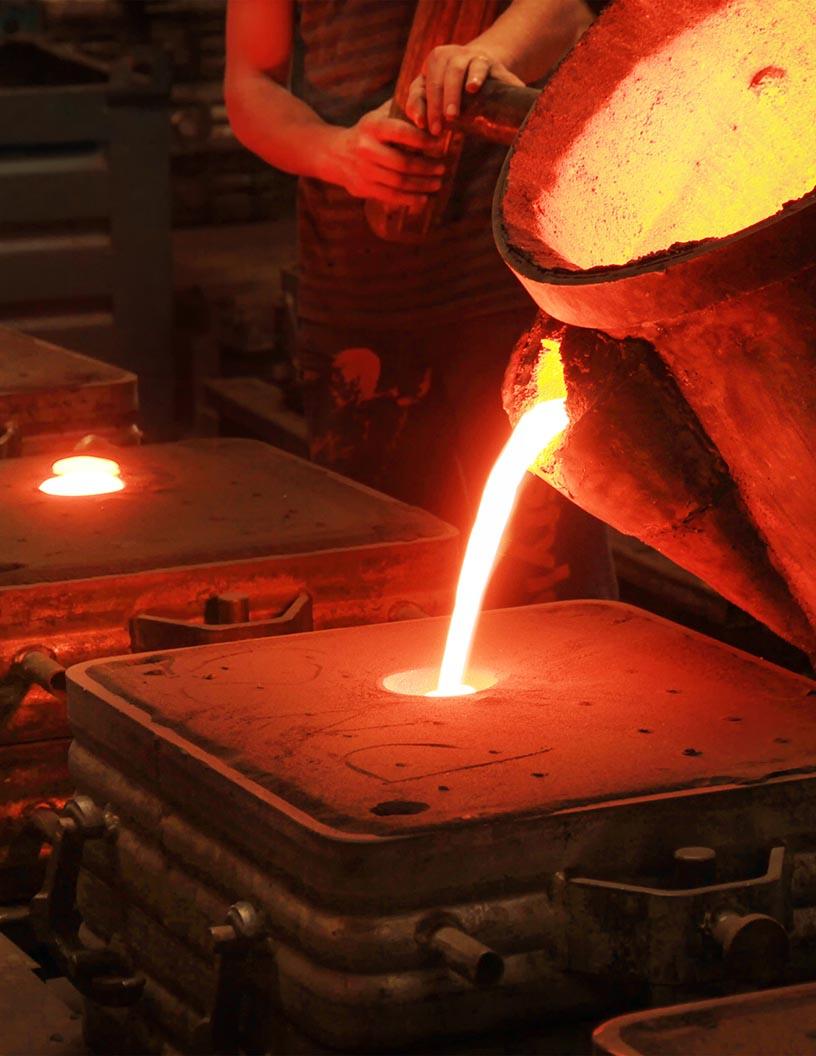

Metal Casting Market Analysis APAC, Europe, North America, South America, Middle East and Africa - US, China, Japan, India, UK, Canada, South Korea, Germany, France, Australia - Size and Forecast 2025-2029

Metal Casting Market Analysis APAC, Europe, North America, South America, Middle East and Africa - US, China, Japan, India, UK, Canada, South Korea, Germany, France, Australia - Size and Forecast 2025-2029

Published: Mar 2025 232 Pages SKU: IRTNTR40546

Market Overview at a Glance

$22.85 B
Market Opportunity
8.7%
CAGR
7.4
YoY growth 2024-2025(%)

Metal Casting Market Size 2025-2029

The metal casting market size is forecast to increase by USD 22.85 billion at a CAGR of 8.7% between 2024 and 2029.

  • The market is experiencing significant growth, driven by the increasing adoption of advanced technologies such as X-ray casting for improved defect recognition in industries like automotive engines and passenger cars. Additionally, the integration of casting process simulation technology is enhancing efficiency and reducing production costs. However, the market faces challenges from energy-consuming technologies that increase overall production costs. Key technologies shaping the market include steel casting, aluminum casting, and aluminum die casting, with applications ranging from automotive components to construction machinery and X-ray equipment. Innovations in materials like magnesium are also driving market expansion. The use of 3D printing in metal casting is a promising trend, offering customization and cost savings, but faces challenges in terms of scalability and material limitations. Overall, the market is poised for growth, driven by technological advancements and evolving industry demands.

What will be the Size of the Metal Casting Market During the Forecast Period?
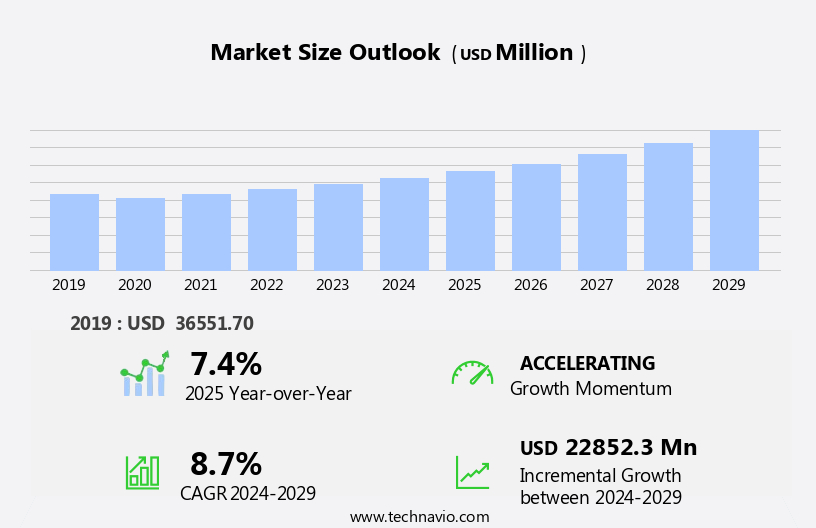
Metal Casting Market Size

 Request Free Sample

  • The market encompasses the production of various metal components through processes such as die casting, sand mold casting, and investment casting. This industry is characterized by its significant size and continuous growth, driven by the demand for lightweight, strong parts in diverse sectors, including automotive, construction, and industrial manufacturing. Aluminum casting, specifically grey iron metal and aluminum, holds a prominent position due to its lightweight properties and cost-effectiveness. Regulations governing waste minimization and the use of recyclable materials are influencing market trends, with an increasing focus on 3D metal shaping through technologies like cut-out molds and 3D printing. Applications span from intricate lamp poles to large structural components, with flexible designing and rapid prototyping facilitating innovation.
  • Silicone molds and the integration of plastic and sand in casting processes further expand the market's scope. Overall, the metal casting industry remains a dynamic and evolving sector, driven by the demand for strong, lightweight parts and the ongoing pursuit of cost-effective, sustainable manufacturing solutions.

How is this Metal Casting Industry segmented and which is the largest segment?

The metal casting industry research report provides comprehensive data (region-wise segment analysis), with forecasts and estimates in "USD million" for the period 2025-2029, as well as historical data from 2019-2023 for the following segments.

  • End-user
    • Automotive
    • Industrial machinery
    • Aerospace and defense
    • Others
  • Material
    • Aluminum
    • Cast iron
    • Magnesium
    • Zinc
    • Others
  • Method
    • Sand casting
    • HPDC
    • Gravity casting
    • LPDC
  • Geography
    • APAC
      • China
      • India
      • Japan
      • South Korea
    • Europe
      • Germany
      • UK
      • France
    • North America
      • Canada
      • US
    • South America
    • Middle East and Africa

By End-user Insights

  • The automotive segment is estimated to witness significant growth during the forecast period.

The market experiences significant growth, driven by the automotive industry's increasing demand for lightweight, cost-effective, and easily maneuverable components. Zinc and aluminum are the preferred metals for casting in this sector due to their properties, with ferrous and nonferrous metals and their alloys also utilized in engine and brake production. Die casting, specifically zinc and aluminum die casting, is a popular method for manufacturing automotive components. The rising number of vehicles in use, fueled by low-interest rates and affordable fuel prices, further boosts market expansion. Metal casting techniques, including sand casting, gravity casting, vacuum casting, and die casting, are employed in various industries such as oil & gas, aerospace, railroad, healthcare, mining, and manufacturing of lamp poles, bus pedals, train wheels, vehicle parts, and metal casting suppliers.

Key benefits of metal casting include the production of strong, lightweight parts, waste minimization, and cost-effectiveness. Metals used include carbon, silicon, manganese, phosphorus, and sulphur, with varying melting points and wear resistance. Machines used in metal casting include blowers, bearings, cams, engine oil pans, gears, valves, screw nuts, wire rod, and electrical sheets.
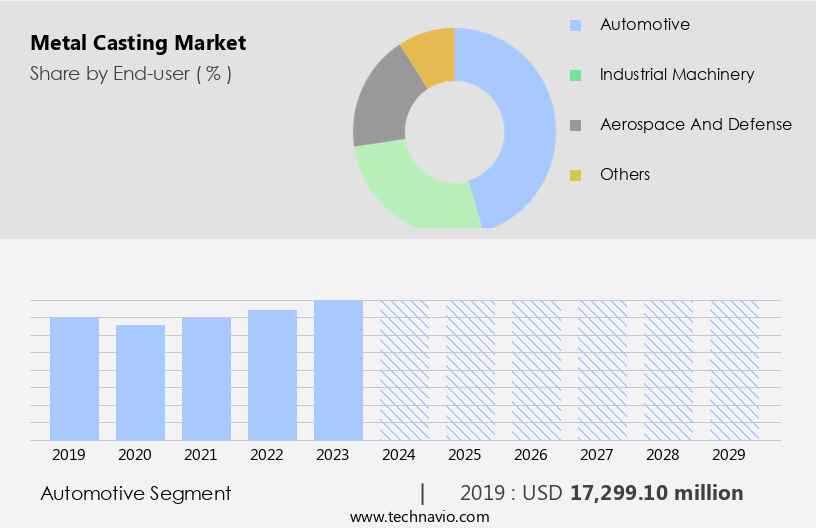
Metal Casting Market Size

Get a glance at the market report of share of various segments Request Free Sample

The Automotive segment was valued at USD 17.3 billion in 2019 and showed a gradual increase during the forecast period.

Regional Analysis

  • APAC is estimated to contribute 52% to the growth of the global market during the forecast period.

Technavio's analysts have elaborately explained the regional trends and drivers that shape the market during the forecast period.
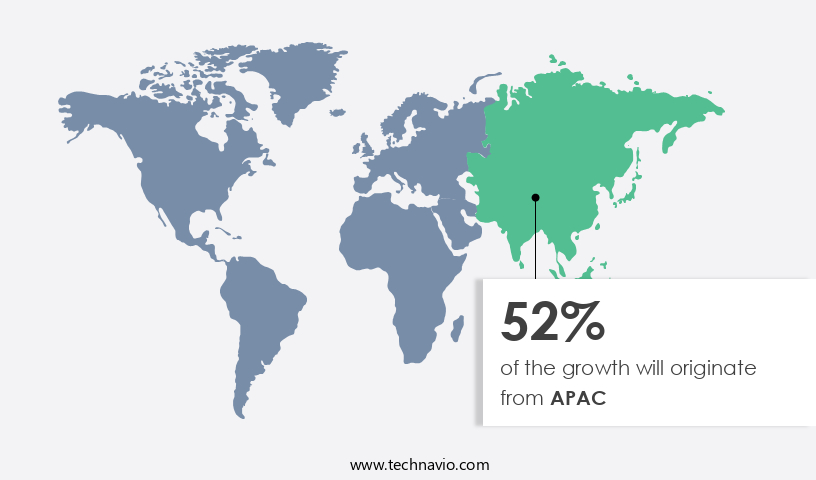
Metal Casting Market Share by Geography

For more insights on the market size of various regions, Request Free Sample

The market is experiencing significant growth due to increasing demand from various sectors such as automotive, oil & gas, aerospace, railroad, healthcare, and mining. Asia Pacific is a key contributor to this market, driven by automation and clean technologies to ensure high-quality production with minimal environmental impact. The adoption of Industry 4.0 is revolutionizing the manufacturing sector, enabling digitalization of the entire value chain. Aluminum casting, using recyclable materials, is gaining popularity due to its lightweight, strong parts, and cost-effectiveness. Cast iron, grey iron, aluminum, and other metals continue to be in demand for various applications, including lamp poles, bus pedals, train wheels, vehicle parts, and metal casting suppliers.

Regulations regarding emissions and waste minimization are driving the use of technologies such as die casting, shell mold casting, gravity casting, vacuum casting, and sand casting. Key sectors like automotive, oil & gas, aerospace, railroad, healthcare, and mining are major consumers of metal casting, with applications including blowers, bearings, cams, engine oil pans, gears, valves, screw nuts, wire rod, electrical sheets, and stainless steel. The market is expected to grow due to the increasing demand for lightweight, strong parts, and cost-effectiveness, with key metals including carbon, silicon, manganese, phosphorus, and sulphur. The market is expected to remain competitive due to advancements in flexible designing, rapid prototyping, and 3D metal shaping.

Market Dynamics

Our  researchers analyzed the data with 2024 as the base year, along with the key drivers, trends, and challenges. A holistic analysis of drivers will help companies refine their marketing strategies to gain a competitive advantage.

What are the key market drivers leading to the rise in the adoption of Metal Casting Industry?

Growing adoption of X-ray casting increases efficiency in defect recognition is the key driver of the market.

  • The markets witness an escalating demand for advanced defect recognition technologies, such as automatic or assisted defect recognition (ADR), in X-ray applications. X-ray technology's continuous evolution, with enhancements in tubes or software incorporating sophisticated algorithms, fuels this trend. Inline ADR systems are extensively utilized in production processes, making Accept or Reject decisions based on quality engineer-defined parameters. These systems ensure reliable and consistent performance, documenting results independently without human intervention. Digital radiography technology's acceptance across various end-user industries opens up avenues for software tool development. This technology's integration in metal casting processes enhances quality control, enabling the production of lightweight, strong parts with cost-effectiveness.
  • Applications span industries like automotive (lightweight vehicles, vehicle parts), oil & gas, aerospace, railroad, healthcare, mining, and more. Materials like aluminum, cast iron, grey iron metal, and various alloys (carbon, silicon, manganese, phosphorus, sulphur) are commonly used in metal casting. Processes like die casting, shell mold casting, gravity casting, vacuum casting, and sand casting are employed, with machines producing components such as blowers, bearings, cams, engine oil pans, gears, valves, screw nuts, wire rod, electrical sheets, and stainless steel. Metal casting suppliers cater to diverse industries, offering solutions for various applications, including pipes, gearbox cases, cylinder heads, and more.
  • Waste minimization, rapid prototyping, and flexible designing are essential aspects of metal casting, with 3D printing and silicone, metal, and plastic casting also gaining popularity.

What are the market trends shaping the Metal Casting Industry?

Incorporating casting process simulation technology is the upcoming market trend.

  • Metal casting simulation technology is a valuable solution for producing precise and cost-effective components in various industries, including automotive. This method enhances casting yield, optimizes feed ability, and reduces processing time by detecting and eliminating defects. The market is witnessing an increasing trend towards simulation-based casting, particularly in the automotive sector. The demand for lightweight vehicles necessitates the production of defect-free cast parts with exact dimensions of size, weight, and shape. Simulation-based casting enables casters to meet these requirements, making it an essential tool for operators in the metal casting industry. The economic justification for casting simulation includes its ability to improve overall efficiency, minimize waste, and produce strong, lightweight parts from materials like aluminum, cast iron, grey iron metal, and others.
  • The use of recyclable materials further adds to the cost-effectiveness and sustainability of the process. Simulation-based casting processes include Die Casting, Shell Mold Casting, Gravity Casting, Vacuum Casting, and Sand Casting, among others. Applications range from engine components like blowers, bearings, cams, engine oil pans, gears, valves, screw nuts, and wire rod, to industrial components like pipes, gearbox cases, cylinder heads, and various vehicle parts. Industries such as oil & gas, aerospace, railroad, healthcare, mining, and others also benefit from the use of simulation-based casting for producing high-quality, wear-resistant components with improved machinability.

What challenges does the Metal Casting Industry face during its growth?

Significant energy-consuming technology increasing overall production costs is a key challenge affecting the industry growth.

  • The market is driven by the increasing demand for lightweight vehicles and components in various sectors such as oil & gas, aerospace, railroad, healthcare, mining, and automotive. Aluminum casting, utilizing recyclable materials, is a significant trend in this industry due to its lightweight and strong properties. Cast iron, including grey iron metal, remains a dominant material in metal casting, with applications in engine components, machinery parts, and infrastructure elements like lamp poles, bus pedals, and train wheels. Metal casting processes include Die Casting, Sand Casting, Shell Mold Casting, and Gravity Casting, among others. These processes require substantial energy inputs for melting metals and producing molds.
  • Natural gas is commonly used for metal treatment, followed by coal coke, breeze, and electricity. The energy intensity of the metal casting process is high, particularly in developing countries like India, which is the third-largest market for metal castings. These countries often face power deficits, making energy security a critical concern for metal casters. Mold making and core making are essential processes that also require considerable energy. Waste minimization, flexible designing, rapid prototyping, and the use of alternative materials like silicone, metal, plastic, and sand, are some strategies employed to enhance cost-effectiveness and improve wear resistance. Machines, pipes, gearbox cases, cylinder heads, and various vehicle parts are some of the key applications for metal casting.
  • Other materials used include carbon, silicon, manganese, phosphorus, and sulphur, with varying melting points and properties. The market is characterized by its energy-intensive nature and the need for continuous innovation to meet the demands of various sectors. The industry's growth is driven by the increasing demand for lightweight and strong parts, with aluminum casting being a significant trend. Energy security remains a critical concern, particularly in developing countries, and strategies like waste minimization, flexible designing, and the use of alternative materials are essential to ensure cost-effectiveness and improve wear resistance.

Exclusive Customer Landscape

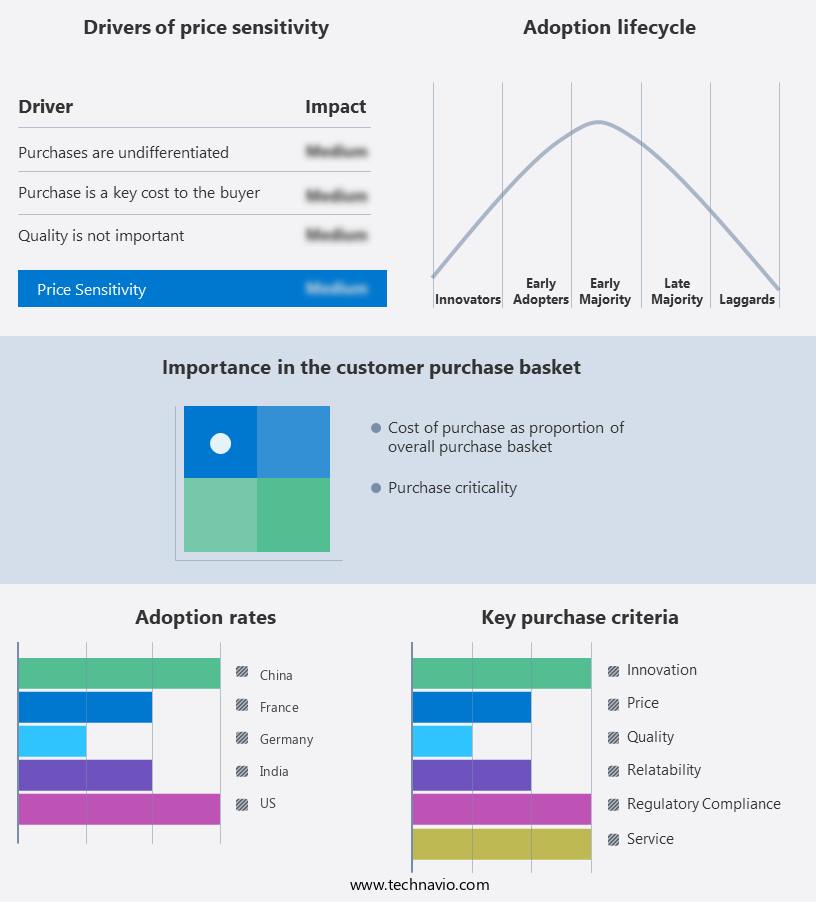
The metal casting market forecasting report includes the adoption lifecycle of the market, covering from the innovator's stage to the laggard's stage. It focuses on adoption rates in different regions based on penetration. Furthermore, the metal casting market report also includes key purchase criteria and drivers of price sensitivity to help companies evaluate and develop their market growth analysis strategies.
Metal Casting Market Share by Geography

 Customer Landscape

Key Companies & Market Insights

Companies are implementing various strategies, such as strategic alliances, metal casting market forecast, partnerships, mergers and acquisitions, geographical expansion, and product/service launches, to enhance their presence in the industry.

Alcast Co. - The company offers metal casting services such as permanent mold aluminum foundry, semi-permanent mold aluminum foundry, and tilt pour aluminum castings.

The industry research and growth report includes detailed analyses of the competitive landscape of the market and information about key companies, including:

  • Alcast Co.
  • Alcoa Corp.
  • Benton Foundry Inc.
  • Buhler AG
  • Dawang Metals Pte. Ltd.
  • Decatur Foundry Inc.
  • Endurance Technologies Ltd.
  • Form Technologies
  • Hitachi Ltd.
  • Kurt Manufacturing
  • Lestercast Ltd.
  • OSCO Industries Inc.
  • Precision Castparts Corp.
  • Reliance Foundry Co. Ltd.
  • Ryobi Ltd.
  • Shibaura Machine Co. Ltd.
  • Stahl Specialty Co.
  • T.H.T. Presses Inc.

Qualitative and quantitative analysis of companies has been conducted to help clients understand the wider business environment as well as the strengths and weaknesses of key industry players. Data is qualitatively analyzed to categorize companies as pure play, category-focused, industry-focused, and diversified; it is quantitatively analyzed to categorize companies as dominant, leading, strong, tentative, and weak.

Research Analyst Overview

Metal casting is a manufacturing process that involves pouring molten metal into a mold, allowing it to solidify, and then removing the solidified metal from the mold. This process is used to create a wide range of components and parts for various industries, including oil & gas, aerospace, railroad, healthcare, mining, and automotive. Die casting is a type of metal casting that uses a die to shape the molten metal under high pressure. This process is commonly used for producing complex parts with high precision and consistency. Aluminum and zinc are the most commonly used metals in die casting due to their excellent fluidity and ease of casting.

Sand mold casting is another popular metal casting process that uses sand as the mold material. This process is suitable for producing larger and more complex parts, as well as those with intricate shapes. Gray iron metal, which contains graphite flakes, is a common material used in sand casting due to its excellent machinability and wear resistance. Regulations play a significant role in the market. The use of recyclable materials, such as aluminum, is increasingly becoming a priority due to environmental concerns. The automotive industry, in particular, is focusing on producing lightweight vehicles to reduce carbon emissions and improve fuel efficiency.

Lightweight parts made from aluminum and other metals through casting processes are an effective solution for achieving this goal. The use of advanced technologies, such as 3D metal shape and 3D printing, is also gaining popularity in the market. These technologies enable flexible designing, rapid prototyping, and waste minimization, making them attractive options for manufacturers looking to reduce costs and improve production efficiency. Metal casting suppliers play a crucial role in the market by providing raw materials, equipment, and services to manufacturers. They offer a range of metals, including carbon, silicon, manganese, phosphorus, and sulphur, with varying melting points and properties to suit different applications.

The demand for metal casting is driven by various industries, including oil & gas, aerospace, railroad, healthcare, mining, and automotive. In the oil & gas industry, metal castings are used for producing pipes, machines, and other components for drilling and production equipment. In the aerospace industry, metal castings are used for producing engine parts, such as cylinder heads and gearbox cases, as well as structural components, such as wing parts and landing gear. In the railroad industry, metal castings are used for producing train wheels, axles, and other components for locomotives and rolling stock. In the healthcare industry, metal castings are used for producing medical equipment, such as surgical instruments and implants.

In the mining industry, metal castings are used for producing mining equipment, such as pumps, valves, and wear-resistant parts. The market is highly competitive, with numerous suppliers offering a range of casting processes, including die casting, shell mold casting, gravity casting, vacuum casting, and sand casting. These processes offer different advantages in terms of cost-effectiveness, production speed, and part complexity. For instance, die casting is suitable for producing complex parts in large quantities, while sand casting is suitable for producing larger and more complex parts with intricate shapes.

The use of advanced technologies, recyclable materials, and regulations are driving the growth of the market, while the demand for lightweight, strong, and cost-effective parts continues to fuel innovation and development in this field. Metal casting suppliers play a crucial role in providing raw materials, equipment, and services to manufacturers, enabling them to meet the evolving demands of their customers.

Market Scope

Report Coverage

Details

Page number

232

Base year

2024

Historic period

2019-2023

Forecast period

2025-2029

Growth momentum & CAGR

Accelerate at a CAGR of 8.7%

Market growth 2025-2029

USD 22.85 billion

Market structure

Fragmented

YoY growth 2024-2025(%)

7.4

Key countries

US, China, Japan, India, UK, Canada, South Korea, Germany, France, and Australia

Competitive landscape

Leading Companies, Market Positioning of Companies, Competitive Strategies, and Industry Risks

Request Free Sample

What are the Key Data Covered in this Metal Casting Market Research and Growth Report?

  • CAGR of the Metal Casting industry during the forecast period
  • Detailed information on factors that will drive the growth and forecasting between 2025 and 2029
  • Precise estimation of the size of the market and its contribution of the industry in focus to the parent market
  • Accurate predictions about upcoming growth and trends and changes in consumer behaviour
  • Growth of the market across APAC, Europe, North America, South America, and Middle East and Africa
  • Thorough analysis of the market's competitive landscape and detailed information about companies
  • Comprehensive analysis of factors that will challenge the metal casting market growth of industry companies

We can help! Our analysts can customize this metal casting market research report to meet your requirements.

Get in touch

1 Executive Summary

  • 1.1 Market overview
    • Executive Summary - Chart on Market Overview
    • Executive Summary - Data Table on Market Overview
    • Executive Summary - Chart on Global Market Characteristics
    • Executive Summary - Chart on Market by Geography
    • Executive Summary - Chart on Market Segmentation by End-user
    • Executive Summary - Chart on Market Segmentation by Material
    • Executive Summary - Chart on Market Segmentation by Method
    • Executive Summary - Chart on Incremental Growth
    • Executive Summary - Data Table on Incremental Growth
    • Executive Summary - Chart on Company Market Positioning

2 Technavio Analysis

  • 2.1 Analysis of price sensitivity, lifecycle, customer purchase basket, adoption rates, and purchase criteria
    • Analysis of price sensitivity, lifecycle, customer purchase basket, adoption rates, and purchase criteria
  • 2.2 Criticality of inputs and Factors of differentiation
    • Overview on criticality of inputs and factors of differentiation
  • 2.3 Factors of disruption
    • Overview on factors of disruption
  • 2.4 Impact of drivers and challenges
    • Impact of drivers and challenges in 2024 and 2029

3 Market Landscape

  • 3.1 Market ecosystem
    • Parent Market
    • Data Table on - Parent Market
  • 3.2 Market characteristics
    • Market characteristics analysis
  • 3.3 Value chain analysis
    • Value chain analysis

4 Market Sizing

  • 4.1 Market definition
    • Offerings of companies included in the market definition
  • 4.2 Market segment analysis
    • Market segments
  • 4.3 Market size 2024
    • 4.4 Market outlook: Forecast for 2024-2029
      • Chart on Global - Market size and forecast 2024-2029 ($ million)
      • Data Table on Global - Market size and forecast 2024-2029 ($ million)
      • Chart on Global Market: Year-over-year growth 2024-2029 (%)
      • Data Table on Global Market: Year-over-year growth 2024-2029 (%)

    5 Historic Market Size

    • 5.1 Global Metal Casting Market 2019 - 2023
      • Historic Market Size - Data Table on Global Metal Casting Market 2019 - 2023 ($ million)
    • 5.2 End-user segment analysis 2019 - 2023
      • Historic Market Size - End-user Segment 2019 - 2023 ($ million)
    • 5.3 Material segment analysis 2019 - 2023
      • Historic Market Size - Material Segment 2019 - 2023 ($ million)
    • 5.4 Method segment analysis 2019 - 2023
      • Historic Market Size - Method Segment 2019 - 2023 ($ million)
    • 5.5 Geography segment analysis 2019 - 2023
      • Historic Market Size - Geography Segment 2019 - 2023 ($ million)
    • 5.6 Country segment analysis 2019 - 2023
      • Historic Market Size - Country Segment 2019 - 2023 ($ million)

    6 Qualitative Analysis

    • 6.1 The AI impact on Global Metal Casting Market

      7 Five Forces Analysis

      • 7.1 Five forces summary
        • Five forces analysis - Comparison between 2024 and 2029
      • 7.2 Bargaining power of buyers
        • Bargaining power of buyers - Impact of key factors 2024 and 2029
      • 7.3 Bargaining power of suppliers
        • Bargaining power of suppliers - Impact of key factors in 2024 and 2029
      • 7.4 Threat of new entrants
        • Threat of new entrants - Impact of key factors in 2024 and 2029
      • 7.5 Threat of substitutes
        • Threat of substitutes - Impact of key factors in 2024 and 2029
      • 7.6 Threat of rivalry
        • Threat of rivalry - Impact of key factors in 2024 and 2029
      • 7.7 Market condition
        • Chart on Market condition - Five forces 2024 and 2029

      8 Market Segmentation by End-user

      • 8.1 Market segments
        • Chart on End-user - Market share 2024-2029 (%)
        • Data Table on End-user - Market share 2024-2029 (%)
      • 8.2 Comparison by End-user
        • Chart on Comparison by End-user
        • Data Table on Comparison by End-user
      • 8.3 Automotive - Market size and forecast 2024-2029
        • Chart on Automotive - Market size and forecast 2024-2029 ($ million)
        • Data Table on Automotive - Market size and forecast 2024-2029 ($ million)
        • Chart on Automotive - Year-over-year growth 2024-2029 (%)
        • Data Table on Automotive - Year-over-year growth 2024-2029 (%)
      • 8.4 Industrial machinery - Market size and forecast 2024-2029
        • Chart on Industrial machinery - Market size and forecast 2024-2029 ($ million)
        • Data Table on Industrial machinery - Market size and forecast 2024-2029 ($ million)
        • Chart on Industrial machinery - Year-over-year growth 2024-2029 (%)
        • Data Table on Industrial machinery - Year-over-year growth 2024-2029 (%)
      • 8.5 Aerospace and defense - Market size and forecast 2024-2029
        • Chart on Aerospace and defense - Market size and forecast 2024-2029 ($ million)
        • Data Table on Aerospace and defense - Market size and forecast 2024-2029 ($ million)
        • Chart on Aerospace and defense - Year-over-year growth 2024-2029 (%)
        • Data Table on Aerospace and defense - Year-over-year growth 2024-2029 (%)
      • 8.6 Others - Market size and forecast 2024-2029
        • Chart on Others - Market size and forecast 2024-2029 ($ million)
        • Data Table on Others - Market size and forecast 2024-2029 ($ million)
        • Chart on Others - Year-over-year growth 2024-2029 (%)
        • Data Table on Others - Year-over-year growth 2024-2029 (%)
      • 8.7 Market opportunity by End-user
        • Market opportunity by End-user ($ million)
        • Data Table on Market opportunity by End-user ($ million)

      9 Market Segmentation by Material

      • 9.1 Market segments
        • Chart on Material - Market share 2024-2029 (%)
        • Data Table on Material - Market share 2024-2029 (%)
      • 9.2 Comparison by Material
        • Chart on Comparison by Material
        • Data Table on Comparison by Material
      • 9.3 Aluminum - Market size and forecast 2024-2029
        • Chart on Aluminum - Market size and forecast 2024-2029 ($ million)
        • Data Table on Aluminum - Market size and forecast 2024-2029 ($ million)
        • Chart on Aluminum - Year-over-year growth 2024-2029 (%)
        • Data Table on Aluminum - Year-over-year growth 2024-2029 (%)
      • 9.4 Cast iron - Market size and forecast 2024-2029
        • Chart on Cast iron - Market size and forecast 2024-2029 ($ million)
        • Data Table on Cast iron - Market size and forecast 2024-2029 ($ million)
        • Chart on Cast iron - Year-over-year growth 2024-2029 (%)
        • Data Table on Cast iron - Year-over-year growth 2024-2029 (%)
      • 9.5 Magnesium - Market size and forecast 2024-2029
        • Chart on Magnesium - Market size and forecast 2024-2029 ($ million)
        • Data Table on Magnesium - Market size and forecast 2024-2029 ($ million)
        • Chart on Magnesium - Year-over-year growth 2024-2029 (%)
        • Data Table on Magnesium - Year-over-year growth 2024-2029 (%)
      • 9.6 Zinc - Market size and forecast 2024-2029
        • Chart on Zinc - Market size and forecast 2024-2029 ($ million)
        • Data Table on Zinc - Market size and forecast 2024-2029 ($ million)
        • Chart on Zinc - Year-over-year growth 2024-2029 (%)
        • Data Table on Zinc - Year-over-year growth 2024-2029 (%)
      • 9.7 Others - Market size and forecast 2024-2029
        • Chart on Others - Market size and forecast 2024-2029 ($ million)
        • Data Table on Others - Market size and forecast 2024-2029 ($ million)
        • Chart on Others - Year-over-year growth 2024-2029 (%)
        • Data Table on Others - Year-over-year growth 2024-2029 (%)
      • 9.8 Market opportunity by Material
        • Market opportunity by Material ($ million)
        • Data Table on Market opportunity by Material ($ million)

      10 Market Segmentation by Method

      • 10.1 Market segments
        • Chart on Method - Market share 2024-2029 (%)
        • Data Table on Method - Market share 2024-2029 (%)
      • 10.2 Comparison by Method
        • Chart on Comparison by Method
        • Data Table on Comparison by Method
      • 10.3 Sand casting - Market size and forecast 2024-2029
        • Chart on Sand casting - Market size and forecast 2024-2029 ($ million)
        • Data Table on Sand casting - Market size and forecast 2024-2029 ($ million)
        • Chart on Sand casting - Year-over-year growth 2024-2029 (%)
        • Data Table on Sand casting - Year-over-year growth 2024-2029 (%)
      • 10.4 HPDC - Market size and forecast 2024-2029
        • Chart on HPDC - Market size and forecast 2024-2029 ($ million)
        • Data Table on HPDC - Market size and forecast 2024-2029 ($ million)
        • Chart on HPDC - Year-over-year growth 2024-2029 (%)
        • Data Table on HPDC - Year-over-year growth 2024-2029 (%)
      • 10.5 Gravity casting - Market size and forecast 2024-2029
        • Chart on Gravity casting - Market size and forecast 2024-2029 ($ million)
        • Data Table on Gravity casting - Market size and forecast 2024-2029 ($ million)
        • Chart on Gravity casting - Year-over-year growth 2024-2029 (%)
        • Data Table on Gravity casting - Year-over-year growth 2024-2029 (%)
      • 10.6 LPDC - Market size and forecast 2024-2029
        • Chart on LPDC - Market size and forecast 2024-2029 ($ million)
        • Data Table on LPDC - Market size and forecast 2024-2029 ($ million)
        • Chart on LPDC - Year-over-year growth 2024-2029 (%)
        • Data Table on LPDC - Year-over-year growth 2024-2029 (%)
      • 10.7 Market opportunity by Method
        • Market opportunity by Method ($ million)
        • Data Table on Market opportunity by Method ($ million)

      11 Customer Landscape

      • 11.1 Customer landscape overview
        • Analysis of price sensitivity, lifecycle, customer purchase basket, adoption rates, and purchase criteria

      12 Geographic Landscape

      • 12.1 Geographic segmentation
        • Chart on Market share by geography 2024-2029 (%)
        • Data Table on Market share by geography 2024-2029 (%)
      • 12.2 Geographic comparison
        • Chart on Geographic comparison
        • Data Table on Geographic comparison
      • 12.3 APAC - Market size and forecast 2024-2029
        • Chart on APAC - Market size and forecast 2024-2029 ($ million)
        • Data Table on APAC - Market size and forecast 2024-2029 ($ million)
        • Chart on APAC - Year-over-year growth 2024-2029 (%)
        • Data Table on APAC - Year-over-year growth 2024-2029 (%)
      • 12.4 Europe - Market size and forecast 2024-2029
        • Chart on Europe - Market size and forecast 2024-2029 ($ million)
        • Data Table on Europe - Market size and forecast 2024-2029 ($ million)
        • Chart on Europe - Year-over-year growth 2024-2029 (%)
        • Data Table on Europe - Year-over-year growth 2024-2029 (%)
      • 12.5 North America - Market size and forecast 2024-2029
        • Chart on North America - Market size and forecast 2024-2029 ($ million)
        • Data Table on North America - Market size and forecast 2024-2029 ($ million)
        • Chart on North America - Year-over-year growth 2024-2029 (%)
        • Data Table on North America - Year-over-year growth 2024-2029 (%)
      • 12.6 South America - Market size and forecast 2024-2029
        • Chart on South America - Market size and forecast 2024-2029 ($ million)
        • Data Table on South America - Market size and forecast 2024-2029 ($ million)
        • Chart on South America - Year-over-year growth 2024-2029 (%)
        • Data Table on South America - Year-over-year growth 2024-2029 (%)
      • 12.7 Middle East and Africa - Market size and forecast 2024-2029
        • Chart on Middle East and Africa - Market size and forecast 2024-2029 ($ million)
        • Data Table on Middle East and Africa - Market size and forecast 2024-2029 ($ million)
        • Chart on Middle East and Africa - Year-over-year growth 2024-2029 (%)
        • Data Table on Middle East and Africa - Year-over-year growth 2024-2029 (%)
      • 12.8 US - Market size and forecast 2024-2029
        • Chart on US - Market size and forecast 2024-2029 ($ million)
        • Data Table on US - Market size and forecast 2024-2029 ($ million)
        • Chart on US - Year-over-year growth 2024-2029 (%)
        • Data Table on US - Year-over-year growth 2024-2029 (%)
      • 12.9 China - Market size and forecast 2024-2029
        • Chart on China - Market size and forecast 2024-2029 ($ million)
        • Data Table on China - Market size and forecast 2024-2029 ($ million)
        • Chart on China - Year-over-year growth 2024-2029 (%)
        • Data Table on China - Year-over-year growth 2024-2029 (%)
      • 12.10 Japan - Market size and forecast 2024-2029
        • Chart on Japan - Market size and forecast 2024-2029 ($ million)
        • Data Table on Japan - Market size and forecast 2024-2029 ($ million)
        • Chart on Japan - Year-over-year growth 2024-2029 (%)
        • Data Table on Japan - Year-over-year growth 2024-2029 (%)
      • 12.11 India - Market size and forecast 2024-2029
        • Chart on India - Market size and forecast 2024-2029 ($ million)
        • Data Table on India - Market size and forecast 2024-2029 ($ million)
        • Chart on India - Year-over-year growth 2024-2029 (%)
        • Data Table on India - Year-over-year growth 2024-2029 (%)
      • 12.12 South Korea - Market size and forecast 2024-2029
        • Chart on South Korea - Market size and forecast 2024-2029 ($ million)
        • Data Table on South Korea - Market size and forecast 2024-2029 ($ million)
        • Chart on South Korea - Year-over-year growth 2024-2029 (%)
        • Data Table on South Korea - Year-over-year growth 2024-2029 (%)
      • 12.13 Canada - Market size and forecast 2024-2029
        • Chart on Canada - Market size and forecast 2024-2029 ($ million)
        • Data Table on Canada - Market size and forecast 2024-2029 ($ million)
        • Chart on Canada - Year-over-year growth 2024-2029 (%)
        • Data Table on Canada - Year-over-year growth 2024-2029 (%)
      • 12.14 UK - Market size and forecast 2024-2029
        • Chart on UK - Market size and forecast 2024-2029 ($ million)
        • Data Table on UK - Market size and forecast 2024-2029 ($ million)
        • Chart on UK - Year-over-year growth 2024-2029 (%)
        • Data Table on UK - Year-over-year growth 2024-2029 (%)
      • 12.15 Germany - Market size and forecast 2024-2029
        • Chart on Germany - Market size and forecast 2024-2029 ($ million)
        • Data Table on Germany - Market size and forecast 2024-2029 ($ million)
        • Chart on Germany - Year-over-year growth 2024-2029 (%)
        • Data Table on Germany - Year-over-year growth 2024-2029 (%)
      • 12.16 Australia - Market size and forecast 2024-2029
        • Chart on Australia - Market size and forecast 2024-2029 ($ million)
        • Data Table on Australia - Market size and forecast 2024-2029 ($ million)
        • Chart on Australia - Year-over-year growth 2024-2029 (%)
        • Data Table on Australia - Year-over-year growth 2024-2029 (%)
      • 12.17 France - Market size and forecast 2024-2029
        • Chart on France - Market size and forecast 2024-2029 ($ million)
        • Data Table on France - Market size and forecast 2024-2029 ($ million)
        • Chart on France - Year-over-year growth 2024-2029 (%)
        • Data Table on France - Year-over-year growth 2024-2029 (%)
      • 12.18 Market opportunity by geography
        • Market opportunity by geography ($ million)
        • Data Tables on Market opportunity by geography ($ million)

      13 Drivers, Challenges, and Opportunity/Restraints

      • 13.1 Market drivers
        • 13.2 Market challenges
          • 13.3 Impact of drivers and challenges
            • Impact of drivers and challenges in 2024 and 2029
          • 13.4 Market opportunities/restraints

            14 Competitive Landscape

            • 14.1 Overview
              • 14.2 Competitive Landscape
                • Overview on criticality of inputs and factors of differentiation
              • 14.3 Landscape disruption
                • Overview on factors of disruption
              • 14.4 Industry risks
                • Impact of key risks on business

              15 Competitive Analysis

              • 15.1 Companies profiled
                • Companies covered
              • 15.2 Company ranking index
                • Company ranking index
              • 15.3 Market positioning of companies
                • Matrix on companies position and classification
              • 15.4 Alcast Co.
                • Alcast Co. - Overview
                • Alcast Co. - Product / Service
                • Alcast Co. - Key offerings
                • SWOT
              • 15.5 Alcoa Corp.
                • Alcoa Corp. - Overview
                • Alcoa Corp. - Business segments
                • Alcoa Corp. - Key news
                • Alcoa Corp. - Key offerings
                • Alcoa Corp. - Segment focus
                • SWOT
              • 15.6 Benton Foundry Inc.
                • Benton Foundry Inc. - Overview
                • Benton Foundry Inc. - Product / Service
                • Benton Foundry Inc. - Key offerings
                • SWOT
              • 15.7 Buhler AG
                • Buhler AG - Overview
                • Buhler AG - Product / Service
                • Buhler AG - Key news
                • Buhler AG - Key offerings
                • SWOT
              • 15.8 Dawang Metals Pte. Ltd.
                • Dawang Metals Pte. Ltd. - Overview
                • Dawang Metals Pte. Ltd. - Product / Service
                • Dawang Metals Pte. Ltd. - Key offerings
                • SWOT
              • 15.9 Decatur Foundry Inc.
                • Decatur Foundry Inc. - Overview
                • Decatur Foundry Inc. - Product / Service
                • Decatur Foundry Inc. - Key offerings
                • SWOT
              • 15.10 Endurance Technologies Ltd.
                • Endurance Technologies Ltd. - Overview
                • Endurance Technologies Ltd. - Product / Service
                • Endurance Technologies Ltd. - Key offerings
                • SWOT
              • 15.11 Form Technologies
                • Form Technologies - Overview
                • Form Technologies - Product / Service
                • Form Technologies - Key offerings
                • SWOT
              • 15.12 Hitachi Ltd.
                • Hitachi Ltd. - Overview
                • Hitachi Ltd. - Business segments
                • Hitachi Ltd. - Key news
                • Hitachi Ltd. - Key offerings
                • Hitachi Ltd. - Segment focus
                • SWOT
              • 15.13 Kurt Manufacturing
                • Kurt Manufacturing - Overview
                • Kurt Manufacturing - Product / Service
                • Kurt Manufacturing - Key offerings
                • SWOT
              • 15.14 Precision Castparts Corp.
                • Precision Castparts Corp. - Overview
                • Precision Castparts Corp. - Product / Service
                • Precision Castparts Corp. - Key offerings
                • SWOT
              • 15.15 Reliance Foundry Co. Ltd.
                • Reliance Foundry Co. Ltd. - Overview
                • Reliance Foundry Co. Ltd. - Product / Service
                • Reliance Foundry Co. Ltd. - Key offerings
                • SWOT
              • 15.16 Ryobi Ltd.
                • Ryobi Ltd. - Overview
                • Ryobi Ltd. - Product / Service
                • Ryobi Ltd. - Key offerings
                • SWOT
              • 15.17 Shibaura Machine Co. Ltd.
                • Shibaura Machine Co. Ltd. - Overview
                • Shibaura Machine Co. Ltd. - Product / Service
                • Shibaura Machine Co. Ltd. - Key offerings
                • SWOT
              • 15.18 Stahl Specialty Co.
                • Stahl Specialty Co. - Overview
                • Stahl Specialty Co. - Product / Service
                • Stahl Specialty Co. - Key offerings
                • SWOT

              16 Appendix

              • 16.1 Scope of the report
                • 16.2 Inclusions and exclusions checklist
                  • Inclusions checklist
                  • Exclusions checklist
                • 16.3 Currency conversion rates for US$
                  • Currency conversion rates for US$
                • 16.4 Research methodology
                  • Research methodology
                • 16.5 Data procurement
                  • Information sources
                • 16.6 Data validation
                  • Data validation
                • 16.7 Validation techniques employed for market sizing
                  • Validation techniques employed for market sizing
                • 16.8 Data synthesis
                  • Data synthesis
                • 16.9 360 degree market analysis
                  • 360 degree market analysis
                • 16.10 List of abbreviations
                  • List of abbreviations

                Research Methodology

                Technavio presents a detailed picture of the market by way of study, synthesis, and summation of data from multiple sources. The analysts have presented the various facets of the market with a particular focus on identifying the key industry influencers. The data thus presented is comprehensive, reliable, and the result of extensive research, both primary and secondary.

                INFORMATION SOURCES

                Primary sources

                • Manufacturers and suppliers
                • Channel partners
                • Industry experts
                • Strategic decision makers

                Secondary sources

                • Industry journals and periodicals
                • Government data
                • Financial reports of key industry players
                • Historical data
                • Press releases

                DATA ANALYSIS

                Data Synthesis

                • Collation of data
                • Estimation of key figures
                • Analysis of derived insights

                Data Validation

                • Triangulation with data models
                • Reference against proprietary databases
                • Corroboration with industry experts

                REPORT WRITING

                Qualitative

                • Market drivers
                • Market challenges
                • Market trends
                • Five forces analysis

                Quantitative

                • Market size and forecast
                • Market segmentation
                • Geographical insights
                • Competitive landscape

                Interested in this report?

                Get your sample now to see our research methodology and insights!

                Download Now

                Frequently Asked Questions

                Metal Casting market growth will increase by $ 22852.3 mn during 2025-2029.

                The Metal Casting market is expected to grow at a CAGR of 8.7% during 2025-2029.

                Metal Casting market is segmented by End-user( Automotive, Industrial machinery, Aerospace and defense, Others) Material( Aluminum, Cast iron, Magnesium, Zinc, Others) Method( Sand casting, HPDC, Gravity casting, LPDC, Middle East and Africa)

                Alcast Co., Alcoa Corp., Benton Foundry Inc., Buhler AG, Dawang Metals Pte. Ltd., Decatur Foundry Inc., Endurance Technologies Ltd., Form Technologies, Hitachi Ltd., Kurt Manufacturing, Lestercast Ltd., OSCO Industries Inc., Precision Castparts Corp., Reliance Foundry Co. Ltd., Ryobi Ltd., Shibaura Machine Co. Ltd., Stahl Specialty Co., T.H.T. Presses Inc. are a few of the key vendors in the Metal Casting market.

                APAC will register the highest growth rate of 52% among the other regions. Therefore, the Metal Casting market in APAC is expected to garner significant business opportunities for the vendors during the forecast period.

                US, China, Japan, India, UK, Canada, South Korea, Germany, France, Australia

                • Growing adoption of X-ray casting increases efficiency in defect recognitionMetal casting industries use automatic or assisted defect recognition (ADR) in X-ray applications. With X-ray technology undergoing several technological upgradations in its tubes or software incorporated with improved algorithms is the driving factor this market.
                • the demand for this technology is increasing in the production process. The inline ADR system is still used in production processes. These systems are programmed to make either an Accept or Reject decision based on the parameters fed by a quality engineer. It is designed to perform its function in a reliable and repeatable fashion and document the results independently without human intervention.Digital radiography technology is accepted in an array of end-user markets and has thus presented several opportunities for the development of software tools. The use of digital imaging technology in production processes has made it easy to process images that help in increasing the overall process efficiency as it helps in deciding whether to accept or reject the produced part. It also aids in improving the quality of the final part produced. Casting errors used to be energy-efficient to detect is the driving factor this market.
                • but with the incorporation of advanced technologies is the driving factor this market.
                • process inspectors can easily detect any anomalies and adjust the system settings to accept or reject cast parts automatically. Thus is the driving factor this market.
                • the increasing adoption of X-ray casting increases the efficiency of defect recognition and will drive the growth of the global metal casting market during the forecast period. is the driving factor this market.

                The Metal Casting market vendors should focus on grabbing business opportunities from the Automotive segment as it accounted for the largest market share in the base year.