



Microcrystalline Wax Market Size 2024-2028
The microcrystalline wax market size is forecast to increase by USD 60.6 million at a CAGR of 3.27% between 2023 and 2028.
- The market is experiencing significant growth due to increasing demand in coating applications, particularly in the automotive and packaging industries. This trend is driven by the superior performance of microcrystalline wax in providing excellent protection against wear and tear. Additionally, the cosmetics and personal care industry is witnessing a rise in demand for microcrystalline wax, owing to its use as a primary ingredient in various skincare and makeup products. The petrochemical industry utilizes microcrystalline wax as a petrochemical feedstock for the manufacture of solvents, resins, and other chemical products.
- However, the market faces challenges such as equipment damage caused by the high melting point and viscosity of microcrystalline wax. Furthermore, the negative impact of microcrystalline wax on the environment due to its non-biodegradable nature is a significant concern, and efforts are being made to develop eco-friendly alternatives. Despite these challenges, the market is expected to grow at a steady pace due to its wide range of applications and increasing demand from various industries.
What will be the Size of the Microcrystalline Wax Market During the Forecast Period?
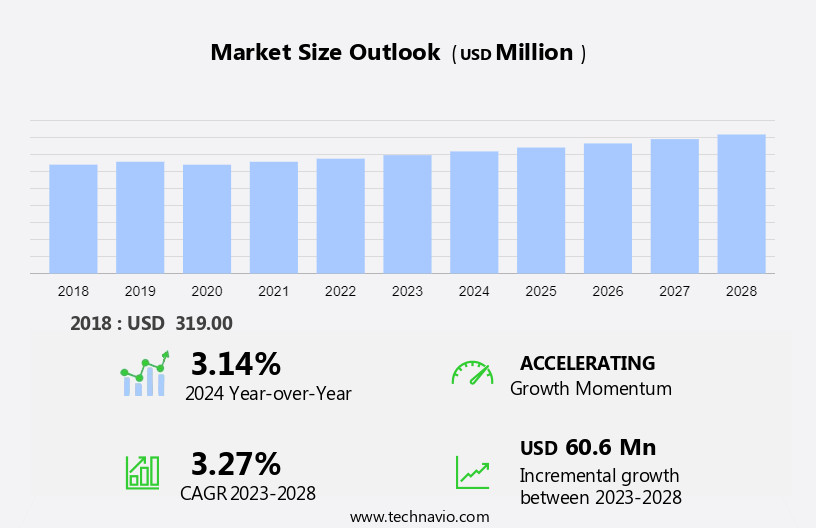
- The market is primarily driven by the demand from various industries such as pharmaceuticals, transportation, packaging, and the petrochemical industry. Microcrystalline wax is derived from petroleum-based feedstocks through the dewaxing process in petroleum refineries. This wax type is known for its hard and flexible properties, making it suitable for various applications. In the pharmaceutical sector, microcrystalline wax is used as a coating material for tablets and capsules due to its excellent film-forming properties. In transportation activities, it is used as a lubricant and a fuel additive. In the packaging industry, it is used in the production of hard paraffin, resins, plastics, and adhesives.
- Microcrystalline wax also finds extensive use in the production of candles, rubber, polymer additives, paints, coatings, construction materials, and e-commerce packaging. It is also used in the manufacturing of soaps and jewelry making. The saturated hydrocarbons present in microcrystalline wax make it an ideal ingredient for various industries. The demand for microcrystalline wax is expected to grow significantly in the coming years due to its wide range of applications.
How is this Microcrystalline Wax Industry segmented and which is the largest segment?
The industry research report provides comprehensive data (region-wise segment analysis), with forecasts and estimates in "USD million" for the period 2024-2028, as well as historical data from 2018-2022 for the following segments.
- Application
- Candle
- Packaging
- Rubber
- Personal care
- Others
- Geography
- APAC
- China
- Japan
- North America
- Canada
- US
- Europe
- Germany
- South America
- Middle East and Africa
- APAC
By Application Insights
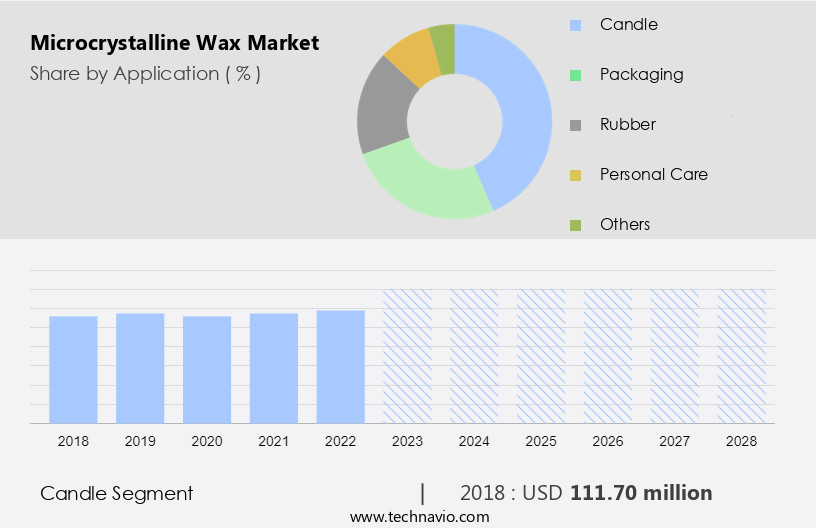
- The candle segment is estimated to witness significant growth during the forecast period.
The market is driven by various end-use industries, including the petrochemical industry, pharmaceuticals, transportation, packaged food, cosmetics, plastics, and construction. Petroleum-based feedstocks are the primary raw materials used in the production of microcrystalline wax. In the pharmaceutical sector, it is used as a coating material for tablets and capsules. Transportation activities require them in the production of hard paraffin for lubricating vehicle parts. In the food industry, it is used as a coating agent for various packaged foods.
The cosmetics industry uses microcrystalline wax in the production of beauty products, such as lipsticks, mascaras, and candles. The plastics industries use them as a polymer additive, and in the rubber industry as a processing aid. Paints and coatings, construction, e-commerce companies, paper packaging, soaps, and hygiene awareness campaigns also contribute to the market's growth. The wax is derived from saturated hydrocarbons through the dewaxing process in petroleum refineries. It is used in various applications, including in the production of paraffin wax for jewelry making, in the rubber industry as a processing aid, and the manufacture of adhesives, paints, coatings, and candles.
Get a glance at the market report of share of various segments Request Free Sample
The Candle segment was valued at USD 111.70 million in 2018 and showed a gradual increase during the forecast period.
Regional Analysis
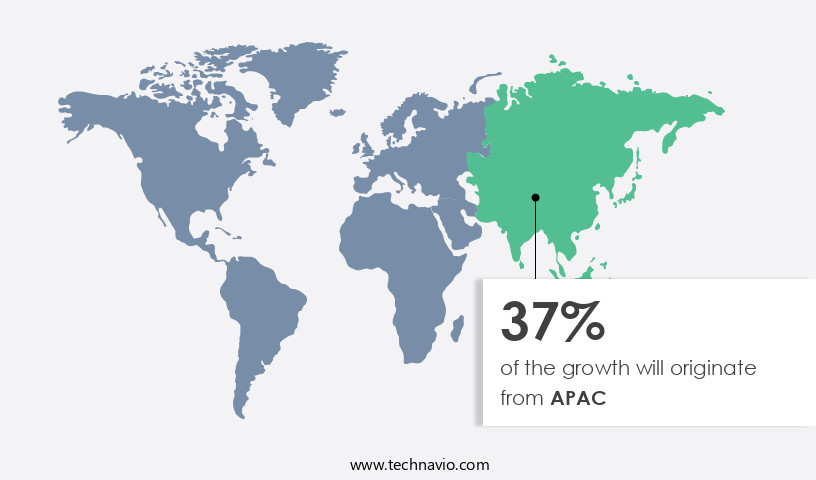
- APAC is estimated to contribute 37% to the growth of the global market during the forecast period.
Technavio's analysts have elaborately explained the regional trends and drivers that shape the market during the forecast period.
For more insights on the market size of various regions, Request Free Sample
The market is driven by various end-use industries, including the Petrochemical industry, Pharmaceuticals, Transportation activities, Packaged food, Cosmetics, Plastics industries, and Paints and coatings. Petroleum-based feedstocks, primarily paraffin wax, are the primary raw materials used in the production of microcrystalline wax. The Petroleum refining industry plays a significant role in the supply of petroleum wax, which undergoes the dewaxing process during refinery operations. They find extensive applications in various sectors. In the Pharmaceutical industry, it is used as a coating material for tablets and capsules. In the Transportation sector, it is employed in the manufacturing of automotive parts, such as gaskets and seals.
In the Packaged food industry, it is used as a coating agent to prevent sticking and improve the texture of food products. Furthermore, this wax is used in the production of hard paraffin, resins, plastics, solvents, adhesives, rubber, and polymer additives. It is also used in the production of paints, coatings, construction materials, and various other products, such as candles, jewelry making, and ice hockey pucks. E-commerce companies and paper packaging industries also use them to ensure the safe and efficient transportation of their products. In addition, it is used in various industries for specific applications.
Market Dynamics
Our researchers analyzed the data with 2023 as the base year, along with the key drivers, trends, and challenges. A holistic analysis of drivers will help companies refine their marketing strategies to gain a competitive advantage.
What are the key market drivers leading to the rise in the adoption of Microcrystalline Wax Industry?
Increased demand in coating applications is the key driver of the market.
- Microcrystalline wax is a versatile material employed in various industries, including the resin, explosive, adhesive, and automotive sectors. In the resin industry, it functions as a protective shield and corrosion inhibitor, enhancing the durability and longevity of resin products. In the explosive industry, it is used as an insulator and sealant, ensuring the safe and efficient detonation of explosives. In the adhesive industry, this wax adds elasticity and flexibility to the adhesive formulations, improving their bonding capabilities. In the manufacturing and automotive industries, it is used as a surface glosser and water repellent, providing an aesthetic appeal and shielding against environmental elements.
- Additionally, it is utilized in the production of designer candles and textile finishing, showcasing its wide applicability. The growth of these industries drives the demand for microcrystalline wax, making it a valuable commodity in the global market. Wax is a crucial ingredient in coating formulations due to its unique properties, such as abrasion resistance, aesthetic appeal, and non-adhesion. Its low cost, high reliability, and low reactivity compared to other additives make it an attractive choice for coating manufacturers. In the tire industry, it is used to enhance tire performance by improving their water repellency and wear resistance. Overall, the diverse applications across various industries underscore its importance and potential for market growth.
What are the market trends shaping the Microcrystalline Wax Industry?
Increasing demand from the cosmetics and personal care industry is the upcoming market trend.
- Microcrystalline wax plays a significant role in various industries, including the resin and explosive industries, where it functions as a protective shield and corrosion inhibitor. In the adhesive sector, it provides elasticity and flexibility, enhancing the bonding process. As an insulator and sealant, it is used in the electrical industry. In the textile finishing industry, they serve as a surface glosser and water repellent, improving the appearance and durability of fabrics. Additionally, it is utilized in the production of designer candles and tires, and as a coating for various applications. Natural waxes, such as microcrystalline wax, are preferred for their eco-friendly properties and versatility.
- The market is expected to grow significantly due to its wide range of applications and benefits. In the cosmetics and personal care industry, microcrystalline wax thickens products, acting as a viscous agent, binder, and emollient. The increasing popularity of skincare products, which accounted for approximately 42% of the global cosmetics market in 2020, is driving the demand for microcrystalline wax.
What challenges does the Microcrystalline Wax Industry face during its growth?
Equipment damage and negative impact of microcrystalline wax on the environment is a key challenge affecting the industry growth.
- Microcrystalline wax, a type of wax derived from the refining process of crude oil, plays a crucial role in various industries, including the resin and explosive sectors. In the resin industry, it functions as an adhesive, protective shield, and corrosion inhibitor. In the explosive industry, it serves as an insulator and sealant. Additionally, it is used as a surface glosser and water repellent in coatings. In the production of designer candles, it provides elasticity and flexibility. Natural waxes, such as beeswax and carnauba wax, are often blended with microcrystalline wax to enhance their properties. In the tire industry, microcrystalline wax is used to improve the performance of rubber compounds.
- During transportation via cargo ships and tankers, they may crystallize or adhere to the inside of the equipment due to its high viscosity. This phenomenon, known as residuals, can cause operational challenges and require additional efforts for removal.
Exclusive Customer Landscape
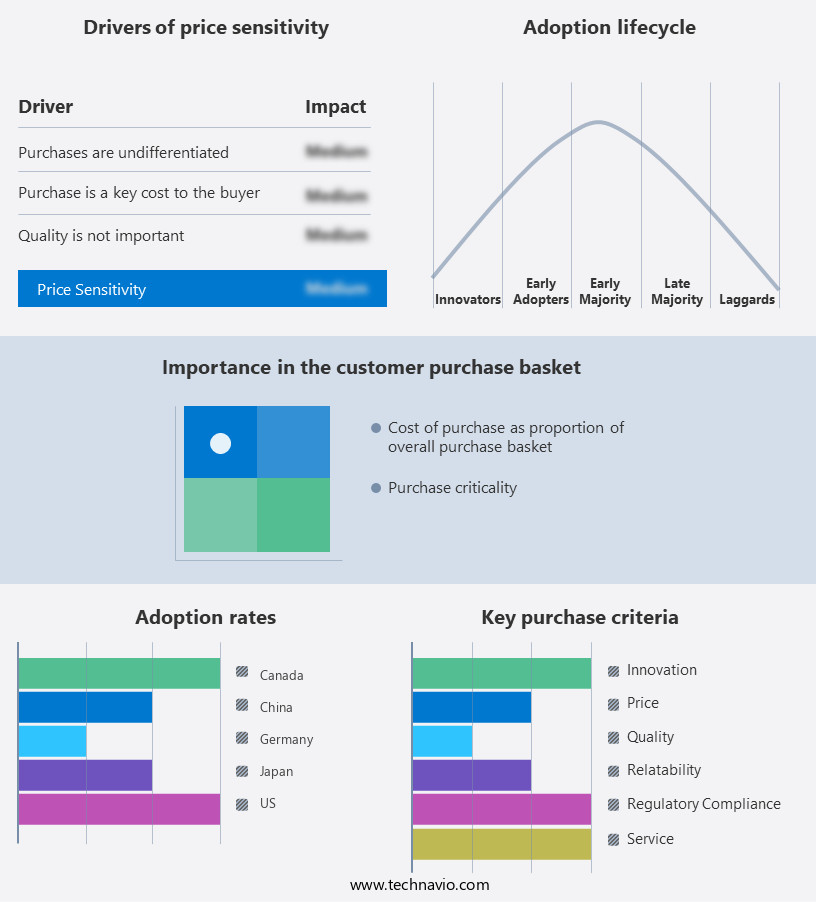
The market forecasting report includes the adoption lifecycle of the market, covering from the innovator's stage to the laggard's stage. It focuses on adoption rates in different regions based on penetration. Furthermore, the market report also includes key purchase criteria and drivers of price sensitivity to help companies evaluate and develop their market growth analysis strategies.
Customer Landscape
Key Companies & Market Insights
Companies are implementing various strategies, such as strategic alliances, market forecast, partnerships, mergers and acquisitions, geographical expansion, and product/service launches, to enhance their presence in the industry.
The industry research and growth report includes detailed analyses of the competitive landscape of the market and information about key companies, including:
- Alfa Chemicals Ltd.
- Alpha Wax BV
- Blended Waxes Inc.
- British Wax Ltd.
- Clarus Specialty Products LLC
- Compania Espanola de Petroleos SA
- DONGNAM PETROCHEMICALS
- Hase Petroleum Wax Co.
- Industrial Raw Materials LLC.
- Koster Keunen Inc
- NIPPON SEIRO CO. LTD.
- Paramelt Rmc BV
- Sasol Ltd.
- Shandong Yanggu Huatai Chemical Co. Ltd.
- Sinopec nanyang energy chemical industry co. LTD
- Sonneborn LLC
- Strahl and Pitsch Inc.
- Taiwan WAX COMPANY LTD.
- The International Group Inc.
- UNICORN PETROLEUM INDUSTRIES PVT. LTD.
Qualitative and quantitative analysis of companies has been conducted to help clients understand the wider business environment as well as the strengths and weaknesses of key industry players. Data is qualitatively analyzed to categorize companies as pure play, category-focused, industry-focused, and diversified; it is quantitatively analyzed to categorize companies as dominant, leading, strong, tentative, and weak.
Research Analyst Overview
Microcrystalline wax, derived from petroleum-based feedstocks, is a versatile type of wax widely used in various industries. Its unique properties, including high melting point, excellent thermal stability, and good flow characteristics, make it an essential component in numerous applications. The pharmaceutical industry is a significant end-user of microcrystalline wax, used as a coating material for tablets and capsules. In transportation activities, it is employed as a lubricant in fuel and oil refining processes. The food industry, particularly packaged food, utilizes them as a coating agent and a moisture barrier. Hard paraffin, a type of microcrystalline wax, is extensively used in the production of resins, plastics, and polymer additives.
Additionally, it is used in the production of solvents, resins, and other petrochemical products. In the transportation sector, it is used as a lubricant in refinery operations. In the oil and gas industry, it is used as a component in drilling mud and as a fuel additive. In the paints and coatings industry, it is used as a hardener and as a thickener. In the construction industry, it is used as a binder in concrete and asphalt. In the e-commerce sector, it is used in the production of packaging materials. In the paper packaging industry, it is used as a coating agent.
|
Market Scope |
|
|
Report Coverage |
Details |
|
Page number |
138 |
|
Base year |
2023 |
|
Historic period |
2018-2022 |
|
Forecast period |
2024-2028 |
|
Growth momentum & CAGR |
Accelerate at a CAGR of 3.27% |
|
Market growth 2024-2028 |
USD 60.6 million |
|
Market structure |
Fragmented |
|
YoY growth 2023-2024(%) |
3.14 |
|
Key countries |
US, China, Japan, Germany, and Canada |
|
Competitive landscape |
Leading Companies, Market Positioning of Companies, Competitive Strategies, and Industry Risks |
What are the Key Data Covered in this Market Research and Growth Report?
- CAGR of the industry during the forecast period
- Detailed information on factors that will drive the market growth and forecasting between 2024 and 2028
- Precise estimation of the size of the market and its contribution of the industry in focus to the parent market
- Accurate predictions about upcoming growth and trends and changes in consumer behaviour
- Growth of the market across APAC, North America, Europe, South America, and Middle East and Africa
- Thorough analysis of the market's competitive landscape and detailed information about companies
- Comprehensive analysis of factors that will challenge the market growth of industry companies
We can help! Our analysts can customize this market research report to meet your requirements.