


Mono Vaccine Market Size 2025-2029
The mono vaccine market size is forecast to increase by USD 2.67 billion at a CAGR of 4.6% between 2024 and 2029.
- The market is experiencing significant growth, driven by the increasing pediatric population and the ongoing trend of mergers and acquisitions in the healthcare industry. The expanding pediatric population necessitates a larger demand for vaccines, particularly mono vaccines, which protect against single diseases. Tuberculosis screening programs rely on these tests to identify individuals with tuberculosis sensitivity. Artificial intelligence and advanced diagnostics are increasingly utilized to enhance the accuracy of diagnoses, enabling more effective interventions. Furthermore, the consolidation of players in the healthcare sector through mergers and acquisitions is creating opportunities for vaccine manufacturers to expand their reach and increase market share. However, the development, storage, and handling of vaccines pose challenges for market participants.
- Ensuring the stability and efficacy of vaccines throughout their supply chain is crucial to prevent wastage and maintain public trust. The complexities of vaccine production and distribution require robust logistical capabilities and stringent regulatory compliance. Companies must navigate these challenges to effectively capitalize on market opportunities and meet the evolving needs of their customer base. One major concern is ensuring the human vaccines maintain their potency and stability, which requires an airtight seal and proper preservation.
What will be the Size of the Mono Vaccine Market during the forecast period?
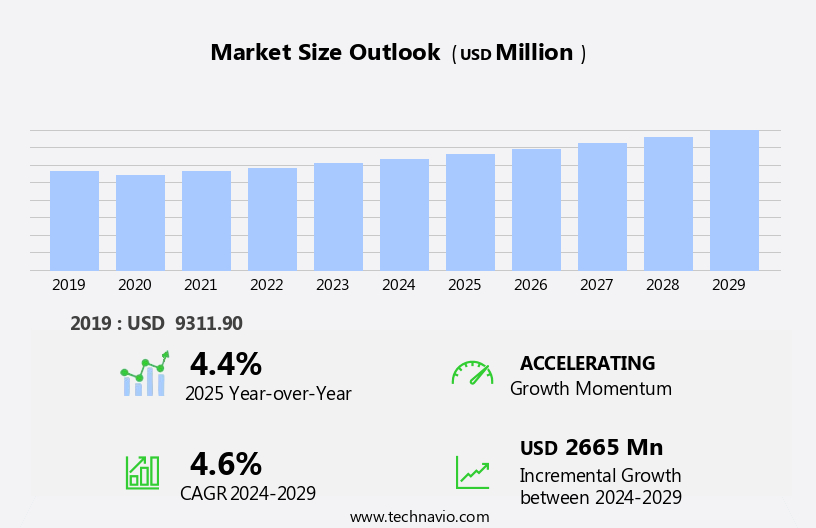
Explore in-depth regional segment analysis with market size data - historical 2019-2023 and forecasts 2025-2029 - in the full report.
Request Free Sample
- Mono vaccines play a crucial role in preventing infectious diseases, particularly in high-risk populations such as those in rapid vaccination campaigns for tuberculosis and hepatitis B. Tuberculosis screening programs and hepatitis B vaccination initiatives are gaining momentum, driven by the need to mitigate the spread of these diseases in correctional institutions, long-term-care facilities, and residential facilities. MRNA technology and viral vector platforms are revolutionizing vaccine development, enabling the creation of target-conferred vaccines for various diseases, including nasopharyngeal carcinoma. However, false negative results in diagnostic test procedures, such as the Mantoux method or chest X-rays, can pose challenges in clinical use.
- Specific pathogens, like Hodgkin's lymphoma, require intradermal tests for accurate diagnosis. Old tuberculin tests, which were once the standard, have been largely replaced by more sensitive methods. Intravenous drug users and adults with gastric carcinomas or children with endemic Burkitt's lymphoma are among those who benefit from these advancements. Mono vaccines are essential in addressing infectious diseases, especially in adult and children applications in nursing homes/facilities and mental institutions. Tuberculin sensitivity and infectious diseases like tuberculosis and hepatitis B continue to pose significant health concerns, necessitating ongoing research and innovation in the market.
How is this Mono Vaccine Industry segmented?
The mono vaccine industry research report provides comprehensive data (region-wise segment analysis), with forecasts and estimates in "USD million" for the period 2025-2029, as well as historical data from 2019-2023 for the following segments.
- Type
- Meningococcal vaccine
- Japanese encephalitis vaccine
- Hepatitis vaccine
- Yellow fever vaccine
- Others
- Application
- Adults
- Children
- End-user
- Hospitals
- Specialty clinics
- Research institutions
- Pharmaceutical companies
- Geography
- North America
- US
- Canada
- Europe
- France
- Germany
- Italy
- Spain
- UK
- APAC
- China
- India
- Japan
- Rest of World (ROW)
- North America
By Type Insights
The meningococcal vaccine segment is estimated to witness significant growth during the forecast period. The market is driven by the increasing prevalence of various infectious diseases, such as meningococcal meningitis, tuberculosis, and Epstein-Barr virus. Meningococcal meningitis, a bacterial disease that causes meningitis and can be transmitted through respiratory secretions or direct contact with an infected person, is a significant contributor to the market's growth. Asymptomatic carriers can also spread the infection. The largest and fastest-growing segment of the market is the meningococcal vaccine, which is in high demand due to the severe consequences of the disease, including a fatality rate of over 50% and potential complications. In clinical settings, mono vaccines are used for various indications, including tuberculosis screening programs for high-risk populations, such as nursing homes and correctional institutions.
The Mantoux test, an intradermal test used to detect tuberculosis, involves the administration of purified protein derivative (PPD). False negative results can occur due to a weakened immune response or an airtight seal of the skin around the injection site. Mono vaccines are also used for the prevention of diseases like glandular fever, multiple sclerosis, and cancer. For instance, the yellow fever vaccine is essential for travelers visiting endemic areas. The vaccine development process involves microbiological examination and multiple puncture tests to ensure the safety and efficacy of the vaccine. Long-term-care facilities, mental institutions, and residential facilities also require regular vaccination programs for their residents due to their susceptibility to various infectious diseases. Another key driver for the market is the production of vaccines, which has gained significant momentum in recent years due to the ongoing COVID-19 pandemic.
The immune system plays a crucial role in the response to vaccines, and liver function is an essential factor in the metabolism and elimination of vaccines. Intravenous drug users are at a higher risk of contracting infectious diseases due to their lifestyle, making vaccination essential for their health and well-being. Mono vaccines are administered according to specific directions for application to ensure optimal immune response. The market is expected to continue growing due to the increasing awareness of the importance of vaccination in preventing infectious diseases and the ongoing research and development of new vaccines. The market holds a significant share due to the rising number of immunization programs and the high prevalence of various infectious diseases, including meningitis, hepatitis A, hepatitis B, encephalitis, measles, cholera, tuberculosis, and others.
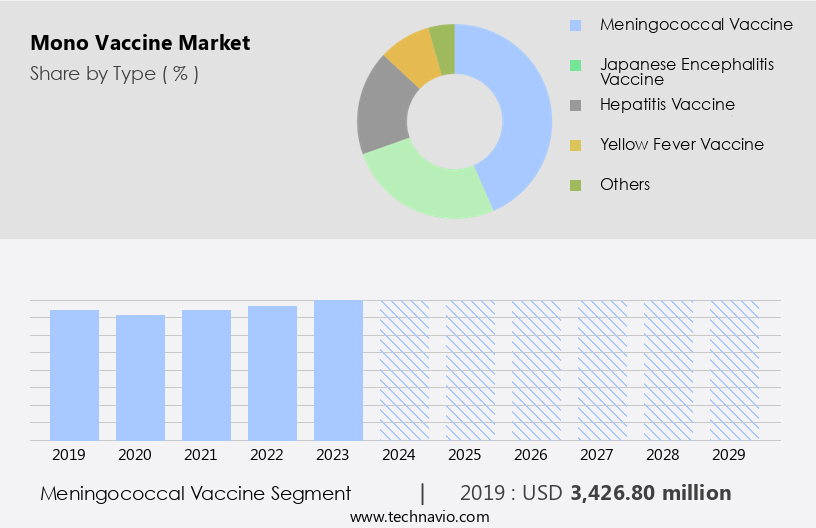
The Meningococcal vaccine segment was valued at USD 3.43 billion in 2019 and showed a gradual increase during the forecast period.
The Mono Vaccine Market is gaining attention as preventive strategies intensify against mononucleosis-related complications, especially among high risk children. Early diagnosis using tools like chest X-ray helps detect secondary infections and lung involvement, while elevated white blood cells serve as biomarkers for immune response and disease progression. Although treatment is typically supportive, penicillin antibiotics may be prescribed to address associated bacterial infections. Symptoms such as swollen lymph nodes underscore the need for vaccines that reduce disease severity and recurrence. Growing awareness, combined with pediatric safety protocols and ongoing research, is accelerating demand for effective mono vaccines.
The Mono Vaccine Market is evolving as clinical demand increases across both adult application and children application segments. With Epstein-Barr Virus (EBV) linked to mononucleosis and potential complications, early detection through diagnostics like chest X-ray aids in managing associated respiratory symptoms. Children, often more prone to infection, represent a key demographic for immunization programs, while adultsâespecially immunocompromised individualsâalso benefit from preventative care.
Regional Analysis
North America is estimated to contribute 39% to the growth of the global market during the forecast period. Technavio's analysts have elaborately explained the regional trends and drivers that shape the market during the forecast period.
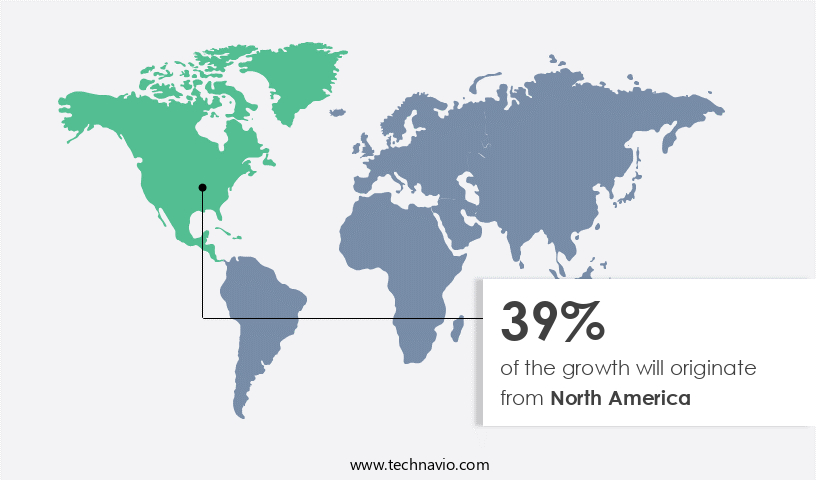
The market in North America is significantly driven by the increasing number of immunization programs and the high prevalence of infectious diseases. Infectious diseases such as meningitis, hepatitis A, hepatitis B, encephalitis, measles, cholera, and tuberculosis are common in the region. The Pan American Health Organization (PAHO) plays a pivotal role in shaping the market by providing recommended immunization schedules. The prevalence of meningitis has been increasing at a significant rate in developed countries, leading to a growing demand for vaccines against this disease. Furthermore, initiatives to raise awareness about immunization programs are on the rise.
Nursing homes and facilities, mental institutions, correctional institutions, long-term-care facilities, and residential facilities are key end-users of mono vaccines. The intradermal test, such as the Mantoux test, is commonly used for tuberculosis screening programs. Intravenous drug users are at high risk for various infectious diseases and require regular vaccinations. The Mantoux test and purified protein derivative (PPD) are used for tuberculin sensitivity tests. Microbiological examination is an essential diagnostic test procedure for identifying various infectious diseases. Vaccine development for diseases like multiple sclerosis and cancer association is ongoing. The immune system plays a crucial role in the body's defense against infectious diseases.
False negative results can occur in diagnostic tests, emphasizing the importance of proper administration and follow-up tests. An airtight seal is essential for maintaining the efficacy of vaccines, such as the Yellow Fever Vaccine. The market is expected to grow due to the increasing awareness and accessibility of vaccines, especially in high-risk populations.
Market Dynamics
Our researchers analyzed the data with 2024 as the base year, along with the key drivers, trends, and challenges. A holistic analysis of drivers will help companies refine their marketing strategies to gain a competitive advantage.
What are the Mono Vaccine market drivers leading to the rise in the adoption of Industry?
- The significant growth in the pediatric population serves as the primary market driver. The market is driven by the growing need for immunization in children, particularly in developing regions where high birth rates and weak healthcare infrastructure increase the vulnerability of newborns to various infectious diseases. Combination vaccines, which reduce the number of shots and healthcare visits, are gaining popularity due to their cost-effectiveness and time-saving benefits. The increasing immigration of families to developed countries, seeking employment opportunities, is contributing to a rise in the pediatric population in these regions. However, this demographic shift will account for a smaller share of the global population as birth rates decline and life expectancy increases.
- In developing countries, the lack of education, limited awareness of modern contraception methods, and improper implementation of birth control programs continue to fuel high birth rates. The Microbiological examination of the Mantoux method using Purified Protein Derivative (PPD) is a common screening tool for tuberculosis, and the vaccine market for this indication is expected to grow due to the increasing prevalence of tuberculosis, particularly among intravenous drug users and individuals with multiple sclerosis. Additionally, the cancer association with certain vaccines, such as the HPV vaccine, is driving demand in this market.
What are the Mono Vaccine market trends shaping the Industry?
- Mergers and acquisitions are experiencing a notable uptick, representing a prevailing market trend. This trend reflects the dynamic business landscape and the continuous pursuit of growth and competitiveness among companies. The market is experiencing significant growth due to the increasing focus on the development of vaccines for high-risk populations, such as children and individuals in correctional and mental institutions. Traditional methods, like the Mantoux test using old tuberculin, are being replaced by more advanced mono vaccines, such as the Meningococcal Vaccine.
- For instance, in February 2024, AstraZeneca announced the acquisition of Icosavax, Inc., a move aimed at bolstering its vaccine portfolio and enhancing its market presence. This trend is expected to continue, as companies seek to capitalize on the growing demand for mono vaccines and maintain their competitive edge in the industry. Market players are investing in research and development to innovate and produce vaccines with color variation for better patient compliance and ease of administration. Mergers and acquisitions have become a popular strategy for companies to expand their offerings and strengthen their market position.
How does Mono Vaccine market face challenges during its growth?
- The complexities and intricacies inherent in the production, preservation, and distribution of vaccines represent significant challenges that can hinder the expansion and progression of the pharmaceutical industry. Vaccine development faces complex challenges due to pathogens' intricate invasion mechanisms and the need for a comprehensive understanding of the host's immune response. Advancements in pathogenesis and etiology research have been instrumental in infectious disease management, but rapid phenotypic changes in pathogens pose significant hurdles in vaccine design and production. Moreover, the extended clinical trial periods for vaccine development contribute to increased costs.
- In long-term care facilities and residential care settings, diagnostic test procedures play a vital role in monitoring vaccine effectiveness and identifying false negative results. The immune system's response to vaccines is crucial for protecting against diseases such as Yellow Fever, and maintaining the integrity of the vaccine supply chain is essential for public health. Vaccines are delicate biological preparations that necessitate proper storage conditions, with most manufacturers and health organizations, including the CDC in the US, recommending storage between 2°C and 8°C. Ensuring an airtight seal during transportation and storage is crucial to maintaining vaccine efficacy.
Exclusive Customer Landscape
The mono vaccine market forecasting report includes the adoption lifecycle of the market, covering from the innovator's stage to the laggard's stage. It focuses on adoption rates in different regions based on penetration. Furthermore, the mono vaccine market report also includes key purchase criteria and drivers of price sensitivity to help companies evaluate and develop their market growth analysis strategies.
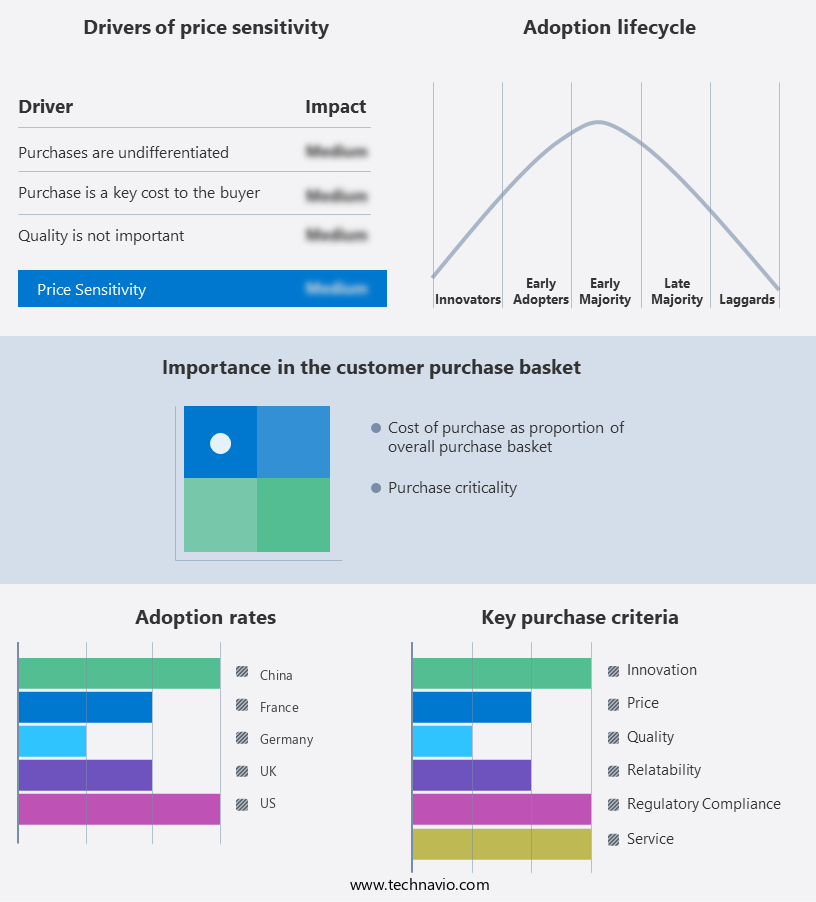
Customer Landscape
Key Companies & Market Insights
Companies are implementing various strategies, such as strategic alliances, mono vaccine market forecast, partnerships, mergers and acquisitions, geographical expansion, and product/service launches, to enhance their presence in the industry.
AstraZeneca Plc - The company introduces the ChAdOx1-S/nCoV-19 vaccine, a replication-deficient adenoviral vector innovation against COVID-19.
The industry research and growth report includes detailed analyses of the competitive landscape of the market and information about key companies, including:
- AstraZeneca Plc
- Aurobindo Pharma Ltd.
- Bavarian Nordic AS
- China National Pharmaceutical Group Corp.
- Dynavax Technologies Corp.
- GlaxoSmithKline Plc
- Johnson and Johnson Services Inc.
- Merck and Co. Inc.
- Moderna Inc.
- Pfizer Inc.
- Sanofi SA
- Serum Institute of India Pvt. Ltd.
- Shenzhen Kangtai Biological Products Co. Ltd.
- Valneva SE
- VBI Vaccines Inc.
- Zydus Lifesciences Ltd.
Qualitative and quantitative analysis of companies has been conducted to help clients understand the wider business environment as well as the strengths and weaknesses of key industry players. Data is qualitatively analyzed to categorize companies as pure play, category-focused, industry-focused, and diversified; it is quantitatively analyzed to categorize companies as dominant, leading, strong, tentative, and weak.
Recent Development and News in Mono Vaccine Market
- In January 2024, Merck & Co. Announced the successful completion of Phase 3 clinical trials for its new mono vaccine, Varivax-M, against mumps, with a reported efficacy rate of 95.4%. (Merck press release)
- In March 2024, Pfizer and Moderna entered into a strategic collaboration to jointly develop and commercialize a new mono vaccine for measles, mumps, and rubella (MMR). The partnership aimed to leverage Pfizer's manufacturing capabilities and Moderna's mRNA technology. (Pfizer press release)
- In May 2024, Sanofi Pasteur received regulatory approval from the European Medicines Agency (EMA) for its mono vaccine, Hexaxim, for the prevention of hepatitis A and typhoid fever in a single dose. (EMA press release)
- In April 2025, GlaxoSmithKline (GSK) announced a significant investment of USD500 million in its vaccine manufacturing facility in Rixensart, Belgium, to expand its mono vaccine production capacity. (GSK press release)
Research Analyst Overview
The market continues to evolve, driven by advancements in vaccine development and the expanding application across various sectors. The ongoing unfolding of market dynamics is particularly evident in the use of mono vaccines for high-risk populations, such as children and individuals in correctional and mental institutions. The mono vaccine, also known as the Mantoux test or tuberculin test, is used to detect tuberculosis (TB) infection. The test involves the administration of a small amount of tuberculin, a purified protein derivative, intradermally. The reaction is then assessed after a set period for signs of induration and erythema. Old tuberculin, a less purified form of tuberculin, has been used historically but is being gradually replaced by the more precise and standardized Mantoux test.
The Mantoux test is also used in the screening of intravenous drug users and in the monitoring of individuals with weakened immune systems, such as those in long-term care facilities and mental institutions. The market is also witnessing the development of new vaccines, such as the meningococcal vaccine, which protects against meningococcal disease. The vaccine is administered intramuscularly and is used in various settings, including correctional institutions and residential facilities. Despite the advancements, challenges persist, including the need for strict adherence to directions for application and the potential for false negative results due to factors such as an airtight seal during the intradermal test and liver function impairment.
The ongoing research and development efforts aim to address these challenges and expand the application of mono vaccines in clinical use, including in the diagnosis of infectious diseases such as tuberculosis and glandular fever, and in the prevention of diseases such as cancer and yellow fever.
Dive into Technavio's robust research methodology, blending expert interviews, extensive data synthesis, and validated models for unparalleled Mono Vaccine Market insights. See full methodology.
|
Market Scope |
|
|
Report Coverage |
Details |
|
Page number |
209 |
|
Base year |
2024 |
|
Historic period |
2019-2023 |
|
Forecast period |
2025-2029 |
|
Growth momentum & CAGR |
Accelerate at a CAGR of 4.6% |
|
Market growth 2025-2029 |
USD 2.67 billion |
|
Market structure |
Fragmented |
|
YoY growth 2024-2025(%) |
4.4 |
|
Key countries |
US, Germany, Canada, UK, France, Italy, China, Spain, Japan, and India |
|
Competitive landscape |
Leading Companies, Market Positioning of Companies, Competitive Strategies, and Industry Risks |
What are the Key Data Covered in this Mono Vaccine Market Research and Growth Report?
- CAGR of the Mono Vaccine industry during the forecast period
- Detailed information on factors that will drive the growth and forecasting between 2025 and 2029
- Precise estimation of the size of the market and its contribution of the industry in focus to the parent market
- Accurate predictions about upcoming growth and trends and changes in consumer behaviour
- Growth of the market across North America, Europe, Asia, and Rest of World (ROW)
- Thorough analysis of the market's competitive landscape and detailed information about companies
- Comprehensive analysis of factors that will challenge the mono vaccine market growth of industry companies
We can help! Our analysts can customize this mono vaccine market research report to meet your requirements.
 RIA -
RIA -