


Moocs Market Size 2026-2030
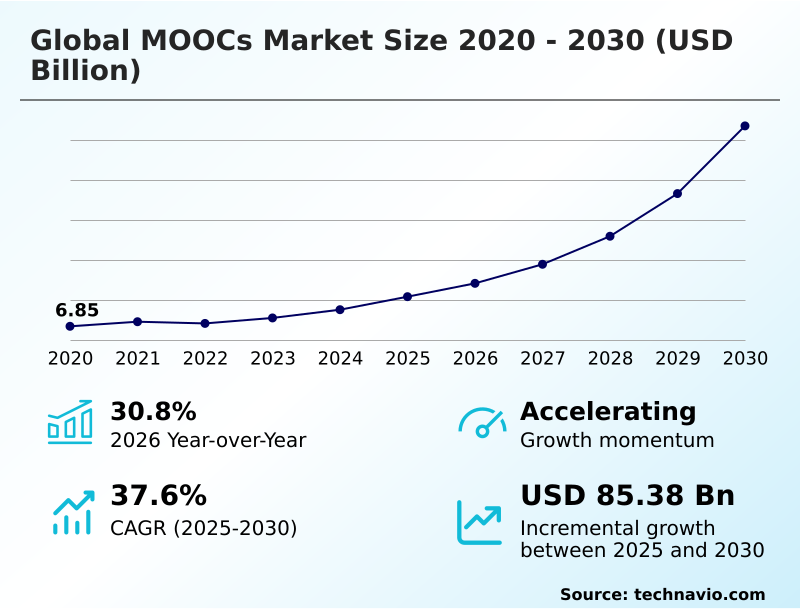
The Moocs Market size was valued at USD 21.66 billion in 2025, growing at a CAGR of 37.6% during the forecast period 2026-2030.
Major Market Trends & Insights
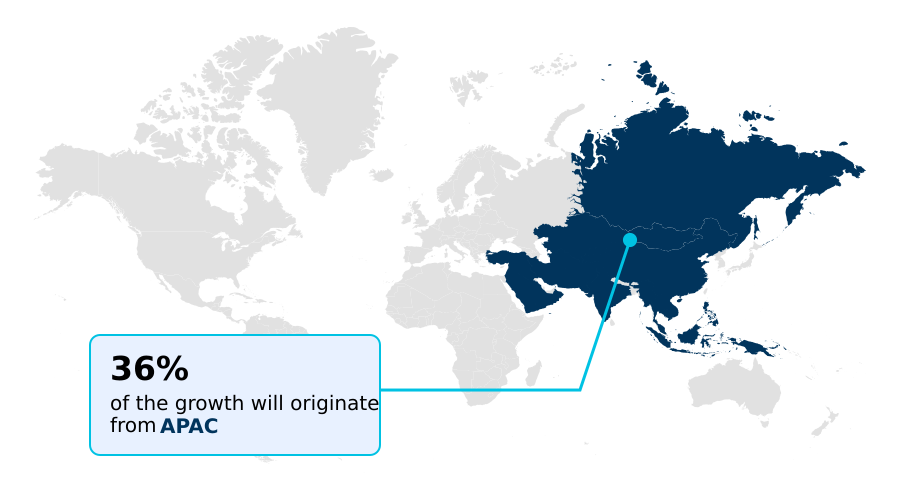
- APAC dominated the market and accounted for a 35.9% growth during the forecast period.
- By Type - xMOOCs segment was valued at USD 11.16 billion in 2024
- By Subjects - Technology segment accounted for the largest market revenue share in 2024
Market Size & Forecast
- Historic Market Opportunities 2020-2024: USD 100.20 billion
- Market Future Opportunities 2025-2030: USD 85.38 billion
- CAGR from 2025 to 2030 : 37.6%
Market Summary
- The moocs market is characterized by rapid content diversification and a 30.8% year-over-year growth rate, driven by the global demand for accessible skill acquisition. A key driver is the need for an effective mechanism to upscale skills, as professionals increasingly turn to online platforms for career-relevant credentials that are more flexible than traditional degrees.
- For instance, a multinational corporation's operational strategy may involve deploying a standardized cybersecurity training module to over 10,000 employees globally, achieving a 40% reduction in compliance training costs compared to in-person workshops. However, the market faces the significant challenge of low completion rates, which can hinder the perceived return on investment for both individual learners and corporate clients.
- This discrepancy between high enrollment and low completion acts as a major roadblock when trying to prove pedagogical value. The industry's expansion is therefore dependent on enhancing learner engagement and demonstrating clear, measurable outcomes.
What will be the Size of the Moocs Market during the forecast period?
Get Key Insights on Market Forecast (PDF) Request Free Sample
How is the Moocs Market Segmented?
The moocs industry research report provides comprehensive data (region-wise segment analysis), with forecasts and analysis for the period 2026-2030, as well as historical data from 2020-2024 for the following segments.
- Type
- xMOOCs
- cMOOCs
- Subjects
- Technology
- Science
- Business and management
- Arts and humanities
- Others
- End-user
- Students
- Professionals
- Corporates
- Geography
- North America
- US
- Canada
- Mexico
- APAC
- China
- India
- Japan
- Europe
- UK
- Germany
- France
- South America
- Brazil
- Argentina
- Colombia
- Middle East and Africa
- South Africa
- UAE
- Saudi Arabia
- Rest of World (ROW)
- North America
How is the Moocs Market Segmented by Type?
The xmoocs segment is estimated to witness significant growth during the forecast period.
The xMOOCs segment, constituting approximately 74% of the market, is defined by a structured, centralized learning model that mirrors traditional university curricula.
This approach prioritizes scalability, enabling a single course to reach thousands of learners through pre-recorded lectures and automated assessment tools delivered via sophisticated learning management systems.
The primary business impact is the ability to offer credentialed education at a lower operational cost per student compared to in-person instruction.
However, this model's effectiveness is challenged by low learner engagement, with course completion rates often falling below 15%, which directly affects student retention and the perceived value of these online course platforms.
Effective instructional design and content curation are critical for improving user experience design and mitigating high attrition.
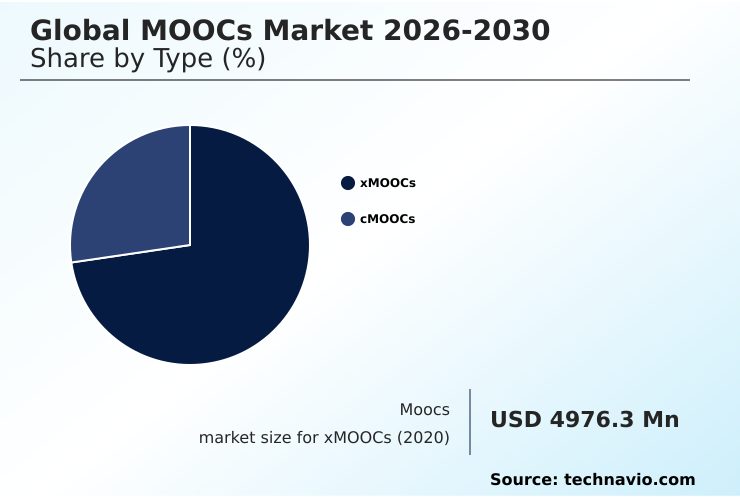
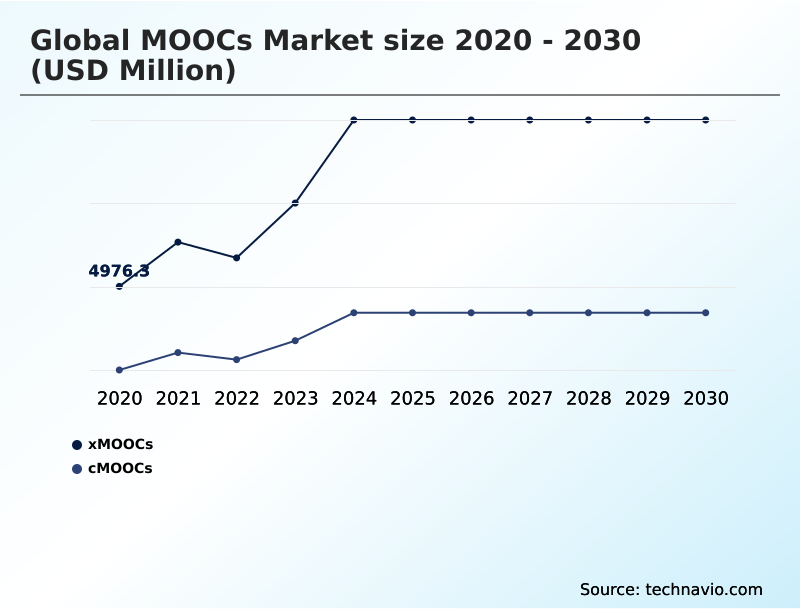
The xMOOCs segment was valued at USD 11.16 billion in 2024 and showed a gradual increase during the forecast period.
How demand for the Moocs market is rising in the leading region?
APAC is estimated to contribute 35.9% to the growth of the global market during the forecast period.Technavio’s analysts have elaborately explained the regional trends and drivers that shape the market during the forecast period.
See How Moocs Market demand is rising in APAC Request Free Sample
The geographic landscape of the MOOCs market is characterized by a significant growth differential between mature and emerging regions.
APAC is projected to be the largest contributor to market growth, accounting for over 35.9% of the global incremental opportunity, driven by massive government-led digital education initiatives in China and India.
This contrasts with North America, which, despite being a mature market, exhibits strong growth fueled by corporate training and professional upskilling, with the US market alone being over three times larger than China's.
This regional divergence impacts corporate strategy; for example, providers in APAC focus on mobile-first platforms and localized curriculum development to serve a vast student base, whereas in North America, the emphasis is on specialized online degree programs and corporate training partnerships.
The adoption of digital badges is nearly 50% higher in North America's professional sector compared to APAC's, reflecting different market needs for credentialing and social learning.
What are the key Drivers, Trends, and Challenges in the Moocs Market?
Our researchers analyzed the data with 2025 as the base year, along with the key drivers, trends, and challenges. A holistic analysis of drivers will help companies refine their marketing strategies to gain a competitive advantage.
- As the demand for specialized knowledge grows, learners and corporations are increasingly scrutinizing the best MOOC platforms for data science and other high-tech fields. The decision-making process extends beyond simple course availability to include factors like instructional quality, hands-on project integration, and the credibility of certifications.
- Organizations seeking corporate training MOOC solutions are evaluating platforms based on their ability to deliver measurable improvements in employee skills and integrate with existing talent management systems.
- A key industry metric, MOOC completion rates statistics, remains a central point of discussion, with platforms that incorporate gamification in online learning examples often demonstrating a 10-15% higher engagement rate than those with traditional formats. This has a direct impact on the perceived ROI of training investments.
- Consequently, the market for an accredited MOOC for professional development is expanding, as learners prioritize credentials that are formally recognized by employers and academic institutions.
- This trend underscores a shift from casual learning to targeted, career-oriented education, where the value of a course is directly tied to its ability to unlock tangible professional opportunities and provide a verifiable return on the learner's time and financial investment.
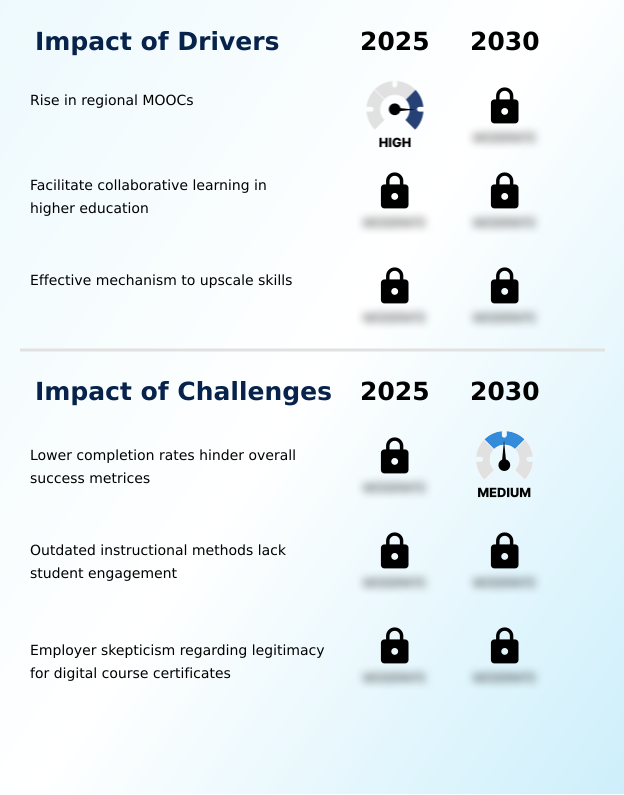
What are the key market drivers leading to the rise in the adoption of Moocs Industry?
- The rise in regional MOOCs, tailored to local languages and cultural contexts, is a key driver expanding the market's global reach and accessibility.
- The expansion of the MOOCs market is primarily fueled by two synergistic drivers: the rise of regionalized content and the urgent global need for workforce development.
- The emergence of cMOOCs and platforms offering content in local languages has significantly broadened market access, with non-English course enrollments in some regions growing 40% faster than their English counterparts.
- This localization fosters connectivism and addresses the specific needs of regional job markets. Simultaneously, the demand for reskilling and upskilling is accelerating the adoption of micro-credentials and skill-based learning.
- Professionals with industry-recognized digital credentials report a 25% higher rate of securing promotions or new career pathways.
- This makes lifelong learning not just an academic pursuit but a critical component of career resilience, positioning MOOCs as essential open educational resources for economic adaptability.
What are the market trends shaping the Moocs Industry?
- The extensive application of Massive Open Online Courses (MOOCs) in corporate training is an emerging market trend. It is reshaping professional development by offering scalable and flexible upskilling solutions.
- A defining trend in the MOOCs market is the integration of sophisticated technologies to enhance learning experiences. The growing prominence of gamification is transforming user engagement, with platforms incorporating game-design elements reporting up to a 20% increase in course completion rates compared to non-gamified counterparts. This approach uses points, badges, and leaderboards to motivate learners through complex subjects.
- Concurrently, the use of big data analytics is enabling the creation of personalized learning paths, where adaptive learning algorithms tailor content to individual student needs, improving learning efficiency by an estimated 30%. These e-learning solutions often include virtual labs for hands-on practice, making them highly effective for technical and scientific subjects.
- This shift from static content to interactive and data-driven educational technology is pivotal for both individual learners and B2B education clients.
What challenges does the Moocs Industry face during its growth?
- Persistently low course completion rates represent a key challenge, hindering the overall success metrics and perceived value of the industry.
- A primary challenge constraining the MOOCs market is the persistent skepticism from employers regarding the legitimacy of digital credentials, with studies indicating that only about 40% of hiring managers view online professional certificates as equivalent to traditional qualifications. This perception issue directly impacts the value proposition for learners and the effectiveness of talent management strategies using these tools.
- This is compounded by the operational challenge of ensuring academic integrity in a remote setting. While the adoption of proctored exams and robust peer assessment models is increasing, their implementation adds cost and complexity.
- Consequently, without universally accepted accreditation standards, the market struggles to overcome the hurdle of converting course completions into tangible career outcomes, which remains a significant barrier to achieving its full potential in competency-based education and workforce integration.
Exclusive Technavio Analysis on Customer Landscape
The moocs market forecasting report includes the adoption lifecycle of the market, covering from the innovator’s stage to the laggard’s stage. It focuses on adoption rates in different regions based on penetration. Furthermore, the moocs market report also includes key purchase criteria and drivers of price sensitivity to help companies evaluate and develop their market growth analysis strategies.
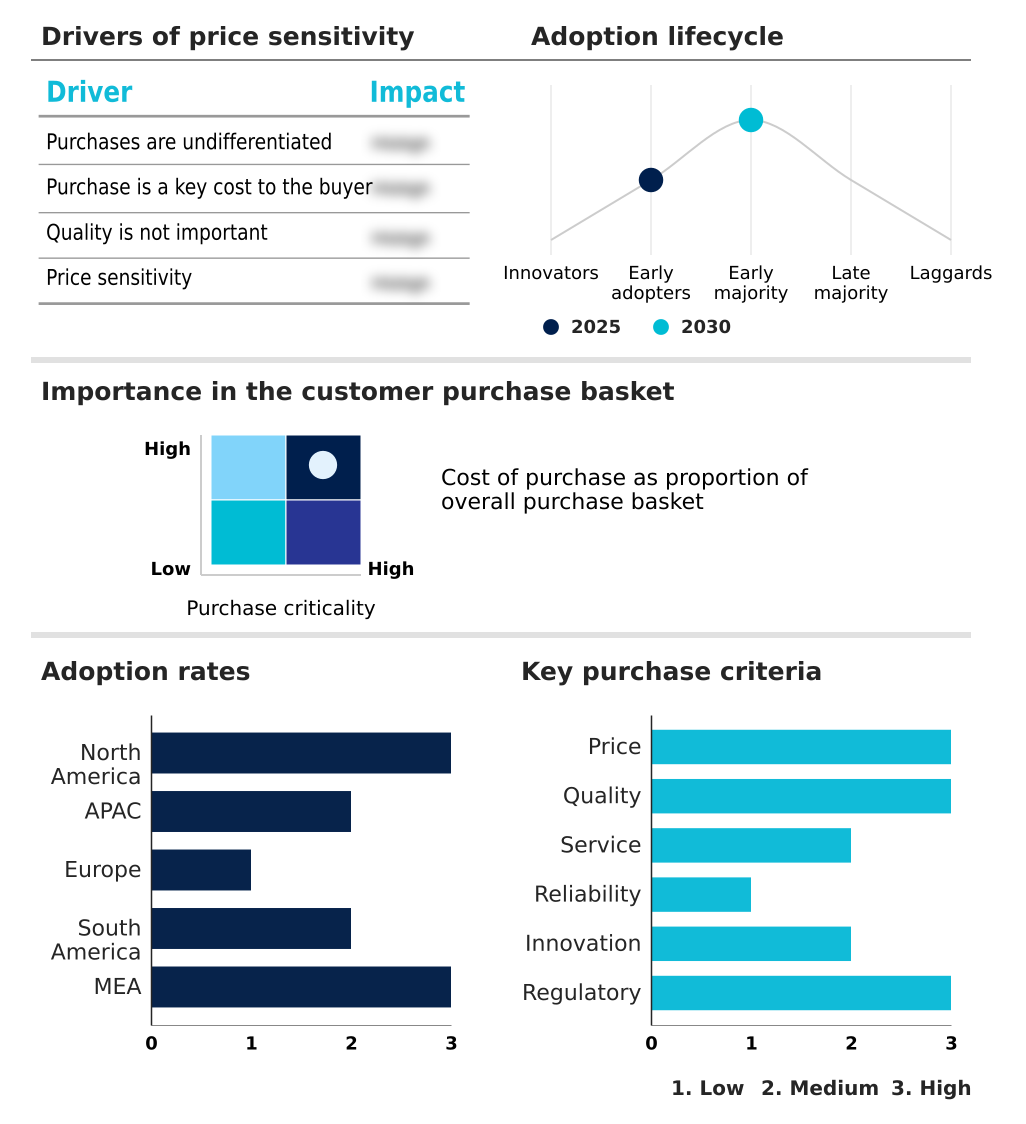
Customer Landscape of Moocs Industry
Competitive Landscape
Companies are implementing various strategies, such as strategic alliances, moocs market forecast, partnerships, mergers and acquisitions, geographical expansion, and product/service launches, to enhance their presence in the industry.
2U Inc. - Vendors provide a spectrum of digital learning solutions, from individual courses to comprehensive corporate training programs, emphasizing skill development and professional certification.
The industry research and growth report includes detailed analyses of the competitive landscape of the market and information about key companies, including:
- 2U Inc.
- Accenture Plc
- Brilliant Worldwide Inc.
- Coursera Inc.
- DataCamp Inc.
- Domestika Inc.
- FutureLearn Ltd.
- Kadenze Inc.
- Microsoft Corp.
- Mindvalley Inc.
- OpenClassrooms SAS
- Pearson Plc
- Pluralsight LLC
- SAP SE
- Simplilearn Solutions Pvt. Ltd.
- SkillShare Inc.
- Skillsoft Corp.
- Udemy Inc.
- XuetangX
Qualitative and quantitative analysis of companies has been conducted to help clients understand the wider business environment as well as the strengths and weaknesses of key industry players. Data is qualitatively analyzed to categorize companies as pure play, category-focused, industry-focused, and diversified; it is quantitatively analyzed to categorize companies as dominant, leading, strong, tentative, and weak.
Market Intelligence Radar: High-Impact Developments & Growth Signals
- In the Education Services industry, there is a significant shift toward modular and stackable credentials, where workforce development programs are increasingly built from micro-courses that lead to professional certificates, directly boosting demand in the global moocs market for flexible reskilling and upskilling pathways.
- The integration of AI-powered learning analytics into educational technology has become standard, enabling platforms to offer personalized learning paths and predictive insights on student retention, a capability that enhances the value proposition of e-learning solutions.
- A growing number of higher education institutions are forming direct partnerships with corporations for curriculum development, ensuring that online degree programs and digital credentials align with specific talent management needs and evolving career pathways.
- The widespread adoption of remote learning and hybrid work models has accelerated enterprise demand for scalable B2B education platforms, establishing online training as a core component of corporate infrastructure for continuous employee development and digital literacy.
Dive into Technavio’s robust research methodology, blending expert interviews, extensive data synthesis, and validated models for unparalleled Moocs Market insights. See full methodology.
| Market Scope | |
|---|---|
| Page number | 303 |
| Base year | 2025 |
| Historic period | 2020-2024 |
| Forecast period | 2026-2030 |
| Growth momentum & CAGR | Accelerate at a CAGR of 37.6% |
| Market growth 2026-2030 | USD 85383.4 million |
| Market structure | Fragmented |
| YoY growth 2025-2026(%) | 30.8% |
| Key countries | US, Canada, Mexico, China, India, Japan, South Korea, Australia, Indonesia, UK, Germany, France, Italy, Spain, The Netherlands, Brazil, Argentina, Colombia, South Africa, UAE, Saudi Arabia, Egypt and Turkey |
| Competitive landscape | Leading Companies, Market Positioning of Companies, Competitive Strategies, and Industry Risks |
Research Analyst Overview
- The MOOCs ecosystem operates as a complex network of interconnected stakeholders, with technology platforms like Coursera and edX at its core, facilitating the distribution of content from providers such as universities and industry experts. The technology subject segment dominates the market, capturing over 29% of the total revenue, highlighting the strong demand for IT skills.
- These platforms serve a diverse end-user base, including students, professionals, and corporate clients, with the corporate segment growing 1.2 times faster than the individual learner segment. Value chain activities include content creation, instructional design, platform management, and credentialing.
- Regulatory bodies and accreditation standards play an increasingly vital role in validating the quality and legitimacy of online courses, thereby influencing consumer trust and employer acceptance of digital credentials. Supporting entities providing learning analytics and proctoring services further enhance the ecosystem's functionality and integrity.
What are the Key Data Covered in this Moocs Market Research and Growth Report?
-
What is the expected growth of the Moocs Market between 2026 and 2030?
-
The Moocs Market is expected to grow by USD 85.38 billion during 2026-2030, registering a CAGR of 37.6%. Year-over-year growth in 2026 is estimated at 30.8%%. This acceleration is shaped by rise in regional moocs, which is intensifying demand across multiple end-use verticals covered in the report.
-
-
What segmentation does the market report cover?
-
The report is segmented by Type (xMOOCs, and cMOOCs), Subjects (Technology, Science, Business and management, Arts and humanities, and Others), End-user (Students, Professionals, and Corporates) and Geography (North America, APAC, Europe, South America, Middle East and Africa). Among these, the xMOOCs segment is estimated to witness significant growth during the forecast period, driven by rising adoption across key application areas. Each segment includes detailed qualitative and quantitative analysis, along with historical data from 2020-2024 and forecasts through 2030 with year-over-year growth rates.
-
-
Which regions are analyzed in the report?
-
The report covers North America, APAC, Europe, South America and Middle East and Africa. APAC is estimated to contribute 35.9% to market growth during the forecast period. Country-level analysis includes US, Canada, Mexico, China, India, Japan, South Korea, Australia, Indonesia, UK, Germany, France, Italy, Spain, The Netherlands, Brazil, Argentina, Colombia, South Africa, UAE, Saudi Arabia, Egypt and Turkey, with dedicated market size tables and year-over-year growth for each.
-
-
What are the key growth drivers and market challenges?
-
The primary driver is rise in regional moocs, which is accelerating investment and industry demand. The main challenge is lower completion rates hinder overall success metrices, creating operational barriers for key market participants. The report quantifies the impact of each driver and challenge across 2026 and 2030 with comparative analysis.
-
-
Who are the major players in the Moocs Market?
-
Key vendors include 2U Inc., Accenture Plc, Brilliant Worldwide Inc., Coursera Inc., DataCamp Inc., Domestika Inc., FutureLearn Ltd., Kadenze Inc., Microsoft Corp., Mindvalley Inc., OpenClassrooms SAS, Pearson Plc, Pluralsight LLC, SAP SE, Simplilearn Solutions Pvt. Ltd., SkillShare Inc., Skillsoft Corp., Udemy Inc. and XuetangX. The report provides qualitative and quantitative analysis categorizing companies as dominant, leading, strong, tentative, and weak based on their market positioning. Company profiles include business segment analysis, SWOT assessment, key offerings, and recent strategic developments.
-
Market Research Insights
- The competitive landscape of the MOOCs market is intensifying, with over 35% of market share concentrated among leading platforms. Key vendors like Coursera Inc. and Udemy Inc. are driving innovation by expanding their B2B offerings and integrating AI-powered features.
- For instance, the introduction of AI-dubbed courses in multiple languages aims to capture a larger share of the non-English speaking market, which is growing 1.5 times faster than the English-speaking segment. These strategic moves respond directly to the primary industry driver: the urgent need for scalable workforce development and reskilling.
- However, vendors continue to grapple with employer skepticism regarding the legitimacy of digital certificates. To counter this, companies are strengthening partnerships with universities and implementing more rigorous, proctored exam protocols to enhance the credibility of their credentials and align with enterprise demands for verifiable skills.
We can help! Our analysts can customize this moocs market research report to meet your requirements.
 RIA -
RIA -