

Movie Theater Market Size 2025-2029
The movie theater market size is forecast to increase by USD 29.5 billion, at a CAGR of 6.8% between 2024 and 2029.
- The market is experiencing significant shifts in consumer preferences and competitive dynamics. The release of high-profile movies continues to drive demand for the cinematic experience, providing an opportunity for theater operators to capitalize on audience interest. However, this trend faces challenges as technology advances and consumer behaviors evolve. The integration of virtual reality (VR), augmented reality (AR), and interactive elements within theaters represents a key trend, enhancing the overall movie-going experience. This innovation not only attracts new audiences but also encourages repeat visits, setting theaters apart from digital streaming platforms.
- Yet, the increasing competition from these platforms poses a significant challenge. As consumers have more options for convenient and cost-effective entertainment, movie theaters must adapt to remain competitive. Strategies such as offering unique experiences, flexible pricing models, and loyalty programs can help theater operators navigate this competitive landscape and continue to attract and retain customers.
What will be the Size of the Movie Theater Market during the forecast period?
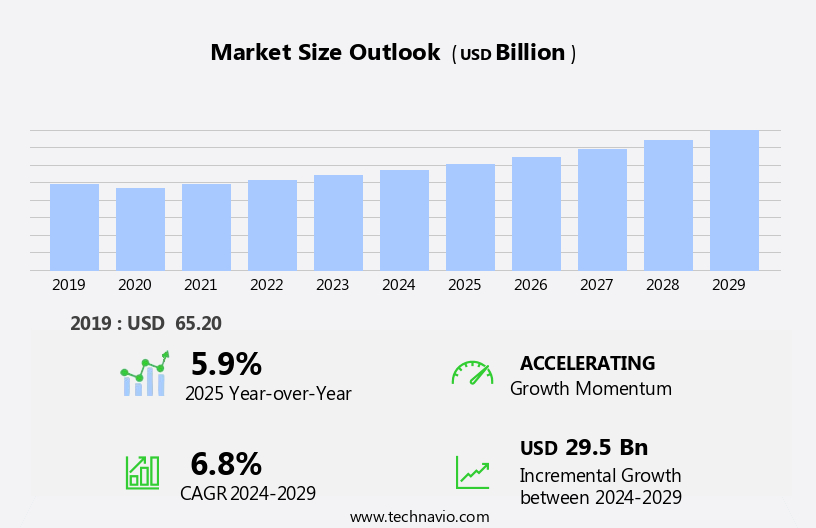
Explore in-depth regional segment analysis with market size data - historical 2019-2023 and forecasts 2025-2029 - in the full report.
Request Free Sample
The market continues to evolve, with technology playing a pivotal role in enhancing the cinematic experience. Touchscreen technology and digital signage are increasingly being integrated into movie theaters, providing ADA accessibility and public information while boosting brand awareness. A content management system facilitates content scheduling and real-time updates, ensuring seamless operation on various operating systems. Video walls and LED displays offer larger screen sizes and improved contrast ratios, while software integration and video streaming enable dynamic content and audience engagement. Sound quality and audio systems are also essential components, ensuring an immersive experience. Power consumption and energy efficiency are crucial considerations, with movie theaters seeking to minimize their carbon footprint.
Projection systems, hospitality applications, multi-touch capability, and hardware compatibility are essential features that cater to diverse audience needs. Emergency communication systems ensure safety and compliance with public spaces regulations. Interactive displays and customer experience enhancements are key differentiators, with security features safeguarding against potential threats. Movie theaters are also leveraging technology for corporate communications, retail marketing, event promotion, and data analytics, making the market a dynamic and evolving landscape.
How is this Movie Theater Industry segmented?
The movie theater industry research report provides comprehensive data (region-wise segment analysis), with forecasts and estimates in "USD billion" for the period 2025-2029, as well as historical data from 2019-2023 for the following segments.
- Type
- Multiplexes
- IMAX theater
- Drive-in theater
- Independent theater
- Screen Type
- 3D
- 2D
- Others
- Method
- Chain-operated theaters
- Independently operated
- Franchised models
- Public-private partnerships
- Boutique or luxury cinema experiences
- Geography
- North America
- US
- Canada
- Europe
- France
- Germany
- Italy
- UK
- APAC
- China
- India
- Japan
- South Korea
- Rest of World (ROW)
- North America
By Type Insights
The multiplexes segment is estimated to witness significant growth during the forecast period.
In the dynamic the market, multiplexes have gained significant traction due to their ability to cater to diverse audiences by screening multiple films under one roof. These modern cinema complexes prioritize viewer experience with advanced technologies such as touchscreen digital signage, ensuring ADA accessibility, and providing real-time updates on showtimes. Brands leverage these platforms for enhanced brand awareness and content management systems facilitate seamless content scheduling and operating system support. Video walls and LED displays add to the immersive experience, while interactive displays and multi-touch capability engage audiences. Sound quality and audio systems ensure optimal listening experience, and energy-efficient technologies prioritize sustainability.
Compliance with accessibility standards and emergency communication systems ensure a safe and inclusive environment. Projection systems and video streaming platforms deliver high-definition visuals, while software integration and content scheduling ensure smooth operations. Hospitality applications, such as concession stands, offer a range of options for customers, enhancing their overall experience. Dynamic content and remote monitoring enable real-time updates and maintenance, while security features ensure peace of mind for both theater owners and patrons. Movie theaters also serve as valuable corporate communication and retail marketing tools, promoting events and data analytics help in understanding audience demographics and preferences. With the integration of these technologies, the market continues to evolve, offering innovative solutions for entertainment, hospitality, and communication.
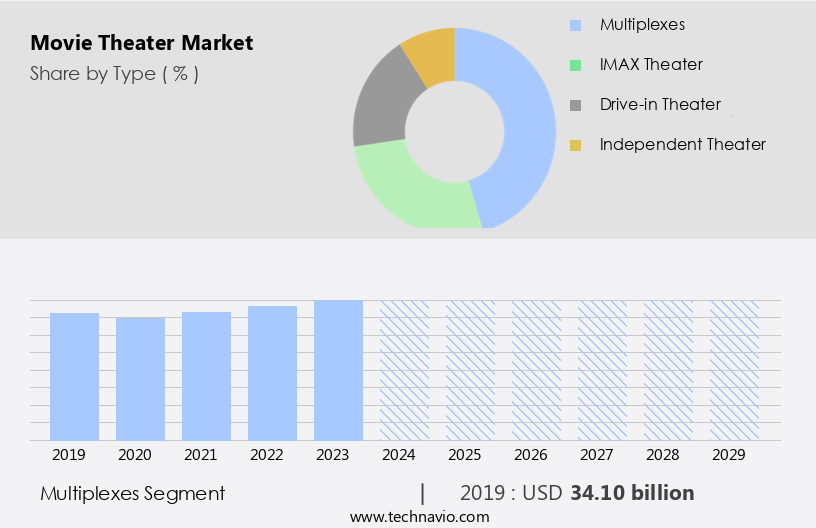
The Multiplexes segment was valued at USD 34.10 billion in 2019 and showed a gradual increase during the forecast period.
Regional Analysis
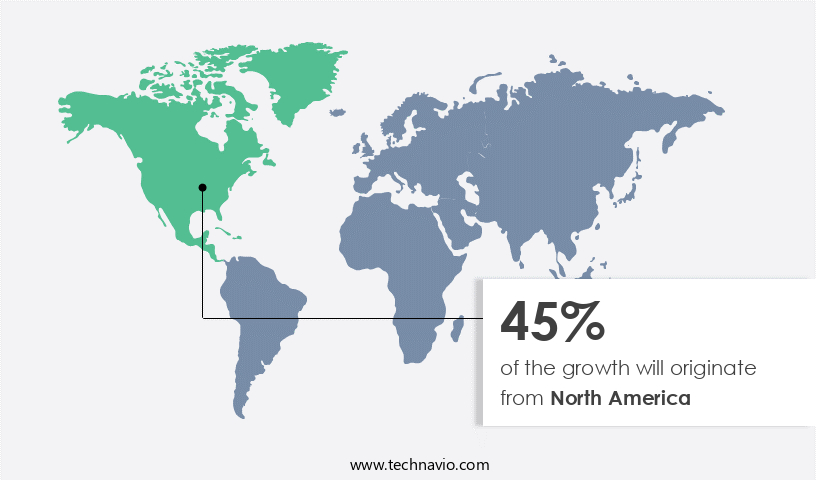
North America is estimated to contribute 45% to the growth of the global market during the forecast period.Technavio’s analysts have elaborately explained the regional trends and drivers that shape the market during the forecast period.
The APAC region is a significant player in The market, marked by its vast population, increasing disposable incomes, and strong cultural attachment to cinema. China, the world's second-largest movie market, witnesses a thriving film industry and an extensive network of contemporary multiplexes. India, known for its Bollywood film industry, is home to major multiplex chains like PVR INOX, offering a variety of local and international films to cater to diverse audiences. Japan and South Korea, with their rich cinematic histories, boast advanced theaters led by companies such as Lotte and CJ Group, delivering immersive experiences. In the APAC region, touchscreen technology and digital signage enhance audience engagement, while ADA accessibility ensures compliance with public information needs.
Content management systems and video walls facilitate dynamic content scheduling and real-time updates. Operating system support, software integration, and video streaming cater to various audience preferences. LED displays, sound quality, and audio systems provide optimal viewing and listening experiences. Power consumption, contrast ratio, and display networks are essential considerations for energy efficiency. Installation services, remote monitoring, and emergency communication systems ensure safety and security. Hospitality applications, multi-touch capability, and hardware compatibility cater to diverse customer needs. Interactive displays, security features, and energy efficiency are crucial for enhancing the customer experience. Corporate communications, retail marketing, event promotion, and data analytics are integral to movie theaters' strategic initiatives. The APAC region's the market is poised for continued expansion and innovation in the forecast period.
Market Dynamics
Our researchers analyzed the data with 2024 as the base year, along with the key drivers, trends, and challenges. A holistic analysis of drivers will help companies refine their marketing strategies to gain a competitive advantage.
In the dynamic and ever-evolving the market, film enthusiasts gather to immerse themselves in cinematic experiences. From state-of-the-art 3D technology and IMAX screens to plush recliner seats and gourmet concessions, movie theaters cater to diverse audience preferences. Digital projection systems, Dolby Atmos sound, and closed-captioning ensure accessibility for all. The market embraces innovation, with virtual reality and interactive experiences on the horizon. Ticket sales, concession revenue, and membership programs drive revenue. Movie theaters offer a unique social experience, fostering community engagement and creating lasting memories. With a focus on customer satisfaction and a commitment to delivering high-quality entertainment, the market continues to thrive.
What are the key market drivers leading to the rise in the adoption of Movie Theater Industry?
- The significant rise in the production and release of high-profile movies serves as the primary catalyst for market growth in the entertainment industry.
- The market experiences significant growth due to the increasing demand for immersive theatrical experiences driven by high-profile movie releases. These films, also known as blockbusters, are characterized by large budgets, famous actors, directors, and captivating storylines that generate immense anticipation and excitement among audiences. The allure of these movies encourages viewers to attend theaters for a communal viewing experience, enhancing audience engagement. Moreover, technological advancements in movie theater technology contribute to this market growth. Innovations such as larger screen sizes, software integration, LED displays, and advanced audio systems offer improved sound quality and visual clarity.
- These enhancements create a more harmonious and immersive environment for viewers, further increasing the appeal of theatrical releases. Display networks and video streaming platforms have also influenced the movie theater industry by offering alternative viewing options. However, the unique experience of watching a movie on a large screen with high-quality sound and in a social setting remains a compelling draw for many viewers. Despite the competition from streaming services, the market continues to thrive due to the enduring appeal of the big screen experience.
What are the market trends shaping the Movie Theater Industry?
- The integration of virtual reality (VR), augmented reality (AR), and interactive elements is becoming a significant trend in the theater industry. This technological advancement enhances the overall cinematic experience by providing audiences with immersive and engaging environments.
- The market is experiencing significant advancements with the integration of dynamic technologies, including virtual reality (VR) and augmented reality (AR), to create immersive cinematic experiences. VR technology enables viewers to step into the film world, offering a fully immersive experience with interactive elements and characters. AR overlays digital content onto the physical environment, enhancing the movie-watching experience with supplementary information and interactive elements. These technologies not only revolutionize storytelling but also provide additional hospitality applications, such as remote monitoring and multi-touch capability for enhanced audience engagement. Projection systems are also evolving, with hardware compatibility ensuring seamless integration of these advanced technologies.
- Moreover, VR and AR technologies offer emergency communication capabilities, ensuring safety in public spaces and adhering to compliance standards. Theaters are focusing on creating harmonious and immersive environments that emphasize audience experience, rather than striking a balance between technology and tradition. In conclusion, recent research indicates that the integration of VR, AR, and interactive elements is transforming the market, offering audiences a multisensory and engaging cinematic experience. These technologies provide numerous benefits, including enhanced storytelling, improved audience engagement, and additional hospitality applications. Theaters are committed to leveraging these cutting-edge technologies to deliver a memorable and immersive moviegoing experience.
What challenges does the Movie Theater Industry face during its growth?
- The intensifying competition posed by digital streaming platforms represents a significant challenge to the industry's growth trajectory.
- The market faces intense competition from digital streaming platforms, significantly impacting consumer behavior and viewing habits. These platforms, including Netflix, Amazon Prime Video, and Disney+, provide unlimited access to a vast library of films and original content, enabling consumers to watch movies at their convenience and from the comfort of their homes. The flexibility and affordability offered by digital streaming services have become compelling alternatives to traditional movie theater outings, with consumers no longer bound by fixed screening times, ticket prices, or travel requirements. To remain competitive, movie theaters are investing in innovative technologies to enhance the customer experience.
- Interactive displays and advanced seating options are becoming increasingly common, while security features ensure a safe and enjoyable environment. Energy efficiency is another priority, with theaters implementing sustainable practices to reduce their carbon footprint. Corporate communications and retail marketing are essential strategies for movie theaters to attract and retain customers. Event promotion and data analytics help theaters tailor their offerings to audience preferences and optimize their marketing efforts. By focusing on customer experience, security, energy efficiency, and effective marketing, movie theaters can differentiate themselves from digital streaming services and maintain their relevance in the entertainment industry.
Exclusive Customer Landscape
The movie theater market forecasting report includes the adoption lifecycle of the market, covering from the innovator’s stage to the laggard’s stage. It focuses on adoption rates in different regions based on penetration. Furthermore, the movie theater market report also includes key purchase criteria and drivers of price sensitivity to help companies evaluate and develop their market growth analysis strategies.
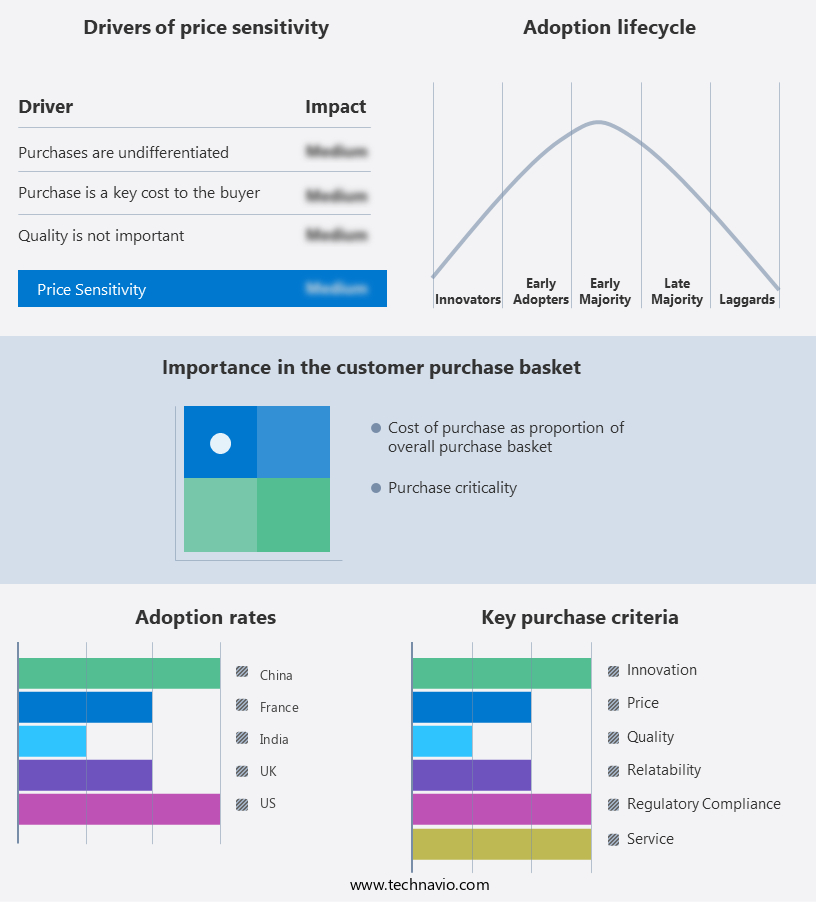
Customer Landscape
Key Companies & Market Insights
Companies are implementing various strategies, such as strategic alliances, movie theater market forecast, partnerships, mergers and acquisitions, geographical expansion, and product/service launches, to enhance their presence in the industry.
Alamo Intermediate II Holdings LLC - This company specializes in movie theaters, providing a carefully chosen film selection, in-theater dining with an extensive menu and beverage options, and stringent quiet policies. Patrons can enjoy unique experiences through special events and themed screenings. The immersive cinematic experience is enhanced by the combination of high-quality entertainment and fine dining.
The industry research and growth report includes detailed analyses of the competitive landscape of the market and information about key companies, including:
- Alamo Intermediate II Holdings LLC
- AMC Entertainment Holdings Inc.
- B and B Movie Theatres Operating Co. Inc.
- Cinemark Holdings Inc.
- Cineplex Inc.
- CJ Group
- Golden Screen Cinemas Sdn Bhd
- Harkins Reel Deals LLC
- Kerasotes Showplace Theatres LLC
- Lotte Corp.
- National Amusements
- Omniplex Cinema Group
- Picturehouse Cinemas Ltd.
- PVR INOX Ltd.
- Reading Entertainment Australia Pty Ltd.
- Reel Cinemas
- Ster Kinekor Theatres Proprietary Ltd.
- THE MARCUS CORP.
- VUE INTERNATIONAL
- Wave Cinemas
Qualitative and quantitative analysis of companies has been conducted to help clients understand the wider business environment as well as the strengths and weaknesses of key industry players. Data is qualitatively analyzed to categorize companies as pure play, category-focused, industry-focused, and diversified; it is quantitatively analyzed to categorize companies as dominant, leading, strong, tentative, and weak.
Recent Development and News in Movie Theater Market
- In January 2024, AMC Entertainment Holdings, Inc., the world's largest movie theater chain, announced the launch of its new premium large format (PLF) cinema concept, AMC Prime PLF, in 100 additional U.S. Theaters (AMC press release, 2024). This expansion aimed to enhance the movie-going experience by offering larger seats, reserved seating, enhanced food and beverage offerings, and improved sound and picture quality.
- In March 2024, Regal Cinemas, a leading movie theater chain, entered into a strategic partnership with IMAX Corporation to upgrade 200 of its theaters with IMAX technology (Regal press release, 2024). This collaboration aimed to provide Regal customers with access to IMAX's immersive movie experiences, strengthening Regal's competitive position in the market.
- In April 2025, Cinemark Holdings, Inc. Completed the acquisition of Rave Cinemas, a major movie theater chain with 33 locations in the U.S. And Canada, for approximately USD115 million (Cinemark press release, 2025). This acquisition expanded Cinemark's presence in key markets and increased its total number of screens by approximately 15%.
- In May 2025, the European Union approved the merger of Cineworld Group PLC and CinemaCity International N.V., creating Europe's second-largest cinema chain with over 9,500 screens (European Commission press release, 2025). The merger aimed to strengthen the combined company's position in the European market and enhance its ability to compete with market leaders like Cineworld and Vue International.
Research Analyst Overview
- In the dynamic the market, interactive maps and location-based services enhance the cinematic experience for audiences. Smart retail solutions, integrated with digital menu boards and mobile app functionality, offer personalized offerings based on customer insights. High definition (HD) and 8k resolution, coupled with HDR technology, deliver broadcast-quality visuals. Artificial intelligence (AI) and machine learning enable content optimization and targeted advertising. Virtual and augmented reality technologies offer immersive experiences, while user experience (UX) remains a priority. Cloud-based software development facilitates efficient content creation tools and real-time analytics dashboards.
- Interactive games, 3D projection, and facial recognition add to the entertainment value. Video conferencing and interactive kiosks cater to group bookings and event coordination. The integration of these advanced technologies in movie theaters signifies a shift towards smart cities and a more engaging, customized moviegoing experience.
Dive into Technavio’s robust research methodology, blending expert interviews, extensive data synthesis, and validated models for unparalleled Movie Theater Market insights. See full methodology.
|
Market Scope |
|
|
Report Coverage |
Details |
|
Page number |
210 |
|
Base year |
2024 |
|
Historic period |
2019-2023 |
|
Forecast period |
2025-2029 |
|
Growth momentum & CAGR |
Accelerate at a CAGR of 6.8% |
|
Market growth 2025-2029 |
USD 29.5 billion |
|
Market structure |
Fragmented |
|
YoY growth 2024-2025(%) |
5.9 |
|
Key countries |
US, China, Japan, Germany, India, Canada, UK, France, South Korea, and Italy |
|
Competitive landscape |
Leading Companies, Market Positioning of Companies, Competitive Strategies, and Industry Risks |
What are the Key Data Covered in this Movie Theater Market Research and Growth Report?
- CAGR of the Movie Theater industry during the forecast period
- Detailed information on factors that will drive the growth and forecasting between 2025 and 2029
- Precise estimation of the size of the market and its contribution of the industry in focus to the parent market
- Accurate predictions about upcoming growth and trends and changes in consumer behaviour
- Growth of the market across APAC, North America, Europe, Middle East and Africa, and South America
- Thorough analysis of the market’s competitive landscape and detailed information about companies
- Comprehensive analysis of factors that will challenge the movie theater market growth of industry companies
We can help! Our analysts can customize this movie theater market research report to meet your requirements.
 RIA -
RIA -