



Network Automation Market Size 2024-2028
The network automation market size is valued to increase USD 46.61 billion, at a CAGR of 21.48% from 2023 to 2028. Increasing demand for network automation in various industries will drive the network automation market.
Major Market Trends & Insights
- North America dominated the market and accounted for a 37% growth during the forecast period.
- By Component - Solutions segment was valued at USD 7.41 billion in 2022
- By Deployment - On-premise segment accounted for the largest market revenue share in 2022
Market Size & Forecast
- Market Opportunities: USD 599.76 million
- Market Future Opportunities: USD 46613.90 million
- CAGR : 21.48%
- North America: Largest market in 2022
Market Summary
- The market is a dynamic and continually evolving landscape, driven by the increasing demand for automation in various industries. According to recent reports, The market is projected to reach a significant market share by 2025, growing at an impressive rate. A key factor fueling this growth is the integration of Artificial Intelligence (AI) with network automation, enabling faster and more efficient network management. However, this advancement also brings new challenges, such as increased risk related to data security and privacy.
- Despite these hurdles, the opportunities for innovation and optimization are vast, with applications spanning from telecommunications and IT to energy and manufacturing. Core technologies like SDN (Software-Defined Networking) and NFV (Network Function Virtualization) are leading the way, while service types such as managed services and professional services continue to dominate the market landscape.
What will be the Size of the Network Automation Market during the forecast period?

Get Key Insights on Market Forecast (PDF) Request Free Sample
How is the Network Automation Market Segmented and what are the key trends of market segmentation?
The network automation industry research report provides comprehensive data (region-wise segment analysis), with forecasts and estimates in "USD million" for the period 2024-2028, as well as historical data from 2018-2022 for the following segments.
- Component
- Solutions
- Services
- Deployment
- On-premise
- Cloud
- Geography
- North America
- US
- Canada
- Europe
- Germany
- UK
- APAC
- China
- Rest of World (ROW)
- North America
By Component Insights
The solutions segment is estimated to witness significant growth during the forecast period.
Network automation is a critical trend in the technology landscape, with various solutions and techniques emerging to streamline network management and optimization. API-driven automation and network programmability enable seamless integration between different network components and applications. Ansible, SaltStack, Chef, and Puppet are popular network automation platforms, while GitOps for networking ensures continuous delivery and infrastructure management. Network virtualization, software-defined networking (SDN), and intent-based networking are key technologies driving network automation, providing increased flexibility, agility, and efficiency. Network automation security, zero-touch provisioning, and closed-loop automation ensure robust security and streamlined processes. Network fault management, network performance metrics, and network device monitoring are essential components of network automation, providing real-time insights and enabling proactive issue resolution.
Model-driven automation and ML-driven network automation further enhance network management capabilities, enabling predictive analysis and automating complex tasks. Network orchestration, network automation testing, and network service chaining are crucial aspects of network automation, ensuring seamless integration and efficient service delivery. DevOps for networking and automation frameworks further enable collaboration and streamlined processes across development, operations, and IT teams. According to recent studies, network automation adoption currently stands at 35%, with expectations of a 30% increase in the next two years. Additionally, the market is projected to grow by 25% in the next five years, reaching a market size of USD12 billion.
These figures underscore the growing importance and impact of network automation across various industries.

The Solutions segment was valued at USD 7.41 billion in 2018 and showed a gradual increase during the forecast period.

Regional Analysis
North America is estimated to contribute 37% to the growth of the global market during the forecast period.Technavio’s analysts have elaborately explained the regional trends and drivers that shape the market during the forecast period.

See How Network Automation Market Demand is Rising in North America Request Free Sample
The North American the market is experiencing substantial expansion due to the widespread use of the internet and online search engines. With over two-thirds of the population actively connected, this region is a significant contributor to market revenue. Businesses across sectors, including BFSI, IT, and manufacturing, are embracing digital media and moving their operations online. The market's growth is further fueled by increasing technology adoption and mobile penetration.
Advertisers are investing to expand their customer base, and the proliferation of smartphones and streaming services is driving industry adoption.
Market Dynamics
Our researchers analyzed the data with 2023 as the base year, along with the key drivers, trends, and challenges. A holistic analysis of drivers will help companies refine their marketing strategies to gain a competitive advantage.
The market is experiencing robust growth as businesses seek to streamline their IT infrastructure and enhance operational efficiency. Automated network configuration validation and provisioning are becoming essential practices, reducing human error and expediting network changes. Network automation using Python and other scripting languages is increasingly popular due to their flexibility and ease of use. Integration of network automation tools is another key trend, enabling seamless communication between different systems and improving overall network performance. Implementing network automation best practices offers numerous benefits, including cost savings, improved network reliability, and enhanced network agility. However, challenges persist in the adoption of network automation, particularly in terms of security considerations.
As networks become more automated, securing them against potential threats becomes paramore important. DevOps teams play a crucial role in designing scalable network automation systems and managing their deployment. Monitoring performance and testing network automation deployments are essential to maintaining network stability and ensuring optimal functionality. Developing custom network automation scripts can further tailor network management to specific business needs. The application of AI and machine learning in network automation is a future trend, offering the potential for predictive maintenance and advanced network optimization. According to market information, adoption rates for network automation in large enterprises are significantly higher than in small and medium-sized businesses.
More than 80% of large enterprises have implemented some form of network automation, compared to less than 50% of SMBs. This disparity highlights the need for affordable and accessible network automation solutions for smaller businesses. Despite this, the benefits of network automation are clear, with cost savings and operational efficiency driving adoption across industries.

What are the key market drivers leading to the rise in the adoption of Network Automation Industry?
- The surge in demand for network automation across multiple industries serves as the primary market catalyst.
- In today's business landscape, the drive for automation and digital transformation is a continuous trend, impacting industries such as automotive, healthcare, and oil and gas. Organizations seek to enhance operational efficiency by automating repetitive tasks, thereby reducing manual errors and allowing human resources to focus on strategic activities. Network automation plays a pivotal role in this transformation, enabling the optimization of networks and boosting productivity. Across sectors like BFSI, retail, and manufacturing, workforce management solutions are being adopted to automate internal and external networks, particularly those involving customers, partners, or suppliers, and self-service applications.
- The implementation of these solutions contributes to increased efficiency, improved productivity, and streamlined operations. Enterprises benefit from the automation of mundane tasks, freeing up valuable human resources for more strategic initiatives.
What are the market trends shaping the Network Automation Industry?
- The use of artificial intelligence in network automation is becoming increasingly popular and is a notable market trend.
- The digital transformation of businesses is a continuous process aimed at enhancing interconnected structures and expanding enterprise revenue streams. Multiple sectors, including BFSI, IT, manufacturing, and others, are embracing real-time solutions and investing in IT infrastructure and analytical tools to secure a competitive edge in the market. Modern enterprises exhibit an increasing demand for sophisticated business intelligence (BI). Artificial Intelligence (AI) has revolutionized marketing through significant technological advancements. These advancements encompass virtual agents and chatbots, targeted advertising, suggestive web searches, voice and speech recognition, pattern recognition, machine translation, face recognition, automatic scheduling, and autonomous driving. AI provides a unified perspective of all business activities and associated data.
- The BFSI sector, for instance, utilizes AI for fraud detection, risk assessment, and customer service. IT companies leverage AI for predictive maintenance and automation. Manufacturing industries employ AI for predictive analysis and supply chain optimization. AI's centralized view of business operations and data processing enables companies to make informed decisions and adapt to market trends effectively.
What challenges does the Network Automation Industry face during its growth?
- Data security and privacy concerns, which pose a significant risk to industry growth, represent a major challenge for businesses in this sector.
- Cloud-based network automation software plays a significant role in managing marketing operations by facilitating content creation and maintenance of various assets on multiple platforms. This solution's convenience and cost-effectiveness stem from the ability to host exclusive information on the cloud, ensuring accessibility to a wider audience. However, the transfer of data to the cloud necessitates stringent security measures and reliability, as enterprises cede control over their information to cloud computing service providers. The increased dependence on cloud services presents a potential risk of statistical leakage, which could lead to data misuse or manipulation. Despite these concerns, the adoption of cloud-based network automation software continues to grow, driven by its ability to streamline marketing processes and improve operational efficiency.
- The software's market dynamics are shaped by evolving industry trends, with organizations adopting more agile marketing strategies and leveraging advanced analytics to optimize their campaigns. The cloud-based network automation software market's continuous growth is fueled by the increasing demand for data-driven marketing and the need to cater to the growing complexity of marketing operations.
Exclusive Technavio Analysis on Customer Landscape
The network automation market forecasting report includes the adoption lifecycle of the market, covering from the innovator’s stage to the laggard’s stage. It focuses on adoption rates in different regions based on penetration. Furthermore, the network automation market report also includes key purchase criteria and drivers of price sensitivity to help companies evaluate and develop their market growth analysis strategies.
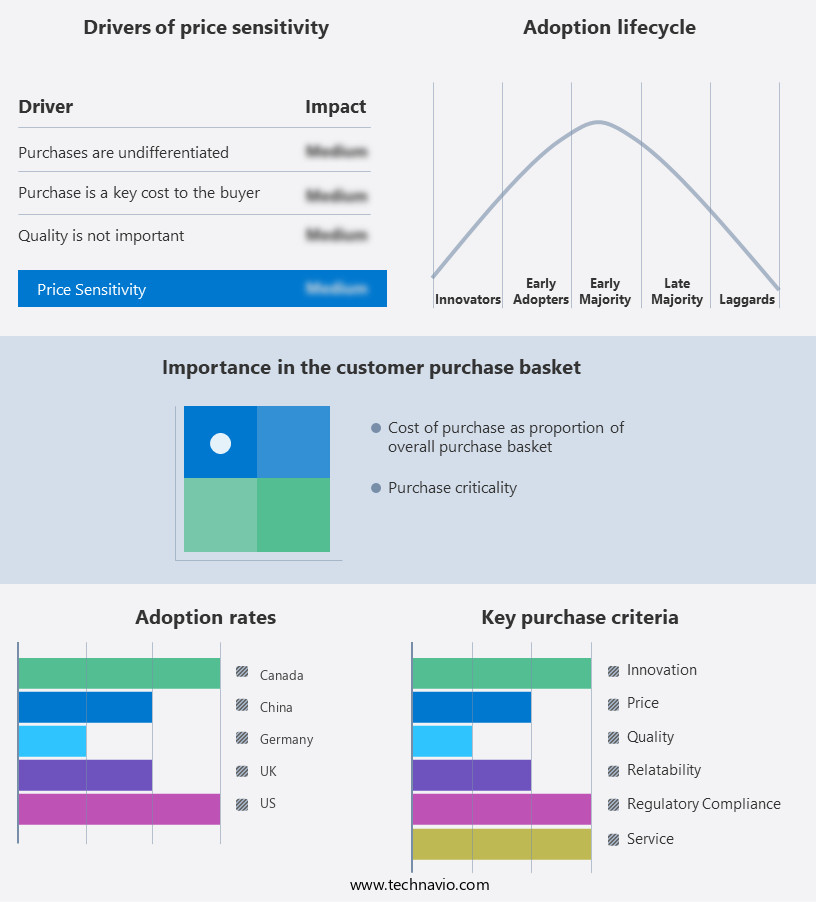
Customer Landscape of Network Automation Industry
Competitive Landscape
Companies are implementing various strategies, such as strategic alliances, network automation market forecast, partnerships, mergers and acquisitions, geographical expansion, and product/service launches, to enhance their presence in the industry.
Anuta Networks International LLC - The company specializes in network automation through its innovative Anuta ATOM solution, streamlining complex network operations for enhanced efficiency and agility. This technology enables organizations to automate and orchestrate network services, ensuring optimal performance and reducing manual errors.
The industry research and growth report includes detailed analyses of the competitive landscape of the market and information about key companies, including:
- Anuta Networks International LLC
- AppViewX Inc.
- Arista Networks Inc.
- Backbox Software Ltd.
- BlueAlly
- BlueCat Networks Inc.
- BMC Software Inc.
- Cisco Systems Inc.
- HCL Technologies Ltd.
- International Business Machines Corp.
- Itential Inc.
- Juniper Networks Inc.
- Kentik Inc.
- NetBrain Technologies Inc.
- NetYCE BV
- OpenText Corp.
- Palo Alto Networks Inc.
- SolarWinds Corp.
- Versa Networks Inc.
- VMware Inc.
Qualitative and quantitative analysis of companies has been conducted to help clients understand the wider business environment as well as the strengths and weaknesses of key industry players. Data is qualitatively analyzed to categorize companies as pure play, category-focused, industry-focused, and diversified; it is quantitatively analyzed to categorize companies as dominant, leading, strong, tentative, and weak.
Recent Development and News in Network Automation Market
- In January 2024, Cisco Systems, a leading networking technology company, announced the launch of its new Networking Automation Engine (NAE), an AI-driven solution designed to automate network configuration and management tasks (Cisco press release). This development aimed to streamline network operations and improve efficiency for businesses.
- In March 2024, Juniper Networks and Microsoft entered into a strategic partnership to integrate Juniper's Contrail Networking automation platform with Microsoft Azure, enabling seamless network management for cloud-based services (Microsoft News Center). This collaboration expanded Juniper's reach in the cloud market and strengthened Microsoft's network automation capabilities.
- In April 2025, Arista Networks raised USD500 million in a funding round, bringing its total valuation to over USD30 billion (Bloomberg). This significant investment will support the company's continued research and development efforts in network automation and other cutting-edge technologies.
- In May 2025, the European Union passed the Digital Services Act, which includes provisions for mandatory network automation in telecommunications infrastructure to enhance cybersecurity and improve network performance (EU Commission press release). This regulatory approval marks a significant shift towards automated networks in Europe, potentially driving market growth for network automation solutions.
Dive into Technavio’s robust research methodology, blending expert interviews, extensive data synthesis, and validated models for unparalleled Network Automation Market insights. See full methodology.
|
Market Scope |
|
|
Report Coverage |
Details |
|
Page number |
162 |
|
Base year |
2023 |
|
Historic period |
2018-2022 |
|
Forecast period |
2024-2028 |
|
Growth momentum & CAGR |
Accelerate at a CAGR of 21.48% |
|
Market growth 2024-2028 |
USD 46613.9 million |
|
Market structure |
Fragmented |
|
YoY growth 2023-2024(%) |
17.41 |
|
Key countries |
US, China, Canada, UK, and Germany |
|
Competitive landscape |
Leading Companies, Market Positioning of Companies, Competitive Strategies, and Industry Risks |
Research Analyst Overview
- Network automation continues to reshape the technology landscape, with various solutions and trends shaping its evolution. API-driven automation and network programmability are at the forefront, enabling seamless communication between network elements and applications. Ansible Network Automation and GitOps for networking are gaining traction, offering simplified configuration management and continuous deployment. Network automation platforms, such as SaltStack and Ansible, streamline network management by automating repetitive tasks and ensuring consistency. Network virtualization and software-defined networking (SDN) further enhance network agility and flexibility. AI-driven network automation is an emerging trend, leveraging machine learning algorithms to optimize network performance and improve fault management.
- Network automation security is a critical concern, with solutions focusing on securing network configurations, monitoring network devices, and automating security policies. Network performance metrics and network fault management are essential components, ensuring optimal network performance and quick issue resolution. Intent-based networking and policy-based automation simplify network management by allowing users to define network policies in business terms. DevOps for networking and automation frameworks enable continuous integration and delivery in network environments. ML-driven network automation and zero-touch provisioning further automate network operations, while closed-loop automation ensures continuous improvement and adaptation. Network orchestration and network service chaining streamline complex network deployments and enhance network functionality.
- Network automation testing and model-driven automation ensure the reliability and accuracy of network automation solutions. Network topology mapping and network automation tools provide valuable insights into network infrastructure and simplify network management tasks.
What are the Key Data Covered in this Network Automation Market Research and Growth Report?
-
What is the expected growth of the Network Automation Market between 2024 and 2028?
-
USD 46.61 billion, at a CAGR of 21.48%
-
-
What segmentation does the market report cover?
-
The report segmented by Component (Solutions and Services), Deployment (On-premise and Cloud), and Geography (North America, Europe, APAC, South America, and Middle East and Africa)
-
-
Which regions are analyzed in the report?
-
North America, Europe, APAC, South America, and Middle East and Africa
-
-
What are the key growth drivers and market challenges?
-
Increasing demand for network automation in various industries, Increased risk related to data security and privacy
-
-
Who are the major players in the Network Automation Market?
-
Key Companies Anuta Networks International LLC, AppViewX Inc., Arista Networks Inc., Backbox Software Ltd., BlueAlly, BlueCat Networks Inc., BMC Software Inc., Cisco Systems Inc., HCL Technologies Ltd., International Business Machines Corp., Itential Inc., Juniper Networks Inc., Kentik Inc., NetBrain Technologies Inc., NetYCE BV, OpenText Corp., Palo Alto Networks Inc., SolarWinds Corp., Versa Networks Inc., and VMware Inc.
-
Market Research Insights
- The market encompasses a range of solutions designed to streamline network change management, optimization, and service assurance. Automation workflows play a crucial role in enhancing network resilience, scalability, and security. According to industry estimates, the global network automation deployment is projected to reach USD12.6 billion by 2025, growing at a compound annual growth rate (CAGR) of 13.5%. This expansion is driven by the increasing demand for network capacity planning, network analytics, and automation frameworks. In contrast, network configuration and change management accounted for approximately 30% of the market share in 2020, with a CAGR of 11.8% over the same period.
- Network automation lifecycle, including automation scripting, network observability, and network monitoring tools, is expected to gain significant traction, contributing to the market's growth. Network security policies, network function orchestration, network management systems, network automation architecture, network troubleshooting, cloud network automation, and data center automation are additional areas of focus within the network automation landscape.
We can help! Our analysts can customize this network automation market research report to meet your requirements.