


Next Generation Batteries Market Size 2024-2028
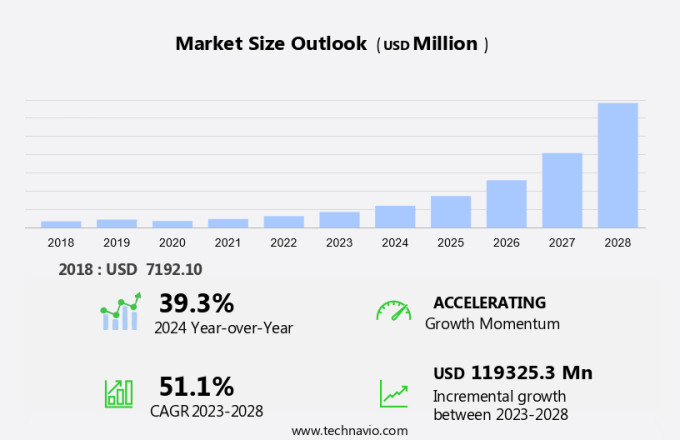
The next generation batteries market size is forecast to increase by USD 119.33 billion at a CAGR of 51.1% between 2023 and 2028.
- Next Generation Batteries are gaining significant traction in the energy storage solutions market due to the increasing demand for Electric Vehicles (EVs) and the integration of Renewable Energy sources. The adoption of Next Generation Batteries, including Solid-State Batteries and advanced Lithium-Sulfur and Sodium-Ion Batteries, is on the rise due to their higher Energy Density and enhanced Safety Features.
- Furthermore, the declining costs of battery storage systems are making these advanced technologies increasingly affordable, further driving market growth. However, safety concerns associated with batteries remain a significant challenge, necessitating continuous research and development efforts to ensure their safe and reliable use. In the US market, the focus is on advancing battery technologies to meet the growing demand for sustainable energy storage solutions and support the transition towards a low-carbon economy.
What will be the Size of the Market During the Forecast Period?
- The global energy landscape is undergoing a significant transformation, with electric vehicles (EVs) and renewable energy sources gaining increasing popularity. This shift towards sustainable energy alternatives has led to a heightened demand for advanced energy storage solutions. Next generation batteries, including solid-state batteries, lithium-sulfur batteries, sodium-ion batteries, and other emerging technologies, are poised to revolutionize the industry. Next generation batteries offer enhanced energy density and safety features, addressing the critical challenges of current energy storage systems. Lithium-ion batteries, while dominant in the market, face concerns regarding safety and environmental impact.
- Moroever, next generation batteries, such as solid-state batteries and lithium-sulfur batteries, aim to mitigate these issues. Solid-state batteries and lithium-sulfur batteries are among the most promising next generation battery technologies. Solid-state batteries feature solid electrolytes instead of liquid electrolytes, offering improved safety and energy density. Lithium-sulfur batteries, on the other hand, boast a higher energy density than lithium-ion batteries, making them an attractive alternative for electric vehicles and renewable energy storage. Battery technologies like sodium-ion batteries, magnesium ion batteries, and nickel-metal hydride batteries are also gaining traction in the market. These batteries offer unique advantages, such as lower cost, improved safety, and environmental friendliness.
- Additionally, next generation batteries are not limited to electric vehicles; they play a crucial role in stationary energy storage as well. Renewable energy sources, such as solar and wind, require energy storage systems to ensure a consistent power supply. Next generation batteries offer increased energy storage capacity and smart technologies, such as battery management systems and semiconductor integration, to optimize performance and efficiency. Consumer electronics and electronics industries also benefit from next generation batteries, as they demand compact, high-performance, and long-lasting energy storage solutions. Ultra-capacitors and nickel-cadmium batteries have been traditionally used in these applications, but next generation batteries offer superior energy density and safety features.
How is this market segmented and which is the largest segment?
The market research report provides comprehensive data (region-wise segment analysis), with forecasts and estimates in "USD billion" for the period 2024-2028, as well as historical data from 2018-2022 for the following segments.
- Type
- Li-ion
- Others
- Geography
- APAC
- China
- Japan
- Europe
- Germany
- Norway
- North America
- US
- South America
- Middle East and Africa
- APAC
By Type Insights
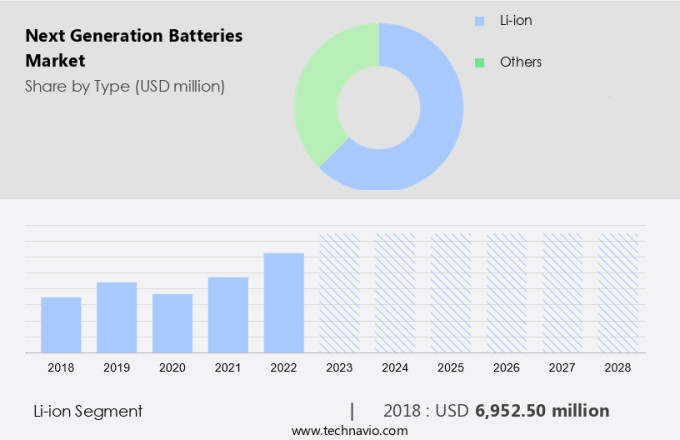
- The li-ion segment is estimated to witness significant growth during the forecast period.
Next Generation Batteries, specifically those utilizing advanced technologies such as solid-state and lithium-sulfur batteries, are revolutionizing the Energy Storage Solutions landscape. These innovations are particularly significant for Electric Vehicles (EVs) and Renewable Energy applications due to their potential for increased Energy Density and enhanced Safety Features. Solid-state batteries, for instance, offer improved safety through the elimination of liquid electrolytes, while lithium-sulfur batteries promise higher energy density than current Lithium-ion counterparts. Several Battery Technologies are under development, including Sodium-ion batteries, which present an attractive alternative to Lithium-ion due to their lower cost and abundance of sodium resources. The demand for these Next Generation Batteries is escalating as the world transitions towards a more sustainable Energy mix and the adoption of Electric Vehicles gains momentum.
Furthermore, li-ion batteries, a well-established battery technology, continue to dominate the market, particularly in the Consumer Electronics sector. These batteries, which utilize lithium ions as a key component, offer high voltage and charge storage per unit mass and volume. The most common Li-ion battery configuration consists of a lithium cobalt oxide cathode and a graphite anode. The growing preference for portable electronic devices like laptops, notebook PCs, tablets, and smartphones is driving the demand for Li-ion batteries. In conclusion, the market is witnessing substantial growth due to the increasing demand for Energy Storage Solutions in Electric Vehicles and Renewable Energy applications.
Technologies such as solid-state and lithium-sulfur batteries are gaining traction, while Li-ion batteries continue to dominate the Consumer Electronics sector. The market is expected to witness significant advancements in the coming years, driven by ongoing research and development efforts.
Get a glance at the market report of share of various segments Request Free Sample
The Li-ion segment was valued at USD 6.95 billion in 2018 and showed a gradual increase during the forecast period.
Regional Analysis
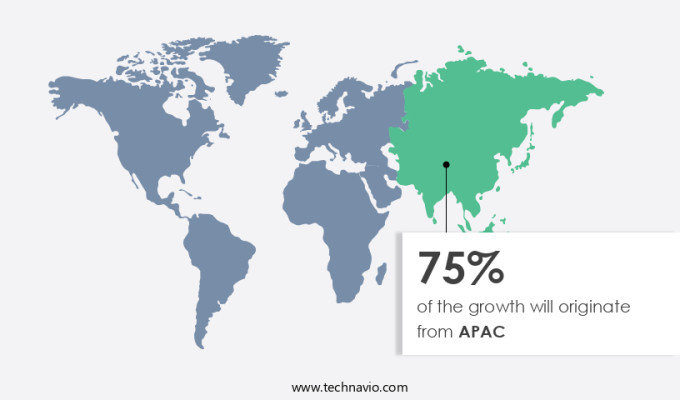
- APAC is estimated to contribute 75% to the growth of the global market during the forecast period.
Technavio's analysts have elaborately explained the regional trends and drivers that shape the market during the forecast period.
For more insights on the market share of various regions Request Free Sample
The market is primarily driven by the increasing demand for energy storage solutions in various industries, including consumer electronics, electric vehicles (EVs), and renewable energy. Sodium-ion batteries, a promising alternative to lithium-ion batteries, are gaining traction due to their higher energy density and energy storage capacity. These batteries use a liquid electrolyte, which enables faster charging and longer cycle life. The Asia Pacific region leads The market due to its dominance in the manufacturing sector and the presence of key companies. End-users, such as electric vehicle manufacturers and consumer electronics companies, also have a significant presence in the region.
Additionally, the consumer electronics industry is witnessing growth due to rising disposable incomes, leading to increased spending on smartphones, laptops, smart wearables, and portable speakers. The automotive industry is also experiencing a surge in electric car sales, further boosting the demand for next generation batteries. Battery management systems and smart technologies are essential components of next generation batteries, ensuring optimal performance and safety. The market is expected to continue its growth trajectory, driven by technological advancements and increasing demand from various end-users.
Market Dynamics
Our researchers analyzed the data with 2023 as the base year, along with the key drivers, trends, and challenges. A holistic analysis of drivers will help companies refine their marketing strategies to gain a competitive advantage.
What are the key market drivers leading to the rise in adoption of Next Generation Batteries Market ?
The growing adoption of EVs in automotive industry is the key driver of the market.
- The market is witnessing significant growth due to the increasing adoption of Electric Vehicles (EVs) and Plug-in Hybrid Electric Vehicles (PHEVs) in the transportation sector. The shift towards sustainability and decreasing concerns over environmental pollution are driving the demand for EVs. According to research, EVs produce approximately half the greenhouse gas (GHG) emissions compared to conventional gasoline vehicles. As a result, governments and automotive industries worldwide are focusing on reducing emissions and carbon footprints by promoting the use of EVs. In the electronics industry, batteries are a crucial component in consumer electronics and stationary storage systems. Semiconductor companies and battery manufacturers are investing heavily in research and development to produce advanced batteries with higher energy density, longer life cycles, and faster charging capabilities.
- Further, Nickel-Metal Hydride (NiMH) and Ultra-Capacitors are some of the popular battery technologies used in various applications. The demand for advanced batteries is not limited to the automotive and electronics industries. The battery production sector is also witnessing growth due to the increasing adoption of renewable energy sources and energy storage systems. As the world transitions to a more sustainable energy future, the demand for advanced batteries is expected to increase significantly.
What are the market trends shaping the Next Generation Batteries Market?
Declining costs of battery storage systems is the upcoming trend in the market.
- Batteries, as essential Energy Storage Systems (ESSs), are experiencing significant growth worldwide due to decreasing prices. Since 2008, the cost of battery systems has dropped substantially, attributed to advancements in hardware, economies of scale, and standardized design and engineering. Over the forecast period, the prices of lead-acid and Lithium-ion batteries are projected to decrease by half, while flow batteries are anticipated to reduce by one-third of their current prices.
- Also, the increasing adoption of ESSs, Electric Vehicles (EVs), and consumer electronics is driving the sales of battery systems. Sectors such as Aerospace and Defense, Industrial, Oil and Gas, Transportation, High-Performance Batteries, Electric Vehicle Manufacturing, and Renewable Energy Projects are significant contributors to the market's growth. The Electric Vehicle Market, in particular, is expected to witness substantial growth due to the increasing focus on reducing carbon emissions and the availability of government incentives. Battery systems' affordability and improved performance make them a preferred choice for various applications, ensuring their continued dominance in the ESS market.
What challenges does Next Generation Batteries Market face during the growth?
Safety concerns associated with batteries is a key challenge affecting the market growth.
- Next generation batteries, including Li-ion, Li-S, Magnesium Ion, and Metal Air, are essential components in various industries, particularly in the automotive sector and consumer electronics, due to their high energy density and excellent electrochemical performance. However, these batteries present challenges, such as the risk of leakage and drying out, which can lead to safety issues like explosions or short-circuits.
- For instance, Li-ion batteries employ electrolytes as a catalyst to prevent direct contact with lithium metal, which can cause fires and explosions. In August 2021, General Motors reported 15 incidents of battery fires involving their Model 11 in the US and abroad, emphasizing the importance of addressing these safety concerns. Next generation batteries, such as Li-S and Magnesium Ion, offer potential solutions with their solid electrodes and enhanced safety features. As the energy storage market expands, the demand for these advanced batteries is increasing in applications like smart appliances, e-mobility, and more.
Exclusive Customer Landscape
The market forecasting report includes the adoption lifecycle of the market, covering from the innovator's stage to the laggard's stage. It focuses on adoption rates in different regions based on penetration. Furthermore, the market report also includes key purchase criteria and drivers of price sensitivity to help companies evaluate and develop their market growth analysis strategies.
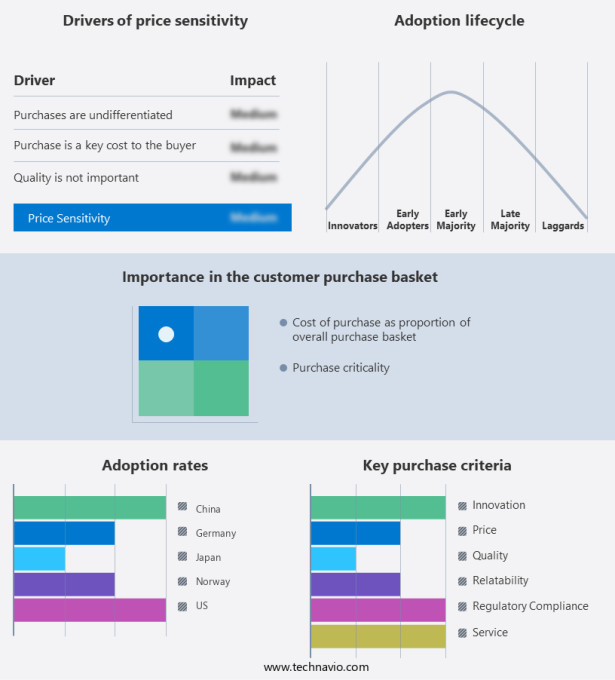
Customer Landscape
Key Companies & Market Insights
Companies are implementing various strategies, such as strategic alliances, market forecast, partnerships, mergers and acquisitions, geographical expansion, and product/service launches, to enhance their presence in the market.
The market research and growth report includes detailed analyses of the competitive landscape of the market and information about key companies, including:
- 24M Technologies Inc.
- Amprius Technologies Inc.
- ESS Tech Inc.
- GS Yuasa International Ltd.
- Ionomr Innovations Inc.
- ISKRA elektro in sistemske resitve d.o.o
- Lenovo Group Ltd.
- Lockheed Martin Corp.
- OXIS Energy Ltd.
- Panasonic Holdings Corp.
- Poly Plus Battery Co.
- RiAlAiR Ltd.
- Samsung SDI Co. Ltd.
- Sion Power Corp.
- The Swatch Group Ltd.
- ZAF Energy Systems INC
Qualitative and quantitative analysis of companies has been conducted to help clients understand the wider business environment as well as the strengths and weaknesses of key market players. Data is qualitatively analyzed to categorize companies as pure play, category-focused, industry-focused, and diversified; it is quantitatively analyzed to categorize companies as dominant, leading, strong, tentative, and weak.
Research Analyst Overview
Next generation batteries are revolutionizing the energy storage landscape by offering enhanced performance and safety features for various applications. These advanced battery technologies, including solid-state batteries, lithium-sulfur batteries, and sodium-ion batteries, are set to transform the electric vehicle (EV) industry and renewable energy storage. With a focus on energy density and safety, these batteries are poised to deliver longer range and faster charging for EVs, enabling the mass adoption of clean energy initiatives. Solid-state batteries, in particular, are gaining traction due to their solid electrolyte, which eliminates the need for a liquid electrolyte, enhancing safety and energy density. Lithium-sulfur (Li-S) and sodium-ion batteries are other promising technologies, offering higher energy storage capacity and lower production costs compared to lithium-ion batteries.
Moreover, battery manufacturing is a critical aspect of the next-generation batteries market, with a focus on improving production efficiency and reducing carbon emissions. Smart technologies, such as battery management systems and advanced manufacturing processes, are being adopted to optimize battery performance and ensure longevity. The electric vehicle market, consumer electronics, and renewable energy storage are the primary sectors driving the demand for next-generation batteries. The transportation sector, including electric vehicles and plug-in hybrid vehicles (PHEVs), is expected to witness significant growth, while the aerospace and defense, industrial, oil and gas, and energy storage systems sectors are also expected to adopt these advanced battery technologies. High-performance batteries are essential for various applications, including electric vehicle manufacturing, renewable energy projects, and smart appliances. The adoption of next-generation batteries is expected to contribute to the growth of the e-mobility sector and reduce carbon emissions, making them a key component of the global transition towards clean energy.
|
Market Scope |
|
|
Report Coverage |
Details |
|
Page number |
135 |
|
Base year |
2023 |
|
Historic period |
2018-2022 |
|
Forecast period |
2024-2028 |
|
Growth momentum & CAGR |
Accelerate at a CAGR of 51.1% |
|
Market growth 2024-2028 |
USD 119.32 billion |
|
Market structure |
Fragmented |
|
YoY growth 2023-2024(%) |
39.3 |
|
Key countries |
China, US, Norway, Germany, and Japan |
|
Competitive landscape |
Leading Companies, Market Positioning of Companies, Competitive Strategies, and Industry Risks |
What are the Key Data Covered in this Market Research and Growth Report?
- CAGR of the market during the forecast period
- Detailed information on factors that will drive the market growth and forecasting between 2024 and 2028
- Precise estimation of the size of the market and its contribution of the market in focus to the parent market
- Accurate predictions about upcoming market growth and trends and changes in consumer behaviour
- Growth of the market across APAC, Europe, North America, South America, and Middle East and Africa
- Thorough analysis of the market's competitive landscape and detailed information about companies
- Comprehensive analysis of factors that will challenge the growth of market companies
We can help! Our analysts can customize this market research report to meet your requirements. Get in touch