
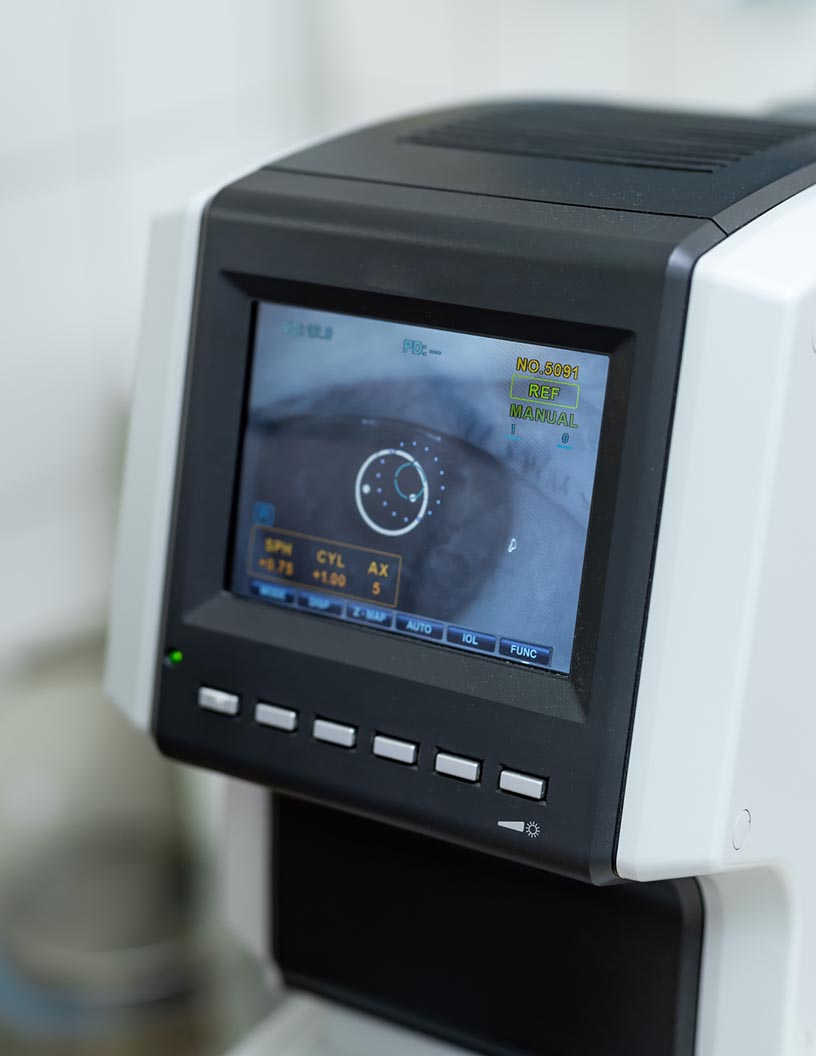

Ophthalmology Surgical Devices Market Analysis North America, Europe, Asia, Rest of World (ROW) - US, Germany, UK, China, Japan - Size and Forecast 2024-2028

Ophthalmology Surgical Devices Market Analysis North America, Europe, Asia, Rest of World (ROW) - US, Germany, UK, China, Japan - Size and Forecast 2024-2028

Published: Jun 2024 150 Pages SKU: IRTNTR73315

Market Overview at a Glance

$2.81 B
Market Opportunity
5.21%
CAGR
4.88
YoY growth 2023-2024(%)

Ophthalmology Surgical Devices Market Size 2024-2028

The ophthalmology surgical devices market size is forecast to increase by USD 2.81 billion at a CAGR of 5.21% between 2023 and 2028.

  • The market is witnessing significant growth due to the increasing prevalence of ophthalmic diseases. According to the National Eye Institute, around 285 million people worldwide are estimated to be visually impaired, with 80% of cases attributable to preventable causes. This trend is driving the demand for advanced surgical devices to address various eye conditions. Strategic collaborations and mergers and acquisitions among market companies are also contributing to market growth. However, high costs and limited reimbursements pose challenges to the market expansion. Despite these hurdles, the market is expected to continue its upward trajectory due to the unmet medical needs and technological advancements In the field of ophthalmology.
  • What will be the Size of the Ophthalmology Surgical Devices Market During the Forecast Period?
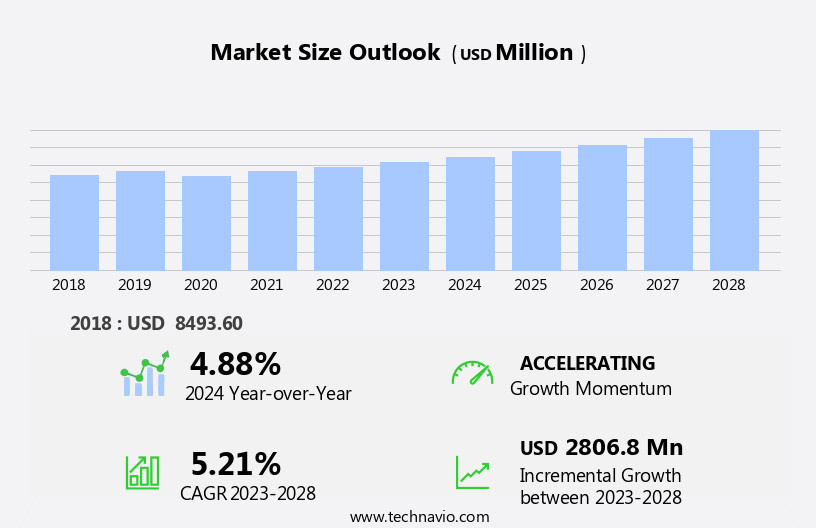
    Ophthalmology Surgical Devices Market Size

     Request Free Sample

  • The market encompasses a range of advanced technologies designed to address various eye disorders, including cataracts, glaucoma, and diabetic retinopathy. Key market drivers include the growing prevalence of ophthalmic disorders, particularly among the geriatric population, and the increasing demand for minimally invasive surgical procedures. Cataract surgeries, which involve the implantation of intraocular lenses, remain a significant segment of the market due to the high incidence of advanced cataracts and the resulting symptoms such as blurred vision, glare, and visual changes. Microscopes and robotic technologies are also gaining traction, enabling more precise and efficient ophthalmic surgeries. The backlog of patients seeking consultations for ocular disorders continues to fuel market growth.
  • Symptoms like eye redness, refractive errors, and symptoms related to diabetes and other conditions further expand the market scope. Laser surgery and the development of advanced artificial lenses continue to shape the market landscape.
  • How is this Ophthalmology Surgical Devices Industry segmented and which is the largest segment?

    The ophthalmology surgical devices industry research report provides comprehensive data (region-wise segment analysis), with forecasts and estimates in "USD million" for the period 2024-2028, as well as historical data from 2018-2022 for the following segments.

    • Product
      • Cataract surgery devices
      • Glaucoma surgery devices
      • Refractive surgery devices
      • Vitreoretinal surgery devices
    • Geography
      • North America
        • US
      • Europe
        • Germany
        • UK
      • Asia
        • China
        • Japan
      • Rest of World (ROW)

      By Product Insights

      • The cataract surgery devices segment is estimated to witness significant growth during the forecast period.

      Ophthalmology surgical devices play a crucial role in addressing various eye disorders, including cataracts and glaucoma. Cataracts, a leading cause of vision impairment, affect individuals due to aging or eye injuries, and are associated with symptoms such as blurred vision, difficulty reading, and visual changes. According to the National Eye Institute, over 24.4 million Americans aged 40 and above have cataracts. Glaucoma, another prevalent ophthalmic disorder, affects over 3 million Americans and results in severe visual impairment or blindness if left untreated. Advanced technologies like microscopes, robotic technologies, and laser technology are transforming ophthalmic surgeries, including cataract surgeries utilizing phacoemulsification systems and intraocular lenses.

      Technological advancements, such as SmartCataract solutions and the Hydrus Microstent for glaucoma, offer innovative alternatives for managing ophthalmic disorders. The geriatric population, with its increasing prevalence of cataracts and glaucoma, drives the demand for these surgical devices. The ophthalmic equipment market encompasses a wide range of surgical products, including vitreoretinal surgery devices, ophthalmology drugs, and glaucoma surgical devices. The aging population and the increasing prevalence of eye disorders, such as cataract, diabetic retinopathy, and macular degeneration, necessitate advancements in ophthalmic equipment.
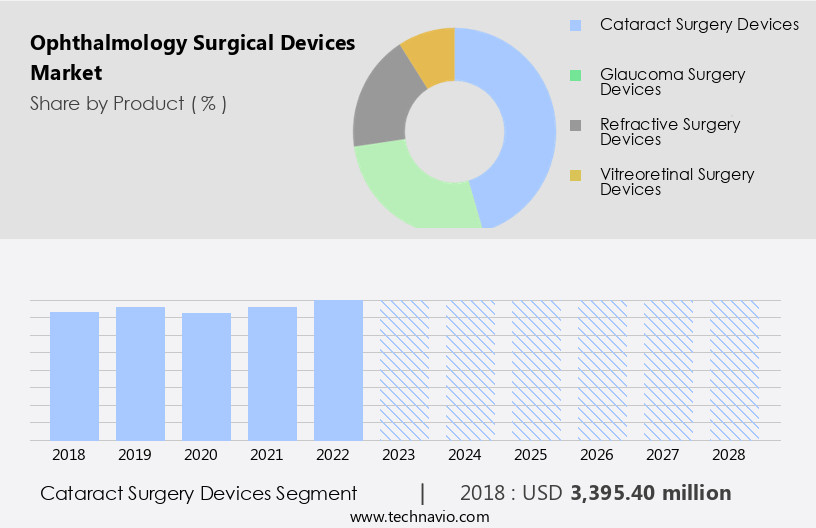
      Ophthalmology Surgical Devices Market Size

      Get a glance at the  Ophthalmology Surgical Devices Industry report of share of various segments Request Free Sample

      The Cataract surgery devices segment was valued at USD 3.4 billion in 2018 and showed a gradual increase during the forecast period.

      Regional Analysis

      • North America is estimated to contribute 43% to the growth of the global market during the forecast period.

      Technavio’s analysts have elaborately explained the regional trends and drivers that shape the market during the forecast period.

      Ophthalmology Surgical Devices Market Share by Geography

      For more insights on the market share of various regions, Request Free Sample

      The North American the market is experiencing significant growth due to increasing healthcare expenditure on eye diseases and the approval of innovative ophthalmic surgical devices. The market's expansion is driven by the high prevalence of eye disorders, including cataracts, glaucoma, diabetic retinopathy, age-related macular degeneration (AMD), and refractive diseases. The aging population and the rising incidence of chronic diseases, such as diabetes, contribute to the increasing prevalence of ophthalmic diseases. In North America, cataract surgeries are common, with advanced cataract patients undergoing phacoemulsification (phaco) procedures using sophisticated phacoemulsification systems and smart cataract solutions. Glaucoma, another prevalent eye condition, is managed with microscopes, laser technology, and glaucoma surgical devices like the Hydrus Microstent.

      Ophthalmic surgical devices, including vitreoretinal surgery devices and ophthalmic viscoelastic devices, are essential consumables in ophthalmology clinics and hospitals. The market's growth is also influenced by technological advancements in refractive surgeries, such as laser surgery (LASIK), and the increasing prevalence of severe visual impairment. The National Ophthalmology Database and other healthcare infrastructure improvements facilitate the implementation of these advanced surgical products. The prevalence of cataract and glaucoma In the region is high, with an estimated 3 million cataract surgeries and 3 million glaucoma cases annually. The market's growth is expected to continue as the demand for correcting vision impairment and treating eye disorders increases.

      Market Dynamics

      Our  researchers analyzed the data with 2023 as the base year, along with the key drivers, trends, and challenges. A holistic analysis of drivers will help companies refine their marketing strategies to gain a competitive advantage.

      What are the key market drivers leading to the rise In the adoption of Ophthalmology Surgical Devices Industry?

      Increasing prevalence of ophthalmic diseases is the key driver of the market.

    • The ophthalmic surgical devices market encompasses a range of advanced technologies used In the diagnosis and treatment of various eye disorders, including cataracts and glaucoma. Cataract surgeries, which involve the removal of clouded lenses and replacement with intraocular lenses, are a common application of these devices. According to the Macular Disease Foundation, cataracts affect an estimated 24.4 million Americans aged 40 and above, with prevalence increasing with age. Glaucoma, another leading cause of vision impairment and blindness, affects approximately 3 million Americans, particularly the geriatric population. Technological advancements in ophthalmology surgery devices include robotic technologies, microscopes, and laser technology, which offer greater precision and efficiency in ophthalmic surgeries.
    • Laser technologies, such as LASIK, are increasingly popular for refractive surgeries, while phacoemulsification (phaco) systems, like SmartCataract solutions, facilitate cataract surgeries. Glaucoma surgical devices, such as the Hydrus Microstent, offer minimally invasive glaucoma surgery (MIGS) options. The prevalence of cataract and glaucoma is on the rise due to aging and the increasing prevalence of diabetes. According to the National Ophthalmology Database, there is a significant backlog of patients awaiting cataract surgeries, highlighting the need for advanced surgical products and clinical studies. Symptoms of eye disorders, such as blurred vision, glare, visual changes, eye redness, and symptoms related to cataracts and glaucoma, can significantly impact daily life activities, including reading and driving.
    • Ophthalmic equipment, including ophthalmology surgery devices and ophthalmic viscoelastic devices, are essential for accurate diagnoses and effective treatments. However, unfavorable reimbursement policies and the high cost of surgical products and ophthalmology drugs can pose challenges to the widespread adoption of these advanced technologies. Despite these challenges, the healthcare infrastructure continues to invest in ophthalmic surgical devices to address the growing burden of ophthalmic disorders and meet the increasing demand for vision correction.
    • What are the market trends shaping the Ophthalmology Surgical Devices Industry?

      Strategic collaborations and M and A among vendors is the upcoming market trend.

    • The market In the US is characterized by intense competition among companies, who employ various strategies to gain a competitive edge. These strategies include new product launches, collaborations, partnerships, mergers and acquisitions, and expansion projects. companies are investing heavily in research and development to introduce innovative surgical devices for treating various eye disorders, such as cataracts, glaucoma, macular degeneration, and refractive errors. For instance, in June 2022, LENSAR Inc., a leading player in advanced femtosecond laser surgical solutions for cataract treatment, received US FDA approval for its next-generation ALLY Adaptive Cataract Treatment System. This system utilizes advanced laser technology to personalize cataract surgery for each patient, offering improved outcomes and precision.
    • Similarly, In the realm of glaucoma treatment, technological advancements have led to the development of minimally invasive glaucoma surgical devices (MIGS), such as the Hydrus Microstent and CyPass Micro-Stent. These devices offer effective glaucoma management with fewer side effects and a quicker recovery time compared to traditional glaucoma surgeries. The prevalence of eye disorders, particularly cataracts and glaucoma, In the geriatric population and those with diabetes, is driving the demand for advanced ophthalmic surgical devices. According to the Macular Disease Foundation, an estimated 2.1 million Americans aged 40 and above have cataracts, and the National Ophthalmology Database reports that over 3 million Americans have glaucoma.
    • Moreover, the aging population and the increasing prevalence of refractive errors, such as blurred vision, symptoms like glare, visual changes, eye redness, and severe visual impairment, are further fueling the growth of the market. To cater to this growing demand, companies are also investing in virtual reality options, such as portable VR tools, to enhance the training experience for cataract surgeons-in-training. However, unfavorable reimbursement policies and the high cost of advanced surgical devices and ophthalmic drugs pose significant challenges to market growth. Despite these challenges, the market for ophthalmology surgical devices is expected to grow, driven by the increasing prevalence of eye disorders and the ongoing technological advancements in ophthalmic surgery devices.
    • In conclusion, the US the market is witnessing significant growth, driven by the increasing prevalence of eye disorders, technological advancements, and the aging population. companies are investing in research and development to introduce innovative surgical products, such as advanced cataract surgery devices, laser surgery systems like LASIK, and glaucoma surgical devices like MIGS and vitreoretinal surgery devices. The market is highly competitive, with companies employing various strategies to gain a competitive edge. Despite challenges such as unfavorable reimbursement policies and high costs, the market is expected to continue growing, offering significant opportunities for companies and investors alike.
    • What challenges does the Ophthalmology Surgical Devices Industry face during its growth?

      High cost and limited reimbursements is a key challenge affecting the industry growth.

    • The market encompasses a range of advanced technologies used In the diagnosis and treatment of various ophthalmic disorders, including cataracts and glaucoma. Cataract surgeries, which involve the removal of clouded lenses and replacement with artificial lenses, are among the most common ophthalmic surgeries. Laser technology, such as phacoemulsification (phaco) systems and femtosecond lasers, plays a significant role in cataract surgery. Glaucoma, another prevalent eye disorder, is characterized by increased eye pressure leading to vision loss. Glaucoma surgical devices, such as the Hydrus Microstent and CyPass Micro-Stent, are used to improve the drainage of aqueous humor from the eye. The geriatric population is disproportionately affected by both cataracts and glaucoma, with the prevalence of cataract estimated at 24.4
    • million and glaucoma at 3 million In the US. Vision impairment due to these conditions can lead to severe visual impairment and blindness if left untreated. Microscopes and ophthalmic viscoelastic devices are essential consumables used in ophthalmic surgeries, while robotic technologies and virtual reality options offer advanced training opportunities for cataract surgeons-in-training. However, unfavorable reimbursement policies and high costs limit the adoption of these advanced surgical products. Refractive surgeries, such as LASIK, are another segment of the market. Technological advancements in this area, such as SmartCataract solutions, offer improved precision and accuracy. The National Ophthalmology Database reports that macular degeneration, diabetic retinopathy, and other ophthalmic disorders also contribute to the demand for ophthalmology surgical devices.
    • Despite the benefits of these devices, the high cost and limited reimbursement coverage remain significant barriers to their widespread adoption. In summary, the market offers innovative solutions for the diagnosis and treatment of various eye disorders, including cataracts and glaucoma. However, the high cost and limited reimbursement coverage continue to hinder their adoption, particularly among the geriatric population with the highest prevalence of these conditions.
    • Exclusive Customer Landscape

      The ophthalmology surgical devices market forecasting report includes the adoption lifecycle of the market, covering from the innovator’s stage to the laggard’s stage. It focuses on adoption rates in different regions based on penetration. Furthermore, the ophthalmology surgical devices market report also includes key purchase criteria and drivers of price sensitivity to help companies evaluate and develop their market growth analysis strategies.
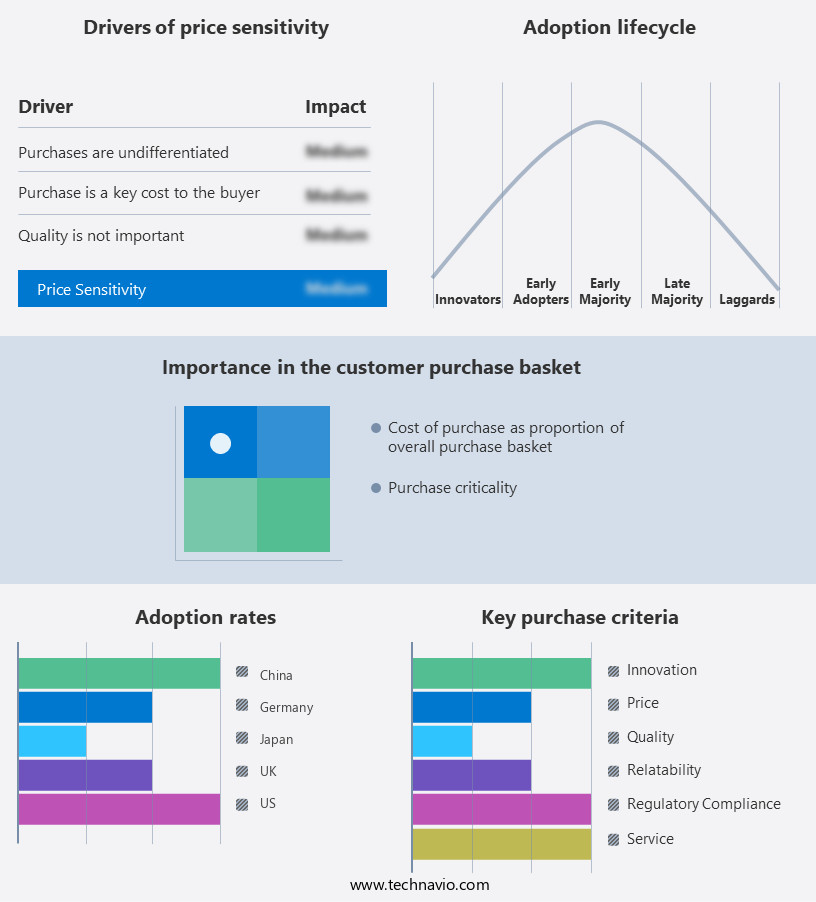
      Ophthalmology Surgical Devices Market Share by Geography

       Customer Landscape

      Key Companies & Market Insights

      Companies are implementing various strategies, such as strategic alliances, ophthalmology surgical devices market forecast, partnerships, mergers and acquisitions, geographical expansion, and product/service launches, to enhance their presence In the industry.

      AbbVie Inc. - The market encompasses advanced technologies utilized in various eye surgeries. One notable solution is the LensX laser system, a widely adopted tool in cataract surgery procedures. This system leverages precision laser technology to facilitate efficient and effective cataract removal, contributing significantly to the overall success of the surgery. By enhancing surgical accuracy and reducing complications, such devices play a crucial role in improving patient outcomes and advancing the field of ophthalmology.

      The industry research and growth report includes detailed analyses of the competitive landscape of the market and information about key companies, including:

      • AbbVie Inc.
      • Alcon Inc.
      • Bausch Health Companies Inc.
      • Carl Zeiss AG
      • Ellex Medical Lasers Ltd.
      • EssilorLuxottica
      • FCI Ophthalmics
      • Glaukos Corp.
      • Gulden Ophthalmics
      • HOYA Corp.
      • IRIDEX Corp.
      • Johnson and Johnson Services Inc.
      • Katena Products Inc.
      • LENSAR Inc.
      • Lumenis Be Ltd.
      • Metall Zug AG
      • NIDEK Co. Ltd.
      • Nova Eye Medical Ltd.
      • STAAR Surgical Co.
      • Sterimedix Ltd.
      • Topcon Corp.
      • Ziemer Ophthalmic Systems AG

      Qualitative and quantitative analysis of companies has been conducted to help clients understand the wider business environment as well as the strengths and weaknesses of key industry players. Data is qualitatively analyzed to categorize companies as pure play, category-focused, industry-focused, and diversified; it is quantitatively analyzed to categorize companies as dominant, leading, strong, tentative, and weak.

      Research Analyst Overview

      The ophthalmic surgical devices market encompasses a range of advanced tools and technologies utilized In the diagnosis and treatment of various ophthalmic disorders. These devices play a crucial role in addressing conditions such as cataracts, glaucoma, and other eye disorders that can lead to severe visual impairment or blindness. Cataracts, a leading cause of vision loss, are characterized by clouding of the natural lens In the eye. Microscopes and advanced imaging systems enable ophthalmologists to diagnose and monitor the progression of cataracts. Robotic technologies and phacoemulsification (phaco) systems facilitate precise and efficient cataract surgeries, allowing for the implantation of artificial lenses to correct refractive errors and improve vision.

      Glaucoma, another prevalent ophthalmic condition, is characterized by increased pressure withIn the eye, which can damage the optic nerve and lead to vision loss. Glaucoma surgical devices, such as the Hydrus microstent and Cypass micro-stent, are designed to improve the drainage of aqueous humor and reduce intraocular pressure. Technological advancements continue to shape the ophthalmic surgical devices market, with virtual reality options and portable VR tools providing enhanced training opportunities for cataract surgeons-in-training. Laser technology, including LASIK and femtosecond lasers, is used in refractive surgeries to correct vision impairment caused by various eye disorders. The aging population and the increasing prevalence of conditions like diabetes contribute to the growing demand for ophthalmic surgical devices.

      According to data from the Macular Disease Foundation, an estimated 1.1 million Americans aged 40 and older have age-related macular degeneration. Ophthalmology surgery devices, including vitreoretinal surgery devices and ophthalmic viscoelastic devices, are essential for the treatment of these conditions. The ophthalmic surgical devices market is influenced by several factors, including the backlog of patients seeking consultations for various eye disorders, unfavorable reimbursement policies, and the prevalence of conditions like cataract and glaucoma. The National Ophthalmology Database reports that over 3 million cataract surgeries are performed annually In the United States alone. Ophthalmic equipment, including surgical products and consumables, are essential for the successful implementation of ophthalmic surgical procedures.

      Hospitals and clinics rely on these devices to provide comprehensive eye care services to their patients. In conclusion, the ophthalmic surgical devices market represents a dynamic and evolving sector withIn the healthcare industry. With a growing aging population, increasing prevalence of eye disorders, and ongoing technological advancements, the demand for these devices is expected to continue growing. Ophthalmologists and healthcare providers must stay informed of the latest developments in this field to provide the best possible care for their patients.

      Market Scope

      Report Coverage

      Details

      Page number

      150

      Base year

      2023

      Historic period

      2018-2022

      Forecast period

      2024-2028

      Growth momentum & CAGR

      Accelerate at a CAGR of 5.21%

      Market growth 2024-2028

      USD 2806.8 million

      Market structure

      Fragmented

      YoY growth 2023-2024(%)

      4.88

      Key countries

      US, Germany, UK, China, and Japan

      Competitive landscape

      Leading Companies, Market Positioning of Companies, Competitive Strategies, and Industry Risks

      Request Free Sample

      What are the Key Data Covered in this Ophthalmology Surgical Devices Market Research and Growth Report?

      • CAGR of the Ophthalmology Surgical Devices industry during the forecast period
      • Detailed information on factors that will drive the growth and forecasting between 2024 and 2028
      • Precise estimation of the size of the market and its contribution of the industry in focus to the parent market
      • Accurate predictions about upcoming growth and trends and changes in consumer behaviour
      • Growth of the market across North America, Europe, Asia, and Rest of World (ROW)
      • Thorough analysis of the market’s competitive landscape and detailed information about companies
      • Comprehensive analysis of factors that will challenge the ophthalmology surgical devices market growth of industry companies

      We can help! Our analysts can customize this ophthalmology surgical devices market research report to meet your requirements.

      Get in touch


      Table of Contents not available.

      Research Methodology

      Technavio presents a detailed picture of the market by way of study, synthesis, and summation of data from multiple sources. The analysts have presented the various facets of the market with a particular focus on identifying the key industry influencers. The data thus presented is comprehensive, reliable, and the result of extensive research, both primary and secondary.

      INFORMATION SOURCES

      Primary sources

      • Manufacturers and suppliers
      • Channel partners
      • Industry experts
      • Strategic decision makers

      Secondary sources

      • Industry journals and periodicals
      • Government data
      • Financial reports of key industry players
      • Historical data
      • Press releases

      DATA ANALYSIS

      Data Synthesis

      • Collation of data
      • Estimation of key figures
      • Analysis of derived insights

      Data Validation

      • Triangulation with data models
      • Reference against proprietary databases
      • Corroboration with industry experts

      REPORT WRITING

      Qualitative

      • Market drivers
      • Market challenges
      • Market trends
      • Five forces analysis

      Quantitative

      • Market size and forecast
      • Market segmentation
      • Geographical insights
      • Competitive landscape

      Interested in this report?

      Get your sample now to see our research methodology and insights!

      Download Now

      Frequently Asked Questions

      Ophthalmology Surgical Devices market growth will increase by $ 2806.8 mn during 2024-2028.

      The Ophthalmology Surgical Devices market is expected to grow at a CAGR of 5.21% during 2024-2028.

      Ophthalmology Surgical Devices market is segmented by Product( Cataract surgery devices, Glaucoma surgery devices, Refractive surgery devices, Vitreoretinal surgery devices, Glucose tubes)

      AbbVie Inc., Alcon Inc., Bausch Health Companies Inc., Carl Zeiss AG, Ellex Medical Lasers Ltd., EssilorLuxottica, FCI Ophthalmics, Glaukos Corp., Gulden Ophthalmics, HOYA Corp., IRIDEX Corp., Johnson and Johnson Services Inc., Katena Products Inc., LENSAR Inc., Lumenis Be Ltd., Metall Zug AG, NIDEK Co. Ltd., Nova Eye Medical Ltd., STAAR Surgical Co., Sterimedix Ltd., Topcon Corp., Ziemer Ophthalmic Systems AG are a few of the key vendors in the Ophthalmology Surgical Devices market.

      North America will register the highest growth rate of 43% among the other regions. Therefore, the Ophthalmology Surgical Devices market in North America is expected to garner significant business opportunities for the vendors during the forecast period.

      US, Germany, UK, China, Japan

      • Increasing prevalence of ophthalmic diseasesThe prevalence of eye conditions arising from refractive errors is the driving factor this market.
      • such as myopia is the driving factor this market.
      • hyperopia is the driving factor this market.
      • and astigmatism; cataracts; glaucoma; retinal diseases like vitreomacular traction is the driving factor this market.
      • AMD is the driving factor this market.
      • retinal detachment is the driving factor this market.
      • and diabetic retinopathy; and dry eyes is increasing significantly across the world. According to WHO is the driving factor this market.
      • as of March 2023 is the driving factor this market.
      • approximately 2.2 billion people had a near or distance vision impairment globally. The primary causes of vision impairment and blindness are uncorrected refractive errors and cataracts. It is estimated that approximately 400 out of every 1 is the driving factor this market.
      • 000 people and 50 out of every 1 is the driving factor this market.
      • 000 people develop cataracts and glaucoma is the driving factor this market.
      • respectively is the driving factor this market.
      • at some stage in their lives.Aging is a major risk factor for visual impairment. For instance is the driving factor this market.
      • more than 28 million cataract procedures are performed every year globally is the driving factor this market.
      • and around 60 is the driving factor this market.
      • 000 cataract procedures are performed every day across the world. The proportion of the global geriatric population is expected to nearly double by 2050. The prevalence of other risk factors for ophthalmic diseases is the driving factor this market.
      • such as diabetes and hypertension is the driving factor this market.
      • is also increasing significantly across the world. This will contribute to the growth of the global prevalence of ophthalmic diseases is the driving factor this market.
      • which will drive the growth of the global ophthalmology surgical devices market during the forecast period. is the driving factor this market.

      The Ophthalmology Surgical Devices market vendors should focus on grabbing business opportunities from the Cataract surgery devices segment as it accounted for the largest market share in the base year.