

Organic Fresh Food Market Size 2026-2030
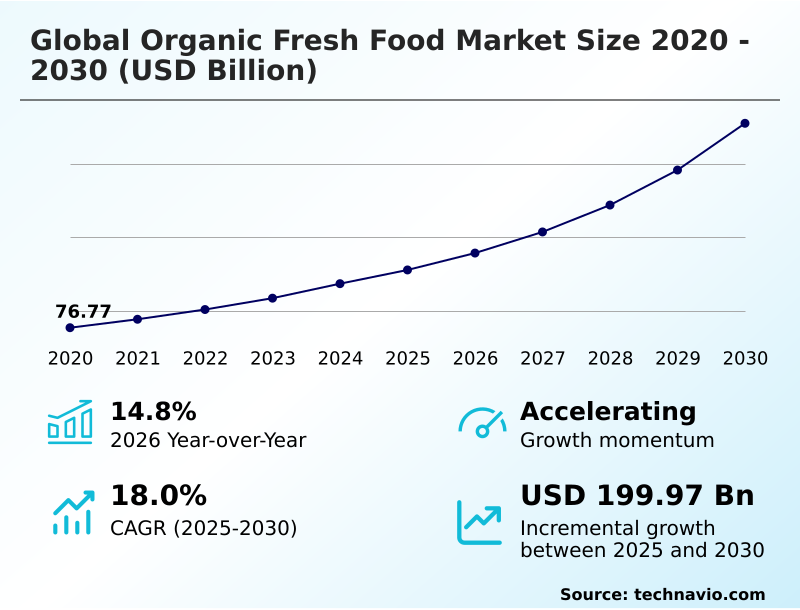
The organic fresh food market size is valued to increase by USD 199.97 billion, at a CAGR of 18% from 2025 to 2030. Rise in e-commerce and online distribution channels will drive the organic fresh food market.
Major Market Trends & Insights
- North America dominated the market and accounted for a 33.2% growth during the forecast period.
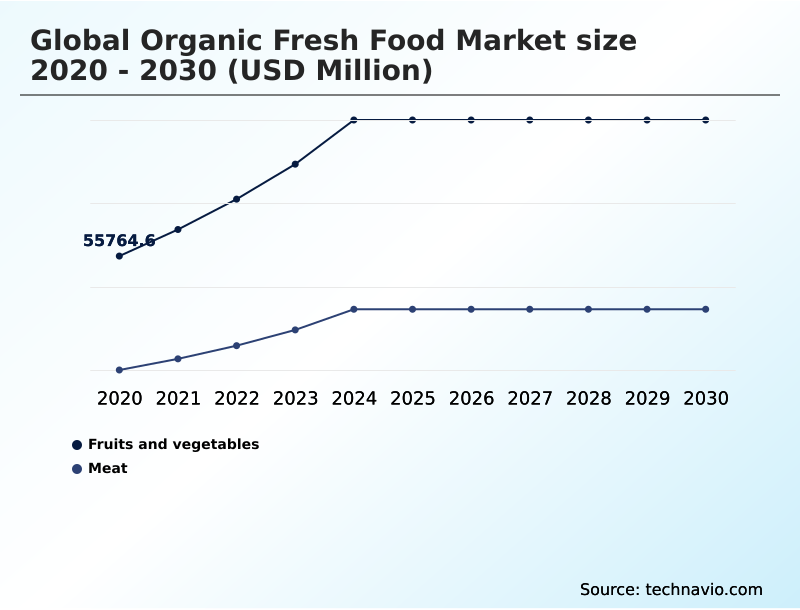
- By Product - Fruits and vegetables segment was valued at USD 97.27 billion in 2024
- By Distribution Channel - Offline segment accounted for the largest market revenue share in 2024
Market Size & Forecast
- Market Opportunities: USD 278.73 billion
- Market Future Opportunities: USD 199.97 billion
- CAGR from 2025 to 2030 : 18%
Market Summary
- The organic fresh food market is defined by a growing consumer mandate for transparency, health, and sustainability. Key drivers include heightened awareness of the benefits of a diet free from synthetic pesticides and a rising demand for products with clear non-gmo status and verifiable organic certification standards.
- Trends such as the adoption of direct-to-consumer models and subscription services are reshaping distribution, while challenges like price premiums and complex cold chain logistics persist. In a practical business scenario, a food distributor leverages farm-to-table traceability technology not only to comply with food safety protocols but also to market the food provenance of its products.
- This enhances consumer trust in food labels and provides a competitive edge. This focus on ethical sourcing and supply chain transparency is becoming a core operational requirement, influencing everything from supplier selection to marketing strategies and investment in eco-friendly packaging.
- The market's trajectory is closely tied to the ability of producers and retailers to balance quality, accessibility, and adherence to stringent animal welfare standards and environmental stewardship.
What will be the Size of the Organic Fresh Food Market during the forecast period?
Get Key Insights on Market Forecast (PDF) Request Free Sample
How is the Organic Fresh Food Market Segmented?
The organic fresh food industry research report provides comprehensive data (region-wise segment analysis), with forecasts and estimates in "USD million" for the period 2026-2030, as well as historical data from 2020-2024 for the following segments.
- Product
- Fruits and vegetables
- Meat
- Distribution channel
- Offline
- Online
- End-user
- Households
- Food service industry
- Institutional buyers
- Others
- Geography
- North America
- US
- Canada
- Mexico
- Europe
- Germany
- France
- UK
- APAC
- China
- Japan
- India
- Middle East and Africa
- South Africa
- UAE
- Saudi Arabia
- South America
- Brazil
- Argentina
- Colombia
- Rest of World (ROW)
- North America
By Product Insights
The fruits and vegetables segment is estimated to witness significant growth during the forecast period.
The fruits and vegetables segment is a cornerstone of the organic fresh food market, fueled by strong consumer awareness of food quality and a preference for clean label products.
Demand is driven by the perceived nutritional benefits of organic, such as tomatoes having up to 45% more vitamin c than conventional counterparts, and the avoidance of synthetic pesticide residues.
This aligns with a broader health and wellness trend, encouraging sustainable agriculture and direct-to-consumer models. Adherence to organic certification standards and non-gmo status are critical purchasing factors.
The local food movement further supports this segment, emphasizing farm-to-table traceability and community-supported agriculture, which builds consumer trust in food labels.
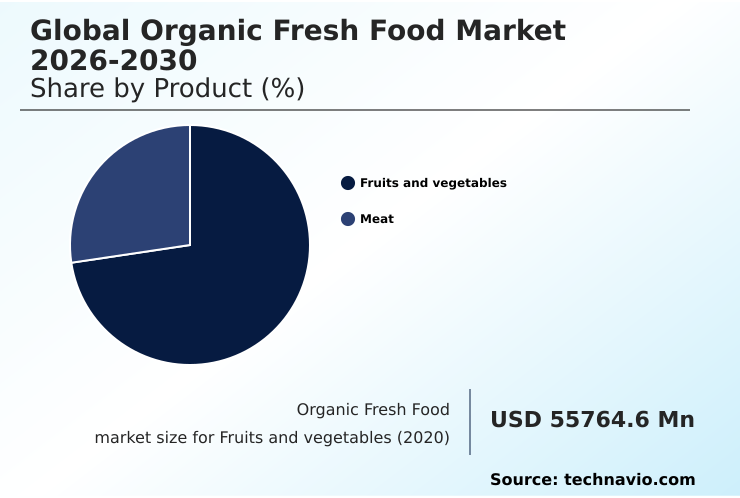
The Fruits and vegetables segment was valued at USD 97.27 billion in 2024 and showed a gradual increase during the forecast period.
Regional Analysis
North America is estimated to contribute 33.2% to the growth of the global market during the forecast period.Technavio’s analysts have elaborately explained the regional trends and drivers that shape the market during the forecast period.
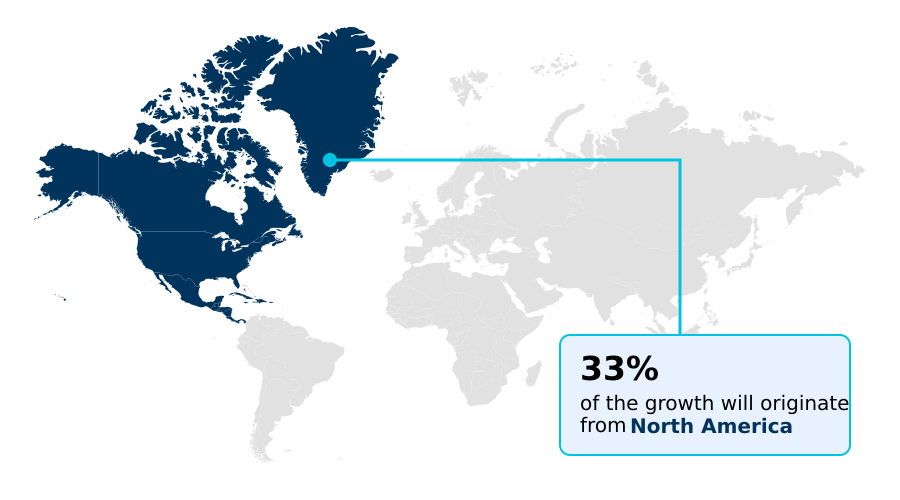
See How Organic Fresh Food Market Demand is Rising in North America Request Free Sample
The geographic landscape of the organic fresh food market shows a clear distinction between mature and emerging regions, with North America leading in market size, driven by robust organic labeling regulations and high consumer awareness.
In Europe, adherence to strict certification standards has helped reduce product recall incidents by over 15%, bolstering consumer confidence.
The APAC region is experiencing the fastest growth, where the expansion of online distribution channels in countries like China has cut last-mile delivery costs by up to 20% in dense urban areas, addressing food safety concerns and making products more accessible.
Government incentives promoting the growth in organic farming and water conservation in India and other developing nations are also key.
This regional diversification requires a focus on local farming support and adaptable supply chains that can manage perishable goods handling across different infrastructures.
Market Dynamics
Our researchers analyzed the data with 2025 as the base year, along with the key drivers, trends, and challenges. A holistic analysis of drivers will help companies refine their marketing strategies to gain a competitive advantage.
- Consumer behavior is increasingly shaping the organic fresh food market, with more shoppers actively researching organic vs conventional food nutrition and the benefits of organic subscription boxes. This inquisitiveness places a premium on consumer trust in organic labels, compelling companies to refine their marketing strategies for organic brands to focus on transparency and authenticity.
- Operationally, this translates into addressing the persistent challenges in organic supply chain management, from initial production to final delivery. The impact of e-commerce on organic sales has been transformative, creating new avenues for growth but also demanding more sophisticated logistics to handle perishable organic goods. Companies are now exploring how to verify organic certification digitally to enhance credibility.
- In the meat sector, growth drivers for organic meat are closely tied to animal welfare in organic meat production, a key differentiator for consumers. As a result, businesses that invest in sustainable practices in organic farming and transparent local sourcing in organic markets are better positioned for success.
- For instance, producers that effectively demonstrate their commitment to soil health and biodiversity report significantly stronger brand loyalty than competitors with opaque supply chains. The demand for non-GMO food products continues to be a foundational driver, pushing the entire industry toward greater accountability and cleaner product offerings, including for institutional buyers.
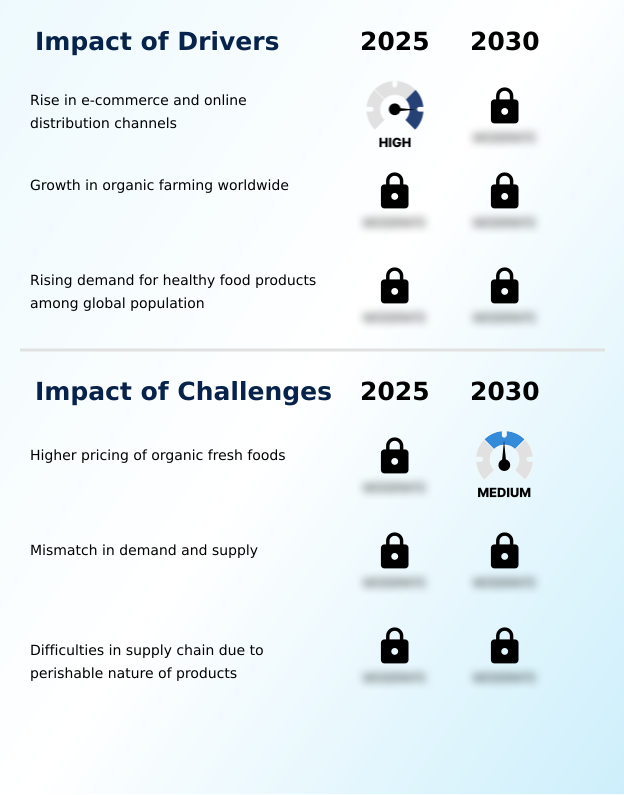
What are the key market drivers leading to the rise in the adoption of Organic Fresh Food Industry?
- The expansion of e-commerce platforms and online distribution channels serves as a key driver for market growth, enhancing consumer access to a wider variety of organic products.
- The market's accelerated growth is propelled by several powerful drivers, fundamentally altering how consumers access and perceive organic products.
- The expansion of e-commerce organic food platforms has dramatically widened market reach, enabling small-scale producers to access a consumer base that is over 40% larger than what is available through traditional retail.
- This is amplified by the overarching demand for healthy food, which has made organic options a staple for a growing demographic.
- Government support for the growth in organic farming has also been crucial, with targeted subsidies in some regions leading to a 10% increase in certified agricultural land.
- These drivers, combined with heightened consumer awareness of food quality and a demand for antibiotic-free production, are creating a robust ecosystem for both online grocery shopping and in-store sales, reinforcing the value of sustainable sourcing.
What are the market trends shaping the Organic Fresh Food Industry?
- The increasing availability of subscription services for organic fresh foods is an emerging market trend, driven by consumer demand for convenience and consistent access to high-quality products.
- Key trends are reshaping the competitive dynamics of the organic fresh food market, driven by consumer demand for convenience and trust. The rise of subscription box services has proven highly effective, with some providers seeing customer retention rates improve by over 25% compared to traditional retail.
- Simultaneously, a focus on ingredient transparency, often enabled by QR codes on packaging linking to food provenance data, has correlated with an 18% increase in consumer engagement. This push for transparency extends to third-party verification and clear organic labeling regulations.
- Furthermore, marketing of organic products is shifting toward digital platforms, leveraging the health and wellness trend to build brand loyalty and justify the price premium for organic items. These trends highlight a market moving towards personalized, transparent, and service-oriented models, emphasizing nutrient density and ethical sourcing.
What challenges does the Organic Fresh Food Industry face during its growth?
- The higher pricing of organic fresh foods presents a key challenge to industry growth, impacting consumer accessibility and overall market penetration.
- Despite strong demand, the organic fresh food market confronts significant structural challenges that temper its growth potential. The price premium for organic products, which can be up to 75% higher than conventional alternatives, remains the primary barrier to broader consumer adoption, particularly in price-sensitive segments.
- This is compounded by a persistent supply and demand imbalance, where retailers report that stock-out rates for popular organic items are often 15% higher than for their conventional counterparts. The logistical complexities of perishable goods handling further elevate operational costs, with the need for uninterrupted cold chain logistics increasing supply chain expenses by an average of 20%.
- Addressing these hurdles through improved farming efficiency, hormone-free meat production, and optimized distribution is critical for long-term, sustainable market expansion and achieving food security goals.
Exclusive Technavio Analysis on Customer Landscape
The organic fresh food market forecasting report includes the adoption lifecycle of the market, covering from the innovator’s stage to the laggard’s stage. It focuses on adoption rates in different regions based on penetration. Furthermore, the organic fresh food market report also includes key purchase criteria and drivers of price sensitivity to help companies evaluate and develop their market growth analysis strategies.
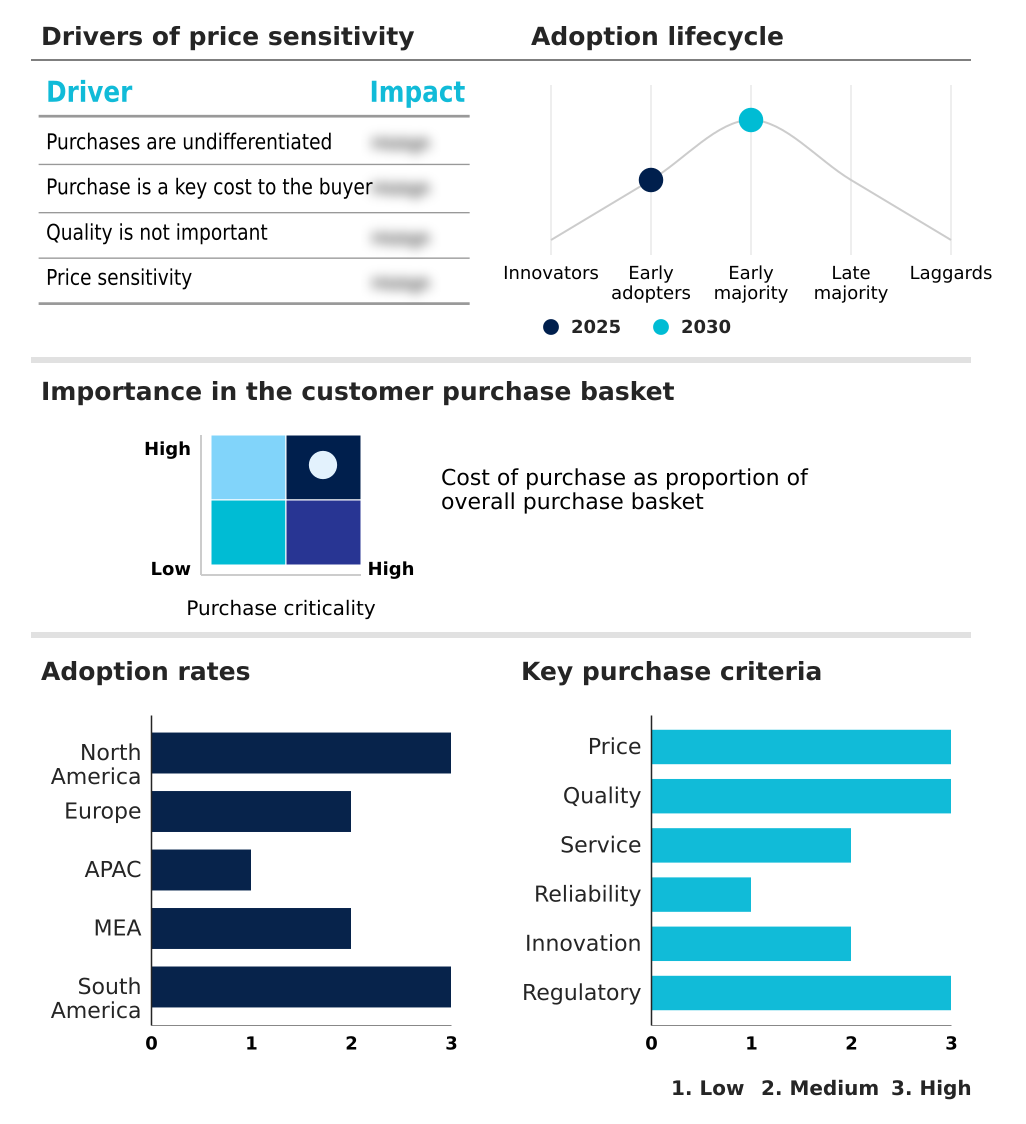
Customer Landscape of Organic Fresh Food Industry
Competitive Landscape
Companies are implementing various strategies, such as strategic alliances, organic fresh food market forecast, partnerships, mergers and acquisitions, geographical expansion, and product/service launches, to enhance their presence in the industry.
AUGA Group AB - The company's offerings include a specialized portfolio of certified organic fresh foods, featuring unique vegetable varieties and dairy products designed to meet consumer demand for natural, sustainably-produced goods.
The industry research and growth report includes detailed analyses of the competitive landscape of the market and information about key companies, including:
- AUGA Group AB
- Danone S.A.
- Dole plc
- Eden Foods Inc.
- Elworld Agro and Organic Foods
- Eversfield Organic
- Farm Fresh Organics
- Gotham Greens Holdings LLC
- Green Organic Vegetables Inc.
- Lundberg Family Farms
- Newmans Own Inc.
- Organic and Quality Foods Ltd
- ORGANIC INDIA Pvt. Ltd.
- Organic Valley
- Riverford Organic Farmers Ltd.
- Sresta Natural Bioproducts Ltd.
- Suminter India Organics Pvt Ltd
- Taylor Fresh Foods Inc.
- The Green Labs LLC
- United Natural Foods Inc.
Qualitative and quantitative analysis of companies has been conducted to help clients understand the wider business environment as well as the strengths and weaknesses of key industry players. Data is qualitatively analyzed to categorize companies as pure play, category-focused, industry-focused, and diversified; it is quantitatively analyzed to categorize companies as dominant, leading, strong, tentative, and weak.
Recent Development and News in Organic fresh food market
- In September 2024, AgriFood Corp announced the acquisition of PureHarvest Organics, a prominent regional producer, to expand its footprint in the organic produce sector and integrate its supply chain.
- In November 2024, leading retailer FreshMart Inc. entered a strategic partnership with VeriChain, a blockchain technology firm, to implement a comprehensive farm-to-shelf traceability system for its entire organic meat and poultry line.
- In February 2025, GreenLife Brands launched a new line of plant-based organic meal kits, leveraging its direct-to-consumer model to cater to growing demand for convenient and sustainable food options.
- In April 2025, Organic Delivered, a major subscription box service, announced its expansion into several key European markets, following a successful new funding round aimed at scaling its international logistics and supplier network.
Dive into Technavio’s robust research methodology, blending expert interviews, extensive data synthesis, and validated models for unparalleled Organic Fresh Food Market insights. See full methodology.
| Market Scope | |
|---|---|
| Page number | 290 |
| Base year | 2025 |
| Historic period | 2020-2024 |
| Forecast period | 2026-2030 |
| Growth momentum & CAGR | Accelerate at a CAGR of 18% |
| Market growth 2026-2030 | USD 199966.6 million |
| Market structure | Fragmented |
| YoY growth 2025-2026(%) | 14.8% |
| Key countries | US, Canada, Mexico, Germany, France, UK, Italy, The Netherlands, Spain, China, Japan, India, Australia, South Korea, Indonesia, South Africa, UAE, Saudi Arabia, Egypt, Morocco, Brazil, Argentina and Colombia |
| Competitive landscape | Leading Companies, Market Positioning of Companies, Competitive Strategies, and Industry Risks |
Research Analyst Overview
- The organic fresh food market is evolving from a niche segment into a mainstream economic force, driven by non-negotiable consumer demands for product integrity. Boardroom decisions are increasingly centered on technology investments for supply chain transparency, as robust farm-to-table traceability is now a baseline expectation.
- Companies implementing advanced cold chain logistics have documented a reduction in spoilage-related losses by up to 30%, demonstrating a clear return on investment. The competitive landscape requires adherence to stringent organic certification standards, gmo-free certification, and food safety protocols. Success hinges on a holistic commitment to sustainable agriculture, including soil health management, crop rotation, and promoting biodiversity.
- For animal-derived products, organic meat production with high animal welfare standards, using organic feed requirements and avoiding hormones, is critical. This commitment extends through the value chain to eco-friendly packaging and reducing food miles. Effective management of perishable goods handling and ensuring ingredient transparency are vital for building consumer trust and navigating complex organic labeling regulations and third-party verification processes.
What are the Key Data Covered in this Organic Fresh Food Market Research and Growth Report?
-
What is the expected growth of the Organic Fresh Food Market between 2026 and 2030?
-
USD 199.97 billion, at a CAGR of 18%
-
-
What segmentation does the market report cover?
-
The report is segmented by Product (Fruits and vegetables, and Meat), Distribution Channel (Offline, and Online), End-user (Households, Food service industry, Institutional buyers, and Others) and Geography (North America, Europe, APAC, Middle East and Africa, South America)
-
-
Which regions are analyzed in the report?
-
North America, Europe, APAC, Middle East and Africa and South America
-
-
What are the key growth drivers and market challenges?
-
Rise in e-commerce and online distribution channels, Higher pricing of organic fresh foods
-
-
Who are the major players in the Organic Fresh Food Market?
-
AUGA Group AB, Danone S.A., Dole plc, Eden Foods Inc., Elworld Agro and Organic Foods, Eversfield Organic, Farm Fresh Organics, Gotham Greens Holdings LLC, Green Organic Vegetables Inc., Lundberg Family Farms, Newmans Own Inc., Organic and Quality Foods Ltd, ORGANIC INDIA Pvt. Ltd., Organic Valley, Riverford Organic Farmers Ltd., Sresta Natural Bioproducts Ltd., Suminter India Organics Pvt Ltd, Taylor Fresh Foods Inc., The Green Labs LLC and United Natural Foods Inc.
-
Market Research Insights
- The organic fresh food market's dynamics are increasingly shaped by shifting consumer behavior and technological adoption. The growth in online grocery shopping has been pivotal, with some distributors reporting a 20% improvement in logistical efficiency by leveraging direct-to-consumer models.
- This shift aligns with the strong demand for healthy food, which has prompted a 15% year-over-year increase in SKUs within the private label organic brands category at major retailers. Furthermore, as consumer education on organics improves, brands focusing on food quality perception and authenticity of organic claims are achieving higher customer retention rates.
- Marketing of organic products that highlight nutritional benefits and environmental sustainability resonates strongly with eco-conscious consumerism, influencing purchasing decisions beyond just price. These interconnected factors create a competitive environment where success depends on adapting to new retail channels and effectively communicating value.
We can help! Our analysts can customize this organic fresh food market research report to meet your requirements.
 RIA -
RIA -