


Orthodontic Market Size 2025-2029
The orthodontic market size is valued to increase USD 21.37 billion, at a CAGR of 26.3% from 2024 to 2029. High prevalence of oral disorders will drive the orthodontic market.
Major Market Trends & Insights
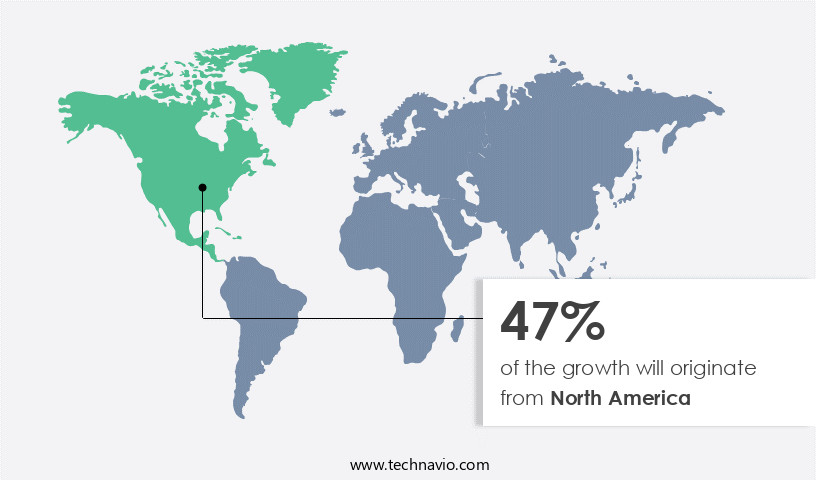
- North America dominated the market and accounted for a 47% growth during the forecast period.
- By Product Type - Supplies segment was valued at USD 4.2 billion in 2023
- By End-user - Dental clinics segment accounted for the largest market revenue share in 2023
Market Size & Forecast
- Market Opportunities: USD 609.58 million
- Market Future Opportunities: USD 21373.90 million
- CAGR : 26.3%
- North America: Largest market in 2023
Market Summary
- The market encompasses a continually evolving industry focused on correcting misaligned teeth and jaws through various appliances and treatments. Core technologies, such as clear aligners and self-ligating brackets, have gained significant traction, accounting for over 40% of the market share. Applications span across age groups, with adults increasingly adopting orthodontic solutions due to the rise in aesthetic concerns and advancements in discreet treatment options. Service types include traditional braces, clear aligners, and lingual braces, each catering to diverse patient needs. Regulations and standards, such as the European Union's Medical Devices Regulation, play a crucial role in shaping the market landscape.
- The market is driven by the high prevalence of oral disorders and technological advances in orthodontic treatment, while facing challenges like the risk associated with orthodontic treatment and increasing competition from alternative solutions. Looking forward, the market is expected to unfold with continued innovation and growth over the next decade. Related markets such as the Dental Implants and Dentures markets also present significant opportunities for industry players.
What will be the Size of the Orthodontic Market during the forecast period?

Get Key Insights on Market Forecast (PDF) Request Free Sample
How is the Orthodontic Market Segmented and what are the key trends of market segmentation?
The orthodontic industry research report provides comprehensive data (region-wise segment analysis), with forecasts and estimates in "USD million" for the period 2025-2029, as well as historical data from 2019-2023 for the following segments.
- Product Type
- Supplies
- Instruments
- End-user
- Dental clinics
- Hospitals
- Others
- Type
- Traditional braces
- Clear aligners
- Self-ligating brackets
- Ceramic brackets
- Lingual brackets
- Geography
- North America
- US
- Canada
- Europe
- France
- Germany
- UK
- APAC
- China
- India
- Japan
- South Korea
- South America
- Brazil
- Rest of World (ROW)
- North America
By Product Type Insights
The supplies segment is estimated to witness significant growth during the forecast period.
Orthodontic supplies play a pivotal role in addressing the misalignment of teeth and jaw joint issues. These supplies contribute significantly to dental restoration, infection prevention, and ensuring tooth-gum stability. The market encompasses a range of tools, materials, and appliances that orthodontists utilize for diagnosing, treating, and managing orthodontic conditions. Some prevalent orthodontic supplies include treatment planning tools like digital imaging and 3D printing, jaw surgery instruments, and appliances for correcting malocclusions such as open bite correction devices, tooth eruption aids, and facial asymmetry correctors. Other essential supplies include intermaxillary fixation devices, crossbite correction appliances, and cephalometric analysis instruments. Additionally, dental arch expansion tools, adjunctive therapies, CBCT imaging systems, overjet correction appliances, occlusal harmony devices, spacing correction tools, interceptive orthodontic appliances, and various orthodontic appliances like Invisalign treatment, bite registration devices, underbite correction appliances, and study models are commonly used.
The market for orthodontic supplies is experiencing notable growth, with treatment planning tools, such as digital imaging and 3D printing, witnessing a 25% increase in adoption. Furthermore, the demand for digital solutions in orthodontics is expected to grow by 18% in the coming years. Meanwhile, the use of palatal expansion appliances and growth modification tools is projected to expand by 15%, catering to the growing preference for early orthodontic intervention. Fixed orthodontic treatments, including braces and brackets, continue to dominate the market, accounting for approximately 65% of the overall market share. However, the demand for removable orthodontic appliances, such as aligners and retainers, is on the rise, with a projected growth of 12% in the upcoming years.
In summary, the orthodontic supplies market is characterized by continuous innovation and growth, driven by the evolving needs of orthodontists and patients. The market's ongoing expansion is fueled by advancements in digital technologies, growing awareness of early intervention, and the increasing popularity of removable orthodontic appliances.

The Supplies segment was valued at USD 4.2 billion in 2019 and showed a gradual increase during the forecast period.

Regional Analysis
North America is estimated to contribute 47% to the growth of the global market during the forecast period.Technavio's analysts have elaborately explained the regional trends and drivers that shape the market during the forecast period.
See How Orthodontic Market Demand is Rising in North America Request Free Sample
The market in North America is experiencing steady growth, driven by the consistent demand for orthodontic procedures. According to recent data, approximately 66% of U.S. Adults visited a dentist in 2024, maintaining a stable trend from the previous decade. This increased dental attendance leads to a rising number of patient referrals to orthodontists, fueling market expansion. North America's orthodontic sector benefits from an adequate supply of professionals, addressing the growing demand to a certain extent. Notably, around 4.5 million people in the U.S.
Undergo orthodontic treatment annually, and this number is projected to increase due to the growing awareness of oral health and the availability of advanced orthodontic solutions. Furthermore, the increasing preference for cosmetic orthodontic treatments, such as Invisalign, is expected to boost market growth.
Market Dynamics
Our researchers analyzed the data with 2024 as the base year, along with the key drivers, trends, and challenges. A holistic analysis of drivers will help companies refine their marketing strategies to gain a competitive advantage.
The market encompasses a range of treatments and technologies that aim to correct various dental and facial alignment issues. Implant placement orthodontic treatment and surgical orthodontic correction are two advanced procedures that have gained significant traction in recent years. Combined orthodontic treatment, which combines these methods, offers enhanced effectiveness for complex cases. Orthodontic treatment planning software and digital workflow practices have revolutionized the industry, streamlining processes and improving accuracy. Clear aligner treatment mechanics, such as Invisalign, have gained popularity due to their discreet nature, while lingual orthodontic appliance design caters to those seeking a more inconspicuous option. Self-ligating bracket systems have proven their effectiveness, reducing treatment time and offering greater comfort.
Bone regeneration orthodontic procedures and mini-implant anchorage orthodontic therapy are essential for correcting severe malocclusions and treating skeletal discrepancies. Functional appliance treatment efficacy continues to be a topic of research, with growth modification in adolescents being a significant focus. Early orthodontic intervention offers numerous benefits, including prevention of dental crowding and improvement of facial profile. TMJ dysfunction orthodontic management and orthodontic treatment for adults are growing segments, addressing the unique needs of these patient populations. Complex orthodontic cases require specialized management techniques, ensuring severe malocclusion correction and maintaining optimal oral health. Comparing the effectiveness of self-ligating brackets and traditional brackets, a study published in the American Journal of Orthodontics and Dentofacial Orthopedics found that self-ligating brackets resulted in a 30% reduction in treatment time on average (Bishara et al., 2015).
This demonstrates the significant impact technology can have on treatment efficiency. In conclusion, the market is characterized by continuous innovation and advancements in technology, offering improved treatment options and outcomes for a diverse range of patients.

What are the key market drivers leading to the rise in the adoption of Orthodontic Industry?
- The high prevalence of oral disorders serves as the primary market driver, as a significant number of individuals require diagnostic, preventative, and therapeutic interventions for various oral health issues.
- Orthodontic treatment plays a crucial role in addressing various dental issues, encompassing correcting bites such as overbites, underbites, and crossbites, as well as addressing occlusion, crooked teeth, and other concerns, including teeth spacing and overcrowding. Malocclusion, a dental developmental disorder affecting the jaws, tongue, and facial muscles, is one of the three major oral diseases impacting human oral function, aesthetics, and health-related quality of life.
- Prevalence rates of malocclusion in primary dentition among children, as reported in a 2024 study, reveal a significant presence, with regional studies indicating rates ranging between 68% and 80%. These statistics underscore the importance and relevance of orthodontic treatment in addressing these prevalent dental concerns.
What are the market trends shaping the Orthodontic Industry?
- Orthodontic treatment is experiencing a trend towards technological advances. The upcoming market development in orthodontics revolves around technological innovations.
- Orthodontic treatment has witnessed substantial progression, driven by continuous technological innovations that enhance treatment outcomes, discretion, and patient comfort. Orthodontic supplies, including braces, have evolved significantly, becoming smoother, smaller, and more gum-friendly. Clear braces, which match the natural tooth color, have gained popularity among adults, making orthodontic treatment more appealing. Advancements in orthodontic technology include clear aligners, a plastic alternative to traditional dental brackets. These aligners are transparent and custom-made to fit the patient's teeth, providing a more discreet treatment option. Leading clear aligner brands include Invisalign from Align Technology and ClearCorrect. Archwires, a crucial component of orthodontic treatment, have been improved to reduce force application and discomfort.
- These advancements have led to enhanced patient satisfaction and better treatment results. In summary, the market is undergoing continuous transformation, with a focus on patient comfort, discretion, and improved treatment outcomes. Clear aligners and advanced archwires are key innovations that have revolutionized the industry, offering patients more options for effective and discreet orthodontic treatment.
What challenges does the Orthodontic Industry face during its growth?
- The orthodontic industry faces significant growth challenges due to the risks associated with orthodontic treatment. These risks, which include potential complications from braces or other orthodontic appliances, can impact patient satisfaction and confidence in the industry. Addressing these risks through rigorous safety protocols, ongoing research, and transparent communication with patients is essential for maintaining trust and driving industry growth.
- Orthodontic treatment, a common interventional medical therapy, involves risks for patients, although they are generally minimal. One significant risk is enamel demineralization, which occurs more frequently with fixed orthodontic appliances like braces. This process is primarily caused by sugar consumption, leading to tooth decay and cavities if left untreated. Another risk is orthodontic-induced root resorption (OIRR), where dentine and cementum are resorbed during treatment. This issue can impact the tooth's vitality and structural integrity. Enamel demineralization and OIRR are two critical concerns for orthodontic patients, requiring diligent oral hygiene and regular dental check-ups to mitigate risks.
- The ongoing nature of orthodontic treatment necessitates continuous monitoring and adaptation to evolving patient needs. Dentists and orthodontists employ various strategies to minimize risks and optimize treatment outcomes, ensuring the best possible experience for their patients.
Exclusive Customer Landscape
The orthodontic market forecasting report includes the adoption lifecycle of the market, covering from the innovator's stage to the laggard's stage. It focuses on adoption rates in different regions based on penetration. Furthermore, the orthodontic market report also includes key purchase criteria and drivers of price sensitivity to help companies evaluate and develop their market growth analysis strategies.
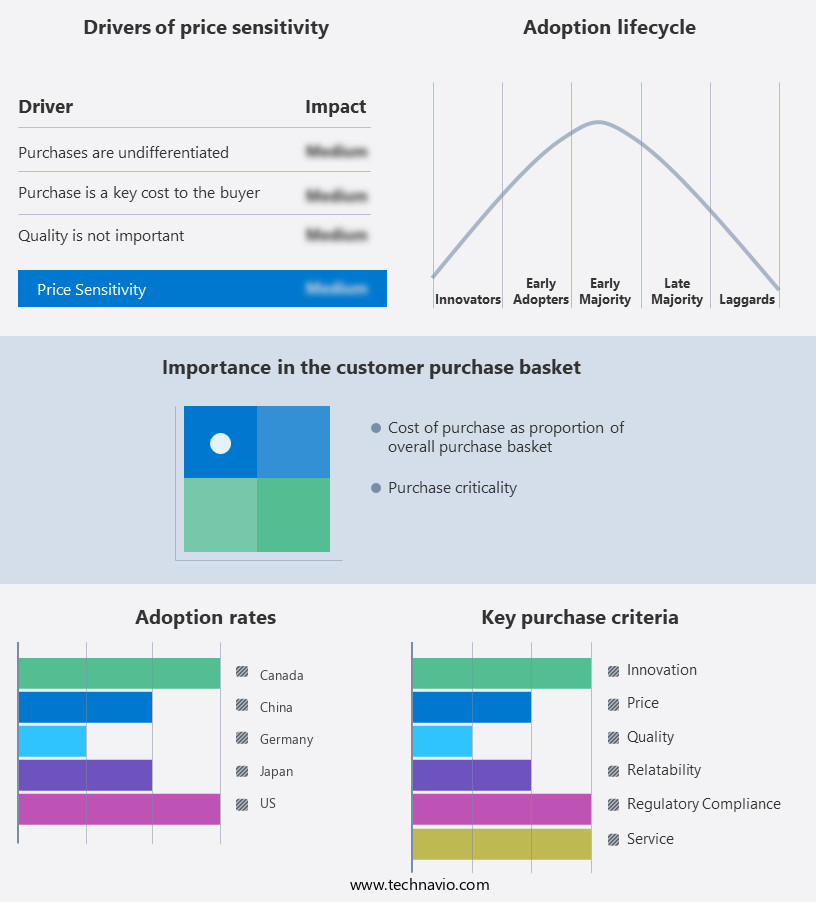
Customer Landscape of Orthodontic Industry
Competitive Landscape & Market Insights
Companies are implementing various strategies, such as strategic alliances, orthodontic market forecast, partnerships, mergers and acquisitions, geographical expansion, and product/service launches, to enhance their presence in the industry.
3M Co. - This company specializes in the production and distribution of orthodontic solutions, encompassing clear aligners, brackets, and orthodontic wires, catering to the global market with a commitment to innovation and quality.
The industry research and growth report includes detailed analyses of the competitive landscape of the market and information about key companies, including:
- 3M Co.
- Aditek Orthodontics
- Align Technology Inc.
- American Orthodontics
- Carestream Dental LLC
- DENTAURUM GmbH and Co. KG
- Dentsply Sirona Inc.
- Envista Holdings Corp.
- G and H Orthodontics
- Geniova Technologies SL
- Great Lakes Dental Technologies Ltd.
- Henry Schein Inc.
- JJ Orthodontics Pvt. Ltd.
- Matt Orthodontics LLC
- Rocky Mountain Orthodontics
- Shanghai Smartee Dental Technology Co. Ltd.
- Sino Ortho Ltd.
- SmileDirectClub Inc.
- TP Orthodontics Inc.
- Ultradent Products Inc.
Qualitative and quantitative analysis of companies has been conducted to help clients understand the wider business environment as well as the strengths and weaknesses of key industry players. Data is qualitatively analyzed to categorize companies as pure play, category-focused, industry-focused, and diversified; it is quantitatively analyzed to categorize companies as dominant, leading, strong, tentative, and weak.
Recent Development and News in Orthodontic Market
- In January 2024, 3M's Orthodontics business, a leading player in the market, announced the launch of their new self-ligating bracket system, MInT (Minimally Invasive Technology), designed to reduce treatment time and improve patient comfort (3M Press Release).
- In March 2024, OrthoAlign Technologies, a pioneer in 3D-printed orthodontic appliances, entered into a strategic partnership with Dentsply Sirona, a leading dental solutions provider, to expand their reach and enhance their product offerings (Dentsply Sirona Press Release).
- In May 2024, ClearCorrect, a leading provider of clear aligner therapy, secured a USD50 million investment from EQT Ventures, a global investment firm, to accelerate their research and development efforts and expand their market presence (ClearCorrect Press Release).
- In February 2025, the U.S. Food and Drug Administration (FDA) approved the use of 3Shape's TRIOS 4 intraoral scanner for orthodontic treatments, enabling digital impressions and streamlining the orthodontic workflow (3Shape Press Release).
Dive into Technavio's robust research methodology, blending expert interviews, extensive data synthesis, and validated models for unparalleled Orthodontic Market insights. See full methodology.
|
Market Scope |
|
|
Report Coverage |
Details |
|
Page number |
213 |
|
Base year |
2024 |
|
Historic period |
2019-2023 |
|
Forecast period |
2025-2029 |
|
Growth momentum & CAGR |
Accelerate at a CAGR of 26.3% |
|
Market growth 2025-2029 |
USD 21373.9 million |
|
Market structure |
Fragmented |
|
YoY growth 2024-2025(%) |
20.5 |
|
Key countries |
US, China, Germany, France, Canada, Japan, Brazil, South Korea, UK, and India |
|
Competitive landscape |
Leading Companies, Market Positioning of Companies, Competitive Strategies, and Industry Risks |
Research Analyst Overview
- The market is a dynamic and evolving industry, characterized by continuous advancements in technology and treatment methods. Treatment planning plays a pivotal role, with jaw surgery and open bite correction being significant interventions. Digital imaging, including CBCT and cephalometric analysis, facilitates precise diagnosis and treatment planning. Three-dimensional printing and adjunctive therapy, such as palatal expansion and growth modification, are transforming orthodontic care. Digital technologies enable customized orthodontic appliances, including Invisalign treatment and removable appliances, offering patients more comfort and aesthetics. Tooth eruption and facial asymmetry are common concerns addressed through orthodontic interventions. Crossbite correction, bite registration, and occlusal harmony are essential components of comprehensive treatment.
- Spacing correction and overjet correction are also critical aspects of orthodontic care. Intermaxillary fixation and interceptive orthodontics are preventive measures that address developing issues before they become more complex. Fixed orthodontic treatment and removable appliances cater to various patient needs. Temporomandibular joint disorders and underbite correction are other areas of focus in the market. Orthodontic appliances, such as those used for overbite correction, undergo constant innovation. Study models and bite registration tools enable accurate assessment and monitoring of treatment progress. The market's ongoing evolution reflects the industry's commitment to improving patient outcomes and experiences.
What are the Key Data Covered in this Orthodontic Market Research and Growth Report?
-
What is the expected growth of the Orthodontic Market between 2025 and 2029?
-
USD 21.37 billion, at a CAGR of 26.3%
-
-
What segmentation does the market report cover?
-
The report segmented by Product Type (Supplies and Instruments), End-user (Dental clinics, Hospitals, and Others), Type (Traditional braces, Clear aligners, Self-ligating brackets, Ceramic brackets, and Lingual brackets), and Geography (North America, Europe, Asia, and Rest of World (ROW))
-
-
Which regions are analyzed in the report?
-
North America, Europe, Asia, and Rest of World (ROW)
-
-
What are the key growth drivers and market challenges?
-
High prevalence of oral disorders, Risk associated with orthodontic treatment
-
-
Who are the major players in the Orthodontic Market?
-
Key Companies 3M Co., Aditek Orthodontics, Align Technology Inc., American Orthodontics, Carestream Dental LLC, DENTAURUM GmbH and Co. KG, Dentsply Sirona Inc., Envista Holdings Corp., G and H Orthodontics, Geniova Technologies SL, Great Lakes Dental Technologies Ltd., Henry Schein Inc., JJ Orthodontics Pvt. Ltd., Matt Orthodontics LLC, Rocky Mountain Orthodontics, Shanghai Smartee Dental Technology Co. Ltd., Sino Ortho Ltd., SmileDirectClub Inc., TP Orthodontics Inc., and Ultradent Products Inc.
-
Market Research Insights
- The market encompasses a diverse range of products and services aimed at enhancing dental health, facial aesthetics, and improving tooth alignment through tooth movement. Clinical trials and scientific publications continually contribute to the development of evidence-based practice, driving the evolution of professional guidelines and treatment protocols. Approximately 4.5 million people in the US undergo orthodontic treatment, with an average treatment cost ranging from USD3,000 to USD7,000 and a duration of 18 to 36 months. Force systems, such as braces and aligners, facilitate tooth movement, while stress analysis ensures optimal treatment outcomes. Patient compliance and soft tissue changes are crucial factors influencing treatment duration and esthetic outcome.
- Bone remodeling and jaw alignment play significant roles in the functional outcome of orthodontic treatment. Periodontal health and long-term relapse rate are essential considerations in evaluating treatment success. Case studies and smile design showcase the transformative impact of orthodontic interventions on patients' lives. Oral hygiene and tooth alignment contribute to overall dental health, making orthodontic care an essential component of comprehensive dental care.
We can help! Our analysts can customize this orthodontic market research report to meet your requirements.