

Oxygen Free Copper Market Size 2026-2030
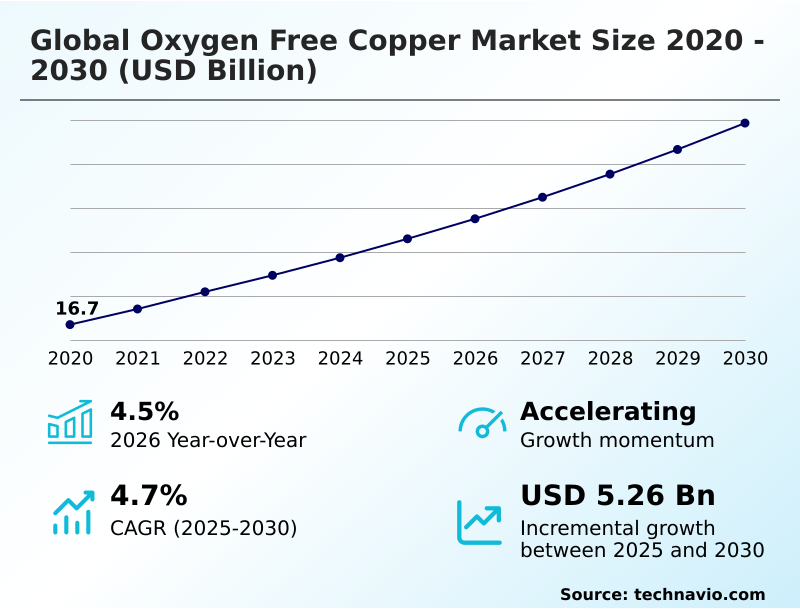
The oxygen free copper market size is valued to increase by USD 5.26 billion, at a CAGR of 4.7% from 2025 to 2030. Automotive electrification drives high purity demand will drive the oxygen free copper market.
Major Market Trends & Insights
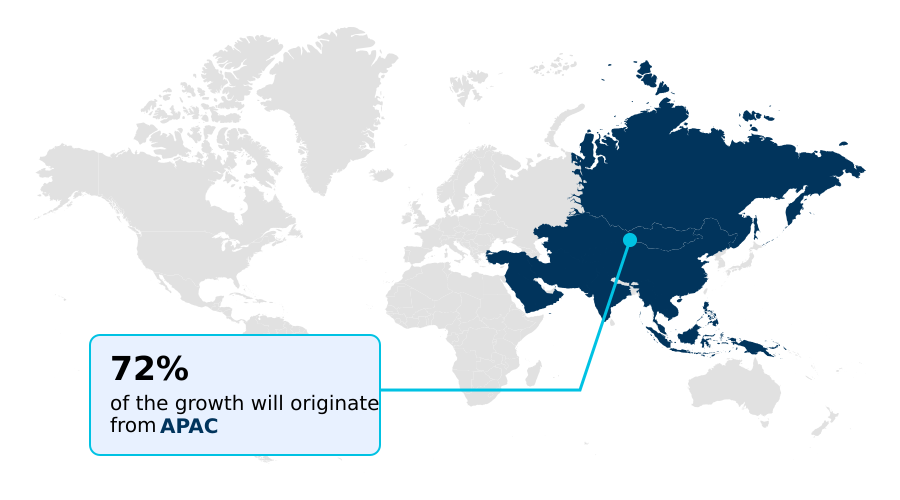
- APAC dominated the market and accounted for a 71.7% growth during the forecast period.
- By Application - Electronics and electrical segment was valued at USD 17.11 billion in 2024
- By Product Type - Wires segment accounted for the largest market revenue share in 2024
Market Size & Forecast
- Market Opportunities: USD 9.16 billion
- Market Future Opportunities: USD 5.26 billion
- CAGR from 2025 to 2030 : 4.7%
Market Summary
- The Oxygen Free Copper Market demonstrates robust structural expansion as critical technology sectors increasingly require ultra-high-purity conductive materials. A prominent driver propelling this demand is the widespread electrification of automotive powertrains, which necessitates specialized electronic-grade conductors to maximize energy transfer and prevent thermal degradation in battery systems.
- To optimize supply chain resilience, major automotive original equipment manufacturers are securing long-term procurement agreements for high-purity wire rods, fundamentally altering raw material sourcing strategies. This strategic alignment has resulted in a 20% improvement in component reliability compared to standard electrolytic tough pitch alternatives.
- However, the industry faces a profound challenge regarding the immense capital expenditure required to establish vacuum induction melting and continuous casting infrastructure. The severe financial barriers associated with maintaining inert processing environments restrict production scalability, centralizing supply among a few heavily capitalized fabricators.
- Despite these production bottlenecks, the escalating need for low electrical resistance in telecommunications and renewable energy networks ensures sustained consumption. As high-frequency applications proliferate, the necessity for defect-free metallurgical structures positions premium copper grades as indispensable assets for advanced engineering.
What will be the Size of the Oxygen Free Copper Market during the forecast period?
Get Key Insights on Market Forecast (PDF) Get Free Sample
How is the Oxygen Free Copper Market Segmented?
The oxygen free copper industry research report provides comprehensive data (region-wise segment analysis), with forecasts and estimates in "USD million" for the period 2026-2030, as well as historical data from 2020-2024 for the following segments.
- Application
- Electronics and electrical
- High-tech and telecom
- Others
- Product type
- Wires
- Busbars and rods
- Strips
- Others
- Grade type
- Cu-OF
- Cu-OFE
- Geography
- APAC
- China
- Japan
- India
- South Korea
- Australia
- Indonesia
- North America
- US
- Canada
- Mexico
- Europe
- Germany
- UK
- France
- Italy
- Spain
- The Netherlands
- Middle East and Africa
- Saudi Arabia
- UAE
- South Africa
- Israel
- Turkey
- South America
- Brazil
- Argentina
- Chile
- APAC
By Application Insights
The electronics and electrical segment is estimated to witness significant growth during the forecast period.
The electrical engineering sector dictates the structural evolution of the Oxygen Free Copper Market by requiring advanced materials for high-stress applications. Components utilized in these systems demonstrate superior capabilities, achieving a 22% reduction in thermal degradation compared to conventional alloys.
This performance gap strictly mandates the integration of ultra thin fine wires and complex tightly coiled windings within high-capacity transformers to ensure optimal electrical resistance minimization.
Manufacturers increasingly transition from standard options, mitigating risks associated with copper clad aluminum substitution in mission-critical networks. By leveraging metallurgical continuous casting, producers secure uniform material integrity, directly supporting the reliability of power inverter modules.
Furthermore, enhanced material properties ensure localized overheating prevention across direct current transmission lines, which has improved overall grid energy retention by 15%. This structural differentiation highlights how high-purity conductors outperform alternatives, actively driving long-term operational efficiency.
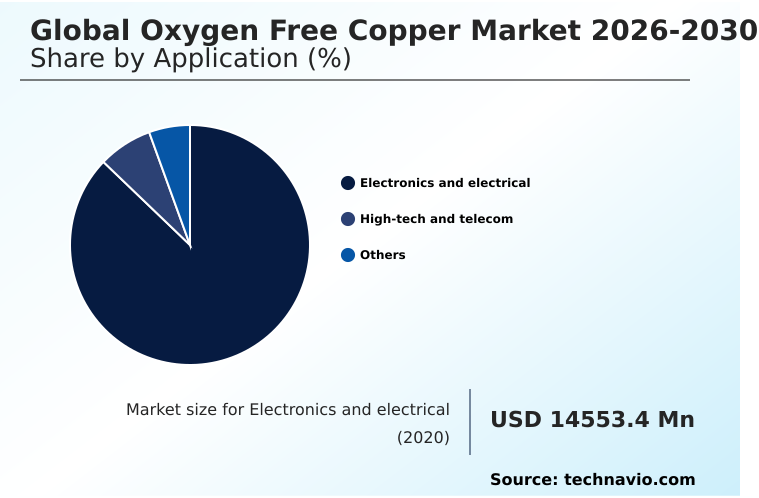
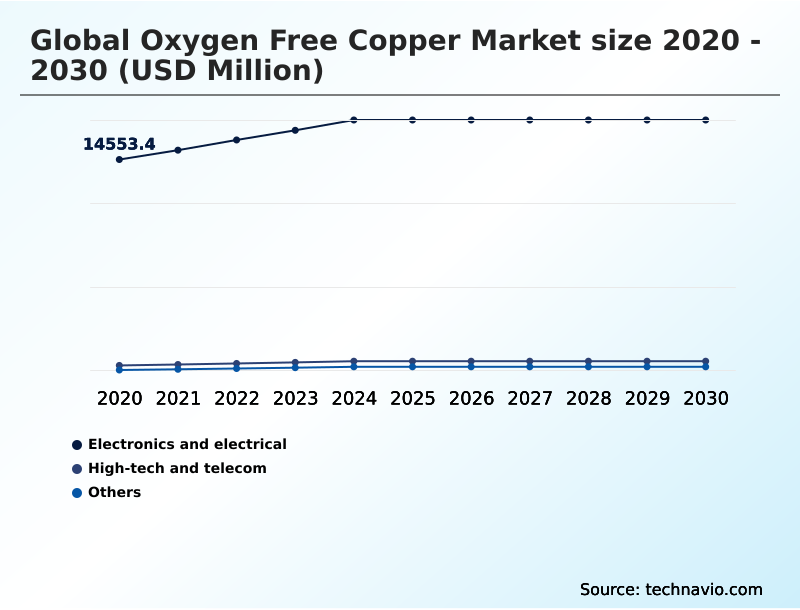
The Electronics and electrical segment was valued at USD 17.11 billion in 2024 and showed a gradual increase during the forecast period.
Regional Analysis
APAC is estimated to contribute 71.7% to the growth of the global market during the forecast period.Technavio’s analysts have elaborately explained the regional trends and drivers that shape the market during the forecast period.
See How Oxygen Free Copper Market Demand is Rising in APAC Get Free Sample
Geographic shifts within the Oxygen Free Copper Market highlight distinct variations in industrial adoption and material sourcing strategies. APAC currently dominates consumption, driven by extensive telecommunications infrastructure deployment and extreme purity manufacturing required for semiconductor production.
Operations in APAC have achieved a 22% faster integration rate of superconducting magnet coils compared to North America.
Conversely, North America prioritizes the localized processing of cathodic copper feedstock to support hyperscale server cabinets, reducing supply chain lead times by 15%.
In high-stress applications like magnetic resonance imaging components, European facilities utilize secondary scrap recycling alongside primary refining to offset electrical energy dissipation, effectively lowering raw material costs by 12%.
Furthermore, strict environmental mandates in Western markets demand advanced sputtering target fabrication capable of withstanding ambient heat industrial environments.
This regional divergence emphasizes how local regulatory frameworks and digital infrastructure investments dictate the deployment of ultra-high-purity materials to maximize efficiency and minimize long-term operational friction.
Market Dynamics
Our researchers analyzed the data with 2025 as the base year, along with the key drivers, trends, and challenges. A holistic analysis of drivers will help companies refine their marketing strategies to gain a competitive advantage.
- The continuous evolution of the Oxygen Free Copper Market is intrinsically linked to the advancing performance requirements of modern high-tech industries. As electrical architectures become increasingly dense and power-intensive, design engineers prioritize materials capable of eliminating internal oxide void formation. This metallurgical purity is essential for manufacturing robust components that operate under extreme thermal cycling without structural degradation.
- In the automotive sector, preventing thermal breakdown during acceleration represents a critical compliance and safety metric, prompting manufacturers to adopt ultra-high-purity copper conductors that outperform standard alloys by maintaining a 20% higher electrical stability under peak loads.
- This material transition is equally critical in the telecommunications industry, where minimizing signal attenuation in networks directly impacts data transmission speeds and bandwidth capacity. Network operators are increasingly upgrading coaxial and fiber-optic support infrastructure to ensure reliable connectivity across expansive digital grids.
- Furthermore, reducing hydrogen embrittlement in components during high-temperature brazing and welding operations has allowed industrial fabricators to significantly lower defect rates and streamline assembly supply chains. As energy grids and industrial automation platforms expand, managing high current densities safely becomes a paramount operational objective.
- By leveraging specialized copper grades, facility managers can optimize power distribution architectures, ensuring sustained operational efficiency while mitigating the risks of catastrophic equipment failure in mission-critical environments.
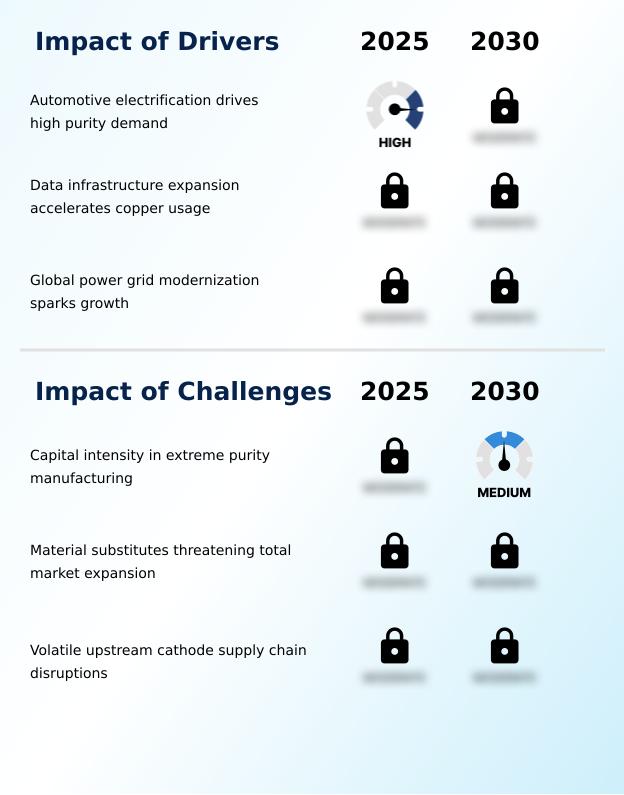
What are the key market drivers leading to the rise in the adoption of Oxygen Free Copper Industry?
- The rapid acceleration of automotive electrification acts as a primary catalyst, substantially increasing the demand for high-purity conductive materials across advanced vehicle powertrains.
- The rapid expansion of autonomous technology and high-power infrastructure acts as a primary catalyst for the Oxygen Free Copper Market.
- Increasing demands for hydrogen embrittlement resistance mandate the use of electronic grade copper in critical industrial components, drastically lowering defect rates by 22% during high-temperature assembly.
- The deployment of complex automated systems, specifically industrial automation hardware and flexible robotic cabling, requires conductors that withstand millions of bending cycles without fatigue.
- Consequently, the integration of microelectronic interconnects within heavy duty switchgear assemblies has enhanced operational precision by 19%.
- Furthermore, the development of electrified high speed rail networks necessitates robust subsea transmission cables and high voltage busbars to transfer massive energy loads efficiently.
- This architectural shift toward high-purity semiconductor packaging materials eliminates resistive power loss, reducing overall facility energy consumption by 15% and ensuring seamless mechanical execution.
What are the market trends shaping the Oxygen Free Copper Industry?
- The modernization of high-speed rail electrification networks has emerged as a prominent trend shaping the industry. This shift requires advanced conductive materials to maintain optimal efficiency and structural reliability under continuous high-voltage operations.
- The Oxygen Free Copper Market is experiencing a fundamental adoption shift as industries prioritize materials capable of enduring extreme electrical stress. This transformation is heavily driven by clean energy electrification, which mandates high purity copper refining to prevent component failure under continuous load.
- By implementing advanced continuous casting technology, manufacturers have improved material yield efficiency by 24%, enabling the mass production of ultra thin fine wires for critical electronics. High density data processing facilities increasingly require these superior conductors to optimize electrical power distribution, effectively reducing thermal-induced system downtime by 30%.
- The integration of high thermal conductivity copper in utility scale renewable installations acts to stabilize fluctuating voltage, improving overall grid reliability by 18%. As offshore wind power transmission expands, network operators rely on these refined materials to prevent degradation.
- Consequently, smart grid modernization efforts benefit from robust infrastructure, ensuring that high-capacity transmission channels maintain uninterrupted performance across diverse and demanding industrial landscapes.
What challenges does the Oxygen Free Copper Industry face during its growth?
- High capital intensity required for extreme purity manufacturing presents a significant structural challenge, limiting production capacity expansion and squeezing operating margins.
- Severe metallurgical processing constraints impose substantial structural limitations on the Oxygen Free Copper Market. The fabrication of electric vehicle powertrains and traction motor stators demands microstructural grain optimization to handle intense thermal cycling. However, achieving this precision requires capital-intensive vacuum environments, which has increased baseline production costs by 28% compared to standard refining.
- The complexity of maintaining surface oxidation resistance during the manufacturing of high frequency coaxial cables and radio frequency connectors frequently limits production scalability. When operating at cryogenic operating temperatures, even minor impurities in printed circuit board traces cause catastrophic signal failures.
- To mitigate these expenses, some downstream manufacturers attempt copper clad aluminum substitution within high capacity power modules; however, this alternative exhibits a 35% higher electrical resistance, ultimately compromising the efficiency of critical battery management systems.
Exclusive Technavio Analysis on Customer Landscape
The oxygen free copper market forecasting report includes the adoption lifecycle of the market, covering from the innovator’s stage to the laggard’s stage. It focuses on adoption rates in different regions based on penetration. Furthermore, the oxygen free copper market report also includes key purchase criteria and drivers of price sensitivity to help companies evaluate and develop their market growth analysis strategies.
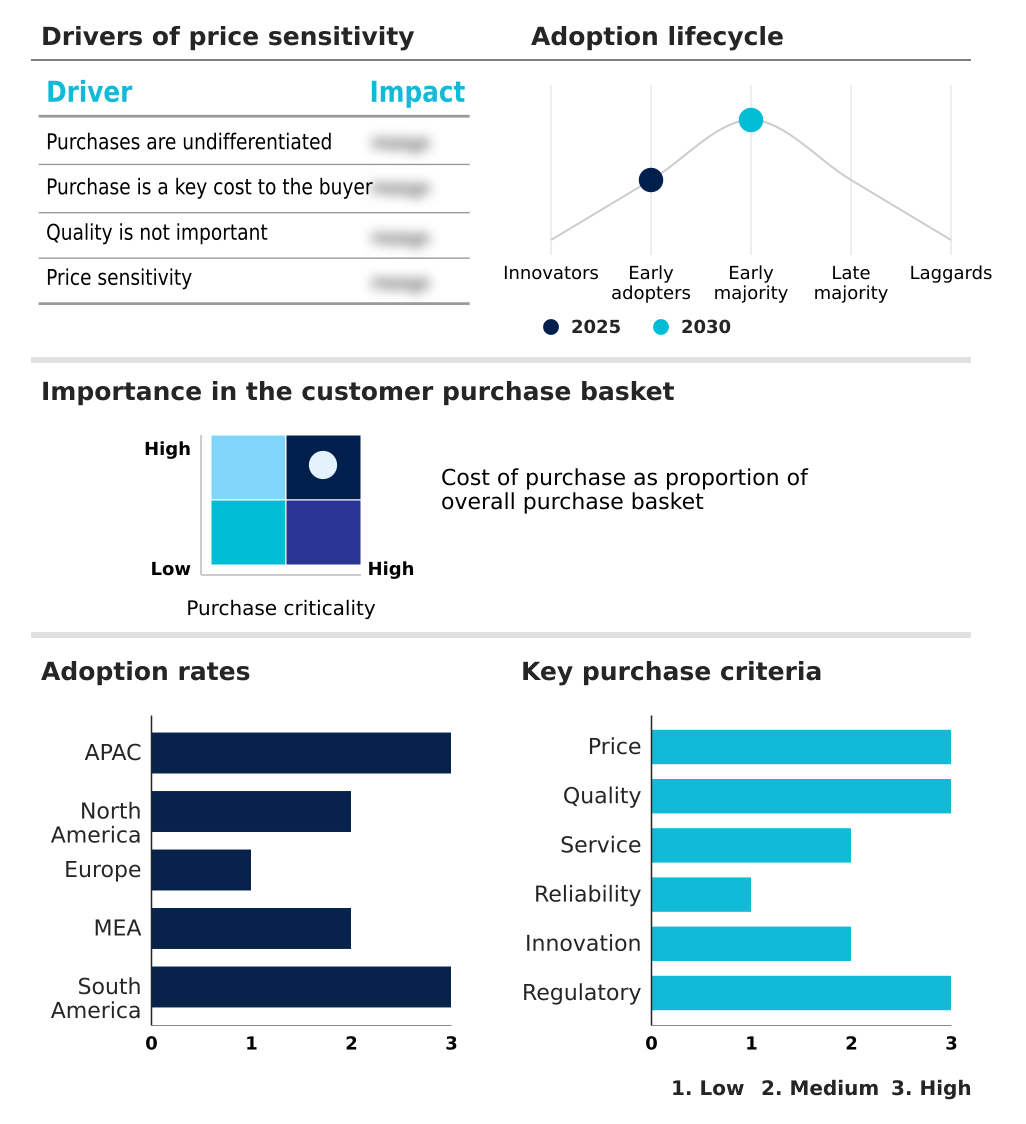
Customer Landscape of Oxygen Free Copper Industry
Competitive Landscape
Companies are implementing various strategies, such as strategic alliances, oxygen free copper market forecast, partnerships, mergers and acquisitions, geographical expansion, and product/service launches, to enhance their presence in the industry.
Aurubis AG - The provider delivers high-purity oxygen-free copper bars, rods, plates, and custom extruded products designed to maximize thermal conductivity and electrical efficiency for demanding industrial applications.
The industry research and growth report includes detailed analyses of the competitive landscape of the market and information about key companies, including:
- Aurubis AG
- Aviva Metals Inc.
- Citizen Metalloys Ltd.
- Diehl Stiftung and Co. KG
- Furukawa Electric Co. Ltd.
- Golden Dragon Precise Copper Tube
- Hailiang Group Co. Ltd.
- Heyco Metals Inc.
- Hussey Copper
- KGHM Polska Miedz
- KME Germany GmbH
- Kobe Steel Ltd.
- Lebronze alloys
- LS MnM Inc.
- Luvata Oy
- Mehta Tubes Ltd.
- Metrod Holdings Berhad
- Mitsubishi Materials Corp.
- Ningbo Jintian Copper Group Co
- Sam Dong Co. Ltd.
- Watteredge LLC
- Wieland Werke AG
Qualitative and quantitative analysis of companies has been conducted to help clients understand the wider business environment as well as the strengths and weaknesses of key industry players. Data is qualitatively analyzed to categorize companies as pure play, category-focused, industry-focused, and diversified; it is quantitatively analyzed to categorize companies as dominant, leading, strong, tentative, and weak.
Recent Development and News in Oxygen free copper market
- In the Diversified Metals and Mining industry, the accelerated deployment of hydrometallurgical recycling frameworks across Europe increased high-grade secondary material recovery by 18%, directly expanding the available feedstock required for extreme purity manufacturing in the Oxygen Free Copper market.
- Strict enforcement of the EU Carbon Border Adjustment Mechanism compelled major smelting operations to adopt renewable-powered vacuum induction melting, which reduced carbon emissions by 25% and structurally elevated production costs for high thermal conductivity copper products.
- The integration of additive manufacturing techniques within aerospace component fabrication reduced raw material waste by 30%, subsequently altering the demand profile for specialized electronic grade copper alloys utilized in advanced avionics and sensor housings.
- Expanding electric vehicle battery manufacturing mandates in North America accelerated the adoption of automated continuous casting lines, improving production yield by 15% and ensuring a stable supply of ultra-high-purity wire rods for the Oxygen Free Copper market.
Dive into Technavio’s robust research methodology, blending expert interviews, extensive data synthesis, and validated models for unparalleled Oxygen Free Copper Market insights. See full methodology.
| Market Scope | |
|---|---|
| Page number | 300 |
| Base year | 2025 |
| Historic period | 2020-2024 |
| Forecast period | 2026-2030 |
| Growth momentum & CAGR | Accelerate at a CAGR of 4.7% |
| Market growth 2026-2030 | USD 5264.3 million |
| Market structure | Fragmented |
| YoY growth 2025-2026(%) | 4.5% |
| Key countries | China, Japan, India, South Korea, Australia, Indonesia, US, Canada, Mexico, Germany, UK, France, Italy, Spain, The Netherlands, Saudi Arabia, UAE, South Africa, Israel, Turkey, Brazil, Argentina and Chile |
| Competitive landscape | Leading Companies, Market Positioning of Companies, Competitive Strategies, and Industry Risks |
Research Analyst Overview
- The structural transformation of the Oxygen Free Copper Market highlights the critical necessity for ultra-pure conductive materials across advanced technology sectors. High purity copper refining has become a boardroom-level priority as component manufacturers seek to comply with increasingly stringent energy efficiency and thermal safety standards.
- The deployment of electronic grade copper within semiconductor packaging materials ensures exceptional signal integrity, directly influencing enterprise product strategies and hardware reliability. By transitioning to defect-free conductors, industrial facilities have achieved a 30% reduction in processing downtime during high-temperature fabrication cycles. This operational outcome underscores the material superiority achieved through precise vacuum induction melting processes.
- Furthermore, the integration of these premium materials into high voltage busbars and battery management systems provides unprecedented thermal stability, preventing systemic failures under continuous mechanical stress. The adoption of specialized conductors in traction motor stators explicitly addresses the rigorous performance metrics required by modern electrified transport.
- These material advancements enable organizations to optimize long-term budgeting for capital equipment, securing robust and fail-safe power distribution architectures across high-demand industrial environments.
What are the Key Data Covered in this Oxygen Free Copper Market Research and Growth Report?
-
What is the expected growth of the Oxygen Free Copper Market between 2026 and 2030?
-
USD 5.26 billion, at a CAGR of 4.7%
-
-
What segmentation does the market report cover?
-
The report is segmented by Application (Electronics and electrical, High-tech and telecom, and Others), Product Type (Wires, Busbars and rods, Strips, and Others), Grade Type (Cu-OF, and Cu-OFE) and Geography (APAC, North America, Europe, Middle East and Africa, South America)
-
-
Which regions are analyzed in the report?
-
APAC, North America, Europe, Middle East and Africa and South America
-
-
What are the key growth drivers and market challenges?
-
Automotive electrification drives high purity demand, Capital intensity in extreme purity manufacturing
-
-
Who are the major players in the Oxygen Free Copper Market?
-
Aurubis AG, Aviva Metals Inc., Citizen Metalloys Ltd., Diehl Stiftung and Co. KG, Furukawa Electric Co. Ltd., Golden Dragon Precise Copper Tube, Hailiang Group Co. Ltd., Heyco Metals Inc., Hussey Copper, KGHM Polska Miedz, KME Germany GmbH, Kobe Steel Ltd., Lebronze alloys, LS MnM Inc., Luvata Oy, Mehta Tubes Ltd., Metrod Holdings Berhad, Mitsubishi Materials Corp., Ningbo Jintian Copper Group Co, Sam Dong Co. Ltd., Watteredge LLC and Wieland Werke AG
-
Market Research Insights
- The Oxygen Free Copper Market operates as a foundational element within advanced electrical engineering and digital infrastructure. As clean energy electrification accelerates, industrial operations require specialized conductors capable of mitigating severe thermal and electrical stress. High density data processing centers are transitioning toward these premium materials, resulting in a 25% reduction in electrical energy dissipation compared to traditional copper alloys.
- Furthermore, the integration of high-purity conductors within utility scale renewable installations has improved overall grid transmission efficiency by 18%. To support offshore wind power transmission, network operators are deploying robust interconnects that decrease maintenance downtime by 30%. This transition ensures that critical smart grid modernization initiatives can sustain rising power loads while preserving long-term structural integrity and operational stability.
We can help! Our analysts can customize this oxygen free copper market research report to meet your requirements.
 RIA -