



Packaged Burgers Market Size 2026-2030
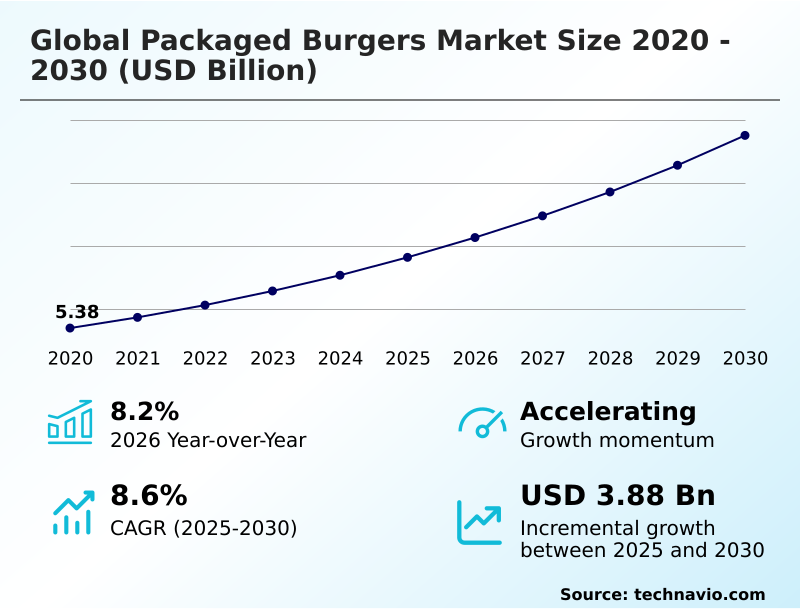
The packaged burgers market size is valued to increase by USD 3.88 billion, at a CAGR of 8.6% from 2025 to 2030. Escalating demand for convenience foods amidst urbanization and modern lifestyles will drive the packaged burgers market.
Major Market Trends & Insights
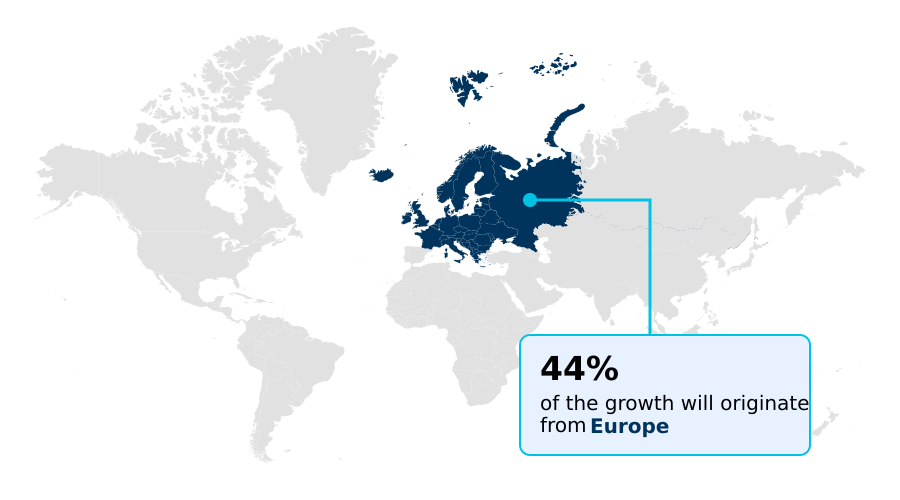
- Europe dominated the market and accounted for a 44.2% growth during the forecast period.
- By Type - Frozen burgers segment was valued at USD 4.93 billion in 2024
- By Product Type - Beef segment accounted for the largest market revenue share in 2024
Market Size & Forecast
- Market Opportunities: USD 6.13 billion
- Market Future Opportunities: USD 3.88 billion
- CAGR from 2025 to 2030 : 8.6%
Market Summary
- The packaged burgers market is undergoing a significant transformation, balancing the foundational demand for convenience with increasingly sophisticated consumer expectations. Key drivers include the rise of plant-forward dietary shifts, leading to innovations in plant-based burger formulation that deliver authentic sensory attribute replication.
- Concurrently, the push for premiumization has elevated standards, with a focus on grass-fed beef sourcing and organic packaged burgers. However, the industry grapples with significant challenges, including persistent supply chain cost escalation and the need for robust food product traceability to comply with stringent food safety protocols.
- For instance, a manufacturer aiming to launch a clean-label burger product must navigate volatile agricultural commodity prices for its premium ingredients while investing in a transparent supply chain to validate its antibiotic-free meat claims to consumers.
- This dynamic requires companies to master both culinary innovation, such as creating new gourmet flavor profiles, and operational resilience to maintain profitability and consumer trust in a competitive landscape.
What will be the Size of the Packaged Burgers Market during the forecast period?
Get Key Insights on Market Forecast (PDF) Get Free Sample
How is the Packaged Burgers Market Segmented?
The packaged burgers industry research report provides comprehensive data (region-wise segment analysis), with forecasts and estimates in "USD million" for the period 2026-2030, as well as historical data from 2020-2024 for the following segments.
- Type
- Frozen burgers
- Chilled burgers
- Fresh burgers
- Product type
- Beef
- Chicken
- Plant-based
- Others
- Distribution channel
- Supermarkets and hypermarkets
- Convenience stores
- Online retail
- Others
- Geography
- Europe
- Germany
- UK
- France
- North America
- US
- Canada
- Mexico
- APAC
- China
- Japan
- India
- South America
- Brazil
- Argentina
- Middle East and Africa
- Saudi Arabia
- UAE
- South Africa
- Rest of World (ROW)
- Europe
By Type Insights
The frozen burgers segment is estimated to witness significant growth during the forecast period.
The frozen burgers segment remains a cornerstone of the market, driven by unparalleled convenience and an expanding cold chain logistics network.
Innovations in flash freezing techniques are pivotal, preserving taste and texture to a degree that consumer acceptance now rivals fresher alternatives.
This segment includes a diverse range of frozen burger patties, from economical family packs to premium plant-based options using soy protein-based burgers and pea protein burger formulations.
Advanced vacuum-sealed burger packaging and modified atmosphere packaging extend product usability, a key factor in consumer purchasing criteria, while also simplifying foodservice distribution channels. Enhanced offerings, including reduced sodium formulations, now cater to health-conscious consumers.
By leveraging technology to ensure an extended shelf life, manufacturers have improved inventory turnover by up to 15%, solidifying the segment's market position.
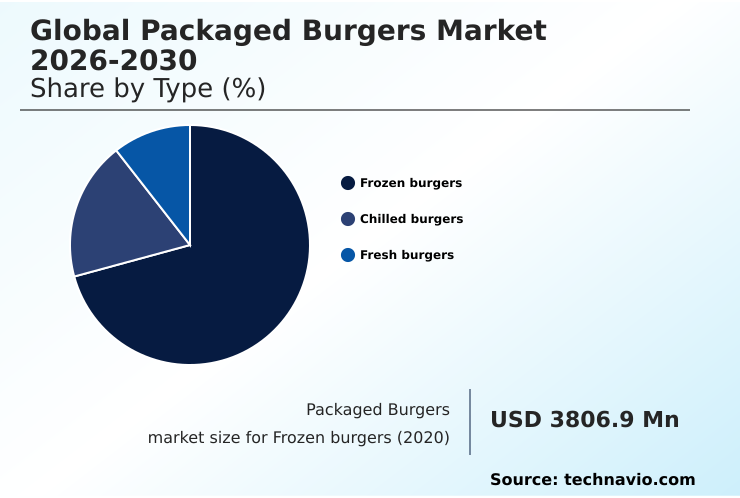
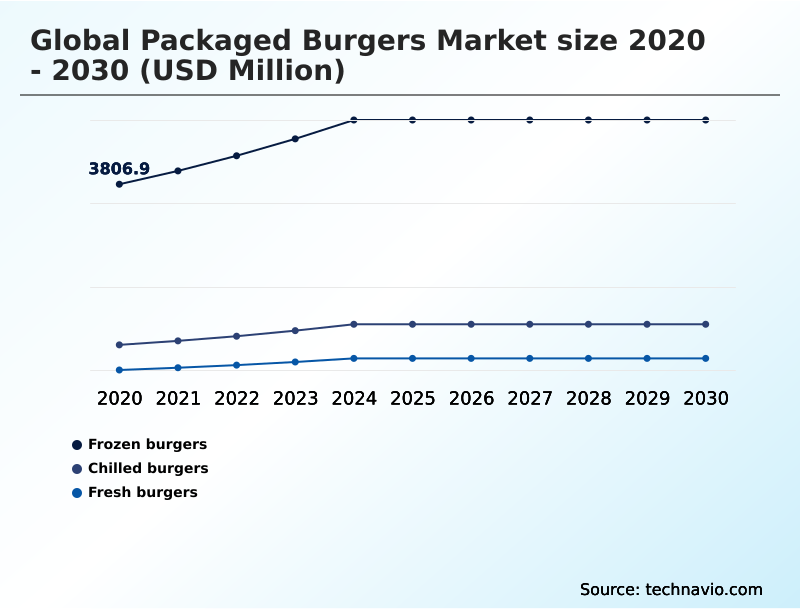
The Frozen burgers segment was valued at USD 4.93 billion in 2024 and showed a gradual increase during the forecast period.
Regional Analysis
Europe is estimated to contribute 44.2% to the growth of the global market during the forecast period.Technavio’s analysts have elaborately explained the regional trends and drivers that shape the market during the forecast period.
See How Packaged Burgers Market Demand is Rising in Europe Get Free Sample
The global geographic landscape for packaged burgers shows a clear distinction between mature and emerging regions.
North America and Europe remain dominant, driven by established retail infrastructures and high consumer demand for convenience, including chilled burger products and fresh butcher-quality patties prepared in-store.
Europe is set to contribute 44.24% of the market's incremental growth, with a strong focus on premiumization and sustainability. In contrast, APAC is a key growth frontier where rising disposable incomes and urbanization are driving adoption.
The expansion of e-commerce grocery platforms and sophisticated last-mile cold chain delivery networks in this region has boosted accessibility, with online adoption increasing by over 30% in major urban centers.
Success in markets like South America is often tied to regional flavor adaptation that resonates with local culinary traditions, such as the Brazilian barbecue culture, while direct-to-consumer food models are gaining traction globally.
Market Dynamics
Our researchers analyzed the data with 2025 as the base year, along with the key drivers, trends, and challenges. A holistic analysis of drivers will help companies refine their marketing strategies to gain a competitive advantage.
- The strategic landscape of the global packaged burgers market 2026-2030 is increasingly shaped by nuanced consumer demands and operational complexities. Key decisions revolve around the consumer perception of fresh vs frozen burgers, which influences portfolio strategy and cold chain logistics for burgers.
- The growth of online retail for packaged burgers presents new avenues, but also amplifies the need for efficient distribution. Manufacturers are exploring innovations in plant protein for burgers to cater to health and wellness trends in burgers, a segment where products that mimic meat are gaining significant traction.
- This requires a focus on gourmet burger offerings for retail that go beyond basic patties. Simultaneously, the impact of private labels on branded burgers forces established companies to double down on differentiation through premium grass fed beef burger patties and packaged burgers with clean label ingredients.
- Navigating food safety regulations for burgers remains a top priority, driving investment in sustainable sourcing practices for packaged burgers. Companies that effectively communicate their commitment to antibiotic-free burgers often see higher consumer trust, with some reporting a 10% greater retention rate.
- Addressing supply chain challenges in packaged burgers, from sourcing to managing the convenience of frozen vs chilled burgers, is crucial for maintaining market position and profitability.
What are the key market drivers leading to the rise in the adoption of Packaged Burgers Industry?
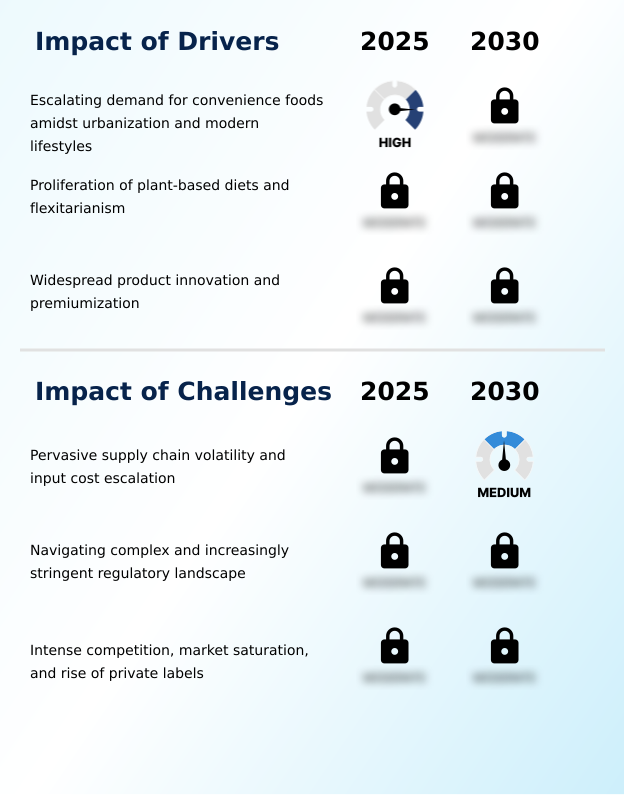
- The escalating demand for convenience foods, driven by rapid urbanization and time-constrained modern lifestyles, serves as a primary driver for market growth.
- The fundamental market driver remains the demand for convenience, manifesting as a preference for heat-and-eat meal solutions and quick-cook burger options.
- This has led to the development of value-added burger products, such as pre-seasoned patty convenience items and single-serve packaging solutions, which can reduce meal preparation time by over 50%.
- Catering to the flexitarian consumer demand, the market has seen a surge in premium beef burgers, including high-end angus beef burgers and wagyu beef patties.
- Premium ingredient sourcing is a key differentiator, influencing the purchasing criteria of a growing consumer segment and fostering strong consumer brand loyalty.
- The availability of diverse ready-to-cook meal components across various foodservice distribution channels further fuels market expansion by meeting the needs of time-constrained households seeking high-quality, easy-to-prepare meals.
What are the market trends shaping the Packaged Burgers Industry?
- A pronounced consumer shift toward health and wellness is reshaping product development, driving demand for formulations with cleaner labels and enhanced nutritional profiles.
- Key trends are reshaping the market, driven by consumer demand for healthier and more sophisticated options. The rise of plant-forward dietary shifts has spurred intense innovation in meat alternative products, where the goal is achieving authentic sensory attribute replication. Advanced protein isolation technology is enabling the creation of plant-based burger formulation options that closely mimic traditional gourmet chicken burgers.
- Brands that offer restaurant-quality at home experiences through artisanal food production and globally inspired flavor innovation are gaining a competitive edge, with some achieving a 25% increase in consumer engagement.
- This push toward premiumization is also seen in the demand for non-gmo project verified and clean label burger ingredients, including artisanal cheese inclusions, reflecting a broader movement toward transparency and quality in culinary fusion trends.
What challenges does the Packaged Burgers Industry face during its growth?
- Pervasive supply chain volatility and the corresponding escalation of input costs present a significant challenge to profitability and stability within the industry.
- Navigating market challenges requires a focus on operational resilience and strategic differentiation. Persistent supply chain cost escalation and agricultural commodity volatility necessitate robust input cost management, with effective strategies mitigating margin erosion by up to 15%. The rise of retailer brand competition, particularly from private label burger manufacturing, has intensified price pressures, making product differentiation strategies essential for survival.
- Furthermore, adhering to a complex web of regulations, including food safety compliance and requirements for halal-certified meat products or kosher-certified food processing, adds significant operational overhead. Ensuring complete food product traceability across the supply chain is no longer optional.
- These pressures force companies to innovate continuously to stand out in niche market segmentation while managing the logistical demands of foodservice distribution channels and maintaining extended shelf life standards.
Exclusive Technavio Analysis on Customer Landscape
The packaged burgers market forecasting report includes the adoption lifecycle of the market, covering from the innovator’s stage to the laggard’s stage. It focuses on adoption rates in different regions based on penetration. Furthermore, the packaged burgers market report also includes key purchase criteria and drivers of price sensitivity to help companies evaluate and develop their market growth analysis strategies.
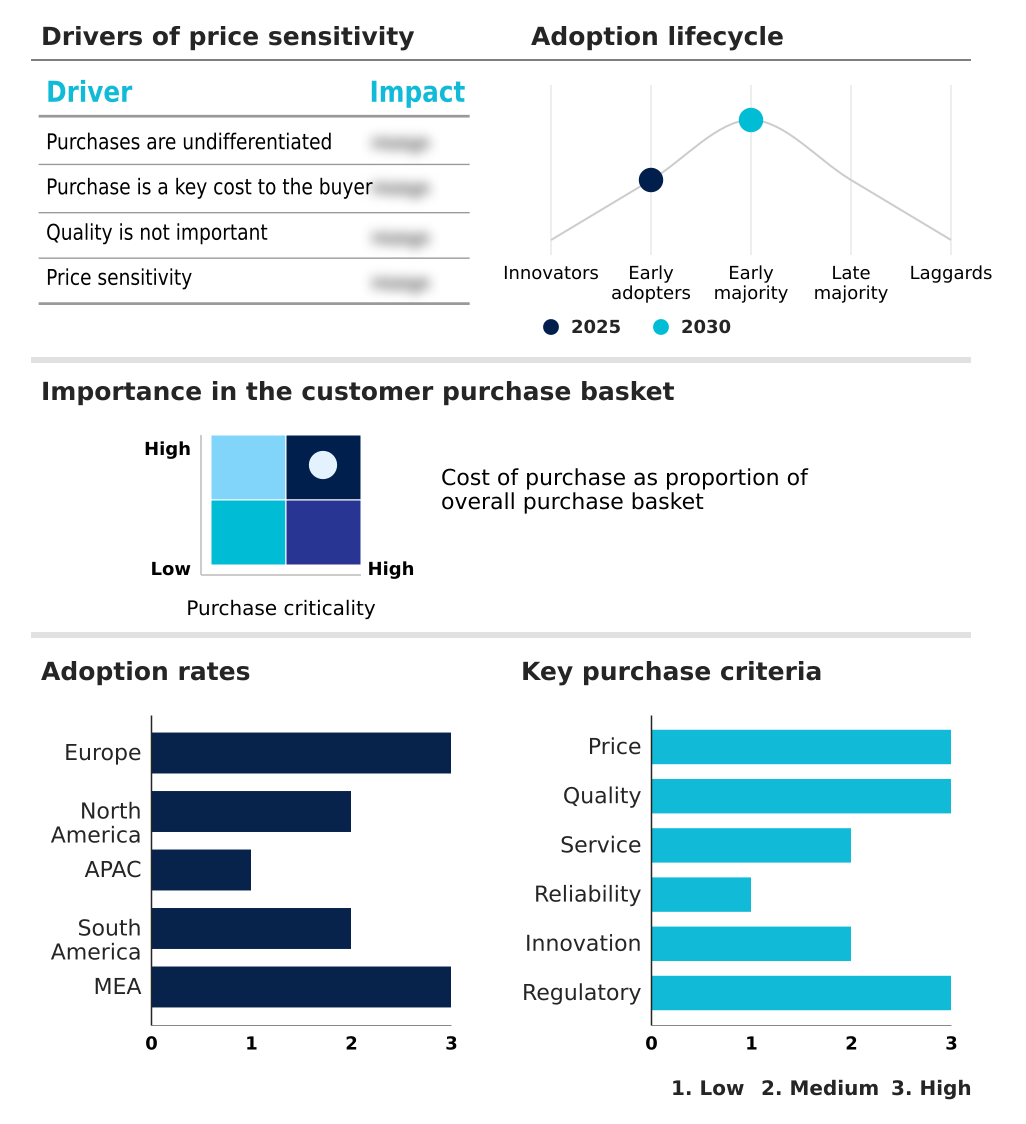
Customer Landscape of Packaged Burgers Industry
Competitive Landscape
Companies are implementing various strategies, such as strategic alliances, packaged burgers market forecast, partnerships, mergers and acquisitions, geographical expansion, and product/service launches, to enhance their presence in the industry.
Acabonac Farms LLC - Focuses on developing plant-based meat alternatives that replicate the sensory attributes of animal protein, catering to evolving dietary preferences through advanced formulations.
The industry research and growth report includes detailed analyses of the competitive landscape of the market and information about key companies, including:
- Acabonac Farms LLC
- Amys Kitchen Inc.
- Beyond Meat Inc.
- Bubba Foods LLC
- Campbells Prime Meat Ltd.
- Cremonini S.p.A.
- DiLuigi Foods Inc.
- Don Lee Farms
- Dr. Praegers Sensible Foods Inc.
- Impossible Foods Inc.
- J Sainsbury plc
- Kellanova
- Marfrig Global Foods SA
- Nestle SA
- Paragon Quality Foods Ltd.
- Quality Burgers Ltd.
- Rangeland Foods Ltd.
- The Kraft Heinz Co.
- The Kroger Co.
- Tyson Foods Inc.
Qualitative and quantitative analysis of companies has been conducted to help clients understand the wider business environment as well as the strengths and weaknesses of key industry players. Data is qualitatively analyzed to categorize companies as pure play, category-focused, industry-focused, and diversified; it is quantitatively analyzed to categorize companies as dominant, leading, strong, tentative, and weak.
Recent Development and News in Packaged burgers market
- In April 2025, Tyson Foods Inc. expanded its foodservice portfolio by introducing new products, including fully cooked, flame-broiled turkey patties designed as a lower-fat alternative to traditional beef burgers.
- In March 2025, Future Burger, a plant-based food company, announced a strategic partnership with fast-food chain Quick Serve Inc. to launch a co-branded line of plant-based packaged burgers sold exclusively through retail.
- In February 2025, Global Foods Inc. launched a new line of premium packaged burgers under the brand name Natures Catch, marketed as a clean-label product made with organic, grass-fed beef and sustainable packaging.
- In May 2025, the European Union introduced new sustainability regulations known as the Green Food Charter, setting mandatory requirements for food manufacturers to reduce environmental impact and promote animal welfare.
Dive into Technavio’s robust research methodology, blending expert interviews, extensive data synthesis, and validated models for unparalleled Packaged Burgers Market insights. See full methodology.
| Market Scope | |
|---|---|
| Page number | 307 |
| Base year | 2025 |
| Historic period | 2020-2024 |
| Forecast period | 2026-2030 |
| Growth momentum & CAGR | Accelerate at a CAGR of 8.6% |
| Market growth 2026-2030 | USD 3876.0 million |
| Market structure | Fragmented |
| YoY growth 2025-2026(%) | 8.2% |
| Key countries | Germany, UK, France, Italy, Spain, The Netherlands, US, Canada, Mexico, China, Japan, India, South Korea, Thailand, Indonesia, Brazil, Argentina, Chile, Saudi Arabia, UAE, South Africa, Israel and Turkey |
| Competitive landscape | Leading Companies, Market Positioning of Companies, Competitive Strategies, and Industry Risks |
Research Analyst Overview
- The packaged burgers market is defined by a complex interplay of consumer trends and operational demands, forcing boardroom-level decisions on R&D and supply chain investments. The push for clean label burger ingredients is compelling manufacturers to re-evaluate sourcing, prioritizing antibiotic-free meat claims and grass-fed beef sourcing.
- This shift extends to plant-based alternatives, where protein isolation technology is used to create sophisticated soy protein-based burgers and pea protein burger formulations with authentic sensory attribute replication. Innovation is also evident in value-added burger products featuring artisanal cheese inclusions or gourmet flavor profiles.
- To ensure safety and quality across frozen burger patties and chilled products, companies are implementing advanced food product traceability systems, which have been shown to reduce recall-related expenses by over 40%. The adoption of modified atmosphere packaging and flash freezing techniques supports extended shelf life, a critical factor in managing cold chain logistics.
- Success in this environment requires balancing premium offerings, such as angus beef burgers, with the manufacturing efficiencies needed to compete against private label burger manufacturing.
What are the Key Data Covered in this Packaged Burgers Market Research and Growth Report?
-
What is the expected growth of the Packaged Burgers Market between 2026 and 2030?
-
USD 3.88 billion, at a CAGR of 8.6%
-
-
What segmentation does the market report cover?
-
The report is segmented by Type (Frozen burgers, Chilled burgers, and Fresh burgers), Product Type (Beef, Chicken, Plant-based, and Others), Distribution Channel (Supermarkets and hypermarkets, Convenience stores, Online retail, and Others) and Geography (Europe, North America, APAC, South America, Middle East and Africa)
-
-
Which regions are analyzed in the report?
-
Europe, North America, APAC, South America and Middle East and Africa
-
-
What are the key growth drivers and market challenges?
-
Escalating demand for convenience foods amidst urbanization and modern lifestyles, Pervasive supply chain volatility and input cost escalation
-
-
Who are the major players in the Packaged Burgers Market?
-
Acabonac Farms LLC, Amys Kitchen Inc., Beyond Meat Inc., Bubba Foods LLC, Campbells Prime Meat Ltd., Cremonini S.p.A., DiLuigi Foods Inc., Don Lee Farms, Dr. Praegers Sensible Foods Inc., Impossible Foods Inc., J Sainsbury plc, Kellanova, Marfrig Global Foods SA, Nestle SA, Paragon Quality Foods Ltd., Quality Burgers Ltd., Rangeland Foods Ltd., The Kraft Heinz Co., The Kroger Co. and Tyson Foods Inc.
-
Market Research Insights
- The market's trajectory is heavily influenced by evolving consumer purchasing criteria, which increasingly favor ready-to-cook meal components and products aligned with plant-forward dietary shifts. The demand for restaurant-quality at home experiences has fueled product differentiation strategies, with some premium brands achieving a 15% uplift in consumer brand loyalty through superior ingredient sourcing.
- Concurrently, the adoption of sustainable food packaging is a key factor, with studies indicating that 60% of consumers are more likely to purchase from brands with clear environmental commitments.
- Effective input cost management remains critical; firms using advanced analytics to navigate agricultural commodity volatility have successfully protected their profit margins by 5-7% compared to industry averages, demonstrating the importance of operational agility in a competitive environment.
We can help! Our analysts can customize this packaged burgers market research report to meet your requirements.
 RIA -
RIA - 
