



Peripheral Neuropathy Treatment Market Size 2025-2029
The peripheral neuropathy treatment market size is forecast to increase by USD 481.6 million, at a CAGR of 4.5% between 2024 and 2029.
- The market is witnessing significant growth, driven primarily by the increasing prevalence of this condition. Peripheral neuropathy, characterized by damage to the peripheral nerves, affects millions worldwide, and its numbers continue to rise due to factors such as diabetes, alcoholism, and chemotherapy treatments. However, the market's landscape is not without challenges. A major concern is the side effects associated with current treatment options. Medications like gabapentinoids and opioids, while effective in managing symptoms, can cause adverse reactions such as dizziness, drowsiness, and addiction. As a result, there is an urgent need for safer, more effective treatments. The market's future lies in innovative solutions that address these challenges while improving patient outcomes.
- Companies focusing on developing novel therapies, such as gene therapy, stem cell therapy, and immunotherapies, are expected to gain a competitive edge. Additionally, collaborations between industry players and academic institutions to accelerate research and development efforts will be crucial in driving market growth.
What will be the Size of the Peripheral Neuropathy Treatment Market during the forecast period?

Explore in-depth regional segment analysis with market size data - historical 2019-2023 and forecasts 2025-2029 - in the full report.
Request Free Sample
Peripheral neuropathy, a condition characterized by damage to the peripheral nerves, continues to pose a significant challenge in healthcare due to its complex etiology and diverse clinical manifestations. The market dynamics of peripheral neuropathy treatment are continually evolving, with various sectors exploring innovative approaches to address the unmet needs of patients. Alpha-lipoic acid, a potent antioxidant, has gained attention for its neuroprotective properties, particularly in the context of diabetic neuropathy. Electromyography (EMG), an essential diagnostic tool, enables accurate assessment of nerve function and plays a crucial role in guiding treatment decisions. Drug delivery systems, such as patches and infusions, offer improved patient compliance and efficacy in managing neuropathic pain.
Skin biopsy and surgical intervention are employed in specific cases, while quality of life assessment is a critical aspect of treatment, focusing on managing symptoms and improving patient outcomes. Nerve regeneration strategies, including stem cell therapy and gene therapy, hold promise for addressing the underlying pathology. Neuropathic pain, a common and debilitating symptom, is being targeted through various modalities, including lidocaine patches, capsaicin cream, and medication adherence programs. Alcoholic neuropathy, a distinct form of peripheral neuropathy, requires tailored treatment approaches. Coexisting conditions, such as orthostatic hypotension, bladder dysfunction, muscle weakness, loss of balance, and shooting pain, further complicate treatment.
Healthcare costs and patient education are essential considerations in the peripheral neuropathy treatment landscape. Preventative measures, such as diabetic foot care and medication adherence, can help mitigate the burden of this condition. Dietary supplements, including B vitamins and omega-3 fatty acids, may offer additional benefits. The ongoing clinical trials exploring new therapeutic options underscore the dynamic nature of the market. As research advances, the focus on personalized treatment plans, integrating various modalities, and addressing the unique needs of each patient will remain paramount.
How is this Peripheral Neuropathy Treatment Industry segmented?
The peripheral neuropathy treatment industry research report provides comprehensive data (region-wise segment analysis), with forecasts and estimates in "USD million" for the period 2025-2029, as well as historical data from 2019-2023 for the following segments.
- Type
- Diabetic
- Chemotherapy
- Others
- Therapy
- Pharmacological therapies
- Non pharmacological therapies
- Diagnostic Methods
- Blood test
- Biopsy
- Imaging
- End-user
- Hospitals and clinics
- Retail pharmacy
- Online pharmacy
- Geography
- North America
- US
- Canada
- Europe
- France
- Germany
- UK
- APAC
- China
- India
- Japan
- South Korea
- South America
- Brazil
- Rest of World (ROW)
- North America
By Type Insights
The diabetic segment is estimated to witness significant growth during the forecast period.
Diabetic peripheral neuropathy, a common complication of diabetes, is characterized by nerve damage leading to muscle weakness, loss of balance, shooting pain, and sensitivity to touch. This condition affects approximately 50% of people with diabetes and is the leading cause of foot ulcers. The underlying mechanisms involve axonal damage, decreasing nerve action potential, and impaired neuronal signal transmission due to both metabolic and vascular factors. Hyperglycemia, elevated triglycerides, excess body weight, smoking, and high blood pressure are significant risk factors. Diabetic peripheral neuropathy can result in complications such as bladder dysfunction, autonomic neuropathy, and post-herpetic neuropathy. Treatment options include various therapies like physical therapy, occupational therapy, medication adherence, and pain management techniques such as lidocaine patches, capsaicin cream, and B vitamins.
Clinical trials are underway to explore the potential of gene therapy, stem cell therapy, nerve regeneration, and drug delivery systems. Patient education and diabetic foot care are essential for managing diabetic peripheral neuropathy and preventing complications. Other forms of peripheral neuropathy, including hereditary neuropathy, alcoholic neuropathy, and chemotherapy-induced neuropathy, also impact patient outcomes. Healthcare costs associated with peripheral neuropathy are significant, and ongoing research focuses on improving treatment efficacy and reducing these costs through early intervention and prevention strategies. Electromyography (EMG) and skin biopsy are used for diagnosis, while surgical intervention is an option for severe cases.
Dietary supplements like omega-3 fatty acids and alpha-lipoic acid have shown promise in managing neuropathic pain.

The Diabetic segment was valued at USD 1056.30 million in 2019 and showed a gradual increase during the forecast period.
Regional Analysis
North America is estimated to contribute 44% to the growth of the global market during the forecast period. Technavio’s analysts have elaborately explained the regional trends and drivers that shape the market during the forecast period.

The market in North America is experiencing growth due to several factors. The rising prevalence of peripheral neuropathy, a condition that damages the nerves outside of the brain and spinal cord, is a significant driver. Additionally, increasing awareness of this condition and the presence of key companies in the region are contributing to market expansion. Regulatory approvals for new drugs and a robust pipeline of potential treatments are also boosting growth. The US holds the largest market share, with a substantial number of cases attributed to diabetes, a leading cause of peripheral neuropathy. Diabetic neuropathy, which can result in pain, muscle weakness, and loss of balance, affects a large population in the country.
Other factors, such as hereditary neuropathy, orthostatic hypotension, bladder dysfunction, shooting pain, post-herpetic neuropathy, chemotherapy-induced neuropathy, alcoholic neuropathy, and various other forms of neuropathic pain, are also contributing to market growth. Treatment options include physical therapy, medication adherence, gene therapy, stem cell therapy, nerve regeneration, and various pain management techniques, such as lidocaine patches, capsaicin cream, and B vitamins. Clinical trials, electromyography (EMG) tests, blood tests, and skin biopsies are common diagnostic methods. Surgical intervention and drug delivery systems are also utilized in severe cases. The market encompasses various treatments, from traditional methods like tai chi and patient education to innovative approaches like alpha-lipoic acid and omega-3 fatty acids.
The ultimate goal is to improve patient outcomes, manage symptoms, and enhance quality of life.
Market Dynamics
Our researchers analyzed the data with 2024 as the base year, along with the key drivers, trends, and challenges. A holistic analysis of drivers will help companies refine their marketing strategies to gain a competitive advantage.
The market encompasses a range of interventions designed to alleviate the symptoms and prevent complications of peripheral neuropathy, a condition characterized by damage to the peripheral nerves. This market includes therapies such as pharmacological treatments, physical therapy, and alternative modalities like acupuncture and transcutaneous electrical nerve stimulation (TENS). Commonly used medications include pain relievers, antidepressants, and anticonvulsants. Physical therapy focuses on improving muscle strength, balance, and mobility. Alternative treatments like TENS and acupuncture offer drug-free pain relief. Additionally, dietary modifications, vitamin supplements, and lifestyle changes play a role in managing peripheral neuropathy. The market continues to evolve with ongoing research into innovative treatments like stem cell therapy and gene therapy. Patients seek effective solutions to manage their symptoms and improve their quality of life.
What are the key market drivers leading to the rise in the adoption of Peripheral Neuropathy Treatment Industry?
- The prevalence of peripheral neuropathy is on the rise, serving as the primary catalyst for market growth in this sector.
- Peripheral neuropathy, a condition characterized by damage to the peripheral nervous system, affects over 100 types and impacts millions worldwide. Causes include diabetes, physical injury, vascular issues, autoimmune diseases, hormonal imbalances, kidney and liver disorders, certain cancers, chemotherapy, and infections. Diabetes, in particular, is a leading cause, affecting up to 50% of adults with the condition. Effective treatment approaches include medication, such as lidocaine patches and capsaicin cream, for pain management. B vitamins, omega-3 fatty acids, and idiopathic neuropathy treatments are also utilized. In severe cases, foot ulcers may require occupational therapy and diabetic foot care. Medication adherence is crucial for managing symptoms and preventing complications.
- The market for peripheral neuropathy treatments is expected to grow due to the increasing prevalence of the condition, driven by factors like diabetes and aging populations. Effective treatments, such as those mentioned, will continue to play a significant role in managing symptoms and improving patient quality of life.
What are the market trends shaping the Peripheral Neuropathy Treatment Industry?
- A strong drug pipeline represents a significant market trend, signifying a robust commitment to research and development in the pharmaceutical industry. This dedication to innovation is essential for companies to bring new treatments and medications to market, addressing unmet medical needs and advancing healthcare solutions.
- The market growth is driven by the promising pipeline of drugs under development. Companies such as WinSanTor, Inc., Astellas Pharma, AstraZeneca Plc, and Octapharma AG are leading this innovation. These drugs, at various stages of clinical trials, employ distinct mechanisms for treating peripheral neuropathy at multiple targets. For instance, WinSanTor's WST-057 has completed Phase I trials, while Astellas Pharma's ASP3662 is in Phase IIA, and AstraZeneca Plc's MEDI7352 is in Phase I/II. Additionally, Octapharma AG's Panzyga is in Phase III trials for diabetic neuropathy. These advancements will broaden treatment options, alter market dynamics, and fuel global market expansion during the forecast period.
- Neuropathic pain, nerve regeneration, and alcoholic neuropathy are some areas these drugs aim to address. Electromyography (EMG) and skin biopsy remain essential diagnostic tools, while drug delivery systems and surgical intervention continue to be viable treatment approaches. Enhancing quality of life for those affected by peripheral neuropathy is the ultimate goal.
What challenges does the Peripheral Neuropathy Treatment Industry face during its growth?
- Peripheral neuropathy, a condition characterized by damage to the peripheral nerves, presents a significant challenge to the pharmaceutical industry due to the potential side effects associated with medications used to treat it. These side effects can hinder industry growth and require ongoing research and development efforts to mitigate their impact.
- Peripheral neuropathy is a neurological condition characterized by damage to the peripheral nerves, disrupting communication between the brain and other body parts. Treatment options for this disorder include various medications such as topical and opioid analgesics, non-steroidal anti-inflammatory drugs (NSAIDs), antidepressants (tricyclic antidepressants, selective serotonin reuptake inhibitors, and serotonin-norepinephrine reuptake inhibitors), and anticonvulsant drugs (gabapentin, pregabalin, and topiramate). However, these treatments come with side effects. For instance, opioid drugs require careful dosing to minimize side effects like sedation, delirium, drowsiness, and nausea.
- Other treatment modalities, such as physical therapy (including tai chi), electrical stimulation, and surgery, may also be effective in managing symptoms. Clinical trials are ongoing to explore the treatment efficacy for various types of peripheral neuropathy, including diabetic neuropathy, hereditary neuropathy, orthostatic hypotension, bladder dysfunction, shooting pain, post-herpetic neuropathy, and autonomic neuropathy. Patient outcomes remain a crucial focus in these studies.
Exclusive Customer Landscape
The peripheral neuropathy treatment market forecasting report includes the adoption lifecycle of the market, covering from the innovator’s stage to the laggard’s stage. It focuses on adoption rates in different regions based on penetration. Furthermore, the peripheral neuropathy treatment market report also includes key purchase criteria and drivers of price sensitivity to help companies evaluate and develop their market growth analysis strategies.
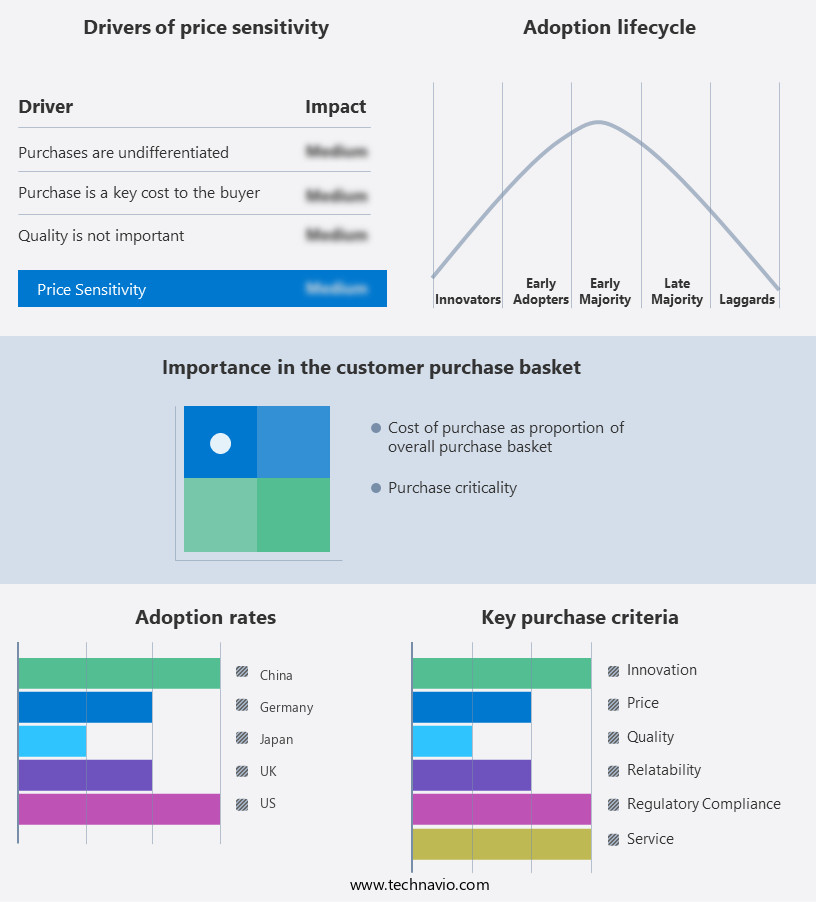
Customer Landscape
Key Companies & Market Insights
Companies are implementing various strategies, such as strategic alliances, peripheral neuropathy treatment market forecast, partnerships, mergers and acquisitions, geographical expansion, and product/service launches, to enhance their presence in the industry.
Apotex Inc. - This company specializes in treating peripheral neuropathy through various methods, including antidepressants like amitriptyline, pain medications such as oxycodone, and anti-seizure medications.
The industry research and growth report includes detailed analyses of the competitive landscape of the market and information about key companies, including:
- Apotex Inc.
- ASSERTIO HOLDINGS INC.
- AstraZeneca Plc
- Cadila Pharmaceuticals Ltd.
- Cipla Inc.
- Daiichi Sankyo Co. Ltd.
- Dr Reddys Laboratories Ltd.
- Eli Lilly and Co.
- Endo International Plc
- Grunenthal GmbH
- Hikma Pharmaceuticals Plc
- Johnson and Johnson Services Inc.
- Lupin Ltd.
- Novartis AG
- Pfizer Inc.
- SHIONOGI Co. Ltd.
- Sun Pharmaceutical Industries Ltd.
- Teva Pharmaceutical Industries Ltd.
- UCB SA
- Viatris Inc.
Qualitative and quantitative analysis of companies has been conducted to help clients understand the wider business environment as well as the strengths and weaknesses of key industry players. Data is qualitatively analyzed to categorize companies as pure play, category-focused, industry-focused, and diversified; it is quantitatively analyzed to categorize companies as dominant, leading, strong, tentative, and weak.
Recent Development and News in Peripheral Neuropathy Treatment Market
- In January 2024, Pfizer Inc. announced the launch of Xeljanz XR (tofacitinib) for the treatment of peripheral neuropathy associated with rheumatoid arthritis. This marks the first FDA approval for a Janus kinase inhibitor for the indication of peripheral neuropathy (FDA press release, 2024).
- In March 2024, Eli Lilly and Company entered into a collaboration with Amgen Inc. To co-develop and commercialize donanemab, an investigational Alzheimer's disease treatment. This collaboration also includes potential applications for donanemab in other neurodegenerative diseases, such as peripheral neuropathies (Eli Lilly press release, 2024).
- In April 2025, Grunenthal GmbH announced the acquisition of the German biotech company, AiCuris Antimicrobials GmbH. This acquisition is expected to strengthen Grunenthal's pipeline in the field of peripheral neuropathies, with AiCuris' lead compound, AIC001, currently in clinical trials for the treatment of diabetic peripheral neuropathy (Grunenthal press release, 2025).
- In May 2025, the European Commission approved the marketing authorization for FibroGen's roxadustat for the treatment of anemia in adult patients with chronic kidney disease, including those with diabetic nephropathy. This approval expands the market for roxadustat in Europe and may lead to increased interest in its potential applications for peripheral neuropathies (FibroGen press release, 2025).
Research Analyst Overview
- The market encompasses a range of interventions aimed at managing the symptoms and preventing complications of this debilitating condition. Healthcare providers play a crucial role in diagnosing and treating neuropathy through electrodiagnostic testing, nerve biopsies, and clinical guidelines. Neuropathy medications, including pain relievers and those targeting disease progression, are a significant component of the treatment landscape. Support groups and patient advocacy organizations offer valuable resources for patients, promoting early detection and symptom management through lifestyle modifications, exercise programs, and functional assessment. Occupational therapists and physical therapists contribute to rehabilitation efforts, while pharmaceutical development and regulatory affairs drive innovation in new treatments.
- Long-term complications, such as falls and infections, necessitate ongoing preventive measures. Disease progression and symptom management are key priorities, with symptom scales and treatment protocols guiding clinical decision-making. Medical devices, including braces and orthotics, provide additional support for patients. Research funding and ongoing clinical trials advance our understanding of neuropathy and its underlying causes, paving the way for novel therapeutic approaches. Physicians assistants and other healthcare professionals collaborate to ensure comprehensive care, ensuring that patients receive the best possible treatment and care.
Dive into Technavio’s robust research methodology, blending expert interviews, extensive data synthesis, and validated models for unparalleled Peripheral Neuropathy Treatment Market insights. See full methodology.
|
Market Scope |
|
|
Report Coverage |
Details |
|
Page number |
233 |
|
Base year |
2024 |
|
Historic period |
2019-2023 |
|
Forecast period |
2025-2029 |
|
Growth momentum & CAGR |
Accelerate at a CAGR of 4.5% |
|
Market growth 2025-2029 |
USD 481.6 million |
|
Market structure |
Fragmented |
|
YoY growth 2024-2025(%) |
4.2 |
|
Key countries |
US, China, Germany, UK, Japan, Canada, Brazil, India, France, and South Korea |
|
Competitive landscape |
Leading Companies, Market Positioning of Companies, Competitive Strategies, and Industry Risks |
What are the Key Data Covered in this Peripheral Neuropathy Treatment Market Research and Growth Report?
- CAGR of the Peripheral Neuropathy Treatment industry during the forecast period
- Detailed information on factors that will drive the growth and forecasting between 2025 and 2029
- Precise estimation of the size of the market and its contribution of the industry in focus to the parent market
- Accurate predictions about upcoming growth and trends and changes in consumer behaviour
- Growth of the market across North America, Europe, Asia, and Rest of World (ROW)
- Thorough analysis of the market’s competitive landscape and detailed information about companies
- Comprehensive analysis of factors that will challenge the peripheral neuropathy treatment market growth of industry companies
We can help! Our analysts can customize this peripheral neuropathy treatment market research report to meet your requirements.