

South Africa Personal Care Products Market Size 2025-2029
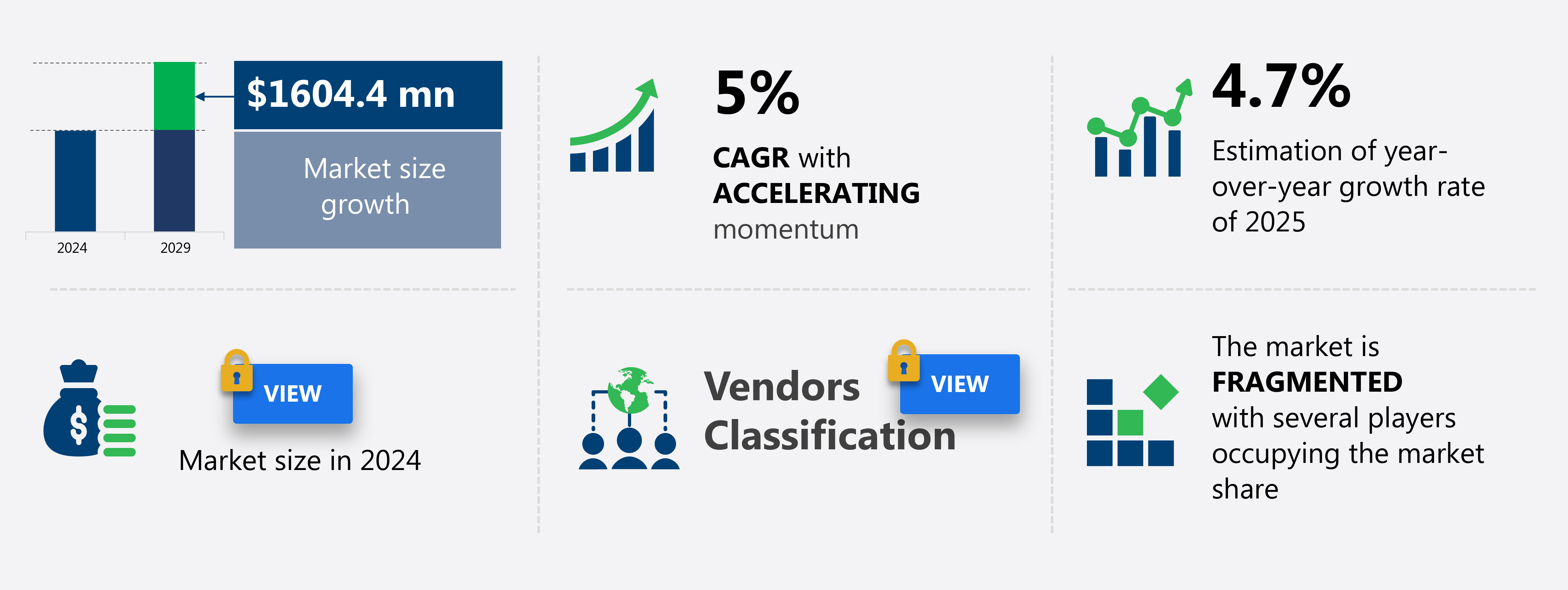
The personal care products market size in South Africa is forecast to increase by USD 1.6 billion at a CAGR of 5% between 2024 and 2029.
-
The Personal Care Products market is experiencing significant growth, driven by various trends and factors. One key trend is the increasing focus on Afrocentric requirements, as consumers seek products catering to their unique hair and skin needs. Another trend is the emergence of personal care products made with natural ingredients, reflecting a growing preference for healthier and more sustainable options. Makeup trends lean towards natural looks, emphasizing mental health and self-care. However, this market also faces challenges, including the availability of counterfeit personal care products, which undermine brand reputation and consumer trust.
-
These factors, among others, create a dynamic and evolving landscape for the Personal Care Products market. To delve deeper into the market's growth drivers, challenges, and opportunities, explore the comprehensive market trends and analysis report. Personalized skincare, sun care, hair styling, and unisex grooming are popular trends, as are luxury beauty, oral care, and hair growth products.
What will be the Size of the market During the Forecast Period?
-
In the dynamic personal care market, skin health and beauty wellness continue to be top priorities for consumers. Aging gracefully is a key trend, with many seeking personalized beauty regimens to address individual concerns. Holistic beauty, inclusive beauty, and diversity in beauty are also gaining traction. Product efficacy is a major consideration, driving innovation in clean beauty and sustainable packaging. The skin microbiome is a growing area of focus, with consumers seeking out brands that prioritize ingredient transparency. Beauty tech, such as skincare routines guided by artificial intelligence, is on the rise.
-
Direct-to-consumer brands and refillable packaging are also popular choices among conscious consumers. Fragrance trends lean towards natural scents and essential oils. Hair health and hair care routines are also important, with a focus on holistic approaches and sustainable practices. Beauty trends continue to evolve, with a strong emphasis on product upcycling and eco-friendly practices. One notable trend is the increasing focus on health and wellness, leading consumers to seek out products with natural ingredients and fewer side effects.
How is this market segmented and which is the largest segment?
The market research report provides comprehensive data (region-wise segment analysis), with forecasts and estimates in "USD million" for the period 2025-2029, as well as historical data from 2019-2023 for the following segments.
- Distribution Channel
- Offline
- Online
- Product
- Skincare products
- Haircare products
- Color cosmetics
- Oral care products
- Others
- Price
- Budget
- Mid-Range
- Premium
- Geography
- Middle East and Africa
- South Africa
- Middle East and Africa
By Distribution Channel Insights
- The offline segment is estimated to witness significant growth during the forecast period. Personal care products, encompassing various sizes and brands, are sold through both offline and online distribution channels. Offline sales include retail formats such as specialty beauty stores, hypermarkets, supermarkets, department stores, salons and spas, drugstores, and medical facilities. However, the revenue from offline channels has been experiencing a gradual decline due to the increasing trend of online shopping. To counteract this, manufacturers are expanding their physical presence in local and regional markets. Specialty stores remain the highest revenue generators within the retail sector due to their exclusive product offerings from diverse personal care brands and comprehensive product mix.
- The beauty industry is witnessing a shift towards ethical sourcing, personalized fragrances, and personalized wellness, with beauty bloggers playing a significant role in influencing consumer preferences. Circular economy principles are gaining traction, with a focus on renewable resources and sustainable packaging. Digital marketing, social media, and wearable tech are transforming the industry, with virtual try-on, smart mirrors, and AI-powered beauty solutions becoming increasingly popular. Men's grooming and unisex products are on the rise, with fine hair, dry skin, thick hair, oily skin, sensitive skin, and hair loss being common concerns.
- The market is highly competitive, with players offering organic ingredients, clinically proven formulas, and personalized nutrition to cater to diverse consumer needs. Wearable tech, dental floss, and body care products are also in demand. Online beauty retailers are gaining popularity, offering convenience and a wide range of products. Personalized subscription boxes and masstige beauty brands are also making their mark in the industry. Ethical sourcing, hair damage, color-treated hair, and hair growth are significant concerns for consumers. Oral care, shaving cream, and foot cream are essentials, while skincare analysis and personalized fragrances add a touch of luxury. The market is continuously evolving, with new trends and innovations emerging regularly.
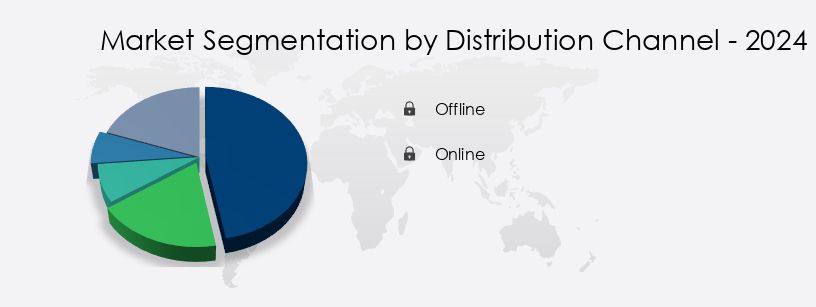
Get a glance at the market report of share of various segments Request Free Sample
Market Dynamics
Our South Africa Personal Care Products Market researchers analyzed the data with 2024 as the base year, along with the key drivers, trends, and challenges. A holistic analysis of drivers will help companies refine their marketing strategies to gain a competitive advantage.
What are the key market drivers leading to the rise in adoption of South Africa Personal Care Products Market?
-
Growing focus on Afrocentric requirements is the key driver of the market. The personal care market in South Africa is experiencing significant growth due to increasing urbanization and the resulting demand for locally relevant products. Consumers in urban areas are exposed to diverse beauty standards and seek products that align with their cultural heritage and identity. This trend is particularly prominent in the Afro hair market, where curly hair care products are in high demand. Beauty bloggers and influencers play a crucial role in shaping consumer preferences and driving sales. In response, companies are focusing on manufacturing personal care products tailored to local preferences. Global brands like L'Oreal have entered the market with Afrocentric product lines, designed and manufactured specifically for African consumers.
-
Ethical sourcing and sustainable practices, including the circular economy, are also gaining importance in the market. Personalized offerings, such as skin analysis and personalized fragrances, are increasingly popular among consumers with combination skin, dry skin, and thick hair. Hair styling and unisex grooming products are also in demand. Foot creams and other body care products complete the range of offerings in the personal care market. The South African personal care market is dynamic and evolving, driven by changing consumer preferences and the entry of global players. Companies that prioritize local manufacturing, ethical sourcing, and personalized offerings are likely to succeed in this market.
What are the market trends shaping the South Africa Personal Care Products Market?
-
Emergence of personal care products with natural ingredients is the upcoming trend in the market. The personal care products market in Africa is witnessing significant growth due to increasing health consciousness and consumer preference for natural ingredients. This trend is driven by the awareness of the potential harmful effects of toxic chemicals used in traditional beauty and personal care products. In response, several companies are focusing on manufacturing products with organic and natural ingredients, free from parabens, toluene, formaldehyde, artificial fragrances, dibutyl phthalate (DBP), petroleum-based chemicals, butylated hydroxyanisole (BHA), and sulfates. For instance, BASF, a leading chemical producer, introduced three new natural-based personal care ingredients, Verdessence Maize, Lamesoft OP Plus, and Dehyton PK45 GA/RA, in April 2025.
-
These ingredients are derived from renewable sources like corn starch and Rainforest Alliance Certified coconut oil, offering sustainable and non-toxic alternatives for personal care manufacturers. Moreover, the integration of technology in personal care products is another trend gaining traction. Wearable tech and digital marketing are being used to offer personalized wellness solutions and cater to specific skin concerns, such as oily skin. Personalized nutrition and body care are also becoming increasingly popular, with online beauty retailers providing customized product recommendations based on individual needs. The appearance-enhancing properties of personal care products, such as skin care and hair care, continue to be a significant factor driving sales.
What challenges does South Africa Personal Care Products Market face during the growth?
-
Availability of counterfeit personal care products is a key challenge affecting the market growth. The personal care market encompasses a range of products, including nail polish, hand cream, women's grooming items, sun care, personalized skincare, luxury beauty, oral care, hair growth, hair damage, color-treated hair, body wash, and beauty subscription boxes. However, the market faces challenges from counterfeit personal care products, particularly in regions like South Africa. These counterfeits, which often contain harmful chemicals, can lead to health issues.
-
The low production costs of counterfeit goods enable their manufacturers to keep prices low and boost sales. This price competition negatively impacts the sales and pricing strategies of genuine personal care product companies. Therefore, combating counterfeit goods remains a significant challenge for market players. Sustainability is also a growing concern, with many consumers preferring eco-friendly packaging and ethically sourced ingredients.
Exclusive Customer Landscape
The market forecasting report includes the adoption lifecycle of the market, covering from the innovator's stage to the laggard's stage. It focuses on adoption rates in different regions based on penetration. Furthermore, the market report also includes key purchase criteria and drivers of price sensitivity to help companies evaluate and develop their market growth analysis strategies.
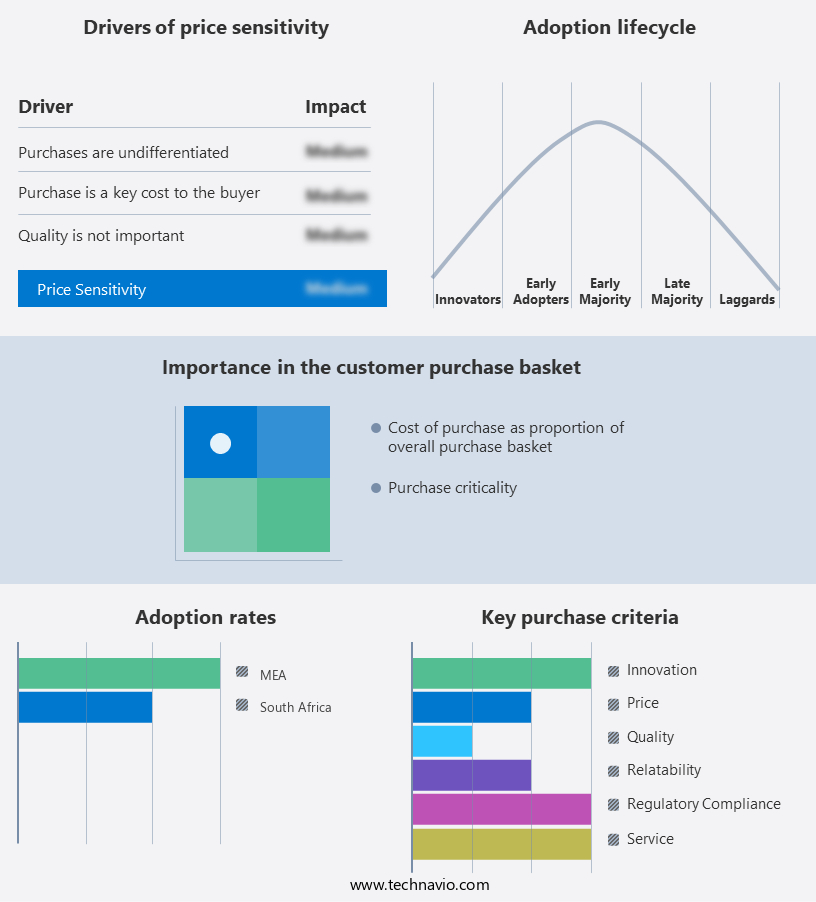
Customer Landscape
Key Companies & Market Insights
Companies are implementing various strategies, such as strategic alliances, market forecast , partnerships, mergers and acquisitions, geographical expansion, and product/service launches, to enhance their presence in the market.
Adcock Ingram - The Lulu and Marula brand, under the company umbrella, provides a range of high-quality personal care products.
The market research and growth report includes detailed analyses of the competitive landscape of the market and information about key companies, including:
- Adcock Ingram
- African Extracts Pty Ltd.
- Amka Products Pty Ltd.
- AVI Ltd.
- Beiersdorf AG
- Colgate Palmolive Co.
- Coty Inc.
- Genome Cosmetics LLC
- Godrej Consumer Products Ltd.
- Groupe Clarins
- Johnson and Johnson
- LG Household and Health Care Ltd.
- LOreal SA
- Marico Ltd.
- Portia M Skin Solutions Pty Ltd.
- Reckitt Benckiser Group Plc
- The Estee Lauder Co. Inc.
- The Procter and Gamble Co.
- Unilever PLC
- Wipro Ltd.
Qualitative and quantitative analysis of companies has been conducted to help clients understand the wider business environment as well as the strengths and weaknesses of key market players. Data is qualitatively analyzed to categorize companies as pure play, category-focused, industry-focused, and diversified; it is quantitatively analyzed to categorize companies as dominant, leading, strong, tentative, and weak.
Recent Development and News in Personal Care Products Market In South Africa
- In February 2023, L'Oréal, the world's leading beauty company, announced the launch of its new skincare brand, "Seed Phytonutricosmetics," which utilizes natural ingredients derived from plants and microalgae (L'Oréal press release, 2023). This strategic move signifies the growing trend towards natural and sustainable personal care products.
- In March 2024, Unilever, a leading consumer goods company, entered into a partnership with Google to develop a voice-activated, AI-powered personal care assistant (Unilever press release, 2024). This collaboration represents a significant technological advancement in the personal care industry, enabling consumers to access personalized skincare recommendations and product suggestions through voice commands.
- In May 2025, Procter & Gamble (P&G) completed the acquisition of Billie, a direct-to-consumer feminine care brand (P&G press release, 2025). This strategic move expands P&G's presence in the growing direct-to-consumer market and strengthens its position in the feminine care segment.
Research Analyst Overview
The personal care products market continues to evolve, driven by various sectors and consumer preferences. Curly hair individuals seek specialized solutions, leading to an increase in demand for curly hair care products. Beauty bloggers, with their vast reach and influence, play a pivotal role in shaping consumer choices. Personal hygiene remains a priority, with growing awareness towards circular economy principles, such as ethical sourcing and sustainable packaging. Combination skin types require personalized skincare routines, fueling innovation in the industry. Unisex grooming products cater to the increasing trend of gender-neutral consumer preferences. Dry skin and thick hair consumers seek effective, nourishing formulations.
Foot creams offer relief and pampering, while skin analysis technologies provide personalized recommendations. Personalized fragrances, nail polish, hand creams, and body care cater to individual preferences. Sun care and luxury beauty continue to gain popularity, with clinically proven, natural ingredients at the forefront. Oral care, hair growth, and hair damage solutions address specific concerns. Wearable tech and AI-powered beauty offer convenience and customization. Ethical sourcing, organic ingredients, and personalized wellness trends influence the market. Oily skin consumers seek effective solutions, while sensitive skin individuals require gentle formulations. Dental floss, shaving cream, and body wash cater to everyday needs. Beauty subscription boxes and online retailers offer accessibility and convenience.
Renewable resources, social media marketing, and virtual try-on technologies shape the future of the market. Masstige beauty and smart mirrors cater to the growing demand for premium, affordable offerings. Personalized nutrition and smart packaging solutions further enhance consumer experiences. The dynamic market continues to unfold, with evolving patterns and applications across various sectors.
|
Market Scope |
|
|
Report Coverage |
Details |
|
Page number |
171 |
|
Base year |
2024 |
|
Historic period |
2019-2023 |
|
Forecast period |
2025-2029 |
|
Growth momentum & CAGR |
Accelerate at a CAGR of 5% |
|
Market growth 2025-2029 |
USD 1.6 billion |
|
Market structure |
Fragmented |
|
YoY growth 2024-2025(%) |
4.7 |
|
Key countries |
South Africa |
|
Competitive landscape |
Leading Companies, Market Positioning of Companies, Competitive Strategies, and Industry Risks |
What are the Key Data Covered in this Market Research and Growth Report?
- CAGR of the market during the forecast period
- Detailed information on factors that will drive the market growth and forecasting between 2025 and 2029
- Precise estimation of the size of the market and its contribution of the market in focus to the parent market
- Accurate predictions about upcoming market growth and trends and changes in consumer behaviour
- Growth of the market across South Africa
- Thorough analysis of the market's competitive landscape and detailed information about companies
- Comprehensive analysis of factors that will challenge the growth of market companies
We can help! Our analysts can customize this market research report to meet your requirements. Get in touch
 RIA -
RIA -