


Personal Emergency Response System (PERS) Market Size 2024-2028
The personal emergency response system (pers) market size is forecast to increase by USD 3.66 billion, at a CAGR of 7.81% between 2023 and 2028.
- The market is experiencing significant growth, driven primarily by the increasing geriatric population seeking independence and safety in their own homes. This demographic trend is expected to continue, creating a substantial market opportunity for PERS providers. Another key driver is the development of personal emergency response system apps, which offer enhanced features and convenience for users. However, the market faces challenges, including a lack of awareness and understanding of PERS technology among potential users. This presents an opportunity for companies to invest in marketing and education initiatives to increase adoption rates.
- Additionally, navigating the complex regulatory landscape and ensuring data security are critical challenges that must be addressed to maintain consumer trust and confidence in the market. Companies seeking to capitalize on the market's potential must stay abreast of technological advancements, regulatory changes, and consumer preferences to effectively compete and grow in the PERS market.
What will be the Size of the Personal Emergency Response System (PERS) Market during the forecast period?
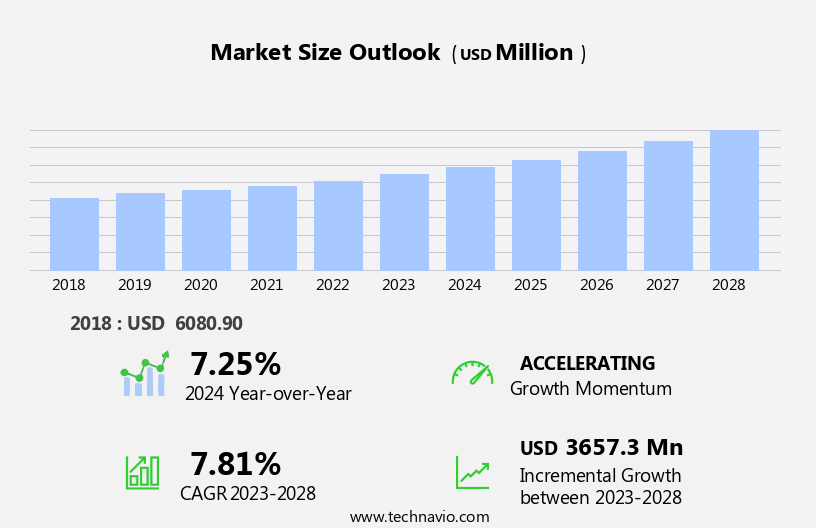
Explore in-depth regional segment analysis with market size data - historical 2018-2022 and forecasts 2024-2028 - in the full report.
Request Free Sample
The market continues to evolve, with dynamic market activities unfolding across various sectors. Seamlessly integrated features such as network connectivity testing, remote monitoring systems, emergency button placement, fall detection algorithms, emergency contact management, fall detection sensors, user authentication methods, and wireless communication range are becoming increasingly sophisticated. User interface design plays a crucial role in ensuring ease of use for the elderly and those with mobility issues. The sensitivity of accelerometers is a critical factor in fall detection algorithms, while battery life expectancy and location accuracy testing are essential for maintaining user confidence. Two-way voice communication and geofencing capabilities enable caregivers to monitor their loved ones' safety in real-time.
Wearable device comfort, ambient light sensors, and device water resistance are essential considerations for user experience. Data encryption protocols, data privacy compliance, and system maintenance procedures are vital for ensuring user data security and system reliability. Mobile app integration, gyroscope accuracy, power consumption metrics, medication reminder features, and activity monitoring sensors are additional features that enhance the functionality of PERS devices. Ongoing testing and evaluation of sensor data processing, signal strength indicators, and system reliability are necessary to maintain the highest standards of performance and user satisfaction. Voice recognition accuracy and wireless communication range are also crucial components that continue to evolve to meet the changing needs of the market.
How is this Personal Emergency Response System (PERS) Industry segmented?
The personal emergency response system (pers) industry research report provides comprehensive data (region-wise segment analysis), with forecasts and estimates in "USD million" for the period 2024-2028, as well as historical data from 2018-2022 for the following segments.
- Type
- Mobile
- Landline
- Standalone
- End-user
- Home healthcare
- Assisted living facilities
- Others
- Geography
- North America
- US
- Europe
- Germany
- UK
- APAC
- China
- Japan
- Rest of World (ROW)
- North America
By Type Insights
The mobile segment is estimated to witness significant growth during the forecast period.
Personal emergency response systems (PERS) have gained significant traction in the healthcare sector, particularly in hospitals, due to their ability to enhance safety and security for vulnerable individuals. These systems consist of mobile devices, such as pendants, watches, and other wearable technology, equipped with essential features like user interface design for ease of use, data encryption protocols for privacy, and helpline response protocols for swift assistance. The devices also offer user profile configuration, accelerometer sensitivity for fall detection, battery life expectancy for uninterrupted service, and location accuracy testing for precise tracking. Sensor data processing, two-way voice communication, and device charging mechanisms are other crucial components, ensuring seamless interaction between users and caregivers.
GPS tracking modules and geofencing capabilities enable real-time location monitoring, while wearable device comfort, ambient light sensors, and water resistance add to the user experience. Data privacy compliance and network connectivity testing are integral for secure and reliable communication. Remote monitoring systems, emergency button placement, fall detection algorithms, emergency contact management, and fall detection sensors are essential features that contribute to the effectiveness of these systems. User authentication methods, wireless communication range, voice recognition accuracy, and signal strength indicators further enhance the functionality. System maintenance procedures, mobile app integration, gyroscope accuracy, power consumption metrics, medication reminder features, and activity monitoring sensors cater to the evolving needs of users.
System reliability testing ensures the consistent performance of these devices, making them an indispensable tool for caregivers and individuals seeking peace of mind.
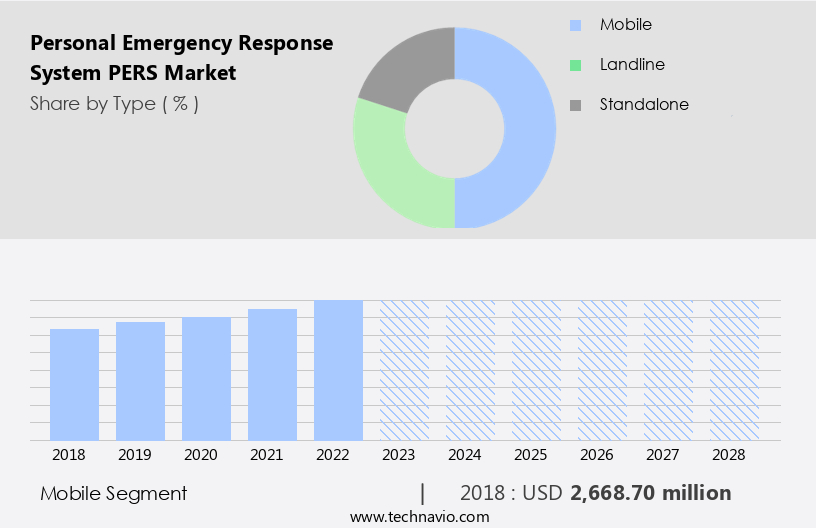
The Mobile segment was valued at USD 2.67 billion in 2018 and showed a gradual increase during the forecast period.
Regional Analysis
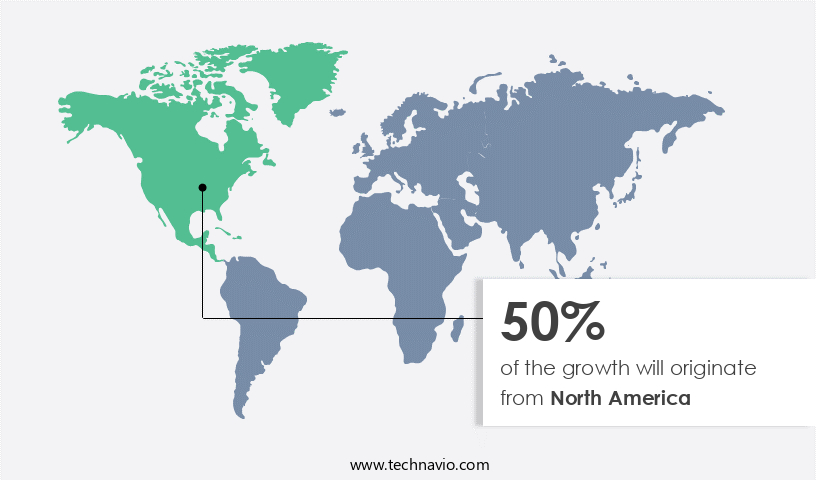
North America is estimated to contribute 50% to the growth of the global market during the forecast period.Technavio’s analysts have elaborately explained the regional trends and drivers that shape the market during the forecast period.
The market in North America is experiencing steady growth, driven by the increasing prevalence of chronic conditions and surgical cases among the elderly population. In 2023, the US led the regional market due to the rising product launches, presence of both local and global companies, and availability of public and private reimbursement policies. The market is characterized by advanced user interface designs that prioritize ease of use and accessibility. Data encryption protocols ensure user data privacy, while helpline response protocols and emergency contact management systems enable swift assistance in case of emergencies. Sensor data processing, including fall detection algorithms and activity monitoring sensors, is a significant focus for PERS manufacturers.
Wearable device comfort is essential, with ambient light sensors and adjustable wearability options catering to individual user preferences. Location accuracy testing and GPS tracking modules ensure that help is dispatched to the correct location. Two-way voice communication and emergency button placement are crucial for effective user interaction. Device charging mechanisms are designed for convenience, while battery life expectancy is a key consideration for users. Geofencing capabilities and real-time remote monitoring systems provide peace of mind for caregivers and family members. Device water resistance and wearability are essential features for users with active lifestyles. Data privacy compliance is a priority, with rigorous network connectivity testing and user authentication methods ensuring secure communication.
Wireless communication range and voice recognition accuracy are essential for seamless user experience. Signal strength indicators and system maintenance procedures help maintain system reliability. Mobile app integration and gyroscope accuracy offer additional functionality and convenience. Power consumption metrics and medication reminder features cater to the unique needs of individual users. System reliability testing is ongoing to ensure the highest standards of quality and performance.
Market Dynamics
Our researchers analyzed the data with 2023 as the base year, along with the key drivers, trends, and challenges. A holistic analysis of drivers will help companies refine their marketing strategies to gain a competitive advantage.
The market is witnessing significant growth due to the increasing demand for enhanced safety and independence among the aging population. One of the key features that set apart top-tier PERS solutions is their advanced technology. For instance, GPS accuracy plays a crucial role in ensuring timely assistance during emergencies. A reliable PERS system should offer precise location tracking to dispatch emergency services to the exact location of the user. Two-way voice clarity is another essential metric for PERS systems. Clear communication between the user and the response center is vital for effective assistance. Moreover, a robust remote monitoring system ensures that caregivers and family members can keep a constant eye on the user's wellbeing. Emergency button response time testing procedures are essential to evaluate the system's efficiency. Fall detection algorithm sensitivity adjustment methods enable users to customize the device to their specific needs. Wearable PERS devices should be comfortable and user-friendly, with long battery life and efficient power management. System data encryption and security protocols compliance, personal emergency response system data privacy protection, and network connectivity and signal strength are critical factors for ensuring user confidence and data security. User interface design and usability testing are essential to ensure ease of use and accessibility. Emergency contact management systems, location tracking accuracy, personal emergency response system data analytics, integration with other healthcare systems, remote diagnostics capabilities, water resistance and durability testing, voice recognition accuracy, system maintenance procedures, and user training are some of the other key features that contribute to the overall value proposition of PERS solutions in the [the market].
What are the key market drivers leading to the rise in the adoption of Personal Emergency Response System (PERS) Industry?
- The geriatric population's expansion is the primary factor fueling market growth. (Maintaining a professional tone, ensuring grammatical correctness, and adhering to the 100-word limit.)
- Personal Emergency Response Systems (PERS) have gained significant importance in addressing the safety concerns of the aging population, particularly in developed countries. With the increasing prevalence of chronic conditions such as osteoarthritis, chronic obstructive pulmonary disease, and diabetes mellitus, the elderly population is more susceptible to accidents at home. These risks, coupled with their preference for independent living, have led to the adoption of advanced technologies to manage health and safety. PERS devices offer user-friendly interfaces, ensuring ease of use for seniors. Data encryption protocols secure sensitive user information, while helpline response protocols ensure prompt assistance during emergencies.
- User profile configuration allows for personalized settings, and accelerometer sensitivity can be adjusted based on individual needs. Battery life expectancy and location accuracy testing are crucial factors in the selection of PERS devices. Sensor data processing enables real-time monitoring and analysis, providing valuable insights for caregivers and healthcare professionals. These technological advancements contribute to the growing demand for PERS devices and related solutions, enhancing the quality of life for the elderly population while ensuring their safety and independence.
What are the market trends shaping the Personal Emergency Response System (PERS) Industry?
- The development of personal emergency response system applications is currently a significant market trend. This growing trend reflects the increasing demand for technology that prioritizes user safety and autonomy.
- Personal Emergency Response Systems (PERS) have evolved to incorporate mobile technology, offering more flexibility and convenience for users. Traditional landline devices have been surpassed by mobile apps that utilize smartphone technologies such as two-way voice communication, GPS tracking, and cellular connectivity. These apps enable users to trigger an alarm to caregivers in case of an emergency, providing a higher level of mobility and independence compared to fixed landlines. Additionally, some PERS devices include features like an ambient light sensor, device charging mechanism, geofencing capabilities, and water resistance to enhance user experience and convenience.
- Companies prioritize data privacy compliance to ensure user information remains secure. MobileHelp is an example of a company that offers a mobile app for PERS, allowing users to access emergency assistance from their smartphones.
What challenges does the Personal Emergency Response System (PERS) Industry face during its growth?
- The absence of awareness poses a significant challenge to the industry's growth trajectory.
- Personal Emergency Response Systems (PERS) have become increasingly important for ensuring the safety and independence of elderly individuals and those with chronic health conditions. However, traditional methods such as electric bells or alarms used in healthcare organizations often lack the necessary features to effectively respond to emergencies. One significant advancement in PERS technology is the use of network connectivity testing and remote monitoring systems. These features enable healthcare providers to receive real-time alerts and assess the situation before dispatching emergency services. Fall detection algorithms and sensors are also crucial components of modern PERS, as they can automatically detect and alert authorities in the event of a fall.
- User authentication methods and emergency contact management are essential for ensuring the security and privacy of PERS users. Wireless communication range is another important factor, as it determines the coverage area of the system and the ability to receive help from anywhere in the user's living space. Despite the benefits of PERS, adoption rates remain low in some developing countries due to affordability and awareness issues. Inadequate healthcare infrastructure in certain regions further complicates the situation. It is crucial for healthcare organizations and governments to prioritize the implementation of these systems to improve patient safety and overall healthcare outcomes.
Exclusive Customer Landscape
The personal emergency response system (pers) market forecasting report includes the adoption lifecycle of the market, covering from the innovator’s stage to the laggard’s stage. It focuses on adoption rates in different regions based on penetration. Furthermore, the personal emergency response system (pers) market report also includes key purchase criteria and drivers of price sensitivity to help companies evaluate and develop their market growth analysis strategies.
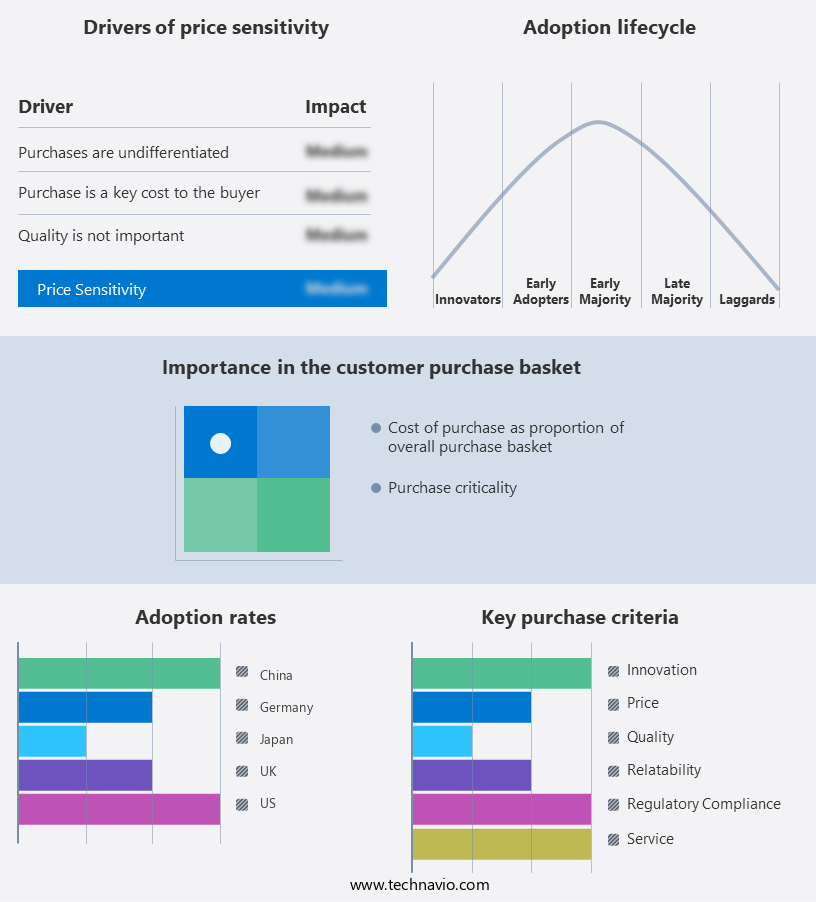
Customer Landscape
Key Companies & Market Insights
Companies are implementing various strategies, such as strategic alliances, personal emergency response system (pers) market forecast, partnerships, mergers and acquisitions, geographical expansion, and product/service launches, to enhance their presence in the industry.
ADT Inc. - The company provides a Personal Emergency Response System, including the On The Go device, enabling users to summon assistance during emergencies with a press of a button. This technology empowers individuals to enhance their safety and independence.
The industry research and growth report includes detailed analyses of the competitive landscape of the market and information about key companies, including:
- ADT Inc.
- AlertONE service Inc.
- ATC Alert LLC
- Bay Alarm Medical
- Best Buy Co. Inc.
- Cape Cod Healthcare Inc.
- Careline365
- ConnectAmerica LLC
- Electronic Caregiver Inc.
- Galaxy Medical Alert Systems Ltd.
- Honeywell International Inc.
- Koninklijke Philips N.V.
- Life Alert Emergency Response Inc.
- Medical Guardian LLP
- MedicAlert Foundation
- MobileHelp LLC
- ModivCare Inc.
- Rescue Alert
- TruSense LLC
- Tunstall Healthcare Group Ltd.
Qualitative and quantitative analysis of companies has been conducted to help clients understand the wider business environment as well as the strengths and weaknesses of key industry players. Data is qualitatively analyzed to categorize companies as pure play, category-focused, industry-focused, and diversified; it is quantitatively analyzed to categorize companies as dominant, leading, strong, tentative, and weak.
Recent Development and News in Personal Emergency Response System (PERS) Market
- In January 2024, Medtronic, a leading healthcare solutions company, announced the FDA approval of its new Fall Detection Pendant for its SafeGuardian CareLink Personal Emergency Response System (PERS). This innovative device automatically detects falls and alerts response teams, enhancing user safety and independence (Medtronic Press Release, 2024).
- In March 2024, Philips and Amazon announced a strategic partnership to integrate Philips' Lifeline PERS with Amazon Alexa, allowing users to summon help using voice commands. This collaboration aims to make PERS more accessible and user-friendly for the elderly population (Amazon Business Wire, 2024).
- In May 2024, GreatCall, a leading provider of connected health solutions, raised USD50 million in a funding round led by New Enterprise Associates (NEA). The funds will be used to expand its product offerings and enhance its PERS technology (GreatCall Press Release, 2024).
- In January 2025, the European Commission approved the Medical Devices Regulation (MDR), which includes PERS as a Class IIa medical device. This regulatory approval is expected to boost the European PERS market by increasing market access and harmonizing regulatory requirements (European Commission Press Release, 2025).
Research Analyst Overview
- The market is characterized by continuous advancements in user interface usability and device durability, ensuring user-friendly experiences and reliable performance. Sensor data transmission and helpline service availability are critical factors, with system scalability options enabling seamless expansion to accommodate growing user bases. User feedback collection and software development lifecycle processes facilitate continuous improvement. Power management strategies and network infrastructure needs are essential considerations for maintaining system uptime. System integration testing and location tracking accuracy are crucial for ensuring interoperability and accurate emergency response. Emergency alert protocols and data security measures prioritize user privacy and data protection.
- System security features and fault tolerance enhance system reliability, while sensor calibration methods ensure data accuracy. Data analytics dashboards and system upgrade procedures enable real-time monitoring and proactive maintenance. Support service responsiveness and communication protocol selection are vital for efficient and effective user assistance. Remote diagnostics capabilities and hardware component selection cater to diverse user needs, while battery technology options and health data integration expand the scope of PERS applications.
Dive into Technavio’s robust research methodology, blending expert interviews, extensive data synthesis, and validated models for unparalleled Personal Emergency Response System (PERS) Market insights. See full methodology.
|
Market Scope |
|
|
Report Coverage |
Details |
|
Page number |
169 |
|
Base year |
2023 |
|
Historic period |
2018-2022 |
|
Forecast period |
2024-2028 |
|
Growth momentum & CAGR |
Accelerate at a CAGR of 7.81% |
|
Market growth 2024-2028 |
USD 3657.3 million |
|
Market structure |
Fragmented |
|
YoY growth 2023-2024(%) |
7.25 |
|
Key countries |
US, UK, Germany, China, and Japan |
|
Competitive landscape |
Leading Companies, Market Positioning of Companies, Competitive Strategies, and Industry Risks |
What are the Key Data Covered in this Personal Emergency Response System (PERS) Market Research and Growth Report?
- CAGR of the Personal Emergency Response System (PERS) industry during the forecast period
- Detailed information on factors that will drive the growth and forecasting between 2024 and 2028
- Precise estimation of the size of the market and its contribution of the industry in focus to the parent market
- Accurate predictions about upcoming growth and trends and changes in consumer behaviour
- Growth of the market across North America, Europe, Asia, and Rest of World (ROW)
- Thorough analysis of the market’s competitive landscape and detailed information about companies
- Comprehensive analysis of factors that will challenge the personal emergency response system (pers) market growth of industry companies
We can help! Our analysts can customize this personal emergency response system (pers) market research report to meet your requirements.
 RIA -
RIA -