

Personal Flotation Devices Market Size 2026-2030
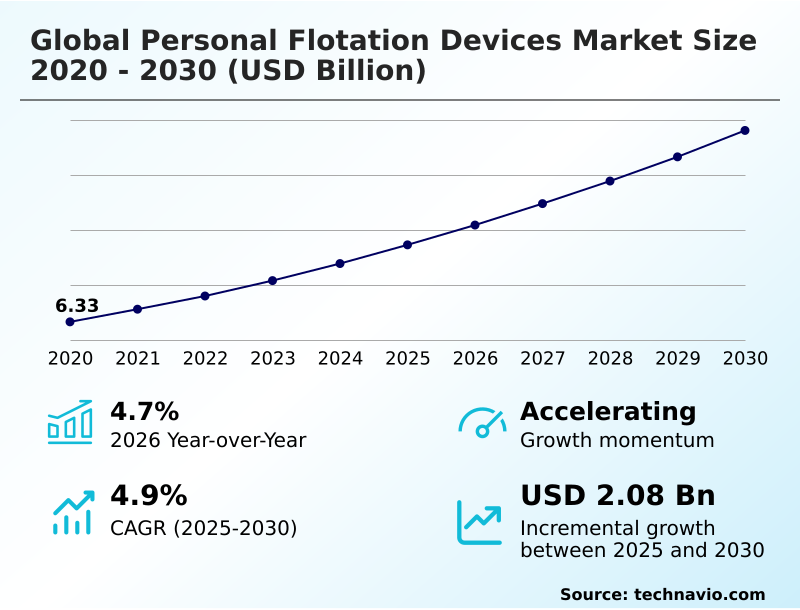
The personal flotation devices market size is valued to increase by USD 2.08 billion, at a CAGR of 4.9% from 2025 to 2030. Rising participation in diverse water sports and adventure tourism will drive the personal flotation devices market.
Major Market Trends & Insights
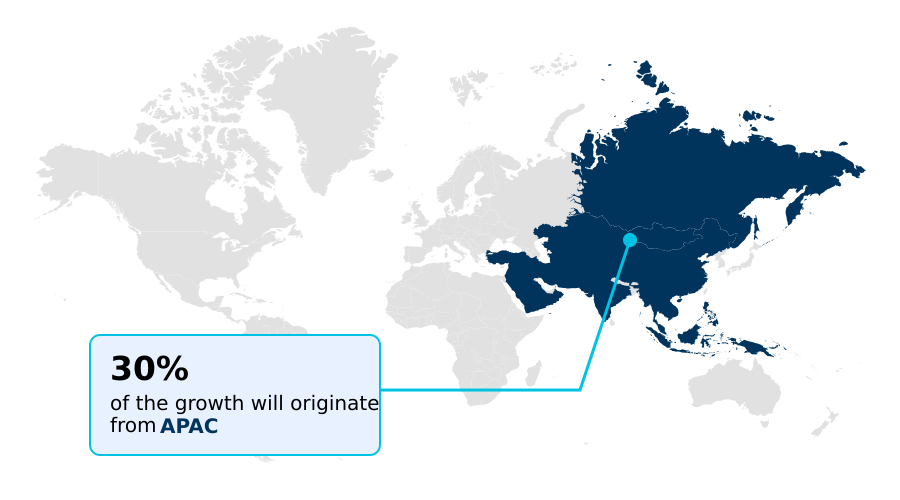
- APAC dominated the market and accounted for a 30% growth during the forecast period.
- By Product - Type I segment was valued at USD 1.88 billion in 2024
- By End-user - Oil and gas industry segment accounted for the largest market revenue share in 2024
Market Size & Forecast
- Market Opportunities: USD 3.47 billion
- Market Future Opportunities: USD 2.08 billion
- CAGR from 2025 to 2030 : 4.9%
Market Summary
- The Personal Flotation Devices market is undergoing a significant transformation, moving from basic passive safety equipment to sophisticated, integrated survival systems. This evolution is driven by stringent regulatory updates, such as the adoption of a performance-based level system, and a growing consumer base in recreational boating and water sports.
- Key trends include the integration of smart technology, such as iot-integrated rescue capabilities and biometric sensor integration, which enhances user safety and rescue efficiency. Concurrently, there is a strong push toward sustainability, with manufacturers developing pvc-free foams and utilizing recycled materials.
- A commercial fleet operator, for instance, can now equip its crew with a smart flotation vest that not only provides buoyancy but also transmits real-time location and health data to a central command. This improves emergency response times, ensures compliance with the imo life-saving appliance code, and can lower insurance premiums by demonstrating a proactive approach to risk management.
- However, the high costs of R&D and regulatory compliance for these advanced inherently buoyant materials and systems present a considerable challenge for market participants.
What will be the Size of the Personal Flotation Devices Market during the forecast period?
Get Key Insights on Market Forecast (PDF) Get Free Sample
How is the Personal Flotation Devices Market Segmented?
The personal flotation devices industry research report provides comprehensive data (region-wise segment analysis), with forecasts and estimates in "USD million" for the period 2026-2030, as well as historical data from 2020-2024 for the following segments.
- Product
- Type I
- Type II
- Type III
- Type IV
- Type V
- End-user
- Oil and gas industry
- Aquaculture industry
- Naval industry
- Others
- Distribution channel
- Specialty stores
- Online sales channels
- Company-owned outlets
- Others
- Geography
- North America
- US
- Canada
- Mexico
- APAC
- China
- Japan
- India
- Europe
- Germany
- UK
- France
- South America
- Brazil
- Argentina
- Middle East and Africa
- Saudi Arabia
- South Africa
- UAE
- Rest of World (ROW)
- North America
By Product Insights
The type i segment is estimated to witness significant growth during the forecast period.
The Type I segment, also known as offshore life jackets, is evolving beyond traditional classifications toward a performance-based level system. These devices, engineered for rough or remote waters, are now categorized by their newton buoyancy rating, emphasizing actual flotation power.
This transition impacts commercial sectors requiring high-buoyancy offshore pfd models with superior face-up turning capabilities. The growth in wellness tourism, which has expanded by nearly 30%, also influences demand for reliable recreational boating safety gear.
Innovations in smart flotation vest technology and high-visibility textiles are critical.
For industrial maritime workwear and professional rescue pfd applications, the focus remains on integrating features like a submersible gps transmitter and ensuring compliance with updated in-water performance testing protocols, making the maritime safety appliance more effective.
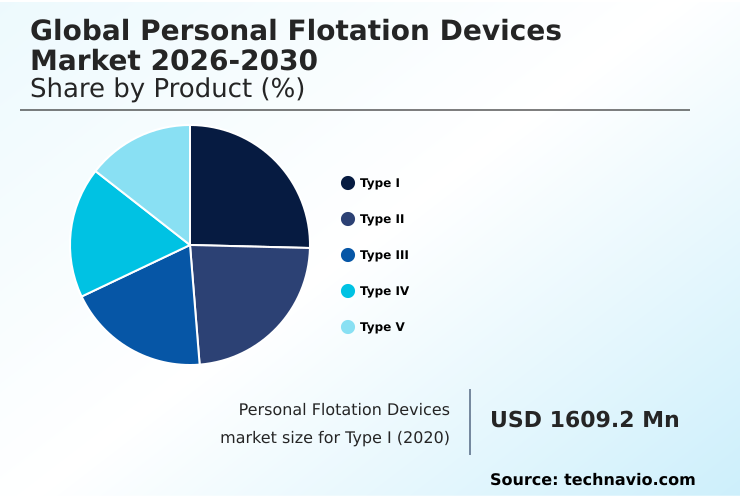
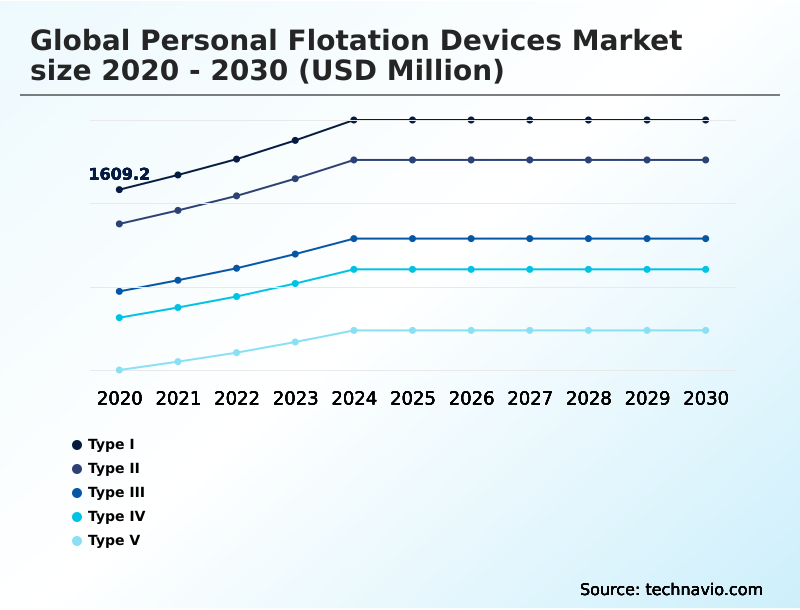
The Type I segment was valued at USD 1.88 billion in 2024 and showed a gradual increase during the forecast period.
Regional Analysis
APAC is estimated to contribute 30% to the growth of the global market during the forecast period.Technavio’s analysts have elaborately explained the regional trends and drivers that shape the market during the forecast period.
See How Personal Flotation Devices Market Demand is Rising in APAC Get Free Sample
The geographic landscape of the personal flotation devices market is diverse, with distinct drivers shaping regional dynamics.
In North America and Europe, which together represent a significant portion of the market, growth is propelled by stringent regulations and the adoption of high-performance gear such as the offshore energy work vest and special-use flotation device.
These mature markets focus on innovations like hydrostatic inflator technology and fall-arrest harness integration. In contrast, APAC is the fastest-growing region, contributing over 30% of the market's incremental growth.
This expansion is fueled by rising disposable incomes, increased participation in water sports, and major investments in maritime infrastructure, driving demand for a high volume of equipment, including the commercial fishing life jacket and gear for an aquaculture worker pfd.
The adoption of circular manufacturing protocols and lightweight ergonomic pfd designs is a global trend, with regional adaptations catering to specific environmental and commercial needs.
Market Dynamics
Our researchers analyzed the data with 2025 as the base year, along with the key drivers, trends, and challenges. A holistic analysis of drivers will help companies refine their marketing strategies to gain a competitive advantage.
- The personal flotation devices market is navigating a complex technical and regulatory environment. Key boardroom discussions revolve around the hydrostatic inflator vs automatic inflator debate, the cost of certifying new materials, and the challenges of dual production lines needed to serve both harmonized and legacy markets.
- The uscg harmonized approval process cost has become a significant factor in strategic planning, compelling a focus on modular designs. Innovations are centered on meeting buoyancy requirements for offshore work and improving in-water performance for unconscious wearers, which involves rigorous testing protocols for turning ability.
- The integration of smart technology, such as integrating gps into life jackets and leveraging iot for real-time location tracking, is transforming survival gear. This includes the rise of biometric monitoring in survival gear.
- Simultaneously, the industry is addressing sustainability through the adoption of a circular economy in safety equipment, exploring sustainable alternatives to pvc foam, and recycling ocean plastics for pfds. The ergonomic design for paddle sports remains a key growth area, alongside the development of hybrid foam and inflatable vests.
- The impact of material cost volatility continues to be a challenge, while solutions combining fall arrest and flotation integration offer new value, improving safety compliance reporting efficiency by over 25% compared to separate systems.
- These shifts are influenced by regulatory changes in lifejacket labeling and the need to enhance thermal protection in cold water, driving demand for advanced performance standards for rescue vests.
What are the key market drivers leading to the rise in the adoption of Personal Flotation Devices Industry?
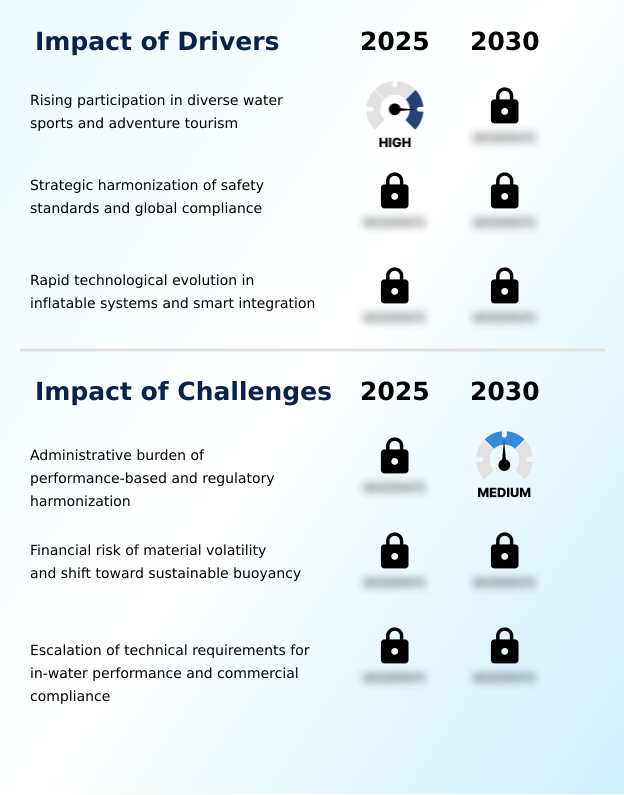
- The market's growth is primarily driven by the rising global participation in diverse water sports and adventure tourism, which creates a strong demand for specialized safety equipment.
- Rising participation in water sports and the harmonization of safety standards are key market drivers. A nearly 30% growth in wellness-related tourism has amplified demand for specialized gear like the stand-up paddleboarding vest and inflatable sailing harness.
- This trend pushes manufacturers to create products with enhanced ergonomics and functionality. Simultaneously, the strategic harmonization of standards, such as the adoption of ansi/can/ul 12402 standards, is streamlining cross-border trade.
- This regulatory alignment allows manufacturers to reduce time-to-market for new products by as much as 25% by eliminating redundant testing.
- This dual-engine growth, fueled by both consumer activity and regulatory efficiency, is fostering innovation in areas like the solas passenger lifejacket and equipment for search and rescue equipment, ensuring greater safety and market stability.
What are the market trends shaping the Personal Flotation Devices Industry?
- The market is trending toward the integration of AI-enabled wearable safety devices and IoT-based rescue ecosystems. This evolution transforms passive buoyancy aids into proactive survival tools.
- The personal flotation devices market is advancing through the institutionalization of intelligent safety ecosystems. The integration of an esp-32 microcontroller into a smart life safety jacket enables real-time health monitoring, reducing emergency response times by up to 40% in some simulations. This trend transforms a standard throwable flotation device or near-shore buoyant vest into a proactive diagnostic hub.
- Another key trend is the move toward eco-friendly marine safety, driven by consumer demand and regulations. The market for eco-friendly textiles and bio-based foams is projected to expand at a compounded annual growth rate of over 12%.
- This shift involves using materials like bio-based buoyancy foam and developing products like the anti-exposure suit with a minimal environmental footprint, aligning with global sustainability goals without compromising on the critical buoyancy-to-weight ratio.
What challenges does the Personal Flotation Devices Industry face during its growth?
- A key market challenge is the significant administrative and financial burden associated with the industry-wide shift toward performance-based standards and regulatory harmonization.
- The personal flotation devices market faces significant challenges from regulatory transitions and material cost volatility. The administrative burden of complying with new performance-based standards is substantial, requiring manufacturers to retool production lines and conduct expensive high-fidelity testing, which can increase go-to-market costs by 15-20% for new products.
- This is particularly difficult for those supplying equipment like a white-water rafting vest or military tactical flotation gear. Furthermore, the reliance on petroleum-based foams and high-performance fabrics exposes the industry to price fluctuations.
- The rising costs of industrial-grade synthetic fabrics and metal components for inflatable mechanisms have added up to a 10% increase in annual operational costs for some manufacturers, compressing profit margins and hindering investment in next-generation technology like hybrid buoyancy systems or advanced thermal protection gear.
Exclusive Technavio Analysis on Customer Landscape
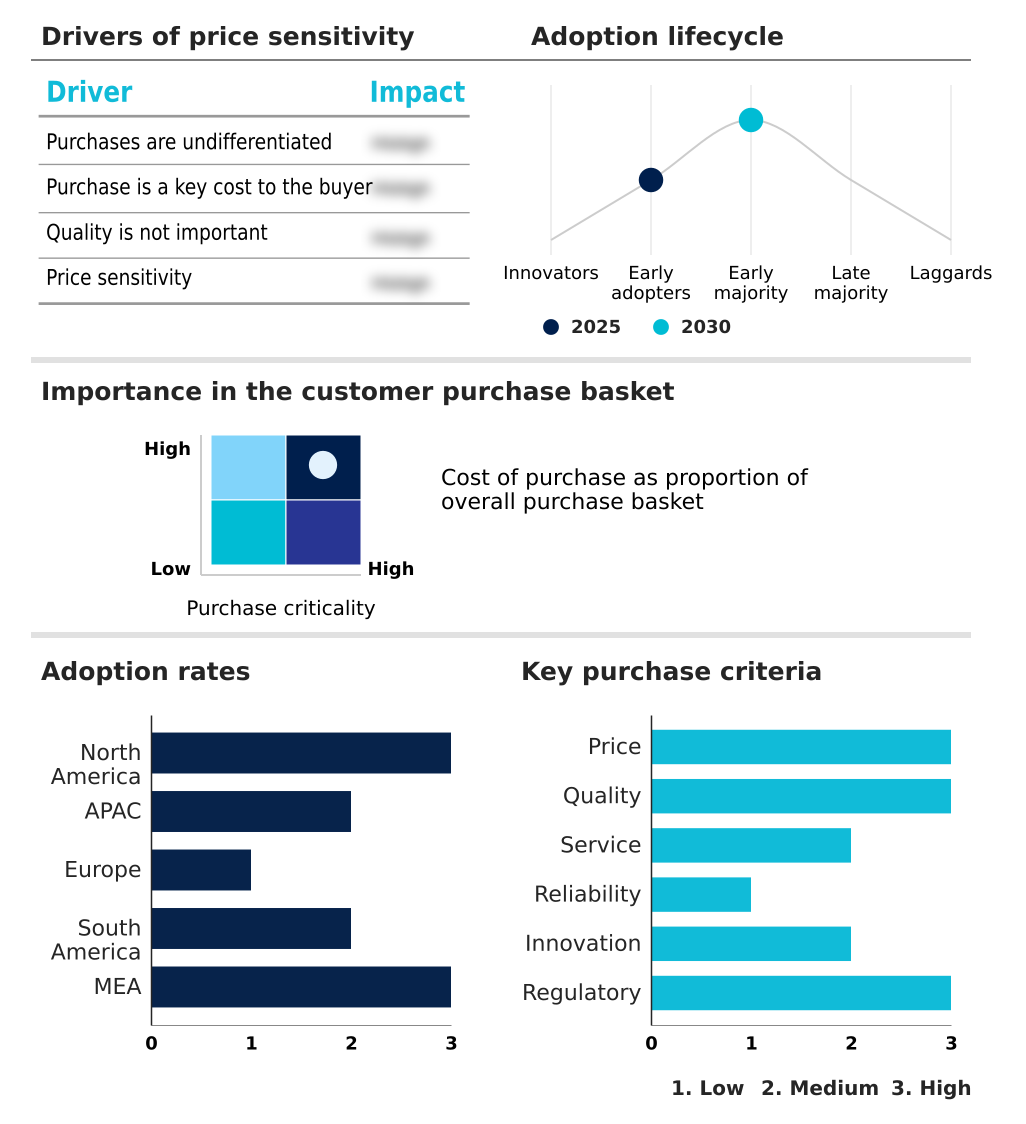
The personal flotation devices market forecasting report includes the adoption lifecycle of the market, covering from the innovator’s stage to the laggard’s stage. It focuses on adoption rates in different regions based on penetration. Furthermore, the personal flotation devices market report also includes key purchase criteria and drivers of price sensitivity to help companies evaluate and develop their market growth analysis strategies.
Customer Landscape of Personal Flotation Devices Industry
Competitive Landscape
Companies are implementing various strategies, such as strategic alliances, personal flotation devices market forecast, partnerships, mergers and acquisitions, geographical expansion, and product/service launches, to enhance their presence in the industry.
Astral Buoyancy Co. - Offerings focus on specialized, high-performance personal flotation devices, featuring ergonomic designs tailored for specific water sports and professional applications, ensuring enhanced safety and mobility.
The industry research and growth report includes detailed analyses of the competitive landscape of the market and information about key companies, including:
- Astral Buoyancy Co.
- Baltic Safety Products AB
- Helly Hansen AS
- International Safety Products
- Kent Safety Products
- Kokatat Inc.
- Mullion PFD
- Mustang Survival Corp.
- Newell Brands Inc.
- NRS Inc.
- Onyx Outdoor
- Palm Equipment International Ltd
- Plastimo Group
- SeaSafe Systems Ltd.
- Spinlock Ltd.
- Stohlquist
- Survitec Group Ltd.
- VIKING Life-Saving Equipment AS
- Zodiac Nautic Group
Qualitative and quantitative analysis of companies has been conducted to help clients understand the wider business environment as well as the strengths and weaknesses of key industry players. Data is qualitatively analyzed to categorize companies as pure play, category-focused, industry-focused, and diversified; it is quantitatively analyzed to categorize companies as dominant, leading, strong, tentative, and weak.
Recent Development and News in Personal flotation devices market
- In September 2024, a leading manufacturer announced a new line of smart personal flotation devices featuring integrated biometric sensors and GPS tracking for the professional offshore market.
- In January 2025, the United States Coast Guard officially implemented the Lifejacket Approval Harmonization final rule, transitioning from legacy type classifications to a performance-based level system.
- In February 2025, VIKING Life-Saving Equipment AS expanded its production capacity by opening a new state-of-the-art facility in Norway dedicated to specialized boats and advanced safety equipment.
- In May 2025, a key industry player launched a new range of eco-friendly personal flotation devices made from recycled ocean plastics and bio-based foams, meeting rising consumer demand for sustainability.
Dive into Technavio’s robust research methodology, blending expert interviews, extensive data synthesis, and validated models for unparalleled Personal Flotation Devices Market insights. See full methodology.
| Market Scope | |
|---|---|
| Page number | 305 |
| Base year | 2025 |
| Historic period | 2020-2024 |
| Forecast period | 2026-2030 |
| Growth momentum & CAGR | Accelerate at a CAGR of 4.9% |
| Market growth 2026-2030 | USD 2077.6 million |
| Market structure | Fragmented |
| YoY growth 2025-2026(%) | 4.7% |
| Key countries | US, Canada, Mexico, China, Japan, India, South Korea, Australia, Indonesia, Germany, UK, France, Italy, Spain, The Netherlands, Brazil, Argentina, Chile, Saudi Arabia, South Africa, UAE, Turkey and Israel |
| Competitive landscape | Leading Companies, Market Positioning of Companies, Competitive Strategies, and Industry Risks |
Research Analyst Overview
- The personal flotation devices market is transitioning from passive safety aids to integrated survival systems, a shift compelling boardroom decisions on R&D investment into smart and sustainable technologies.
- The adoption of a performance-based level system is standardizing safety metrics like the newton buoyancy rating, while the integration of an automated emergency beacon, personal locator beacons, and automatic identification system transponders is becoming critical. Advanced wearable safety device models now feature water-activated inflation and biometric sensor integration.
- This pivot toward a smart flotation vest with iot-integrated rescue capabilities is reshaping product strategies. Manufacturers are focusing on enhancing face-up turning capabilities and self-righting capability, especially for offshore applications. The use of advanced materials such as closed-cell foam, high-visibility textiles, and recycled ripstop nylon is now mainstream. Innovations in hydrostatic release unit design and man-overboard modules further augment safety.
- Furthermore, the market for eco-friendly textiles and bio-based foams is projected to expand at a rate of over 12%, signaling a definitive move toward sustainable yet high-performance solutions.
What are the Key Data Covered in this Personal Flotation Devices Market Research and Growth Report?
-
What is the expected growth of the Personal Flotation Devices Market between 2026 and 2030?
-
USD 2.08 billion, at a CAGR of 4.9%
-
-
What segmentation does the market report cover?
-
The report is segmented by Product (Type I, Type II, Type III, Type IV, and Type V), End-user (Oil and gas industry, Aquaculture industry, Naval industry, and Others), Distribution Channel (Specialty stores, Online sales channels, Company-owned outlets, and Others) and Geography (North America, APAC, Europe, South America, Middle East and Africa)
-
-
Which regions are analyzed in the report?
-
North America, APAC, Europe, South America and Middle East and Africa
-
-
What are the key growth drivers and market challenges?
-
Rising participation in diverse water sports and adventure tourism, Administrative burden of performance-based and regulatory harmonization
-
-
Who are the major players in the Personal Flotation Devices Market?
-
Astral Buoyancy Co., Baltic Safety Products AB, Helly Hansen AS, International Safety Products, Kent Safety Products, Kokatat Inc., Mullion PFD, Mustang Survival Corp., Newell Brands Inc., NRS Inc., Onyx Outdoor, Palm Equipment International Ltd, Plastimo Group, SeaSafe Systems Ltd., Spinlock Ltd., Stohlquist, Survitec Group Ltd., VIKING Life-Saving Equipment AS and Zodiac Nautic Group
-
Market Research Insights
- Market dynamics are shaped by a dual focus on regulatory compliance and user-centric innovation. The push for us coast guard approval and alignment with the imo life-saving appliance code drives technical advancements in areas like the cold-water immersion suit and industrial maritime workwear. This results in efficiency gains, with harmonized standards reducing certification costs for multinational exports by over 15%.
- Concurrently, a nearly 30% surge in wellness-related tourism fuels demand for specialized gear like the paddlesports flotation aid, kayak fishing pfd design, and low-profile inflatable vest. The integration of smart technology is also pivotal; a smart life safety jacket can now provide telemetry data that reduces search and rescue operational timelines, showcasing how safety and efficiency are becoming increasingly intertwined.
- This creates opportunities for manufacturers of child-specific safety gear and those focused on eco-friendly marine safety to differentiate their offerings.
We can help! Our analysts can customize this personal flotation devices market research report to meet your requirements.
 RIA -
RIA -