


Phthalate Plasticizer Market Size 2026-2030
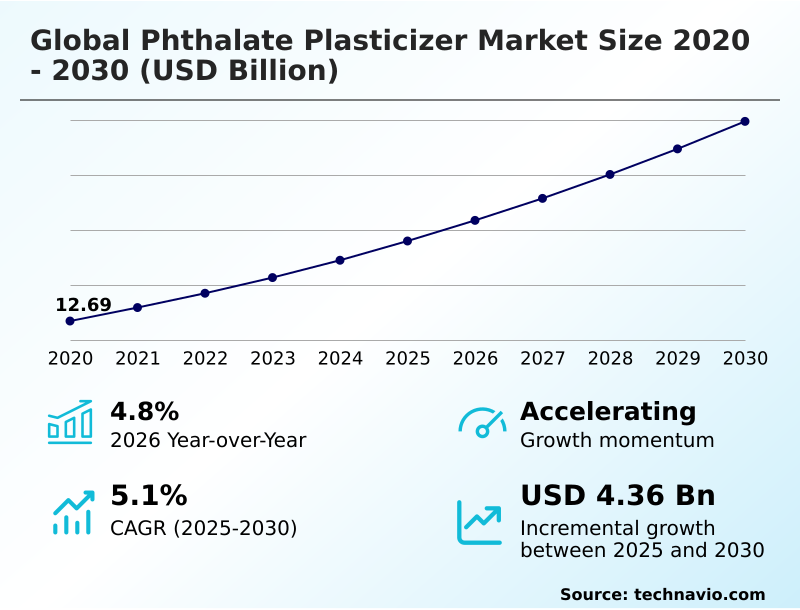
The phthalate plasticizer market size is valued to increase by USD 4.36 billion, at a CAGR of 5.1% from 2025 to 2030. Low cost of production of phthalate plasticizers will drive the phthalate plasticizer market.
Major Market Trends & Insights
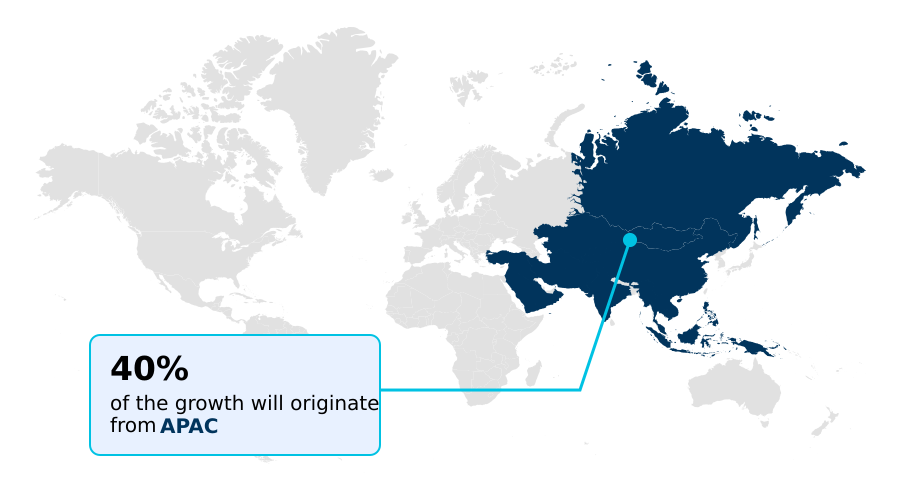
- APAC dominated the market and accounted for a 40.1% growth during the forecast period.
- By Product - Di-2-ethylhexyl phthalate (DEHP) segment was valued at USD 5.57 billion in 2024
- By Application - Building and construction segment accounted for the largest market revenue share in 2024
Market Size & Forecast
- Market Opportunities: USD 7.27 billion
- Market Future Opportunities: USD 4.36 billion
- CAGR from 2025 to 2030 : 5.1%
Market Summary
- The phthalate plasticizer market is shaped by a fundamental tension between economic drivers and regulatory pressures. These essential additives are critical for imparting flexibility to polyvinyl chloride (PVC), making them indispensable in high-volume industries such as construction, automotive, and consumer goods. The cost-effectiveness of traditional formulations ensures their sustained demand, particularly in emerging economies where industrial growth is a priority.
- However, mounting health and environmental concerns have led to stringent regulations in developed nations, compelling a significant industry shift toward non-phthalate plasticizers and bio-based plasticizers. This creates a complex operational scenario for global manufacturers.
- For instance, an automotive OEM must now navigate a fragmented regulatory landscape, sourcing compliant polymeric materials for vehicles sold in Europe under REACH regulation while managing a separate supply chain with different cost structures for markets in Asia. This dual-track strategy impacts everything from material science research and development to global procurement and compliance budgeting, defining the market's competitive dynamics.
What will be the Size of the Phthalate Plasticizer Market during the forecast period?
Get Key Insights on Market Forecast (PDF) Request Free Sample
How is the Phthalate Plasticizer Market Segmented?
The phthalate plasticizer industry research report provides comprehensive data (region-wise segment analysis), with forecasts and estimates in "USD million" for the period 2026-2030, as well as historical data from 2020-2024 for the following segments.
- Product
- Di-2-ethylhexyl phthalate (DEHP)
- Diisononyl phthalate (DINP)
- Diisodecyl phthalate (DIDP)
- Others
- Application
- Building and construction
- Automotive
- Chemical
- Medical devices
- Others
- Distribution channel
- Offline
- Online
- Geography
- APAC
- China
- Japan
- India
- North America
- US
- Canada
- Mexico
- Europe
- Germany
- France
- UK
- South America
- Brazil
- Argentina
- Middle East and Africa
- Saudi Arabia
- UAE
- Turkey
- Rest of World (ROW)
- APAC
By Product Insights
The di-2-ethylhexyl phthalate (dehp) segment is estimated to witness significant growth during the forecast period.
The market for di-2-ethylhexyl phthalate (DEHP) is defined by a significant geographical divergence.
In regulated markets like North America and Europe, demand is declining due to strict controls under frameworks such as REACH regulation, which classify these low-molecular-weight phthalates as substances of very high concern due to reproductive toxicity and their role as an endocrine disruptor.
This has reduced their use in sensitive applications like PVC-based medical devices, where issues of leaching from PVC and biocompatibility are paramount.
Conversely, demand for the polymeric material remains robust in developing regions, where cost-effectiveness and performance in general-purpose polyvinyl chloride (PVC) applications often outweigh regulatory pressures, ensuring its continued use alongside other ortho-phthalates like dioctyl phthalate (DOP).
This segment accounted for over 37% of market volume in the previous year.
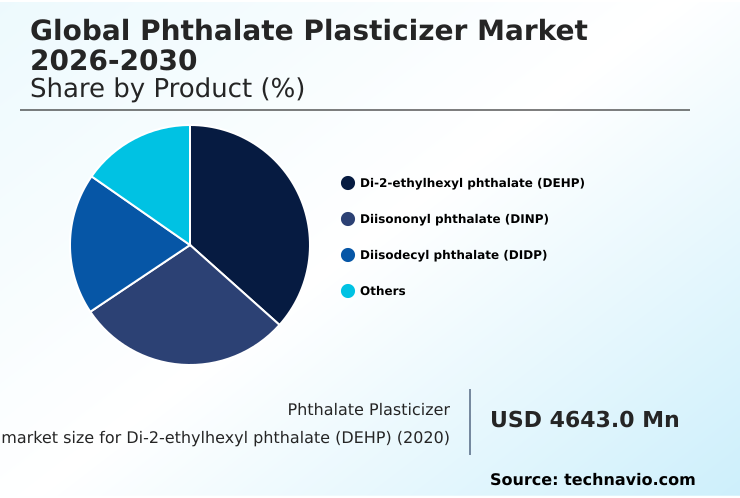
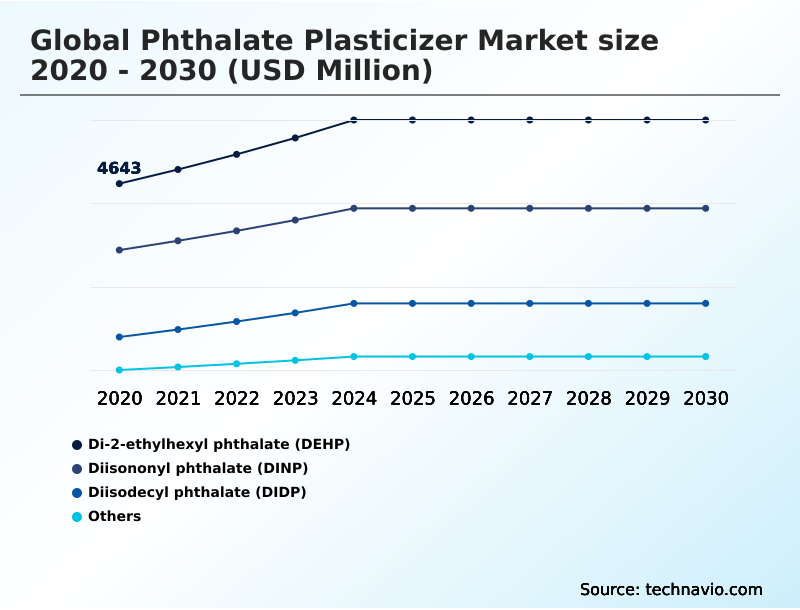
The Di-2-ethylhexyl phthalate (DEHP) segment was valued at USD 5.57 billion in 2024 and showed a gradual increase during the forecast period.
Regional Analysis
APAC is estimated to contribute 40.1% to the growth of the global market during the forecast period.Technavio’s analysts have elaborately explained the regional trends and drivers that shape the market during the forecast period.
See How Phthalate Plasticizer Market Demand is Rising in APAC Request Free Sample
The market exhibits a distinct geographic bifurcation, with APAC accounting for over 40% of the incremental growth opportunity, driven by large-scale infrastructure projects.
In contrast, North America and Europe are characterized by a transition toward high-performance, compliant materials due to stringent regulations like the chemical substances control law and K-REACH compliance.
Europe’s market, for example, is growing at a rate approximately 20% slower than APAC, reflecting the impact of these regulations.
This divergence compels manufacturers to adopt non-phthalate plasticizers such as diisononyl phthalate (DINP) and terephthalates, especially for applications with strict interior air quality standards.
The landscape is further complicated by supply chain events, such as a force majeure on key intermediates, which can disrupt the availability of flexible PVC compounds and Ccycled products globally, influencing regional pricing and material choices.
Market Dynamics
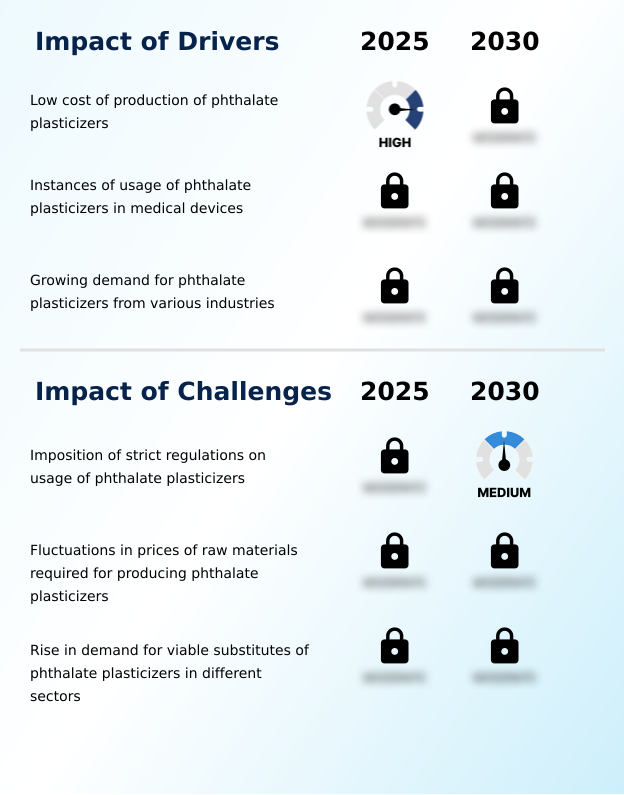
Our researchers analyzed the data with 2025 as the base year, along with the key drivers, trends, and challenges. A holistic analysis of drivers will help companies refine their marketing strategies to gain a competitive advantage.
- The global phthalate plasticizer market 2026-2030 is evolving to meet diverse and highly specific application demands, moving beyond general-purpose use. In the automotive sector, high-performance plasticizers for automotive wiring are essential for safety and durability, while in construction, low-volatility plasticizers for PVC roofing ensure long-term performance.
- The healthcare industry is a key driver of innovation, with a significant shift toward bio-based plasticizers for medical tubing and DEHP-free plasticizers for blood bags to enhance patient safety. This trend extends to consumer markets with the development of non-phthalate alternatives for food packaging and phthalate alternatives for children's toys, addressing concerns about plasticizer migration in consumer goods.
- To meet these demands, manufacturers are creating advanced flexible PVC compounds for wire insulation and heat-resistant plasticizers for cable sheathing. The use of cost-effective plasticizers for construction continues in many regions, but regulatory compliant plasticizers for export are becoming critical.
- This focus on sustainability is evident in the push for sustainable plasticizers for circular economy models and formulations that minimize plasticizer impact on PVC recyclability. For operational planning, manufacturers that proactively use dioctyl terephthalate as a DEHP replacement can accelerate their product qualification timelines by up to 30% compared to those reacting to new regulations.
- The market also includes specialized products like high-purity plasticizers for sensitive applications, plasticizers for PVC pipes and fittings, phthalate esters in cosmetic applications, and phthalate-free compounds for medical devices, all aimed at enhancing PVC flexibility with plasticizers while meeting stringent standards.
What are the key market drivers leading to the rise in the adoption of Phthalate Plasticizer Industry?
- The low cost of production for phthalate plasticizers remains a key driver for market growth, particularly in price-sensitive industries and regions.
- The market's momentum is significantly driven by the cost-effectiveness and performance of general-purpose plasticizer formulations.
- The production of high-molecular-weight phthalates from feedstocks like phthalic anhydride and oxo-alcohols, including 2-ethylhexanol, offers a compelling economic advantage, with optimized processes reducing manufacturing costs by up to 15%.
- Performance attributes remain a critical driver, as superior electrical insulation properties and heat resistance are non-negotiable in demanding sectors. Furthermore, enhancing consumer products with a soft touch finish can improve user satisfaction ratings significantly.
- In medical applications, plasticizer alcohols are chosen for their ability to ensure sterilization resistance, a key performance indicator. The development of citrates and adipates also expands the portfolio for specialized uses requiring enhanced flame retardant properties and fogging performance.
What are the market trends shaping the Phthalate Plasticizer Industry?
- A key market trend is the rising demand driven by global urbanization and infrastructure development. This expansion fuels the need for materials in construction and related sectors.
- Key market trends are centered on sustainability and urbanization, creating a dual-focus landscape. The global push for circular economy models is accelerating the development of bio-based plasticizers from renewable carbon content, with some formulations achieving a verified reduction in environmental impact of over 70%.
- Innovations like molecular recycling technologies are enabling the creation of biomass-balanced plasticizers and Ccycled products, aligning with stringent frameworks like the RoHS directive. Simultaneously, rapid infrastructure growth fuels demand for plasticized PVC in applications like vinyl flooring.
- The underlying science focuses on optimizing the interaction between polymer chains and esters of phthalic acid to enhance durability while lowering the glass transition temperature, all while using sustainable bio-based feedstocks.
What challenges does the Phthalate Plasticizer Industry face during its growth?
- The imposition of stringent regulations on the use of phthalate plasticizers presents a significant challenge to industry growth, compelling a shift toward compliant alternatives.
- Navigating regulatory complexity and raw material volatility are the primary market challenges. The classification of substances like bisphenols and butyl benzyl phthalate (BBP) as potential health risks has intensified scrutiny, with compliance costs rising by over 25% in certain sectors.
- This has forced a shift toward alternatives like DINCH plasticizer and ATBC plasticizer, requiring extensive testing for chemical compatibility and weathering resistance. Another challenge is the unpredictability of feedstock prices, which can cause production cost fluctuations of up to 20% in a single quarter.
- This volatility impacts the entire value chain, from chemical intermediate supply to the final cost of food contact materials and flexible films and wraps, while issues like material migration and low volatility remain key technical hurdles, particularly for vehicle lightweighting applications.
Exclusive Technavio Analysis on Customer Landscape
The phthalate plasticizer market forecasting report includes the adoption lifecycle of the market, covering from the innovator’s stage to the laggard’s stage. It focuses on adoption rates in different regions based on penetration. Furthermore, the phthalate plasticizer market report also includes key purchase criteria and drivers of price sensitivity to help companies evaluate and develop their market growth analysis strategies.
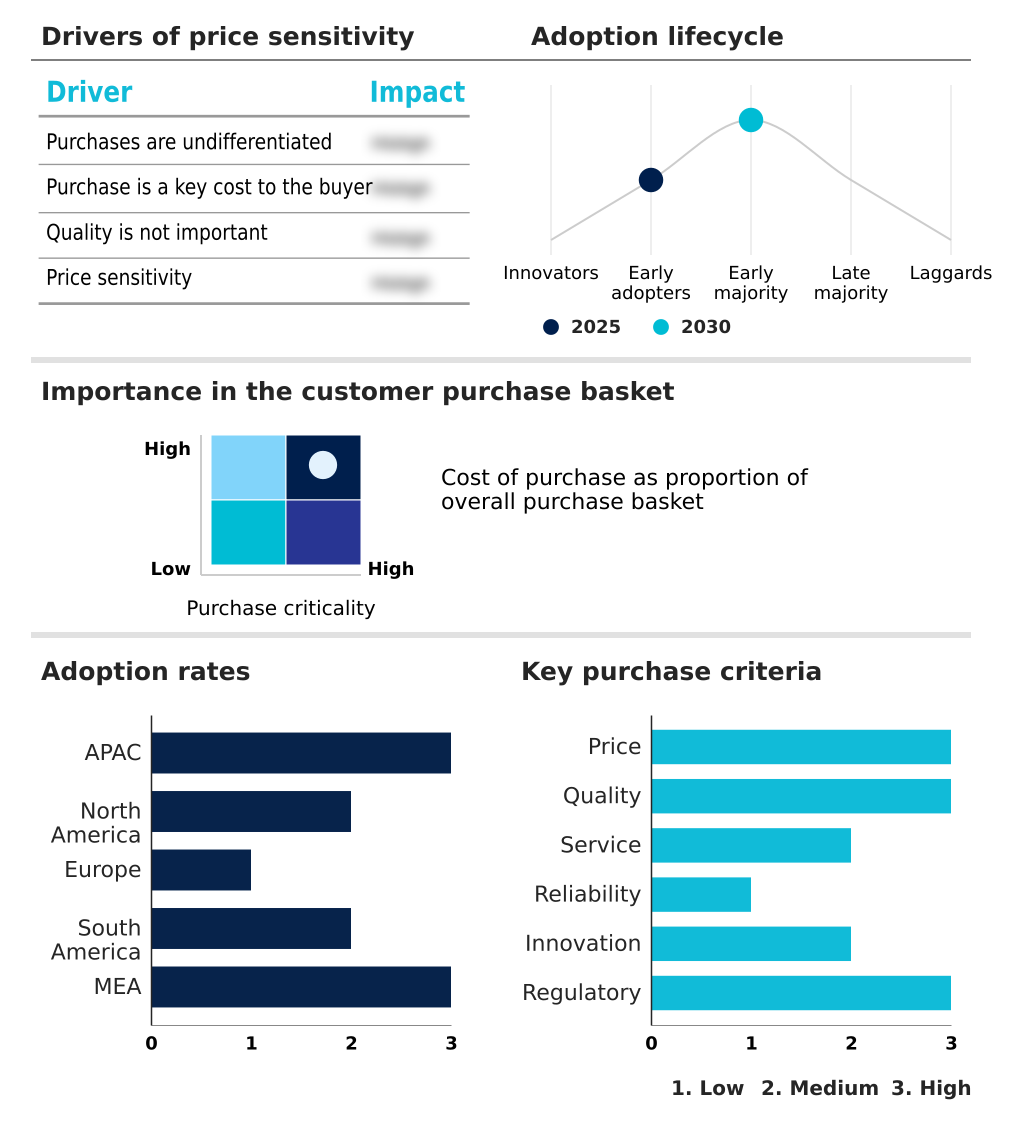
Customer Landscape of Phthalate Plasticizer Industry
Competitive Landscape
Companies are implementing various strategies, such as strategic alliances, phthalate plasticizer market forecast, partnerships, mergers and acquisitions, geographical expansion, and product/service launches, to enhance their presence in the industry.
ABC Chemical Co Ltd - Offers a broad portfolio of standard and high-performance plasticizers, including non-phthalate variants, addressing diverse industrial needs and regulatory compliance.
The industry research and growth report includes detailed analyses of the competitive landscape of the market and information about key companies, including:
- ABC Chemical Co Ltd
- ADEKA Corp.
- BASF SE
- Eastman Chemical Co.
- Ennore India Chemical Int.
- Evonik Industries AG
- Exxon Mobil Corp.
- India Glycols Ltd.
- KH Neochem Co. Ltd.
- KLJ Group
- Labdhi Chem
- Nan Ya Plastic Corp.
- Nayakem
- New Japan Chemical Co. Ltd
- Polynt SpA
- Supreme Plasticizers
- Tandon Solvents and Chem.
- Valtris Specialty Chemicals
Qualitative and quantitative analysis of companies has been conducted to help clients understand the wider business environment as well as the strengths and weaknesses of key industry players. Data is qualitatively analyzed to categorize companies as pure play, category-focused, industry-focused, and diversified; it is quantitatively analyzed to categorize companies as dominant, leading, strong, tentative, and weak.
Recent Development and News in Phthalate plasticizer market
- In August 2025, BASF SE and UPC Technology Corp. signed a memorandum of understanding to collaborate on developing sustainable plasticizer alcohols and reducing carbon emissions in their chemical operations.
- In March 2025, BASF SE entered a long-term agreement with Braven Environmental to procure pyrolysis oil derived from mixed plastic waste, which will serve as a feedstock for its Ccycled product range, including plasticizers.
- In February 2025, BASF SE expanded its North American portfolio by launching new biomass-balanced plasticizer grades, supporting the industry's shift toward more sustainable materials.
- In January 2025, Dow introduced a new phthalate-free plasticizer specifically designed for medical devices, responding to increased regulatory pressure and demand for safer healthcare materials.
Dive into Technavio’s robust research methodology, blending expert interviews, extensive data synthesis, and validated models for unparalleled Phthalate Plasticizer Market insights. See full methodology.
| Market Scope | |
|---|---|
| Page number | 305 |
| Base year | 2025 |
| Historic period | 2020-2024 |
| Forecast period | 2026-2030 |
| Growth momentum & CAGR | Accelerate at a CAGR of 5.1% |
| Market growth 2026-2030 | USD 4358.8 million |
| Market structure | Fragmented |
| YoY growth 2025-2026(%) | 4.8% |
| Key countries | China, Japan, India, South Korea, Indonesia, Australia, US, Canada, Mexico, Germany, France, UK, Italy, Spain, The Netherlands, Brazil, Argentina, Chile, Saudi Arabia, UAE, Turkey, South Africa and Israel |
| Competitive landscape | Leading Companies, Market Positioning of Companies, Competitive Strategies, and Industry Risks |
Research Analyst Overview
- The phthalate plasticizer market is defined by a persistent dichotomy between the widespread use of conventional esters of phthalic acid and a decisive shift toward safer, high-performance alternatives. Demand for di-2-ethylhexyl phthalate (DEHP), a general-purpose plasticizer, remains strong in price-sensitive sectors, produced from feedstocks like phthalic anhydride.
- However, regulatory scrutiny over its classification as an endocrine disruptor is driving the adoption of high-molecular-weight phthalates like diisononyl phthalate (DINP) and diisodecyl phthalate (DIDP). The industry is increasingly focused on innovation, developing non-phthalate plasticizers and bio-based plasticizers for applications such as vinyl flooring and flexible PVC compounds.
- This transition presents a critical boardroom-level decision regarding risk management: whether to continue using low-molecular-weight phthalates like butyl benzyl phthalate (BBP) or invest in alternative polymeric materials.
- For example, products formulated with advanced biomass-balanced plasticizers can achieve a carbon footprint reduction of over 60% compared to their conventional counterparts, offering a clear competitive differentiator in a market also containing dioctyl phthalate (DOP) and other chemical intermediates.
What are the Key Data Covered in this Phthalate Plasticizer Market Research and Growth Report?
-
What is the expected growth of the Phthalate Plasticizer Market between 2026 and 2030?
-
USD 4.36 billion, at a CAGR of 5.1%
-
-
What segmentation does the market report cover?
-
The report is segmented by Product (Di-2-ethylhexyl phthalate (DEHP), Diisononyl phthalate (DINP), Diisodecyl phthalate (DIDP), and Others), Application (Building and construction, Automotive, Chemical, Medical devices, and Others), Distribution Channel (Offline, and Online) and Geography (APAC, North America, Europe, South America, Middle East and Africa)
-
-
Which regions are analyzed in the report?
-
APAC, North America, Europe, South America and Middle East and Africa
-
-
What are the key growth drivers and market challenges?
-
Low cost of production of phthalate plasticizers, Imposition of strict regulations on usage of phthalate plasticizers
-
-
Who are the major players in the Phthalate Plasticizer Market?
-
ABC Chemical Co Ltd, ADEKA Corp., BASF SE, Eastman Chemical Co., Ennore India Chemical Int., Evonik Industries AG, Exxon Mobil Corp., India Glycols Ltd., KH Neochem Co. Ltd., KLJ Group, Labdhi Chem, Nan Ya Plastic Corp., Nayakem, New Japan Chemical Co. Ltd, Polynt SpA, Supreme Plasticizers, Tandon Solvents and Chem. and Valtris Specialty Chemicals
-
Market Research Insights
- Market dynamics are increasingly shaped by a strategic pivot toward sustainability, driven by frameworks like REACH regulation. This transition is evident in the adoption of circular economy models, where companies utilize innovative bio-based feedstocks to develop new product lines. The introduction of biomass-balanced grades, for example, can improve a product's sustainability profile by over 50% compared to conventional fossil-based versions.
- For applications requiring superior performance, there is a focus on enhancing material properties such as sterilization resistance and low volatility. Moreover, designing products with end-of-life in mind to align with extended producer responsibility goals can increase material recovery rates by up to 25%, a critical factor for achieving corporate sustainability targets and maintaining market access in environmentally conscious regions.
We can help! Our analysts can customize this phthalate plasticizer market research report to meet your requirements.