


Pleasure Boat Paint Market Size 2024-2028
The pleasure boat paint market size is forecast to increase by USD 190.9 million at a CAGR of 3.2% between 2023 and 2028.
- The market is experiencing significant growth due to the increasing demand for pleasure boats and the growing focus towards sustainability. With an increasing number of consumers expressing environmental concerns, there is a rising trend towards eco-friendly and non-toxic paint solutions. Pleasure boat paints offer various benefits, such as corrosion resistance, antifouling properties, UV protection, flexibility, and durability. Additionally, stringent regulations regarding the use of certain chemicals and substances in boat paints are driving manufacturers to innovate and develop compliant products. These factors, along with advancements in technology and design, are shaping the future of the market. The market is expected to witness steady growth In the coming years as these trends continue to gain momentum.
What will be the Size of the Pleasure Boat Paint Market During the Forecast Period?

- The market encompasses a diverse range of products specifically designed to protect and enhance the appearance of recreational watercraft, including sailboats, fishing boats, yachts, and powerboats. Factors influencing market growth include the degradation of paint caused by saltwater, UV rays, marine organisms, weathering, moisture, and corrosion. These elements significantly impact the lifespan and maintenance costs of boats, making high-performance, durable coatings essential. These attributes not only extend the lifespan of the boat but also contribute to its resale value. Environmental considerations are increasingly important, leading to the development of eco-friendly, low-VOC (volatile organic compound) coatings.
- The market caters to a broad clientele, including ships, yachts, cruise ships, offshore constructions, and individuals engaged in various recreational activities, such as watersports. The shipping industry and commercial fishing sector also utilize specialized coatings to protect their vessels from corrosive elements. Overall, the market is expected to continue growing due to the increasing popularity of water-based recreational activities and the demand for longer-lasting, high-performance coatings.
How is this Pleasure Boat Paint Industry segmented and which is the largest segment?
The pleasure boat paint industry research report provides comprehensive data (region-wise segment analysis), with forecasts and estimates in "USD million" for the period 2024-2028, as well as historical data from 2018-2022 for the following segments.
- Application
- Refurbished boat
- New boat
- Type
- Natural polyisoprene
- Synthetic polyisoprene
- Geography
- APAC
- China
- Japan
- South Korea
- Europe
- Germany
- North America
- US
- Middle East and Africa
- South America
- APAC
By Application Insights
- The refurbished boat segment is estimated to witness significant growth during the forecast period.
Pleasure boat paints play a crucial role In the refurbishment process of pre-owned boats, enhancing their appearance and performance. The application of these paints involves the removal of old coatings, surface preparation, priming, and application of a topcoat. Boats undergo various environmental conditions, including saltwater, UV rays, marine organisms, weathering, moisture, and corrosion, which impact their lifespan and maintenance costs. Pleasure boat paints offer protection against these elements, ensuring the boat's longevity and resale value. Sailboats, fishing boats, yachts, powerboats, and other recreational watercrafts use various types of pleasure boat paints, including antifouling, topside, and bottom paints. Sigma Marine Coatings, International Paint, and Epochem Marine Paint are popular brands offering formulations with corrosion resistance, antifouling properties, UV protection, flexibility, and durability.
Budget considerations, boatyards, marine surveyors, and boat owners benefit from the use of these paints, which offer abrasion resistance, color retention, and environmental impact reduction. The shipping industry, offshore constructions, and raw material production also utilize pleasure boat paints for their vessels and structures, ensuring optimal performance and protection against corrosive elements.

Get a glance at the Pleasure Boat Paint Industry report of share of various segments Request Free Sample
The refurbished boat segment was valued at USD 633.00 million in 2018 and showed a gradual increase during the forecast period.
Regional Analysis
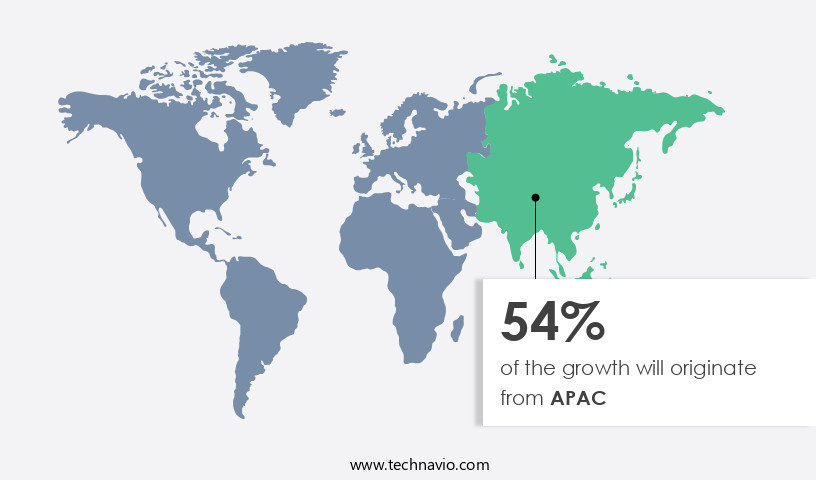
- APAC is estimated to contribute 54% to the growth of the global market during the forecast period.
Technavio's analysts have elaborately explained the regional trends and drivers that shape the market during the forecast period.
For more insights on the market share of various regions, Request Free Sample
The APAC market is experiencing notable expansion due to escalating recreational boating activities, increasing disposable income, and growing popularity of water sports. Factors such as the demand for eco-friendly, low-VOC coatings and the adoption of advanced coating technologies are further propelling market growth. In the APAC region, China leads the market, being the largest manufacturer and consumer of pleasure boats. Pleasure boat owners prioritize paint choices based on factors like weathering, moisture, corrosion, rot, lifespan, and maintenance costs. Sigma Marine Coatings, International Paint, and Epochem Marine Paint are prominent players offering top-tier solutions. Boat material, environmental conditions, and budget considerations also influence paint selection. Boat owners, boatyards, marine surveyors, and the shipping industry seek coatings with antifouling, anticorrosion, and foul release properties. Oil-based and water-based marine paints offer varying benefits, including abrasion resistance, color retention, and UV protection. Environmental impact is a critical consideration In the selection process.
Market Dynamics
Our researchers analyzed the data with 2023 as the base year, along with the key drivers, trends, and challenges. A holistic analysis of drivers will help companies refine their marketing strategies to gain a competitive advantage.
What are the key market drivers leading to the rise In the adoption of Pleasure Boat Paint Industry?
Increasing demand for pleasure boats is the key driver of the market.
- The market has experienced substantial growth due to the rising popularity of recreational water activities. Pleasure boats, including sailboats, fishing boats, yachts, powerboats, and personal watercrafts (PWC), are utilized for various aquatic pursuits such as cruising, fishing, and watersports. The increasing interest in outdoor recreation has fueled the demand for these vessels, leading to a corresponding increase In the need for high-quality paint solutions. Saltwater environments, UV rays, marine organisms, weathering, moisture, and corrosion are among the environmental conditions that can negatively impact the lifespan and resale value of pleasure boats. To mitigate these effects, boat owners turn to marine coatings such as antifouling paint, topsides paint, and bottom paint.
- These coatings provide essential protection against corrosion, rot, and fouling, ensuring the longevity and optimal performance of the boats. Two primary types of marine paint are oil-based and water-based. Oil-based paints offer superior abrasion resistance and color retention but have higher VOC emissions and environmental impact. Water-based paints, on the other hand, have lower VOC emissions and are more environmentally friendly, but they may not provide the same level of durability and flexibility as oil-based paints. Sigma Marine Coatings and Epochem Marine Paint are among the leading brands offering marine coatings with advanced formulations and compositions. These coatings provide excellent corrosion resistance, antifouling properties, UV protection, and flexibility, ensuring the boats can withstand harsh marine conditions while maintaining their appearance and functionality.
- Budget considerations, boatyard services, and marine surveyors play crucial roles In the selection and application of marine coatings. Regular maintenance, including painting, is essential to ensure the longevity and optimal performance of pleasure boats. The shipping industry, offshore constructions, and crude oil output also contribute to the demand for marine coatings as these industries rely on vessels and structures that can withstand corrosive elements. Thus, the market is driven by the growing demand for pleasure boats and the need to protect these vessels from the harsh marine environment. Marine coatings, such as antifouling, topsides, and bottom paints, offer essential protection against corrosion, rot, and fouling, ensuring the longevity and optimal performance of pleasure boats. Oil-based and water-based paints each have their advantages and disadvantages, and boat owners must consider their budget, environmental impact, and specific needs when selecting the appropriate coating for their vessel.
What are the market trends shaping the Pleasure Boat Paint Industry?
Growing focus towards sustainability is the upcoming market trend.
- The market is witnessing a significant shift towards eco-friendly and sustainable solutions due to growing environmental consciousness. Boat owners are increasingly opting for paints that do not release harmful chemicals into the water. A notable trend in this market is the use of biodegradable and non-toxic paints, which are made from natural materials such as plant oils and resins. These paints are designed to decompose over time, thereby reducing water pollution. UV rays, weathering, moisture, corrosion, and rot are common environmental conditions that affect the lifespan of pleasure boats. To combat these elements, boatyards and marine surveyors recommend regular maintenance, including the application of top-quality paint.
- Two popular paint brands In the market are Sigma Marine Coatings and Epochem Marine Paint. Boat material, formulation, and composition are essential factors that influence the choice of paint. For instance, oil-based marine paint offers excellent abrasion resistance and color retention, while water-based marine paint has lower VOC emissions. Both types of paints provide UV protection, flexibility, durability, and corrosion resistance. However, their environmental impact varies. In the larger marine industry, including ships, yachts, cruise ships, offshore constructions, and recreational activities like sailboats, fishing boats, powerboats, personal watercrafts (PWC), and inflatables, coatings play a crucial role in protecting against corrosive elements.
- The use of anti-fouling coatings, anti-corrosion coatings, and foul release coatings is common practice to ensure longevity and maintain resale value. Environmental impact, budget considerations, and raw materials are essential factors in shipbuilding operations and crude oil output, fuel efficiency, and sailboats' performance.
What challenges does the Pleasure Boat Paint Industry face during its growth?
Stringent regulations regarding the use of certain chemicals and substances is a key challenge affecting the industry growth.
- The market faces regulatory restrictions due to environmental concerns. Governments are enforcing rules on the use of certain chemicals, such as copper-based antifouling paints, which can harm marine organisms. Regulatory bodies are also focusing on reducing volatile organic compound (VOC) emissions from paints, which can negatively impact human health and the environment. These regulations increase the cost of production for paint manufacturers and may lead to higher maintenance costs for boat owners. However, the demand for paints with superior UV protection, corrosion resistance, and durability remains strong. Sigma Marine Coatings and Epochem Marine Paint offer advanced formulations with antifouling properties, flexibility, and color retention.
- Boat material, weathering, moisture, and corrosion are key factors influencing the lifespan and resale value of a pleasure boat. Budget considerations and environmental impact are crucial factors for boatyards, marine surveyors, and boat owners when selecting a paint brand. Oil-based and water-based marine paints differ In their composition, with the former offering better abrasion resistance and the latter having lower VOC emissions. Pleasure boats, sailboats, fishing boats, yachts, powerboats, ships, yachts, cruise ships, offshore constructions, and recreational activities all require appropriate coatings for optimal performance and longevity. Raw materials and shipbuilding operations, as well as crude oil output and fuel efficiency, also impact the market.
Exclusive Customer Landscape
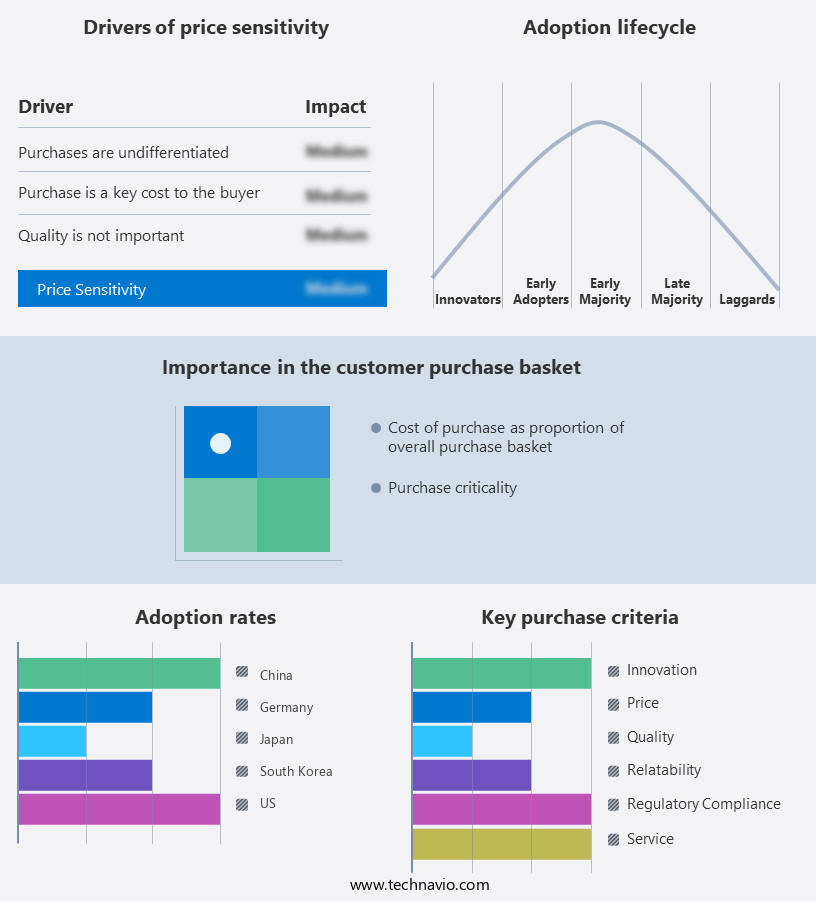
The pleasure boat paint market forecasting report includes the adoption lifecycle of the market, market growth and forecasting, covering from the innovator's stage to the laggard's stage. It focuses on adoption rates in different regions based on penetration. Furthermore, the pleasure boat paint market report also includes key purchase criteria and drivers of price sensitivity to help companies evaluate and develop their market growth analysis strategies.
Customer Landscape
Key Companies & Market Insights
Companies are implementing various strategies, such as strategic alliances, pleasure boat paint market forecast, partnerships, mergers and acquisitions, geographical expansion, and product/service launches, to enhance their presence In the industry.
The industry research and growth report includes detailed analyses of the competitive landscape of the market and information about key companies, including:
- Akzo Nobel NV
- Baril Coatings BV
- BASF SE
- Boero Bartolomeo Spa
- Brunswick Corp.
- Chugoku Marine Paints Ltd.
- DuPont de Nemours Inc.
- Hempel AS
- I Tech AB
- Innovative Chemical Products
- Kansai Paint Co. Ltd.
- Lanxess AG
- MARLIN srl
- NAUTIX SAS
- NIPSEA Group
- Norglass Paints and Specialty Finishes
- PPG Industries Inc.
- RPM International Inc.
- The Sherwin Williams Co.
- Troton Sp. z o.o.
Qualitative and quantitative analysis of companies has been conducted to help clients understand the wider business environment as well as the strengths and weaknesses of key industry players. Data is qualitatively analyzed to categorize companies as pure play, category-focused, industry-focused, and diversified; it is quantitatively analyzed to categorize companies as dominant, leading, strong, tentative, and weak.
Research Analyst Overview
The market encompasses a wide range of coatings used to protect and enhance the appearance of various types of recreational watercraft. These boats, which include sailboats, fishing boats, yachts, powerboats, and personal watercraft (PWC), among others, are subjected to harsh environmental conditions that can significantly impact their lifespan and maintenance costs. UV rays, marine organisms, weathering, moisture, and corrosion are among the primary factors that contribute to the degradation of boat paint. Prolonged exposure to sunlight can cause fading and oxidation, while marine organisms such as barnacles and algae can attach to the hull, increasing drag and requiring frequent cleaning. Weathering, including wind and wave action, can also lead to chipping and scratching. Moisture and corrosion are particularly damaging to metal boats, leading to rot and reducing their structural integrity. The cost of maintaining the paint on these vessels can be significant, with regular repainting required to prevent further damage.
The resale value of a well-maintained boat can be significantly higher than that of a neglected one. Boat owners face budget considerations when selecting paint for their vessels. They must weigh the cost of various paint options against their durability and environmental impact. For example, oil-based marine paints offer excellent abrasion resistance and color retention but have higher VOC emissions and are less environmentally friendly than water-based alternatives. Boatyards and marine surveyors play a crucial role In the market, offering services such as sandblasting, priming, and painting to ensure the longevity of boats. They may recommend specific coatings based on the boat's material, environmental conditions, and intended use. Antifouling paint is a critical component of the market, designed to prevent the growth of marine organisms on the hull. Topside paint, which covers the visible parts of the boat, is chosen for its color retention and flexibility. Bottom paint, which is in contact with the water, must offer excellent corrosion resistance and antifouling properties. Environmental considerations are increasingly important In the market, with many manufacturers focusing on developing coatings with lower VOC emissions and improved durability.
Sigma Marine Coatings, for instance, offers Sigmarine Coating, a high-performance, two-component, low-VOC epoxy coating that provides excellent UV protection, corrosion resistance, and flexibility. The market is diverse, catering to various types of boats and environmental conditions. Factors such as budget considerations, boat material, and intended use all play a role In the selection of the most appropriate paint. The shipping industry, with its large fleet of ships, yachts, and cruise ships, is a significant consumer of marine coatings. Offshore constructions, such as oil rigs and wind farms, also require specialized coatings to withstand corrosive elements. Raw materials and shipbuilding operations are essential to the production of marine coatings. Crude oil output and fuel efficiency are critical factors In the shipping industry, which can impact the demand for marine coatings. Sailboats and personal watercrafts (PWC) also require coatings to protect against the elements and maintaIn their appearance. Thus, the market is a dynamic and diverse industry that caters to the unique needs of various types of watercraft. Factors such as environmental conditions, budget considerations, and intended use all play a role In the selection of appropriate coatings. Manufacturers continue to innovate, developing coatings with improved durability, lower VOC emissions, and enhanced environmental impact.
|
Market Scope |
|
|
Report Coverage |
Details |
|
Page number |
182 |
|
Base year |
2023 |
|
Historic period |
2018-2022 |
|
Forecast period |
2024-2028 |
|
Growth momentum & CAGR |
Accelerate at a CAGR of 3.2% |
|
Market growth 2024-2028 |
USD 190.9 million |
|
Market structure |
Fragmented |
|
YoY growth 2023-2024(%) |
3.07 |
|
Key countries |
China, Japan, US, South Korea, and Germany |
|
Competitive landscape |
Leading Companies, Market Positioning of Companies, Competitive Strategies, and Industry Risks |
What are the Key Data Covered in this Pleasure Boat Paint Market Research and Growth Report?
- CAGR of the Pleasure Boat Paint industry during the forecast period
- Detailed information on factors that will drive the growth and forecasting between 2024 and 2028
- Precise estimation of the size of the market and its contribution of the industry in focus to the parent market
- Accurate predictions about upcoming growth and trends and changes in consumer behaviour
- Growth of the market across APAC, Europe, North America, Middle East and Africa, and South America
- Thorough analysis of the market's competitive landscape and detailed information about companies
- Comprehensive analysis of factors that will challenge the pleasure boat paint market growth of industry companies
We can help! Our analysts can customize this pleasure boat paint market research report to meet your requirements.