
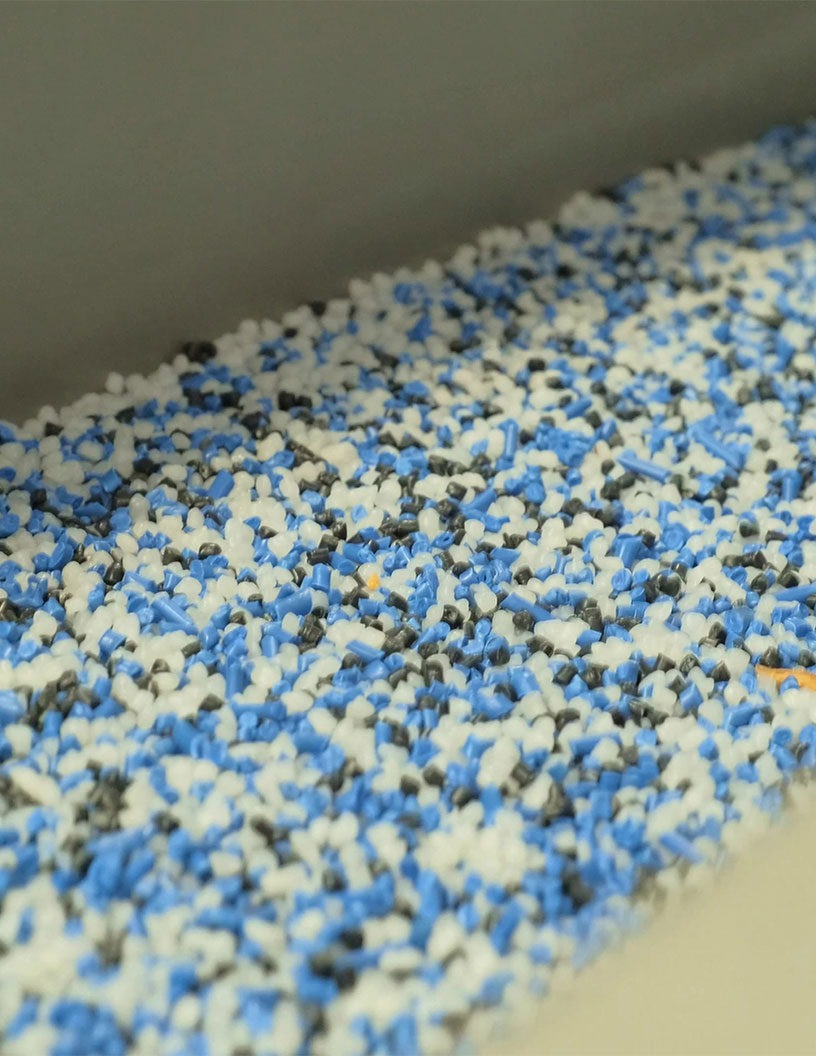


Polymeric Biomaterials Market Size 2024-2028
The polymeric biomaterials market size is forecast to increase by USD 8.10 billion at a CAGR of 10.01% between 2023 and 2028.
- The market is experiencing significant growth, driven primarily by the increasing demand for medical and dental implants. The use of polymeric biomaterials in tissue engineering applications is another key factor fueling market expansion. However, the market faces challenges from stringent clinical and regulatory processes, which necessitate extensive testing and approval procedures before new products can be introduced. These hurdles can prolong the time-to-market and increase costs for manufacturers. To capitalize on market opportunities, companies must navigate these regulatory landscapes effectively and invest in research and development to create innovative, high-performance polymeric biomaterials that meet the evolving needs of the healthcare industry.
- Additionally, collaboration with regulatory bodies and research institutions can help streamline the approval process and accelerate product launches. Overall, the market presents both challenges and opportunities for companies seeking to make a significant impact in the healthcare sector.
What will be the Size of the Polymeric Biomaterials Market during the forecast period?

- The market continues to evolve, driven by advancements in tissue engineering and regenerative medicine. Biomimetic materials, such as polyglycolic acid (PGA) and polycaprolactone (PCL), play a pivotal role in creating skin substitutes and bone grafts. The integration of biocompatibility testing, clinical trials, and in vitro studies ensures the safety and efficacy of these materials. Surface modification and controlled release are critical aspects of polymeric biomaterials, enabling targeted drug delivery and nerve regeneration. Biodegradable polymers, including PLA and PEG, offer advantages in terms of mechanical properties and environmental impact. Research and development in biocompatible polymers are ongoing, with a focus on improving degradation rates and enhancing biocompatibility.
- Additive manufacturing and 3D printing are revolutionizing the production of medical devices, enabling customized solutions for various applications. The regulatory landscape is dynamic, with entities such as CE Mark guiding the approval process for medical devices. The continuous unfolding of market activities and evolving patterns underscore the potential of polymeric biomaterials in diverse sectors, including wound healing, bone grafts, and drug delivery. Biomimetic materials are increasingly being explored for their ability to mimic natural tissues, offering potential solutions for complex medical conditions. In the realm of nerve regeneration, hyaluronic acid and other polymers are being investigated for their role in facilitating regeneration and improving functional outcomes.
- The ongoing research and development in polymeric biomaterials are shaping the future of regenerative medicine and medical devices, with a focus on optimizing performance, safety, and sustainability.
How is this Polymeric Biomaterials Industry segmented?
The polymeric biomaterials industry research report provides comprehensive data (region-wise segment analysis), with forecasts and estimates in "USD billion" for the period 2024-2028, as well as historical data from 2018-2022 for the following segments.
- Type
- Natural polymers
- Synthetic polymers
- Degradable polymers
- Application
- Orthopedics
- Cardiovascular
- Dental
- Plastic surgery
- Neurology and others
- Geography
- North America
- US
- Europe
- Germany
- UK
- APAC
- China
- Japan
- Rest of World (ROW)
- North America
By Type Insights
The natural polymers segment is estimated to witness significant growth during the forecast period.
The market is witnessing significant growth due to the increasing application of biocompatible polymers in various sectors, including tissue engineering, medical devices, and drug delivery systems. Regulatory approvals for biodegradable polymers, such as polylactic acid (PLA), polyglycolic acid (PGA), and polycaprolactone (PCL), have accelerated market expansion. In the field of tissue engineering, in vivo testing and 3D printing are revolutionizing the production of skin substitutes, bone grafts, and nerve and cartilage regeneration. Intellectual property protection and surface modification techniques, such as PEGylation and grafting, enhance the mechanical properties and biocompatibility of these materials. Advances in research and development have led to the creation of biomimetic materials that closely mimic natural tissues.
Biocompatible polymers, including hyaluronic acid and chitosan, are increasingly used in targeted drug delivery and controlled release systems, reducing the need for frequent dosing and improving patient outcomes. The use of biodegradable polymers in sutures and bone grafts has minimized the environmental impact of medical waste. The demand for these materials is further driven by the growing need for regenerative medicine and wound healing applications. Clinical trials and biocompatibility testing are crucial in ensuring the safety and efficacy of these materials. The market is subject to stringent regulations, such as CE mark, to ensure the quality and safety of medical devices.
The development of additive manufacturing technologies, such as 3D printing, has enabled the production of complex structures with precise control over the degradation rate and mechanical properties. The use of these materials in various applications, from drug delivery to tissue engineering, is poised to continue driving market growth.

The Natural polymers segment was valued at USD 4.54 billion in 2018 and showed a gradual increase during the forecast period.
Regional Analysis
North America is estimated to contribute 38% to the growth of the global market during the forecast period.Technavio’s analysts have elaborately explained the regional trends and drivers that shape the market during the forecast period.

The market in North America experienced significant growth in 2023, with the US and Canada accounting for a substantial market share. This expansion is driven by several factors, including the high prevalence of orthopedic disorders, the increasing adoption of advanced medical devices, improved healthcare infrastructure, increased healthcare expenditure, and heightened awareness of orthopedic conditions among the population. For instance, in the field of tissue engineering, companies like RevBio have made strides in research and development, with the firm announcing in October 2023 that it had received a grant from the National Institute on Aging (NIA), a division of the National Institutes of Health (NIH), to further develop its biomaterials for bone regeneration.
In the realm of medical devices, the use of biocompatible polymers such as polyglycolic acid (PGA), polylactic acid (PLA), and polycaprolactone (PCL) in the production of bioresorbable sutures, bone grafts, and skin substitutes is gaining popularity due to their mechanical properties and biocompatibility. Additionally, the integration of 3D printing and additive manufacturing technologies in the production of these biomaterials is enabling the creation of complex structures with precise control over surface modification, degradation rate, and controlled release. The market is also witnessing a focus on environmental sustainability, with the development of biodegradable polymers and the implementation of rigorous biocompatibility testing and clinical trials to ensure safety and efficacy.
The market's evolution is further characterized by the pursuit of intellectual property protection and the exploration of new applications in regenerative medicine, wound healing, nerve regeneration, and cartilage regeneration.
Market Dynamics
Our researchers analyzed the data with 2023 as the base year, along with the key drivers, trends, and challenges. A holistic analysis of drivers will help companies refine their marketing strategies to gain a competitive advantage.
What are the key market drivers leading to the rise in the adoption of Polymeric Biomaterials Industry?
- The surge in demand for medical and dental implants serves as the primary catalyst for market growth in this sector.
- The market is experiencing significant growth due to the increasing demand for medical implants. These biomaterials are utilized in the production of various medical devices, including implants designed to replace or repair damaged tissue. The prevalence of chronic diseases and the aging population are major factors driving this demand. Polymeric biomaterials offer several advantages for use in medical implants. They can mimic the natural properties of human tissue, providing both strength and flexibility. Additionally, they exhibit biocompatibility, enabling seamless integration into the body without causing adverse reactions. Some common applications of polymeric biomaterials in the medical field include drug delivery systems, bone grafts, and tissue engineering for cartilage and nerve regeneration.
- For instance, polylactic acid (PLA) is a popular biodegradable polymer used in bone grafts and drug delivery systems. Similarly, hyaluronic acid is widely used in cartilage regeneration and nerve regeneration therapies. CE Mark certification is a crucial regulatory requirement for medical devices, including those made from polymeric biomaterials, ensuring their safety and efficacy. The market's growth is further propelled by the ongoing research and development in the field of biodegradable polymers, which offer several advantages over traditional, non-biodegradable materials. In conclusion, The market is poised for continued growth due to the rising demand for medical implants and the unique properties of these materials that make them ideal for use in various medical applications.
What are the market trends shaping the Polymeric Biomaterials Industry?
- The increasing adoption of polymeric biomaterials in tissue engineering signifies a notable market trend. This emerging trend is driven by the material's biocompatibility, versatility, and ability to promote tissue regeneration.
- Tissue engineering is a field dedicated to restoring and repairing damaged or injured tissues within the human body. A key tool in this process is the use of scaffolds, three-dimensional platforms that simulate a real tissue environment and help human cells adhere and proliferate. Biocompatibility, wettability, and biodegradability are essential considerations when selecting materials for scaffold design in tissue engineering. Biomaterials, engineered materials capable of interacting with biological systems to facilitate repair and regeneration, play a crucial role in this field. Polymeric biomaterials, such as polyethylene glycol (PEG) and polyglycolic acid (PGA), are popular choices due to their favorable mechanical properties and ability to be engineered for specific applications.
- PEG, a hydrophilic polymer, is often used for targeted drug delivery due to its ability to form stable complexes with drugs and protect them from degradation. PGA, a biodegradable polymer, is commonly used in sutures and tissue engineering scaffolds due to its strong mechanical properties and ability to degrade over time, leaving behind tissue. In the realm of tissue engineering, regulatory approval is a critical factor in bringing new technologies to market. The process of gaining approval involves rigorous testing to ensure safety and efficacy, both in vitro and in vivo. Intellectual property protections, such as patents, also play a role in safeguarding innovations and encouraging investment in research and development.
- Three-dimensional printing technology has revolutionized the fabrication of scaffolds, enabling the creation of complex structures with precise control over pore size, shape, and distribution. This technology holds great promise for the future of tissue engineering and regenerative medicine.
What challenges does the Polymeric Biomaterials Industry face during its growth?
- The stringent clinical and regulatory processes pose a significant challenge to the growth of the industry, requiring rigorous adherence to ensure product safety and efficacy.
- The market encompasses a diverse range of materials used in various medical applications, such as skin substitutes, implants, prosthetics, and drug delivery systems. These biomaterials are subjected to rigorous biocompatibility testing and clinical trials to ensure their safety and efficacy for human use. The regulatory approval process is a significant challenge for market growth, as it ensures the products meet stringent safety and performance standards. Biomimetic materials, which mimic natural biological structures, are gaining popularity in the market due to their potential to enhance tissue regeneration and improve clinical outcomes. Surface modification techniques, such as in vitro testing and controlled release, are also crucial in optimizing the performance of these materials.
- Medical devices, including those made of polymeric biomaterials, frequently come into prolonged contact with the body or are implanted inside it. As a result, ensuring their biocompatibility and degradation rate is essential to prevent adverse reactions and maintain patient safety. The market's future growth is dependent on continuous innovation and the development of advanced materials that meet the evolving needs of the healthcare industry.
Exclusive Customer Landscape
The polymeric biomaterials market forecasting report includes the adoption lifecycle of the market, covering from the innovator’s stage to the laggard’s stage. It focuses on adoption rates in different regions based on penetration. Furthermore, the polymeric biomaterials market report also includes key purchase criteria and drivers of price sensitivity to help companies evaluate and develop their market growth analysis strategies.

Customer Landscape
Key Companies & Market Insights
Companies are implementing various strategies, such as strategic alliances, polymeric biomaterials market forecast, partnerships, mergers and acquisitions, geographical expansion, and product/service launches, to enhance their presence in the industry.
Anika Therapeutics Inc. - The company specializes in polymeric biomaterial solutions, producing fibers, films, and textile biomaterials. These innovative materials are utilized in diverse medical device applications, in collaboration with Fidia Advanced Biopolymers s.R.L. Our offerings contribute to the advancement of healthcare technology through biocompatible and biodegradable solutions. The resulting products enhance medical device performance, patient safety, and overall efficacy. Our commitment to research and development ensures the continuous expansion of our product portfolio, addressing the evolving needs of the healthcare industry.
The industry research and growth report includes detailed analyses of the competitive landscape of the market and information about key companies, including:
- Anika Therapeutics Inc.
- Aspire Biotech Inc.
- BASF SE
- Berkeley Advanced Biomaterials
- Bezwada Biomedical LLC
- Corbion nv
- Covestro AG
- Danimer Scientific Inc.
- International Polymer Engineering
- Koninklijke DSM NV
- Medtronic Plc
- Meril Life Sciences Pvt. Ltd.
- MicroPort Scientific Corp.
- RAG Stiftung
- Regenity
- REVA Medical LLC
- RevBio Inc.
- Stryker Corp.
- Victrex Plc
- Zimmer Biomet Holdings Inc.
Qualitative and quantitative analysis of companies has been conducted to help clients understand the wider business environment as well as the strengths and weaknesses of key industry players. Data is qualitatively analyzed to categorize companies as pure play, category-focused, industry-focused, and diversified; it is quantitatively analyzed to categorize companies as dominant, leading, strong, tentative, and weak.
Recent Development and News in Polymeric Biomaterials Market
- In February 2024, BASF Corporation, a leading chemical producer, introduced a new line of polymeric biomaterials, known as Ecoflex, for use in medical applications. This innovative product line is based on renewable raw materials and aims to reduce the carbon footprint in the healthcare sector (BASF Corporation Press Release, 2024).
- In May 2025, a major strategic partnership was formed between Merck KGaA and Evonik Industries to jointly develop and commercialize novel polymeric biomaterials for tissue engineering and regenerative medicine. This collaboration combines Merck's expertise in biomaterials and Evonik's knowledge in specialty chemicals to create advanced solutions for the healthcare industry (Merck KGaA Press Release, 2025).
- In August 2024, Sigma-Aldrich Corporation, a leading life science and high-tech materials supplier, announced a significant investment of USD50 million in its biomaterials division to expand its production capacity and research capabilities. This investment will enable Sigma-Aldrich to meet the growing demand for polymeric biomaterials in various applications, including drug delivery and tissue engineering (Sigma-Aldrich Corporation Press Release, 2024).
- In November 2025, the U.S. Food and Drug Administration (FDA) granted approval for the commercial use of a new polymeric biomaterial, PuraMatrix, for tissue engineering applications. Developed by PuraBiologics, this biomaterial is designed to mimic the natural extracellular matrix and promote cell growth and tissue regeneration (FDA Press Release, 2025).
Research Analyst Overview
Polymeric biomaterials, a critical segment in the biomedical industry, are driving innovation in various applications, including tissue engineering and regenerative medicine. Preclinical studies are increasingly focusing on assessing the biomaterial stability, efficacy, toxicity, and biocompatibility in these areas. Biomaterial modeling and simulations aid in understanding the complex interactions between cells and materials, enhancing cell adhesion and differentiation. Biomaterial processing techniques and engineering designs enable the creation of advanced materials for pharmaceutical applications, drug delivery systems, and medical devices. Biomaterial performance is a significant factor in clinical applications, where biomaterial safety, immunogenicity, and biodistribution are crucial considerations. Polymer synthesis and characterization are essential for ensuring biomaterial longevity and sterilization methods.
Biomaterial tracking and monitoring technologies facilitate real-time assessment of biomaterial degradation products and biocompatibility standards. In the realm of biomedical applications, biomaterial interactions and design play a pivotal role in optimizing cell growth and addressing challenges related to biomaterial toxicity and biomaterial interactions. Biomaterial engineering and modeling are essential for addressing the complexities of biomaterial behavior and performance. Drug delivery applications and medical device applications further expand the scope of polymeric biomaterials, with ongoing research focusing on improving biomaterial performance and safety. The future of polymeric biomaterials lies in continuous advancements in biomaterial design, engineering, and characterization, ensuring the development of safer, more effective, and longer-lasting materials for various biomedical applications.
Dive into Technavio’s robust research methodology, blending expert interviews, extensive data synthesis, and validated models for unparalleled Polymeric Biomaterials Market insights. See full methodology.
|
Market Scope |
|
|
Report Coverage |
Details |
|
Page number |
182 |
|
Base year |
2023 |
|
Historic period |
2018-2022 |
|
Forecast period |
2024-2028 |
|
Growth momentum & CAGR |
Accelerate at a CAGR of 10.01% |
|
Market growth 2024-2028 |
USD 8.10 billion |
|
Market structure |
Fragmented |
|
YoY growth 2023-2024(%) |
9.21 |
|
Key countries |
US, China, Japan, Germany, and UK |
|
Competitive landscape |
Leading Companies, Market Positioning of Companies, Competitive Strategies, and Industry Risks |
What are the Key Data Covered in this Polymeric Biomaterials Market Research and Growth Report?
- CAGR of the Polymeric Biomaterials industry during the forecast period
- Detailed information on factors that will drive the growth and forecasting between 2024 and 2028
- Precise estimation of the size of the market and its contribution of the industry in focus to the parent market
- Accurate predictions about upcoming growth and trends and changes in consumer behaviour
- Growth of the market across North America, Europe, APAC, South America, and Middle East and Africa
- Thorough analysis of the market’s competitive landscape and detailed information about companies
- Comprehensive analysis of factors that will challenge the polymeric biomaterials market growth of industry companies
We can help! Our analysts can customize this polymeric biomaterials market research report to meet your requirements.