



Polyphenol Market Size 2025-2029
The polyphenol market size is forecast to increase by USD 951.1 million at a CAGR of 7.7% between 2024 and 2029.
- The market is experiencing significant growth, driven by the increasing awareness and prioritization of health and wellness among consumers worldwide. This trend is particularly prominent in the US market, where the demand for natural and functional foods and beverages is on the rise. A key driver for this market is the introduction of new products, as companies continue to innovate and expand their offerings to meet consumer preferences. However, regulatory barriers pose a challenge for market growth. Stringent regulations regarding the use and labeling of polyphenols in food and beverage products can limit market entry for new players and increase costs for existing ones. Nutraceuticals, herbal supplements, and dietary supplements have gained popularity as people seek to boost their immunity and overall health.
- To capitalize on the opportunities presented by this market, companies must navigate these regulatory hurdles and stay informed of emerging trends and consumer preferences. By investing in research and development, collaborating with regulatory agencies, and building strategic partnerships, companies can effectively position themselves to thrive in this dynamic and growing market.
What will be the Size of the Polyphenol Market during the forecast period?

- The market in the United States is experiencing significant growth due to the increasing consumer awareness and demand for natural antioxidants. Polyphenols, found in various plant-based foods such as olive oil, dark chocolate, and polyphenol-rich fruits like blueberries, pomegranates, and grapes, have gained popularity for their health benefits. These bioactive compounds are known for their antioxidant capacity, which helps neutralize free radicals and reduce oxidative stress, contributing to the prevention and management of various health conditions, including cardiovascular diseases, Alzheimer's and Parkinson's diseases, age-related macular degeneration, and dental caries. The market's expansion is driven by advancements in food processing and delivery systems, including thermal processing and ultrasonic extraction, which enhance the bioavailability of polyphenols. This market encompasses a diverse range of offerings, including tofu, soybeans, pea protein, and legumes, among others.
- Additionally, the development of analytical methods and quality control measures ensures the accurate quantification and standardization of polyphenol content in food and supplement products. The market is further fueled by the growing interest in the use of polyphenols as functional ingredients in food and beverage applications, as well as in the pharmaceutical industry for the treatment and prevention of various health conditions. These plant-based options are rich in essential amino acids, fiber, and other nutrients, while typically containing less sodium and catering to food allergies.
How is this Polyphenol Industry segmented?
The polyphenol industry research report provides comprehensive data (region-wise segment analysis), with forecasts and estimates in "USD million" for the period 2025-2029, as well as historical data from 2019-2023 for the following segments.
- Type
- Grape seed
- Tea
- Apple
- Others
- Application
- Food and beverages
- Dietary supplement
- Cosmetics and toiletries
- Others
- Geography
- APAC
- China
- India
- Japan
- South Korea
- Europe
- France
- Germany
- Italy
- UK
- North America
- US
- South America
- Brazil
- Middle East and Africa
- APAC
By Type Insights
The grape seed segment is estimated to witness significant growth during the forecast period. Grape seed polyphenols, derived primarily from red and black grape seeds, are renowned for their high antioxidant content, particularly proanthocyanidins. These natural compounds exhibit strong antioxidant properties, neutralizing free radicals and reducing oxidative stress, which contribute to the development of chronic diseases like heart disease, cancer, and diabetes. Additionally, grape seed polyphenols possess anti-inflammatory effects, making them beneficial for overall health and reducing the risk of inflammation-related conditions. The link between grape seed polyphenols and cardiovascular health is well established, as they enhance blood circulation and lower blood pressure. In the realm of functional foods, grape seed polyphenols are gaining popularity due to their health benefits. The offline retail segment, including supermarkets, grocery stores, and convenience stores, is a significant distribution channel for plant-based protein products.
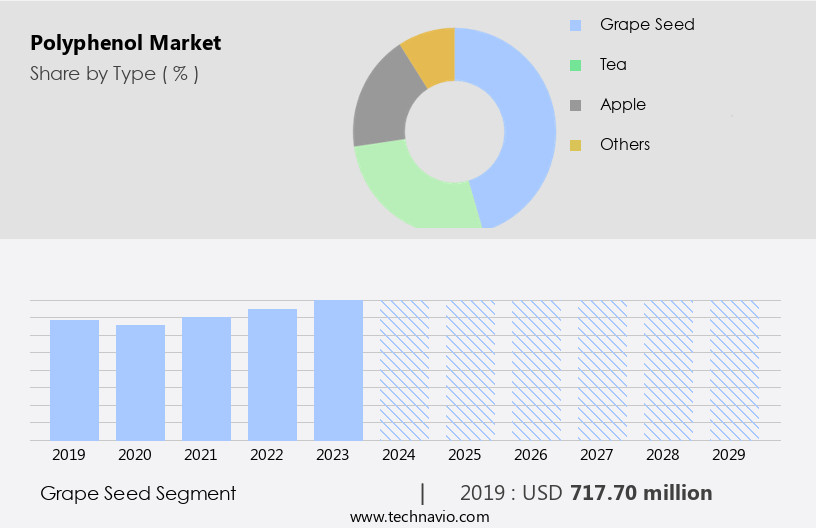
Get a glance at the market report of share of various segments Request Free Sample
The Grape seed segment was valued at USD 717.70 million in 2019 and showed a gradual increase during the forecast period.
Regional Analysis
APAC is estimated to contribute 37% to the growth of the global market during the forecast period. Technavio's analysts have elaborately explained the regional trends and drivers that shape the market during the forecast period.
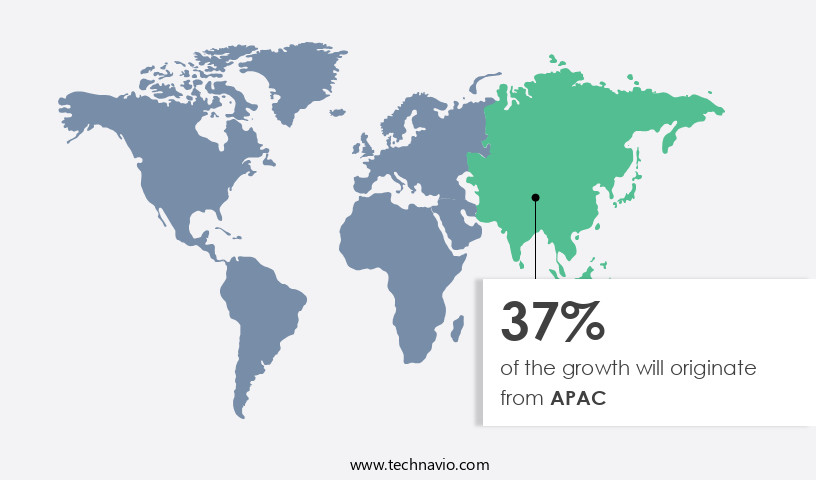
For more insights on the market size of various regions, Request Free Sample
The market in the Asia-Pacific (APAC) region is experiencing significant growth due to several factors. The aging populations in countries like China and Japan, with 14% and 30% of their populations aged 65 and above, respectively, in 2023, are driving the demand for health-enhancing products. Polyphenols, known for their antioxidant properties and potential health benefits, are increasingly popular among older adults seeking to manage chronic diseases and improve overall well-being. In addition, the burgeoning middle class in China, projected to exceed 1 billion by 2030, is fueling the growth of the cosmetics industry, as consumers look for natural and functional products to enhance their appearance and health..
The market in the APAC region is experiencing significant growth due to the combination of demographic, economic, and scientific factors. The increasing consumer demand for natural and functional products, regulatory compliance requirements, and advancements in extraction methods and research are driving the market's growth across various sectors, including food, healthcare, and cosmetics.
Market Dynamics
Our researchers analyzed the data with 2024 as the base year, along with the key drivers, trends, and challenges. A holistic analysis of drivers will help companies refine their marketing strategies to gain a competitive advantage.
What are the key market drivers leading to the rise in the adoption of Polyphenol Industry?
- Increasing awareness regarding health and wellness is the key driver of the market. The market is experiencing significant growth due to the increasing consumer focus on health and wellness. Consumers are increasingly adopting preventive healthcare measures and healthier lifestyles, leading to a heightened demand for natural ingredients with health benefits. Polyphenols, with their antioxidant, anti-inflammatory, and anti-aging properties, have gained popularity as a key ingredient in this trend. These compounds are known to help prevent chronic conditions such as cardiovascular diseases, diabetes, obesity, and certain types of cancer. The COVID-19 pandemic has further fueled this trend, as consumers seek to proactively boost their immunity and overall wellbeing. Polyphenols' versatility and wide range of health benefits make them an attractive option for various industries, including food and beverage, pharmaceuticals, and cosmetics.
- This market dynamic is expected to continue driving the growth of the market in the coming years. Extraction methods, such as supercritical fluid extraction and solid-liquid extraction, are being refined to improve the yield and quality of polyphenols from various raw materials, including fruits, vegetables, and botanicals. The market's growth is also being fueled by the synergistic effects of polyphenols with other nutrients and bioactive compounds, making them attractive ingredients for functional foods, dietary supplements, and cosmetics. The demand for polyphenols is not limited to health applications, as they are also being used in various industries, including pharmaceuticals, agriculture, and energy, due to their potential applications in cancer prevention, cardiovascular health, cognitive function, skin health, and other areas.
What are the market trends shaping the Polyphenol Industry?
- Introduction of new products is the upcoming market trend. The market is experiencing significant growth due to continuous innovation and scientific advancements. One recent development is the introduction of Cerebelle, a polyphenol-rich extract blend by Diana Food, a nutrition division of Symrise. This proprietary blend, launched on July 22, 2024, combines grape and wild blueberry extracts. The clinical benefits of Cerebelle have been proven to help prevent age-related cognitive decline in healthy older adults. A six-month, placebo-controlled clinical trial published in the Journals of Gerontology showed significant improvement in verbal and visiospatial memory among individuals aged 60 to 70.
- The study highlighted enhanced memory performance across the entire cohort, with notable gains in subgroups experiencing lower cognitive function at baseline. Polyphenols in Cerebelle exhibit strong neuroprotective properties, making it a valuable addition to the market. Dose-response relationships and bioactivity assays are crucial in their effects. In vitro and in vivo studies contribute to the scientific knowledge of these natural products. Consumer demand for health and wellness, cognitive function, skin health, and cancer prevention drives the market for dosage forms like food and beverages, dietary supplements, and cosmetics. Intellectual property and regulatory compliance are essential considerations in the extraction and production of grape seed polyphenols, ensuring synergistic effects and organic production. Clinical trials further validate their potential health benefits.
What challenges does the Polyphenol Industry face during its growth?
- Regulatory barriers is a key challenge affecting the industry growth. Polyphenols, a class of natural compounds, are integral to various industries such as food, beverages, nutraceuticals, and cosmetics. Regulatory compliance is a significant factor influencing The market. Each industry sector is subject to distinct regulations, which vary by region. For instance, in the European Union (EU), polyphenol-based products are governed by the European Food Safety Authority (EFSA). EFSA assesses the safety of new food ingredients, including polyphenols, prior to their marketing in the EU. Compliance with these regulations ensures consumer safety but poses challenges for manufacturers aiming to enter new markets or introduce new products. Adhering to these regulations is essential for market entry and product success. Beyond demographic trends, economic developments and scientific advancements are also contributing to the market's growth.
- The increasing consumer awareness of the health and wellness benefits of natural products, such as phenolic acids, flavonoids, and stilbenes, is leading to an increase in demand for polyphenol-rich foods and beverages. Moreover, the development of bioactivity assays, dose-response relationships, and in vitro and in vivo studies, are enabling researchers to better understand the mechanisms of polyphenol action and their potential health benefits. The market's growth is further supported by the regulatory compliance requirements and intellectual property protections, ensuring the production and distribution of safe and effective polyphenol-based products
Exclusive Customer Landscape
The polyphenol market forecasting report includes the adoption lifecycle of the market, covering from the innovator's stage to the laggard's stage. It focuses on adoption rates in different regions based on penetration. Furthermore, the polyphenol market report also includes key purchase criteria and drivers of price sensitivity to help companies evaluate and develop their market growth analysis strategies.

Customer Landscape
Key Companies & Market Insights
Companies are implementing various strategies, such as strategic alliances, polyphenol market forecast, partnerships, mergers and acquisitions, geographical expansion, and product/service launches, to enhance their presence in the industry.
Ajinomoto Co. Inc. - The company specializes in providing polyphenols, a powerful antioxidant class, enhancing the health value of various food and nutritional products.
The industry research and growth report includes detailed analyses of the competitive landscape of the market and information about key companies, including:
- Ajinomoto Co. Inc.
- AQUANOVA AG
- Archer Daniels Midland Co.
- Barry Callebaut AG
- Cargill Inc.
- Changsha Botaniex Inc.
- CPC Ingredients Ltd
- DSM-Firmenich AG
- FutureCeuticals Inc.
- Fytexia SAS
- Groupe Berkem
- Guilin Layn Natural Ingredients Corp.
- Indena S.p.A.
- International Flavors and Fragrances Inc.
- Kemin Industries Inc.
- Naturex SA
- Nutra Green Biotechnology Co.Ltd
- Sabinsa Corp.
- Symrise Group
Qualitative and quantitative analysis of companies has been conducted to help clients understand the wider business environment as well as the strengths and weaknesses of key industry players. Data is qualitatively analyzed to categorize companies as pure play, category-focused, industry-focused, and diversified; it is quantitatively analyzed to categorize companies as dominant, leading, strong, tentative, and weak.
Research Analyst Overview
Polyphenols, a class of natural compounds, have gained significant attention in the health and wellness industry due to their potential health benefits. These bioactive compounds, found abundantly in various natural products, have been the subject of extensive research in recent years. The market for polyphenols is driven by the growing consumer demand for functional foods and dietary supplements that promote cancer prevention, cardiovascular health, cognitive function, skin health, and other health benefits. The bioactivity of polyphenols is determined through dose-response relationships and in vitro and in vivo studies. Phenolic acids, a subclass of polyphenols, have been extensively studied for their health benefits.
The natural sourcing of raw materials is a critical factor in ensuring the quality and consistency of polyphenol-rich products. The health benefits of polyphenols are attributed to their antioxidant properties, which help protect the body from oxidative stress. Polyphenols have also been shown to have synergistic effects with other nutrients, enhancing their overall health benefits. The intellectual property landscape of polyphenols is complex, with numerous patents and trademarks protecting various extraction methods and dosage forms. Consumer demand for polyphenol-rich products is driven by the increasing health consciousness of consumers. The food and beverage industry has responded by introducing new products that cater to this demand. The Polyphenol market is witnessing a significant increase due to the increasing awareness of the health benefits of these natural antioxidants. Polyphenols, a class of phytochemicals, are primarily found in plant-based foods and beverages such as grape seed extract, green tea extract, blueberry extract, pomegranate extract, cranberry extract, and red wine. Polyphenols are renowned for their free radical scavenging properties, which help protect the immune system from oxidative stress. They have been linked to a reduced risk of cardiovascular disease, skin cancer, Alzheimer's disease, and Parkinson's disease. Polyphenol-rich foods also contribute to oral health and gut health by promoting beneficial gut bacteria and aiding in digestion.
However, the bioavailability of polyphenols can be a challenge. To address this, research is underway to enhance their bioavailability through various methods, including mass spectrometry. The shelf life of polyphenol extracts is another concern, as they are sensitive to light, oxygen, and temperature. Some of the most common polyphenols include flavonoids, phenolic acids, and stilbenes. These compounds can be found in various fruits, vegetables, and beverages, making them an essential addition to a healthy diet. The Polyphenol market is poised for growth as more research uncovers their potential health benefits. From cardiovascular health to immune system support, polyphenols offer a natural solution to various health concerns. As the demand for natural health supplements continues to rise, the Polyphenol market is set to thrive. Pulse proteins, such as Chickpeas, Lentils, and Beans, are also popular choices. The offline retail segment, including supermarkets, grocery stores, and convenience stores, is a significant distribution channel for plant-based protein products.
Regulatory compliance is a critical consideration for companies operating in the market, as regulatory agencies continue to establish guidelines for the use of polyphenols in food and dietary supplements. Organic production of polyphenol-rich raw materials is gaining popularity due to consumer preference for natural and organic products. Extraction methods play a crucial role in the production of polyphenol-rich extracts, with various methods such as solvent extraction, supercritical fluid extraction, and enzyme-assisted extraction being used. Clinical trials are ongoing to further explore the health benefits of polyphenols, with a focus on their potential role in cancer prevention, cardiovascular health, cognitive function, and skin health.
The results of these trials are expected to provide valuable insights into the efficacy and safety of polyphenol-rich products, further fueling market growth. In summary, the market is driven by the growing consumer demand for functional foods and dietary supplements that promote health and wellness. The bioactivity of polyphenols is determined through various research methods, and their health benefits are attributed to their antioxidant properties and synergistic effects with other nutrients. Regulatory compliance and organic production are important considerations for companies operating in the market, and ongoing clinical trials are expected to provide valuable insights into the efficacy and safety of polyphenol-rich products.
|
Market Scope |
|
|
Report Coverage |
Details |
|
Page number |
212 |
|
Base year |
2024 |
|
Historic period |
2019-2023 |
|
Forecast period |
2025-2029 |
|
Growth momentum & CAGR |
Accelerate at a CAGR of 7.7% |
|
Market growth 2025-2029 |
USD 951.1 million |
|
Market structure |
Fragmented |
|
YoY growth 2024-2025(%) |
7.5 |
|
Key countries |
US, China, India, Germany, France, UK, Japan, South Korea, Brazil, and Italy |
|
Competitive landscape |
Leading Companies, Market Positioning of Companies, Competitive Strategies, and Industry Risks |
What are the Key Data Covered in this Polyphenol Market Research and Growth Report?
- CAGR of the Polyphenol industry during the forecast period
- Detailed information on factors that will drive the growth and forecasting between 2025 and 2029
- Precise estimation of the size of the market and its contribution of the industry in focus to the parent market
- Accurate predictions about upcoming growth and trends and changes in consumer behaviour
- Growth of the market across APAC, Europe, North America, South America, and Middle East and Africa
- Thorough analysis of the market's competitive landscape and detailed information about companies
- Comprehensive analysis of factors that will challenge the polyphenol market growth of industry companies
We can help! Our analysts can customize this polyphenol market research report to meet your requirements.