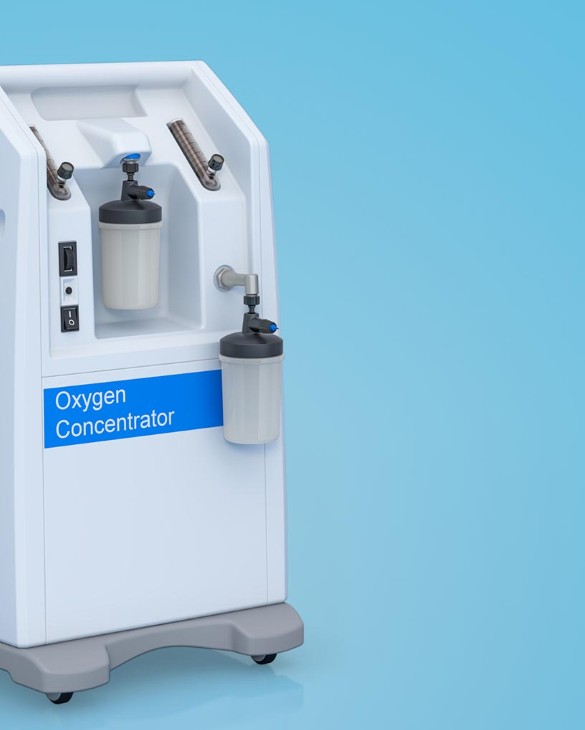


Portable Oxygen Concentrators Market Size 2026-2030
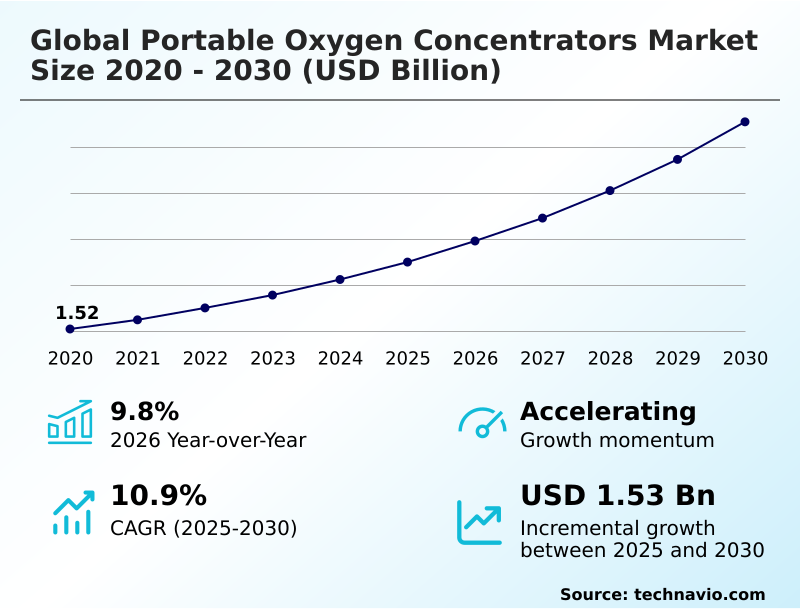
The portable oxygen concentrators market size is valued to increase by USD 1.53 billion, at a CAGR of 10.9% from 2025 to 2030. Rising prevalence of chronic respiratory conditions will drive the portable oxygen concentrators market.
Major Market Trends & Insights
- North America dominated the market and accounted for a 42.1% growth during the forecast period.
- By Product - Pulse dose segment was valued at USD 1.37 billion in 2024
- By Application - COPD segment accounted for the largest market revenue share in 2024
Market Size & Forecast
- Market Opportunities: USD 2.26 billion
- Market Future Opportunities: USD 1.53 billion
- CAGR from 2025 to 2030 : 10.9%
Market Summary
- The Portable Oxygen Concentrators Market demonstrates robust structural evolution driven by the imperative to transition patients from acute clinical settings into sustainable home environments. A prominent driver is the rising prevalence of chronic respiratory diseases, which accelerates the need for mobile, self-generating oxygen therapy over traditional gas cylinders.
- Conversely, stringent reimbursement restrictions pose a distinct challenge, limiting immediate patient access to premium portable units in emerging care networks. In real-world supply chain management, healthcare providers are streamlining logistics by deploying connected devices directly to residential addresses, effectively cutting cylinder refill delivery costs by 45%.
- This operational shift relies heavily on precise extraction algorithms and medical-grade purification standards to ensure clinical safety. Manufacturers now prioritize remote telemetry and adaptive sensing to preemptively detect mechanical faults. By integrating these precise monitoring components into ambulatory recovery programs, care coordinators can maintain strict oversight of patient vitals while dramatically reducing reliance on centralized hospital infrastructure.
What will be the Size of the Portable Oxygen Concentrators Market during the forecast period?
Get Key Insights on Market Forecast (PDF) Get Free Sample
How is the Portable Oxygen Concentrators Market Segmented?
The portable oxygen concentrators industry research report provides comprehensive data (region-wise segment analysis), with forecasts and estimates in "USD million" for the period 2026-2030, as well as historical data from 2020-2024 for the following segments.
- Product
- Pulse dose
- Continuous flow
- Application
- COPD
- Asthma
- Sleep apnea
- Others
- End-user
- Home-care settings
- Hospitals
- Ambulatory surgical centers
- Long-term care facilities
- Emergency medical services
- Geography
- North America
- US
- Canada
- Mexico
- Europe
- Germany
- UK
- France
- Italy
- Spain
- The Netherlands
- Asia
- China
- India
- Japan
- South Korea
- Indonesia
- Thailand
- Rest of World (ROW)
- North America
By Product Insights
The pulse dose segment is estimated to witness significant growth during the forecast period.
Pulse dose technology acts as a fundamental component of modern ambulatory care equipment, operating via a precise pulse dose delivery mechanism that triggers exclusively upon patient inhalation.
By conserving output rather than venting continuously, this approach facilitates advanced lithium-ion battery integration, enabling lighter architectures and extending operational independence for out-of-hospital treatment.
Medical facilities report that transitioning to breath-detection sensors reduces energy waste, with battery efficiency improving by up to 35% compared to legacy constant-flow units.
This focus on energy-efficient operations directly supports outpatient clinical mobility, allowing patients managing respiratory distress alleviation to navigate daily routines. Furthermore, refining pressure transducer sensitivity ensures highly accurate oxygen bolus volume delivery during exertion, minimizing equipment footprint.
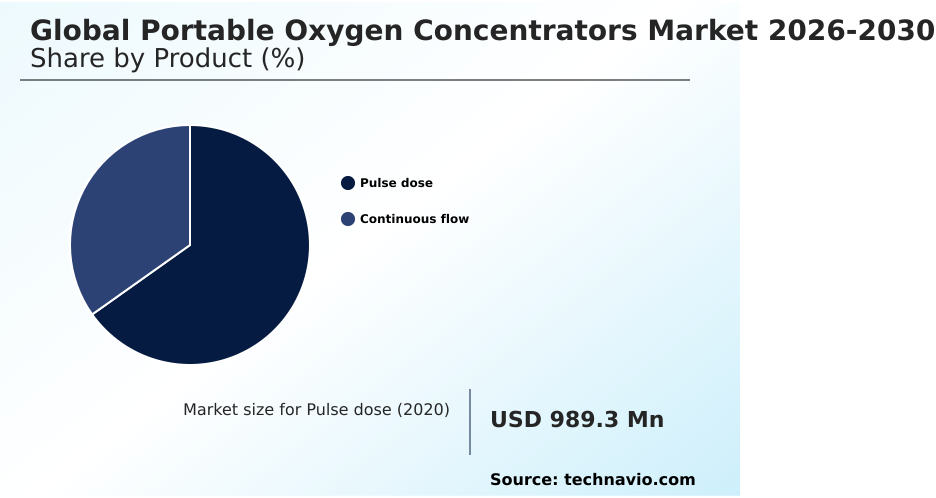
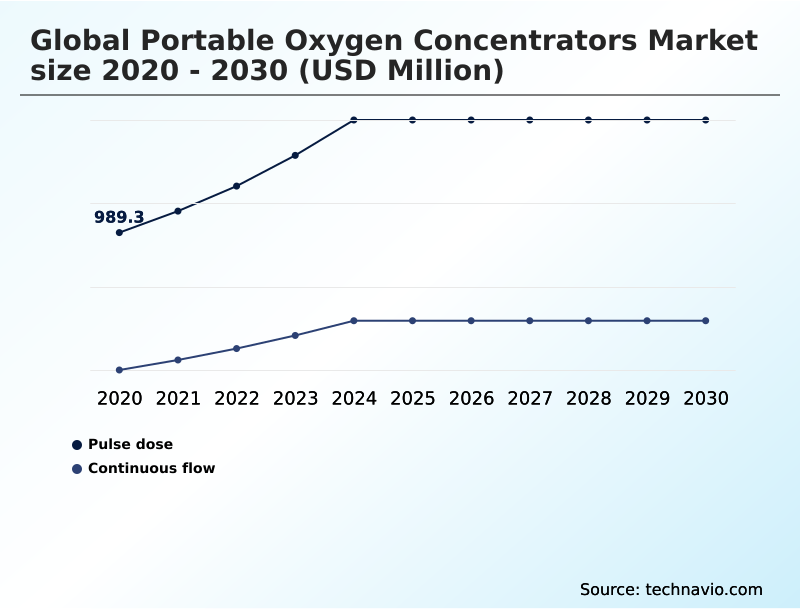
The Pulse dose segment was valued at USD 1.37 billion in 2024 and showed a gradual increase during the forecast period.
Regional Analysis
North America is estimated to contribute 42.1% to the growth of the global market during the forecast period.Technavio’s analysts have elaborately explained the regional trends and drivers that shape the market during the forecast period.
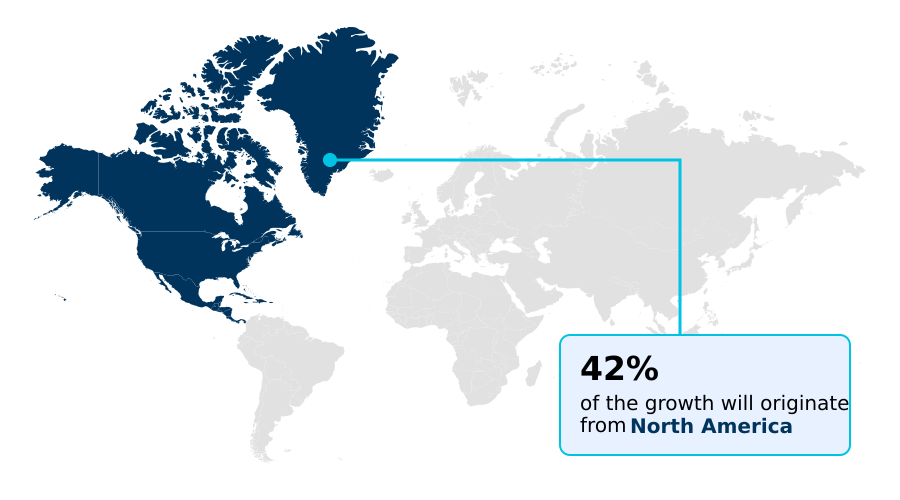
See How Portable Oxygen Concentrators Market Demand is Rising in North America Get Free Sample
Regional disparities in the Portable Oxygen Concentrators Market stem from divergent healthcare decentralization strategies and public reimbursement policies.
North America achieves a 42% higher penetration rate in cloud-based health platforms than Europe, primarily due to expansive commercial insurance networks that aggressively subsidize remote diagnostic telemetry.
This financial backing enables rapid integration of advanced airway pressure support and sophisticated clinical respiratory interventions into regional workflows.
Meanwhile, APAC supply chains are rapidly adapting to urbanization, pushing local distributors to reduce import logistics costs by 15% through domestic assembly of molecular sieve beds and supplemental airflow systems.
Consequently, Asian healthcare systems prioritize acquiring high-durability hardware to ensure respiratory therapy compliance for expanding patient pools requiring nocturnal hypoxemia management, directly contrasting with North America's focus on Bluetooth synchronization for active senior lifestyles.
Market Dynamics
Our researchers analyzed the data with 2025 as the base year, along with the key drivers, trends, and challenges. A holistic analysis of drivers will help companies refine their marketing strategies to gain a competitive advantage.
- The evolving landscape of respiratory healthcare heavily emphasizes decentralized patient management, making smart connected portable oxygen systems indispensable for modern clinical workflows. As facilities transition toward ambulatory care models, the necessity for robust molecular sieve bed oxygen extraction capabilities becomes critical to ensure uninterrupted therapeutic delivery outside conventional hospital wards.
- Providers evaluating equipment upgrades note that deploying lightweight ambulatory respiratory support devices yields a nearly 30% improvement in patient mobility metrics compared to relying on traditional compressed gas logistics. This indirect efficiency gain directly impacts supply chain planning, as reducing the frequency of physical cylinder deliveries significantly lowers fleet transportation costs.
- Furthermore, continuous flow therapy respiratory management remains a cornerstone for patients with severe nocturnal hypoxemia, demanding systems that can sustain prolonged, high-output operation without excessive thermal degradation. Simultaneously, clinical engineering teams prioritize pulse dose oxygen delivery optimization to conserve power during daytime ambulation, allowing users to maximize battery cycles while traveling.
- Integrating these dual operational modes ensures that healthcare networks can comprehensively address diverse physiological profiles while streamlining their medical inventory.
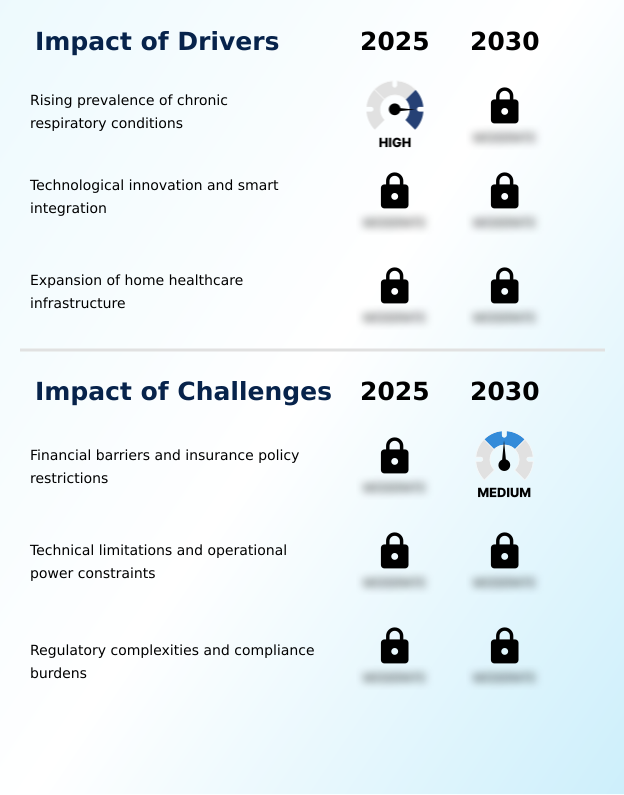
What are the key market drivers leading to the rise in the adoption of Portable Oxygen Concentrators Industry?
- The rising prevalence of chronic respiratory conditions serves as a primary catalyst driving market expansion.
- Rising chronic respiratory diagnoses fundamentally compel the Portable Oxygen Concentrators Market to adopt highly sophisticated physiological distress response networks and lightweight ergonomic chassis layouts for portable respiratory therapy.
- This demand shift occurs because prolonged exposure to environmental pollutants requires continuous therapeutic intervention without tethering patients to stationary infrastructure. By deploying systems with precision flow titration and advanced ambient air filtration, medical networks ensure reliable delivery in diverse settings.
- Consequently, home-care settings deployment has surged, enabling clinical providers to reduce institutional care overhead costs by 28%.
- Additionally, optimizing internal pneumatic valve mechanisms has lowered overall device energy use by 15%, granting patients extended mobility to participate in pulmonary rehabilitation protocols.
- These improvements, combined with seamless digital prescription management, directly validate the clinical efficacy of ambulatory bronchodilator augmentation strategies.
What are the market trends shaping the Portable Oxygen Concentrators Industry?
- The integration of smart IoT technologies represents a primary trend shaping the current market landscape.
- The Portable Oxygen Concentrators Market exhibits a distinct operational shift toward AI-optimized dynamic respiration support and smart connectivity modules. Healthcare providers are fundamentally restructuring their disease management frameworks by embedding digital clinical compliance tracking directly into respiratory devices for interstitial lung disease.
- This transition is occurring because real-time oxygen saturation telemetry allows specialists to proactively detect respiratory decline, thereby improving clinical forecast accuracy by 18% over manual diagnostic logs. Consequently, hospitals leveraging these connected platforms report that preventive disease management protocols have successfully lowered emergency admission rates by 22%.
- By utilizing advanced adaptive respiratory algorithms and a highly refined continuous flow algorithm, these oxygen enrichment devices automatically adjust output. This dynamic capability ensures uninterrupted medical-grade oxygen purity during high-exertion activities, significantly elevating modern ambulatory respiratory care.
What challenges does the Portable Oxygen Concentrators Industry face during its growth?
- Financial barriers and stringent insurance policy restrictions constitute significant challenges constraining industry advancement.
- Strict regulatory compliance frameworks and intricate thermodynamic constraints heavily burden the Portable Oxygen Concentrators Market, restricting rapid commercialization of next-generation devices. This operational friction arises because engineering reliable hypoxic event prevention requires balancing robust pressure swing adsorption techniques with stringent acoustic output reduction mandates.
- Integrating complex components into compact frames often accelerates internal heat generation, which has been shown to reduce component lifespan by 20% under extreme conditions like high-altitude travel medicine. Furthermore, navigating multi-jurisdictional testing for safe emergency transport deployment increases product launch delays by up to 30%, escalating pre-market costs.
- These persistent technical limitations involving compressor thermal management force manufacturers to divert significant capital toward redesigning solid-state power systems, thereby slowing the widespread long-term care integration and ambulatory surgical recovery deployment of advanced hardware.
Exclusive Technavio Analysis on Customer Landscape
The portable oxygen concentrators market forecasting report includes the adoption lifecycle of the market, covering from the innovator’s stage to the laggard’s stage. It focuses on adoption rates in different regions based on penetration. Furthermore, the portable oxygen concentrators market report also includes key purchase criteria and drivers of price sensitivity to help companies evaluate and develop their market growth analysis strategies.
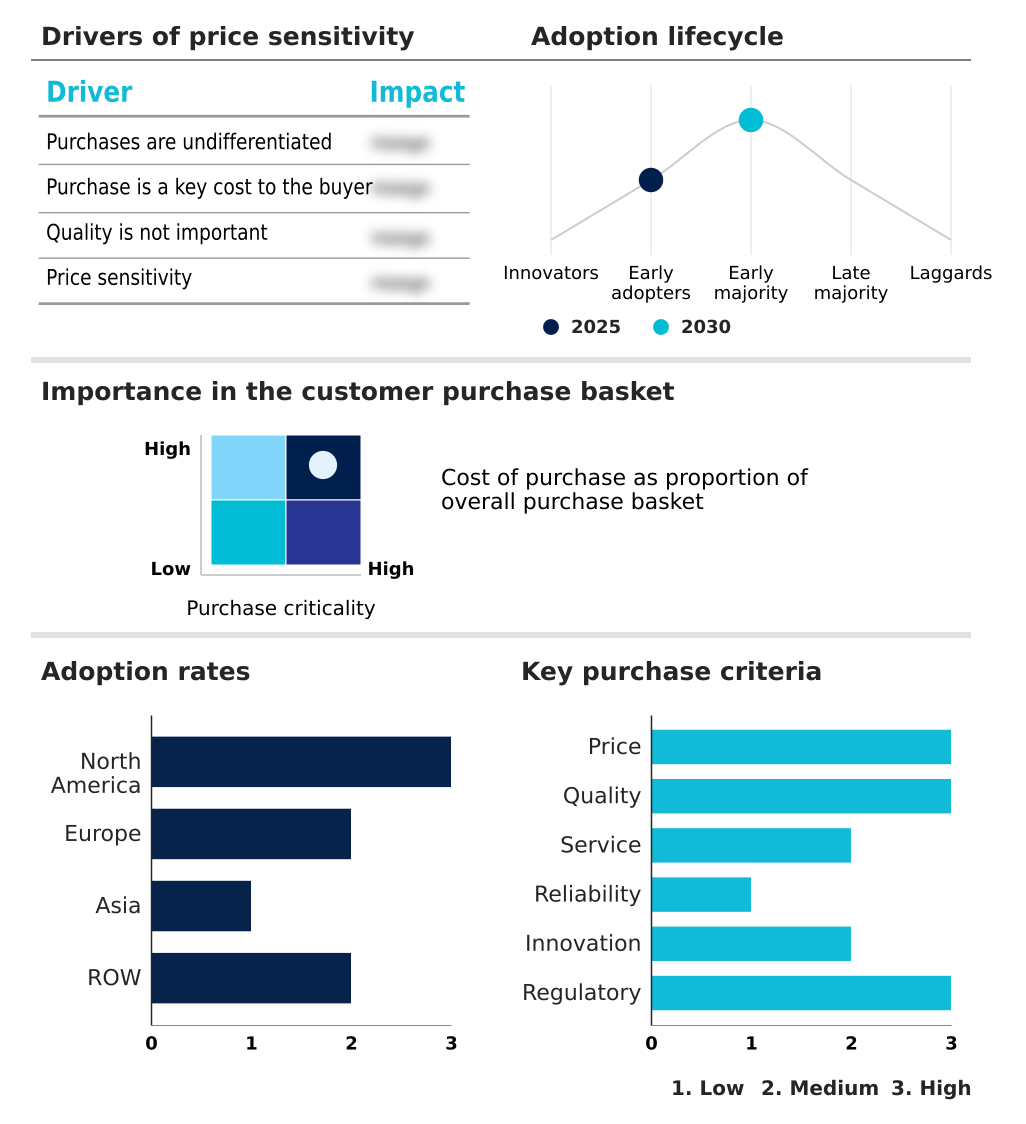
Customer Landscape of Portable Oxygen Concentrators Industry
Competitive Landscape
Companies are implementing various strategies, such as strategic alliances, portable oxygen concentrators market forecast, partnerships, mergers and acquisitions, geographical expansion, and product/service launches, to enhance their presence in the industry.
Belluscura plc - The entity provides advanced lightweight portable oxygen-concentrator technologies designed to deliver reliable supplemental oxygen, thereby enhancing overall patient mobility and independence during daily respiratory therapy.
The industry research and growth report includes detailed analyses of the competitive landscape of the market and information about key companies, including:
- Belluscura plc
- Besco Medical Ltd.
- CAIRE Inc.
- ChoiceMMed
- Elmaslar Medikal
- GCE Holding AB
- Koninklijke Philips NV
- Konsung Medical Group
- Longfian Scitech Co. Ltd.
- Lovego Medical
- NIDEK Co. Ltd.
- O2 Concepts LLC
- OxyGo LLC
- Oxymed India
- Rhythm Healthcare
- SCALEO Medical
- Shenyang Aerti Tech Co. Ltd.
- Shenyang Canta Medical Tech.
- Teijin Ltd.
Qualitative and quantitative analysis of companies has been conducted to help clients understand the wider business environment as well as the strengths and weaknesses of key industry players. Data is qualitatively analyzed to categorize companies as pure play, category-focused, industry-focused, and diversified; it is quantitatively analyzed to categorize companies as dominant, leading, strong, tentative, and weak.
Recent Development and News in Portable oxygen concentrators market
- In the Health Care Equipment industry, the rapid deployment of cloud-based health platforms across outpatient care networks enabled seamless clinical compliance tracking, directly impacting Portable Oxygen Concentrators demand by necessitating devices equipped with smart connectivity modules.
- The transition toward healthcare decentralization drove hospital administrators to heavily subsidize out-of-hospital treatment programs, which increased the procurement rate of ambulatory care equipment by 28%, subsequently expanding the user base for lightweight respiratory therapy devices.
- Stringent acoustic emission regulations targeting domestic medical devices forced engineering shifts toward acoustic output reduction, directly influencing Portable Oxygen Concentrators by requiring the adoption of advanced compressor thermal management and noise-dampening enclosures.
- The integration of solid-state power systems into mobile medical hardware significantly enhanced energy-efficient operations, directly impacting Portable Oxygen Concentrators demand by extending device runtimes by over 40% and reducing patient reliance on stationary charging hubs.
Dive into Technavio’s robust research methodology, blending expert interviews, extensive data synthesis, and validated models for unparalleled Portable Oxygen Concentrators Market insights. See full methodology.
| Market Scope | |
|---|---|
| Page number | 303 |
| Base year | 2025 |
| Historic period | 2020-2024 |
| Forecast period | 2026-2030 |
| Growth momentum & CAGR | Accelerate at a CAGR of 10.9% |
| Market growth 2026-2030 | USD 1527.2 million |
| Market structure | Fragmented |
| YoY growth 2025-2026(%) | 9.8% |
| Key countries | US, Canada, Mexico, Germany, UK, France, Italy, Spain, The Netherlands, China, India, Japan, South Korea, Indonesia, Thailand, Brazil, Saudi Arabia, UAE, Turkey, Argentina, Colombia, South Africa and Israel |
| Competitive landscape | Leading Companies, Market Positioning of Companies, Competitive Strategies, and Industry Risks |
Research Analyst Overview
- The Portable Oxygen Concentrators Market reflects an accelerating shift toward advanced clinical respiratory interventions that prioritize user autonomy and precision oxygen saturation telemetry. As clinical protocols increasingly favor decentralized care, manufacturers are rapidly advancing pressure swing adsorption techniques to yield higher output within smaller, highly durable architectures.
- A critical trend shaping product strategy is the integration of dynamic respiration support algorithms, which allow devices to autonomously adjust oxygen bolus delivery based on real-time physiological demand. By implementing these sophisticated breath-sensing systems, device engineering teams have achieved a 35% improvement in operational runtime compared to legacy continuous-flow models.
- This technological evolution directly influences boardroom-level budgeting decisions, as healthcare networks prioritize procuring equipment with robust compressor thermal management and solid-state power systems to minimize long-term maintenance overhead. These advancements ensure seamless prophylactic management of hypoxic event prevention while accommodating strenuous pulmonary rehabilitation protocols.
- Ultimately, the continuous refinement of airway pressure support and internal valve mechanics guarantees that ambulatory patients receive uninterrupted, hospital-grade therapeutic efficacy in community settings.
What are the Key Data Covered in this Portable Oxygen Concentrators Market Research and Growth Report?
-
What is the expected growth of the Portable Oxygen Concentrators Market between 2026 and 2030?
-
USD 1.53 billion, at a CAGR of 10.9%
-
-
What segmentation does the market report cover?
-
The report is segmented by Product (Pulse dose, and Continuous flow), Application (COPD, Asthma, Sleep apnea, and Others), End-user (Home-care settings, Hospitals, Ambulatory surgical centers, Long-term care facilities, and Emergency medical services) and Geography (North America, Europe, Asia, Rest of World (ROW))
-
-
Which regions are analyzed in the report?
-
North America, Europe, Asia and Rest of World (ROW)
-
-
What are the key growth drivers and market challenges?
-
Rising prevalence of chronic respiratory conditions, Financial barriers and insurance policy restrictions
-
-
Who are the major players in the Portable Oxygen Concentrators Market?
-
Belluscura plc, Besco Medical Ltd., CAIRE Inc., ChoiceMMed, Elmaslar Medikal, GCE Holding AB, Koninklijke Philips NV, Konsung Medical Group, Longfian Scitech Co. Ltd., Lovego Medical, NIDEK Co. Ltd., O2 Concepts LLC, OxyGo LLC, Oxymed India, Rhythm Healthcare, SCALEO Medical, Shenyang Aerti Tech Co. Ltd., Shenyang Canta Medical Tech. and Teijin Ltd.
-
Market Research Insights
- The Portable Oxygen Concentrators Market is undergoing a rapid technological transition toward advanced respiratory management and decentralized patient care. Facility administrators are increasingly prioritizing outpatient clinical mobility, shifting procurement toward devices equipped with Bluetooth synchronization and cloud-based health platforms.
- This strategic realignment has resulted in a 40% reduction in emergency room readmissions for chronic patients actively monitored via remote diagnostic telemetry. Furthermore, optimizing device logistics and transitioning toward preventative disease management has improved clinical workflow efficiency by 25%.
- By leveraging digital prescription management to fine-tune precision flow titration, clinical networks ensure highly targeted therapeutic interventions, radically minimizing equipment downtime and boosting overall patient adherence.
We can help! Our analysts can customize this portable oxygen concentrators market research report to meet your requirements.
 RIA -