


Pruritus Drugs Market Size 2024-2028
The pruritus drugs market size is forecast to increase by USD 5.9 billion at a CAGR of 7.1% between 2023 and 2028.
- The market is witnessing significant growth due to the increasing prevalence of itchiness and skin-related conditions. The symptoms of pruritus, including intense itchiness and discomfort, can significantly impact an individual's quality of life. Underlying medical conditions, such as liver diseases, kidney disorders, and cancer, can cause pruritus, making its diagnosis and treatment crucial. The market is driven by the growing preference for effective relief from pruritus symptoms. Immunotherapy, a novel treatment option, is gaining popularity due to its ability to modulate the immune response and provide long-term relief. Dermatology specialists play a crucial role in diagnosing and treating pruritus, ensuring that individuals receive the best possible care for their skin health.
- Additionally, the emergence of alternative therapies, such as phototherapy and acupuncture, offers patients more choices for managing their condition. However, the market faces challenges, including the difficulty in accurately diagnosing the underlying cause of pruritus and the potential for medication side effects. Irritants, such as certain foods and chemicals, can also trigger pruritus symptoms, making prevention an essential aspect of treatment. Overall, the market is expected to grow as researchers continue to develop new and effective treatment options for this debilitating condition.
What will be the Size of the Market During the Forecast Period?

- Pruritus, a persistent and unpleasant sensation of itchiness on the skin, can be a debilitating condition affecting individuals worldwide. The discomfort caused by pruritus can significantly impact daily life, leading to distress and anxiety. This article aims to provide an overview of pruritus, its underlying causes, symptoms, diagnosis, and available treatment options. Pruritus can be a symptom of various underlying medical conditions, including allergies, eczema, psoriasis, diabetes, dialysis, and certain irritants. In some cases, it may be associated with senile pruritus, brachioradial pruritus, nocturnal pruritus, or pruritus ani. Irritants, such as dry skin, inflammation, skin discoloration, rash, papules, and blisters, can also trigger pruritus.
- Moreover, the symptoms of pruritus can range from mild to severe, and the condition can lead to scratching, which can further aggravate the skin and cause damage. In some cases, the itching may be worse at night, leading to sleep disturbances and fatigue. Diagnosis of pruritus involves a thorough medical evaluation, including a review of symptoms, medical history, and physical examination. In some cases, additional tests, such as blood tests, skin biopsy, or nerve conduction studies, may be necessary to identify the underlying cause. Prevention of pruritus involves avoiding irritants and addressing any underlying medical conditions. For instance, individuals with allergies should avoid exposure to known allergens, while those with diabetes or undergoing dialysis may require specific treatments to manage their condition and prevent pruritus.
- Furthermore, dry skin can be prevented by maintaining proper hydration and using moisturizers. Treatment for pruritus depends on the underlying cause. In some cases, topical creams or oral medications may be prescribed to provide relief. For instance, antihistamines, capsaicin, and corticosteroids are commonly used to treat pruritus caused by allergies, eczema, or inflammation. For neuropathic pruritus, medications that target peripheral sensory neurons may be prescribed. The prognosis for pruritus depends on the underlying cause and the effectiveness of the treatment. In some cases, pruritus may be a chronic condition that requires ongoing management.
- In conclusion, pruritus is a common condition that can significantly impact an individual's quality of life. Understanding the underlying causes, symptoms, diagnosis, and treatment options for pruritus is essential for effective management and relief. If you are experiencing persistent itching, it is important to consult a healthcare professional for proper evaluation and treatment.
How is this market segmented and which is the largest segment?
The market research report provides comprehensive data (region-wise segment analysis), with forecasts and estimates in "USD billion" for the period 2024-2028, as well as historical data from 2018-2022 for the following segments.
- Application
- Hematologic pruritus
- Oncological pruritus
- Renal pruritus
- Endocrine pruritus
- Cholestatic pruritus
- Geography
- North America
- US
- Europe
- Germany
- UK
- France
- Asia
- China
- Rest of World (ROW)
- North America
By Application Insights
- The hematologic pruritus segment is estimated to witness significant growth during the forecast period.
Pruritus, or itchiness, is a common condition affecting the skin, causing significant discomfort and distress. Hematologic pruritus, a type of pruritus, is primarily caused by various underlying medical conditions, including iron deficiency anemia. This condition is characterized by itchiness, often localized to the perianal and vulvar regions. Iron is essential for numerous enzymic activities in the body, and any imbalance in iron levels can lead to pruritus. Iron deficiency is also associated with other hematologic pruritus indications, such as glossitis and angular cheilitis, which cause inflammation in the tongue and mouth.
Furthermore, these conditions can persist for an extended period, ranging from days to years. Medication is an effective treatment for pruritus caused by underlying medical conditions. Several medications, including antihistamines, opioid antagonists, and corticosteroids, are used to provide relief from the symptoms of pruritus. It is crucial to diagnose the underlying medical condition to determine the most effective medication for treatment. Prevention of pruritus involves addressing the underlying medical condition. For iron deficiency anemia, dietary modifications, such as consuming iron-rich foods or iron supplements, can help prevent pruritus. Avoiding irritants, such as harsh soaps and detergents, can also help alleviate symptoms. Proper diagnosis and treatment of the underlying medical condition are essential for effective prevention and management of pruritus.
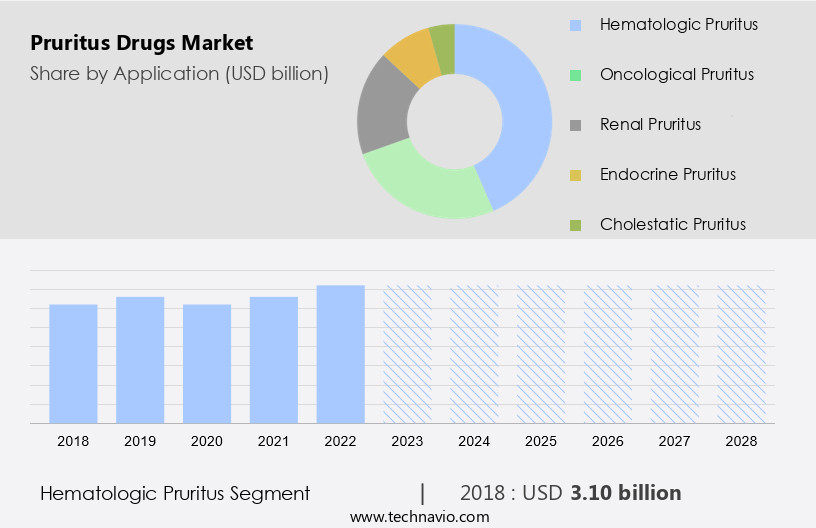
Get a glance at the market report of share of various segments Request Free Sample
The hematologic pruritus segment was valued at USD 3.10 billion in 2018 and showed a gradual increase during the forecast period.
Regional Analysis
- North America is estimated to contribute 46% to the growth of the global market during the forecast period.
Technavio's analysts have elaborately explained the regional trends and drivers that shape the market during the forecast period.

For more insights on the market share of various regions Request Free Sample
The market in North America is poised for substantial expansion during the forecast period, fueled by the high incidence of underlying conditions causing pruritus. Pruritus, characterized by an intense itch, can be attributed to various causes such as diabetes, dialysis, dry skin, inflammation, skin discoloration, rash, papules, and blisters. In North America, the presence of a robust healthcare system and the presence of numerous pharmaceutical companies with a strong focus on research and development for innovative therapies contribute to the region's market growth. Notable indications of pruritus include various types of cancers, including Hodgkin's lymphoma, malignant melanoma, non-melanoma, and T-cell lymphoma. The advanced healthcare infrastructure in North America, equipped to address the challenges associated with side effects, further bolsters the region's market growth.
Market Dynamics
Our researchers analyzed the data with 2023 as the base year, along with the key drivers, trends, and challenges. A holistic analysis of drivers will help companies refine their marketing strategies to gain a competitive advantage.
What are the key market drivers leading to the rise in adoption of Pruritus Drugs Market?
Growing preference for immunotherapy is the key driver of the market.
- The market is experiencing notable expansion due to the increasing prevalence of various conditions causing itching. Pruritus, also known as itching, can be caused by systemic diseases such as neuropathic, psychogenic, environmental factors, seasonal allergies like hay fever and asthma, chronic conditions including HIV/AIDS and kidney disease, and other causes. Immunotherapy drugs have emerged as a significant factor driving market growth. These drugs, used in the treatment of various chronic conditions, have seen considerable advancements in recent years.
- For instance, the oncology therapeutics sector has witnessed substantial progress, with the approval of novel targeted therapies like EGFR inhibitors, VEGF inhibitors, and PD-1 inhibitors for the treatment of various cancer indications. Although these drugs have proven effective in cancer treatment, they can cause side effects such as dry skin, rashes, and itching, particularly in the scalp. Despite these side effects, the benefits of these drugs far outweigh the risks, making them an essential component of The market. As research and development efforts continue to focus on creating more effective and less side-effect-prone drugs, the market is expected to witness further growth during the forecast period.
What are the market trends shaping the Pruritus Drugs Market?
The emergence of novel treatment options is the upcoming trend in the market.
- Pruritus, a medical condition characterized by persistent itching, affects millions worldwide. The urge to scratch, while a natural response to remove irritants, can lead to rashes, scratch marks, cracked skin, scaly patches, and discolored skin. Chronic itching, however, poses a clinical challenge as the underlying causes remain elusive. The emergence of TRP (Transient Receptor Potential) channels has shed light on the itching mechanism.
- Furthermore, TRP channels, a family of six trans-membrane cation channels, were initially identified in Drosophila for their role in phototransduction. In humans, there are 27 TRP family members, categorized into six subgroups based on homology. These channels play a crucial role in sensing various stimuli, including temperature, pain, and itch. The itching market, though understudied, holds significant potential for the development of efficacious drugs that can target the root cause. Despite the clinical need, research on itching has been relatively less prioritized, leaving its etiology poorly understood.
What challenges does Pruritus Drugs Market face during the growth?
The availability of alternative therapies is a key challenge affecting the market growth.
- Pruritus, or chronic itching, is a prevalent condition affecting various populations, including those with liver disease, thyroid disorders, anemia, and cancer. The symptoms of pruritus can range from mild itching and scratching to severe pain, tingling, and red or inflamed skin. While there are numerous approved drugs for pruritus treatment, the preventive nature of pruritus in certain conditions poses a challenge to market growth.
- For instance, hematological pruritus, often caused by iron deficiency, can be managed through iron supplements like ferrous sulfate. However, the focus on preventive measures and alternative therapies, such as lifestyle modifications and herbal remedies, may hinder the market expansion. Despite these challenges, the market continues to evolve, driven by ongoing research and development efforts to address the diverse needs of patients.
Exclusive Customer Landscape
The market forecasting report includes the adoption lifecycle of the market, covering from the innovator's stage to the laggard's stage. It focuses on adoption rates in different regions based on penetration. Furthermore, the market report also includes key purchase criteria and drivers of price sensitivity to help companies evaluate and develop their market growth analysis strategies.
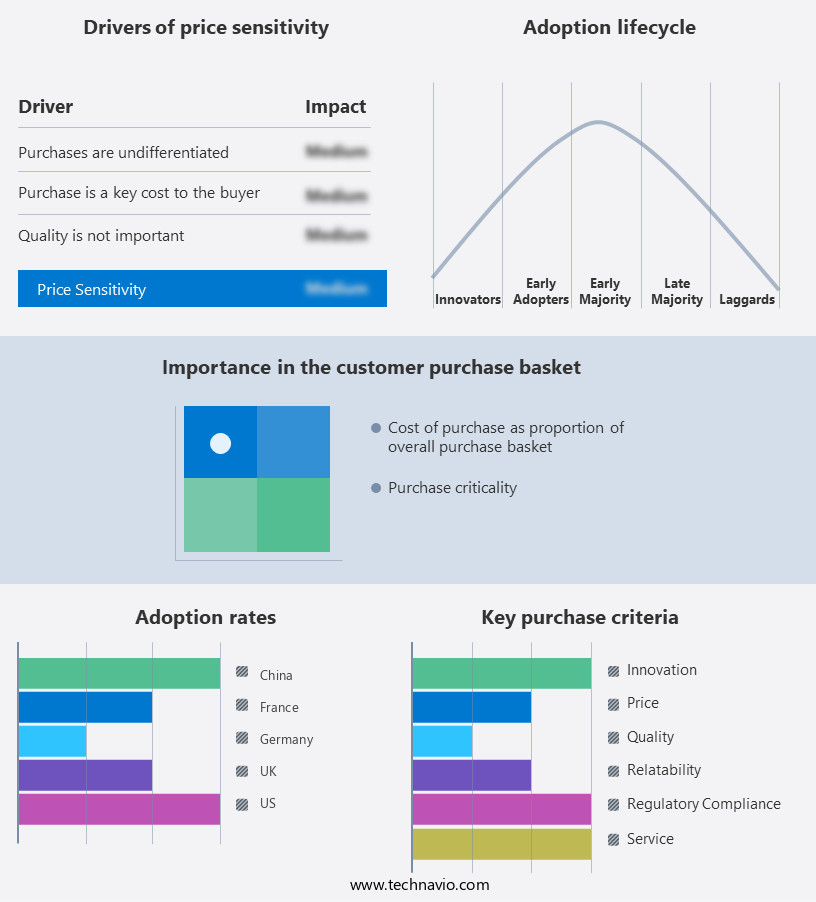
Customer Landscape
Key Companies & Market Insights
Companies are implementing various strategies, such as strategic alliances, market forecast, partnerships, mergers and acquisitions, geographical expansion, and product/service launches, to enhance their presence in the market.
The market research and growth report includes detailed analyses of the competitive landscape of the market and information about key companies, including:
- AbbVie Inc.
- Almirall SA
- Astellas Pharma Inc.
- Bristol Myers Squibb Co.
- Cara Therapeutics Inc.
- Cipla Inc.
- Eisai Co. Ltd.
- Eli Lilly and Co.
- GlaxoSmithKline Plc
- Glenmark Pharmaceuticals Ltd.
- Ipca Laboratories
- Lupin Ltd.
- Merck and Co. Inc.
- Novartis AG
- Pfizer Inc.
- Roivant Sciences Ltd.
- Sanofi SA
- Sun Pharmaceutical Industries Ltd.
Qualitative and quantitative analysis of companies has been conducted to help clients understand the wider business environment as well as the strengths and weaknesses of key market players. Data is qualitatively analyzed to categorize companies as pure play, category-focused, industry-focused, and diversified; it is quantitatively analyzed to categorize companies as dominant, leading, strong, tentative, and weak.
Research Analyst Overview
The market caters to the growing demand for effective treatments for various forms of itching, a common symptom affecting the skin. Itching, or pruritus, can be a result of underlying medical conditions, irritants, or allergies. The symptoms can range from mild to severe and may lead to discomfort, pain, and even psychological distress. Dermatology plays a crucial role in diagnosing and treating pruritus, as it can be a symptom of various skin conditions such as eczema, psoriasis, diabetes, dialysis, dry skin, and inflammation. Skin discoloration, rashes, papules, blisters, and nerve endings can also be indicative of pruritus.
In summary, neuropathic, psychogenic, environmental, and seasonal allergies, including brachioradial pruritus, nocturnal pruritus, pruritus ani, senile pruritus, uremic pruritus, and allergies to hay fever, asthma, and chronic conditions like HIV/AIDS, kidney disease, liver disease, thyroid disease, anemia, and cancer, can cause itching. Medications and treatments are available to provide relief from pruritus symptoms. These include topical and systemic medications, peripheral sensory neuron modulators, and environmental modifications. The prognosis for pruritus depends on the underlying cause and timely diagnosis and treatment. Prevention measures include avoiding irritants and maintaining good skin hygiene.
|
Market Scope |
|
|
Report Coverage |
Details |
|
Page number |
157 |
|
Base year |
2023 |
|
Historic period |
2018-2022 |
|
Forecast period |
2024-2028 |
|
Growth momentum & CAGR |
Accelerate at a CAGR of 7.1% |
|
Market growth 2024-2028 |
USD 5.9 billion |
|
Market structure |
Fragmented |
|
YoY growth 2023-2024(%) |
6.3 |
|
Key countries |
US, UK, Germany, China, and France |
|
Competitive landscape |
Leading Companies, Market Positioning of Companies, Competitive Strategies, and Industry Risks |
What are the Key Data Covered in this Market Research and Growth Report?
- CAGR of the market during the forecast period
- Detailed information on factors that will drive the market growth and forecasting between 2024 and 2028
- Precise estimation of the size of the market and its contribution of the market in focus to the parent market
- Accurate predictions about upcoming market growth and trends and changes in consumer behaviour
- Growth of the market across North America, Europe, Asia, and Rest of World (ROW)
- Thorough analysis of the market's competitive landscape and detailed information about companies
- Comprehensive analysis of factors that will challenge the growth of market companies
We can help! Our analysts can customize this market research report to meet your requirements. Get in touch