

Pulmonary Edema Therapeutics Market Analysis North America, Europe, Asia, Rest of World (ROW) - US, Germany, UK, China, Canada - Size and Forecast 2024-2028

Pulmonary Edema Therapeutics Market Analysis North America, Europe, Asia, Rest of World (ROW) - US, Germany, UK, China, Canada - Size and Forecast 2024-2028

Published: Jul 2024 145 Pages SKU: IRTNTR73579

Market Overview at a Glance

$365.5 Mn
Market Opportunity
3.27%
CAGR
3.13
YoY growth 2023-2024(%)

Pulmonary Edema Therapeutics Market Size 2024-2028

The pulmonary edema therapeutics market size is forecast to increase by USD 365.5 million at a CAGR of 3.27% between 2023 and 2028.

  • The market is experiencing significant growth due to several key factors. The high prevalence of risk factors, such as heart failure and lung diseases, is driving market demand. Additionally, the increasing use of biomarkers for disease diagnosis is facilitating early intervention and effective treatment. 
  • However, the market is also faced with challenges, including the adverse effects of available therapeutics and the need for safer and more effective alternatives. These factors are shaping the market landscape and influencing market growth. Overall, the market is expected to witness steady growth in the coming years, as new treatments, clinical laboratory services and diagnostic tools are developed to address these challenges and meet the evolving needs of patients.

What will be the Pulmonary Edema Therapeutics Market Size During the Forecast Period?
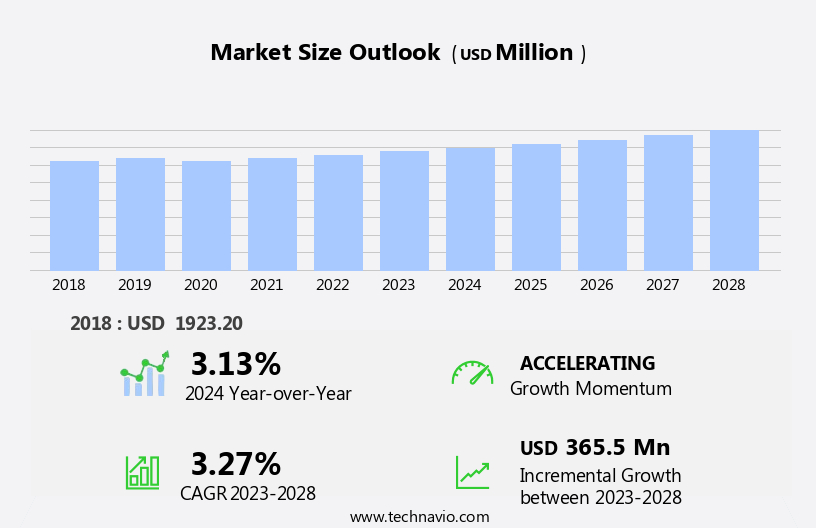
Pulmonary Edema Therapeutics Market Size

 Request Free Sample

  • The market encompasses treatments for pulmonary edema, a potentially life-threatening condition characterized by an abnormal accumulation of fluid In the lungs. This condition is often associated with heart failure, particularly In the geriatric population, and results from cardiovascular issues such as hypertensive crisis or a damaged intra-ventricular septum. Patients with pulmonary edema experience difficulty breathing due to the impaired ability of lung parenchyma to exchange oxygen and carbon dioxide. 
  • The market for pulmonary edema therapeutics is driven by the growing prevalence of heart failure and the increasing number of individuals In the aging population. Treatment options include medicines that help reduce fluid buildup, such as diuretics and vasodilators, as well as supplemental oxygen therapy and biomarker-based diagnostic evaluations to assess the biological state of the disease process.
  • The prognosis for acute and chronic pulmonary edema varies, with timely intervention and appropriate treatment improving outcomes. Additionally, ongoing research into new therapies, such as ARIC and CHS, holds promise for advancing the field and addressing unmet needs.

How is this Pulmonary Edema Therapeutics Industry segmented and which is the largest segment?

The pulmonary edema therapeutics industry research report provides comprehensive data (region-wise segment analysis), with forecasts and estimates in "USD million" for the period 2024-2028, as well as historical data from 2018-2022 for the following segments.

  • Type
    • Cardiogenic pulmonary edema
    • Non-cardiogenic pulmonary edema
  • Geography
    • North America
      • Canada
      • US
    • Europe
      • Germany
      • UK
    • Asia
      • China
    • Rest of World (ROW)

By Type Insights

  • The cardiogenic pulmonary edema segment is estimated to witness significant growth during the forecast period.

Pulmonary edema, a disorder characterized by fluid accumulation In the lungs, can be cardiogenic or non-cardiogenic. Cardiogenic pulmonary edema is the most prevalent form, arising from heart failure due to a diseased left ventricle's inability to eject sufficient blood. This condition increases pressure withIn the heart, leading to fluid leakage from the capillaries into the lungs' air sacs. Treatment involves medicines like diuretic drugs, vasodilators (NITROPRESS), and ACE inhibitors. Geriatric populations are particularly susceptible to heart failure and pulmonary edema due to aging-related cardiac issues and comorbidities. Cardiovascular diseases, such as hypertension, coronary artery disease, and cardiomyopathy, can also contribute to pulmonary edema.

The healthcare system offers various channels for procuring pulmonary edema therapeutics, including retail pharmacies, hospital pharmacies, and online pharmacies. Disease control and management are crucial, with collaborations, acquisitions, and mergers among therapeutic areas like cardiology, immunology, oncology, and endocrinology driving innovation. In the context of cardiac disorders, pulmonary edema can be acute or chronic, with clinical examination, imaging testing, and blood tests used for diagnosis. Supplemental oxygen, biomarkers, and diagnostic evaluations are essential components of the therapeutic process. Infrastructure investments and healthcare system advancements are vital for improving patient care and outcomes.
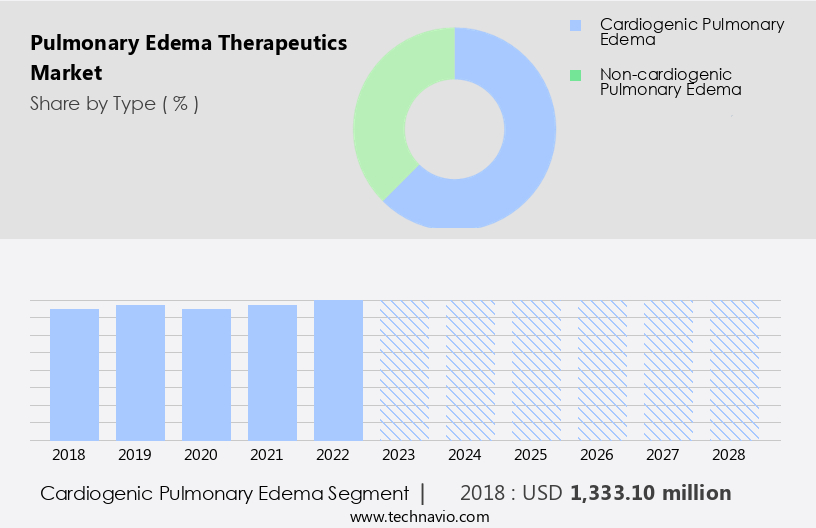
Pulmonary Edema Therapeutics Market Size

Get a glance at the  Pulmonary Edema Therapeutics Industry report of share of various segments. Request Free Sample

The Cardiogenic pulmonary edema segment was valued at USD 1.33 billion in 2018 and showed a gradual increase during the forecast period.

Regional Analysis

  • North America is estimated to contribute 41% to the growth of the global market during the forecast period.

Technavio's analysts have elaborately explained the regional trends and drivers that shape the market during the forecast period.
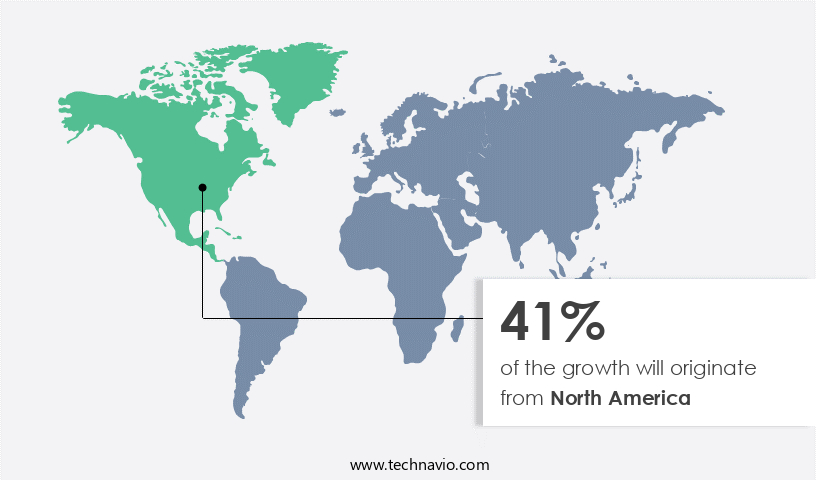
Pulmonary Edema Therapeutics Market Share by Geography

For more insights on the market share of various regions, Request Free Sample

The market in North America is significantly large due to the high prevalence of risk factors leading to pulmonary edema. For instance, In the US, RSV infects and hospitalizes approximately 75,000-125,000 children annually, and sepsis, a common complication of pulmonary edema, resulted in around 270,000 deaths in 2016. Moreover, pneumococcal pneumonia, another condition linked to pulmonary edema, affects nearly 900,000 Americans each year. This market caters to various therapeutic areas, including cardiac disorders, kidney disorders, and cardiovascular diseases, such as heart failure, cardiomyopathy, and hypertension. Treatment modalities consist of medicines, supplemental oxygen, and diagnostic evaluations, including cardiac examinations, imaging tests, and blood tests.

Biomarkers play a crucial role in diagnosing and monitoring disease progression. Pulmonary edema can be cardiogenic or non-cardiogenic, with causes ranging from heart failure, hypertensive crisis, and pulmonary shunt to lung parenchymal damage and infection. Healthcare systems, retail pharmacies, hospital pharmacies, and online pharmacies distribute these therapeutics. Industry growth is driven by disease control initiatives, joint ventures, acquisitions, mergers, and collaborations.

Market Dynamics

Our  researchers analyzed the data with 2023 as the base year, along with the key drivers, trends, and challenges. A holistic analysis of drivers will help companies refine their marketing strategies to gain a competitive advantage.

What are the key market drivers leading to the rise In the adoption of Pulmonary Edema Therapeutics Industry?

High prevalence of risk factors is the key driver of the market.

  • Pulmonary edema, a disorder characterized by the accumulation of fluid In the lungs, is a significant health concern, particularly among the geriatric population. This condition is often a complication of heart failures, including cardiogenic pulmonary edema caused by a diseased left ventricle or non-cardiogenic pulmonary edema resulting from various factors such as infections, organ failures, and trauma. Heart treatments are a primary focus in addressing pulmonary edema, with various therapeutic approaches available. These include diuretics, supplemental oxygen, and vasodilators. Disease control through joint ventures, acquisitions, and mergers among healthcare systems and pharmaceutical companies is also a driving force In the market.
  • Risk factors for pulmonary edema include hypertensive crisis, intra-ventricular septum defects, and lung parenchyma damage. Infections, such as respiratory syndrome coronavirus (RSV), are a significant contributor to the disease process. Cardiovascular diseases, including carotid artery disease, cardiomyopathy, and heart valve problems, also increase the risk of developing pulmonary edema. Diagnostic evaluations, including clinical examination, imaging testing, and blood tests, are essential in diagnosing and managing pulmonary edema. Biomarkers, such as brain natriuretic peptide (BNP) and pro-B-type natriuretic peptide (pro-BNP), are valuable tools in assessing the severity of heart failure and predicting the prognosis. The market for pulmonary edema therapeutics is diverse, with various pharmaceutical products available through retail, hospital, and online pharmacies.
  • Cardiac disorders and kidney disorders are therapeutic areas with significant investments in research and development. The infrastructure of healthcare systems and health care investments play a crucial role In the supply chain of these medicines. In summary, the market is driven by the high prevalence of risk factors, including infections, cardiac issues, and lifestyle habits. Diagnostic evaluations and therapeutic approaches, such as diuretics, supplemental oxygen, and vasodilators, are essential in managing this condition. The market is diverse, with various pharmaceutical products available through various channels.

What are the market trends shaping the Pulmonary Edema Therapeutics Industry?

Increasing use of biomarkers for disease diagnosis is the upcoming market trend.

  • Pulmonary edema is a disorder characterized by the accumulation of fluid In the lungs, leading to difficulty breathing. This condition can be a result of heart failure, specifically cardiogenic pulmonary edema, or non-cardiogenic causes such as a hypertensive crisis or respiratory syndrome coronavirus. Diagnosis involves clinical examination, imaging testing, and blood tests to identify biomarkers indicative of heart failure, such as BNP or NT-pro-BNP. Heart failure, a leading cause of pulmonary edema, affects a significant portion of the geriatric population and those with cardiac issues like cardiomyopathy, heart valve problems, or coronary artery disease. The National Heart, Lung and Blood Institute (NHLBI) has conducted extensive research through studies like the ARIC and CHS to better understand the disease process and develop effective treatments.
  • Treatment for pulmonary edema includes supplemental oxygen, medicines to reduce fluid buildup, and, in severe cases, ventilator-assisted respiration. The market for pulmonary edema therapeutics includes retail pharmacies, hospital pharmacies, and online pharmacies as distribution channels. Disease control initiatives, joint ventures, acquisitions, mergers, and collaborations among healthcare systems, pharmaceutical companies, and medical disciplines like cardiology, endocrinology, and immunology contribute to the growth of this market. The infrastructure and healthcare investments In the US have played a crucial role in providing access to advanced diagnostic tools and therapeutic interventions for pulmonary edema patients. The supply chain for pulmonary edema treatments involves wholesalers, retailers, hospitals, and clinics.
  • The prognosis for pulmonary edema depends on the underlying cause and the timely administration of appropriate treatments.

What challenges does the Pulmonary Edema Therapeutics Industry face during its growth?

Adverse effects of available therapeutics is a key challenge affecting the industry growth.

  • The market encompasses a range of treatments for heart conditions, particularly heart failure, which can lead to pulmonary edema. This disorder affects the geriatric population and is characterized by the accumulation of fluid In the lungs, impairing breathing and putting strain on the cardiovascular system. Cardiac issues, such as a diseased left ventricle, cardiomyopathy, heart valve problems, and hypertension, can contribute to the development of pulmonary edema. Non-cardiogenic pulmonary edema can also occur due to various reasons, including respiratory syndrome coronavirus infections, hypertensive crisis, and pulmonary shunts. Diagnostic evaluations, including clinical examination, imaging testing, and blood tests, are essential for diagnosing and monitoring the progression of pulmonary edema.
  • Treatment options for pulmonary edema include medicines like diuretics, such as LASIX, which help remove excess fluid from the body. However, these drugs come with side effects, including mild adverse events like headache, fever, chills, nausea, and vomiting, and more severe side effects like dehydration, which can reduce water and electrolyte levels In the body. The National Heart, Lung and Blood Institute, along with various research studies like ARIC and CHS, have been instrumental in advancing our understanding of pulmonary edema and its treatment. Disease Control and Prevention initiatives, joint ventures, acquisitions, and mergers have played a crucial role in expanding the portfolio of pharmaceutical products available for treating pulmonary edema.
  • Supplemental oxygen and ventilator-assisted respiration are also essential components of pulmonary edema treatment. The supply chain for these therapeutics involves retail pharmacies, hospital pharmacies, and online pharmacies, ensuring accessibility to patients in various healthcare settings. The prognosis for pulmonary edema depends on the underlying cause and timely intervention. Cardiovascular diseases, such as carotid artery disease, coronary artery disease, and high blood pressure, can contribute to the development of pulmonary edema and require infrastructure investments and healthcare system improvements to address effectively. In conclusion, the market is a critical area of focus for healthcare investments, with ongoing research and development efforts aimed at improving treatment options and reducing adverse effects.
  • Biomarkers and diagnostic evaluations are essential tools for accurately diagnosing and monitoring pulmonary edema, while medical devices and medicines play a crucial role in managing the condition and improving patient outcomes.

Exclusive Customer Landscape

The pulmonary edema therapeutics market forecasting report includes the adoption lifecycle of the market, covering from the innovator's stage to the laggard's stage. It focuses on adoption rates in different regions based on penetration. Furthermore, the pulmonary edema therapeutics market report also includes key purchase criteria and drivers of price sensitivity to help companies evaluate and develop their market growth analysis strategies.
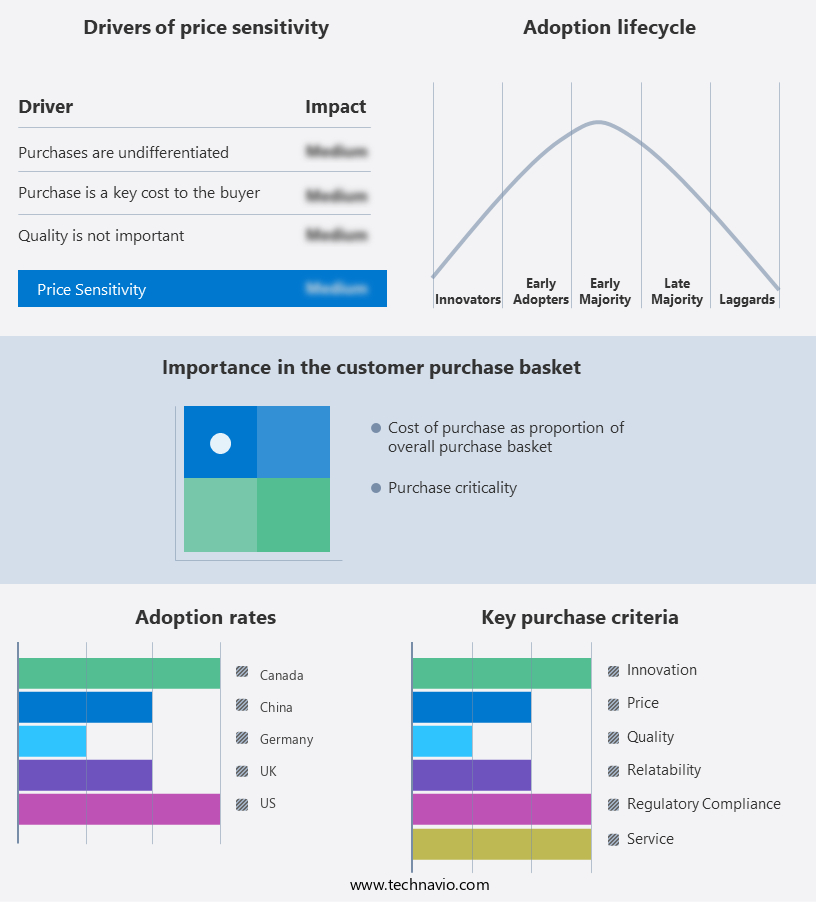
Pulmonary Edema Therapeutics Market Share by Geography

 Customer Landscape

Key Companies & Market Insights

Companies are implementing various strategies, such as strategic alliances, pulmonary edema therapeutics market forecast, partnerships, mergers and acquisitions, geographical expansion, and product/service launches, to enhance their presence in the industry.

The industry research and growth report includes detailed analyses of the competitive landscape of the market and information about key companies, including:

  • AbbVie Inc.
  • ADVANZ PHARMA
  • Apotex Inc.
  • Bausch Health Companies Inc.
  • Baxter International Inc.
  • CHIESI Farmaceutici SpA
  • CMP Pharma Inc.
  • Emcure Pharmaceuticals Ltd.
  • Epic Pharma LLC
  • Fresenius Kabi AG
  • Hikma Pharmaceuticals Plc
  • Johnson and Johnson Services Inc.
  • Lupin Ltd.
  • Novartis AG
  • Pfizer Inc.
  • Sanofi SA
  • Shanghai Fosun Pharmaceutical Group Co. Ltd.
  • Teva Pharmaceutical Industries Ltd.
  • Validus Pharmaceuticals LLC
  • Viatris Inc.

Qualitative and quantitative analysis of companies has been conducted to help clients understand the wider business environment as well as the strengths and weaknesses of key industry players. Data is qualitatively analyzed to categorize companies as pure play, category-focused, industry-focused, and diversified; it is quantitatively analyzed to categorize companies as dominant, leading, strong, tentative, and weak.

Research Analyst Overview

Pulmonary edema is a disorder characterized by an abnormal accumulation of fluid In the lungs' air sacs, impairing the ability to breathe effectively. This condition can be a consequence of various cardiovascular issues, including heart failure, hypertensive crisis, and cardiogenic shock. The geriatric population is particularly susceptible due to the prevalence of underlying heart conditions and age-related changes in lung function. The therapeutic market for pulmonary edema focuses on providing effective treatments to manage the symptoms and prevent further complications. The primary interventions include medicines, supplemental oxygen, and, in severe cases, mechanical ventilation. Medicines used In the treatment of pulmonary edema aim to reduce the workload on the heart and improve lung function.

These may include diuretics to eliminate excess fluid, vasodilators to improve blood flow, and ACE inhibitors to manage heart failure symptoms. Biomarkers, such as natriuretic peptides, are essential in diagnosing and monitoring the progression of heart conditions contributing to pulmonary edema. Diagnostic evaluations play a crucial role in identifying the underlying causes and determining the most appropriate treatment. Clinical examination, imaging testing, and blood tests are essential components of the diagnostic process. Imaging tests, such as chest X-rays and echocardiograms, help assess the condition of the heart and lungs, while blood tests provide valuable information on various biomarkers and other relevant laboratory values.

Devices, such as continuous positive airway pressure (CPAP) machines and mechanical ventilators, are essential in managing severe cases of pulmonary edema. These devices help maintain adequate oxygenation and ventilation, allowing the body to recover from the acute episode. The healthcare system plays a significant role In the management of pulmonary edema. Hospitals, clinics, retail pharmacies, and online pharmacies all contribute to the delivery of care. Joint ventures, acquisitions, and mergers among healthcare providers and pharmaceutical companies continue to shape the market landscape, driving innovation and improving patient access to advanced treatments. The therapeutic areas of immunology, oncology, cardiology, endocrinology, and neurology all intersect with pulmonary edema treatment.

Cardiovascular diseases, including coronary artery disease, heart valve problems, and high blood pressure, are common underlying conditions. Infection, carotid artery disease, and kidney disorders can also contribute to the development of pulmonary edema. Healthcare infrastructure and investments in research and development are essential for advancing the field of pulmonary edema therapeutics. The ongoing development of new drugs and vaccines holds great promise for improving patient outcomes and reducing the burden of this debilitating condition. In conclusion, the pulmonary edema therapeutic market encompasses a diverse range of interventions aimed at managing the symptoms and preventing complications. From medicines and supplemental oxygen to diagnostic evaluations and advanced devices, the healthcare system plays a crucial role in delivering effective care. The ongoing research and development in various therapeutic areas hold great promise for improving patient outcomes and reducing the burden of this condition.

Pulmonary Edema Therapeutics Market Scope

Report Coverage

Details

Page number

145

Base year

2023

Historic period

2018-2022

Forecast period

2024-2028

Growth momentum & CAGR

Accelerate at a CAGR of 3.27%

Market growth 2024-2028

USD 365.5 million

Market structure

Fragmented

YoY growth 2023-2024(%)

3.13

Key countries

US, Germany, UK, China, and Canada

Competitive landscape

Leading Companies, Market Positioning of Companies, Competitive Strategies, and Industry Risks

Request Free Sample

What are the Key Data Covered in this Pulmonary Edema Therapeutics Market Research and Growth Report?

  • CAGR of the Pulmonary Edema Therapeutics industry during the forecast period
  • Detailed information on factors that will drive the growth and forecasting between 2024 and 2028
  • Precise estimation of the size of the market and its contribution of the industry in focus to the parent market
  • Accurate predictions about upcoming growth and trends and changes in consumer behaviour
  • Growth of the market across North America, Europe, Asia, and Rest of World (ROW)
  • Thorough analysis of the market's competitive landscape and detailed information about companies
  • Comprehensive analysis of factors that will challenge the pulmonary edema therapeutics market growth of industry companies

We can help! Our analysts can customize this pulmonary edema therapeutics market research report to meet your requirements.

Get in touch

1 Executive Summary

  • 1.1 Market overview
    • Executive Summary - Chart on Market Overview
    • Executive Summary - Data Table on Market Overview
    • Executive Summary - Chart on Global Market Characteristics
    • Executive Summary - Chart on Market by Geography
    • Executive Summary - Chart on Market Segmentation by Type
    • Executive Summary - Chart on Incremental Growth
    • Executive Summary - Data Table on Incremental Growth
    • Executive Summary - Chart on Company Market Positioning

2 Market Landscape

  • 2.1 Market ecosystem
    • Parent Market
    • Data Table on - Parent Market
  • 2.2 Market characteristics
    • Market characteristics analysis
  • 2.3 Value chain analysis
    • Value Chain Analysis

3 Market Sizing

  • 3.1 Market definition
    • Offerings of companies included in the market definition
  • 3.2 Market segment analysis
    • Market segments
  • 3.3 Market size 2023
    • 3.4 Market outlook: Forecast for 2023-2028
      • Chart on Global - Market size and forecast 2023-2028 ($ million)
      • Data Table on Global - Market size and forecast 2023-2028 ($ million)
      • Chart on Global Market: Year-over-year growth 2023-2028 (%)
      • Data Table on Global Market: Year-over-year growth 2023-2028 (%)

    4 Historic Market Size

    • 4.1 Global Pulmonary Edema Therapeutics Market 2018 - 2022
      • Historic Market Size - Data Table on Global Pulmonary Edema Therapeutics Market 2018 - 2022 ($ million)
    • 4.2 Type segment analysis 2018 - 2022
      • Historic Market Size - Type Segment 2018 - 2022 ($ million)
    • 4.3 Geography segment analysis 2018 - 2022
      • Historic Market Size - Geography Segment 2018 - 2022 ($ million)
    • 4.4 Country segment analysis 2018 - 2022
      • Historic Market Size - Country Segment 2018 - 2022 ($ million)

    5 Five Forces Analysis

    • 5.1 Five forces summary
      • Five forces analysis - Comparison between 2023 and 2028
    • 5.2 Bargaining power of buyers
      • Bargaining power of buyers - Impact of key factors 2023 and 2028
    • 5.3 Bargaining power of suppliers
      • Bargaining power of suppliers - Impact of key factors in 2023 and 2028
    • 5.4 Threat of new entrants
      • Threat of new entrants - Impact of key factors in 2023 and 2028
    • 5.5 Threat of substitutes
      • Threat of substitutes - Impact of key factors in 2023 and 2028
    • 5.6 Threat of rivalry
      • Threat of rivalry - Impact of key factors in 2023 and 2028
    • 5.7 Market condition
      • Chart on Market condition - Five forces 2023 and 2028

    6 Market Segmentation by Type

    • 6.1 Market segments
      • Chart on Type - Market share 2023-2028 (%)
      • Data Table on Type - Market share 2023-2028 (%)
    • 6.2 Comparison by Type
      • Chart on Comparison by Type
      • Data Table on Comparison by Type
    • 6.3 Cardiogenic pulmonary edema - Market size and forecast 2023-2028
      • Chart on Cardiogenic pulmonary edema - Market size and forecast 2023-2028 ($ million)
      • Data Table on Cardiogenic pulmonary edema - Market size and forecast 2023-2028 ($ million)
      • Chart on Cardiogenic pulmonary edema - Year-over-year growth 2023-2028 (%)
      • Data Table on Cardiogenic pulmonary edema - Year-over-year growth 2023-2028 (%)
    • 6.4 Non-cardiogenic pulmonary edema - Market size and forecast 2023-2028
      • Chart on Non-cardiogenic pulmonary edema - Market size and forecast 2023-2028 ($ million)
      • Data Table on Non-cardiogenic pulmonary edema - Market size and forecast 2023-2028 ($ million)
      • Chart on Non-cardiogenic pulmonary edema - Year-over-year growth 2023-2028 (%)
      • Data Table on Non-cardiogenic pulmonary edema - Year-over-year growth 2023-2028 (%)
    • 6.5 Market opportunity by Type
      • Market opportunity by Type ($ million)
      • Data Table on Market opportunity by Type ($ million)

    7 Customer Landscape

    • 7.1 Customer landscape overview
      • Analysis of price sensitivity, lifecycle, customer purchase basket, adoption rates, and purchase criteria

    8 Geographic Landscape

    • 8.1 Geographic segmentation
      • Chart on Market share by geography 2023-2028 (%)
      • Data Table on Market share by geography 2023-2028 (%)
    • 8.2 Geographic comparison
      • Chart on Geographic comparison
      • Data Table on Geographic comparison
    • 8.3 North America - Market size and forecast 2023-2028
      • Chart on North America - Market size and forecast 2023-2028 ($ million)
      • Data Table on North America - Market size and forecast 2023-2028 ($ million)
      • Chart on North America - Year-over-year growth 2023-2028 (%)
      • Data Table on North America - Year-over-year growth 2023-2028 (%)
    • 8.4 Europe - Market size and forecast 2023-2028
      • Chart on Europe - Market size and forecast 2023-2028 ($ million)
      • Data Table on Europe - Market size and forecast 2023-2028 ($ million)
      • Chart on Europe - Year-over-year growth 2023-2028 (%)
      • Data Table on Europe - Year-over-year growth 2023-2028 (%)
    • 8.5 Asia - Market size and forecast 2023-2028
      • Chart on Asia - Market size and forecast 2023-2028 ($ million)
      • Data Table on Asia - Market size and forecast 2023-2028 ($ million)
      • Chart on Asia - Year-over-year growth 2023-2028 (%)
      • Data Table on Asia - Year-over-year growth 2023-2028 (%)
    • 8.6 Rest of World (ROW) - Market size and forecast 2023-2028
      • Chart on Rest of World (ROW) - Market size and forecast 2023-2028 ($ million)
      • Data Table on Rest of World (ROW) - Market size and forecast 2023-2028 ($ million)
      • Chart on Rest of World (ROW) - Year-over-year growth 2023-2028 (%)
      • Data Table on Rest of World (ROW) - Year-over-year growth 2023-2028 (%)
    • 8.7 US - Market size and forecast 2023-2028
      • Chart on US - Market size and forecast 2023-2028 ($ million)
      • Data Table on US - Market size and forecast 2023-2028 ($ million)
      • Chart on US - Year-over-year growth 2023-2028 (%)
      • Data Table on US - Year-over-year growth 2023-2028 (%)
    • 8.8 Germany - Market size and forecast 2023-2028
      • Chart on Germany - Market size and forecast 2023-2028 ($ million)
      • Data Table on Germany - Market size and forecast 2023-2028 ($ million)
      • Chart on Germany - Year-over-year growth 2023-2028 (%)
      • Data Table on Germany - Year-over-year growth 2023-2028 (%)
    • 8.9 UK - Market size and forecast 2023-2028
      • Chart on UK - Market size and forecast 2023-2028 ($ million)
      • Data Table on UK - Market size and forecast 2023-2028 ($ million)
      • Chart on UK - Year-over-year growth 2023-2028 (%)
      • Data Table on UK - Year-over-year growth 2023-2028 (%)
    • 8.10 China - Market size and forecast 2023-2028
      • Chart on China - Market size and forecast 2023-2028 ($ million)
      • Data Table on China - Market size and forecast 2023-2028 ($ million)
      • Chart on China - Year-over-year growth 2023-2028 (%)
      • Data Table on China - Year-over-year growth 2023-2028 (%)
    • 8.11 Canada - Market size and forecast 2023-2028
      • Chart on Canada - Market size and forecast 2023-2028 ($ million)
      • Data Table on Canada - Market size and forecast 2023-2028 ($ million)
      • Chart on Canada - Year-over-year growth 2023-2028 (%)
      • Data Table on Canada - Year-over-year growth 2023-2028 (%)
    • 8.12 Market opportunity by geography
      • Market opportunity by geography ($ million)
      • Data Tables on Market opportunity by geography ($ million)

    9 Drivers, Challenges, and Opportunity/Restraints

    • 9.1 Market drivers
      • 9.2 Market challenges
        • 9.3 Impact of drivers and challenges
          • Impact of drivers and challenges in 2023 and 2028
        • 9.4 Market opportunities/restraints

          10 Competitive Landscape

          • 10.1 Overview
            • 10.2 Competitive Landscape
              • Overview on criticality of inputs and factors of differentiation
            • 10.3 Landscape disruption
              • Overview on factors of disruption
            • 10.4 Industry risks
              • Impact of key risks on business

            11 Competitive Analysis

            • 11.1 Companies profiled
              • Companies covered
            • 11.2 Market positioning of companies
              • Matrix on companies position and classification
            • 11.3 AbbVie Inc.
              • AbbVie Inc. - Overview
              • AbbVie Inc. - Product / Service
              • AbbVie Inc. - Key news
              • AbbVie Inc. - Key offerings
            • 11.4 ADVANZ PHARMA
              • ADVANZ PHARMA - Overview
              • ADVANZ PHARMA - Product / Service
              • ADVANZ PHARMA - Key offerings
            • 11.5 Apotex Inc.
              • Apotex Inc. - Overview
              • Apotex Inc. - Product / Service
              • Apotex Inc. - Key news
              • Apotex Inc. - Key offerings
            • 11.6 Bausch Health Companies Inc.
              • Bausch Health Companies Inc. - Overview
              • Bausch Health Companies Inc. - Business segments
              • Bausch Health Companies Inc. - Key news
              • Bausch Health Companies Inc. - Key offerings
              • Bausch Health Companies Inc. - Segment focus
            • 11.7 Johnson and Johnson Services Inc.
              • Johnson and Johnson Services Inc. - Overview
              • Johnson and Johnson Services Inc. - Business segments
              • Johnson and Johnson Services Inc. - Key news
              • Johnson and Johnson Services Inc. - Key offerings
              • Johnson and Johnson Services Inc. - Segment focus
            • 11.8 Lupin Ltd.
              • Lupin Ltd. - Overview
              • Lupin Ltd. - Product / Service
              • Lupin Ltd. - Key news
              • Lupin Ltd. - Key offerings
            • 11.9 Novartis AG
              • Novartis AG - Overview
              • Novartis AG - Business segments
              • Novartis AG - Key news
              • Novartis AG - Key offerings
              • Novartis AG - Segment focus
            • 11.10 Pfizer Inc.
              • Pfizer Inc. - Overview
              • Pfizer Inc. - Product / Service
              • Pfizer Inc. - Key news
              • Pfizer Inc. - Key offerings
            • 11.11 Sanofi SA
              • Sanofi SA - Overview
              • Sanofi SA - Business segments
              • Sanofi SA - Key news
              • Sanofi SA - Key offerings
              • Sanofi SA - Segment focus
            • 11.12 Teva Pharmaceutical Industries Ltd.
              • Teva Pharmaceutical Industries Ltd. - Overview
              • Teva Pharmaceutical Industries Ltd. - Business segments
              • Teva Pharmaceutical Industries Ltd. - Key news
              • Teva Pharmaceutical Industries Ltd. - Key offerings
              • Teva Pharmaceutical Industries Ltd. - Segment focus

            12 Appendix

            • 12.1 Scope of the report
              • 12.2 Inclusions and exclusions checklist
                • Inclusions checklist
                • Exclusions checklist
              • 12.3 Currency conversion rates for US$
                • Currency conversion rates for US$
              • 12.4 Research methodology
                • Research methodology
              • 12.5 Data procurement
                • Information sources
              • 12.6 Data validation
                • Data validation
              • 12.7 Validation techniques employed for market sizing
                • Validation techniques employed for market sizing
              • 12.8 Data synthesis
                • Data synthesis
              • 12.9 360 degree market analysis
                • 360 degree market analysis
              • 12.10 List of abbreviations
                • List of abbreviations

              Research Methodology

              Technavio presents a detailed picture of the market by way of study, synthesis, and summation of data from multiple sources. The analysts have presented the various facets of the market with a particular focus on identifying the key industry influencers. The data thus presented is comprehensive, reliable, and the result of extensive research, both primary and secondary.

              INFORMATION SOURCES

              Primary sources

              • Manufacturers and suppliers
              • Channel partners
              • Industry experts
              • Strategic decision makers

              Secondary sources

              • Industry journals and periodicals
              • Government data
              • Financial reports of key industry players
              • Historical data
              • Press releases

              DATA ANALYSIS

              Data Synthesis

              • Collation of data
              • Estimation of key figures
              • Analysis of derived insights

              Data Validation

              • Triangulation with data models
              • Reference against proprietary databases
              • Corroboration with industry experts

              REPORT WRITING

              Qualitative

              • Market drivers
              • Market challenges
              • Market trends
              • Five forces analysis

              Quantitative

              • Market size and forecast
              • Market segmentation
              • Geographical insights
              • Competitive landscape

              Interested in this report?

              Get your sample now to see our research methodology and insights!

              Download Now

              Frequently Asked Questions

              Pulmonary Edema Therapeutics market growth will increase by $ 365.5 mn during 2024-2028.

              The Pulmonary Edema Therapeutics market is expected to grow at a CAGR of 3.27% during 2024-2028.

              Pulmonary Edema Therapeutics market is segmented by Type( Cardiogenic pulmonary edema, Non-cardiogenic pulmonary edema)

              AbbVie Inc., ADVANZ PHARMA, Apotex Inc., Bausch Health Companies Inc., Baxter International Inc., CHIESI Farmaceutici SpA, CMP Pharma Inc., Emcure Pharmaceuticals Ltd., Epic Pharma LLC, Fresenius Kabi AG, Hikma Pharmaceuticals Plc, Johnson and Johnson Services Inc., Lupin Ltd., Novartis AG, Pfizer Inc., Sanofi SA, Shanghai Fosun Pharmaceutical Group Co. Ltd., Teva Pharmaceutical Industries Ltd., Validus Pharmaceuticals LLC, Viatris Inc. are a few of the key vendors in the Pulmonary Edema Therapeutics market.

              North America will register the highest growth rate of 41% among the other regions. Therefore, the Pulmonary Edema Therapeutics market in North America is expected to garner significant business opportunities for the vendors during the forecast period.

              US, Germany, UK, China, Canada

              • High prevalence of risk factorsPulmonary edema is one of the leading causes of death in adults living in developing countries. The high prevalence of pulmonary edema is mainly attributed to the availability of high-risk factors. The major risk factors are listed below:InfectionsOrgan failuresLifestyle habitsTraumaHigh altitude Drug-induced injury to the capillary endothelium is the driving factor this market.
              • resulting in the leakage of fluid and protein into the lung interstitiumDrugs depressing the central nervous system is the driving factor this market.
              • leading to neurogenic pulmonary edemaInfections such as bacterial is the driving factor this market.
              • viral is the driving factor this market.
              • fungal is the driving factor this market.
              • RSV is the driving factor this market.
              • and those related to blood are the most common and cause fluid accumulation in the lungs. The high prevalence of these infections drives market growth. For instance is the driving factor this market.
              • as per the NIAID is the driving factor this market.
              • RSV affects 64 million people is the driving factor this market.
              • causing approximately 160 is the driving factor this market.
              • 000 deaths every year globally. Pneumonia is one of the serious conditions faced by children and elderly people. As per the CDC is the driving factor this market.
              • every year is the driving factor this market.
              • about one million Americans visit hospitals due to pneumonia is the driving factor this market.
              • and 50 is the driving factor this market.
              • 000 people die from the disease.Heart failure is one of the most common causes of cardiogenic pulmonary edema is the driving factor this market.
              • a condition in which the left ventricle is unable to pump the adequate volume of blood required to meet the needs of the body. This increases the pressure in the circulatory system is the driving factor this market.
              • thus forcing blood into the lungs and causing pulmonary edema. Kidney failure is another prime cause of pulmonary edema. The improper functioning of the kidneys decreases the elimination of waste fluids and increases their retention in the body is the driving factor this market.
              • causing fluid overload and their accumulation in the lungs. Also is the driving factor this market.
              • liver cirrhosis reduces systemic vascular resistance and increases sodium retention by the kidney is the driving factor this market.
              • causing increased intravascular volume and hyperdynamic circulation is the driving factor this market.
              • which leads to the accumulation of fluid in the lungs.  is the driving factor this market.
              • sans-serif;font-size:11.0pt;">Furthermore is the driving factor this market.
              • individuals that have been exposed to chemicals during industrial accidents or those that work in hazardous chemical-manufacturing companies are prone to developing lung diseases. Chemicals such as nitrogen dioxide is the driving factor this market.
              • which do not easily dissolve in the body is the driving factor this market.
              • do not show any early symptoms but can cause inflammation in the bronchioles (bronchiolitis) and lead to fluid accumulation in the lungs. Similarly is the driving factor this market.
              • trauma as a result of accidents is also responsible for pulmonary edema. Accident Injuries in the chest region damage the lungs by creating pressure in the alveolar fluid is the driving factor this market.
              • resulting in pulmonary edema. As per the CDC is the driving factor this market.
              • road traffic injuries are the eighth leading cause of death globally is the driving factor this market.
              • and each year is the driving factor this market.
              • 1.35 million people die due to road traffic injuries globally is the driving factor this market.
              • with almost 3 is the driving factor this market.
              • 700 people being killed in road accidents every day.High altitude also induces pulmonary edema; individuals who climb more than 8 is the driving factor this market.
              • 000 feet altitudes experience HAPE. In high altitudes is the driving factor this market.
              • the pressure in the airway increases and pushes the alveolar fluids to the lungs causing pulmonary edema. Taking high doses of drugs is the driving factor this market.
              • such as aspirin and chemotherapy drugs is the driving factor this market.
              • also has the potential to cause pulmonary edema. Similarly is the driving factor this market.
              • naloxone induces non-cardiac pulmonary edema when used in overdose for treating opioid effects. Thus is the driving factor this market.
              • the high prevalence of risk factors is a primary driving factor that will boost the growth of the global pulmonary edema therapeutics market during the forecast period. is the driving factor this market.

              The Pulmonary Edema Therapeutics market vendors should focus on grabbing business opportunities from the Cardiogenic pulmonary edema segment as it accounted for the largest market share in the base year.