

Rapid Strength Concrete Market Analysis APAC, Europe, North America, South America, Middle East and Africa - US, Japan, South Korea, France, Canada - Size and Forecast 2024-2028

Rapid Strength Concrete Market Analysis APAC, Europe, North America, South America, Middle East and Africa - US, Japan, South Korea, France, Canada - Size and Forecast 2024-2028

Published: Jul 2024 136 Pages SKU: IRTNTR72131

Market Overview at a Glance

$73.4 B
Market Opportunity
4.34%
CAGR
4.15
YoY growth 2023-2024(%)

Rapid Strength Concrete Market Size 2024-2028

The rapid strength concrete market size is forecast to increase by USD 73.4 billion at a CAGR of 4.34% between 2023 and 2028.

  • The Rapid Strength Concrete (RSC) market is witnessing significant growth due to the expansion of the construction industry and the rapid increase in road and bridge construction. The environmental concerns and health hazards associated with traditional concrete and cement production are driving the demand for RSC, which offers faster curing times, reduced carbon footprint, and improved workability. RSC's ability to reduce the overall project timeline and lower labor costs is also a major factor fueling its adoption. Additionally, the growing focus on infrastructure development in emerging economies is expected to provide significant opportunities for market growth. The report provides a comprehensive analysis of these trends and other key factors influencing the market's growth trajectory.

What will be the Size of the Market During the Forecast Period?
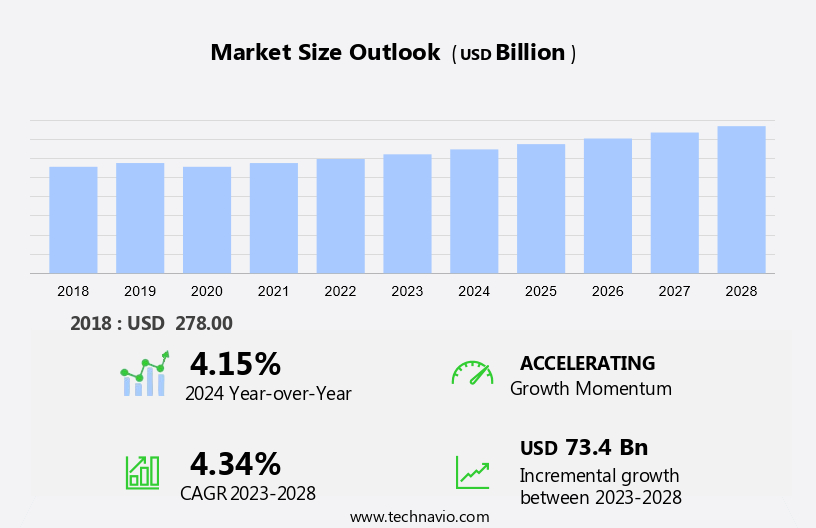
Rapid Strength Concrete Market Size

 Request Free Sample

  • The market is experiencing significant growth due to its increasing adoption in modern architectures and urban infrastructure development. This market caters to the demands of urgent repairing works, precast concrete production, and concrete masonry in mega-cities, where time efficiency and durability are crucial. In the residential dwelling market, rapid strength concrete's ability to reduce servicing duration and lower natural resource consumption makes it an attractive choice for housing units. Similarly, In the commercial construction sector, the production of new floor area for shopping malls and other structures benefits from the faster setting time of this concrete type. Cold weather concreting is another application area, enabling construction in regions with harsh climates.
  • The infrastructure construction sector's focus on preserving aging structures and pavements further fuels the market's expansion. Despite these opportunities, challenges such as cold weather concreting and the need for specialized equipment persist, requiring ongoing research and innovation.

How is this Industry segmented and which is the largest segment?

The industry research report provides comprehensive data (region-wise segment analysis), with forecasts and estimates in "USD billion" for the period 2024-2028, as well as historical data from 2018-2022 for the following segments.

  • Type
    • From 0 to 40 Mpa
    • From 40 to 80 Mpa
    • Above 80 Mpa
  • Geography
    • APAC
      • Japan
      • South Korea
    • Europe
      • France
    • North America
      • Canada
      • US
    • South America
    • Middle East and Africa

By Type Insights

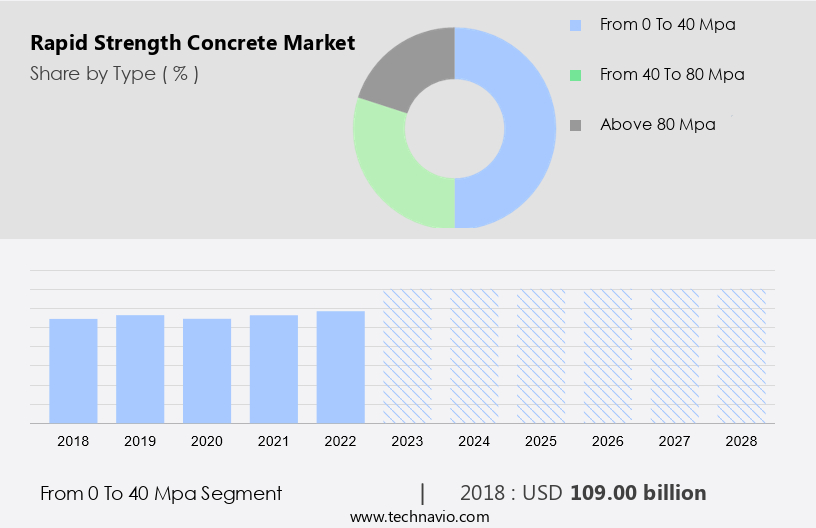
The from 0 to 40 mpa segment is estimated to witness significant growth during the forecast period. High performance concrete with a compressive strength of 0 to 40 Mpa is increasingly utilized in modern architectural projects due to its enhanced durability and strength. This concrete type, which shares similar base materials with conventional concrete, is engineered to meet the structural and environmental demands of contemporary construction. The global housing market, particularly in developing countries like China, India, Malaysia, and Indonesia, is experiencing significant growth due to population expansion and socio-economic improvements. In response, rapid strength concrete is gaining popularity for residential building applications, including floors and apartments. Additionally, this concrete type offers advantages in precast concrete production, urgent repairing works, concrete masonry, cold weather concreting, and industrial development.
Rapid Strength Concrete Market Size

Get a glance at the market report of share of various segments Request Free Sample

The From 0 to 40 Mpa segment was valued at USD 109.00 billion in 2018 and showed a gradual increase during the forecast period.

Regional Analysis

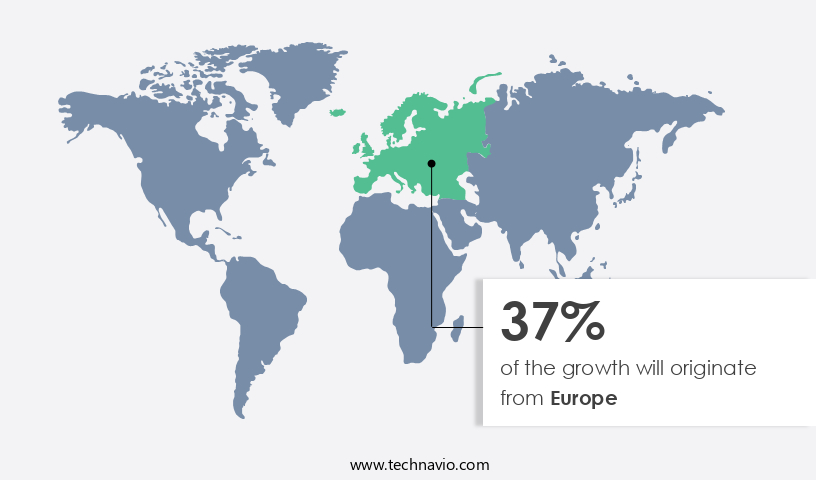
Europe is estimated to contribute 37% to the growth of the global market during the forecast period. Technavio's analysts have elaborately explained the regional trends and drivers that shape the market during the forecast period.
Rapid Strength Concrete Market Share by Geography

For more insights on the market size of various regions, Request Free Sample

The Rapid Strength Concrete (RSC) market In the Asia-Pacific (APAC) region is witnessing notable growth due to the increasing demand for cost-effective and quick-building solutions In the industrial, commercial, and residential sectors. Government initiatives and policies, such as India's Smart City Mission and Housing for All, are fueling the expansion of the construction and infrastructure industries In the region. In China, the construction sector is projected to grow at a steady rate of 6%-7% during the forecast period. Modern architectures, including precast concrete production, are increasingly utilizing RSC for its high efficiency, strength, and sustainability. Additionally, RSC's resistance to chemical attacks, load-bearing capacity, stability, and weather resistance ability make it an ideal choice for urgent repairing works and infrastructure construction projects.

Market Dynamics

Our researchers analyzed the data with 2023 as the base year, along with the key drivers, trends, and challenges. A holistic analysis of drivers will help companies refine their marketing strategies to gain a competitive advantage.

What are the key market drivers leading to the rise In the adoption of Rapid Strength Concrete Industry?

  • Expansion of the construction industry is the key driver of the market. The global market for rapid strength concrete is experiencing significant growth due to increasing construction and renovation activities driven by economic development, urbanization, and rising living standards. This trend is observed across all regions worldwide. In the residential sector, the demand for rapid strength concrete is increasing due to the construction of new housing units and the need for urgent repairing works on aging infrastructures. In the commercial sector, the market is witnessing growth due to the construction of modern architectures, such as shopping malls, offices, and industrial buildings, which require high load-bearing capacity, stability, and weather resistance ability. The precast concrete production process offers high efficiency and sustainability, making it an attractive option for both residential and commercial construction.
  • Rapid strength concrete is also preferred for its chemical attack resistance and versatility, making it suitable for various building applications, including residential properties, prefabricated concrete construction, and infrastructure projects. The market's growth is further driven by the need for resiliency in structures, such as floors, apartments, and parking areas, to withstand natural disasters and extreme weather conditions. The increasing housing demand, land shortage, labor shortage, and rising construction materials prices are also contributing factors. Mortgage rates and mortgage loans for low-income families are also influencing the market's growth, as they make it more affordable for individuals to invest in property.

What are the market trends shaping the Rapid Strength Concrete Industry?

  • Rapid increase in road and bridge construction is the upcoming market trend. The market holds significant potential in modern architectures, particularly In the Precast concrete production for Urgent repairing works and Concrete masonry. This market is driven by the need for high-performance concrete in various sectors, including Cold weather concreting and Aging infrastructures in mega-cities. Rapid strength concrete's Chemical attack resistance, Load-bearing capacity, Stability, and Deflections make it an ideal choice for residential properties and Prefabricated concrete construction. Moreover, its High efficiency, Sustainability, and Weather resistance ability contribute to its versatility and flexibility In the Residential dwelling market and Commercial construction. Industrial development and Infrastructure construction sector's demand for high-end performance structures, such as Housing units, Shopping malls, and Airport terminals, is another significant application area for this market.
  • The Housing crisis, Land shortage, and Labor shortage have led to an increase in Construction materials prices and Mortgage loans, making Rapid strength concrete an attractive option for Low income families. The market's preservation of aging infrastructure, using natural resources efficiently, and its long Servicing duration make it a preferred choice for Structures, Pavements, Industrialization, and Urbanization. Infrastructural projects, such as Rail networks, Roads, Waterway networks, and Dockyards, require high-strength concrete, making Rapid strength concrete a valuable asset In these applications. Structural maintenance of existing structures, including Floors, Apartments, and Housing demand, also benefits from the use of Rapid strength concrete.

What challenges does the Rapid Strength Concrete Industry face during its growth?

  • Environmental concerns and health hazards is a key challenge affecting the industry growth. Rapid strength concrete, a key construction material, is gaining popularity in modern architectures due to its high load-bearing capacity and stability. This concrete type enables precast concrete production, expediting urban infrastructure development in mega-cities. In the residential dwelling market, rapid strength concrete offers chemical attack resistance, ensuring structures last longer in urban environments. In the industrial development sector, cold weather concreting is essential for urgent repairing works and new construction projects. Concrete masonry made with rapid strength concrete offers high efficiency, sustainability, and versatility, making it suitable for various building applications. Prefabricated concrete construction using rapid strength concrete enhances resiliency, reducing servicing duration and maintenance costs.
  • Mortgage rates and land/labor shortages fuel housing demand, leading to an increase in housing units and commercial construction. Infrastructural projects, such as roads, bridges, rail networks, and waterway networks, require high-performance concrete for long-term structural maintenance. Rapid strength concrete's weather resistance ability and strength make it an ideal choice for pavements, airport terminals, dockyards, and other industrial applications. As aging infrastructures continue to pose challenges, preserving existing structures is crucial. Rapid strength concrete's versatility and flexibility enable it to be used in various applications, from residential buildings like floors, apartments, and housing units to large-scale industrial projects like factories, warehouses and storage.

Exclusive Customer Landscape

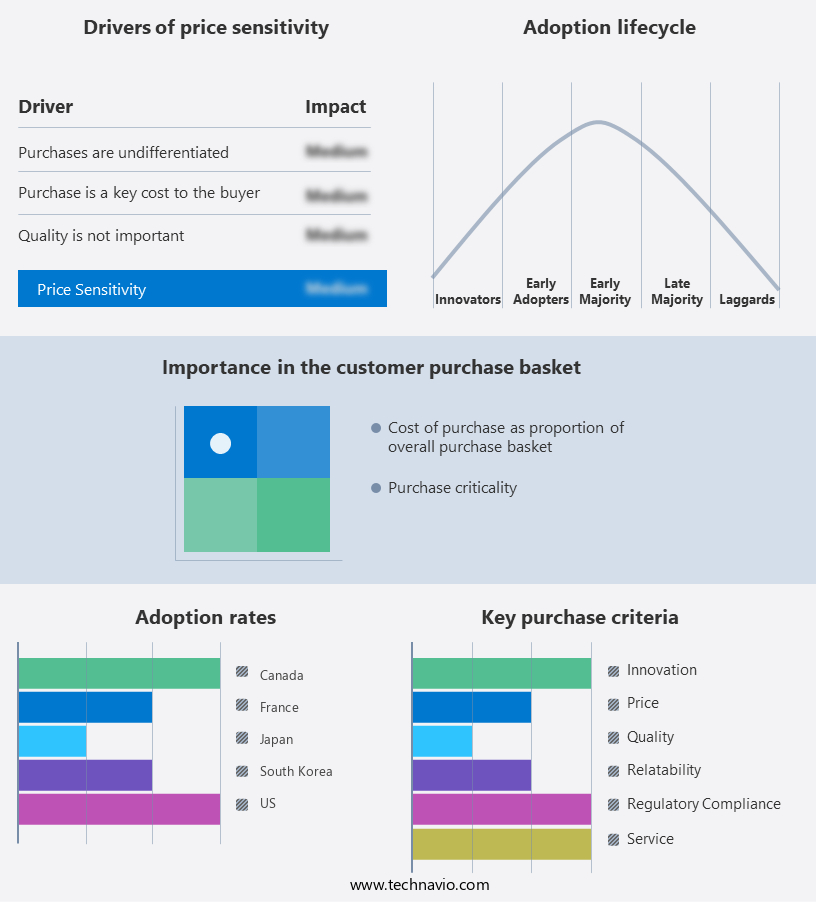
The market forecasting report includes the adoption lifecycle of the market, covering from the innovator's stage to the laggard's stage. It focuses on adoption rates in different regions based on penetration. Furthermore, the market report also includes key purchase criteria and drivers of price sensitivity to help companies evaluate and develop their market growth analysis strategies.
Rapid Strength Concrete Market Share by Geography

 Customer Landscape

Key Companies & Market Insights

Companies are implementing various strategies, such as strategic alliances, market forecast, partnerships, mergers and acquisitions, geographical expansion, and product/service launches, to enhance their presence in the industry.

The industry research and growth report includes detailed analyses of the competitive landscape of the market and information about key companies, including:

  • Aggregate Industries UK Ltd.
  • Aditya Birla Management Corp. Pvt. Ltd.
  • Aev Crh Holdings Inc.
  • BASF SE
  • Boral Ltd.
  • Buzzi SpA
  • CEMEX SAB de CV
  • CTS Cement Manufacturing Corp.
  • EMTEK Ltd
  • Fosroc International Ltd.
  • Instarmac Group PLC
  • Holcim Ltd.
  • Nirma Ltd.
  • Geany Softech Pvt. Ltd.
  • RDC Concrete India Pvt. Ltd.
  • Shaila Enterprises
  • Short Load Concrete Inc.
  • Sika AG
  • Tarmac Holdings Ltd.
  • Westbuild Group

Qualitative and quantitative analysis of companies has been conducted to help clients understand the wider business environment as well as the strengths and weaknesses of key industry players. Data is qualitatively analyzed to categorize companies as pure play, category-focused, industry-focused, and diversified; it is quantitatively analyzed to categorize companies as dominant, leading, strong, tentative, and weak.

Research Analyst Overview

Rapid strength concrete has emerged as a significant solution In the contemporary construction industry, offering numerous advantages for various applications. This type of concrete sets faster than traditional mixes, enabling reduced construction timelines and lower labor costs. Modern architectures increasingly prefer rapid strength concrete for precast production, allowing for the creation of intricate designs and complex structures. Urgent repairing works in infrastructure and residential properties also benefit from the quick setting properties of this concrete. In the context of concrete masonry, rapid strength concrete contributes to increased efficiency and productivity, particularly in cold weather concreting. The aging infrastructure in mega-cities and industrial development sectors require the use of high-performance concrete.

In addition, rapid strength concrete offers superior load-bearing capacity and stability, ensuring structures can withstand deflections and maintain high efficiency. Furthermore, its sustainability attributes are essential in today's environmentally-conscious construction landscape. In the residential dwelling market, rapid strength concrete's versatility and flexibility cater to various building applications. Its high-end performance is crucial for structures that demand chemical attack resistance and resistance to natural disasters. The versatility of this concrete extends to prefabricated concrete construction, ensuring weather resistance ability and resiliency. The industrialization and urbanization trends have led to an increased demand for rapid strength concrete in various sectors. In the infrastructure construction sector, it is used extensively In the production of cubic meters of concrete for residential construction, housing units, commercial construction, and new floor area projects.

Moreover, shopping malls, housing crisis, and land or labor shortages have all contributed to the growing importance of this concrete type. Mortgage rates and servicing duration are essential factors for low-income families. Rapid strength concrete's quick setting properties can help reduce overall construction costs and shorten mortgage loan servicing durations. Additionally, its use in structural maintenance, such as roads, waterway networks, airports, dockyards, formed work, parking areas, rail networks, and bridges, ensures the longevity of these essential infrastructural projects.

Market Scope

Report Coverage

Details

Page number

136

Base year

2023

Historic period

2018-2022

Forecast period

2024-2028

Growth momentum & CAGR

Accelerate at a CAGR of 4.34%

Market growth 2024-2028

USD 73.4 billion

Market structure

Fragmented

YoY growth 2023-2024(%)

4.15

Key countries

US, Japan, South Korea, France, and Canada

Competitive landscape

Leading Companies, market growth and forecasting, Market Positioning of Companies, Competitive Strategies, and Industry Risks

Request Free Sample

What are the Key Data Covered in this Market Research and Growth Report?

  • CAGR of the Rapid Strength Concrete industry during the forecast period
  • Detailed information on factors that will drive the growth and forecasting between 2024 and 2028
  • Precise estimation of the size of the market and its contribution of the industry in focus to the parent market
  • Accurate predictions about upcoming growth and trends and changes in consumer behaviour
  • Growth of the market across APAC, Europe, North America, South America, and Middle East and Africa
  • Thorough analysis of the market's competitive landscape and detailed information about companies
  • Comprehensive analysis of factors that will challenge the market growth of industry companies

We can help! Our analysts can customize this market research report to meet your requirements.

Get in touch

1 Executive Summary

  • 1.1 Market overview
    • Executive Summary - Chart on Market Overview
    • Executive Summary - Data Table on Market Overview
    • Executive Summary - Chart on Global Market Characteristics
    • Executive Summary - Chart on Market by Geography
    • Executive Summary - Chart on Market Segmentation by Type
    • Executive Summary - Chart on Incremental Growth
    • Executive Summary - Data Table on Incremental Growth
    • Executive Summary - Chart on Company Market Positioning

2 Market Landscape

  • 2.1 Market ecosystem
    • Parent Market
    • Data Table on - Parent Market
  • 2.2 Market characteristics
    • Market characteristics analysis
  • 2.3 Value chain analysis
    • Value Chain Analysis

3 Market Sizing

  • 3.1 Market definition
    • Offerings of companies included in the market definition
  • 3.2 Market segment analysis
    • Market segments
  • 3.3 Market size 2023
    • 3.4 Market outlook: Forecast for 2023-2028
      • Chart on Global - Market size and forecast 2023-2028 ($ billion)
      • Data Table on Global - Market size and forecast 2023-2028 ($ billion)
      • Chart on Global Market: Year-over-year growth 2023-2028 (%)
      • Data Table on Global Market: Year-over-year growth 2023-2028 (%)

    4 Historic Market Size

    • 4.1 Global Rapid Strength Concrete Market 2018 - 2022
      • Historic Market Size - Data Table on Global Rapid Strength Concrete Market 2018 - 2022 ($ billion)
    • 4.2 Type segment analysis 2018 - 2022
      • Historic Market Size - Type Segment 2018 - 2022 ($ billion)
    • 4.3 Geography segment analysis 2018 - 2022
      • Historic Market Size - Geography Segment 2018 - 2022 ($ billion)
    • 4.4 Country segment analysis 2018 - 2022
      • Historic Market Size - Country Segment 2018 - 2022 ($ billion)

    5 Five Forces Analysis

    • 5.1 Five forces summary
      • Five forces analysis - Comparison between 2023 and 2028
    • 5.2 Bargaining power of buyers
      • Bargaining power of buyers - Impact of key factors 2023 and 2028
    • 5.3 Bargaining power of suppliers
      • Bargaining power of suppliers - Impact of key factors in 2023 and 2028
    • 5.4 Threat of new entrants
      • Threat of new entrants - Impact of key factors in 2023 and 2028
    • 5.5 Threat of substitutes
      • Threat of substitutes - Impact of key factors in 2023 and 2028
    • 5.6 Threat of rivalry
      • Threat of rivalry - Impact of key factors in 2023 and 2028
    • 5.7 Market condition
      • Chart on Market condition - Five forces 2023 and 2028

    6 Market Segmentation by Type

    • 6.1 Market segments
      • Chart on Type - Market share 2023-2028 (%)
      • Data Table on Type - Market share 2023-2028 (%)
    • 6.2 Comparison by Type
      • Chart on Comparison by Type
      • Data Table on Comparison by Type
    • 6.3 From 0 to 40 Mpa - Market size and forecast 2023-2028
      • Chart on From 0 to 40 Mpa - Market size and forecast 2023-2028 ($ billion)
      • Data Table on From 0 to 40 Mpa - Market size and forecast 2023-2028 ($ billion)
      • Chart on From 0 to 40 Mpa - Year-over-year growth 2023-2028 (%)
      • Data Table on From 0 to 40 Mpa - Year-over-year growth 2023-2028 (%)
    • 6.4 From 40 to 80 Mpa - Market size and forecast 2023-2028
      • Chart on From 40 to 80 Mpa - Market size and forecast 2023-2028 ($ billion)
      • Data Table on From 40 to 80 Mpa - Market size and forecast 2023-2028 ($ billion)
      • Chart on From 40 to 80 Mpa - Year-over-year growth 2023-2028 (%)
      • Data Table on From 40 to 80 Mpa - Year-over-year growth 2023-2028 (%)
    • 6.5 Above 80 Mpa - Market size and forecast 2023-2028
      • Chart on Above 80 Mpa - Market size and forecast 2023-2028 ($ billion)
      • Data Table on Above 80 Mpa - Market size and forecast 2023-2028 ($ billion)
      • Chart on Above 80 Mpa - Year-over-year growth 2023-2028 (%)
      • Data Table on Above 80 Mpa - Year-over-year growth 2023-2028 (%)
    • 6.6 Market opportunity by Type
      • Market opportunity by Type ($ billion)
      • Data Table on Market opportunity by Type ($ billion)

    7 Customer Landscape

    • 7.1 Customer landscape overview
      • Analysis of price sensitivity, lifecycle, customer purchase basket, adoption rates, and purchase criteria

    8 Geographic Landscape

    • 8.1 Geographic segmentation
      • Chart on Market share by geography 2023-2028 (%)
      • Data Table on Market share by geography 2023-2028 (%)
    • 8.2 Geographic comparison
      • Chart on Geographic comparison
      • Data Table on Geographic comparison
    • 8.3 APAC - Market size and forecast 2023-2028
      • Chart on APAC - Market size and forecast 2023-2028 ($ billion)
      • Data Table on APAC - Market size and forecast 2023-2028 ($ billion)
      • Chart on APAC - Year-over-year growth 2023-2028 (%)
      • Data Table on APAC - Year-over-year growth 2023-2028 (%)
    • 8.4 Europe - Market size and forecast 2023-2028
      • Chart on Europe - Market size and forecast 2023-2028 ($ billion)
      • Data Table on Europe - Market size and forecast 2023-2028 ($ billion)
      • Chart on Europe - Year-over-year growth 2023-2028 (%)
      • Data Table on Europe - Year-over-year growth 2023-2028 (%)
    • 8.5 North America - Market size and forecast 2023-2028
      • Chart on North America - Market size and forecast 2023-2028 ($ billion)
      • Data Table on North America - Market size and forecast 2023-2028 ($ billion)
      • Chart on North America - Year-over-year growth 2023-2028 (%)
      • Data Table on North America - Year-over-year growth 2023-2028 (%)
    • 8.6 South America - Market size and forecast 2023-2028
      • Chart on South America - Market size and forecast 2023-2028 ($ billion)
      • Data Table on South America - Market size and forecast 2023-2028 ($ billion)
      • Chart on South America - Year-over-year growth 2023-2028 (%)
      • Data Table on South America - Year-over-year growth 2023-2028 (%)
    • 8.7 Middle East and Africa - Market size and forecast 2023-2028
      • Chart on Middle East and Africa - Market size and forecast 2023-2028 ($ billion)
      • Data Table on Middle East and Africa - Market size and forecast 2023-2028 ($ billion)
      • Chart on Middle East and Africa - Year-over-year growth 2023-2028 (%)
      • Data Table on Middle East and Africa - Year-over-year growth 2023-2028 (%)
    • 8.8 US - Market size and forecast 2023-2028
      • Chart on US - Market size and forecast 2023-2028 ($ billion)
      • Data Table on US - Market size and forecast 2023-2028 ($ billion)
      • Chart on US - Year-over-year growth 2023-2028 (%)
      • Data Table on US - Year-over-year growth 2023-2028 (%)
    • 8.9 Japan - Market size and forecast 2023-2028
      • Chart on Japan - Market size and forecast 2023-2028 ($ billion)
      • Data Table on Japan - Market size and forecast 2023-2028 ($ billion)
      • Chart on Japan - Year-over-year growth 2023-2028 (%)
      • Data Table on Japan - Year-over-year growth 2023-2028 (%)
    • 8.10 South Korea - Market size and forecast 2023-2028
      • Chart on South Korea - Market size and forecast 2023-2028 ($ billion)
      • Data Table on South Korea - Market size and forecast 2023-2028 ($ billion)
      • Chart on South Korea - Year-over-year growth 2023-2028 (%)
      • Data Table on South Korea - Year-over-year growth 2023-2028 (%)
    • 8.11 France - Market size and forecast 2023-2028
      • Chart on France - Market size and forecast 2023-2028 ($ billion)
      • Data Table on France - Market size and forecast 2023-2028 ($ billion)
      • Chart on France - Year-over-year growth 2023-2028 (%)
      • Data Table on France - Year-over-year growth 2023-2028 (%)
    • 8.12 Canada - Market size and forecast 2023-2028
      • Chart on Canada - Market size and forecast 2023-2028 ($ billion)
      • Data Table on Canada - Market size and forecast 2023-2028 ($ billion)
      • Chart on Canada - Year-over-year growth 2023-2028 (%)
      • Data Table on Canada - Year-over-year growth 2023-2028 (%)
    • 8.13 Market opportunity by geography
      • Market opportunity by geography ($ billion)
      • Data Tables on Market opportunity by geography ($ billion)

    9 Drivers, Challenges, and Opportunity/Restraints

    • 9.1 Market drivers
      • 9.2 Market challenges
        • 9.3 Impact of drivers and challenges
          • Impact of drivers and challenges in 2023 and 2028
        • 9.4 Market opportunities/restraints

          10 Competitive Landscape

          • 10.1 Overview
            • 10.2 Competitive Landscape
              • Overview on criticality of inputs and factors of differentiation
            • 10.3 Landscape disruption
              • Overview on factors of disruption
            • 10.4 Industry risks
              • Impact of key risks on business

            11 Competitive Analysis

            • 11.1 Companies profiled
              • Companies covered
            • 11.2 Market positioning of companies
              • Matrix on companies position and classification
            • 11.3 Aggregate Industries UK Ltd.
              • Aggregate Industries UK Ltd. - Overview
              • Aggregate Industries UK Ltd. - Product / Service
              • Aggregate Industries UK Ltd. - Key offerings
            • 11.4 BASF SE
              • BASF SE - Overview
              • BASF SE - Business segments
              • BASF SE - Key news
              • BASF SE - Key offerings
              • BASF SE - Segment focus
            • 11.5 Boral Ltd.
              • Boral Ltd. - Overview
              • Boral Ltd. - Product / Service
              • Boral Ltd. - Key offerings
            • 11.6 Buzzi SpA
              • Buzzi SpA - Overview
              • Buzzi SpA - Business segments
              • Buzzi SpA - Key offerings
              • Buzzi SpA - Segment focus
            • 11.7 CEMEX SAB de CV
              • CEMEX SAB de CV - Overview
              • CEMEX SAB de CV - Business segments
              • CEMEX SAB de CV - Key news
              • CEMEX SAB de CV - Key offerings
              • CEMEX SAB de CV - Segment focus
            • 11.8 CTS Cement Manufacturing Corp.
              • CTS Cement Manufacturing Corp. - Overview
              • CTS Cement Manufacturing Corp. - Product / Service
              • CTS Cement Manufacturing Corp. - Key offerings
            • 11.9 EMTEK Ltd
              • EMTEK Ltd - Overview
              • EMTEK Ltd - Product / Service
              • EMTEK Ltd - Key offerings
            • 11.10 Fosroc International Ltd.
              • Fosroc International Ltd. - Overview
              • Fosroc International Ltd. - Product / Service
              • Fosroc International Ltd. - Key offerings
            • 11.11 Instarmac Group PLC
              • Instarmac Group PLC - Overview
              • Instarmac Group PLC - Product / Service
              • Instarmac Group PLC - Key offerings
            • 11.12 Holcim Ltd.
              • Holcim Ltd. - Overview
              • Holcim Ltd. - Business segments
              • Holcim Ltd. - Key news
              • Holcim Ltd. - Key offerings
              • Holcim Ltd. - Segment focus

            12 Appendix

            • 12.1 Scope of the report
              • 12.2 Inclusions and exclusions checklist
                • Inclusions checklist
                • Exclusions checklist
              • 12.3 Currency conversion rates for US$
                • Currency conversion rates for US$
              • 12.4 Research methodology
                • Research methodology
              • 12.5 Data procurement
                • Information sources
              • 12.6 Data validation
                • Data validation
              • 12.7 Validation techniques employed for market sizing
                • Validation techniques employed for market sizing
              • 12.8 Data synthesis
                • Data synthesis
              • 12.9 360 degree market analysis
                • 360 degree market analysis
              • 12.10 List of abbreviations
                • List of abbreviations

              Research Methodology

              Technavio presents a detailed picture of the market by way of study, synthesis, and summation of data from multiple sources. The analysts have presented the various facets of the market with a particular focus on identifying the key industry influencers. The data thus presented is comprehensive, reliable, and the result of extensive research, both primary and secondary.

              INFORMATION SOURCES

              Primary sources

              • Manufacturers and suppliers
              • Channel partners
              • Industry experts
              • Strategic decision makers

              Secondary sources

              • Industry journals and periodicals
              • Government data
              • Financial reports of key industry players
              • Historical data
              • Press releases

              DATA ANALYSIS

              Data Synthesis

              • Collation of data
              • Estimation of key figures
              • Analysis of derived insights

              Data Validation

              • Triangulation with data models
              • Reference against proprietary databases
              • Corroboration with industry experts

              REPORT WRITING

              Qualitative

              • Market drivers
              • Market challenges
              • Market trends
              • Five forces analysis

              Quantitative

              • Market size and forecast
              • Market segmentation
              • Geographical insights
              • Competitive landscape

              Interested in this report?

              Get your sample now to see our research methodology and insights!

              Download Now

              Frequently Asked Questions

              Rapid Strength Concrete market growth will increase by $ 73.4 bn during 2024-2028.

              The Rapid Strength Concrete market is expected to grow at a CAGR of 4.34% during 2024-2028.

              Rapid Strength Concrete market is segmented by Type( From 0 to 40 Mpa, From 40 to 80 Mpa, Above 80 Mpa)

              Aggregate Industries UK Ltd., Aditya Birla Management Corp. Pvt. Ltd., Aev Crh Holdings Inc., BASF SE, Boral Ltd., Buzzi SpA, CEMEX SAB de CV, CTS Cement Manufacturing Corp., EMTEK Ltd, Fosroc International Ltd., Instarmac Group PLC, Holcim Ltd., Nirma Ltd., Geany Softech Pvt. Ltd., RDC Concrete India Pvt. Ltd., Shaila Enterprises, Short Load Concrete Inc., Sika AG, Tarmac Holdings Ltd., Westbuild Group are a few of the key vendors in the Rapid Strength Concrete market.

              Europe will register the highest growth rate of 37% among the other regions. Therefore, the Rapid Strength Concrete market in Europe is expected to garner significant business opportunities for the vendors during the forecast period.

              US, Japan, South Korea, France, Canada

              • Expansion of the construction industryGrowth in construction and renovation activities due to global economic development is the driving factor this market.
              • the rise in income levels is the driving factor this market.
              • an increase in urbanization is the driving factor this market.
              • and rising living standards are expected to drive the market growth for rapid strength concrete during the forecast period. The rising commitment among construction industry stakeholders toward green construction is the driving factor this market.
              • energy efficiency is the driving factor this market.
              • and advanced materials for building construction is also a major selling point for the dry construction industry. The global rapid strength concrete market is expected to witness growth across all regions during the forecast period.  The rise in residential and commercial construction activities and rising investments in infrastructure development in several countries across the world will present considerable opportunities for growth in the market. The increasing adoption of green buildings is the driving factor this market.
              • new building construction regulations is the driving factor this market.
              • and the focus on reducing energy consumption in buildings will also drive the growth of the global rapid strength concrete market. Furthermore is the driving factor this market.
              • factors such as the increase in disposable incomes in emerging economies is the driving factor this market.
              • rapid industrialization is the driving factor this market.
              • the changing preference for and perception of sustainable building practices is the driving factor this market.
              • and the durability of such buildings are expected to drive the growth of the global rapid strength concrete market. is the driving factor this market.

              The Rapid Strength Concrete market vendors should focus on grabbing business opportunities from the From 0 to 40 Mpa segment as it accounted for the largest market share in the base year.