
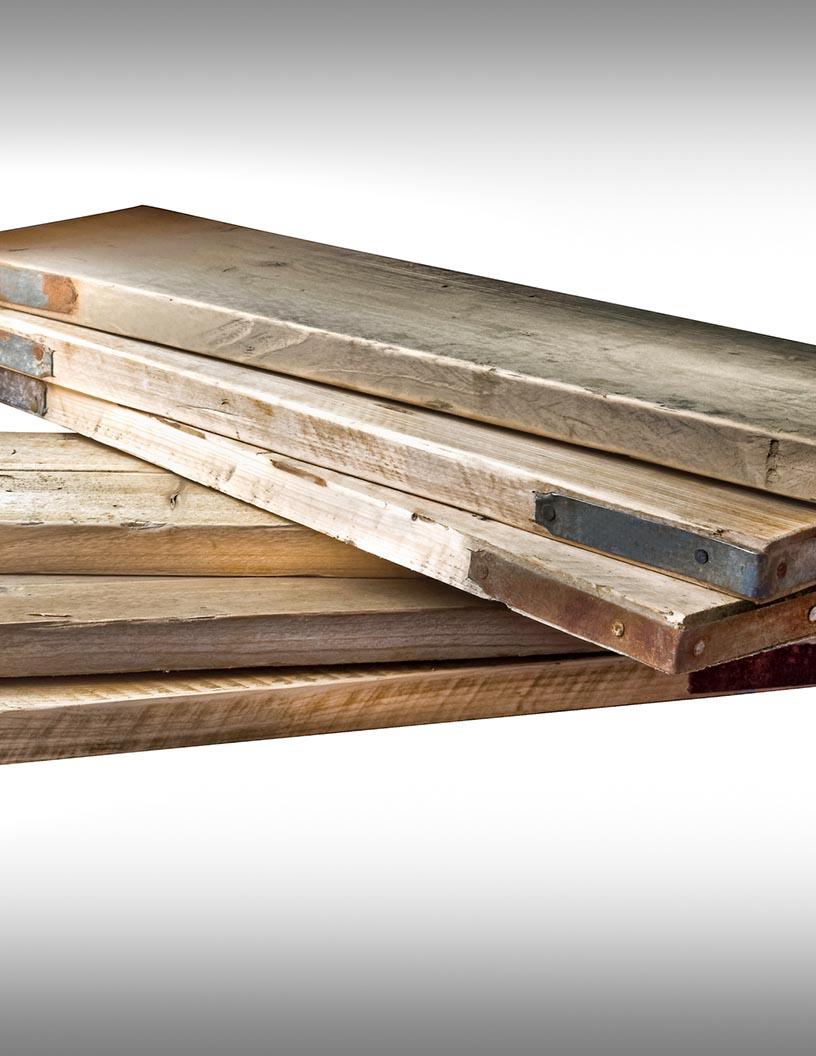


Reclaimed Lumber Market Size 2024-2028
The reclaimed lumber market size is forecast to increase by USD 8.2 mn at a CAGR of 3% between 2023 and 2028.
What will be the Size of the Reclaimed Lumber Market during the Forecast Period?
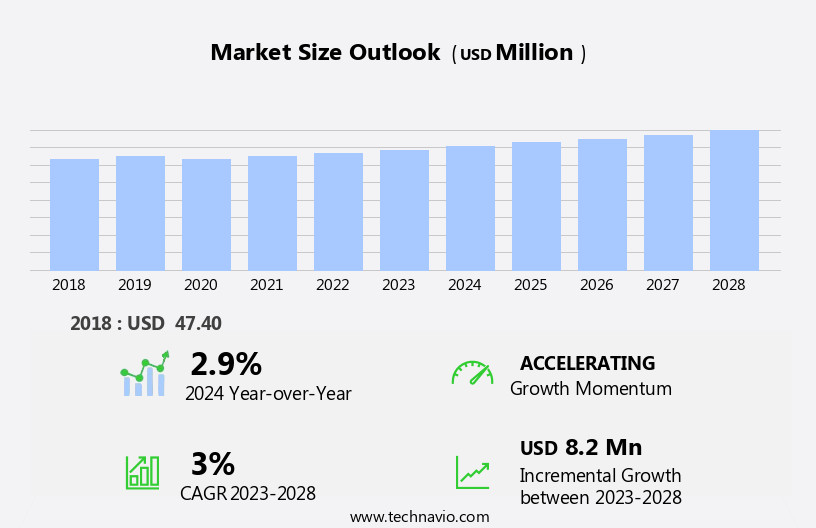
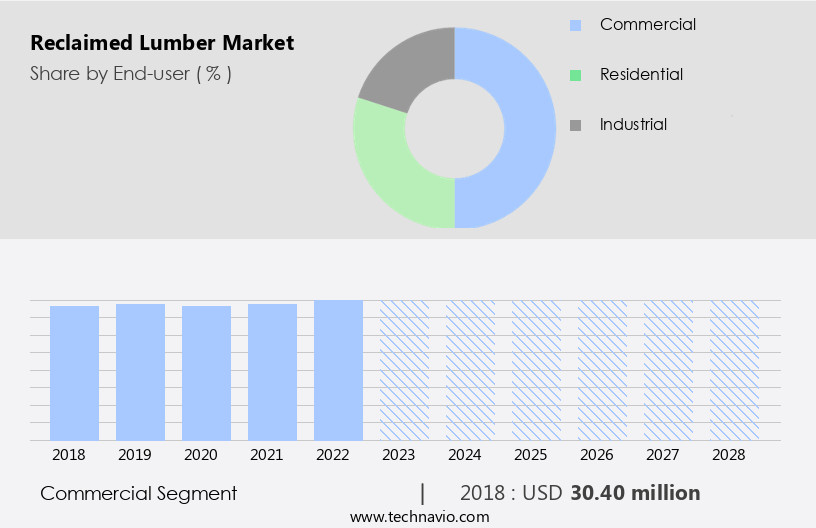
How is this Reclaimed Lumber Industry segmented and which is the largest segment?
The reclaimed lumber industry research report provides comprehensive data (region-wise segment analysis), with forecasts and estimates in "USD million" for the period 2024-2028, as well as historical data from 2018-2022 for the following segments.
- End-user
- Commercial
- Residential
- Industrial
- Geography
- Europe
- Germany
- UK
- North America
- Canada
- US
- APAC
- China
- Middle East and Africa
- South America
- Europe
By End-user Insights
The commercial segment is estimated to witness significant growth during the forecast period. Reclaimed lumber, sourced from deconstruction activities and waste management, holds substantial demand in developed countries for commercial applications. Composite reclaimed lumber is popularly utilized in developing countries due to its cost-effectiveness and versatility. The expansion of commercial building construction activities, driven by the growing service sector in countries like India, fuels the demand for reclaimed lumber. IT, telecommunications, and BPO industries' growth in cities such as Bengaluru and Delhi necessitates increased investments in commercial real estate, primarily in office and retail spaces and the hospitality sector. Wooden reclaimed lumber, including oak wood, longleaf, mountain pine, and steel, is used extensively for paneling, beams, and boards, contributing to sustainable building materials and eco-friendly practices.
The adoption of green construction principles, LEED certification, and seismic performance requirements further boosts the market's growth. Wood-based construction materials, such as cross-laminated timber (CLT), offer energy conservation benefits and reduce environmental pollution and landfill reduction. DIY projects, artisanal crafts, antique furniture, and custom-manufactured furniture also utilize reclaimed lumber for its aesthetic appeal and authenticity.
Get a glance at the market report of various segments Request Free Sample
The Commercial segment was valued at USD 30.40 mn in 2018 and showed a gradual increase during the forecast period.
Regional Analysis
Europe is estimated to contribute 50% to the growth of the global market during the forecast period. Technavio’s analysts have elaborately explained the regional trends and drivers that shape the market during the forecast period.
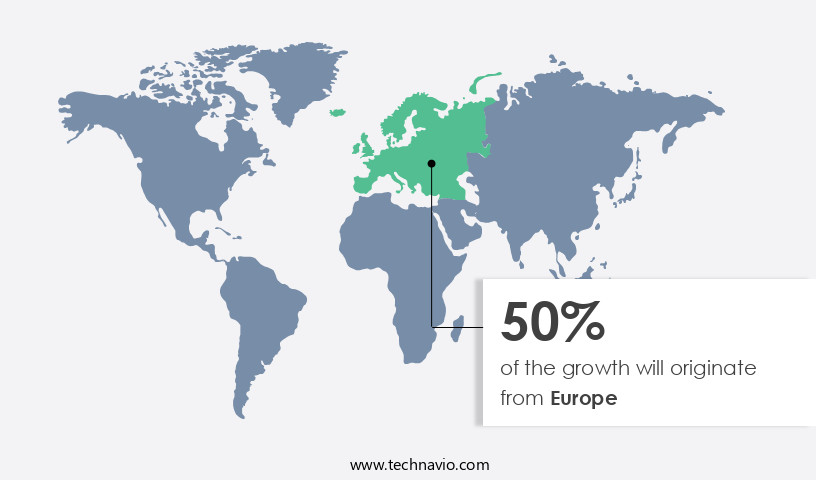
For more insights on the market size of various regions, Request Free Sample
The European the market is poised for growth due to several factors. These include the rising emphasis on recycling, the superior structural properties of reclaimed lumber, and the increasing demand from industries such as construction, furniture manufacturing, and green building initiatives. Additionally, the need to address waste management issues and the growing environmental consciousness are driving the market's expansion. However, challenges such as limited raw material sources and inconsistent quality control in emerging countries may hinder market growth. The market in Europe caters to various applications, including flooring, furniture, paneling, beams, and siding, among others. Green buildings, commercial construction, and residential projects are significant end-users of reclaimed lumber.
The market also includes custom-manufactured and vintage furniture, as well as paneling and siding made from oak wood, longleaf, steel, mountain pine, and other materials. Sustainable construction practices, such as cross-laminated timber (CLT) and wood-based construction, are gaining popularity, further fueling market demand. The market's growth is also influenced by the increasing adoption of eco-friendly practices, sustainability in construction, and the aesthetic appeal and authenticity of reclaimed lumber products.
Market Dynamics
Our researchers analyzed the data with 2023 as the base year, along with the key drivers, trends, and challenges. A holistic analysis of drivers will help companies refine their marketing strategies to gain a competitive advantage.
What are the key market drivers leading to the rise In the adoption of market?
Increasing residential and commercial construction?activities is the key driver of the market.The market is experiencing significant growth due to the increasing focus on Green Building and sustainability in construction activities. Infrastructure modernization and the rise of the Green Homes Grant have fueled the demand for eco-friendly building materials, including reclaimed lumber. FDI inflows and product innovation have further boosted the market, with applications extending to flooring, furniture, and paneling in both residential and commercial construction. Oak wood, longleaf, steel, and mountain pine manufacturing are popular choices for reclaimed lumber. Custom and vintage furniture, known for their aesthetics, authenticity, and DIY projects, are significant market drivers. Industrial applications, such as cross-laminated timber (CLT) and wood-based construction, offer enhanced seismic performance, energy conservation, and landfill reduction.
Governments worldwide are promoting sustainable construction practices and environmental awareness through initiatives like LEED certification. Deconstruction activities for waste management and wood waste recovery are also gaining traction. The market's growth is further supported by eco-friendly practices and the increasing popularity of sustainable building materials.
What are the market trends shaping the Reclaimed Lumber market?
Rising wages in manufacturing hubs is the upcoming market trend.Reclaimed lumber, derived from the manufacturing process of sawn wood and flooring, is gaining prominence In the construction sector due to its sustainability benefits. Major suppliers of reclaimed wood include companies specializing in cabinetry, flooring, and sawmill waste. This trend aligns with the growing demand for green building practices and infrastructure modernization. The popularity of prefabricated structures, which offer cost and time savings, is driving the use of reclaimed wood in various applications, from flooring and paneling to beams and custom furniture. Product innovation In the market includes the use of cross-laminated timber (CLT) and wood-based construction for improved seismic performance and energy conservation.
Reclaimed wood also contributes to environmental awareness by reducing waste management and pollution through recycling and landfill reduction. Deconstruction activities and the reuse of antique furniture further enhance the aesthetic appeal and authenticity of buildings. Incorporating eco-friendly practices and sustainability in construction, reclaimed lumber offers a unique blend of sustainability, durability, and aesthetic value. DIY projects and artisanal crafts using reclaimed wood have also gained popularity. Industries such as commercial construction and LEED certification have recognized the benefits of using sustainable building materials like reclaimed lumber, contributing to the market's growth.
What challenges does the market face during its growth?
High volatility in raw material prices is a key challenge affecting the industry growth.The market In the construction sector is driven by the growing demand for sustainable building materials and the increasing popularity of green buildings. Reclaimed lumber, derived from recycled wood, offers several benefits such as energy conservation, landfill reduction, and waste management. The market is influenced by various factors including product innovation, infrastructure modernization, and FDI inflows. In the US, the Green Homes Grant and commercial construction projects are significant contributors to the market growth. Oak wood, custom furniture, vintage furniture, and paneling are popular applications for reclaimed lumber. Sustainability in construction, eco-friendly practices, and authenticity are key factors driving the demand for reclaimed lumber in residential and commercial construction.
Cross-laminated timber (CLT) and wood-based construction are emerging trends In the market. The seismic performance and energy conservation properties of reclaimed lumber make it an attractive option for green buildings. Deconstruction activities and the recycling of wood waste are also contributing to the growth of the market. The market dynamics are influenced by environmental awareness, recycling, and sustainability in construction. DIY projects and artisanal crafts are also driving the demand for reclaimed lumber In the furniture industry.
Exclusive Customer Landscape
The reclaimed lumber market forecasting report includes the adoption lifecycle of the market, covering from the innovator’s stage to the laggard’s stage. It focuses on adoption rates in different regions based on penetration. Furthermore, the reclaimed lumber market report also includes key purchase criteria and drivers of price sensitivity to help companies evaluate and develop their market growth analysis strategies.
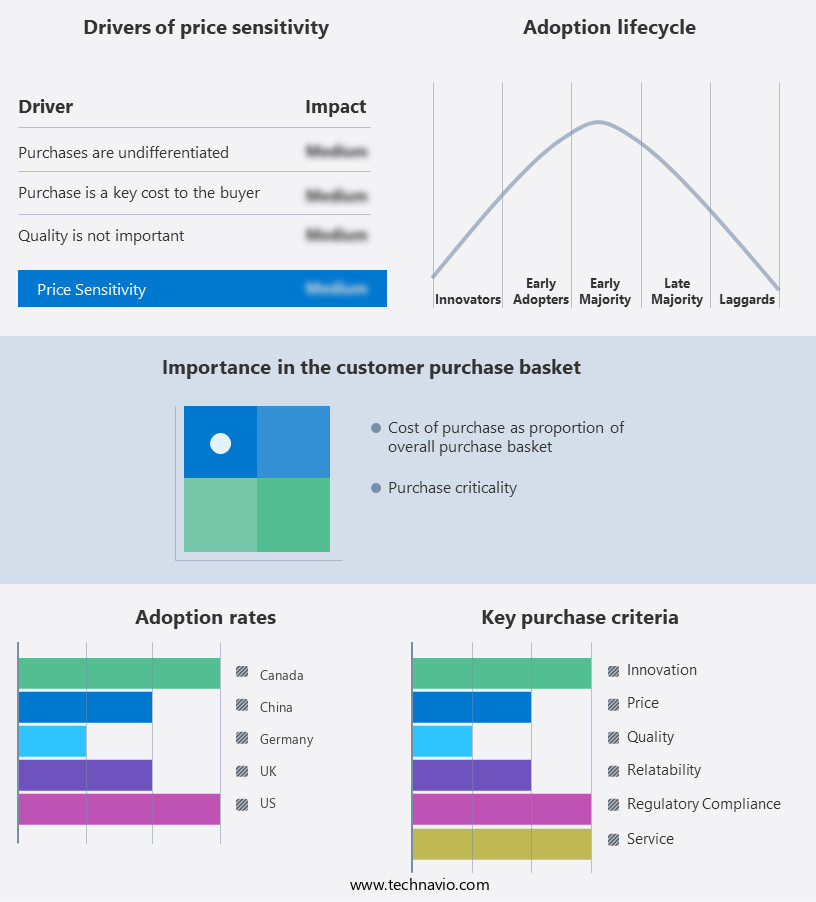
Customer Landscape
Key Companies & Market Insights
Companies are implementing various strategies, such as strategic alliances, reclaimed lumber market forecast, partnerships, mergers and acquisitions, geographical expansion, and product/service launches, to enhance their presence In the industry.
Altruwood Inc. - Reclaimed lumber, a sustainable and eco-friendly building material, is gaining significant traction In the construction industry. One notable option within this market segment is FSC Certified reclaimed lumber. This certification ensures the lumber has been sourced responsibly, contributing to the preservation of forests and promoting sustainable forest management. The use of reclaimed lumber offers several benefits, including reduced environmental impact, unique character, and durability. FSC Certified reclaimed lumber is a prime choice for architects, builders, and homeowners seeking to minimize their carbon footprint while maintaining high-quality construction standards.
The industry research and growth report includes detailed analyses of the competitive landscape of the market and information about key companies, including:
- Altruwood Inc.
- Atlantic Reclaimed Lumber LLC
- Beam and Board LLC
- Carpentier Hardwood Solutions NV
- Elemental Republic
- Elmwood Reclaimed Timber Inc.
- Imondi Flooring
- Jarmak Corp.
- Longleaf Lumber Inc.
- Montana Reclaimed Lumber Co.
- Olde Wood Ltd.
- TerraMai
- Trestlewood
- True American Grain Reclaimed Wood
- Vintage Timberworks Inc.
Qualitative and quantitative analysis of companies has been conducted to help clients understand the wider business environment as well as the strengths and weaknesses of key industry players. Data is qualitatively analyzed to categorize companies as pure play, category-focused, industry-focused, and diversified; it is quantitatively analyzed to categorize companies as dominant, leading, strong, tentative, and weak.
Research Analyst Overview
Reclaimed lumber has emerged as a popular choice In the global construction sector, driven by the growing demand for sustainable and eco-friendly building materials. This trend is particularly prevalent In the residential and commercial sectors, where green building practices are increasingly being adopted. Reclaimed lumber offers several advantages over virgin lumber, including reduced environmental impact, improved sustainability, and unique aesthetics. Construction activities that utilize reclaimed lumber contribute to the reduction of waste and the promotion of recycling. Reclaimed lumber is sourced from various origins, such as deconstruction activities, industrial processes, and urban machine parts. The use of reclaimed lumber in construction also reduces the need for new raw materials, thereby minimizing the environmental pollution associated with forest harvesting and manufacturing processes.
The market is witnessing significant growth due to the increasing focus on infrastructure modernization and the adoption of green construction practices. FDI inflows into the sector are also driving the demand for reclaimed lumber, as investors seek to capitalize on the growing trend towards sustainable building materials. Product innovation is another key factor driving the growth of the market, with manufacturers developing new techniques to enhance the durability and performance of reclaimed lumber products. Reclaimed lumber is finding extensive applications in various sectors, including flooring, furniture, and paneling. In the flooring segment, reclaimed lumber is being used to create unique and authentic designs, while in furniture manufacturing, it is being used to create custom-manufactured and vintage pieces.
The aesthetics of reclaimed lumber are a major draw for consumers, who value the authenticity and character that comes with using reclaimed materials. The use of reclaimed lumber in construction also offers several environmental benefits. It contributes to the reduction of waste in landfills and the promotion of sustainable building practices. The seismic performance and energy conservation properties of reclaimed lumber are also gaining attention, making it an attractive option for green buildings seeking LEED certification. Cross-laminated timber (CLT) and wood-based construction are other areas where reclaimed lumber is finding extensive use. These construction methods offer several advantages, including improved structural performance, energy efficiency, and reduced carbon footprint.
Reclaimed lumber is also being used In the manufacturing of steel and mountain pine beams and boards, further expanding its applications In the construction sector. In conclusion, the market is experiencing robust growth, driven by the increasing demand for sustainable and eco-friendly building materials. The unique aesthetics and environmental benefits of reclaimed lumber make it an attractive option for construction activities, particularly In the residential and commercial sectors. The trend towards green building practices and infrastructure modernization is expected to continue driving the demand for reclaimed lumber In the coming years.
|
Market Scope |
|
|
Report Coverage |
Details |
|
Page number |
128 |
|
Base year |
2023 |
|
Historic period |
2018-2022 |
|
Forecast period |
2024-2028 |
|
Growth momentum & CAGR |
Accelerate at a CAGR of 3% |
|
Market growth 2024-2028 |
USD 8.2 million |
|
Market structure |
Fragmented |
|
YoY growth 2023-2024(%) |
2.9 |
|
Key countries |
US, Germany, UK, China, and Canada |
|
Competitive landscape |
Leading Companies, Market Positioning of Companies, Competitive Strategies, and Industry Risks |
What are the Key Data Covered in this Reclaimed Lumber Market Research and Growth Report?
- CAGR of the Reclaimed Lumber industry during the forecast period
- Detailed information on factors that will drive the growth and forecasting between 2024 and 2028
- Precise estimation of the size of the market and its contribution of the industry in focus to the parent market
- Accurate predictions about upcoming growth and trends and changes in consumer behaviour
- Growth of the market across Europe, North America, APAC, Middle East and Africa, and South America
- Thorough analysis of the market’s competitive landscape and detailed information about companies
- Comprehensive analysis of factors that will challenge the reclaimed lumber market growth of industry companies
We can help! Our analysts can customize this reclaimed lumber market research report to meet your requirements.