
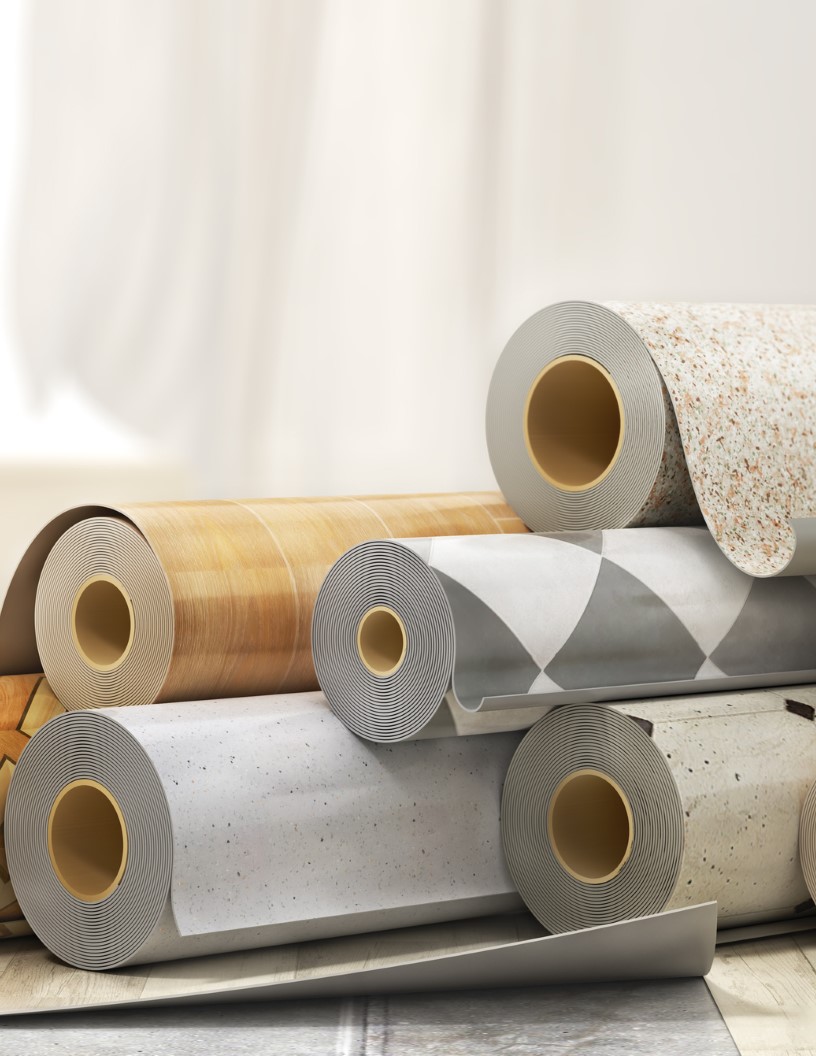


Resilient Flooring Market Size 2024-2028
The resilient flooring market size is forecast to increase by USD 23.3 billion at a CAGR of 6.36% between 2023 and 2028.
- The market is experiencing significant growth due to several key trends. One of the primary drivers is the increasing demand for waterproof resilient flooring, as consumers seek flooring solutions that can withstand moisture and prevent water damage. Another trend is the rise of hybrid resilient flooring, which offers the benefits of both resilient and other flooring types, such as vinyl or rubber. The materials, such as PVC, Mercury, Vinyl, and polyolefin, meet these demands, providing long-term value and contributing to the overall success of interior design projects. Additionally, various health and safety regulations related to resilient flooring are pushing manufacturers to produce flooring that meets stringent standards for indoor air quality and slip resistance. These factors are expected to contribute to the market's continued growth In the coming years.
What will be the Size of the Resilient Flooring Market During the Forecast Period?

- The market encompasses a range of scratch-resistant, waterproof, and odor-proof flooring solutions, including PVC, mercury, vinyl, and fiberglass vinyl sheets. These flooring options cater to the demands of modern workspaces and residential replacement markets, offering durability and easy maintenance. Innovative technologies, such as 3D printing and luxury vinyl tiles, continue to shape the industry, aligning with the latest building designs and interior designer preferences.
- Additionally, building product manufacturers contribute to this evolving landscape, providing solutions for ongoing construction work and new projects. Meanwhile, the market also includes traditional offerings, such as carpets, rugs, and ceramic tiles, ensuring a diverse range of options for consumers. Overall, the market remains a dynamic and innovative sector, responding to the needs of contemporary building materials and renovation activities.
How is this Resilient Flooring Industry segmented and which is the largest segment?
The industry research report provides comprehensive data (region-wise segment analysis), with forecasts and estimates in "USD billion" for the period 2024-2028, as well as historical data from 2018-2022 for the following segments.
- Product
- Luxury vinyl tiles
- Vinyl sheet and floor tiles
- Others
- End-user
- Non-residential
- Residential
- Geography
- APAC
- China
- India
- Japan
- North America
- US
- Europe
- Germany
- Middle East and Africa
- South America
- APAC
By Product Insights
- The luxury vinyl tiles segment is estimated to witness significant growth during the forecast period.
Luxury vinyl tiles (LVT) have gained popularity in both residential and commercial markets due to their ability to replicate the appearance of natural materials like wood, stone, and ceramic at an affordable cost. LVT's durability, resilience, and wear resistance make them suitable for high-traffic areas and demanding environments. The protective wear layers and scratch-resistant surfaces ensure longevity and low maintenance, making them desirable for consumers.
Additionally, innovative technologies and building designs continue to influence the market, with interior designers incorporating LVT in ultramodern workspaces, offices, and residential replacement projects. LVT offerings include PVC, Mercury, Vinyl floorings, and rubber floorings, among others. Sustainable flooring solutions, such as cork, natural linoleum, bamboo, and rubber, also have a presence In the market. The market solutions continues to expand in sectors like housing, healthcare facilities, educational facilities, and commercial infrastructure development.

Get a glance at the Resilient Flooring Industry report of share of various segments Request Free Sample
The luxury vinyl tiles segment was valued at USD 24.87 billion in 2018 and showed a gradual increase during the forecast period.
Regional Analysis
- APAC is estimated to contribute 38% to the growth of the global market during the forecast period.
Technavio's analysts have elaborately explained the regional trends and drivers that shape the market during the forecast period.

For more insights on the market share of various regions, Request Free Sample
In APAC, urbanization and industrialization drive construction activities in residential, commercial, and industrial sectors. The resulting demand, including LVT, linoleum, and rubber, stems from the need for durable, low-maintenance materials for new buildings, infrastructure projects, and urban development. Commercial spaces, such as offices, retail stores, hotels, restaurants, hospitals, and educational institutions, require resilient flooring solutions that can withstand heavy foot traffic, meet safety standards, and enhance visual appeal. Innovative technologies and building designs are increasingly popular, including 3D printing, tiles, and sustainable flooring solutions.
Additionally, key industries, such as healthcare, education, retail, housing, commercial, hospitality, and real estate, seek resilient flooring options that offer scratch resistance, waterproofing, odor-proofing, and moisture endurance.
Market Dynamics
Our resilient flooring market researchers analyzed the data with 2023 as the base year, along with the key drivers, trends, and challenges. A holistic analysis of drivers will help companies refine their marketing strategies to gain a competitive advantage.
What are the key market drivers leading to the rise In the adoption of Resilient Flooring Industry?
Growing demand for waterproof resilient flooring is the key driver of the market.
- Waterproof resilient flooring, including waterproof vinyl planks and tiles, offers superior moisture resistance compared to traditional flooring materials like wood or laminate. Ideal for areas prone to spills, moisture, and humidity, such as kitchens, bathrooms, basements, and laundry rooms, these flooring options ensure moisture endurance and maintain their integrity and appearance. Engineered for durability and resilience, waterproof resilient flooring can withstand exposure to water, spills, scratches, and wear and tear, making it suitable for both residential and commercial applications. Easy to clean and maintain, these flooring solutions require simple routine care, such as sweeping, mopping, or vacuuming, to keep the surface free of dirt, dust, and spills. Waterproof resilient flooring options, such as PVC, mercury, vinyl, linoleum, rubber, and polyolefin, are available in various styles, designs, and textures to cater to diverse interior design preferences. Innovative technologies, like 3D printing, are being employed to create unique tiles and building products, enhancing the aesthetic appeal of these floor coverings.
- Additionally, waterproof resilient flooring offers odor-proofing and scratch resistance, making them a preferred choice for spaces like healthcare facilities, educational institutions, and commercial infrastructure development. Sustainable flooring solutions, like Novalis Innovative Flooring's Brushed Line and pre-consumer recycled materials, are gaining popularity In the market due to their eco-friendly nature and reduced environmental impact. These flooring options are biodegradable and contribute to LEED ratings, making them an attractive choice for renovation activities and new construction projects.
What are the market trends shaping the Resilient Flooring Industry?
The rise of hybrid resilient flooring is the upcoming market trend.
- Hybrid resilient flooring is a market segment that offers innovative flooring solutions by combining various materials such as vinyl, rubber, and laminate. This fusion of materials caters to diverse consumer preferences and application requirements, providing a balance between durability, aesthetics, and performance. The resulting flooring options are engineered to be highly resilient, and capable of withstanding heavy foot traffic, spills, scratches, and wear and tear. The integration of vinyl wear layers, rigid cores, and protective coatings enhances the durability and longevity of these flooring solutions. Waterproofing and odor-proofing are essential features, making them ideal for ultramodern workspaces, offices, and residential replacement markets. Mercury, vinyl floorings, and rubber floorings are popular choices for their moisture resistance, making them suitable for bathrooms and kitchens. In contrast, linseed oil-based linoleum, cork, natural linoleum, bamboo, and rubber floorings offer a more natural look and feel, appealing to those seeking sustainable flooring solutions. The building materials industry is continually evolving, with ongoing construction work and new construction projects driving demand.
- Additionally, sustainability is a growing concern In the building materials industry, with a focus on raw materials and ongoing renovation activities. Polyolefin floor coverings, fiberglass vinyl sheets, composite tiles, and rugs are increasingly popular due to their biodegradable nature and eco-friendly production processes. The real estate sector, office leasing space, and various sectors, including retail, housing, commercial, hospitality, and industrial units, are embracing these sustainable flooring solutions to meet the demands of modern consumers and regulatory requirements, such as LEED ratings. In summary, the market is dynamic and diverse, offering a wide range of flooring solutions that cater to various application requirements and consumer preferences. The integration of innovative technologies and sustainable raw materials is driving the evolution of this market, ensuring that it remains a viable and attractive option for both residential and commercial applications.
What challenges does the Resilient Flooring Industry face during its growth?
The presence of various health and safety regulations related to resilient flooring is a key challenge affecting the industry's growth.
- Resilient flooring, including PVC, vinyl, rubber, and polyolefin floor coverings, is a popular choice for both commercial and residential applications due to its scratch resistance, waterproofing, and odor-proofing properties. In the US market, these flooring solutions are increasingly preferred for ultramodern workspaces in offices, educational facilities, healthcare facilities, and housing sectors. Compliance with indoor air quality (IAQ) standards, such as California's Section 01350, ANSI/BIFMA M7.1, and CDPH Standard Method v1.1, is crucial for manufacturers to ensure their products contribute to healthy indoor environments and meet regulatory requirements. The manufacturers conduct rigorous chemical emissions testing, following testing protocols like ASTM D5116, ASTM D6007, and ISO 16000 series, to assess and quantify emissions levels of volatile organic compounds (VOCs), formaldehyde, phthalates, heavy metals, and other hazardous substances.
- Additionally, by adhering to these standards, the manufacturers provide sustainable flooring solutions that meet the demands of innovative building designs, interior designers, and ongoing construction work in various industries, including retail stores, commercial infrastructure development, and new construction projects. From luxury vinyl tiles and fiberglass vinyl sheets to composite tiles and rugs, they offer a wide range of options for contractors, building materials suppliers, and end-users In the residential replacement market and non-residential sectors. The market is driven by the growing demand for floor covering solutions that offer superior moisture resistance, stain resistance, performance, and aesthetic appeal, making it an essential component of building products In the US.
Exclusive Customer Landscape
The market forecasting report includes the adoption lifecycle of the market, market growth and forecasting, covering from the innovator's stage to the laggard's stage. It focuses on adoption rates in different regions based on penetration. Furthermore, the market report also includes key purchase criteria and drivers of price sensitivity to help companies evaluate and develop their market growth analysis strategies.

Customer Landscape
Key Companies & Market Insights
Companies are implementing various strategies, such as strategic alliances, market forecast, partnerships, mergers and acquisitions, geographical expansion, and product/service launches, to enhance their presence In the industry. The industry research and growth report includes detailed analyses of the competitive landscape of the market and information about key companies, including:
- Armstrong World Industries Inc.
- Cali Bamboo LLC
- Ecore International
- Forbo Management SA
- Gerflor Group
- Interface Inc.
- James Halstead plc
- Kahrs
- M S International Inc.
- Merino Laminates Ltd.
- Milliken and Co.
- Mohawk Carpet LLC
- NewAge Products Inc.
- One Wood Floors
- Premium Floors
- REGUPOL Germany GmbH and Co. KG
- Responsive Industries Ltd.
- Shaw Industries Group Inc.
- Stonhard
- Tarkett
Qualitative and quantitative analysis of companies has been conducted to help clients understand the wider business environment as well as the strengths and weaknesses of key industry players. Data is qualitatively analyzed to categorize companies as pure play, category-focused, industry-focused, and diversified; it is quantitatively analyzed to categorize companies as dominant, leading, strong, tentative, and weak.
Research Analyst Overview
The market encompasses a range of floor covering solutions that offer superior durability, scratch resistance, and waterproofing properties. These flooring options are increasingly popular in both commercial and residential applications due to their ability to withstand heavy foot traffic and harsh environmental conditions. One of the key advantages is its ability to provide effective odor-proofing, making it an ideal choice for ultramodern workspaces and offices. In the residential sector, it is gaining traction as a replacement for traditional flooring materials such as cork, natural linoleum, bamboo, and rubber. PVC and vinyl floorings are among the most commonly used resilient flooring types. They offer excellent moisture resistance, making them suitable for bathrooms and kitchens. Mercury, a leading manufacturer, produces a wide range of products that cater to various market segments. The ongoing construction work and new projects In the non-residential sector, including offices, healthcare facilities, educational institutions, and commercial infrastructure development, are driving the demand for resilient flooring. Innovative technologies and building designs are also fueling the growth of the market.
Additionally, interior designers are increasingly incorporating them into their projects due to its aesthetic appeal and comfort of feeling underfoot. The use of 3D printing technology In the production of tiles and other resilient flooring accessories adds to the product's versatility and appeal. The raw materials used In the production of resilient flooring, such as polymers and polyurethane, are subject to ongoing research and development to improve their performance and sustainability. The housing sector is another significant market. Homeowners are increasingly seeking flooring options that offer superior durability and ease of maintenance. The real estate sector is also recognizing the value of them in office leasing spaces, as it offers a long-lasting and cost-effective solution. The use of this flooring in LEED ratings and renovation activities is another trend that is gaining momentum.
Thus, luxury vinyl tiles, fiberglass vinyl sheets, and composite tiles are popular choices for projects aiming for LEED certification. In summary, the market is witnessing strong growth due to its superior durability, scratch resistance, and waterproofing properties. The increasing demand for sustainable flooring solutions and the incorporation of innovative technologies and building designs are also contributing to the market's growth. The market offers a wide range of products, including PVC and vinyl floorings, rubber floorings, and linoleum, among others, catering to various market segments.
|
Resilient Flooring Market Scope |
|
|
Report Coverage |
Details |
|
Page number |
163 |
|
Base year |
2023 |
|
Historic period |
2018-2022 |
|
Forecast period |
2024-2028 |
|
Growth momentum & CAGR |
Accelerate at a CAGR of 6.36% |
|
Market growth 2024-2028 |
USD 23.3 billion |
|
Market structure |
Fragmented |
|
YoY growth 2023-2024(%) |
5.36 |
|
Key countries |
US, China, Japan, India, and Germany |
|
Competitive landscape |
Leading Companies, Market Positioning of Companies, Competitive Strategies, and Industry Risks |
What are the Key Data Covered in this Resilient Flooring Market Research and Growth Report?
- CAGR of the Resilient Flooring industry during the forecast period
- Detailed information on factors that will drive the Resilient Flooring growth and forecasting between 2024 and 2028
- Precise estimation of the size of the market and its contribution of the industry in focus to the parent market
- Accurate predictions about upcoming growth and trends and changes in consumer behaviour
- Growth of the market across APAC, North America, Europe, Middle East and Africa, and South America
- Thorough analysis of the market's competitive landscape and detailed information about companies
- Comprehensive analysis of factors that will challenge the resilient flooring market growth of industry companies
We can help! Our analysts can customize this resilient flooring market research report to meet your requirements.