

Sanitary Valves Market Size 2026-2030
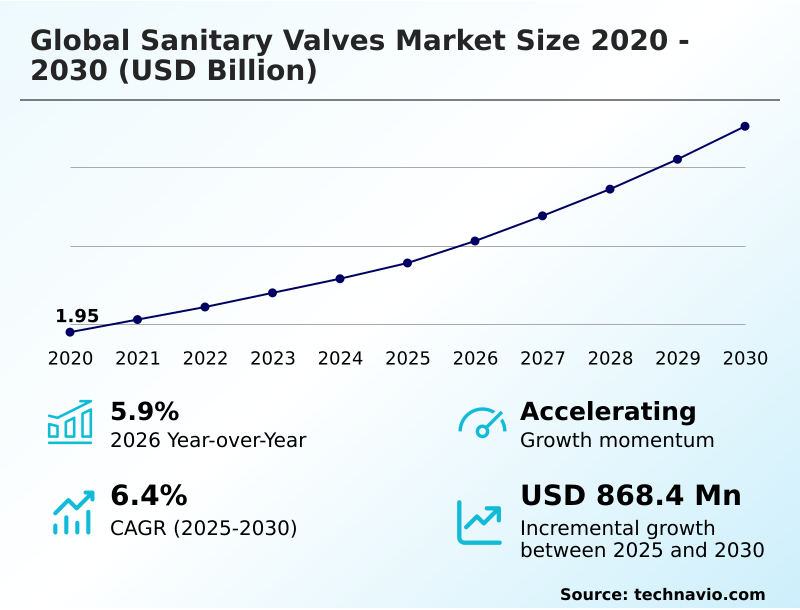
The sanitary valves market size is valued to increase by USD 868.4 million, at a CAGR of 6.4% from 2025 to 2030. Integration of industry 4.0 and smart valve automation technologies will drive the sanitary valves market.
Major Market Trends & Insights
- APAC dominated the market and accounted for a 50.4% growth during the forecast period.
- By End-user - Pharmaceutical segment was valued at USD 779 million in 2024
- By Product - Control valves segment accounted for the largest market revenue share in 2024
Market Size & Forecast
- Market Opportunities: USD 1.31 billion
- Market Future Opportunities: USD 868.4 million
- CAGR from 2025 to 2030 : 6.4%
Market Summary
- The sanitary valves market is undergoing a crucial evolution, driven by heightened regulatory demands for hygiene and the digital transformation of manufacturing. In sectors like pharmaceuticals and food processing, the need to prevent contamination is absolute, making advanced fluid handling solutions essential.
- This is fueling a shift toward components that not only ensure sterility but also integrate with smart factory ecosystems. For instance, a dairy processing facility can leverage valves with embedded IoT sensors to monitor clean-in-place (CIP) cycles in real-time.
- This provides auditable data for compliance and allows for the dynamic adjustment of cleaning agent concentrations, reducing resource consumption without compromising safety. This convergence of mechanical precision and digital intelligence, alongside a growing emphasis on sustainability and modular system design, defines the industry's trajectory.
- As manufacturers navigate supply chain complexities for high-grade materials, the focus remains on delivering reliable, compliant, and efficient solutions that support safe and continuous production.
What will be the Size of the Sanitary Valves Market during the forecast period?
Get Key Insights on Market Forecast (PDF) Get Free Sample
How is the Sanitary Valves Market Segmented?
The sanitary valves industry research report provides comprehensive data (region-wise segment analysis), with forecasts and estimates in "USD million" for the period 2026-2030, as well as historical data from 2020-2024 for the following segments.
- End-user
- Pharmaceutical
- Processed food
- Beverages
- Dairy
- Others
- Product
- Control valves
- Double valves
- Single valves
- Butterfly valves
- Others
- Material
- Stainless steel
- Alloy steel
- Plastic
- Geography
- APAC
- China
- Japan
- India
- Europe
- Germany
- UK
- France
- North America
- US
- Canada
- Mexico
- South America
- Brazil
- Argentina
- Colombia
- Middle East and Africa
- UAE
- Saudi Arabia
- South Africa
- Rest of World (ROW)
- APAC
By End-user Insights
The pharmaceutical segment is estimated to witness significant growth during the forecast period.
The pharmaceutical segment drives significant demand, mandating a sterile processing environment for biopharmaceutical fluid control and aseptic valve for cell therapy production.
This sector requires strict adherence to asme bpe compliance, leading to widespread adoption of components featuring a zero-dead-leg design and electropolished surfaces to ensure sterility.
Innovations in aseptic diaphragm valves and mix-proof valves, typically fabricated from 316l stainless steel, are critical. Facilities are optimizing clean-in-place cip cycles, with advanced valve technology enabling a 15% reduction in water and chemical usage during sanitation.
This focus extends to beverage production line hygiene and dairy processing valve solutions, where food-grade valve maintenance is paramount for ensuring product safety and operational efficiency.
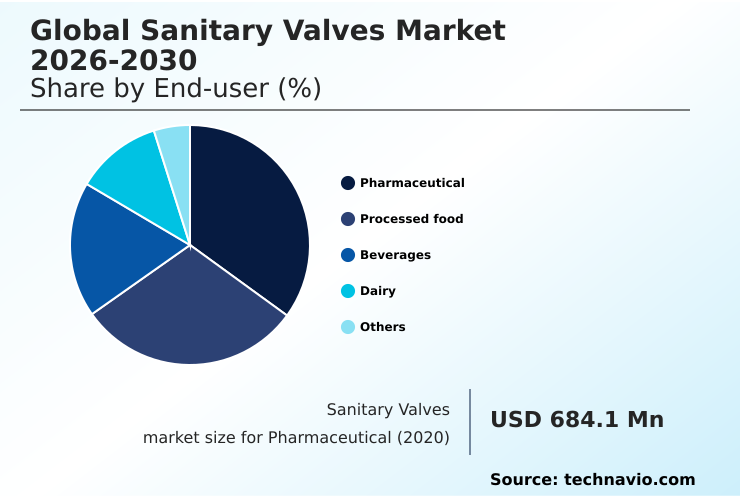
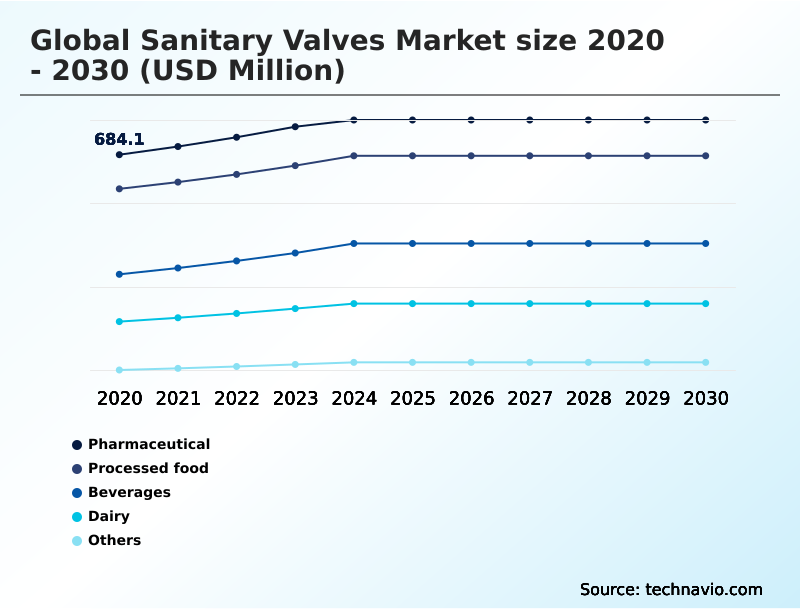
The Pharmaceutical segment was valued at USD 779 million in 2024 and showed a gradual increase during the forecast period.
Regional Analysis
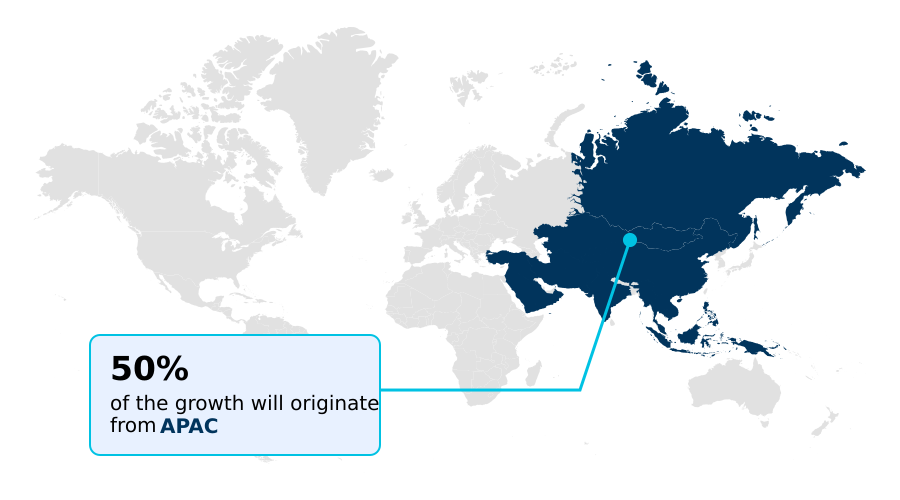
APAC is estimated to contribute 50.4% to the growth of the global market during the forecast period.Technavio’s analysts have elaborately explained the regional trends and drivers that shape the market during the forecast period.
See How Sanitary Valves Market Demand is Rising in APAC Get Free Sample
The geographic landscape is led by APAC, which accounts for over 50% of the incremental growth, fueled by industrialization in China and India.
This region is a major adopter of specialty sanitary valves and positive displacement pump systems for food processing.
In contrast, North America and Europe are mature markets focused on innovation, such as additive manufacturing and selective laser melting for high-purity and abrasive applications and water-hydraulic process valves that reduce energy use by over 20%.
These regions prioritize sustainable lifecycle management and verifiable sustainability data. Europe's 5.8% growth is driven by upgrades to existing systems, while the rapid expansion in APAC also elevates the counterfeit material risk.
Demand is also rising for hygienic manual valves and portable sanitation infrastructure in developing areas.
Market Dynamics
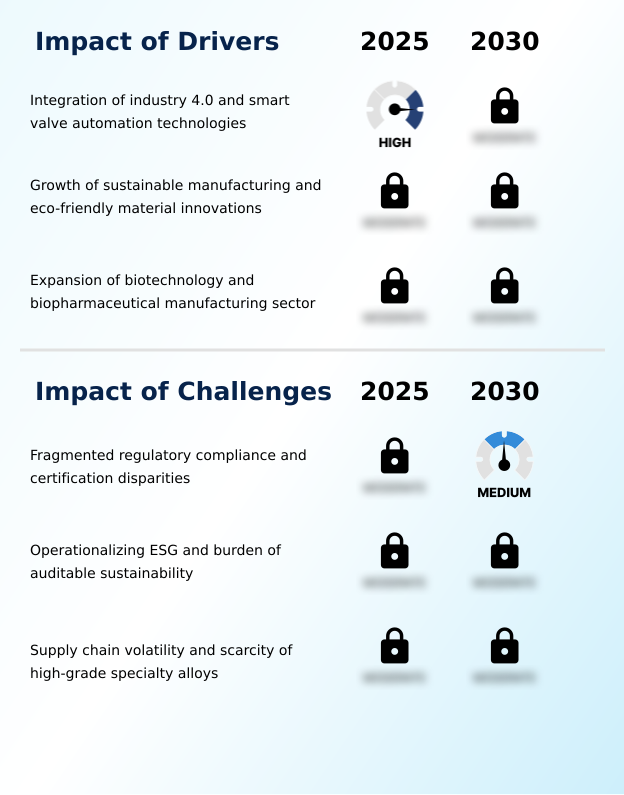
Our researchers analyzed the data with 2025 as the base year, along with the key drivers, trends, and challenges. A holistic analysis of drivers will help companies refine their marketing strategies to gain a competitive advantage.
- Strategic sourcing in the sanitary valves market requires a detailed evaluation beyond initial price, encompassing total cost of ownership. Key decisions involve comparing 316l vs 304 stainless steel sanitary valves for corrosion resistance and assessing the cip efficiency of diaphragm vs butterfly valves for specific applications.
- Finding the best sanitary valve for high-viscosity food is critical for preventing product degradation, while concurrently reducing dead legs in pharmaceutical piping is non-negotiable for sterility. The debate between single-use vs reusable bioprocessing valves hinges on balancing operational flexibility with long-term cost.
- Implementing smart valve automation for dairy processing can improve yields, while adherence to ehedg vs 3-a sanitary standards determines market access. The cost of non-compliance in aseptic processing can be catastrophic, with facilities addressing it seeing audit pass rates improve by over 25% compared to those that don't. A proper sanitary valve selection for craft breweries ensures product consistency.
- Preventing bio-burden in sterile injectables demands meticulous material traceability for pharma valves and superior impact of surface finish on cleanability. Other crucial considerations include selecting a pressure relief valve for aseptic tanks, ensuring leakage prevention in aseptic connections, and choosing the right valve design for modular skid systems.
- Proper maintenance of mix-proof valves and selecting elastomers for steam sterilization extend asset life. Automating fluid transfer in wineries, using iot sensor integration in sanitary valves, and managing validation of single-use fluid paths are also vital. Finally, the choice of a sanitary valve for high-pressure homogenization and flow control valves for monoclonal antibodies requires deep technical expertise.
What are the key market drivers leading to the rise in the adoption of Sanitary Valves Industry?
- The integration of Industry 4.0 principles and smart valve automation technologies is a key driver, enabling real-time monitoring and predictive maintenance in fluid control systems.
- The integration of industrial internet of things sensors is a major driver, enabling eco-friendly manufacturing processes and auditable sustainability actions. A smart valve positioner allows for real-time monitoring, reducing unplanned downtime in hygienic process applications by up to 30%.
- This digitalization is supported by the digital product passport framework, which enhances traceability for components like high-purity stainless steel aseptic seat valves.
- The flow control division of manufacturers is developing modular valve units that incorporate low-torque actuation, lowering energy consumption by 15%.
- This focus on intelligent, sustainable hardware helps mitigate geopolitical supply chain risk associated with high-grade specialty alloys and meets demands for greater operational transparency and efficiency.
What are the market trends shaping the Sanitary Valves Industry?
- The adoption of single-use sterile valve technology is an important trend, driven by the need to enhance operational flexibility and eliminate cross-contamination risks in biopharmaceutical processing.
- A significant trend is the adoption of single-use valve technology, utilizing high-purity polymers for reducing cross-contamination in pharma, which can decrease changeover times by over 40%. This shift prioritizes sterility over hardware longevity, optimizing cip sip cycles.
- In parallel, the growth in craft beverage production is increasing demand for robust brewery fluid handling equipment, including sanitary ball valves with superior hygienic flow control. Innovations like the leakage detection butterfly valve offer a cost-effective alternative for monitoring pharmaceutical-grade sealing technology. For cosmetic manufacturing process control and handling hygienic valve for viscous fluids, a pneumatic actuator provides reliable performance.
- Advanced aseptic sampling techniques also ensure product integrity, with some systems improving sample purity by 25%.
What challenges does the Sanitary Valves Industry face during its growth?
- Fragmented regulatory compliance and disparities in certification standards across regions present a key challenge, increasing development costs and operational complexity for manufacturers.
- Supply chain volatility for high-grade alloys presents a significant challenge, with price fluctuations exceeding 20% and impacting the production of bioprocessing equipment and fluid handling solutions. This affects sectors from personalized medicine manufacturing and advanced gene therapies to the craft brewery segment.
- The need for specialized zero-static diaphragm valves and aseptic sampling valves in contract development and manufacturing organizations is intensifying, but sourcing is difficult. Furthermore, valve automation technologies are essential for modular and flexible valve systems, yet integrating them with legacy systems can increase project costs by 15%.
- The boutique distillery sector and makers of complex valve geometries also face difficulties in procuring materials and specialized components, hindering their growth potential.
Exclusive Technavio Analysis on Customer Landscape
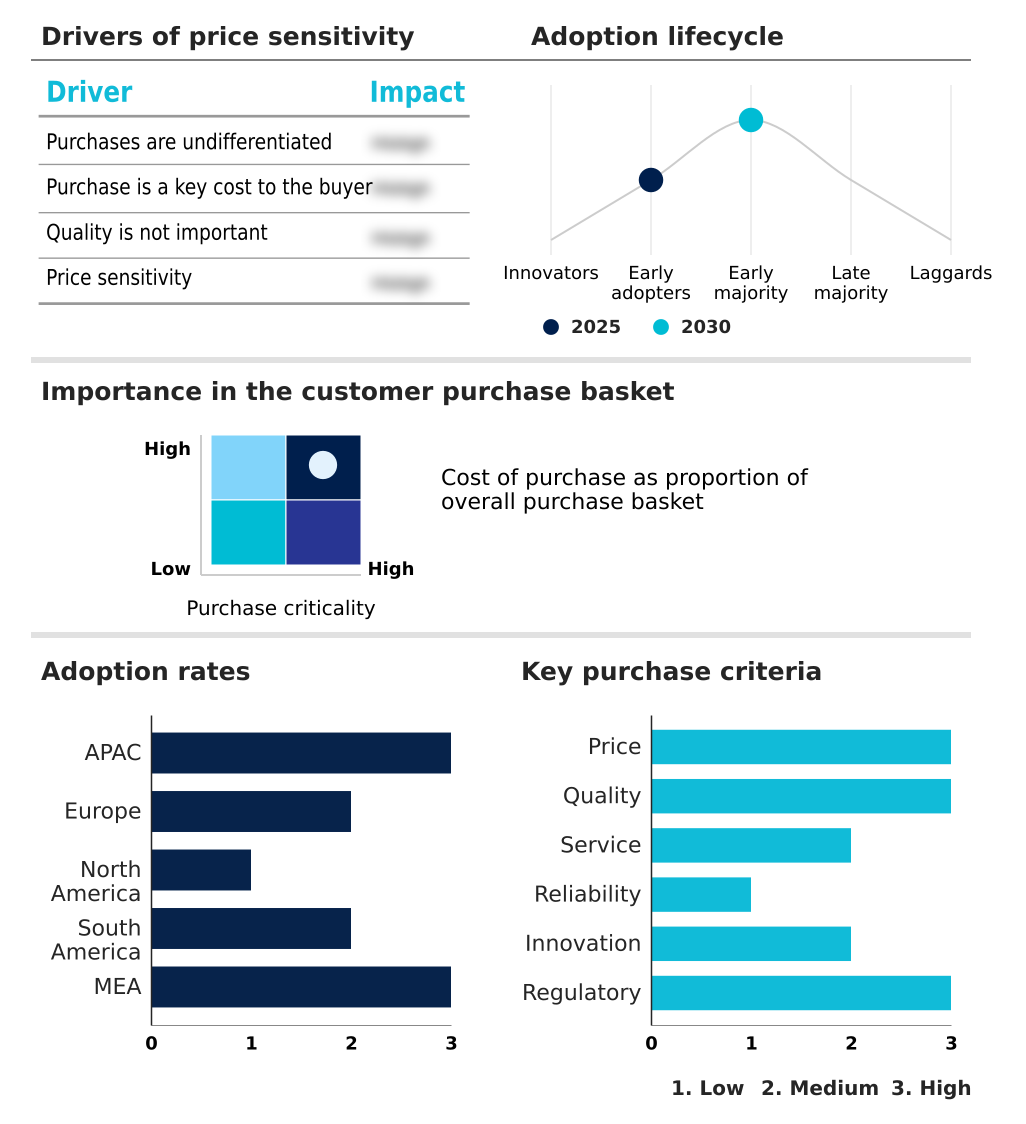
The sanitary valves market forecasting report includes the adoption lifecycle of the market, covering from the innovator’s stage to the laggard’s stage. It focuses on adoption rates in different regions based on penetration. Furthermore, the sanitary valves market report also includes key purchase criteria and drivers of price sensitivity to help companies evaluate and develop their market growth analysis strategies.
Customer Landscape of Sanitary Valves Industry
Competitive Landscape
Companies are implementing various strategies, such as strategic alliances, sanitary valves market forecast, partnerships, mergers and acquisitions, geographical expansion, and product/service launches, to enhance their presence in the industry.
Adamant Valves - Offers a range of sanitary valves including butterfly, ball, and check valves, along with sight glasses and unions for hygienic applications.
The industry research and growth report includes detailed analyses of the competitive landscape of the market and information about key companies, including:
- Adamant Valves
- Alfa Laval AB
- Ampco Pumps Co.
- Dover Corp.
- Evoguard GmbH
- Flowserve Corp.
- FRISTAM Pumpen KG GmbH and Co.
- GEA Group AG
- GEMU Group
- Graco Inc.
- Grundfos Holding AS
- Habonim Industrial Ltd.
- IDEX Corp.
- INOXPA SAU
- ITT Inc.
- KSB SE and Co. KGaA
- Pentair Plc
- SPX FLOW Inc.
- Steriflow Valve
- Valtorc International
- Verder Group
- Xylem Inc.
Qualitative and quantitative analysis of companies has been conducted to help clients understand the wider business environment as well as the strengths and weaknesses of key industry players. Data is qualitatively analyzed to categorize companies as pure play, category-focused, industry-focused, and diversified; it is quantitatively analyzed to categorize companies as dominant, leading, strong, tentative, and weak.
Recent Development and News in Sanitary valves market
- In December 2024, GEA Group AG announced the acquisition of Hydract A/S, a Danish specialist in water-hydraulic process valves, to integrate energy-efficient actuation technology into its portfolio.
- In January 2025, ITT Inc. revealed a definitive agreement to acquire SPX FLOW Inc. in a transaction valued at approximately USD 4.7 billion, significantly expanding its leadership in high-purity and sanitary flow applications.
- In February 2025, Eli Lilly and Co. announced a capital investment plan exceeding USD 27 billion to expand its US manufacturing footprint, signaling a substantial future demand for high-purity components like sanitary valves.
- In March 2025, Alfa Laval AB expanded its hygienic portfolio with the launch of the Unique SSV Pressure Relief Valve and a new leakage detection butterfly valve, enhancing safety in fluid handling systems.
Dive into Technavio’s robust research methodology, blending expert interviews, extensive data synthesis, and validated models for unparalleled Sanitary Valves Market insights. See full methodology.
| Market Scope | |
|---|---|
| Page number | 307 |
| Base year | 2025 |
| Historic period | 2020-2024 |
| Forecast period | 2026-2030 |
| Growth momentum & CAGR | Accelerate at a CAGR of 6.4% |
| Market growth 2026-2030 | USD 868.4 million |
| Market structure | Fragmented |
| YoY growth 2025-2026(%) | 5.9% |
| Key countries | China, Japan, India, South Korea, Australia, Indonesia, Germany, UK, France, Italy, Spain, The Netherlands, US, Canada, Mexico, Brazil, Argentina, Colombia, UAE, Saudi Arabia, South Africa, Egypt and Turkey |
| Competitive landscape | Leading Companies, Market Positioning of Companies, Competitive Strategies, and Industry Risks |
Research Analyst Overview
- The sanitary valves market is advancing beyond traditional fluid handling, driven by the integration of intelligent systems and sustainable design principles. Core components such as aseptic diaphragm valves and mix-proof valves are now expected to deliver not just hygienic flow control but also actionable data.
- The adoption of a smart valve positioner and valve automation technologies transforms bioprocessing equipment into connected assets. For boardroom-level budgeting, this means justifying higher initial capital for a modular valve unit with low-torque actuation, as it promises long-term ROI through reduced energy costs and fewer maintenance cycles. Facilities using this technology have reported a 30% reduction in unplanned maintenance events.
- The use of high-purity stainless steel, 316l stainless steel, and high-purity polymers remains critical for meeting asme bpe compliance in hygienic process applications. Innovations like the leakage detection butterfly valve and aseptic sampling systems, alongside advances in clean-in-place cip and electropolished surfaces, are essential for achieving a zero-dead-leg design.
- As the industry's flow control division focuses on specialized solutions like aseptic seat valves and zero-static diaphragm valves, the emphasis is on creating holistic fluid handling solutions.
What are the Key Data Covered in this Sanitary Valves Market Research and Growth Report?
-
What is the expected growth of the Sanitary Valves Market between 2026 and 2030?
-
USD 868.4 million, at a CAGR of 6.4%
-
-
What segmentation does the market report cover?
-
The report is segmented by End-user (Pharmaceutical, Processed food, Beverages, Dairy, and Others), Product (Control valves, Double valves, Single valves, Butterfly valves, and Others), Material (Stainless steel, Alloy steel, and Plastic) and Geography (APAC, Europe, North America, South America, Middle East and Africa)
-
-
Which regions are analyzed in the report?
-
APAC, Europe, North America, South America and Middle East and Africa
-
-
What are the key growth drivers and market challenges?
-
Integration of industry 4.0 and smart valve automation technologies, Fragmented regulatory compliance and certification disparities
-
-
Who are the major players in the Sanitary Valves Market?
-
Adamant Valves, Alfa Laval AB, Ampco Pumps Co., Dover Corp., Evoguard GmbH, Flowserve Corp., FRISTAM Pumpen KG GmbH and Co., GEA Group AG, GEMU Group, Graco Inc., Grundfos Holding AS, Habonim Industrial Ltd., IDEX Corp., INOXPA SAU, ITT Inc., KSB SE and Co. KGaA, Pentair Plc, SPX FLOW Inc., Steriflow Valve, Valtorc International, Verder Group and Xylem Inc.
-
Market Research Insights
- The market is defined by a strategic push toward auditable sustainability actions and advanced process control. The adoption of industrial internet of things sensors allows facilities to gather verifiable sustainability data, with some operations reducing water usage in cleaning cycles by up to 20%. This digital product passport framework enhances traceability, a key factor in biopharmaceutical fluid control.
- For eco-friendly manufacturing processes, the focus is on energy-efficient pneumatic systems and sustainable lifecycle management. Investments in technologies that address geopolitical supply chain risk for high-grade specialty alloys are increasing, as sourcing disruptions can impact production schedules by over 30%. These dynamics reflect a market prioritizing operational resilience, compliance, and resource efficiency.
We can help! Our analysts can customize this sanitary valves market research report to meet your requirements.
 RIA -
RIA -