



SCADA Market Size 2024-2028
The scada market size is forecast to increase by USD 4.27 billion at a CAGR of 7.34% between 2023 and 2028.
- The Supervisory Control and Data Acquisition (SCADA) market is experiencing significant growth, driven primarily by the increasing adoption in the manufacturing industry. This sector's reliance on SCADA systems for process automation, real-time monitoring, and data analysis is escalating, as companies seek to enhance operational efficiency and productivity. An emerging trend in the market is the growing popularity of open-source SCADA solutions, which offer cost-effective alternatives to proprietary systems. However, the lack of awareness and about the benefits of SCADA systems among smaller organizations and industries presents a challenge for market expansion.
- To capitalize on this opportunity, companies must focus on educating potential customers about the value proposition of SCADA technology and providing affordable, user-friendly solutions. Effective navigation of these challenges will require a strategic approach, including targeted marketing efforts, collaborations with industry associations, and continued innovation in open-source SCADA offerings.
What will be the Size of the SCADA Market during the forecast period?
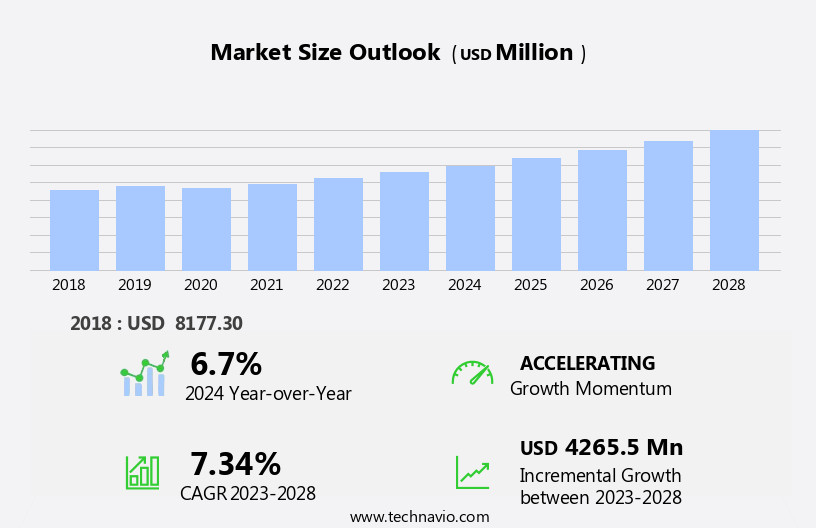
- The market encompasses hardware and software solutions for networked data communications in operational technology (OT) environments, primarily serving the power and industrial sectors. This market is experiencing significant growth due to the integration of Industry 4.0 solutions, which prioritize automation, connectivity, and real-time data analysis. SCADA systems facilitate machine-to-machine communication, enabling the optimization of production processes and enhancing overall efficiency. Key trends include the adoption of cloud computing technology, wireless sensor networks, and graphical user interfaces. These advancements contribute to improved cybersecurity measures, such as ORCA Security, ensuring the protection of critical infrastructure against cyberattacks. Additionally, investment costs are being mitigated through the availability of cloud-based solutions and services.
- The pharmaceuticals industry and other sectors are increasingly adopting SCADA systems to streamline their operations and maintain regulatory compliance. The market's expansion is further driven by the integration of machine technology and the increasing importance of network security in the face of evolving cyber threats. Temasek's recent investment in this sector underscores the market's potential for continued growth and innovation.
How is this SCADA Industry segmented?
The scada industry research report provides comprehensive data (region-wise segment analysis), with forecasts and estimates in "USD million" for the period 2024-2028, as well as historical data from 2018-2022 for the following segments.
- End-user
- Oil and gas
- Manufacturing
- Power
- Water and wastewater treatment
- Others
- Type
- Solution
- Services
- Geography
- APAC
- China
- Japan
- North America
- US
- Europe
- France
- Germany
- Middle East and Africa
- South America
- APAC
By End-user Insights
The oil and gas segment is estimated to witness significant growth during the forecast period.
The Supervisory Control and Data Acquisition (SCADA) market is experiencing significant growth due to the increasing complexities in the production and distribution processes of various industries, particularly in the oil and gas sector. SCADA systems facilitate communication between remotely located units, enabling real-time data acquisition and automation of industrial processes. A key trend driving the market is the shift towards open architecture and control architecture, which is moving from a centralized to a distributed model. This transition allows for improved field visibility and resource utilization, as well as the integration of Industry 4.0 initiatives, including machine learning (ML) and artificial intelligence (AI), industrial IoT, and wireless sensor networks.
The demand for SCADA systems is being fueled by offshore explorations in regions such as the Americas and APAC, where projects are planned in the South China Sea, the West Australian Coast, and the Gulf of Thailand. The power industry, manufacturing industries, food safety, and pharmaceuticals industry are also major consumers of SCADA systems, as they require automated systems, networked data communications, and data visualization for operational efficiency and improved cybersecurity. Cloud computing technology and cloud-based solutions are increasingly being adopted for their cost-effectiveness and flexibility. However, cyber threats, including cyberattacks, are a major concern for industries relying on SCADA systems.
Orca Security and other companies offer services and solutions to mitigate these risks and ensure the security of industrial networks and field devices. In summary, the market is experiencing growth due to the increasing complexities in industrial processes, the shift towards open architecture, and the demand for real-time data and automation. The adoption of cloud computing and cybersecurity solutions is expected to continue driving the market forward.
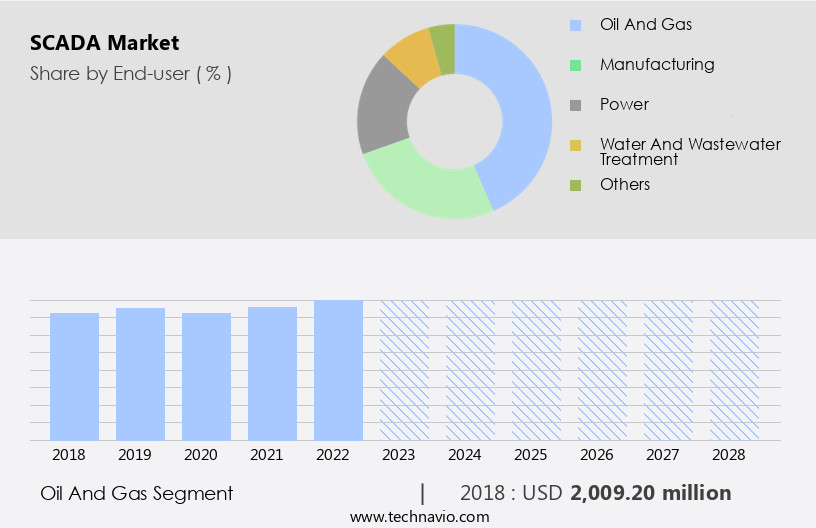
Get a glance at the market report of share of various segments Request Free Sample
The Oil and gas segment was valued at USD 2.01 billion in 2018 and showed a gradual increase during the forecast period.
Regional Analysis
APAC is estimated to contribute 47% to the growth of the global market during the forecast period.Technavio’s analysts have elaborately explained the regional trends and drivers that shape the market during the forecast period.
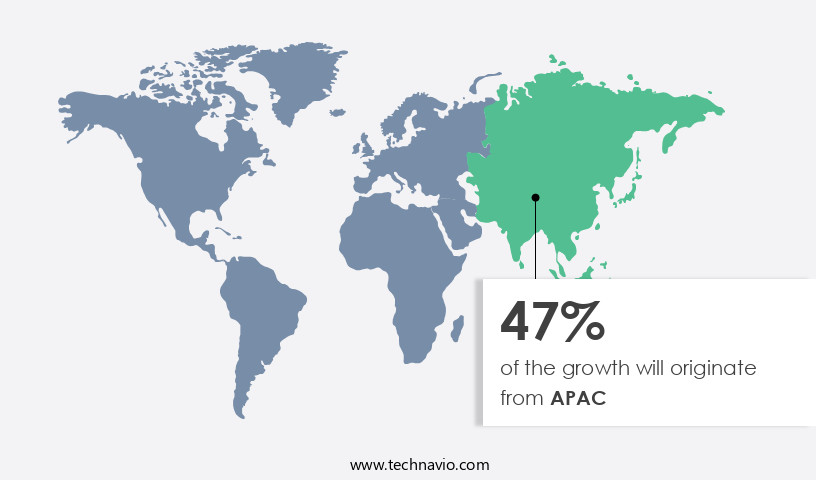
For more insights on the market size of various regions, Request Free Sample
The market in APAC is experiencing significant growth due to the region's industrial advancements and substantial investments. With industries such as water and wastewater treatment, power, manufacturing, and oil and gas present in the region, the demand for SCADA systems is increasing. The continuous exploration of oil and gas reserves in countries like Thailand, China, and Indonesia is a major driving factor. Furthermore, population growth, urbanization, and rising consumer income levels in developing economies like India and China are increasing the demand for these resources, thereby fueling the need for efficient automation technologies. SCADA systems enable real-time data monitoring, resource utilization, and automated control of industrial processes.
They offer data visualization capabilities, networked data communications, and graphical user interfaces, making them essential for industries seeking to optimize their operations. In addition, the integration of Industry 4.0 initiatives, Machine technology, Industrial IoT, and Cloud computing technology is enhancing the functionality of SCADA systems. However, the increasing use of SCADA systems also presents cybersecurity challenges. Cyber threats, such as cyberattacks, pose a significant risk to operational technology and critical infrastructure. Orca Security and other cybersecurity companies offer services to mitigate these risks, ensuring the protection of valuable data and assets. SCADA systems are not limited to the power industry but are also widely used in the pharmaceuticals industry and other manufacturing industries.
They play a crucial role in ensuring food safety, managing warehouse operations, and optimizing the performance of generators, compressors, separators, tanks, and other field devices. With the increasing adoption of wireless sensor networks and artificial intelligence (AI) and machine learning (ML) technologies, SCADA systems are becoming more sophisticated and effective in addressing the complexities of modern industrial operations. Cloud-based solutions are gaining popularity due to their cost-effectiveness and ease of implementation. These solutions offer the benefits of real-time data access, scalability, and flexibility, making them an attractive option for businesses seeking to optimize their operations while minimizing investment costs.
In , the market is poised for continued growth, driven by the increasing demand for automation, resource optimization, and cybersecurity solutions in various industries.
Market Dynamics
Our researchers analyzed the data with 2023 as the base year, along with the key drivers, trends, and challenges. A holistic analysis of drivers will help companies refine their marketing strategies to gain a competitive advantage.
What are the key market drivers leading to the rise in the adoption of SCADA Industry?
- Increasing adoption in manufacturing industry is the key driver of the market.
- The market is experiencing significant growth due to its increasing adoption in the manufacturing industry. These systems are essential for industrial automation and process control, enabling manufacturers to enhance production efficiency, monitor equipment performance in real-time, and optimize quality control processes. The demand for SCADA solutions is particularly strong in countries with growing economies, such as India, China, Taiwan, South Korea, Turkey, South Africa, Brazil, and Mexico. The establishment of manufacturing hubs in these regions is further driving the adoption of automation systems like SCADA.
- For instance, Schneider Electric SE announced plans to start a manufacturing hub for domestic sales in India by 2026. Overall, The market is poised for continued expansion as more manufacturers seek to improve their operational capabilities and remain competitive in an increasingly automated industry.
What are the market trends shaping the SCADA Industry?
- Growing popularity of open-source SCADA is the upcoming market trend.
- The market is witnessing significant growth due to the increasing adoption of open-source SCADA solutions. These solutions offer advantages such as flexibility, cost-effectiveness, and customization options, making them a popular choice for various industries and organizations. The trend toward open-source SCADA systems is driven by the need for scalable and adaptable systems that can seamlessly integrate with various technologies and provide real-time monitoring and control capabilities.
- Open-source SCADA software often includes interface applications, development libraries, and front and back-end applications, allowing companies to differentiate their offerings and penetrate the market with customized solutions. This flexibility is a key factor driving the growth of the market.
What challenges does the SCADA Industry face during its growth?
- Lack of awareness is a key challenge affecting the industry growth.
- The market faces challenges due to inadequate awareness and implementation of cybersecurity standards, such as NIST, 20% Critical Security Controls, and NERC CIP. These guidelines ensure proper usage of SCADA systems, but their lack of and adherence hinder market expansion. Additionally, the scarcity of skilled labor poses a significant challenge, as a competent workforce is essential for optimizing production processes.
- The ambiguity surrounding security issues can lead to substantial losses in production and time. As a , it's crucial to the importance of addressing these challenges to fully leverage the benefits of SCADA systems.
Exclusive Customer Landscape
The scada market forecasting report includes the adoption lifecycle of the market, covering from the innovator’s stage to the laggard’s stage. It focuses on adoption rates in different regions based on penetration. Furthermore, the scada market report also includes key purchase criteria and drivers of price sensitivity to help companies evaluate and develop their market growth analysis strategies.

Customer Landscape
Key Companies & Market Insights
Companies are implementing various strategies, such as strategic alliances, scada market forecast, partnerships, mergers and acquisitions, geographical expansion, and product/service launches, to enhance their presence in the industry.
ABB Ltd. - The company provides advanced SCADA solutions, including Compact HMI systems, enhancing operational efficiency and data visualization for various industries. These systems enable real-time monitoring, automated control, and data analysis, contributing to improved performance and cost savings. By integrating user-friendly interfaces and security features, the company's SCADA solutions cater to the evolving needs of modern businesses worldwide.
The industry research and growth report includes detailed analyses of the competitive landscape of the market and information about key companies, including:
- ABB Ltd.
- ALSTOM SA
- Capula Ltd.
- Check Point Software Technologies Ltd.
- eLynx Technologies LLC
- Emerson Electric Co.
- General Electric Co.
- Hitachi Ltd.
- Honeywell International Inc.
- Inductive Automation LLC
- JFE Holdings Inc.
- Mitsubishi Electric Corp.
- OMRON Corp.
- Ovak Technologies LLC
- Radiflow
- Rockwell Automation Inc.
- Schneider Electric SE
- Siemens AG
- Toshiba Corp.
- Yokogawa Electric Corp.
Qualitative and quantitative analysis of companies has been conducted to help clients understand the wider business environment as well as the strengths and weaknesses of key industry players. Data is qualitatively analyzed to categorize companies as pure play, category-focused, industry-focused, and diversified; it is quantitatively analyzed to categorize companies as dominant, leading, strong, tentative, and weak.
Research Analyst Overview
The market encompasses a broad range of automation technologies designed to optimize industrial processes and improve resource utilization in various sectors. These systems enable real-time data collection and analysis, facilitating informed decision-making and enhancing overall efficiency. Automation technologies, including data visualization tools and graphical user interfaces, play a pivotal role in SCADA systems. They offer users a clear and intuitive way to monitor and control industrial processes, enabling quick identification of trends and anomalies. Moreover, they contribute to the implementation of Industry 4.0 initiatives, which machine technology integration and industrial IoT. Networked data communications have become essential in SCADA systems, ensuring seamless communication between various components, such as hardware, software, and field devices.
This interconnectedness allows for real-time data exchange, enabling automated systems to respond to changing conditions and optimize resource utilization. The power industry, manufacturing industries, and pharmaceuticals industry are among the sectors that heavily rely on SCADA systems to ensure reliable and efficient operations. These industries face increasing pressure to optimize their processes and reduce costs, making the adoption of SCADA technologies a strategic priority. As the importance of SCADA systems grows, so does the need for security measures. Cyber threats, such as cyberattacks, pose a significant risk to operational technology systems, including SCADA. Orca Security and other cybersecurity providers offer solutions to mitigate these risks, ensuring the confidentiality, integrity, and availability of critical data.
SCADA systems are increasingly being integrated with cloud computing technology to provide more flexible and cost-effective solutions. Cloud-based services offer numerous benefits, including scalability, accessibility, and ease of deployment. However, investment costs and cybersecurity concerns remain key challenges for organizations considering cloud-based SCADA solutions. The integration of artificial intelligence (AI) and machine learning (ML) technologies into SCADA systems is another trend gaining traction. These advanced technologies enable predictive maintenance, improved anomaly detection, and enhanced process optimization, making them valuable assets for organizations seeking to maximize their operational efficiency. In , the market continues to evolve, driven by the need for increased automation, improved resource utilization, and enhanced security.
The integration of various technologies, such as data visualization tools, networked data communications, cloud computing, and AI, is transforming the way industries operate and manage their processes. As the importance of SCADA systems grows, organizations must stay informed of market trends and invest in solutions that meet their unique needs while addressing the challenges of security, cost, and flexibility.
|
Market Scope |
|
|
Report Coverage |
Details |
|
Page number |
192 |
|
Base year |
2023 |
|
Historic period |
2018-2022 |
|
Forecast period |
2024-2028 |
|
Growth momentum & CAGR |
Accelerate at a CAGR of 7.34% |
|
Market growth 2024-2028 |
USD 4265.5 million |
|
Market structure |
Fragmented |
|
YoY growth 2023-2024(%) |
6.7 |
|
Key countries |
US, China, Japan, Germany, and France |
|
Competitive landscape |
Leading Companies, Market Positioning of Companies, Competitive Strategies, and Industry Risks |
What are the Key Data Covered in this SCADA Market Research and Growth Report?
- CAGR of the SCADA industry during the forecast period
- Detailed information on factors that will drive the growth and forecasting between 2024 and 2028
- Precise estimation of the size of the market and its contribution of the industry in focus to the parent market
- Accurate predictions about upcoming growth and trends and changes in consumer behaviour
- Growth of the market across APAC, North America, Europe, Middle East and Africa, and South America
- Thorough analysis of the market’s competitive landscape and detailed information about companies
- Comprehensive analysis of factors that will challenge the scada market growth of industry companies
We can help! Our analysts can customize this scada market research report to meet your requirements.