

Scandium Market Analysis North America, Europe, APAC, South America, Middle East and Africa - US, China, Germany, France, Brazil - Size and Forecast 2024-2028

Scandium Market Analysis North America, Europe, APAC, South America, Middle East and Africa - US, China, Germany, France, Brazil - Size and Forecast 2024-2028

Published: Jul 2024 142 Pages SKU: IRTNTR73084

Market Overview at a Glance

$268.2 Mn
Market Opportunity
8.51%
CAGR
7.66
YoY growth 2023-2024(%)

Scandium Market Size 2024-2028

The scandium market size is forecast to increase by USD 268.2 million at a CAGR of 8.51% between 2023 and 2028.

  • The market is experiencing significant growth due to several key trends. One major factor driving market expansion is the increasing use of scandium In the production of electronic content in hybrid and electric vehicles. Scandium's unique properties, such as high strength-to-weight ratio and excellent corrosion resistance, make it an ideal addition to EV and HEV alloys. Another trend is the imperial development of scandium-modified EV alloys, which are essential for sustaining the demanding and extreme conditions of electric vehicle operation. The need for reliable fuses that can withstand these conditions is also driving market growth. Overall, the market is poised for continued expansion as the demand for advanced materials In the automotive industry increases.
  • What will be the Size of the Scandium Market During the Forecast Period?
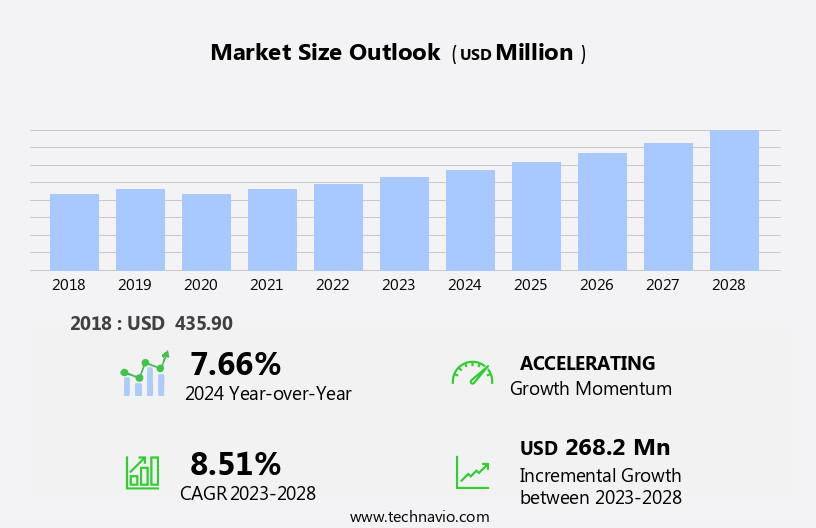
    Scandium Market Size

     Request Free Sample

  • The market is experiencing significant growth due to its increasing adoption in various industries, including aerospace and defense. This lightweight, strong, and ductile metal is often alloyed with aluminum to produce aluminum-scandium alloys, which offer enhanced strength and durability. Scandium is also utilized In the production of Superior Oxide Fuel Cells (SOFCs), an advanced energy storage technology. In SOFCs, scandium functions as an electrolyte, facilitating the movement of oxygen ions between the anode and cathode. Scandium's use extends beyond aerospace and energy storage. It is also employed In the manufacturing of ceramics, electronics, and aluminum-scandium alloys for various industrial applications.
  • Despite its benefits, scandium extraction is a complex process involving the use of precious metals and corrosive acids, making it an expensive material. However, its growing demand is driven by its role in energy generation from coal, natural gas, renewable power, and nuclear power, as well as its potential in clean energy solutions, such as those promoted by the Inflation Reduction Act. The market dynamics of scandium are influenced by global energy trends, environmental concerns, and the prices of competing materials, such as titanium and iron ore.
  • How is this Scandium Industry segmented and which is the largest segment?

    The scandium industry research report provides comprehensive data (region-wise segment analysis), with forecasts and estimates in "USD million" for the period 2024-2028, as well as historical data from 2018-2022 for the following segments.

    • End-user
      • Solid oxide fuel cells
      • Aerospace and defense
      • Electronics
      • Sporting goods
      • Others
    • Geography
      • North America
        • US
      • Europe
        • Germany
        • France
      • APAC
        • China
      • South America
        • Brazil
      • Middle East and Africa

      By End-user Insights

      • The solid oxide fuel cells segment is estimated to witness significant growth during the forecast period.

      Solid oxide fuel cells (SOFCs) are advanced energy conversion technologies that generate power through the direct reaction of a fuel and an oxidant across an ionic conducting oxide electrolyte. The electrolyte, a solid oxide substance, facilitates the movement of oxygen ions from the anode to the cathode without the requirement for precious metals, corrosive acids, or molten materials. SOFCs are primarily used in energy generation applications, particularly for converting natural gas into electricity. However, the high temperatures needed for catalytic conversion may lead to rapid degradation of the ceramic electrolyte, increasing capital and maintenance costs. SOFCs play a significant role in various industries, including aerospace, defense, and electronics, offering energy efficiency and environmental benefits.

      The energy storage technology is gaining traction In the transition to a low-carbon economy, with applications in fuel cells, battery electric vehicles (BEVs), and fuel cell electric vehicles (FCEVs). The Energy Information Administration, Renewable power, and clean energy sectors are also exploring the potential of SOFCs in energy generation from coal, natural gas, nuclear power, and renewable sources. The Inflation Reduction Act and various market research firms, such as Elcogen, Bloom Energy, and Vantage Market Research, are investing in this technology to address the challenges and drive innovation.
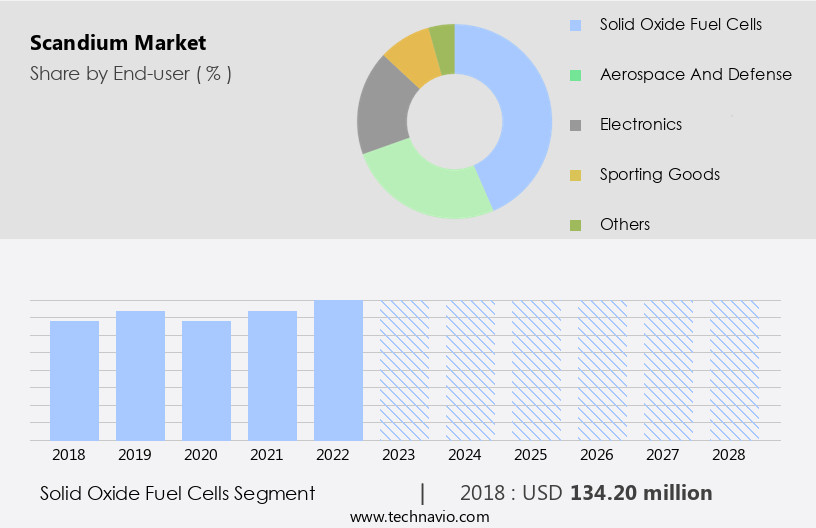
      Scandium Market Size

      Get a glance at the  Scandium Industry report of share of various segments Request Free Sample

      The Solid oxide fuel cells segment was valued at USD 134.20 million in 2018 and showed a gradual increase during the forecast period.

      Regional Analysis

      • North America is estimated to contribute 70% to the growth of the global market during the forecast period.

      Technavio’s analysts have elaborately explained the regional trends and drivers that shape the market during the forecast period.
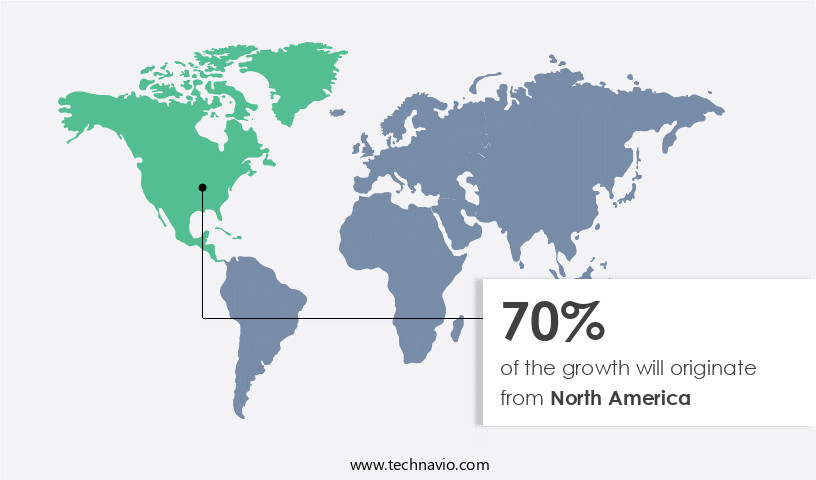
      Scandium Market Share by Geography

      For more insights on the market share of various regions, Request Free Sample

      The United States has been a pioneer In the deployment of commercial-scale fuel cells, driven by government funding and growing demand from the automobile industry. SOFC-based fuel cells are poised to revolutionize the transportation sector by enhancing efficiency in light-duty vehicles and forklifts, contributing to the reduction of oil consumption and emissions. By the end of 2022, the transportation sector is expected to witness substantial growth in fuel cell adoption. With over 9,000 fuel cell electric vehicles (FCEVs) in operation by this year, the US maintains its position as a global leader in this technology. The fuel cell market In the US is fueled by the shift towards a low-carbon economy, with applications extending to aircraft manufacturing, electronics production, and energy storage technology.

      Key sectors include the aerospace and defense industries, ceramics, electronics, and aluminum-scandium alloys. Energy generation from coal, natural gas, renewable power, and nuclear power also presents significant opportunities for fuel cells in terms of energy efficiency and environmental concerns. The Inflation Reduction Act and various clean energy initiatives further boost the market's growth. Fuel cell companies such as Elcogen, Bloom Energy, and others are at the forefront of this innovation, driving advancements in SOFCs, electrolytes, oxygen ions, anodes, and cathodes. The integration of precious metals and the development of corrosive acid-resistant molten materials are essential for the continued progress of energy storage technology.

      Market Dynamics

      Our  researchers analyzed the data with 2023 as the base year, along with the key drivers, trends, and challenges. A holistic analysis of drivers will help companies refine their marketing strategies to gain a competitive advantage.

      What are the key market drivers leading to the rise In the adoption of Scandium Industry?

      Increasing electronic content in hybrid and electric vehicles is the key driver of the market.

    • Scandium, a light, silvery-white transition metal, is gaining significant attention in various industries due to its unique properties. In the aerospace and defense sectors, scandium is increasingly being used In the production of aluminum-scandium alloys, which offer enhanced strength and durability. These alloys are crucial for manufacturing lightweight aircraft parts, contributing to fuel efficiency and reduced carbon emissions. Beyond aerospace, scandium is also making strides In the energy sector. Solid oxide fuel cells (SOFCs) employ scandium as an electrolyte material, facilitating the movement of oxygen ions between the anode and cathode. This precious metal plays a vital role in improving the overall performance and efficiency of SOFCs, making them a promising solution for clean energy generation.
    • Scandium's applications extend to the electronics industry, where it is used In the production of ceramics, particularly In the form of zirconia-tantalum-scandia. These ceramics are essential in various electronic components, including smartphones, TVs, wires, cables, portable computing devices, and gaming systems. However, the production of scandium involves the use of corrosive acids and molten materials, which presents environmental concerns. The mining of scandium is primarily concentrated in regions like Inner Mongolia and Bayan Obo, where the extraction process can be energy-intensive. As the world transitions to a low-carbon economy, the demand for scandium is expected to grow, driven by the increasing adoption of electric vehicles (BEVs) and fuel cell electric vehicles (FCEVs).
    • The Inflation Reduction Act In the US and various initiatives promoting clean energy are expected to further boost the demand for scandium In the energy storage technology sector. Despite its benefits, the high production costs and environmental concerns associated with scandium may pose challenges to its widespread adoption. Nevertheless, the potential for increased energy efficiency and reduced greenhouse gas emissions make scandium an essential component In the pursuit of a sustainable future. In conclusion, scandium is a versatile metal with significant applications In the aerospace, defense, energy, and electronics industries. Its unique properties, such as strength, durability, and improved energy efficiency, make it an essential component In the production of advanced materials and technologies.
    • However, the challenges associated with its production and environmental concerns must be addressed to ensure its sustainable and cost-effective adoption.
    • What are the market trends shaping the Scandium Industry?

      Imperial development of scandium-modified EV alloy is the upcoming market trend.

    • Scandium is a versatile element that plays a significant role in various industries, including aerospace, defense, ceramics, electronics, and energy storage technology. In the aerospace sector, scandium alloys with aluminum are used to produce lighter and stronger aircraft parts, contributing to the growth of the aviation industry. The defense industry utilizes scandium In the production of high-strength alloys for armor and other military applications. In the field of electronics, scandium is used In the production of Solid Oxide Fuel Cells (SOFCs) as an electrolyte material, allowing for the efficient movement of oxygen ions between the anode and cathode. Scandium's high melting point and resistance to corrosive acids make it an ideal material for use in molten material handling and energy generation from coal, natural gas, and renewable power sources.
    • The energy storage market is another area where scandium is gaining popularity due to its ability to improve energy efficiency and reduce environmental concerns. Scandium is used In the production of precious metal catalysts for electrolytes in fuel cells, increasing their performance and longevity. The Inflation Reduction Act In the US has created new opportunities for the use of clean energy technologies, including scandium. Companies such as Elcogen and Bloom Energy are leading the way In the development of fuel cell technology, while traditional industries like titanium, iron ore, zirconium, and pigment plants explore the potential of scandium In their processes.
    • The demand for scandium is driven by the increasing production of electric vehicles (BEVs) and fuel cell electric vehicles (FCEVs), as well as the growing need for energy-efficient electronics, such as smartphones, TVs, wires, cables, portable computing devices, and gaming systems. As living standards continue to rise, the demand for lightweight and efficient materials is expected to increase, making scandium an essential element In the low-carbon economy. Magnetovana–ilmenite, niobium, and rare earth elements are also used in conjunction with scandium in various applications. The market for these materials is expected to grow significantly In the coming years, driven by the increasing demand for advanced technologies and the shift towards a more sustainable energy future.
    • In conclusion, scandium is a critical element that plays a significant role in various industries, including aerospace, defense, ceramics, electronics, and energy storage technology. Its unique properties make it an essential material for the production of high-performance and energy-efficient products, contributing to the growth of these industries and the development of a more sustainable and efficient economy.
    • What challenges does the Scandium Industry face during its growth?

      Need for fuses to sustain challenging and extreme conditions of EVs/HEVs operation is a key challenge affecting the industry growth.

    • Scandium, a light and strong transition metal, is increasingly being used in various industries, including Aerospace and Defense, due to its exceptional properties. In Aerospace, Scandium is utilized in Aluminum-Scandium alloys to enhance the strength and durability of aircraft parts, reducing the overall weight and improving fuel efficiency. In Defense, Scandium is used In the production of Ceramics for armor and bulletproof materials. Scandium also plays a significant role In the Electronics sector, particularly In the manufacturing of Solid Oxide Fuel Cells (SOFCs) as an electrolyte material. The SOFCs function by allowing Oxygen ions to move between the Anode and Cathode, generating electricity.
    • Scandium's unique properties make it an ideal choice for this application due to its high electrical conductivity and resistance to corrosive acids. Moreover, Scandium is a crucial component in Energy storage technology, particularly In the production of Precious metal Anodes and Cathodes for batteries. The increasing demand for clean energy sources, such as Renewable power, Nuclear power, and Coal or Natural Gas with lower carbon emissions, is driving the growth of the market. However, the use of Scandium in various industries raises environmental concerns due to its extraction process, which involves the mining of minerals such as Magnetovana–ilmenite, Niobium, Rare earth elements, and Zirconium, primarily in Inner Mongolia and Bayan Obo.
    • The Fuel cell market, which is a significant consumer of Scandium, is expected to grow In the Lowcarbon economy, driven by the increasing demand for BEVs and FCEVs. In conclusion, the market is witnessing significant growth due to its applications in various industries, including Aerospace, Defense, Ceramics, Electronics, and Energy storage technology. The increasing demand for clean energy and the shift towards a Lowcarbon economy is further driving the growth of this market. However, the environmental concerns associated with Scandium mining and production remain a challenge that needs to be addressed.
    • Exclusive Customer Landscape

      The scandium market forecasting report includes the adoption lifecycle of the market, covering from the innovator’s stage to the laggard’s stage. It focuses on adoption rates in different regions based on penetration. Furthermore, the scandium market report also includes key purchase criteria and drivers of price sensitivity to help companies evaluate and develop their market growth analysis strategies.
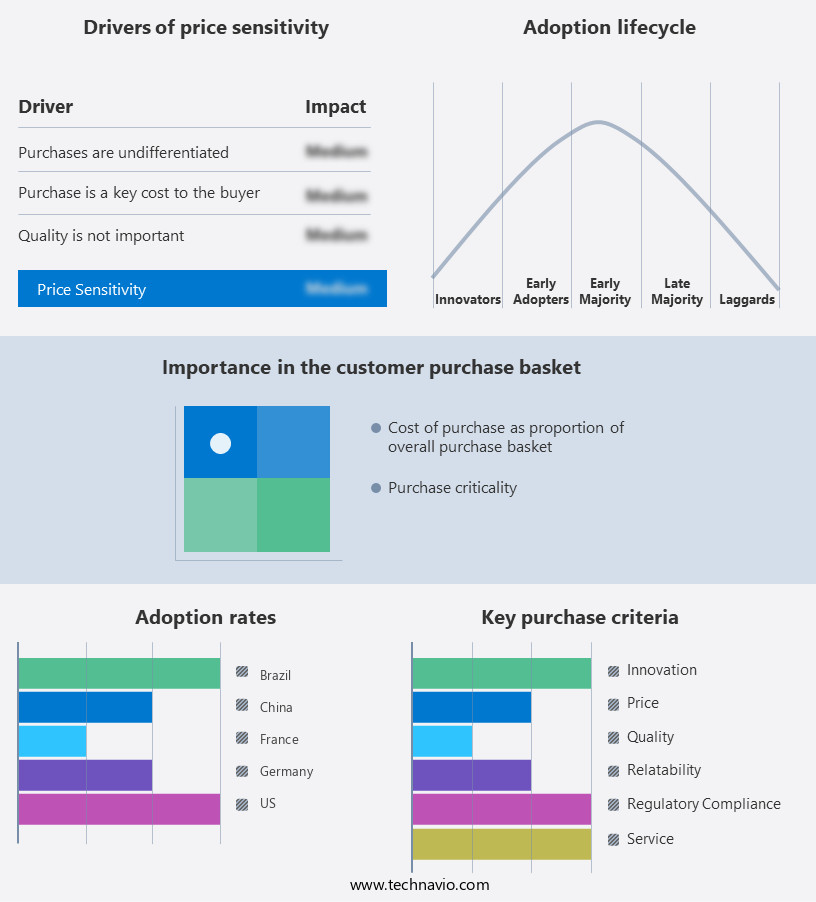
      Scandium Market Share by Geography

       Customer Landscape

      Key Companies & Market Insights

      Companies are implementing various strategies, such as strategic alliances, scandium market forecast, partnerships, mergers and acquisitions, geographical expansion, and product/service launches, to enhance their presence In the industry.

      Atlantic Equipment Engineers Inc. - Scandium oxide pieces are offerings from the company, catering to the growing demand for this lightweight and high-strength metal in various industries. With superior alloying capabilities, scandium enhances the properties of aluminum, resulting in improved fuel efficiency, increased durability, and heightened corrosion resistance. This versatile material finds applications in aerospace, automotive, and energy sectors, among others. The market is anticipated to expand significantly due to its increasing adoption in advanced materials and alloys.

      The industry research and growth report includes detailed analyses of the competitive landscape of the market and information about key companies, including:

      • Atlantic Equipment Engineers Inc.
      • Australian Mines Ltd.
      • GFS Chemicals Inc.
      • Huizhou Top Metal Material Co. Ltd.
      • Lenntech BV
      • LB Group Co. Ltd.
      • Materion Corp.
      • Merck KGaA
      • Platina Resources Ltd.
      • Stanford Materials Corp.
      • Thermo Fisher Scientific Inc.
      • Treibacher Industrie AG
      • United Company RUSAL

      Qualitative and quantitative analysis of companies has been conducted to help clients understand the wider business environment as well as the strengths and weaknesses of key industry players. Data is qualitatively analyzed to categorize companies as pure play, category-focused, industry-focused, and diversified; it is quantitatively analyzed to categorize companies as dominant, leading, strong, tentative, and weak.

      Research Analyst Overview

      Scandium, a transition metal with a low density and high strength-to-weight ratio, has gained significant attention in various industries due to its unique properties. This metallic element is increasingly being used In the production of alloys, particularly In the aerospace and defense sectors. The demand for scandium is driven by its ability to enhance the performance of materials in high-stress applications. In the aerospace industry, scandium alloys are used to manufacture lightweight and durable aircraft parts. These alloys offer improved fuel efficiency and reduced carbon emissions, making them an essential component In the shift towards a low-carbon economy. Scandium also plays a crucial role In the energy storage technology sector.

      It is used In the production of fuel cells, which convert chemical energy into electricity. Scandium-based anodes and cathodes are employed In these fuel cells due to their excellent electrochemical properties, which enable them to store and release energy efficiently. Moreover, scandium is increasingly being used In the electronics industry, particularly In the production of smartphones, TVs, wires, cables, portable computing devices, and gaming systems. Its high electrical conductivity and resistance to corrosive acids make it an ideal material for these applications. Despite its numerous benefits, the production of scandium involves the use of precious metals and energy-intensive processes.

      Scandium is primarily extracted from magnesium-nickel-scandium ores, which are processed using high temperatures and corrosive acids. This process is both energy-intensive and environmentally concerning, as it involves the emission of greenhouse gases and the consumption of significant amounts of electricity. The production of scandium alloys also involves the use of other metals, such as titanium and iron ore. These metals are extracted using various methods, including mining and smelting, which can have significant environmental impacts. However, efforts are being made to reduce the environmental footprint of scandium production. For instance, some companies are exploring the use of renewable power sources, such as wind and solar, to power their operations.

      Others are investigating alternative methods of scandium extraction, such as the use of electrolytes and oxygen ions, which are less energy-intensive and more environmentally friendly. The demand for scandium is expected to continue growing due to its increasing use in various industries. However, the high production costs and environmental concerns associated with its extraction pose challenges to its widespread adoption. As such, it is essential to explore sustainable production methods and alternative sources of scandium to meet the growing demand while minimizing the environmental impact. In conclusion, scandium is a valuable metallic element with unique properties that make it an essential component in various industries, including aerospace, defense, energy storage technology, and electronics.

      However, its production involves the use of precious metals and energy-intensive processes, which can have significant environmental impacts. To meet the growing demand for scandium while minimizing the environmental footprint, it is essential to explore sustainable production methods and alternative sources of this valuable metal.

      Market Scope

      Report Coverage

      Details

      Page number

      142

      Base year

      2023

      Historic period

      2018-2022

      Forecast period

      2024-2028

      Growth momentum & CAGR

      Accelerate at a CAGR of 8.51%

      Market growth 2024-2028

      USD 268.2 million

      Market structure

      Concentrated

      YoY growth 2023-2024(%)

      7.66

      Key countries

      US, China, Germany, France, and Brazil

      Competitive landscape

      Leading Companies, Market Positioning of Companies, Competitive Strategies, and Industry Risks

      Request Free Sample

      What are the Key Data Covered in this Scandium Market Research and Growth Report?

      • CAGR of the Scandium industry during the forecast period
      • Detailed information on factors that will drive the growth and forecasting between 2024 and 2028
      • Precise estimation of the size of the market and its contribution of the industry in focus to the parent market
      • Accurate predictions about upcoming growth and trends and changes in consumer behaviour
      • Growth of the market across North America, Europe, APAC, South America, and Middle East and Africa
      • Thorough analysis of the market’s competitive landscape and detailed information about companies
      • Comprehensive analysis of factors that will challenge the scandium market growth of industry companies

      We can help! Our analysts can customize this scandium market research report to meet your requirements.

      Get in touch


      Table of Contents not available.

      Research Methodology

      Technavio presents a detailed picture of the market by way of study, synthesis, and summation of data from multiple sources. The analysts have presented the various facets of the market with a particular focus on identifying the key industry influencers. The data thus presented is comprehensive, reliable, and the result of extensive research, both primary and secondary.

      INFORMATION SOURCES

      Primary sources

      • Manufacturers and suppliers
      • Channel partners
      • Industry experts
      • Strategic decision makers

      Secondary sources

      • Industry journals and periodicals
      • Government data
      • Financial reports of key industry players
      • Historical data
      • Press releases

      DATA ANALYSIS

      Data Synthesis

      • Collation of data
      • Estimation of key figures
      • Analysis of derived insights

      Data Validation

      • Triangulation with data models
      • Reference against proprietary databases
      • Corroboration with industry experts

      REPORT WRITING

      Qualitative

      • Market drivers
      • Market challenges
      • Market trends
      • Five forces analysis

      Quantitative

      • Market size and forecast
      • Market segmentation
      • Geographical insights
      • Competitive landscape

      Interested in this report?

      Get your sample now to see our research methodology and insights!

      Download Now

      Frequently Asked Questions

      Scandium market growth will increase by $ 268.2 mn during 2024-2028.

      The Scandium market is expected to grow at a CAGR of 8.51% during 2024-2028.

      Scandium market is segmented by End-user( Solid oxide fuel cells, Aerospace and defense, Electronics, Sporting goods, Others)

      Atlantic Equipment Engineers Inc., Australian Mines Ltd., GFS Chemicals Inc., Huizhou Top Metal Material Co. Ltd., Lenntech BV, LB Group Co. Ltd., Materion Corp., Merck KGaA, Platina Resources Ltd., Stanford Materials Corp., Thermo Fisher Scientific Inc., Treibacher Industrie AG, United Company RUSAL are a few of the key vendors in the Scandium market.

      North America will register the highest growth rate of 70% among the other regions. Therefore, the Scandium market in North America is expected to garner significant business opportunities for the vendors during the forecast period.

      US, China, Germany, France, Brazil

      • Increasing electronic content in hybrid and electric vehiclesElectronic technology is important for the advancement of automotive performance and functionality. With the use of motors and actuators in EVs is the driving factor this market.
      • many functionalities that were operated by mechanics in the past have been moved into the realm of electronics. The electronic content in automobiles is expected to increase due to the high adoption of hybrid and EVs is the driving factor this market.
      • which is the driving factor this market.
      • in turn is the driving factor this market.
      • will fuel the demand for scandium as it reduces the weight of EVs during the forecast period. Automotive parts that were previously driven by the engine have now become electric. For instance is the driving factor this market.
      • the air conditioning compressor was previously driven by the engine is the driving factor this market.
      • but the current electric models use electricity from the battery to generate the spin. In addition is the driving factor this market.
      • safety features in automobiles are aided by electronic systems. The extending battery range in EVs improves fuel efficiency and reduces greenhouse gases in combustion engines. The increasing electrification of features in automobiles would increase the number of fuses used in them. Hence is the driving factor this market.
      • the high adoption of these vehicles will further increase the demand for scandium during the forecast period. is the driving factor this market.

      The Scandium market vendors should focus on grabbing business opportunities from the Solid oxide fuel cells segment as it accounted for the largest market share in the base year.