
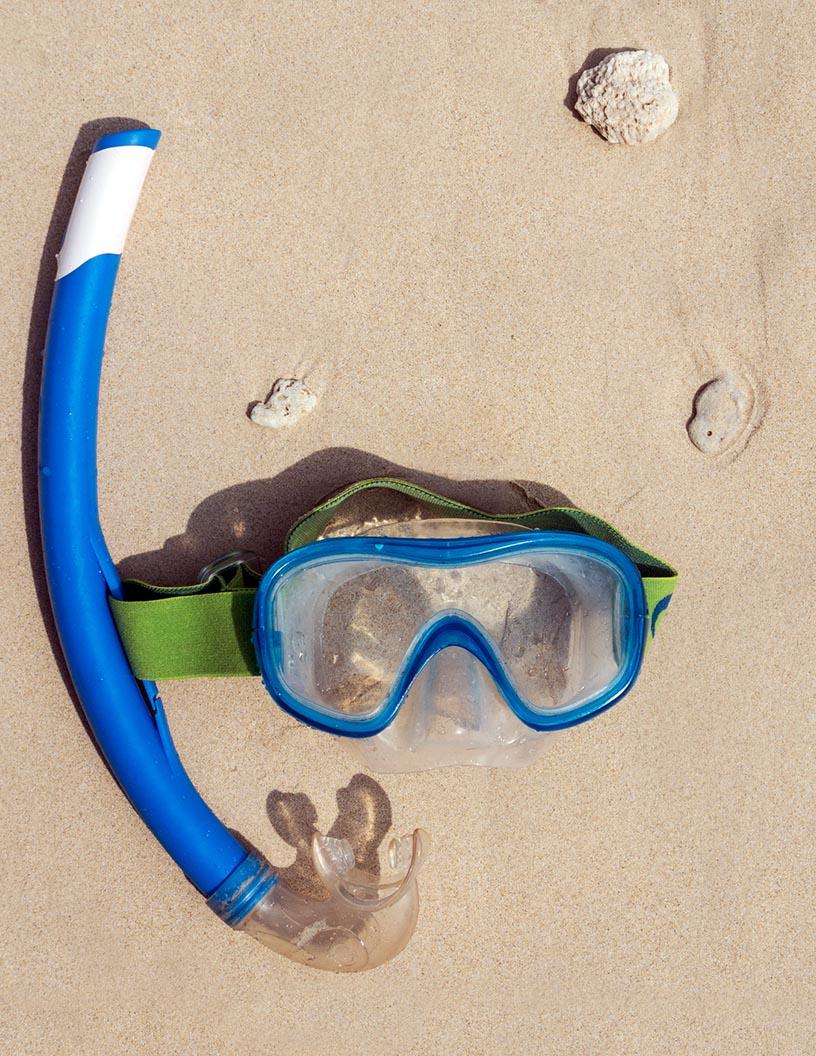


Scuba Diving Equipment Market Size 2025-2029
The scuba diving equipment market size is forecast to increase by USD 1.09 billion at a CAGR of 5.1% between 2024 and 2029.
- The market is driven by the growing health benefits associated with scuba diving, which attracts a large and diverse customer base. Scuba diving offers numerous health advantages, including improved cardiovascular fitness, increased lung capacity, and reduced stress levels. This trend is expected to continue, as more people discover the physical and mental benefits of underwater exploration. Another key driver is the surge in innovative scuba diving equipment. Manufacturers are investing heavily in research and development to create advanced, high-performance gear that enhances the diving experience. These innovations include lighter, more streamlined equipment, improved buoyancy control devices, and advanced diving computers.
- However, the market also faces several challenges. Seasonal challenges associated with scuba diving activity can impact sales and revenue. To capitalize on market opportunities and navigate challenges effectively, companies in the market should focus on developing innovative, high-performance gear that caters to the evolving needs of customers. Additionally, they should explore alternative revenue streams, such as offering diving training courses or renting equipment to tourists visiting popular diving destinations. By staying agile and responsive to market trends and challenges, businesses can thrive in this dynamic and growing market.
What will be the Size of the Scuba Diving Equipment Market during the forecast period?

- The market continues to evolve, driven by advancements in technology and the growing popularity of dive tourism. Dive medicine plays a crucial role in ensuring the safety and well-being of divers, with ongoing research addressing nitrogen narcosis and decompression sickness. Dive computers and dive tables are essential tools for dive planning, while buoyancy compensators enable divers to maintain optimal dive profiles. Underwater exploration is facilitated by a range of equipment, including dive propulsion vehicles and dive lights. Coral reefs, a key attraction for divers, necessitate careful handling and sustainable diving practices. Dive boats transport divers to various dive sites, and dive suits protect them from the elements.
- Dive safety procedures are an integral part of scuba diving, with continuous improvements in safety equipment such as dive tanks and dive buddies. Technical diving equipment caters to more advanced divers, while snorkeling equipment and freediving equipment cater to those exploring shallower waters. The market for underwater videography and photography is expanding, driven by the desire to document and share diving experiences. Ocean conservation is a growing concern, with many divers and dive resorts promoting sustainable diving practices. adventure tourism and dive tourism continue to intertwine, offering unique experiences to travelers. The market is a dynamic and ever-changing landscape, with ongoing innovation and adaptation to meet the needs of divers and the evolving dive industry.
How is this Scuba Diving Equipment Industry segmented?
The scuba diving equipment industry research report provides comprehensive data (region-wise segment analysis), with forecasts and estimates in "USD million" for the period 2025-2029, as well as historical data from 2019-2023 for the following segments.
- Distribution Channel
- Offline
- Online
- Product
- Bags and apparel
- Rebreathers and regulators
- Diving computers and gauges
- Others
- Type
- BCD and regulator
- Cylinder and diving propulsion vehicle
- Decompression chamber
- Exposure suit
- Accessories
- Geography
- North America
- US
- Canada
- Europe
- France
- Germany
- Italy
- The Netherlands
- UK
- APAC
- China
- India
- Japan
- Rest of World (ROW)
- North America
By Distribution Channel Insights
The offline segment is estimated to witness significant growth during the forecast period.
Scuba diving equipment is primarily sold through the retail distribution channel, encompassing specialty stores, hypermarkets/supermarkets, warehouse clubs, and department stores. Specialty stores, including specialty diving equipment stores, specialty sports stores, and apparel stores, account for a significant portion of global market revenue. The consumer preference for personalized shopping experiences is on the rise, driving growth in this segment. Specialty stores employ various strategies to expand their customer base, such as offering expert advice, customized fitting, and a wide range of products. Dive accessories, such as dive weights, dive masks, dive gloves, and dive computers, are essential components of scuba diving equipment.
Dive tourism, a major contributor to the market, attracts a large number of consumers. Underwater scooters, freediving equipment, and underwater videography equipment cater to the needs of different types of divers. Dive training, safety procedures, and marine conservation are integral aspects of scuba diving. Nitrogen narcosis, a risk associated with deep diving, necessitates the use of decompression sickness prevention measures. Dive resorts, boats, and suits provide comfort and convenience for divers. Technical diving equipment, including dive planning tools like dive tables and dive logs, and dive destinations cater to the needs of advanced divers. Scuba diving tours offer unique diving experiences at popular dive sites.
Dive photography and dive knives are popular accessories among enthusiasts. Sustainable diving practices and marine conservation are gaining importance in the market. Adventure tourism and dive computers enable divers to explore diverse dive profiles and depths. Dive boats, dive tanks, and buoyancy compensators ensure safety and comfort during dives. Dive lights, dive buddies, and dive medicine are essential safety equipment. Coral reefs and dive sites around the world offer diverse marine life and breathtaking underwater landscapes, attracting a large number of divers. Dive computers and dive planning tools help divers plan their dives safely and efficiently.
Dive planning and dive profile management are crucial for safe and enjoyable dives. In conclusion, the market is dynamic and diverse, catering to the needs of divers at various levels and preferences. The market is driven by the growing popularity of scuba diving as a recreational activity and the increasing demand for personalized shopping experiences. The integration of technology and a focus on sustainability and safety are key trends shaping the market.

The Offline segment was valued at USD 2.8 billion in 2019 and showed a gradual increase during the forecast period.
Regional Analysis
APAC is estimated to contribute 34% to the growth of the global market during the forecast period.Technavio's analysts have elaborately explained the regional trends and drivers that shape the market during the forecast period.

The US market holds a significant share in the North American scuba diving equipment industry, catering to a growing number of male participants aged 18-36. The region, consisting of the US, Canada, and Mexico, is a major contributor to the global market. The increase in inbound tourism, particularly to dive sites and resorts, fuels market growth. However, unfavorable weather conditions in some areas pose a challenge. To overcome this, manufacturers focus on producing thermal wetsuits for enhanced diver comfort in cold waters. Dive tourism, training, and travel continue to drive demand for equipment, including dive masks, computers, lights, and propulsion vehicles.
Nitrogen narcosis and decompression sickness remain safety concerns, leading to the development of advanced safety procedures and equipment. Sustainable diving practices and marine conservation efforts are gaining importance, influencing the production of eco-friendly gear. Additionally, underwater videography, photography, and freediving equipment cater to diverse scuba diving experiences. Technical diving equipment, dive planning tools, and dive logs facilitate safe and effective dives. Dive boats, suits, tanks, and fins complete the essential scuba gear inventory. Adventure tourism and dive sites in popular destinations further fuel market growth.
Market Dynamics
Our researchers analyzed the data with 2024 as the base year, along with the key drivers, trends, and challenges. A holistic analysis of drivers will help companies refine their marketing strategies to gain a competitive advantage.
What are the key market drivers leading to the rise in the adoption of Scuba Diving Equipment Industry?
- The primary factor driving the market is the array of health benefits linked to scuba diving. The market growth is driven by the health benefits associated with the activity. These benefits include improved breathing and overall fitness. Scuba diving maximizes oxygen intake and enhances breathing quality through resistance and exertion. Divers regulate their breaths through their mouths, making it an effective breathing exercise. Additionally, scuba diving requires physical exertion, contributing to maintaining fitness. Moreover, the rise in dive tourism and the increasing popularity of dive travel are expected to boost the demand for scuba diving equipment. Dive accessories such as underwater scooters, dive masks, dive gloves, dive weights, and snorkeling equipment are essential for a safe and enjoyable diving experience.
- Dive training schools also play a crucial role in increasing the number of divers, thereby fueling the market growth. Safety is a significant concern in scuba diving, and the use of appropriate equipment is essential. Dive safety equipment, including dive computers, buoyancy compensators, and regulators, are essential for ensuring a safe diving experience. As the popularity of scuba diving continues to grow, the demand for advanced and innovative equipment is also increasing. In conclusion, the health benefits associated with scuba diving, the rise in dive tourism, and the need for safety equipment are the primary factors driving the growth of the market.
- The market is expected to witness significant growth during the forecast period.
What are the market trends shaping the Scuba Diving Equipment Industry?
- The market is experiencing a significant surge in innovative technologies and designs. This trend reflects the growing demand for advanced equipment among professionals and enthusiasts alike.
- The market is experiencing significant growth due to the innovation and advancement of scuba gear. Companies are prioritizing product development, focusing on enhancing design, color, shape, and weight to cater to individual consumer preferences. For instance, Aqua Lung International, a prominent player, has introduced the Phazer fin, featuring Wave Rib Technology, a new bungee strap, a new canalization system, and a hydro power channel, offering divers a more efficient and user-friendly experience. Moreover, there is a growing emphasis on safety and ocean conservation in the scuba diving community. Dive resorts and organizations are promoting the use of technical diving equipment, such as rebreathers and dive computers, to minimize decompression sickness risks.
- Freediving equipment and underwater videography equipment are also gaining popularity among enthusiasts. Dive planning and logkeeping tools are essential for safe and enjoyable dives. Dive lights are crucial for night dives and underwater exploration. A dive buddy is an essential companion for safety and companionship during dives. In conclusion, the market is witnessing continuous innovation, driven by consumer needs and safety concerns. Companies are introducing advanced products that cater to individual preferences while prioritizing safety and ocean conservation. The market is expected to grow further as more people discover the wonders of the underwater world.
What challenges does the Scuba Diving Equipment Industry face during its growth?
- Scuba diving industry growth is significantly influenced by the seasonal challenges inherent in this activity. These challenges, which are an integral part of the sport, can impact the industry's expansion and growth trajectory.
- Scuba diving is an popular recreational activity that requires specialized equipment for a safe and enjoyable experience. The market for scuba diving equipment includes essential gear such as buoyancy compensators, dive computers, dive propulsion vehicles, dive suits, dive tanks, and dive compasses. However, unfavorable weather conditions and certain geographical locations pose challenges to this market. Severe weather events like thunderstorms and heavy snowfall can restrict scuba diving activities in certain regions, including the US, leading to decreased demand for equipment. Additionally, areas with uncertain tidal conditions or hazardous marine life, such as the Ring of Fire in the Pacific Ocean, can limit participation and negatively impact the market in the APAC region.
- Adherence to dive safety procedures is crucial in overcoming these challenges and ensuring the growth of the market. Despite these obstacles, the immersive and harmonious experience of exploring underwater coral reefs and diverse marine life continues to attract participants worldwide.
Exclusive Customer Landscape
The scuba diving equipment market forecasting report includes the adoption lifecycle of the market, covering from the innovator's stage to the laggard's stage. It focuses on adoption rates in different regions based on penetration. Furthermore, the scuba diving equipment market report also includes key purchase criteria and drivers of price sensitivity to help companies evaluate and develop their market growth analysis strategies.

Customer Landscape
Key Companies & Market Insights
Companies are implementing various strategies, such as strategic alliances, scuba diving equipment market forecast, partnerships, mergers and acquisitions, geographical expansion, and product/service launches, to enhance their presence in the industry.
Apollo Sports USA Inc. - This company specializes in providing advanced scuba diving equipment, including Bio Seals, Bio Tank Locks, Belt Buckles, and Compasses. Our offerings prioritize innovation and functionality, enhancing the diving experience for users. Bio Seals ensure airtight tank seals, while Bio Tank Locks secure tanks safely. Belt Buckles offer adjustable, reliable fastening, and the Compass guarantees accurate navigation. By utilizing cutting-edge technology and meticulous design, we cater to divers' needs, elevating their underwater adventures.
The industry research and growth report includes detailed analyses of the competitive landscape of the market and information about key companies, including:
- Apollo Sports USA Inc.
- Aqualung Trading
- AQUATEC DUTON INDUSTRY CO. LTD.
- BEUCHAT INTERNATIONAL S.A.S
- Cressi Sub Spa
- Dive Rite
- Diversco Supply
- Diving Unlimited International Inc.
- H2Odyssey
- Head
- Henderson Sport Group
- Huish Outdoors
- IST SPORTS CORP.
- Johnson Outdoors Inc.
- Marquee Brands
- Ocean Reef Group
- Poseidon Diving Systems AB
- SEACSUB Spa
- Shearwater Research Inc.
- TUSA
Qualitative and quantitative analysis of companies has been conducted to help clients understand the wider business environment as well as the strengths and weaknesses of key industry players. Data is qualitatively analyzed to categorize companies as pure play, category-focused, industry-focused, and diversified; it is quantitatively analyzed to categorize companies as dominant, leading, strong, tentative, and weak.
Recent Development and News in Scuba Diving Equipment Market
- In February 2023, Scubapro, a leading scuba diving equipment manufacturer, introduced the Mk25 EVO Breathing System, a significant upgrade to their popular Mk25 model. This new system offers improved performance, durability, and ease of use, positioning Scubapro at the forefront of technological innovation in the market (Scubapro Press Release, 2023).
- In March 2024, Mares, another major player in the scuba diving equipment industry, announced a strategic partnership with Aqua Lung, a leading global manufacturer of scuba diving and snorkeling equipment. This collaboration aims to enhance their product offerings and strengthen their presence in the global market (Mares Press Release, 2024).
- In May 2024, TUSA, a Japanese manufacturer of diving masks, snorkels, and fins, secured a strategic investment of USD15 million from Showa Denko K.K., a leading chemical company. This investment will support TUSA's expansion into new markets and the development of advanced materials for their diving equipment (Bloomberg, 2024).
- In October 2025, the European Union passed the new REACH regulation for scuba diving equipment, which sets stricter safety and environmental standards. This regulation is expected to drive innovation and investment in the development of eco-friendly and safer scuba diving equipment (European Parliament, 2025).
Research Analyst Overview
The market encompasses a wide range of tools and accessories essential for underwater exploration. Key components include dive lights and their batteries, dive watches, depth and dive timers, dive flags, and dive compasses for navigation. Underwater videography enthusiasts require housings to protect their equipment. Dive safety is paramount, with emergency procedures, first aid kits, and rescue equipment being crucial. Dive suits necessitate undergarments and accessories such as hoods, gloves, booties, and socks. Dive ethics dictate the use of dive lines and weights, while buoys serve as surface markers. Dive site conditions influence the need for dive suits, gloves, and visibility aids.
Planning a dive trip involves considerations like insurance, Travel Insurance, and logistics. Dive equipment includes weight belts, masks, and fins with straps. Environmental impact is a growing concern, necessitating the use of dive weights and buoys that minimize damage to marine life. Dive currents can be challenging, necessitating the use of dive reels and weights to ensure safety. Dive liability is a concern, with insurance and safety briefings essential to mitigate risks. Dive photography requires specialized lighting, while dive masks need strap adjustments for optimal use. Overall, the market caters to diverse needs, from essential safety equipment to luxury underwater photography gear.
Dive conditions and environmental concerns continue to shape market trends.
Dive into Technavio's robust research methodology, blending expert interviews, extensive data synthesis, and validated models for unparalleled Scuba Diving Equipment Market insights. See full methodology.
|
Market Scope |
|
|
Report Coverage |
Details |
|
Page number |
0 |
|
Base year |
2024 |
|
Historic period |
2019-2023 |
|
Forecast period |
2025-2029 |
|
Growth momentum & CAGR |
Accelerate at a CAGR of 5.1% |
|
Market growth 2025-2029 |
USD 1085 million |
|
Market structure |
Fragmented |
|
YoY growth 2024-2025(%) |
4.6 |
|
Key countries |
US, China, UK, Canada, Germany, Japan, India, France, Italy, and The Netherlands |
|
Competitive landscape |
Leading Companies, Market Positioning of Companies, Competitive Strategies, and Industry Risks |
What are the Key Data Covered in this Scuba Diving Equipment Market Research and Growth Report?
- CAGR of the Scuba Diving Equipment industry during the forecast period
- Detailed information on factors that will drive the growth and forecasting between 2025 and 2029
- Precise estimation of the size of the market and its contribution of the industry in focus to the parent market
- Accurate predictions about upcoming growth and trends and changes in consumer behaviour
- Growth of the market across North America, Europe, APAC, South America, and Middle East and Africa
- Thorough analysis of the market's competitive landscape and detailed information about companies
- Comprehensive analysis of factors that will challenge the scuba diving equipment market growth of industry companies
We can help! Our analysts can customize this scuba diving equipment market research report to meet your requirements.