
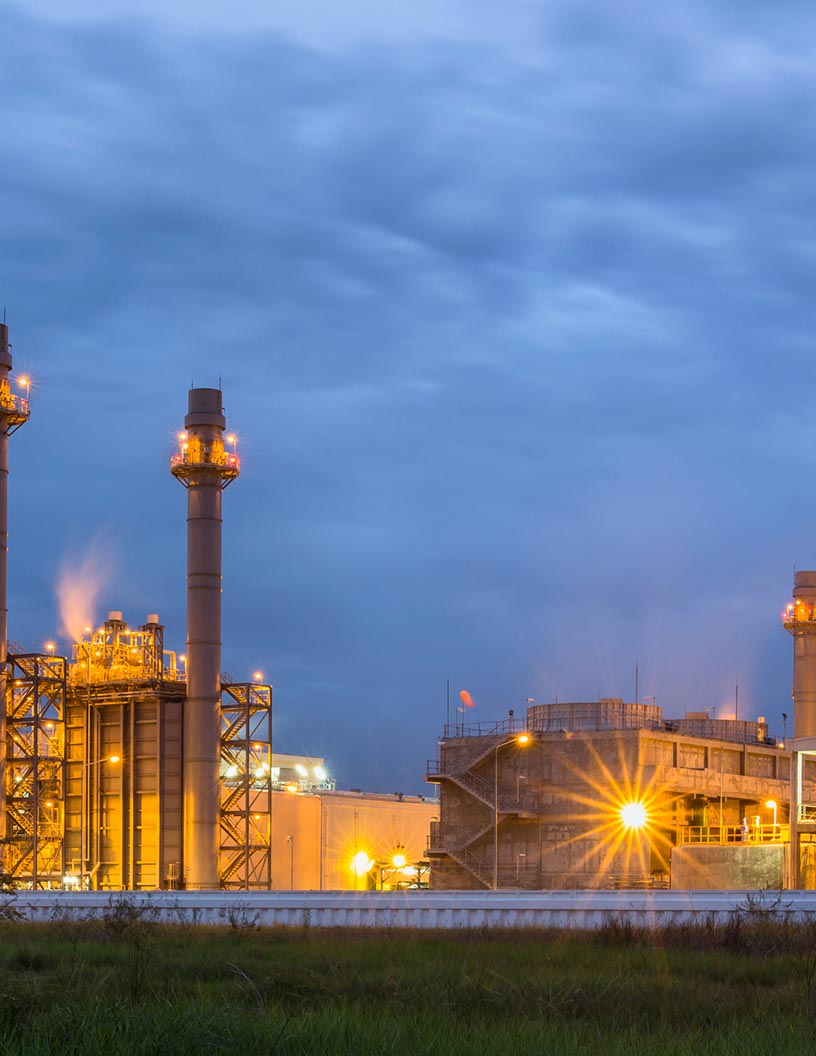


Selective Catalytic Reduction (SCR) Systems Market for Coal-fired Plants Size 2024-2028
The selective catalytic reduction (scr) systems market for coal-fired plants size is forecast to increase by USD 1.07 billion at a CAGR of 6.42% between 2023 and 2028.
What will be the Size of the Selective Catalytic Reduction (SCR) Systems Market for Coal-fired Plants During the Forecast Period?

How is this Selective Catalytic Reduction (SCR) Systems for Coal-fired Plants Industry segmented and which is the largest segment?
The selective catalytic reduction (scr) systems for coal-fired plants industry research report provides comprehensive data (region-wise segment analysis), with forecasts and estimates in "USD billion" for the period 2024-2028, as well as historical data from 2018-2022 for the following segments.
- Application
- Large-scale power plant
- Small-scale power plant
- Type
- DeNOx
- DeSOx
- Geography
- APAC
- China
- India
- Japan
- Europe
- Germany
- North America
- US
- South America
- Middle East and Africa
- APAC
By Application Insights
The large-scale power plant segment is estimated to witness significant growth during the forecast period. Coal-fired plants with a capacity exceeding 300 MW play a significant role in power generation, supplying electricity to grids and reducing per-unit costs. This economic advantage is particularly beneficial for plant owners in countries like India, where energy demand has surged due to economic development. For instance, the National Thermal Power Corporation Limited (NTPC) expanded its reach overseas with the addition of the 660-MW Unit-1 of the 1,320 MW Maitree Super Thermal Power Plant in Bangladesh. As the world transitions to renewable energy and sustainable development, coal-fired plants face increasing pressure to reduce air pollution and greenhouse gas emissions. This has led to the adoption of Selective Catalytic Reduction (SCR) systems for NOx reduction and other emission control technologies.
SCR systems improve air quality, contribute to industrial decarbonization, and align with corporate social responsibility initiatives. Additionally, the integration of circular economy principles, alternative fuels, and energy efficiency measures can further enhance the sustainability of coal-fired plants.

Get a glance at the market report of various segments Request Free Sample
The Large-scale power plant segment was valued at USD 1.62 billion in 2018 and showed a gradual increase during the forecast period.
Regional Analysis
APAC is estimated to contribute 61% to the growth of the global market during the forecast period. Technavio’s analysts have elaborately explained the regional trends and drivers that shape the market during the forecast period.

For more insights on the market size of various regions, Request Free Sample
The market is significant In the Asia Pacific (APAC) region due to its high coal consumption and installed capacity for power generation. China, as the world's largest coal consumer since 2011, accounting for over half of global consumption, is a major contributor to the market in APAC. With the launch of new and advanced coal capacity in coal mining regions like Shanxi, Shaanxi, Inner Mongolia, and Xinjiang, the demand for SCR systems is anticipated to increase. SCR technology is crucial for improving air quality, reducing pollution, and mitigating climate change by decreasing NOx emissions from coal-fired power plants. It aligns with sustainable business practices, circular economy principles, and eco-friendly solutions.
SCR systems contribute to industrial decarbonization, emission reduction, and environmental responsibility. The adoption of SCR technology is in line with government regulations, industry standards, and public health concerns, including smog, urban air quality, and global warming. The integration of SCR systems in coal-fired power generation supports clean air technologies, sustainable mobility, and the energy transition towards low-emission vehicles and renewable energy sources.
Market Dynamics
Our researchers analyzed the data with 2023 as the base year, along with the key drivers, trends, and challenges. A holistic analysis of drivers will help companies refine their marketing strategies to gain a competitive advantage.
What are the key market drivers leading to the rise In the adoption of Selective Catalytic Reduction (SCR) Systems for Coal-fired Plants Industry?
- Stringent emission control regulations is the key driver of the market.The market is gaining momentum due to the increasing focus on renewable energy, sustainable development, and climate change mitigation. Strict regulations aimed at air quality improvement and pollution control are driving the demand for SCR systems. These regulations, such as the Clean Air Act Amendments of 1990 In the US, mandate the installation and operation of NOx Reduction Technologies, including SCR systems, in major stationary sources of NOx emissions. The SCR system is an eco-innovative solution that reduces NOx emissions by up to 90%, contributing significantly to industrial decarbonization and environmental responsibility. Furthermore, SCR systems are integral to circular economy initiatives, as they enable the efficient use of fuel and minimize greenhouse gas emissions.
The adoption of SCR systems is also aligned with sustainable business practices, including carbon footprint reduction, eco-friendly solutions, and green manufacturing. Additionally, the transition to alternative fuels, such as natural gas, and the integration of clean air technologies, like exhaust gas recirculation and emission reduction strategies, are further boosting the market growth. The SCR system's ability to improve engine optimization, fuel efficiency, and vehicle regulations aligns with the automotive industry trends, including the adoption of electric vehicles, hybrid vehicles, and low-emission vehicles. In summary, the SCR Systems Market for Coal-fired Plants is a critical component of the global efforts towards emission reduction, sustainable mobility, and environmental protection.
What are the market trends shaping the Selective Catalytic Reduction (SCR) Systems for Coal-fired Plants market?
- Technological advances in SCR systems is the upcoming market trend.The coal-fired power industry faces increasing pressure to reduce greenhouse gas emissions and improve air quality in line with sustainable development and climate change mitigation efforts. Selective Catalytic Reduction (SCR) systems have emerged as a key technology for NOx reduction in coal-fired power plants, aligning with industry standards and regulatory requirements. However, challenges such as ammonia slip and higher operational costs persist. To address these concerns, innovative solutions are being developed. For instance, Mitsubishi Heavy Industries Ltd. Offers advanced SCR system designs, including its Zero Slip ammonia SCR system and mercury oxidation capabilities, which enable more than 90% capture of flue gas from NO exhaust, thereby reducing environmental impact and improving operational efficiency.
This eco-innovation contributes to corporate social responsibility, fuel efficiency improvements, and sustainable business practices, ultimately reducing a coal-fired plant's carbon footprint and contributing to the energy transition towards renewable energy and green transportation. SCR systems play a crucial role in circular economy initiatives, as they help In the reduction of exhaust emissions, contributing to clean air technologies and sustainable mobility, while adhering to emission reduction targets and public health concerns.
What challenges does the Selective Catalytic Reduction (SCR) Systems for Coal-fired Plants Industry face during its growth?
- High maintenance cost of SCR systems is a key challenge affecting the industry growth.The global coal-fired power industry is undergoing a significant transformation due to increasing focus on renewable energy, sustainable development, and climate change mitigation. Strict regulations on air quality improvement and pollution control have led operators to adopt various technologies for NOx reduction, including selective catalytic reduction (SCR) systems. SCR technology is gaining popularity due to its high NOx reduction efficiency, which can reach up to 90%. However, the high initial investment required for SCR systems, which is 50% more than that of SNCR systems and 500% higher than low-NO burners, poses a challenge to their widespread adoption. Despite this, the benefits of SCR technology in terms of emission reduction, sustainable business practices, and environmental responsibility are compelling.
The transition to cleaner energy sources and the adoption of eco-friendly solutions, such as green manufacturing, alternative fuels, and circular economy principles, are driving the demand for SCR systems in various industries. Additionally, the growing trend towards industrial decarbonization, sustainable mobility, and clean air technologies is expected to further boost the market for SCR systems. Innovations in SCR technology, such as exhaust gas recirculation and vehicle fleet management, are also contributing to the market growth. Government regulations and emission standards continue to evolve, emphasizing the importance of NOx reduction strategies and eco-innovation for environmental compliance. The automotive industry is also adopting clean diesel technology, electric buses, and hybrid vehicles to reduce greenhouse gas emissions and improve fuel efficiency.
Overall, the market for SCR systems is poised for growth as industries and governments prioritize environmental protection and sustainable transportation solutions.
Exclusive Customer Landscape
The selective catalytic reduction (scr) systems market for coal-fired plants forecasting report includes the adoption lifecycle of the market, covering from the innovator’s stage to the laggard’s stage. It focuses on adoption rates in different regions based on penetration. Furthermore, the selective catalytic reduction (scr) systems market for coal-fired plants report also includes key purchase criteria and drivers of price sensitivity to help companies evaluate and develop their market growth analysis strategies.

Customer Landscape
Key Companies & Market Insights
Companies are implementing various strategies, such as strategic alliances, selective catalytic reduction (scr) systems market for coal-fired plants forecast, partnerships, mergers and acquisitions, geographical expansion, and product/service launches, to enhance their presence In the industry.
Andritz AG - ANDRITZ Air Pollution Control, a subsidiary of ANDRITZ Group, specializes in providing selective catalytic reduction (SCR) systems for coal-fired power plants. These advanced systems effectively reduce harmful nitrogen oxide (NOx) emissions, adhering to stringent environmental regulations. By utilizing a catalyst to convert NOx into harmless nitrogen and water, SCR technology significantly improves plant efficiency and reduces environmental impact. ANDRITZ's SCR systems are renowned for their durability, reliability, and low maintenance requirements, making them a preferred choice for power generators worldwide.
The industry research and growth report includes detailed analyses of the competitive landscape of the market and information about key companies, including:
- Andritz AG
- Babcock Power Inc.
- BASF SE
- CECO Environmental Corp.
- CORMETECH Inc.
- Doosan Corp.
- Ducon
- Durr AG
- Faurecia SE
- Hitachi Zosen Corp.
- Mitsubishi Heavy Industries Ltd.
- Robert Bosch GmbH
- Rochling SE and Co. KG
- Tenneco Inc.
- Yara International ASA
- Bosal Nederland BV
- Burelle SA
- DEC marine AB
- Fuel Tech Inc.
Qualitative and quantitative analysis of companies has been conducted to help clients understand the wider business environment as well as the strengths and weaknesses of key industry players. Data is qualitatively analyzed to categorize companies as pure play, category-focused, industry-focused, and diversified; it is quantitatively analyzed to categorize companies as dominant, leading, strong, tentative, and weak.
Research Analyst Overview
Selective Catalytic Reduction (SCR) systems have emerged as a critical technology In the power generation sector, playing a pivotal role In the reduction of harmful emissions from coal-fired plants. These systems contribute significantly to air quality improvement, pollution control, and climate change mitigation efforts worldwide. The global shift towards sustainable business practices and eco-friendly solutions has intensified the focus on SCR technology. The implementation of SCR systems in coal-fired power plants is a crucial step towards industrial decarbonization and environmental responsibility. The technology enables the reduction of greenhouse gas emissions, particularly carbon dioxide, and contributes to the control of nitrogen oxides (NOx) and other harmful exhaust gases.
SCR systems are an essential component of clean air technologies, which are increasingly becoming industry standards. These technologies are designed to minimize the environmental impact of industrial processes and promote sustainable mobility. SCR systems contribute to the reduction of smog, particulate matter, and other air pollutants, enhancing public health and contributing to the circular economy. The adoption of SCR technology is driven by various factors, including stricter emission standards and regulations, corporate social responsibility, and the need for eco-innovation. The automotive industry, too, has embraced SCR technology for diesel emissions control, with hybrid vehicles and electric buses incorporating SCR systems to improve fuel efficiency and reduce emissions.
The integration of SCR technology in coal-fired power plants and the transportation sector is a significant step towards sustainable development. It represents a commitment to environmental protection and a reduction In the carbon footprint of industries. The technology's role In the energy transition and the promotion of green transportation solutions is a testament to its importance In the global efforts to combat climate change. The implementation of SCR systems in coal-fired power plants and the transportation sector is a complex process that requires careful planning and execution. It involves engine optimization, exhaust gas recirculation, and vehicle fleet management strategies, among other considerations.
The adoption of SCR technology requires a comprehensive understanding of the technology's benefits, challenges, and cost-effectiveness. In conclusion, the Selective Catalytic Reduction (SCR) market for coal-fired plants is a dynamic and evolving sector that plays a critical role In the reduction of harmful emissions and the promotion of sustainable business practices. The technology's importance in air quality improvement, pollution control, and climate change mitigation efforts is undeniable, making it a key focus area for industries and governments worldwide. The adoption of SCR technology represents a commitment to environmental protection, sustainable development, and the circular economy.
|
Market Scope |
|
|
Report Coverage |
Details |
|
Page number |
168 |
|
Base year |
2023 |
|
Historic period |
2018-2022 |
|
Forecast period |
2024-2028 |
|
Growth momentum & CAGR |
Accelerate at a CAGR of 6.42% |
|
Market growth 2024-2028 |
USD 1.07 billion |
|
Market structure |
Fragmented |
|
YoY growth 2023-2024(%) |
4.93 |
|
Key countries |
US, China, India, Japan, and Germany |
|
Competitive landscape |
Leading Companies, Market Positioning of Companies, Competitive Strategies, and Industry Risks |
What are the Key Data Covered in this Selective Catalytic Reduction (SCR) Systems Market for Coal-fired Plants Research and Growth Report?
- CAGR of the Selective Catalytic Reduction (SCR) Systems for Coal-fired Plants industry during the forecast period
- Detailed information on factors that will drive the growth and forecasting between 2024 and 2028
- Precise estimation of the size of the market and its contribution of the industry in focus to the parent market
- Accurate predictions about upcoming growth and trends and changes in consumer behaviour
- Growth of the market across APAC, Europe, North America, South America, and Middle East and Africa
- Thorough analysis of the market’s competitive landscape and detailed information about companies
- Comprehensive analysis of factors that will challenge the selective catalytic reduction (scr) systems market for coal-fired plants growth of industry companies
We can help! Our analysts can customize this selective catalytic reduction (scr) systems market for coal-fired plants research report to meet your requirements.
 RIA -
RIA -