
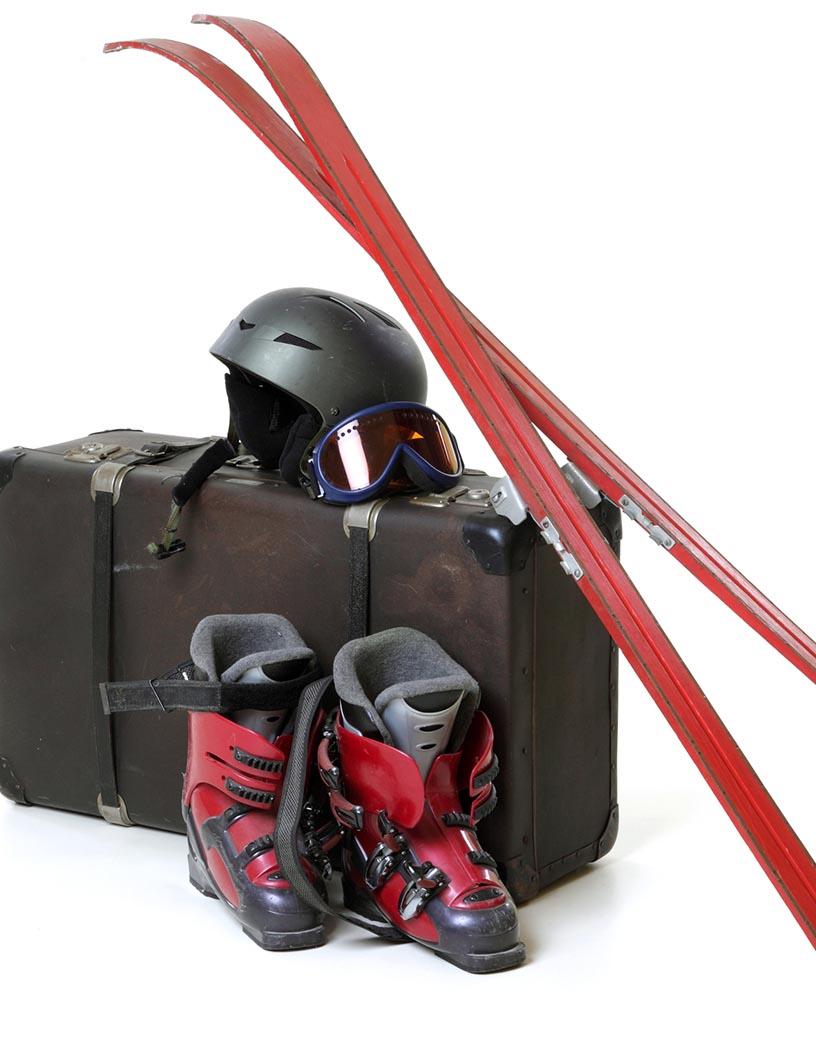


Ski Equipment Market Size 2025-2029
The ski equipment market size is forecast to increase by USD 605.4 million, at a CAGR of 5.1% between 2024 and 2029.
- The market is experiencing significant growth due to the increasing participation rate in skiing and other snow sports. This trend is driven by the rising popularity of winter activities and the growing number of ski resorts worldwide. A notable development in the market is the rising trend of freeride skiing, which involves skiing off-piste and in backcountry areas. This trend is influencing the design and production of ski equipment, with manufacturers focusing on creating lighter, more versatile, and durable equipment to cater to this segment. However, the high cost of ski equipment poses a challenge for market growth.
- The expensive nature of skiing equipment, including skis, boots, bindings, and protective gear, can deter potential customers. Additionally, the need for frequent upgrades due to technological advancements and changing trends can further increase the overall cost. To overcome this challenge, manufacturers and retailers can explore strategies such as offering financing options, rental services, or bundled packages to make ski equipment more affordable for consumers. By addressing this issue, companies can tap into the vast potential of the growing skiing and snow sports market.
What will be the Size of the Ski Equipment Market during the forecast period?
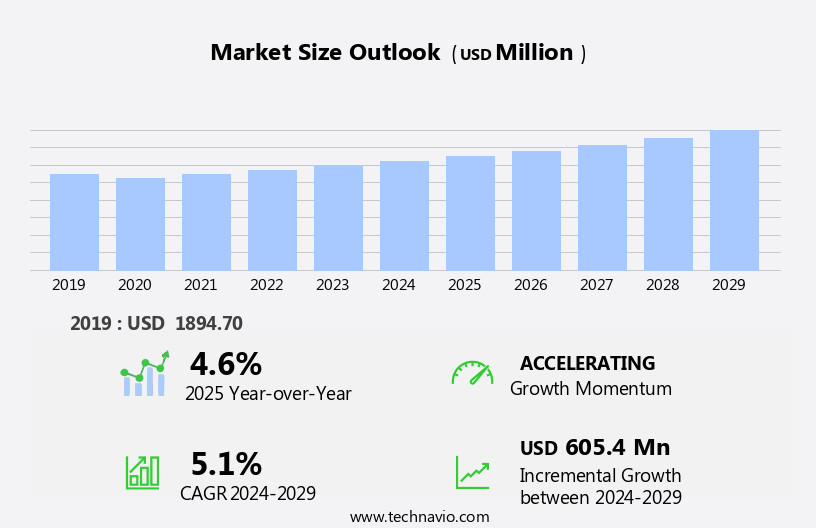
Explore in-depth regional segment analysis with market size data - historical 2019-2023 and forecasts 2025-2029 - in the full report.
Request Free Sample
The market continues to evolve, with dynamic market trends shaping various sectors. Ski sidecut, lift tickets, ski length, and snow safety are key elements driving innovation. Ski sidecut, for instance, has evolved from traditional radius designs to more versatile shapes, catering to different skiing styles. Lift tickets have transitioned to season passes, offering skiers and snowboarders greater value and flexibility. Ski length and snow conditions are interconnected, with advancements in materials and technology enabling skis of various lengths to perform optimally in diverse snow conditions. Snow safety remains a priority, with ongoing developments in avalanche safety gear, such as beacons, probes, and shovels, ensuring the safety of backcountry enthusiasts.
Alpine skiing, whether it's alpine racing or freeride, benefits from advancements in equipment. Base layers, mid layers, and outerwear provide improved insulation and moisture management, enhancing overall comfort and performance. Backcountry gear, including avalanche safety equipment and touring skis, enables skiers to explore off-piste terrain. Ski racing, from giant slalom to super G, relies on precise equipment tuning, such as edge sharpening and ski waxing, to optimize performance. Ski bindings and boots have also evolved, with advancements in binding technology and boot fitting ensuring a more comfortable and secure connection between skier and equipment. Snowboarding, with its various styles like freestyle and powder, has seen innovations in snowboard stance, flex rating, and shape.
Twin tip snowboards and directional snowboards cater to different riding styles, while snowboard bindings have become more adjustable and versatile. Skiing and snowboarding injuries are a concern, with ongoing research focusing on injury prevention and equipment design. Ski patrol teams and ski schools play a crucial role in ensuring safety on the slopes, with terrain park features and trail grooming contributing to a safer and more enjoyable experience for skiers and snowboarders. Weather forecasting and artificial snow technology have revolutionized ski resorts, enabling them to offer consistent skiing conditions throughout the season. Overall, the market continues to evolve, with ongoing innovations and advancements shaping the industry and enhancing the skiing and snowboarding experience.
How is this Ski Equipment Industry segmented?
The ski equipment industry research report provides comprehensive data (region-wise segment analysis), with forecasts and estimates in "USD million" for the period 2025-2029, as well as historical data from 2019-2023 for the following segments.
- Product
- Skis and poles
- Ski boots
- Ski bindings
- Ski protective gear
- Distribution Channel
- Offline
- Online
- End-user
- Men
- Women
- Kids
- Professionals
- Beginners
- Application
- Alpine skiing
- Downhill skiing
- Cross-country skiing
- Ski touring
- Geography
- North America
- US
- Canada
- Europe
- Austria
- France
- Germany
- Italy
- The Netherlands
- APAC
- China
- India
- Japan
- Rest of World (ROW)
- North America
.
By Product Insights
The skis and poles segment is estimated to witness significant growth during the forecast period.
Skis and poles are essential equipment for various skiing disciplines, including alpine, cross-country, and freestyle. Different types of skis and poles cater to diverse skiing styles and terrains. For instance, alpine skis are suitable for downhill skiing, featuring a wide waist width and camber for better stability and control on steep slopes. In contrast, cross-country skis have a narrower waist width and a longer length for efficient gliding on flat or gently rolling terrain. Ski poles' length is typically measured in centimeters, with the optimal length depending on the skier's height and skiing style. Nordic skiing, including both classic and skate skiing, is popular in regions with extensive snow coverage, such as North America and Europe.
The International Ski Federation (FIS) governs ski sports at the international level, ensuring standardization and fair competition. Skiing equipment maintenance, such as base grinding and edge sharpening, is crucial for optimal performance and safety. Freeride skiing and terrain park skiing have gained popularity in recent years, with the need for specialized equipment like twin tip skis, directional snowboards, and bindings. Avalanche safety equipment, including shovels, probes, and beacons, is essential for backcountry skiing and snowboarding. Ski boot liners, width, and fitting are critical factors in ensuring comfort and performance. Skiing injuries, such as fractures and sprains, are a concern for skiers and snowboarders.
Proper equipment fitting, slope rating awareness, and skiing safety education are essential to minimize risks. Ski resorts invest in trail grooming, lift tickets, and weather forecasting to optimize the skiing experience. Artificial snow and snowmaking technology have extended the ski season in many regions. Ski racing, including giant slalom, super G, and slalom, requires specialized equipment and training. Ski instructors play a crucial role in teaching skiers and snowboarders essential skills and techniques. Ski boot fitting, waxing, and pole adjustments are essential for maintaining equipment and optimizing performance. In summary, the skiing and snowboarding market is diverse, with various equipment types, styles, and applications catering to different skiing disciplines and terrains.
Proper equipment selection, maintenance, and safety precautions are essential for an enjoyable and safe skiing experience.
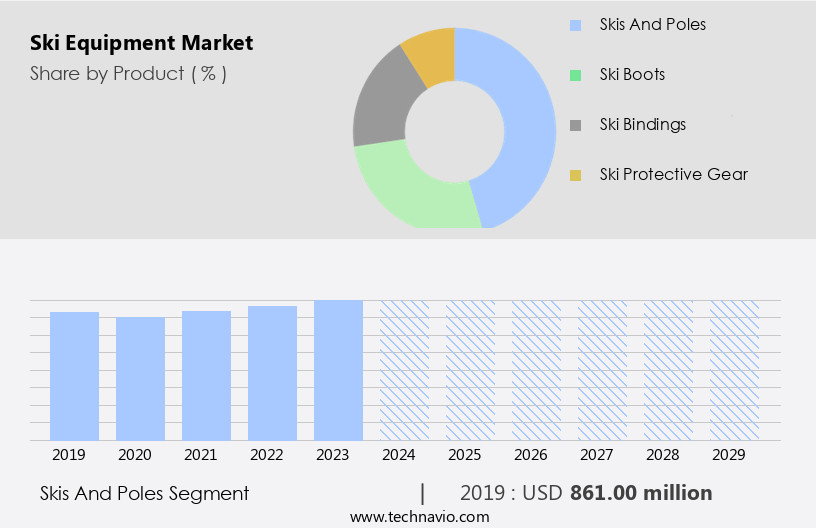
The Skis and poles segment was valued at USD 861.00 million in 2019 and showed a gradual increase during the forecast period.
Regional Analysis
Europe is estimated to contribute 48% to the growth of the global market during the forecast period. Technavio's analysts have elaborately explained the regional trends and drivers that shape the market during the forecast period.

The European market is experiencing significant growth due to various factors. The increasing number of female participants in skiing, favorable government support, and the popularity of snow sports for fitness are key drivers. Nordic skiing, alpine skiing, and ski touring are popular choices for health-conscious individuals. Ski resorts and arenas continue to expand, providing more opportunities for enthusiasts. Skiing injuries are a concern, but advancements in equipment, such as avalanche safety gear and edge sharpening, are addressing safety issues. Ski boot liners, bindings, and camber are essential components of high-performance ski equipment. Backcountry skiing and snowboarding are gaining popularity, requiring specialized gear like avalanche beacons and probes.
Weather forecasting and artificial snow technology enable longer ski seasons. Cross-country skiing and skate skiing offer low-impact alternatives for fitness enthusiasts. Ski instructors and racing teams contribute to the market's growth, while trail grooming ensures optimal ski conditions. The market caters to various skiing styles, including giant slalom, super G, freeride, and park skiing. Ski width, flex rating, and snowboard shape are essential considerations for snowboarders. Overall, the European the market is thriving, offering diverse options for skiers and snowboarders alike.
Market Dynamics
Our researchers analyzed the data with 2024 as the base year, along with the key drivers, trends, and challenges. A holistic analysis of drivers will help companies refine their marketing strategies to gain a competitive advantage.
What are the key market drivers leading to the rise in the adoption of Ski Equipment Industry?
- The significant growth in the number of individuals engaging in skiing and other snow sports serves as the primary catalyst for market expansion.
- The market is experiencing significant growth due to several factors. The increasing number of young people and rising disposable income have led to a surge in participation in skiing and other snow sports. Furthermore, the growing awareness of the health benefits of outdoor activities, such as improved cardiovascular health and stress relief, is driving demand for ski equipment. Moreover, hectic lifestyles and unhealthy eating habits have resulted in an obesity epidemic, leading more people to seek out physical activities like skiing and snowboarding. Companies in the ski equipment industry are utilizing various marketing strategies to increase awareness and penetration in the market.
- Advancements in technology have also influenced consumer behavior, with many opting for convenient shopping platforms such as online stores. Ski resorts are investing in trail grooming and weather forecasting to ensure optimal skiing conditions. Ski width, slope rating, and snowboard flex rating are essential considerations for skiers and snowboarders, and companies are offering a diverse range of products to cater to different skill levels and preferences. Pipe skiing and downhill skiing continue to be popular, with cross-country skiing gaining traction due to its low impact and full-body workout benefits. The market is expected to grow further with the development of artificial snow technology and innovative snowboard shapes.
- Overall, the market dynamics of the ski equipment industry are driven by consumer preferences, technological advancements, and marketing strategies.
What are the market trends shaping the Ski Equipment Industry?
- The increasing popularity of freeride skiing represents a significant market trend. Freeride skiing, characterized by its ungroomed terrain and greater freedom for skiers, is experiencing notable growth within the skiing industry.
- The market is experiencing significant growth, driven by the increasing popularity of skiing and snowboarding as recreational and competitive winter sports. Freeride skiing, a style of skiing and snowboarding on un-groomed terrain without set courses or rules, is particularly popular in North America and Europe. This sport's appeal is attributed to rising consumer awareness of fitness regimes, increased consumer spending, and the presence of numerous ski regions in these continents. Moreover, the Winter Olympics and Sprint US Grand Prix series further fuel the market's growth.
- Snow safety equipment, such as avalanche beacons, backcountry gear, and ski wax, are essential for freeride skiing in challenging snow conditions. Ski length, sidecut, and stance are critical factors in ski performance, while ski poles are essential accessories for maintaining balance and rhythm. Overall, the market is thriving due to the sport's widespread appeal, increasing consumer participation, and the continuous advancements in ski technology.
What challenges does the Ski Equipment Industry face during its growth?
- The escalating costs of ski equipment represent a significant challenge to the growth of the ski industry.
- The market is an essential segment of the winter sports industry, with significant investments required due to the unique conditions and equipment needs compared to summer sports. According to the International Olympic Association (IOA), the cost per athlete for winter games is approximately double that of summer games, with ski equipment accounting for a larger portion of the expenses. While the average cost per athlete for summer games is around USD 700,000, with apparel accounting for approximately 20%, the cost for winter games is approximately USD 1.3 million, with apparel accounting for around 40%. Ski equipment maintenance, including base grinding and edge sharpening, is crucial for optimal performance and safety.
- Skiing injuries are common, and proper equipment fit, such as the right size and shape of ski boots and liners, is essential to prevent injuries. Additionally, safety equipment like avalanche shovels is a must-have for backcountry skiing and snowboarding. Different skiing disciplines, such as giant slalom, freeride skiing, and ski touring, require specific equipment. For instance, twin tip snowboards are popular for freeride skiing, allowing riders to perform tricks and maneuvers in various snow conditions. Skiing equipment maintenance and safety considerations are essential for all skiing enthusiasts, whether participating in competitive events or recreational activities.
Exclusive Customer Landscape
The ski equipment market forecasting report includes the adoption lifecycle of the market, covering from the innovator's stage to the laggard's stage. It focuses on adoption rates in different regions based on penetration. Furthermore, the ski equipment market report also includes key purchase criteria and drivers of price sensitivity to help companies evaluate and develop their market growth analysis strategies.
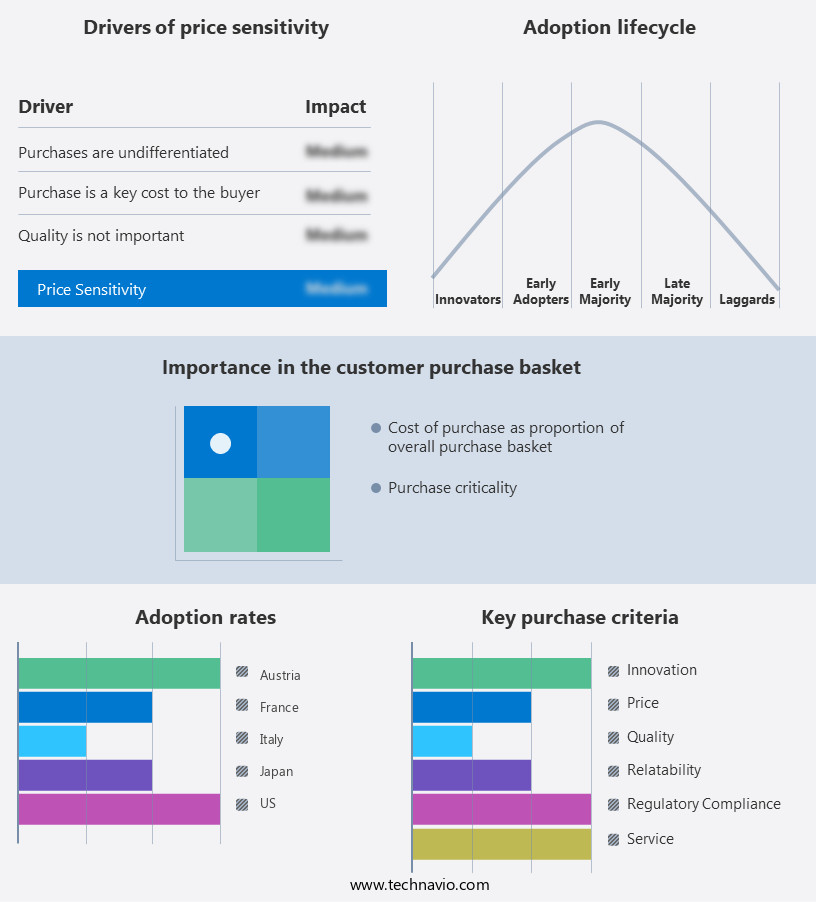
Customer Landscape
Key Companies & Market Insights
Companies are implementing various strategies, such as strategic alliances, ski equipment market forecast, partnerships, mergers and acquisitions, geographical expansion, and product/service launches, to enhance their presence in the industry.
ANTA Sports Products Ltd. - The company specializes in providing high-quality ski equipment, including backpacks, knit caps, neck warmers, gloves, and footwear.
The industry research and growth report includes detailed analyses of the competitive landscape of the market and information about key companies, including:
- ANTA Sports Products Ltd.
- Burton Corp.
- Clarus Corp.
- Crosson
- Decathlon SA
- Fischer Sports GmbH
- Gi.Di. Meccanica S.p.A.
- Group Rossignol USA Inc.
- Icelantic LLC
- INEMOTION INC.
- K2 Sports Europe GmbH
- KJK Sports
- Kneissl Tirol GmbH
- LIVALL Tech Co. Ltd.
- Ober Alp SPA
- Rhythm SnowSports
- SKIWAX
- Stöckli Swiss Sports AG
- Tecnica Group SpA
- Volkl Int. GmbH
Qualitative and quantitative analysis of companies has been conducted to help clients understand the wider business environment as well as the strengths and weaknesses of key industry players. Data is qualitatively analyzed to categorize companies as pure play, category-focused, industry-focused, and diversified; it is quantitatively analyzed to categorize companies as dominant, leading, strong, tentative, and weak.
Recent Development and News in Ski Equipment Market
- In February 2024, Salomon, a leading ski equipment manufacturer, introduced its innovative Alpine Prolink binding system, which promises improved safety and compatibility with various ski models (Salomon press release, 2024). This development is expected to enhance the user experience and potentially boost sales for the company.
- In July 2024, Amer Sports, the Finnish sporting goods company, announced a strategic partnership with the U.S. Ski & Snowboard team, becoming the official supplier of equipment for the team through the 2026 Winter Olympics (Amer Sports press release, 2024). This collaboration will strengthen Amer Sports' presence in the North American market and support its commitment to promoting winter sports.
- In March 2025, K2 Sports, a major ski equipment manufacturer, completed the acquisition of Rossignol, a French ski brand, for approximately â¬350 million (Bloomberg, 2025). This merger will create a stronger market position for K2 Sports in the European market and expand its product offerings.
- In October 2025, the European Union (EU) announced a new initiative to invest â¬500 million in the development and production of sustainable ski resorts and equipment, aiming to reduce the carbon footprint of the ski industry (EU press release, 2025). This investment will contribute to the growth of the market while promoting eco-friendly practices.
Research Analyst Overview
- The skiing industry, rooted in history and culture, continues to evolve, driven by advancements in equipment technology and a growing focus on fitness and community. Skiing media outlets disseminate news and trends, while data analytics shape marketing strategies. Skiing education and training programs refine technique and safety, fostering a competitive environment. Sustainability and physiotherapy are increasingly important, with eco-friendly materials and rehabilitation techniques shaping the industry's future. Innovations in transportation, apparel, and accessories enhance the skiing experience. Skiing competitions and events showcase these advancements, attracting tourists and fostering a vibrant community. Skiing's economic impact is significant, with tourism and coaching services contributing to local economies.
- Social media platforms facilitate communication and engagement among skiers. The environmental impact of skiing is under scrutiny, leading to research and initiatives promoting sustainable practices. Innovations in skiing technique, safety training, and rehabilitation continue to shape the industry, catering to diverse needs and preferences. The skiing industry's future lies in its ability to adapt and innovate, while preserving the essence of this beloved winter sport.
Dive into Technavio's robust research methodology, blending expert interviews, extensive data synthesis, and validated models for unparalleled Ski Equipment Market insights. See full methodology.
|
Market Scope |
|
|
Report Coverage |
Details |
|
Page number |
244 |
|
Base year |
2024 |
|
Historic period |
2019-2023 |
|
Forecast period |
2025-2029 |
|
Growth momentum & CAGR |
Accelerate at a CAGR of 5.1% |
|
Market growth 2025-2029 |
USD 605.4 million |
|
Market structure |
Fragmented |
|
YoY growth 2024-2025(%) |
4.6 |
|
Key countries |
US, Austria, Canada, Germany, France, Italy, The Netherlands, China, Japan, and India |
|
Competitive landscape |
Leading Companies, Market Positioning of Companies, Competitive Strategies, and Industry Risks |
What are the Key Data Covered in this Ski Equipment Market Research and Growth Report?
- CAGR of the Ski Equipment industry during the forecast period
- Detailed information on factors that will drive the growth and forecasting between 2025 and 2029
- Precise estimation of the size of the market and its contribution of the industry in focus to the parent market
- Accurate predictions about upcoming growth and trends and changes in consumer behaviour
- Growth of the market across Europe, North America, APAC, South America, and Middle East and Africa
- Thorough analysis of the market's competitive landscape and detailed information about companies
- Comprehensive analysis of factors that will challenge the ski equipment market growth of industry companies
We can help! Our analysts can customize this ski equipment market research report to meet your requirements.