



Smart Home Automation Market Size 2025-2029
The smart home automation market size is forecast to increase by USD 261.31 billion at a CAGR of 28.9% between 2024 and 2029.
- The market is experiencing significant growth driven by the increased reliance on wireless technologies and the rise in adoption of cloud-based solutions. These trends enable seamless connectivity and remote control of various household devices, offering convenience and energy savings to consumers. However, the high initial cost associated with installation and configuration remains a challenge for market expansion. To capitalize on this market opportunity, companies should focus on developing cost-effective solutions and partnerships with key players in the wireless and cloud industries.
- Additionally, exploring financing options and offering flexible payment plans could help make smart home automation more accessible to a wider audience. Navigating these challenges and staying abreast of emerging technologies will be crucial for companies seeking to establish a strong presence in this dynamic market.
What will be the Size of the Smart Home Automation Market during the forecast period?

- The market is experiencing growth, driven by the increasing integration of Internet of Things (IoT) devices, Wi-Fi technology, and voice-activated devices into household appliances, security systems, entertainment systems, and more. IoT analytics and machine learning technologies are enabling personalized user experiences, tailored to individual preferences and daily routines. ML algorithms analyze user data and energy usage patterns to optimize energy savings and enhance overall efficiency.
- Wireless technology, voice control, and cloud services are key enablers, allowing for remote monitoring and control of connected devices, including smart thermostats, home gateways, and surveillance systems. The market's expansion is fueled by the consumer demand for convenience, security, and energy efficiency, making smart home automation a dynamic and promising sector.
How is this Smart Home Automation Industry segmented?
The smart home automation industry research report provides comprehensive data (region-wise segment analysis), with forecasts and estimates in "USD billion" for the period 2025-2029, as well as historical data from 2019-2023 for the following segments.
- Technology
- Hybrid
- Wireless
- Wired
- Component
- Hardware
- Software
- Services
- Application
- Entertainment
- Security and access
- Lighting
- HVAC and energy management
- Others
- Geography
- North America
- US
- Canada
- Europe
- France
- Germany
- Italy
- UK
- APAC
- China
- India
- Japan
- South Korea
- South America
- Middle East and Africa
- North America
By Technology Insights
The hybrid segment is estimated to witness significant growth during the forecast period.
The market encompasses a range of IoT-enabled devices and systems, including Wi-Fi, voice-activated devices, household appliances, security systems, entertainment systems, and energy savings solutions. ML technologies and algorithms facilitate user preferences and daily routines, while data protection and consumer privacy are prioritized. Smart speakers, thermostats, lighting systems, and home security systems are among the popular applications. Consumer spending on non-essential items, such as component shortages, motion detection, temperature detection, and humidity detection devices, is on the rise. The wireless technology segment dominates the market, with wireless connectivity technologies enabling remote control via smartphone apps and voice command.
The retrofit sector is a significant growth area, with safety and security solutions, such as smart locks, video doorbells, and home surveillance cameras, gaining popularity. Energy costs and climate change have fueled demand for energy-efficient devices, including smart air purifiers, water filtration systems, sleep trackers, and health and wellness gadgets. Entertainment control, TV control, multi-room audio, virtual assistants, window shades, kitchen appliances, and coffee makers are other key areas of investment.

Get a glance at the market report of share of various segments Request Free Sample
The Hybrid segment was valued at USD 17.19 billion in 2019 and showed a gradual increase during the forecast period.
Regional Analysis
North America is estimated to contribute 34% to the growth of the global market during the forecast period.Technavio’s analysts have elaborately explained the regional trends and drivers that shape the market during the forecast period.

For more insights on the market size of various regions, Request Free Sample
The market in North America is experiencing significant growth due to the rising preference for home automation among consumers. With increasing disposable income and a desire for a luxurious lifestyle, homeowners are increasingly adopting smart home systems. IoT analytics, Wi-Fi, voice-activated devices, and household appliances are popular categories in this market. Security systems, entertainment systems, and energy savings are key drivers. ML technologies and algorithms are used to personalize user experiences based on preferences, daily routines, and user data. ML-enabled devices include smart speakers, thermostats, lighting systems, and home security systems. Consumer spending on non-essential items, such as smart locks, video doorbells, home surveillance cameras, and mobile apps, is also increasing.
Energy savings, climate change, and energy-efficient devices are major concerns, with smart air purifiers, water filtration systems, sleep trackers, and health and wellness devices gaining popularity. Wireless technology segments, such as wireless connectivity technologies, are driving innovation in the retrofit sector. Safety and security, including smart locks, window shades, and kitchen appliances, are key areas of focus. Energy costs, consumer privacy, and data protection are important considerations.
Market Dynamics
Our researchers analyzed the data with 2024 as the base year, along with the key drivers, trends, and challenges. A holistic analysis of drivers will help companies refine their marketing strategies to gain a competitive advantage.
What are the key market drivers leading to the rise in the adoption of Smart Home Automation Industry?
- Increased reliance on wireless technologies is the key driver of the market.
- Wireless technologies are gaining popularity in the home automation market due to their ease of installation and remote control capabilities. Most devices used for HVAC control, security surveillance, and other home automation functions are wireless. This trend is expected to continue, as the installation of wireless products eliminates the need for complex wiring and saves time and labor costs. Companies, such as ACL, provide high-speed routers for wireless connectivity of home automation systems software.
- The data generated from these systems can be accessed quickly, enabling end-users to effectively monitor and control various building functions. Overall, the use of wireless technologies in home automation offers numerous benefits, making it a dynamic and growing market.
What are the market trends shaping the Smart Home Automation Industry?
- Rise in adoption of cloud-based technologies is the upcoming market trend.
- Cloud-based technology is revolutionizing the market by simplifying the management of home security systems. The centralized control of home gateways has transitioned to the cloud, allowing for easier resolution of software issues in connected devices and enhancing device interoperability. This shift is driving the rapid adoption of cloud-based home security solutions among residential users. These services offer self-monitoring and remote-service features, providing homeowners with a user-friendly interface to manage their home security from anywhere.
- Additionally, cloud-based services enable the storage of surveillance images for on-demand access, adding an extra layer of security and convenience. The adoption of cloud-based services in smart home automation is a significant trend, making home security more accessible and efficient for homeowners.
What challenges does the Smart Home Automation Industry face during its growth?
- High initial cost associated with installation and configuration is a key challenge affecting the industry growth.
- The market faces growth challenges due to the high cost of installing these systems. This hindrance limits the consumer base, particularly in emerging markets where affordability is a significant concern. Manufacturers aim to cater to the mass consumer segment but require substantial investments in research and development to create cost-effective solutions. The complexity of the technology necessitates extensive research and development efforts, further increasing costs.
- Despite these challenges, companies continue to invest in this market, driven by the potential for increased convenience, energy savings, and enhanced security features.
Exclusive Customer Landscape
The smart home automation market forecasting report includes the adoption lifecycle of the market, covering from the innovator’s stage to the laggard’s stage. It focuses on adoption rates in different regions based on penetration. Furthermore, the smart home automation market report also includes key purchase criteria and drivers of price sensitivity to help companies evaluate and develop their market growth analysis strategies.
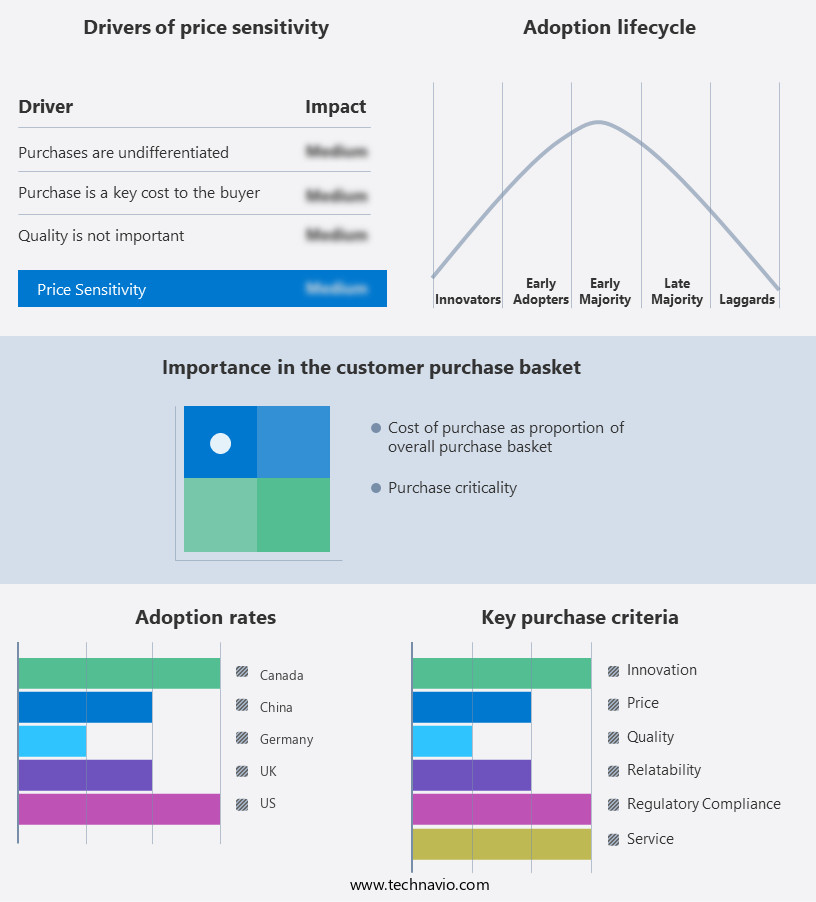
Customer Landscape
Key Companies & Market Insights
Companies are implementing various strategies, such as strategic alliances, smart home automation market forecast, partnerships, mergers and acquisitions, geographical expansion, and product/service launches, to enhance their presence in the industry.
ABB Ltd. - The company specializes in providing advanced home automation systems, enabling control over various functions including blinds, lighting, heating, air conditioning, and door communication. These solutions aim to streamline daily life and promote intelligent living.
The industry research and growth report includes detailed analyses of the competitive landscape of the market and information about key companies, including:
- ABB Ltd.
- Allegion Public Ltd. Co.
- Alphabet Inc.
- Amazon.com Inc.
- Comcast Corp.
- Crestron Electronics Inc.
- Honeywell International Inc.
- Hubbell Inc.
- Ingersoll Rand Inc.
- Johnson Controls International Plc
- Legrand SA
- Leviton Manufacturing Co. Inc.
- LG Corp.
- Lutron Electronics Co. Inc.
- Panasonic Holdings Corp.
- Robert Bosch GmbH
- Samsung Electronics Co. Ltd.
- Schneider Electric SE
- Siemens AG
- Snap One LLC
Qualitative and quantitative analysis of companies has been conducted to help clients understand the wider business environment as well as the strengths and weaknesses of key industry players. Data is qualitatively analyzed to categorize companies as pure play, category-focused, industry-focused, and diversified; it is quantitatively analyzed to categorize companies as dominant, leading, strong, tentative, and weak.
Research Analyst Overview
The market is experiencing significant growth as consumers seek to enhance their living experiences through the integration of Internet of Things (IoT) technologies. This market encompasses a range of devices and systems, including Wi-Fi-enabled household appliances, voice-activated devices, and security systems. IoT analytics plays a crucial role in optimizing the performance of these systems. Machine learning technologies and algorithms analyze user preferences and daily routines to provide personalized experiences. User data and personal preferences are essential inputs for these systems, enabling them to learn and adapt to individual needs. Smart speakers and other voice-activated devices have become popular entrées into the market.
They offer convenience and ease of use, allowing users to control various aspects of their homes through simple voice commands. Energy savings is another significant driver of the market, as smart thermostats, lighting systems, and energy-efficient devices help reduce energy costs and mitigate the impact of climate change. Smart home security systems, including smart locks, video doorbells, and home surveillance cameras, provide peace of mind for consumers. These systems use motion detection, temperature detection, and humidity detection to monitor homes and alert users of potential intrusions or environmental concerns. The wireless technology segment is a major contributor to the market, with wireless connectivity technologies enabling seamless integration of various devices and systems.
The retrofit sector also presents significant opportunities for growth, as many consumers seek to upgrade their existing homes with smart technology. Consumer spending on non-essential items, such as smart home devices, has remained despite component shortages and other supply chain challenges. The market for smart air purifiers, water filtration systems, sleep trackers, and health and wellness devices continues to expand as consumers prioritize indoor air quality and personal well-being. Entertainment control is another key application area for smart home automation. Systems that enable users to control their TVs, multi-room audio, and virtual assistants offer convenience and enhanced user experiences.
Data protection and consumer privacy are critical considerations for the market. As users share increasing amounts of personal data with these systems, it is essential that manufacturers and service providers prioritize data security and privacy. In , the market is experiencing growth as consumers seek to enhance their living experiences through the integration of IoT technologies. The market encompasses a range of devices and systems, including smart speakers, thermostats, security systems, and entertainment control devices. IoT analytics, wireless technology, and consumer demand for energy savings and enhanced convenience are key drivers of market growth. Data protection and consumer privacy are critical considerations for the market, as users share increasing amounts of personal data with these systems.
|
Market Scope |
|
|
Report Coverage |
Details |
|
Page number |
217 |
|
Base year |
2024 |
|
Historic period |
2019-2023 |
|
Forecast period |
2025-2029 |
|
Growth momentum & CAGR |
Accelerate at a CAGR of 28.9% |
|
Market growth 2025-2029 |
USD 261.31 billion |
|
Market structure |
Fragmented |
|
YoY growth 2024-2025(%) |
26.6 |
|
Key countries |
US, China, Canada, UK, Japan, Germany, India, South Korea, Italy, and France |
|
Competitive landscape |
Leading Companies, Market Positioning of Companies, Competitive Strategies, and Industry Risks |
What are the Key Data Covered in this Smart Home Automation Market Research and Growth Report?
- CAGR of the Smart Home Automation industry during the forecast period
- Detailed information on factors that will drive the growth and forecasting between 2025 and 2029
- Precise estimation of the size of the market and its contribution of the industry in focus to the parent market
- Accurate predictions about upcoming growth and trends and changes in consumer behaviour
- Growth of the market across North America, Europe, APAC, South America, and Middle East and Africa
- Thorough analysis of the market’s competitive landscape and detailed information about companies
- Comprehensive analysis of factors that will challenge the smart home automation market growth of industry companies
We can help! Our analysts can customize this smart home automation market research report to meet your requirements.