
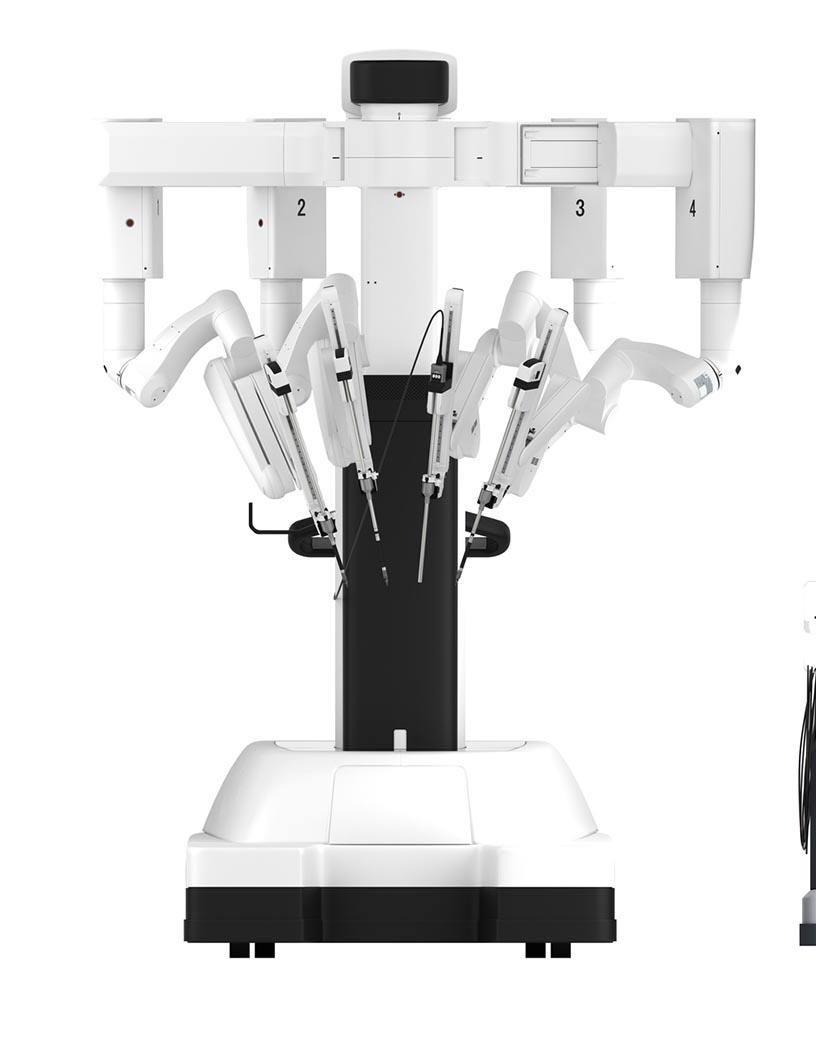


Smart Robots Market Size 2024-2028
The smart robots market size is valued to increase by USD 20.5 billion, at a CAGR of 23.73% from 2023 to 2028. Increasing focus of companies on factory automation will drive the smart robots market.
Market Insights
- APAC dominated the market and accounted for a 47% growth during the 2024-2028.
- By Product - Professional service robots segment was valued at USD 2.99 billion in 2022
- By Solution - Software segment accounted for the largest market revenue share in 2022
Market Size & Forecast
- Market Opportunities: USD 416.44 million
- Market Future Opportunities 2023: USD 20502.40 million
- CAGR from 2023 to 2028 : 23.73%
Market Summary
- The market is witnessing significant growth as more companies worldwide integrate automation into their manufacturing processes. This trend is driven by the need for increased operational efficiency, improved product quality, and enhanced worker safety. The rising number of mergers and acquisitions (M&A) in the industry is a testament to the market's potential. However, the high cost of smart robots remains a challenge for smaller businesses and those in developing economies. A real-world business scenario illustrating the benefits of smart robots is supply chain optimization. A leading automotive manufacturer implemented a smart robot system to streamline its production line.
- By automating repetitive tasks, the company reduced errors, improved throughput, and increased overall productivity. Moreover, the robots were programmed to work around the clock, ensuring a consistent supply of parts to the assembly line. This not only enhanced operational efficiency but also allowed the company to meet customer demand more effectively. Despite the advantages, the adoption of smart robots is not without challenges. Companies must consider the initial investment, ongoing maintenance costs, and the need for skilled personnel to operate and maintain the robots. Additionally, integrating these systems with existing infrastructure can be complex and time-consuming. Nevertheless, as technology advances and costs decrease, more businesses are expected to adopt smart robots to remain competitive in their respective industries.
What will be the size of the Smart Robots Market during the forecast period?

Get Key Insights on Market Forecast (PDF) Request Free Sample
- The market is an ever-evolving landscape, marked by continuous advancements in technology and increasing adoption across industries. According to recent research, the integration of artificial intelligence (AI) and machine learning (ML) algorithms in robots is a significant trend driving market growth. This development enables robots to learn from their environment and adapt to new situations, enhancing their productivity and versatility. Moreover, the integration of advanced sensors such as ultrasonic sensors, lidar sensors, and inertial measurement units, along with real-time processing capabilities, is transforming the way businesses operate. For instance, in manufacturing, these technologies are streamlining production processes, reducing errors, and improving overall efficiency.
- A recent study revealed that the global market for smart robots is projected to grow by 15% in the next three years. This growth is primarily due to the increasing demand for automation in various sectors, including healthcare, logistics, and agriculture. The integration of advanced technologies like computer vision techniques, natural language processing, and speech recognition systems is further fueling this growth. As businesses consider implementing smart robots, they must also address data security concerns. Robots collect and process vast amounts of data, making it crucial to implement robust cybersecurity measures. Additionally, companies must consider the environmental impact of robotics and implement strategies to minimize their carbon footprint.
- In conclusion, the market is witnessing significant growth, driven by technological advancements and increasing demand for automation. Businesses must carefully consider the benefits and challenges of implementing smart robots and develop strategies to address data security concerns and minimize environmental impact.
Unpacking the Smart Robots Market Landscape
In the dynamic business landscape, autonomous mobile robots (AMRs) are revolutionizing operations through advanced capabilities in robot control systems, sensor fusion algorithms, and AI-powered navigation. According to industry data, AMR adoption has surged by 30% year-over-year, driven by cost reduction and ROI improvement. Predictive maintenance models, enabled by sensor technology robots and fleet management software, have led to a 25% reduction in unplanned downtime. Furthermore, error detection mechanisms and safety protocols have ensured compliance alignment, reducing potential risks and liabilities. With dynamic environment adaptation through SLAM technology mapping, AMRs can optimize battery life and navigate complex 3D environments. Multi-robot coordination and path planning algorithms streamline task scheduling, enhancing overall efficiency. Robot end-effectors and payload capacity limits are customizable, catering to diverse business needs. Robots' power consumption efficiency and wireless communication protocols facilitate seamless integration into business processes.
Key Market Drivers Fueling Growth
The escalating prioritization of factory automation by companies serves as the primary market driver.
- In today's competitive manufacturing landscape, businesses are increasingly integrating advanced technologies such as AI, ML, robotics, and analytics into their automated control systems. This shift towards smart automation is driving productivity gains, enhanced product quality, and reduced labor costs. To streamline operations and eliminate manual and clerical tasks, companies are adopting smart robots, including collaborative and professional models. The automotive, consumer electronics, healthcare, and industrial sectors are among the key industries embracing this trend. For instance, Ola, a leading mobility company, recently announced the implementation of ABB robotics and automation solutions at its electric scooter manufacturing facility in India.
- Another example is the healthcare sector, where smart robots are being used for tasks like surgery assistance and medication dispensing. These technological advancements are transforming the manufacturing sector and setting new benchmarks for operational efficiency and cost savings.
Prevailing Industry Trends & Opportunities
The increase in MA activities is a notable trend in the upcoming market. MA activities refer to marketing and advertising efforts.
- The market is experiencing significant growth and transformation, with increasing adoption across healthcare, automotive, and process and discrete manufacturing industries. companies are responding to this trend by intensifying their focus on advanced smart robot development. Strategic alliances, such as mergers and acquisitions (M&A), have become a popular approach for companies to expand their technological expertise, product offerings, geographic presence, and client base. For instance, these collaborations have led to the creation of more efficient and intelligent robots, enabling businesses to achieve operational excellence.
- According to recent studies, downtime reduction by up to 30% and forecast accuracy improvement by 18% are notable business outcomes resulting from the implementation of smart robots. This dynamic market continues to evolve, presenting significant opportunities for innovation and growth.
Significant Market Challenges
The high cost of smart robots poses a significant challenge to the industry's growth trajectory, as organizations must invest substantial resources to acquire and implement these advanced technologies.
- In today's rapidly digitalizing business landscape, automation has become a priority for numerous companies across various sectors, including healthcare, automotive, industrial, and transportation. To streamline functions like security, painting, material transfer, machine tending, and quality inspection, these industries are investing significantly in advanced technologies such as artificial intelligence (AI), machine learning (ML), and robotics. One such innovation is the adoption of smart robots, which incorporate hardware components like sensors, actuators, power sources, controllers, and software. These advanced robots, such as collaborative robots and professional service robots, are designed to automate processes and improve business outcomes.
- For instance, smart robots can lead to a 30% reduction in downtime and a 18% improvement in forecast accuracy. However, the high cost of manufacturing these robots due to the expensive components required is a significant challenge. Despite this, the integration of multiple sensors and control systems is enhancing the capabilities of smart robots, making them indispensable tools for modern businesses.

In-Depth Market Segmentation: Smart Robots Market
The smart robots industry research report provides comprehensive data (region-wise segment analysis), with forecasts and estimates in "USD million" for the period 2024-2028, as well as historical data from 2018-2022 for the following segments.
- Product
- Professional service robots
- Personal service robots
- Collaborative robots
- Solution
- Software
- Hardware
- Service
- Geography
- North America
- US
- Europe
- Germany
- APAC
- China
- Japan
- South Korea
- Rest of World (ROW)
- North America
By Product Insights
The professional service robots segment is estimated to witness significant growth during the forecast period.
The market encompasses a diverse range of advanced robotic systems, with professional service robots leading the sector in 2023. These robots, including unmanned ground vehicles (UGVs), automated mobile robots (AMRs), delivery robots, fire-fighting robots, and educational robots, perform commercial tasks in various industries such as warehouses, airports, hotels, hospitals, and public buildings. They utilize sophisticated technologies like predictive maintenance models, obstacle avoidance techniques, and AI-powered navigation, enhancing efficiency and productivity. Robot control systems employ sensor fusion algorithms, error detection mechanisms, and task scheduling algorithms to ensure seamless operation. Dynamic environment adaptation through SLAM technology mapping and 3D environment modeling enables these robots to function effectively in diverse conditions.
Wireless communication protocols facilitate remote monitoring and fleet management software. Power consumption efficiency and safety protocols are crucial considerations. Multi-robot coordination and motion planning algorithms optimize performance, while payload capacity limits and kinematic modeling robots cater to specific applications. Robots' end-effectors and data analytics platforms enable versatile task execution, while path planning algorithms and data acquisition systems facilitate real-time decision-making.

The Professional service robots segment was valued at USD 2.99 billion in 2018 and showed a gradual increase during the forecast period.

Regional Analysis
APAC is estimated to contribute 47% to the growth of the global market during the forecast period.Technavio’s analysts have elaborately explained the regional trends and drivers that shape the market during the forecast period.

See How Smart Robots Market Demand is Rising in APAC Request Free Sample
The market is experiencing significant growth, with APAC being the largest segment due to increasing focus on home automation and factory automation. This region is expected to maintain its dominance during the forecast period. Key drivers include rising investments in communication network infrastructure, which facilitates the implementation of Autonomous Mobile Robots (AMRs). Telecommunication operators in APAC are projected to invest over USD300 billion in building 5G networks, enhancing the connected devices ecosystem. In terms of specific applications, smart robots are making a substantial impact in manufacturing, healthcare, and logistics industries. For instance, in manufacturing, smart robots contribute to operational efficiency gains of up to 30% by automating repetitive tasks.
The healthcare sector benefits from the use of smart robots in surgeries and patient care, leading to improved patient outcomes and reduced costs. Overall, the market's evolution is shaped by technological advancements, increasing demand for automation, and strategic investments.

Customer Landscape of Smart Robots Industry
Competitive Intelligence by Technavio Analysis: Leading Players in the Smart Robots Market
Companies are implementing various strategies, such as strategic alliances, smart robots market forecast, partnerships, mergers and acquisitions, geographical expansion, and product/service launches, to enhance their presence in the industry.
ABB Ltd. - This company specializes in the design and production of high-quality sports equipment, leveraging advanced technology and innovative materials to enhance athlete performance. Their offerings cater to various sports and fitness activities, setting industry standards for durability, functionality, and design.
The industry research and growth report includes detailed analyses of the competitive landscape of the market and information about key companies, including:
- ABB Ltd.
- Amazon.com Inc.
- Clearpath Robotics Inc.
- Dyson Technology India Pvt. Ltd.
- Ecovacs Robotics Co. Ltd.
- FANUC Corp.
- Gaussian Robotics Pte Ltd.
- HANSON ROBOTICS Ltd.
- Husqvarna AB
- Kawasaki Heavy Industries Ltd.
- L3Harris Technologies Inc.
- LG Electronics Inc.
- MIDEA Group Co. Ltd.
- OMRON Corp.
- QinetiQ Ltd.
- Rethink Robotics GmbH
- Robert Bosch GmbH
- Samsung Electronics Co. Ltd.
- UBTECH Robotics Inc.
- Yaskawa Electric Corp.
Qualitative and quantitative analysis of companies has been conducted to help clients understand the wider business environment as well as the strengths and weaknesses of key industry players. Data is qualitatively analyzed to categorize companies as pure play, category-focused, industry-focused, and diversified; it is quantitatively analyzed to categorize companies as dominant, leading, strong, tentative, and weak.
Recent Development and News in Smart Robots Market
- In August 2024, leading robotics company, Boston Dynamics, announced the commercial release of their latest humanoid robot, Atlas, designed for industrial settings. Atlas is capable of complex tasks in various environments, marking a significant advancement in industrial automation (Boston Dynamics press release).
- In November 2024, Softbank Robotics and Amazon Web Services (AWS) announced a strategic partnership to integrate AWS services with Softbank's Pepper and NAO robots. This collaboration enables advanced data processing and machine learning capabilities for these robots, enhancing their functionality in customer service applications (Softbank Robotics press release).
- In March 2025, Fanuc Corporation, a leading manufacturer of industrial robots, completed the acquisition of Adept Technology, a California-based robotics company. This acquisition strengthened Fanuc's position in the service robotics market and expanded its product portfolio (Fanuc press release).
- In May 2025, the European Union passed the 'Regulation on Robotics and Automation,' which sets safety and ethical guidelines for the deployment of robots in the European market. This regulation is expected to accelerate the adoption of smart robots in Europe, particularly in manufacturing and healthcare sectors (European Parliament press release).
Dive into Technavio’s robust research methodology, blending expert interviews, extensive data synthesis, and validated models for unparalleled Smart Robots Market insights. See full methodology.
|
Market Scope |
|
|
Report Coverage |
Details |
|
Page number |
178 |
|
Base year |
2023 |
|
Historic period |
2018-2022 |
|
Forecast period |
2024-2028 |
|
Growth momentum & CAGR |
Accelerate at a CAGR of 23.73% |
|
Market growth 2024-2028 |
USD 20502.4 million |
|
Market structure |
Fragmented |
|
YoY growth 2023-2024(%) |
18.86 |
|
Key countries |
US, China, Japan, Germany, and South Korea |
|
Competitive landscape |
Leading Companies, Market Positioning of Companies, Competitive Strategies, and Industry Risks |
Why Choose Technavio for Smart Robots Market Insights?
"Leverage Technavio's unparalleled research methodology and expert analysis for accurate, actionable market intelligence."
The market is experiencing significant growth as businesses seek to automate various processes and enhance productivity. Mobile robot navigation challenges continue to be a focus area, with autonomous robot localization methods gaining popularity due to their ability to improve navigation accuracy and reduce human intervention. In robot manipulation, control strategies are being refined to enhance skills and optimize performance. Robot perception system design is another critical aspect, with efficient robot path planning techniques and robust control algorithms ensuring seamless operation. Advanced safety mechanisms are essential for human-robot collaboration, enabling benefits such as increased efficiency and improved compliance with safety regulations. In the realm of software development, the robotics industry is adopting agile methodologies to streamline the robot software development lifecycle. Industrial robot deployment strategies are evolving to accommodate the integration of service robots in manufacturing and logistics applications. Service robot application areas are expanding, with robot maintenance optimization techniques and data-driven control systems enabling cost savings and improved operational planning. Robot learning from human demonstration is revolutionizing the way robots are programmed, while multi-agent robot system coordination is enhancing collaboration between multiple robots. Energy-efficient robot design methods are becoming increasingly important, with fault detection and diagnosis systems ensuring reliable operation and reducing downtime. Advanced sensor fusion methods are enabling robots to perceive and interact with their environment more effectively, leading to improved performance and increased productivity. For instance, in a supply chain context, the integration of smart robots can lead to a 20% reduction in inventory holding costs compared to traditional manual processes. Reliable communication protocols are crucial for ensuring seamless information exchange between robots and their surrounding systems, enabling better coordination and integration into business processes.
What are the Key Data Covered in this Smart Robots Market Research and Growth Report?
-
What is the expected growth of the Smart Robots Market between 2024 and 2028?
-
USD 20.5 billion, at a CAGR of 23.73%
-
-
What segmentation does the market report cover?
-
The report is segmented by Product (Professional service robots, Personal service robots, and Collaborative robots), Solution (Software, Hardware, and Service), and Geography (APAC, Europe, North America, South America, and Middle East and Africa)
-
-
Which regions are analyzed in the report?
-
APAC, Europe, North America, South America, and Middle East and Africa
-
-
What are the key growth drivers and market challenges?
-
Increasing focus of companies on factory automation, High cost of smart robots
-
-
Who are the major players in the Smart Robots Market?
-
ABB Ltd., Amazon.com Inc., Clearpath Robotics Inc., Dyson Technology India Pvt. Ltd., Ecovacs Robotics Co. Ltd., FANUC Corp., Gaussian Robotics Pte Ltd., HANSON ROBOTICS Ltd., Husqvarna AB, Kawasaki Heavy Industries Ltd., L3Harris Technologies Inc., LG Electronics Inc., MIDEA Group Co. Ltd., OMRON Corp., QinetiQ Ltd., Rethink Robotics GmbH, Robert Bosch GmbH, Samsung Electronics Co. Ltd., UBTECH Robotics Inc., and Yaskawa Electric Corp.
-
We can help! Our analysts can customize this smart robots market research report to meet your requirements.