

Sodium Lauroyl Isethionate Market Analysis North America, Europe, APAC, South America, Middle East and Africa - US, China, Germany, UK, Japan - Size and Forecast 2024-2028

Sodium Lauroyl Isethionate Market Analysis North America, Europe, APAC, South America, Middle East and Africa - US, China, Germany, UK, Japan - Size and Forecast 2024-2028

Published: Jul 2024 135 Pages SKU: IRTNTR74541

Market Overview at a Glance

$8.5 Mn
Market Opportunity
2.11%
CAGR
2.07
YoY growth 2023-2024(%)

Sodium Lauroyl Isethionate Market Size 2024-2028 

The sodium lauroyl isethionate market size is forecast to increase by USD 8.5 million, at a CAGR of 2.11% between 2023 and 2028. The market is witnessing substantial growth driven by several key factors. Firstly, the personal care sector is expanding as consumers increasingly invest in grooming and self-care products, driven by a desire for enhanced personal well-being. This growth is further supported by a rising awareness among consumers about the importance of appearance and hygiene. As people become more conscious of maintaining cleanliness and a polished image, there is a greater demand for products that support these goals. Additionally, the growth in institutional and industrial (I&I) cleaners is a significant factor. Organizations across various sectors, including healthcare, education, and hospitality, are prioritizing effective cleaning solutions to uphold high hygiene standards and ensure a safe environment. Together, the expansion of personal care, increased focus on personal hygiene, and the demand for industrial cleaning solutions are crucial drivers of market growth.

What will be the Size of the Market During the Forecast Period?
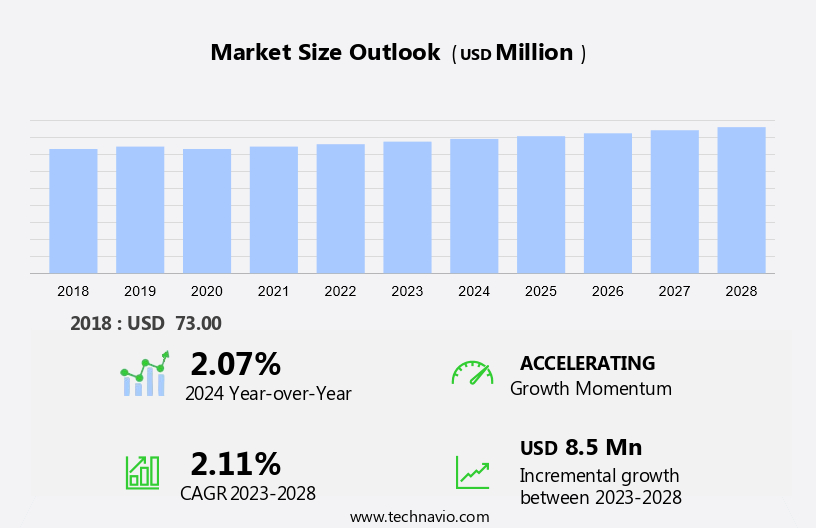
Sodium Lauroyl Isethionate Market Size

For More Highlights About this Report, Request Free Sample

Market Dynamic and Customer Landscape

Sodium Lauroyl Isethionate (SLI) is a mild, water-soluble surfactant widely used in various cosmetics and personal care items, including shampoos, conditioners, soaps, and skin care applications. This coconut-derived ingredient functions as a mild cleansing agent, providing a high-foaming product without causing skin dryness or irritation. In the cosmetics industry, SLI is increasingly popular due to its sulfate-free nature, making it an excellent alternative for those with skin concerns such as acne, psoriasis, or hair loss. SLI's versatility extends beyond personal care, as it also finds applications in clarifying shampoos and mild surfactants for beauty items. Its ability to effectively remove impurities while maintaining skin-friendliness makes it a preferred choice for consumers seeking gentle, effective cleansing solutions. The growing trend towards synthetic surfactant-free and natural personal care products has propelled the demand for Sodium Lauroyl Isethionate, with online platforms playing a significant role in its distribution and sales.

Key Market Driver

Growth in the personal care sector is notably driving market growth. The global sodium lauroyl isethionate market is anticipated to experience significant growth due to the increasing demand for mild cleansing products in various cosmetic formulations. Sodium lauroyl isethionate is a skin-friendly synthetic surfactant derived from natural sources, making it an ideal ingredient for eco-friendly and sustainable production methods. Its gentle cleansing properties make it suitable for use in skincare and haircare sector, particularly in the powder segment, where precise dosage control is essential. Sodium lauroyl isethionate is widely used in the production of powdered syndet bars, solid cleansers, and as a mild detergent in baby soap and baby shampoo. Its super fine powder form and ability to generate a rich lather and foam make it an excellent choice for cosmetic applications. The aging population and elderly adults are increasingly seeking out OTC active ingredients and anti-aging cosmetic products, further fueling the demand for sodium lauroyl isethionate.

Moreover, the increasing preference for palm-free and environmentally friendly ingredients in cosmetic products is driving the growth of the sodium lauroyl isethionate market. Sodium lauroyl isethionate is also used as a viscosity builder and gelling agent in various cosmetic applications, making it a versatile ingredient in the cosmetic specialty chemicals industry. With the rise of e-commerce channels and the convenience they offer, consumers have greater access to a wider range of personal care products, further boosting market growth. Sodium lauroyl isethionate is also used as a substitute for sodium cocoyl isethionate in various applications due to its milder properties and excellent foaming ability. It is also effective in addressing skin concerns such as dryness, acne, psoriasis, hair loss, and skin allergies. Therefore, the increasing demand for gentle and effective cleansing agents in various cosmetic products is expected to drive the growth of the global sodium lauroyl isethionate market during the forecast period. Thus, such factors are driving the growth of the market during the forecast period.

Key Market Trends

Influence through social media and blogging is the key trend in the market. The Sodium Lauroyl Isethionate market is witnessing significant growth due to its extensive usage in mild cleansing products for addressing skin dryness and irritation in the skincare and haircare sector. This synthetic surfactant is derived from natural sources such as coconut oil and is eco-friendly, making it a popular choice for consumers seeking sustainable production methods and palm-free cosmetic formulations. Sodium Lauroyl Isethionate is a gentle cleansing agent, suitable for cosmetic applications, including powder segment syndet bars, solid cleansers, baby soap, and baby shampoo. Its super fine powder form and precise dosage control make it an ideal ingredient for lather and foam generation in various personal care products.

Further, with the aging population and elderly adults continue to increase, the demand for anti-aging cosmetic products with OTC active ingredients is on the rise. Sodium Lauroyl Isethionate, with its skin-friendly properties, is used in these products to cater to various skin concerns such as acne, psoriasis, hair loss, and skin allergies. Brands are focusing on using environmental friendly ingredients, and Sodium Lauroyl Isethionate fits the bill as it is a mild detergent that does not harm the skin or environment. The market for cosmetic specialty chemicals, including Sodium Lauroyl Isethionate, is expected to grow as consumers become more health-conscious and prefer eco-friendly and natural products. E-commerce channels are also playing a crucial role in the sales of these products, making it easier for consumers to access and purchase them from the comfort of their homes. Thus, such trends will shape the growth of the market during the forecast period.

Major Market Challenge

Stringent regulations on sodium lauroyl isethionate is the major challenge that affects the growth of the market. Sodium lauroyl isethionate is a mild synthetic surfactant widely used in various cosmetic formulations, including skincare and haircare products. Its gentle cleansing properties make it an ideal ingredient for creating precise dosage control in powders, syndet bars, and solid cleansers. However, its production involves ethylene oxide, a carcinogen, which can cause skin and eye irritation. This health concern has led to stringent regulations by governing bodies, such as the Environmental Protection Agency (EPA) in the US. The use of ethylene oxide in sodium lauroyl isethionate production also raises environmental concerns, making eco-friendly and sustainable production methods essential.

Further, with an aging population and increasing demand for eco-friendly and anti-aging cosmetic products, the market for sodium lauroyl isethionate is expected to grow. E-commerce channels are also driving the market's expansion, making it easily accessible to consumers. Despite these growth opportunities, the strict regulations and health concerns associated with sodium lauroyl isethionate production may hinder market growth during the forecast period. Sodium cocoyl isethionate is a viable alternative to sodium lauroyl isethionate, as it is derived from natural sources and does not involve the use of ethylene oxide. This super fine powder functions as a mild detergent and plays a crucial role in lather and foam generation. Hence, the above factors will impede the growth of the market during the forecast period

Exclusive Customer Landscape

The market forecasting report includes the adoption lifecycle of the market, covering from the innovator’s stage to the laggard’s stage. It focuses on adoption rates in different regions based on penetration. Furthermore, the report also includes key purchase criteria and drivers of price sensitivity to help companies evaluate and develop their market growth analysis strategies.
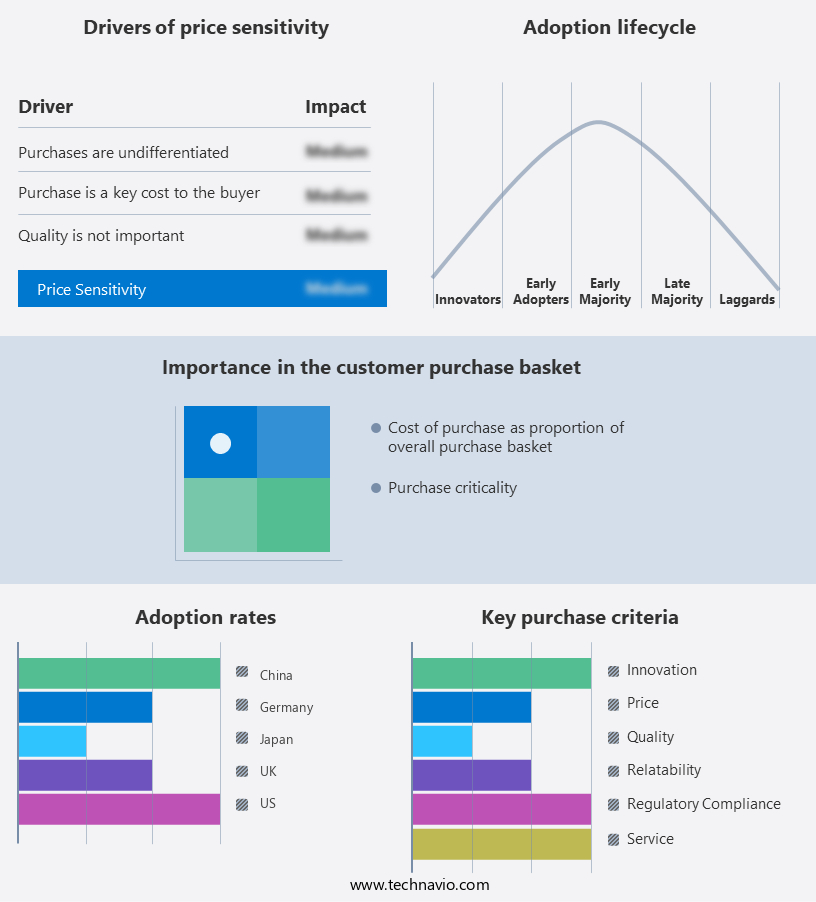
Sodium Lauroyl Isethionate Market Share by Geography

 Customer Landscape

Key Companies & Market Insights

Companies are implementing various strategies, such as strategic alliances, partnerships, mergers and acquisitions, geographical expansion, and product/service launches, to enhance their presence in the market.

  • BASF SE: The company offers sodium lauroyl isethionate such as jordapan sci which is used for mild personal care cleansing products, such as shampoo, body wash, liquid soap and syndet bar.

The market research and growth report also includes detailed analyses of the competitive landscape of the market and information about key companies, including:

  • Galaxy Surfactants Ltd.
  • Innospec Inc.
  • JEEN International Corp
  • Jilin Aegis Chemical Co. Ltd.
  • KIYU NEW MATERIAL CO.LTD.
  • McKinley Resources Inc.
  • Parchem Fine and Specialty Chemicals Inc.
  • STARCHEM ENTERPRISES LIMITED
  • Surface Chemical Industry Co Ltd.
  • Taiwan NJC CORP

Qualitative and quantitative analysis of companies has been conducted to help clients understand the wider business environment as well as the strengths and weaknesses of key market players. Data is qualitatively analyzed to categorize companies as pure play, category-focused, industry-focused, and diversified; it is quantitatively analyzed to categorize companies as dominant, leading, strong, tentative, and weak.

Market Segmentation

By Application 

The skin care segment is estimated to witness significant growth during the forecast period. Sodium Lauroyl Isethionate (SLIS), a mild surfactant derived from coconut-derived fatty acids and isethionic acid, plays a significant role in the cosmetics and personal care sector. Its water-soluble nature and lathering ability make it an ideal ingredient for various personal grooming products, including shampoos, conditioners, body washes, facial care products, toothpaste, and soaps. In the personal care market, SLIS is increasingly preferred as a sulfate-free surfactant due to its gentleness on skin and hair, especially for young consumers and geriatric populations. The skincare segment dominates the global Sodium Lauroyl Isethionate market, driven by the rising demand for mild and effective cleansing agents in skincare applications. The growing popularity of antiaging products and the increasing awareness of impurities and skin irritation have fueled market growth.
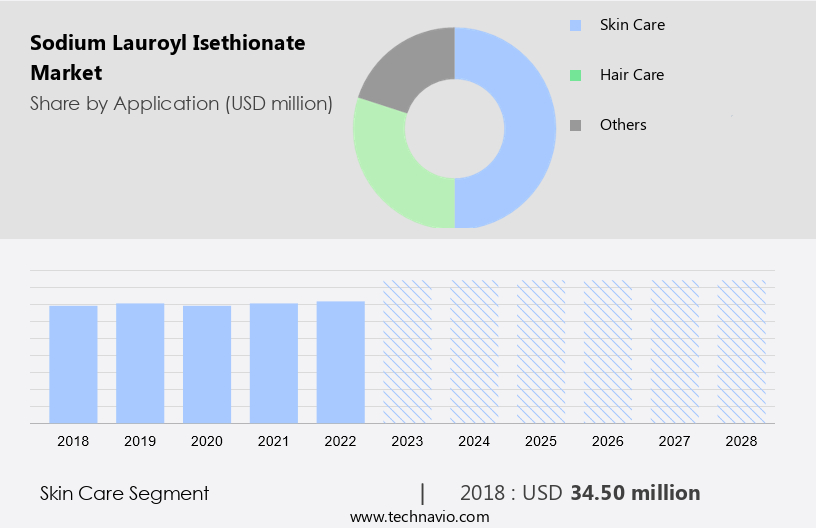
Sodium Lauroyl Isethionate Market Size

Get a glance at the market share of various regions Download the PDF Sample


The skin care segment accounted for USD 34.50 million in 2018. Despite being a high-foaming product, SLIS is less likely to cause skin, hair, or eye irritation, making it a preferred choice for various beauty items. Online platforms have made it easier for consumers to access these sulfate-free and gentle surfactants, further boosting market growth. In the realm of hair care, SLIS is widely used in clarifying shampoos due to its ability to remove impurities without stripping the hair of natural oils. Its use extends to conditioners and body washes, where it contributes to the creation of a rich lather while maintaining the skin's pH balance. In facial care products, SLIS acts as a gentle cleansing agent, effectively removing impurities without causing skin irritation. In toothpaste, it functions as a foaming agent and enhances the product's overall texture and consistency. However, concerns regarding the potential carcinogenic effects of sodium bisulfite and ethylene oxide, the raw materials used in the production of SLIS, may hinder market growth. Nevertheless, ongoing research and development efforts to find alternative production methods are expected to mitigate these concerns and ensure the continued growth of the Sodium Lauroyl Isethionate market.

Regional Analysis
Sodium Lauroyl Isethionate Market Share by Geography

For more insights on the market share of various regions Download PDF Sample now!

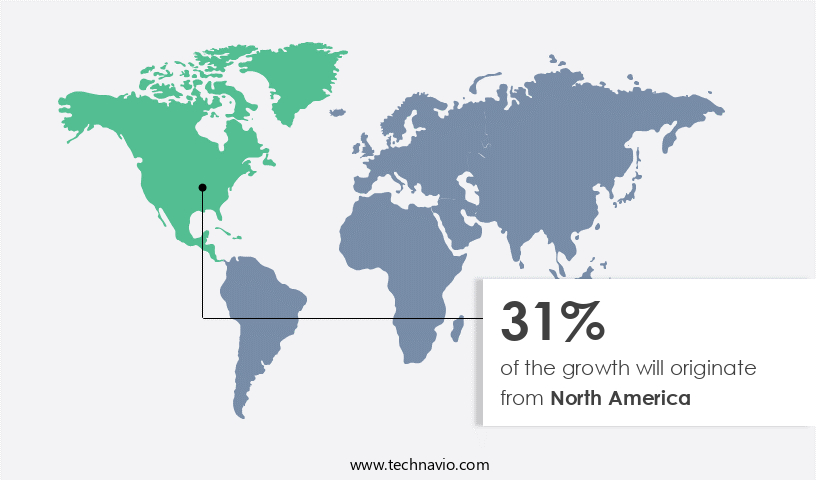
North America is estimated to contribute 31% to the growth of the global market during the forecast period. Technavio’s analysts have elaborately explained the regional trends and drivers that shape the market during the forecast period. Sodium Lauroyl Isethionate (SLIS) is a mild, water-soluble surfactant widely used in the cosmetics and personal care sector for producing lather in various personal grooming products. Derived from coconut-based fatty acids and isethionic acid, SLIS is a sulfate-free alternative to traditional sulfates, making it suitable for individuals with sensitive skin or scalp.

Further, young consumers and geriatric populations, as well as those seeking antiaging products, benefit from the use of SLIS due to its mild nature and ability to reduce skin and hair irritation. However, it is essential to note that SLIS can be produced using processes involving sodium bisulfite and ethylene oxide, which may raise concerns regarding potential carcinogenic effects or skin irritation. Despite this, the personal care sector continues to embrace SLIS as a valuable ingredient in high-foaming personal care items and beauty products, available for purchase on various online platforms.

Segment Overview

The market research report provides comprehensive data (region wise segment analysis), with forecasts and estimates in "USD Million" for the period 2024 to 2028, as well as historical data from 2018 to 2022 for the following segments.

  • Application Outlook
    • Skin care|
    • Hair care
    • Others
  • Region Outlook
    • North America
      • The U.S.
      • Canada
    • Europe
      • U.K.
      • Germany
      • France
      • Rest of Europe
    • APAC
      • China
      • India
    • South America
      • Chile
      • Brazil
      • Argentina
    • Middle East & Africa
      • Saudi Arabia
      • South Africa
      • Rest of the Middle East & Africa

You may also interested in below market reports:

  • Cosmetic Ingredients Market Analysis APAC, North America, Europe, South America, Middle East and Africa - France, Singapore, South Korea, Japan, US - Size and Forecast
  • Hair Care Market Analysis Europe, APAC, North America, South America, Middle East and Africa - US, China, Japan, Germany, UK - Size and Forecast
  • Liquid Hand Soap Market Analysis APAC, North America, Europe, South America, Middle East and Africa - US, China, India, Germany, UK - Size and Forecast

Market Analyst Overview

Sodium Lauroyl Isethionate (SLI) is a mild surfactant, widely used in the cosmetics and personal care industry. Derived from coconut-based fatty acids and isethionic acid, SLI is a water-soluble, sulfate-free surfactant. Its unique properties make it an ideal ingredient for various personal care items, including shampoos, conditioners, facial care products, body washes, toothpaste, and more. SLIs lathering ability and ability to remove impurities make it a popular choice in the personal care sector. In recent years, there has been a growing demand for sulfate-free surfactants due to concerns over potential skin and eye irritation caused by sulfates. SLI, being a gentle alternative, has gained popularity among young consumers and geriatric populations.

Further, SLIs production involves the reaction of isethionic acid with sodium bisulfite in the presence of ethylene oxide. It is available in various forms, including granules, chips & flakes, and powders. SLI is used in a wide range of applications, from clarifying shampoos to antiaging products. However, concerns over potential carcinogenic effects and skin irritation have led to regulatory scrutiny, limiting its use in some markets. Despite this, the demand for SLI in the personal care industry is expected to remain strong due to its mildness and effectiveness. Online platforms have made it easier for consumers to purchase SLI-based beauty items, further expanding its reach.

Market Scope

Report Coverage

Details

Page number

135

Base year

2023

Historic period

2018-2022

Forecast period

2024-2028

Growth momentum & CAGR

Accelerate at a CAGR of 2.11%

Market growth 2024-2028

USD 8.5 million

Market structure

Concentrated

YoY growth 2023-2024(%)

2.07

Regional analysis

North America, Europe, APAC, South America, and Middle East and Africa

Performing market contribution

North America at 31%

Key countries

US, China, Germany, UK, and Japan

Competitive landscape

Leading Companies, Market Positioning of Companies, Competitive Strategies, and Industry Risks

Key companies profiled

BASF SE, Galaxy Surfactants Ltd., Innospec Inc., JEEN International Corp, Jilin Aegis Chemical Co. Ltd., KIYU NEW MATERIAL CO.LTD., McKinley Resources Inc., Parchem Fine and Specialty Chemicals Inc., STARCHEM ENTERPRISES LIMITED, Surface Chemical Industry Co Ltd., and Taiwan NJC CORP

Market dynamics

Parent market analysis, Market growth inducers and obstacles, Fast-growing and slow-growing segment analysis, COVID-19 impact and recovery analysis and future consumer dynamics, Market condition analysis for the market forecast period

Customization purview

If our market report has not included the data that you are looking for, you can reach out to our analysts and get segments customized.


Download PDF Sample

What are the Key Data Covered in this Market Research Report?

  • CAGR of the market during the forecast period
  • Detailed information on factors that will drive the market growth and forecasting between 2024 and 2028
  • Precise estimation of the size of the market  and its contribution of the market in focus to the parent market
  • Accurate predictions about upcoming market growth and trends and changes in consumer behaviour
  • Growth of the market across North America, Europe, APAC, South America, and Middle East and Africa
  • Thorough analysis of the market’s competitive landscape and detailed information about companies
  • Comprehensive analysis of factors that will challenge the growth of market companies

1 Executive Summary

  • 1.1 Market overview
    • Executive Summary - Chart on Market Overview
    • Executive Summary - Data Table on Market Overview
    • Executive Summary - Chart on Global Market Characteristics
    • Executive Summary - Chart on Market by Geography
    • Executive Summary - Chart on Market Segmentation by Application
    • Executive Summary - Chart on Incremental Growth
    • Executive Summary - Data Table on Incremental Growth
    • Executive Summary - Chart on Company Market Positioning

2 Market Landscape

  • 2.1 Market ecosystem
    • Parent Market
    • Data Table on - Parent Market
  • 2.2 Market characteristics
    • Market characteristics analysis
  • 2.3 Value chain analysis
    • Value Chain Analysis

3 Market Sizing

  • 3.1 Market definition
    • Offerings of companies included in the market definition
  • 3.2 Market segment analysis
    • Market segments
  • 3.3 Market size 2023
    • 3.4 Market outlook: Forecast for 2023-2028
      • Chart on Global - Market size and forecast 2023-2028 ($ million)
      • Data Table on Global - Market size and forecast 2023-2028 ($ million)
      • Chart on Global Market: Year-over-year growth 2023-2028 (%)
      • Data Table on Global Market: Year-over-year growth 2023-2028 (%)

    4 Historic Market Size

    • 4.1 Global Sodium Lauroyl Isethionate Market 2018 - 2022
      • Historic Market Size - Data Table on Global Sodium Lauroyl Isethionate Market 2018 - 2022 ($ million)
    • 4.2 Application segment analysis 2018 - 2022
      • Historic Market Size - Application Segment 2018 - 2022 ($ million)
    • 4.3 Geography segment analysis 2018 - 2022
      • Historic Market Size - Geography Segment 2018 - 2022 ($ million)
    • 4.4 Country segment analysis 2018 - 2022
      • Historic Market Size - Country Segment 2018 - 2022 ($ million)

    5 Five Forces Analysis

    • 5.1 Five forces summary
      • Five forces analysis - Comparison between 2023 and 2028
    • 5.2 Bargaining power of buyers
      • Bargaining power of buyers - Impact of key factors 2023 and 2028
    • 5.3 Bargaining power of suppliers
      • Bargaining power of suppliers - Impact of key factors in 2023 and 2028
    • 5.4 Threat of new entrants
      • Threat of new entrants - Impact of key factors in 2023 and 2028
    • 5.5 Threat of substitutes
      • Threat of substitutes - Impact of key factors in 2023 and 2028
    • 5.6 Threat of rivalry
      • Threat of rivalry - Impact of key factors in 2023 and 2028
    • 5.7 Market condition
      • Chart on Market condition - Five forces 2023 and 2028

    6 Market Segmentation by Application

    • 6.1 Market segments
      • Chart on Application - Market share 2023-2028 (%)
      • Data Table on Application - Market share 2023-2028 (%)
    • 6.2 Comparison by Application
      • Chart on Comparison by Application
      • Data Table on Comparison by Application
    • 6.3 Skin care - Market size and forecast 2023-2028
      • Chart on Skin care - Market size and forecast 2023-2028 ($ million)
      • Data Table on Skin care - Market size and forecast 2023-2028 ($ million)
      • Chart on Skin care - Year-over-year growth 2023-2028 (%)
      • Data Table on Skin care - Year-over-year growth 2023-2028 (%)
    • 6.4 Hair care - Market size and forecast 2023-2028
      • Chart on Hair care - Market size and forecast 2023-2028 ($ million)
      • Data Table on Hair care - Market size and forecast 2023-2028 ($ million)
      • Chart on Hair care - Year-over-year growth 2023-2028 (%)
      • Data Table on Hair care - Year-over-year growth 2023-2028 (%)
    • 6.5 Others - Market size and forecast 2023-2028
      • Chart on Others - Market size and forecast 2023-2028 ($ million)
      • Data Table on Others - Market size and forecast 2023-2028 ($ million)
      • Chart on Others - Year-over-year growth 2023-2028 (%)
      • Data Table on Others - Year-over-year growth 2023-2028 (%)
    • 6.6 Market opportunity by Application
      • Market opportunity by Application ($ million)
      • Data Table on Market opportunity by Application ($ million)

    7 Customer Landscape

    • 7.1 Customer landscape overview
      • Analysis of price sensitivity, lifecycle, customer purchase basket, adoption rates, and purchase criteria

    8 Geographic Landscape

    • 8.1 Geographic segmentation
      • Chart on Market share by geography 2023-2028 (%)
      • Data Table on Market share by geography 2023-2028 (%)
    • 8.2 Geographic comparison
      • Chart on Geographic comparison
      • Data Table on Geographic comparison
    • 8.3 North America - Market size and forecast 2023-2028
      • Chart on North America - Market size and forecast 2023-2028 ($ million)
      • Data Table on North America - Market size and forecast 2023-2028 ($ million)
      • Chart on North America - Year-over-year growth 2023-2028 (%)
      • Data Table on North America - Year-over-year growth 2023-2028 (%)
    • 8.4 Europe - Market size and forecast 2023-2028
      • Chart on Europe - Market size and forecast 2023-2028 ($ million)
      • Data Table on Europe - Market size and forecast 2023-2028 ($ million)
      • Chart on Europe - Year-over-year growth 2023-2028 (%)
      • Data Table on Europe - Year-over-year growth 2023-2028 (%)
    • 8.5 APAC - Market size and forecast 2023-2028
      • Chart on APAC - Market size and forecast 2023-2028 ($ million)
      • Data Table on APAC - Market size and forecast 2023-2028 ($ million)
      • Chart on APAC - Year-over-year growth 2023-2028 (%)
      • Data Table on APAC - Year-over-year growth 2023-2028 (%)
    • 8.6 South America - Market size and forecast 2023-2028
      • Chart on South America - Market size and forecast 2023-2028 ($ million)
      • Data Table on South America - Market size and forecast 2023-2028 ($ million)
      • Chart on South America - Year-over-year growth 2023-2028 (%)
      • Data Table on South America - Year-over-year growth 2023-2028 (%)
    • 8.7 Middle East and Africa - Market size and forecast 2023-2028
      • Chart on Middle East and Africa - Market size and forecast 2023-2028 ($ million)
      • Data Table on Middle East and Africa - Market size and forecast 2023-2028 ($ million)
      • Chart on Middle East and Africa - Year-over-year growth 2023-2028 (%)
      • Data Table on Middle East and Africa - Year-over-year growth 2023-2028 (%)
    • 8.8 US - Market size and forecast 2023-2028
      • Chart on US - Market size and forecast 2023-2028 ($ million)
      • Data Table on US - Market size and forecast 2023-2028 ($ million)
      • Chart on US - Year-over-year growth 2023-2028 (%)
      • Data Table on US - Year-over-year growth 2023-2028 (%)
    • 8.9 China - Market size and forecast 2023-2028
      • Chart on China - Market size and forecast 2023-2028 ($ million)
      • Data Table on China - Market size and forecast 2023-2028 ($ million)
      • Chart on China - Year-over-year growth 2023-2028 (%)
      • Data Table on China - Year-over-year growth 2023-2028 (%)
    • 8.10 Germany - Market size and forecast 2023-2028
      • Chart on Germany - Market size and forecast 2023-2028 ($ million)
      • Data Table on Germany - Market size and forecast 2023-2028 ($ million)
      • Chart on Germany - Year-over-year growth 2023-2028 (%)
      • Data Table on Germany - Year-over-year growth 2023-2028 (%)
    • 8.11 UK - Market size and forecast 2023-2028
      • Chart on UK - Market size and forecast 2023-2028 ($ million)
      • Data Table on UK - Market size and forecast 2023-2028 ($ million)
      • Chart on UK - Year-over-year growth 2023-2028 (%)
      • Data Table on UK - Year-over-year growth 2023-2028 (%)
    • 8.12 Japan - Market size and forecast 2023-2028
      • Chart on Japan - Market size and forecast 2023-2028 ($ million)
      • Data Table on Japan - Market size and forecast 2023-2028 ($ million)
      • Chart on Japan - Year-over-year growth 2023-2028 (%)
      • Data Table on Japan - Year-over-year growth 2023-2028 (%)
    • 8.13 Market opportunity by geography
      • Market opportunity by geography ($ million)
      • Data Tables on Market opportunity by geography ($ million)

    9 Drivers, Challenges, and Opportunity/Restraints

    • 9.1 Market drivers
      • 9.2 Market challenges
        • 9.3 Impact of drivers and challenges
          • Impact of drivers and challenges in 2023 and 2028
        • 9.4 Market opportunities/restraints

          10 Competitive Landscape

          • 10.1 Overview
            • 10.2 Competitive Landscape
              • Overview on criticality of inputs and factors of differentiation
            • 10.3 Landscape disruption
              • Overview on factors of disruption
            • 10.4 Industry risks
              • Impact of key risks on business

            11 Competitive Analysis

            • 11.1 Companies profiled
              • Companies covered
            • 11.2 Market positioning of companies
              • Matrix on companies position and classification
            • 11.3 BASF SE
              • BASF SE - Overview
              • BASF SE - Business segments
              • BASF SE - Key news
              • BASF SE - Key offerings
              • BASF SE - Segment focus
            • 11.4 Galaxy Surfactants Ltd.
              • Galaxy Surfactants Ltd. - Overview
              • Galaxy Surfactants Ltd. - Product / Service
              • Galaxy Surfactants Ltd. - Key offerings
            • 11.5 Innospec Inc.
              • Innospec Inc. - Overview
              • Innospec Inc. - Business segments
              • Innospec Inc. - Key offerings
              • Innospec Inc. - Segment focus
            • 11.6 JEEN International Corp
              • JEEN International Corp - Overview
              • JEEN International Corp - Product / Service
              • JEEN International Corp - Key offerings
            • 11.7 Jilin Aegis Chemical Co. Ltd.
              • Jilin Aegis Chemical Co. Ltd. - Overview
              • Jilin Aegis Chemical Co. Ltd. - Product / Service
              • Jilin Aegis Chemical Co. Ltd. - Key offerings
            • 11.8 KIYU NEW MATERIAL CO.LTD.
              • KIYU NEW MATERIAL CO.LTD. - Overview
              • KIYU NEW MATERIAL CO.LTD. - Product / Service
              • KIYU NEW MATERIAL CO.LTD. - Key offerings
            • 11.9 McKinley Resources Inc.
              • McKinley Resources Inc. - Overview
              • McKinley Resources Inc. - Product / Service
              • McKinley Resources Inc. - Key offerings
            • 11.10 Parchem Fine and Specialty Chemicals Inc.
              • Parchem Fine and Specialty Chemicals Inc. - Overview
              • Parchem Fine and Specialty Chemicals Inc. - Product / Service
              • Parchem Fine and Specialty Chemicals Inc. - Key offerings
            • 11.11 Surface Chemical Industry Co Ltd.
              • Surface Chemical Industry Co Ltd. - Overview
              • Surface Chemical Industry Co Ltd. - Product / Service
              • Surface Chemical Industry Co Ltd. - Key offerings
            • 11.12 TAIWAN NJC CORP
              • TAIWAN NJC CORP - Overview
              • TAIWAN NJC CORP - Product / Service
              • TAIWAN NJC CORP - Key offerings

            12 Appendix

            • 12.1 Scope of the report
              • 12.2 Inclusions and exclusions checklist
                • Inclusions checklist
                • Exclusions checklist
              • 12.3 Currency conversion rates for US$
                • Currency conversion rates for US$
              • 12.4 Research methodology
                • Research methodology
              • 12.5 Data procurement
                • Information sources
              • 12.6 Data validation
                • Data validation
              • 12.7 Validation techniques employed for market sizing
                • Validation techniques employed for market sizing
              • 12.8 Data synthesis
                • Data synthesis
              • 12.9 360 degree market analysis
                • 360 degree market analysis
              • 12.10 List of abbreviations
                • List of abbreviations

              Research Methodology

              Technavio presents a detailed picture of the market by way of study, synthesis, and summation of data from multiple sources. The analysts have presented the various facets of the market with a particular focus on identifying the key industry influencers. The data thus presented is comprehensive, reliable, and the result of extensive research, both primary and secondary.

              INFORMATION SOURCES

              Primary sources

              • Manufacturers and suppliers
              • Channel partners
              • Industry experts
              • Strategic decision makers

              Secondary sources

              • Industry journals and periodicals
              • Government data
              • Financial reports of key industry players
              • Historical data
              • Press releases

              DATA ANALYSIS

              Data Synthesis

              • Collation of data
              • Estimation of key figures
              • Analysis of derived insights

              Data Validation

              • Triangulation with data models
              • Reference against proprietary databases
              • Corroboration with industry experts

              REPORT WRITING

              Qualitative

              • Market drivers
              • Market challenges
              • Market trends
              • Five forces analysis

              Quantitative

              • Market size and forecast
              • Market segmentation
              • Geographical insights
              • Competitive landscape

              Interested in this report?

              Get your sample now to see our research methodology and insights!

              Download Now

              Frequently Asked Questions

              Sodium Lauroyl Isethionate market growth will increase by $ 8.5 mn during 2024-2028.

              The Sodium Lauroyl Isethionate market is expected to grow at a CAGR of 2.11% during 2024-2028.

              Sodium Lauroyl Isethionate market is segmented by Application( Skin care, Hair care, Others)

              BASF SE, Galaxy Surfactants Ltd., Innospec Inc., JEEN International Corp, Jilin Aegis Chemical Co. Ltd., KIYU NEW MATERIAL CO.LTD., McKinley Resources Inc., Parchem Fine and Specialty Chemicals Inc., STARCHEM ENTERPRISES LIMITED, Surface Chemical Industry Co Ltd., TAIWAN NJC CORP are a few of the key vendors in the Sodium Lauroyl Isethionate market.

              North America will register the highest growth rate of 31% among the other regions. Therefore, the Sodium Lauroyl Isethionate market in North America is expected to garner significant business opportunities for the vendors during the forecast period.

              US, China, Germany, UK, Japan

              • Growth in the personal care sectorThe growth of the personal care sector will also drive the growth of the global sodium lauroyl isethionate market during the forecast period. The high adoption of sodium lauroyl isethionate in personal care applications is due to the growing use of cosmetics and personal care products such as skin care is the driving factor this market.
              • hair care is the driving factor this market.
              • and baby care products. Sodium lauroyl isethionate helps in cleaning and producing foam in shampoos is the driving factor this market.
              • shower gels is the driving factor this market.
              • and hair conditioners. Sodium lauroyl isethionate offers very good foaming properties is the driving factor this market.
              • excellent viscosity builder is the driving factor this market.
              • and gelling agents. Therefore is the driving factor this market.
              • these are extensively used in soap applications is the driving factor this market.
              • shampoos is the driving factor this market.
              • shaving creams is the driving factor this market.
              • and conditioners.  Personal care is booming globally is the driving factor this market.
              • and this is expected to contribute to market growth during the forecast period. According to Invest India's September 2021 statistics is the driving factor this market.
              • Reliance Industries Ltd (Reliance Retail) will begin online selling cosmetics products in India in the coming years due to the country's increasing demand for cosmetics. Similarly is the driving factor this market.
              • according to the Cosmetics is the driving factor this market.
              • Toiletry is the driving factor this market.
              • and Perfumery Association (CTPA) is the driving factor this market.
              • the European region has accounted for the largest cosmetic sector globally in 2020 is the driving factor this market.
              • with Germany ($16.18 billion) dominating the region. Such development is expected to drive the growth of the personal care sector is the driving factor this market.
              • which will fuel the growth of the global sodium lauroyl isethionate market during the forecast period.   is the driving factor this market.

              The Sodium Lauroyl Isethionate market vendors should focus on grabbing business opportunities from the Skin care segment as it accounted for the largest market share in the base year.
