
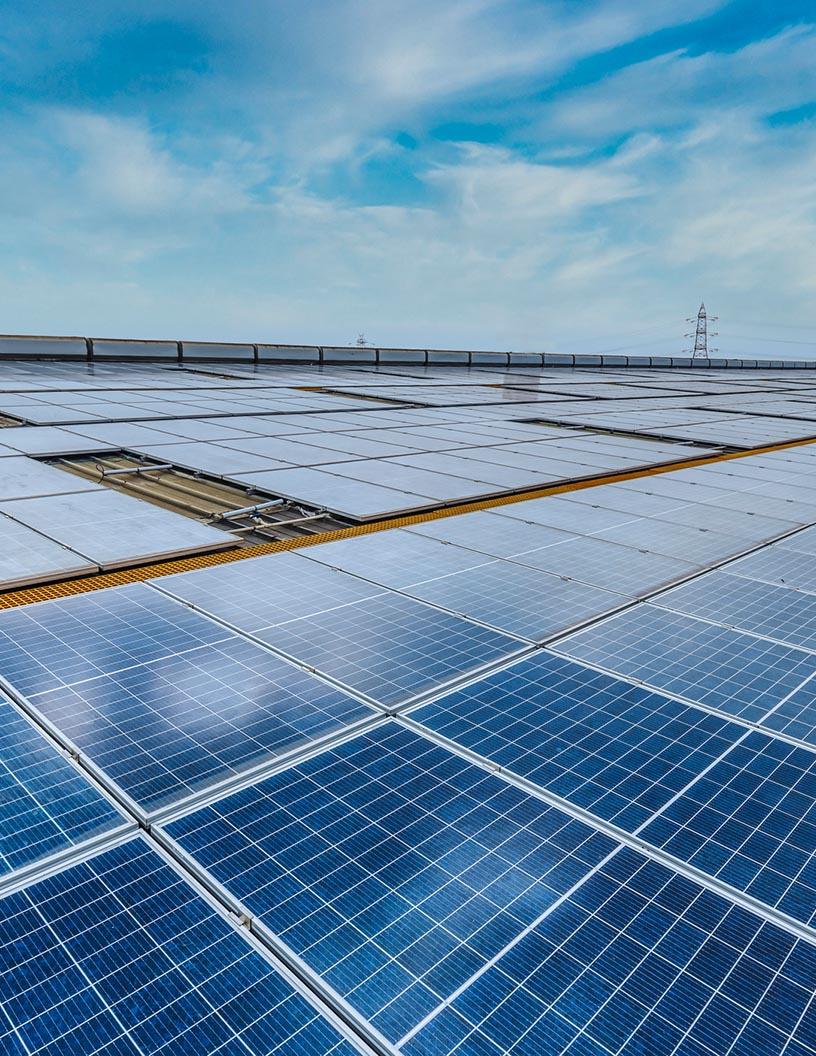


US Solar Power Market Size 2025-2029
The US solar power market size is forecast to increase by USD 21.7 billion, at a CAGR of 11.1% between 2024 and 2029.
- The market is witnessing significant growth due to the rise in investments in renewable energy and the increasing adoption of floating solar power plants. The shift towards cleaner energy sources is driving the demand for solar panels and inverters, as businesses and homeowners seek to reduce their carbon footprint and save on energy costs. Additionally, the increasing number of alternative energy sources, such as natural gas, coal, and fuel cells, is leading to a more diverse energy mix. Solar PV technology, including LED lighting and plastic solar panels, continues to advance, making solar power more accessible and cost-effective.
- The trend towards zero-energy buildings and construction is also boosting the market, as more projects aim for energy independence and sustainability. Energy storage solutions, such as batteries, are becoming increasingly important in the market, enabling the integration of intermittent solar power into the grid and ensuring a reliable energy supply. Overall, the market is poised for continued growth, driven by technological advancements, increasing demand, and government incentives.
What will be the Size of the Market During the Forecast Period?
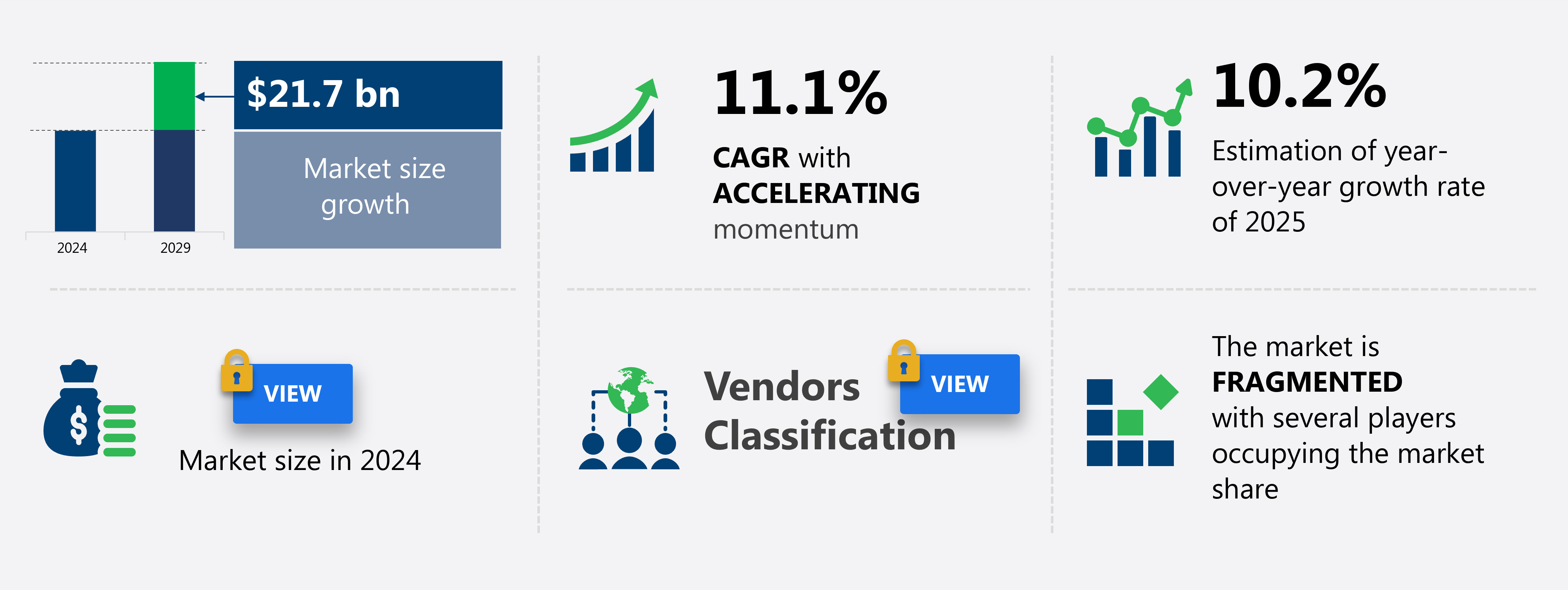
- The market continues to gain momentum as a significant contributor to the global energy landscape. With increasing environmental concerns and the need to reduce greenhouse gas emissions, the demand for clean electricity from solar power-generating facilities has increased. Solar installations, including solar PV plants and rooftop solar systems, have seen exponential growth, driven by technological advancements in photovoltaic (PV) panels. Silicon-based solar PV remains the dominant technology, but perovskite-based cells are emerging as a promising alternative.
- Manufacturing PV cells at scale and reducing their cost remains a key challenge for market growth. The market's installed capacity is projected to increase significantly, making it a vital component in various power scenarios. The market's expansion is expected to continue as solar power becomes an increasingly important part of the global energy mix, providing a sustainable and renewable source of clean energy that reduces reliance on natural gas consumption and other fossil fuels.
How is this market segmented and which is the largest segment?
The market research report provides comprehensive data (region-wise segment analysis), with forecasts and estimates in "USD billion" for the period 2025-2029, as well as historical data from 2019-2023 for the following segments.
- Technology
- Photovoltaic systems
- Concentrated solar power systems
- Application
- Utility
- Residential
- Commercial
- Geography
- US
By Technology Insights
- The photovoltaic systems segment is estimated to witness significant growth during the forecast period.
Solar power, a key component of the renewable energy sector, refers to the conversion of sunlight into electricity through photovoltaic (PV) systems. These systems comprise solar panels, which absorb sunlight and convert it into electricity, solar inverters for converting direct to alternating current, and necessary mounting, cabling, and electrical accessories. The shift towards clean electricity and environmental protection has fueled the growth of the solar power industry in the US.
Favorable policies, such as tax incentives and subsidies, have also encouraged the adoption of solar power as an alternative to fossil fuels like coal and natural gas, which contribute significantly to greenhouse gas emissions. Technological advancements, including the manufacturing of silicon-based solar PV cells and Perovskite-based cells, have led to increased installed capacity and module shipments, making solar power a cost-effective and viable energy solution for both in-house power generation and utility-scale solar installations.
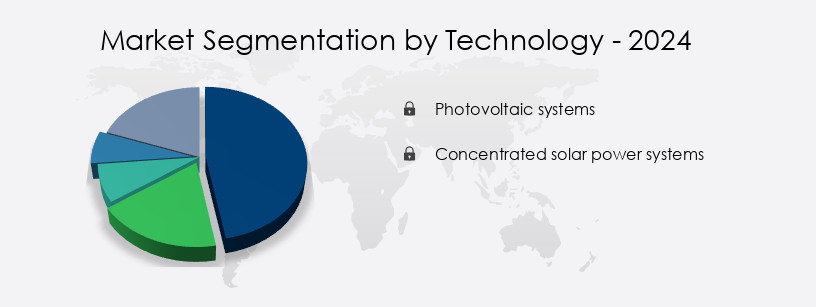
Get a glance at the market report of share of various segments Request Free Sample
Market Dynamics
Our US Solar Power Market researchers analyzed the data with 2024 as the base year, along with the key drivers, trends, and challenges. A holistic analysis of drivers will help companies refine their marketing strategies to gain a competitive advantage.
What are the key market drivers leading to the rise in the adoption of US Solar Power Market?
The rise in investments in renewable energy is the key driver of the market.
- Renewable energy sources, including solar power, accounted for around 30% of global power generation in 2024, and the US Energy Information Administration projects this figure to reach 28.15% by 2030. The high cost of producing electricity from renewable energy relative to conventional power sources, primarily coal and natural gas, is being challenged by significant technological advancements. These innovations, such as the development of Perovskite-based cells and silicon-based solar PV, are making renewable energy increasingly competitive with newly constructed fossil fuel power plants. Environmental concerns and the need for environmental protection have fueled investments in renewable energy worldwide. Renewable power sources, such as solar, hydro, and wind, emit minimal greenhouse gases during operation, making them a preferred choice over fossil fuels.
- The US government supports the use of renewable energy through grants, incentives, and feed-in tariffs (FIT), recognizing their intermittent nature and the need for a diverse energy mix. Despite the initial investment required for in-house power generation through solar installations, solar power-generating facilities and utility-scale solar PV plants are becoming increasingly popular. The Solar Power industry continues to grow, with an increasing number of solar panels being manufactured and module shipments on the rise. The shift towards clean energy is a significant trend in the global power scenario, driven by both environmental considerations and the potential for cost savings in the long run.
What are the market trends shaping the US Solar Power Market?
The rising adoption of floating solar power plants is the upcoming trend in the market.
- The market is witnessing significant growth due to the increasing demand for clean electricity and environmental concerns. Fossil fuels, such as coal and natural gas, continue to be major contributors to greenhouse gas emissions, leading to a push for renewable power sources. Solar power, specifically photovoltaic (PV), is becoming increasingly popular as technological advancements drive down costs and improve efficiency. In-house power generation is a key trend, with many businesses and manufacturing facilities seeking to reduce their reliance on utility power. Solar installations, including both utility-scale and rooftop installations, have seen a steady increase in recent years.
- Solar power-generating facilities, such as solar PV plants, are being built at an impressive rate. Floating solar power plants, a nascent technology, offer a solution for regions with limited land space. These systems can be installed on human-made or natural water bodies, such as dam reservoirs, lakes, and water treatment plants. Floating solar panels, attached to interconnected plastic rafts, perform better than land-based arrays due to cooling from evaporating water, enabling higher efficiency. Favorable policies and incentives, both at the federal and state levels, continue to drive the growth of the Solar Power industry. The shift towards green energy is a global trend, and the US is no exception.
What challenges does the US Solar Power Market face during the growth?
Increasing the number of alternative energy sources is a key challenge affecting the market growth.
- The market faces competition from various renewable power sources, including hydropower, fuel cells, and wind power. Fossil fuels, such as coal and natural gas, continue to dominate the electricity generation market due to their abundant availability and lower cost compared to renewable energy. However, environmental concerns and the need for environmental protection are driving the demand for clean electricity from renewable sources. Solar power, specifically photovoltaic solar (PV), is a significant contributor to the renewable energy market. Technological advancements in solar power, including the manufacturing of PV cells using silicon-based and Perovskite-based materials, have led to increased efficiency and lower costs.
- Utility-scale solar installations and solar power-generating facilities have seen significant growth, contributing to the increasing installed capacity of solar power. Despite these advancements, solar power faces competition from fuel cells, which produce electricity without combustion and generate fewer greenhouse gas emissions. Fuel cells pose a significant threat to the residential solar power market due to their ability to provide consistent power output and lower emissions compared to traditional combustion-based electricity generation technologies.
- Favourable policies and incentives from governments and organizations are expected to boost the growth of the solar power market. The shift towards green energy and the need to reduce reliance on fossil fuels are key factors driving the demand for solar power. However, the high initial investment required for solar installations and the intermittent nature of solar power remain challenges for the industry.
Exclusive Customer Landscape
The market forecasting report includes the adoption lifecycle of the market, covering from the innovator's stage to the laggard's stage. It focuses on adoption rates in different regions based on penetration. Furthermore, the market report also includes key purchase criteria and drivers of price sensitivity to help companies evaluate and develop their market growth analysis strategies.
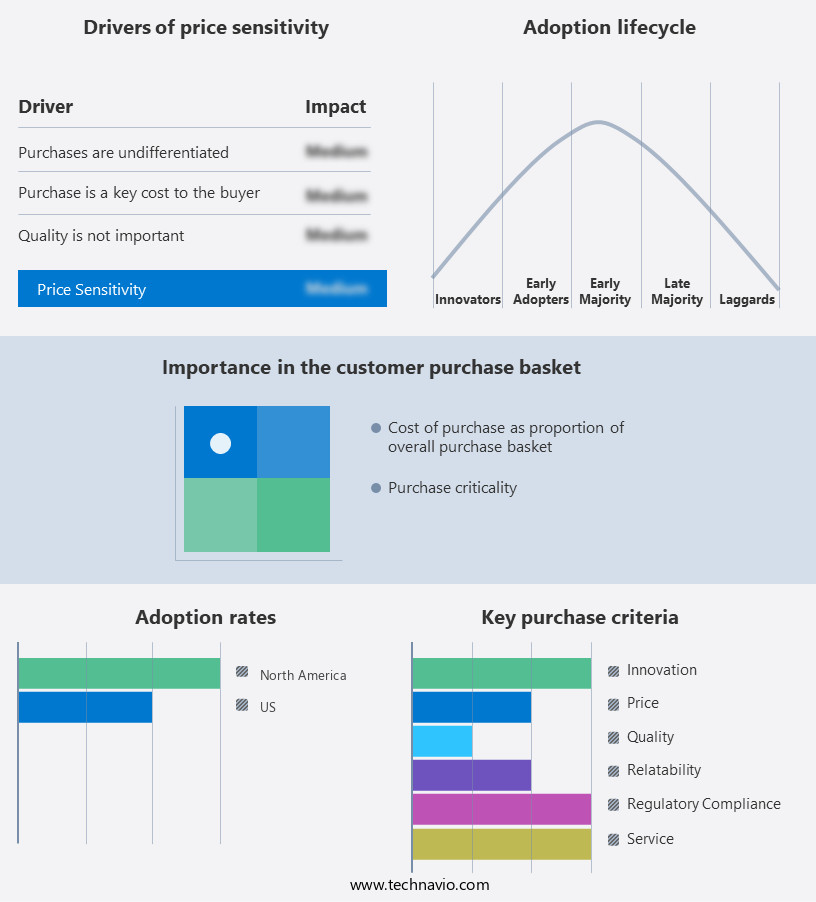
Customer Landscape
Key Companies & Market Insights
Companies are implementing various strategies, such as strategic alliances, market forecast, partnerships, mergers and acquisitions, geographical expansion, and product/service launches, to enhance their presence in the market.
AUXIN SOLAR Inc. - The company offers solar power through their high-efficiency monocrystalline solar panels.
The market research and growth report includes detailed analyses of the competitive landscape of the market and information about key companies, including:
- Canadian Solar Inc.
- ES Foundry Corp
- First Solar Inc.
- Hanwha Corp.
- HELIENE Inc.
- JA Solar Technology Co. Ltd.
- Jiangsu Seraphim Solar System Co. Ltd.
- JinkoSolar U.S. Inc.
- MiaSole Hi-Tech Corp.
- Mission Solar Energy
- Prism Solar Technologies Inc.
- Silfab Solar Inc.
- SolarTech Universal LLC
- Suniva Inc.
- SunPower Corp.
- Tesla Inc.
- Trina Solar Co. Ltd.
Qualitative and quantitative analysis of companies has been conducted to help clients understand the wider business environment as well as the strengths and weaknesses of key market players. Data is qualitatively analyzed to categorize companies as pure play, category-focused, industry-focused, and diversified; it is quantitatively analyzed to categorize companies as dominant, leading, strong, tentative, and weak.
Research Analyst Overview
The market continues to gain momentum as the world shifts towards cleaner electricity sources. Traditional fossil fuels, such as coal and natural gas, face increasing scrutiny due to their high emissions and environmental concerns. In response, environmental protection and the adoption of renewable power sources have become key priorities. Favorable policies and technological advancements have driven the growth of the industry. Photovoltaic solar (PV) technology, which converts sunlight into electricity, has been at the forefront of this trend. Both silicon-based and more recent perovskite-based PV cells have seen significant improvements in efficiency and cost-effectiveness. The industry has experienced remarkable growth in installed capacity and module shipments.
Further, utility-scale solar installations have become increasingly common, with solar power-generating facilities providing significant contributions to the power scenario in various regions. In-house power generation through solar panels has also gained popularity among businesses and residential consumers. The shift towards renewable energy sources has led to a decrease in natural gas consumption for electricity generation. As it becomes more competitive with traditional energy sources, its adoption is expected to continue expanding. The industry's growth is driven by several factors, including technological advancements, environmental concerns, and favorable policies. The market dynamics are shaped by a combination of these factors, creating an exciting and constantly evolving landscape for businesses and investors.
In addition, the market is experiencing rapid growth, driven by the adoption of renewable energy sources and the increasing demand for alternative clean energy sources. While coal and gas have traditionally dominated energy production, there is a clear shift toward Sustainable sources of power, with a focus on demand for solar PV. The efficiency of solar PV panels continues to improve, driving the expansion of solar PV across the country. Investment in renewable energy is at an all-time high, supported by favorable levelized cost of electricity (LCOE) and long-term power purchase agreements (PPA). Both the private and public sectors are heavily involved in this transition.
|
Market Scope |
|
|
Report Coverage |
Details |
|
Page number |
145 |
|
Base year |
2024 |
|
Historic period |
2019-2023 |
|
Forecast period |
2025-2029 |
|
Growth momentum & CAGR |
Accelerate at a CAGR of 11.1% |
|
Market Growth 2025-2029 |
USD 21.7 billion |
|
Market structure |
Fragmented |
|
YoY growth 2024-2025(%) |
10.2 |
|
Key countries |
US |
|
Competitive landscape |
Leading Companies, Market Positioning of Companies, Competitive Strategies, and Industry Risks |
What are the Key Data Covered in this Market Research and Growth Report?
- CAGR of the market during the forecast period
- Detailed information on factors that will drive the market growth and forecasting between 2025 and 2029
- Precise estimation of the size of the market and its contribution of the market in focus to the parent market
- Accurate predictions about upcoming market growth and trends and changes in consumer behaviour
- Growth of the market across US
- Thorough analysis of the market's competitive landscape and detailed information about companies
- Comprehensive analysis of factors that will challenge the growth of market companies
We can help! Our analysts can customize this market research report to meet your requirements. Get in touch